
6 Tips for Communicating Vehicle GPS Tracking to Your Drivers

Implementing a fleet management system doesn't require a lot of time or complex infrastructure. Simply install a GPS tracker and the necessary additional devices on your vehicle and you'll have access to the fleet management platform. You can access it anytime and anywhere from a web browser or mobile app, as long as your device is connected to the internet. The fleet management platform is also user-friendly, making it easy to understand and use.

However, transforming fleet management from manual to digital isn't without its challenges. Not all your fleet crew members may be comfortable with this advancement, or even familiar with technology and own smartphones. You should communicate this change first to your drivers, as they are the frontline of your fleet. Here are six tips for communicating the implementation of GPS vehicle tracking technology to your drivers.

1. Communicate your plans openly upfront.

Announce to the drivers that you and the management team have decided to begin digitising fleet management. Explain that this digitisation process requires the installation of IoT devices—such as GPS trackers, fuel sensors, remote starter cut-off switches, cargo door sensors, and any other equipment you require—on every vehicle. If you also decide to use a task assignment app, clearly outline your plan; for instance, specify whether you will provide mobile phones and data plans for each driver or utilise the drivers' own smartphones with some form of compensation.

Communicating your plans to implement a GPS tracking-based fleet management system will help build trust and acceptance from the start of the process.

2. Tell the drivers the benefits

Communicate with drivers how GPS vehicle tracking technology can make their jobs easier, improve safety, and even keep them out of trouble. For example, if a road user reports your driver was speeding, you can check the driver's trip history and defend your driver based on the data if the report doesn't support the driver's actions.

Another example is to address a complaint about an insufficient shipment quantity. You can provide an explanation to the customer based on the cargo door opening and closing history (where a door sensor has been installed). You can read about the full benefits of GPS vehicle tracking technology for drivers here.

3. Tell the benefits to other departments and your business

Communicate the issues other departments and your business face with manual fleet management. For example, customer service is unable to respond quickly to delivery progress and vehicle locations, as well as inefficient reporting and vehicle maintenance. Explain how digital fleet management helps solve these problems. For businesses, these technological advancements improve the reliability of fleet services, thereby increasing customer satisfaction, improving the company's reputation and profitability.

This GPS tracking-based fleet management technology streamlines time and workflow, increases visibility of vehicles and cargo, and minimises the risk of loss.

The manager is communicating the vehicle GPS tracking policy to the drivers.

4. Show how it works

To actively participate in implementing this fleet management technology, your drivers need to understand how it works. Provide them with training to show them how the fleet management system generally works and what they should do. If you're using an assignment app, teach them the steps and ensure they understand them before implementing the technology. Training is key to helping drivers feel comfortable working with this GPS-based fleet management technology.

5. Give appreciation for good performance and training when necessary

One advantage of fleet management digitalisation is that the management team can provide more objective, data-driven performance assessments. The system can evaluate driving safety and idle time—accounting for factors such as distance travelled, vehicle misuse, start and end times, and the number of on-schedule deliveries completed. Consequently, you can consider bonuses and other benefits based on individual performance.

Additionally, you'll also know if any of your drivers frequently work overtime, allowing you to re-evaluate workload allocation or consider hiring more staff. For drivers with low driving safety levels, you can facilitate targeted training. Training can be tailored to each driver's individual needs, taking into account the Driving Safety Report data automatically provided by the system.

6. Build the right perception as a team

GPS vehicle tracking technology will help improve driver discipline and productivity. Emphasise that this is not due to a lack of trust in drivers, but rather to improve the quality of fleet service to ensure business continuity. In this era of Industry 4.0, companies must embark on digital transformation to stay ahead of the times and survive in the fierce competition. Good service and fleet management will keep your business running, and your employees can maintain their livelihoods.

The implementation of this technology requires the role of all employees to be involved as a team, because this technology brings benefits to several different departments and makes inter-departmental collaboration smoother. Adapting to a new system requires cooperation from various stakeholders. Establishing communication is crucial to avoid misunderstandings. Be open about the changes and involve your drivers in every step of the process as part of a team working together to advance the company.

Drivers, managers, operators, and even HR/GA can benefit from implementing a GPS-based fleet management system. This technology isn't just for location tracking; it's a comprehensive and integrated system that makes fleet management more efficient. Want to start digitising your fleet management with a GPS tracking system? Contact us here and get a FREE DEMO from the Cartrack team!
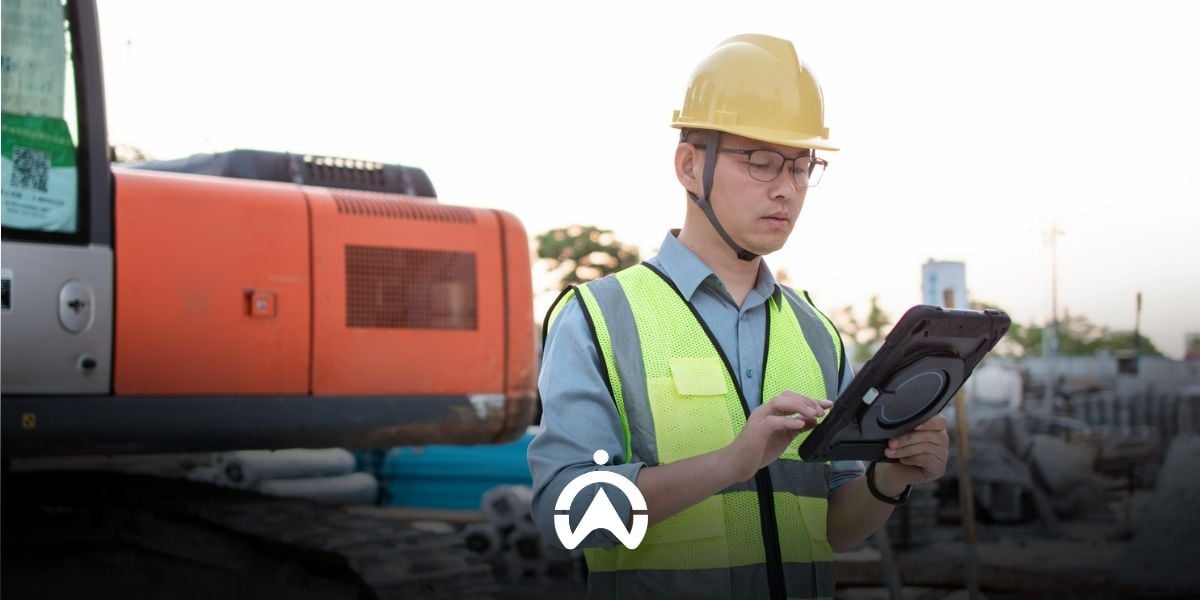

Prevent Theft in Construction Projects with Vehicle GPS Tracking

Managing construction projects without the right technology support can be a major challenge to business continuity. Construction sites, especially large ones that are difficult to monitor, are often targets of theft, ranging from tools, timber, and steel to heavy equipment. GPS tracking technology, consisting of both hardware and software, helps minimise the risk of theft in construction projects and protects your business from undetected profit leakage.

1. Vehicle Tracking

Ensure your heavy equipment vehicles are operated during the correct hours by installing a GPS tracker and activating vehicle misuse alerts. Monitor all vehicles through fleet management software and also create a project geofence so you are notified when a vehicle leaves the project area.

2. Asset Tracking

Unlike vehicle trackers, asset trackers are designed with a very long battery life to track non-powered, open assets. An asset tracker allows you to view your non-powered assets in real-time on a map (within fleet management software). You can also create an geofence to help you monitor asset movements within defined boundaries.

3. Tracking of Vehicle Mechanical Features

Heavy equipment vehicles have specialised features such as concrete mixers, cranes, and bulldozer blades, which are used for specific operational functions. By installing tracking sensors (such as mixer sensors and power take-off sensors) on these features, you can monitor usage outside of instructions. For example, mixer sensors allow you to track the time, duration, and location of cement loading and unloading. Similarly, power take-off sensors (PTO) can also provide information on the time, duration, and location of mechanical feature activation and deactivation.

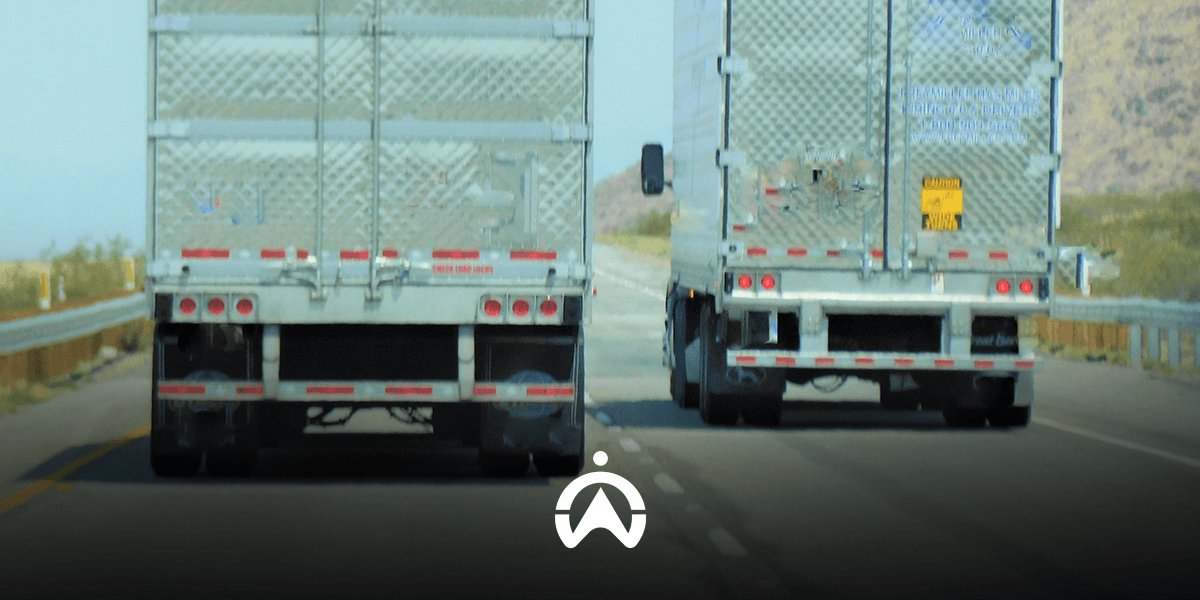
Cargo trucks cross the highway next to vast agricultural land.

4. Fuel Activity Tracking

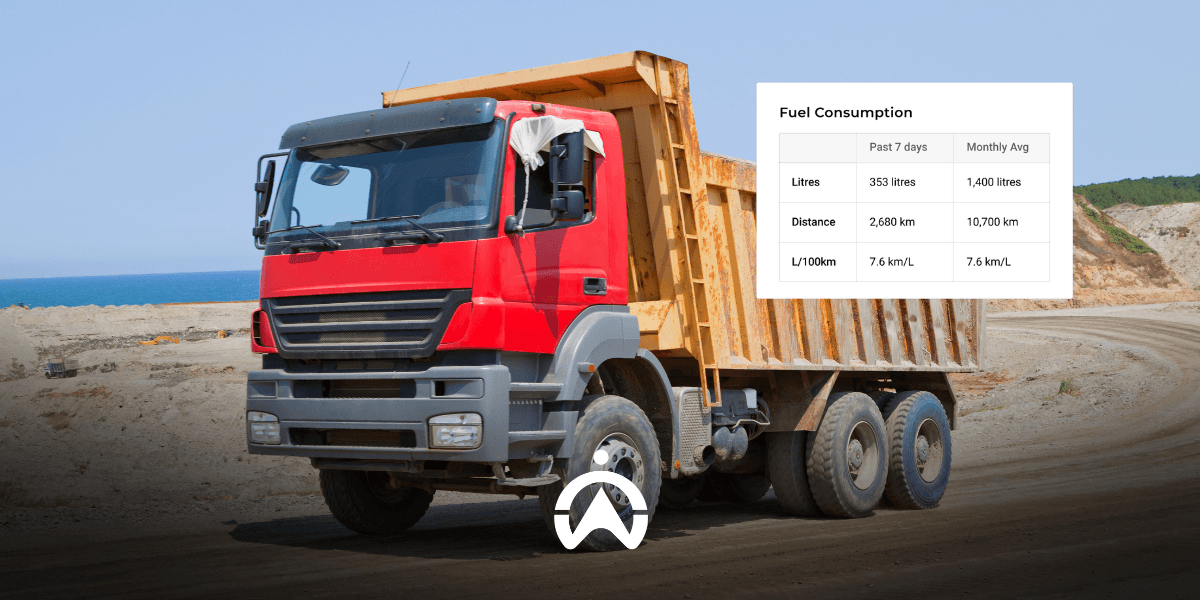
Fuel theft from vehicle tanks can be monitored by installing fuel sensors. You will be notified when there is a sudden drop in fuel volume by activating fuel loss alerts. You can also detect fuel fraud through Fuel Filling Reports and Fuel Efficiency Reports, which are automatically available in the fleet management software. This allows you to see the actual fuel volume filled and identify which vehicles are the least fuel-efficient.

5. Driver Tracking and Starter Disabler

To prevent your heavy equipment vehicles from being used by unauthorised drivers, you need to install a Driver Identification Tag (DID) combined with a starter immobilisation system. To operate the vehicle, the driver must tap the tag on the reader before starting the engine. If this is not done, the starter cannot be engaged even with the vehicle key. In addition, you can remotely disable the starter (via a mobile application or website) if theft or unauthorised vehicle use is detected.

How can you have all of this? Simply send us a message here so we can provide a Cartrack solution tailored to your construction fleet management needs. The Cartrack fleet management system offers more than just vehicle GPS tracking, such as geofence, alerts, and more than 100 types of automated reports. For enhanced visibility and security, you can also add asset trackers, PTO sensors, fuel sensors, as well as a driver ID tag and an immobiliser. Contact us now and get a FREE DEMO to learn more about the Cartrack fleet management system!

5 Functions of a GPS Tracking-Based Fleet Management System for Police Fleets

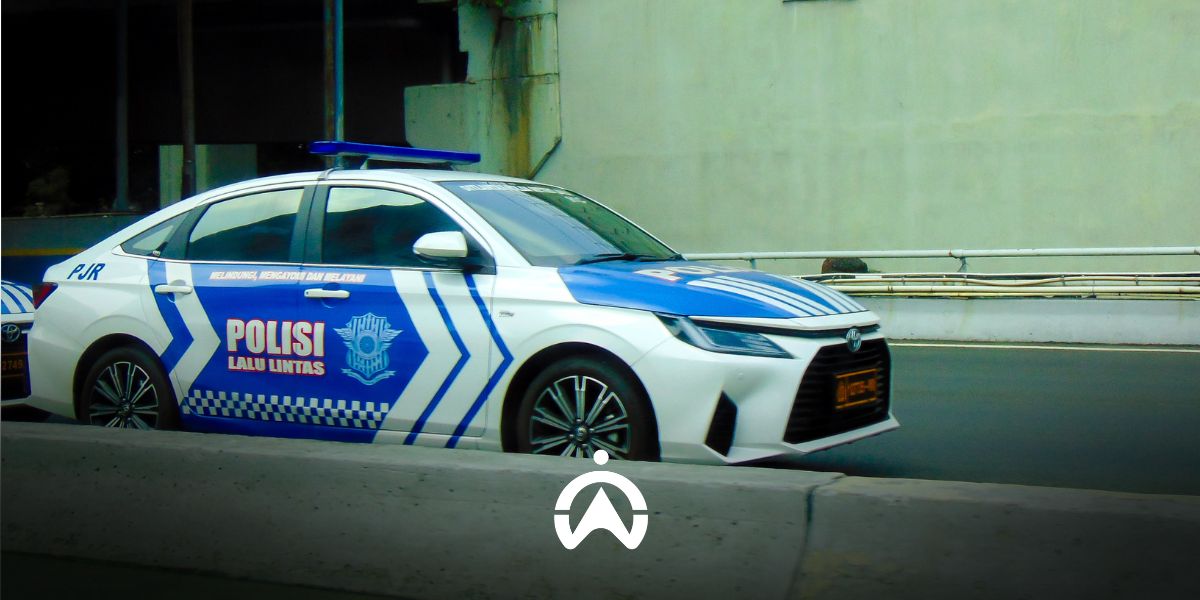
From escort motorcycles and mobile driving licence testing vehicles, to water cannon trucks, police forces across Indonesia have specialised needs in managing their fleets. Police fleets are expected to respond quickly in all situations and provide excellent service to the public. However, ageing vehicles and manual management systems present challenges in optimising operations.

To respond quickly when handling situations at a particular location, the police need a system that makes it easy to track their fleet. A GPS tracking-based fleet management system can locate the nearest vehicle to an entered location in the map view, helping operators assign vehicles and personnel quickly.

1. Track the Nearest Vehicle to the Location

Untuk respons cepat dalam menangani situasi di lokasi tertentu, polisi membutuhkan sistem yang mudah untuk melacak armadanya. Sistem manajemen armada berbasis pelacakan GPS dapat melacak kendaraan terdekat ke lokasi yang diinput dalam tampilan peta, sehingga dapat membantu operator menugaskan kendaraan dan personel dengan cepat.

2. Tracking Vehicle Activity Based on Region

Operators can use the feature     to receive area-based alerts  For example, when vehicles enter and exit important official pickup areas. Operators need to virtually mark areas requiring increased monitoring on a map to set alerts. This feature helps operators ensure smooth task execution.

3. Monitor Assignment Routes

A fleet management system includes a route planner feature, with configurable notifications for events such as when a route starts, when a route ends, when a route hasn't started within a set time, when a vehicle deviates from the route, and when route progress is slow. These notifications allow faster action whenever something holds up the completion of a route. Officers can also review routes by replaying the trip history on the map. A camera feature can be added as well, mounted facing the road or into the vehicle, so that operators can monitor visual conditions during the journey. These features are useful for monitoring patrol routes, escort duties, disinfectant spraying with water cannon trucks, and more.

A row of police motorcycles with active patrol lights that use a GPS tracking fleet management system for fleet alertness.

4. Create Faster, More Accurate, and More Detailed Reports

Fleet management software processes data from the tracking devices installed in vehicles and presents it as detailed automated reports. Officers simply choose from more than 100 report types or customise one of the available reports. Some of the automated reports include the Trip Detail Report, the Geofence Report, and the Driver Scorecard. Reports can be downloaded in Excel or PDF format, and also sent by email. In addition, officers can download the trips shown in the map view in Excel, KML, or GPX format. These automated report and trip download features certainly make reporting work more practical.

5. Facilitates Vehicle Maintenance Scheduling

To make sure the vehicles in use are always in good condition, officers can take advantage of the reminder feature in the fleet management software. Integrated with the vehicle GPS tracker, officers can set up and automate recurring preventive maintenance schedules based on date, distance, and how long the vehicle has been operating. Automatic reminders can be set to be sent by email or SMS a certain amount of time or distance in advance.

Digitalising police fleet management is a sound investment for both the short and the long term, and it is in line with the service digitalisation programme announced by National Police Chief General Listyo Sigit Prabowo. If vehicles are replaced or added, the devices can easily be integrated into the system, making police fleet management more flexible. The

Contact us here to find out more about Cartrack's fleet management system and how our technology can benefit your fleet operations!

3 Reasons Vehicle Misuse Can Harm Your Company

Every vehicle and piece of fleet equipment represents a significant investment for a company, especially one that relies on its fleet to run its business. Therefore, it's crucial that your employees help maintain these important assets. Employees should be held accountable. use assets well for the benefit of the company's business, not for personal gain or side jobs.

Penyalahgunaan kendaraan ini tentunya akan merugikan perusahaan Anda, terlebih jika dilakukan secara konsisten. Berikut ini 3 alasannya:

1. Accelerates Vehicle Wear and Reduces Productivity

Abuse increases tire mileage and machine operating hours This will cause vehicle parts to wear out more quickly and increase the risk of problems with the vehicle while it is being used for official work. As a result, the company will incur losses due to having to incur additional costs. replacement of spare parts and tires faster, delaying work completion, and losing work time for unplanned vehicle repairs.

2. Burdening the Company with Liabilities Outside the Business

Each time employees misuse company vehicles for side work, they place both the vehicle and the company at unnecessary risk. There is a possibility of accidents, vehicle loss, traffic violations, overloading due to smuggled goods, and other incidents when vehicles are misused. Even if you did not authorise or are not aware of it, your company may still be held liable and required to resolve such matters. Your company may also face difficulties in claiming insurance, as accidents or vehicle loss may have occurred outside of official business use.

Red cargo truck speeding on the highway

3. Damaging the Company's Reputation

A company’s reputation is closely tied to its vehicles and drivers, especially when you display company identity such as logos, company names, and contact numbers on vehicles. If employees misuse vehicles by lending them to individuals who drive recklessly or behave irresponsibly, it will damage your company’s reputation. In the event of a road accident, the public will see the company name and logo displayed on the vehicle. No one will care whether it was the act of an unrelated individual or an employee who misused the vehicle to transport illegal goods.

How can you prevent—or at least significantly reduce—unauthorised vehicle use? The Cartrack fleet management system is the solution. This technology gives you comprehensive visibility, allowing you to monitor vehicle real-time locations 24/7 and detect when a vehicle is being used at inappropriate times. You can also access automated reports and route playback, which show trip history to verify whether any vehicle misuse has occurred. With Cartrack, you can more easily enforce vehicle usage policies, supported by accurate tracking data. Start managing your company fleet with Cartrack—contact us here and get a FREE DEMO!