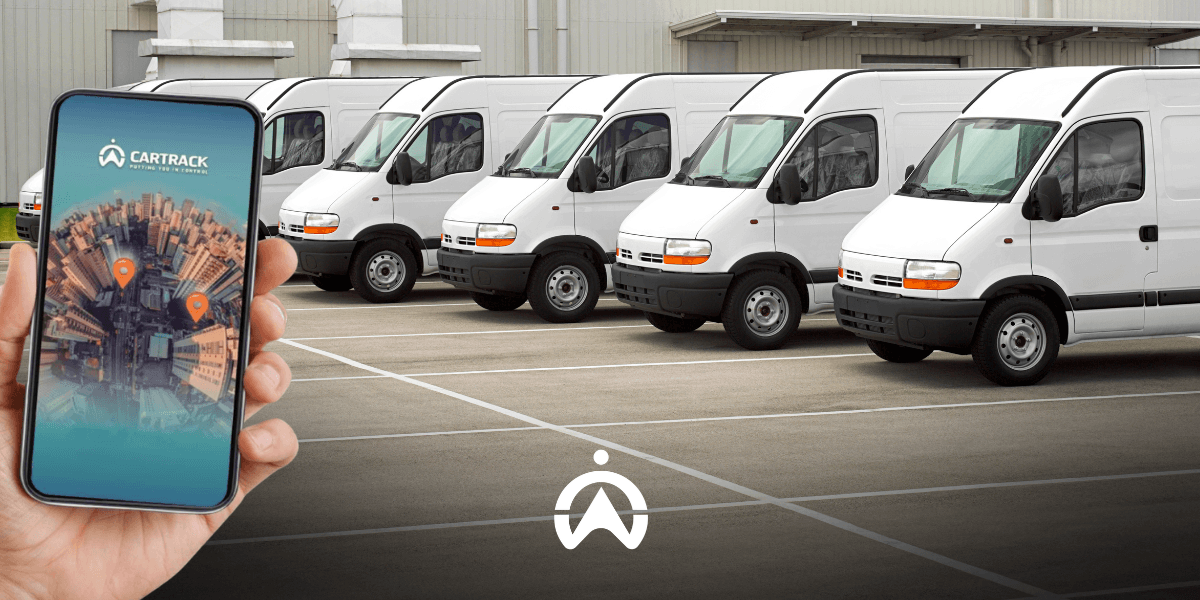

Cartrack, Indonesia's Most Trusted Fleet Management System

As a fleet business owner, you naturally want the vehicles you've invested in to be utilised optimally and according to their intended purpose. This is why companies with fleets need a Fleet Management System (FMS) with trusted technology. With an FMS, you can easily monitor and manage your valuable assets and ensure productive fleet performance.

What is a Fleet Management System (FMS)?

A Fleet Management System (FMS) refers to a technology that enables the exchange of information between a fleet of vehicles and a central platform. This system requires a GPS and GPRS network, a GPS tracker, telematics software, and a server. The features of each FMS vary. However, the primary function of this system is to monitor, collect, store, process, and report information about the vehicle fleet.

Your Benefits of Using FMS

In business practice, the use of an FMS aims to ensure smooth fleet operation, improve performance and productivity, and maintain operational cost efficiency. This is made possible by FMS features that provide detailed visibility into vehicle activity. Furthermore, you can use the monitoring data as a reliable basis for optimising your fleet across various aspects.

Generally, FMS can do the following things, depending on how sophisticated the telematics developed is.
✔️ Monitor location, distance travelled, operating hours, and active status of vehicles;
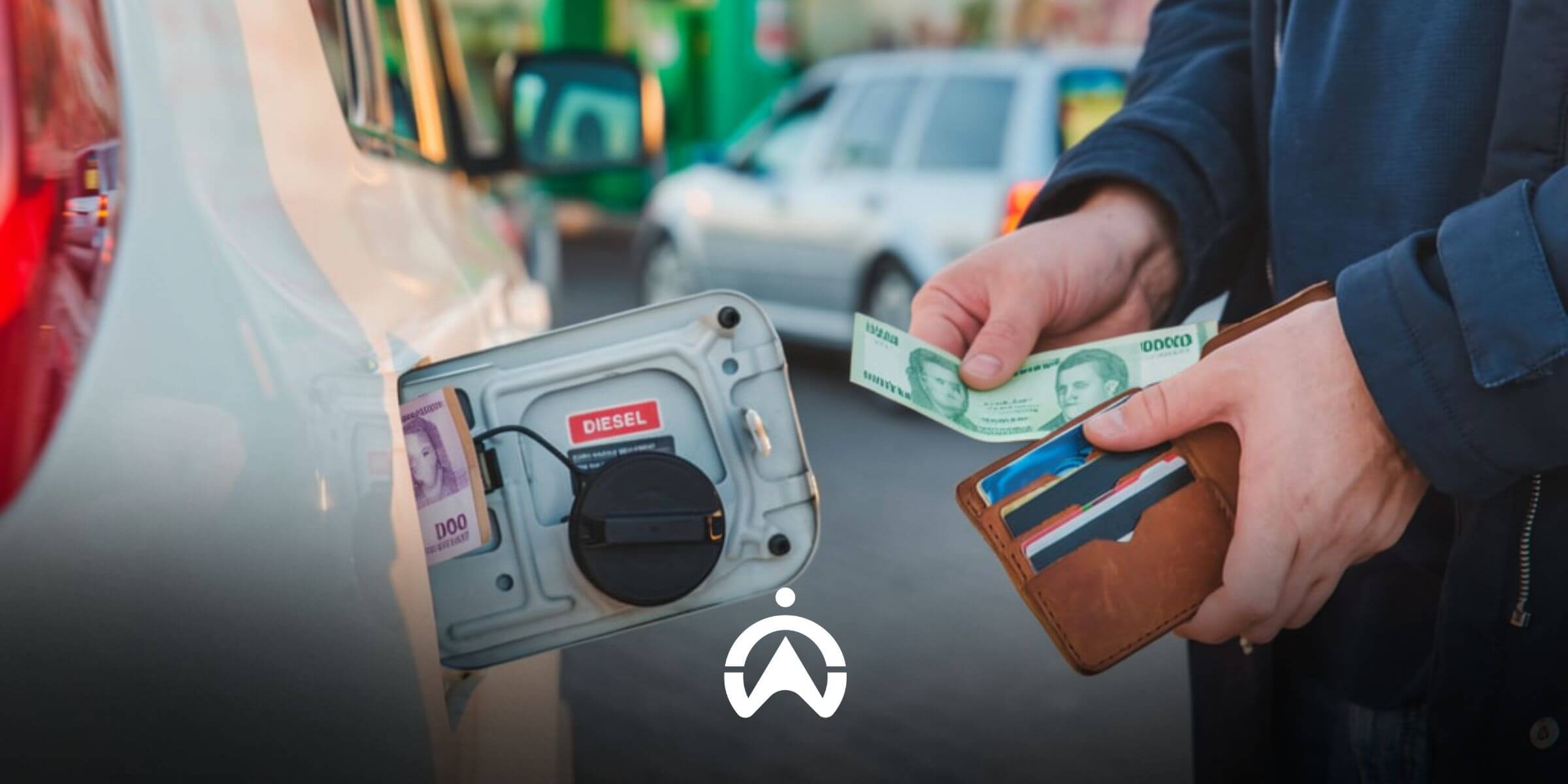
✔️ Monitor fuel consumption, as well as detect fuel theft and fraud in fuel claims;
✔️ Improve driving behaviour and reduce accidents and vehicle wear by providing warnings when speeding, braking suddenly, pulling the gas hard, turning too sharply, and starting the engine when the vehicle is stopped ( idling);
✔️ Memantau aktivitas kendaraan dalam area tertentu melalui   ;
✔️ Prevent vehicle misuse through driver identification systems and remote engine deactivation ( );
✔️ Increase the credibility of operational reports;
✔️ Manage service schedules based on odometer or period, as well as other vehicle-related schedules, such as insurance payments, and vehicle and driver document renewals.

How Does FMS Work?

To have an FMS, you first need to install a GPS tracker device on your vehicle. This device receives vehicle activity data using GPS and then sends it to a server via the GPRS network.

After installing a GPS tracker, you will be able to monitor your fleet from a PC, using Cloud-based software (Software-as-a-Service/SaaS) that can be accessed anywhere via an internet browser. There are also FMS that have a mobile application platform for access via mobile phones. The data in the software and mobile applications are pulled from the server. That's why it's important to have a dedicated server so that data traffic in the FMS is not disrupted.

With access to the software and features, you can start managing and optimising both your fleet and your drivers.
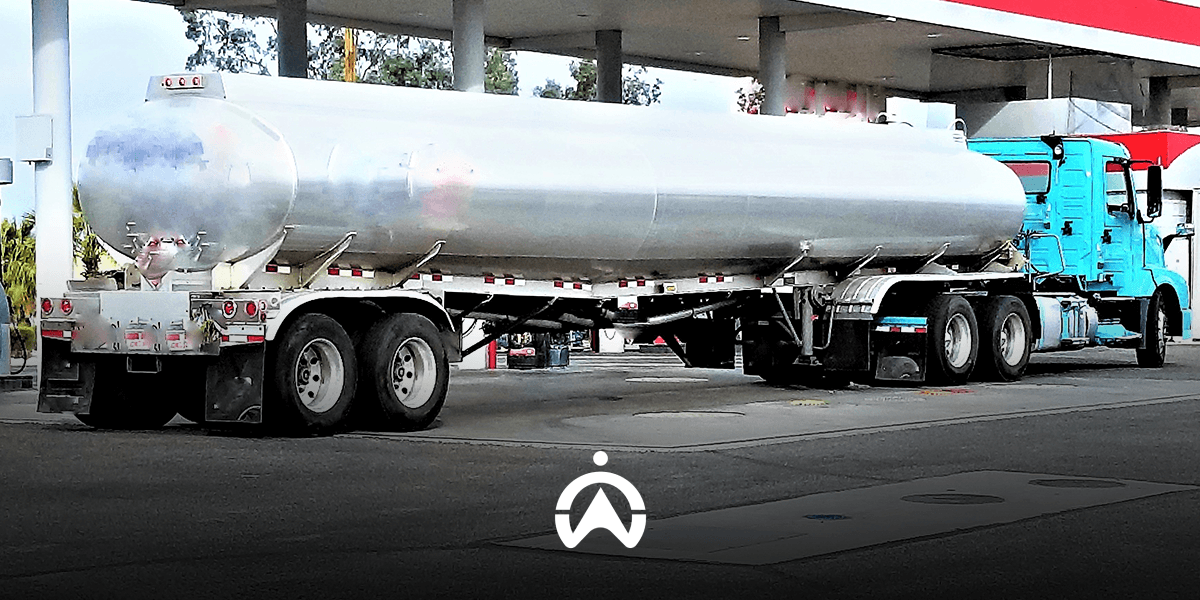
A queue of logistics trucks at a shipping warehouse managed by Cartrack Indonesia's Fleet Management System for fleet efficiency.

Added Value of Cartrack FMS Application

Cartrack offers smart fleet solutions that can be applied across various industries. Features and systems can be tailored to each customer's needs. Cartrack's fleet operational reports are comprehensive and accurate, with delivery periods that can be automated. Complementing the convenience of fleet management, Cartrack also develops Delivery software to organise delivery jobs and MiFleet to manage administration and operational costs.

When you choose Catrack, you get premium technology and products, developed in-house and patented under the Cartrack name. We also have server special owned internally by Cartrack and provides services free installation   lifetime warranty. Not only that, you'll also gain additional value by implementing Cartrack's FMS, with results based on global averages as follows.
✔️ Reduce fuel costs average 25%/year
✔️ Reduce overtime minimum 1 hour/week
✔️ Increase productivity minimum 1 extra delivery job/week
✔️ Reduce spare part replacement minimal 10%
✔️ Reduce maintenance costs minimal 25%

Essentially, an FMS is simply a tool that empowers fleet operators to make better decisions in managing fleet operations. FMS technology is essential as a solution to the inefficiencies and limitations of manual fleet management. The next step is to choose a trusted FMS that best meets your fleet management needs, namely Cartrack. Cartrack is trusted not only in Indonesia but also by various fleet companies worldwide.

Start managing your vehicles, drivers and fleet jobs with Cartrack now and get a FREE DEMO from us!


3 Effective Strategies to Help Fleet Businesses Navigate a Crisis

In an ever-changing world, the challenges facing fleet companies continue to grow. These include unexpected changes like pandemics, national economic situations, and other crises. Adapting to these conditions can empower fleet companies to excel and thrive. 

3 Effective Strategies to Face a Crisis

Here are 3 characteristics of a vehicle fleet company that are effective weapons in facing a crisis. 

1. High Operational Visibility

High visibility in operations prevents the risk of unexpected things happening in your business. Cartrack GPS Tracker is the most appropriate fleet visibility solution, which provides complete control over vehicle assets, drivers, and costs. Through vehicle and driver monitoring and sophisticated Cartrack software, you not only know the location, time, and progress of fleet tasks. You will also know how productive and efficient your fleet is in terms of usage and costs required (per vehicle or per trip).

2. Super Efficient Performance

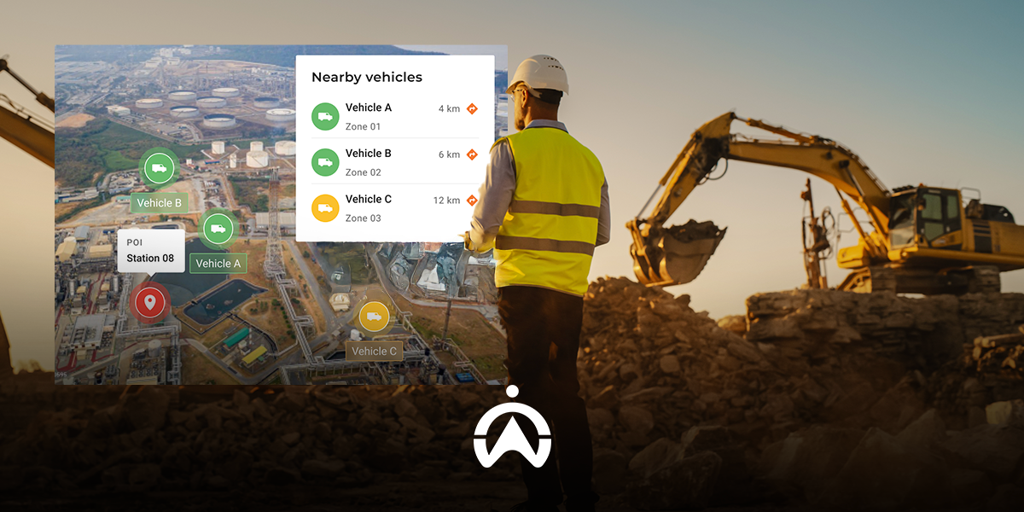
This is certainly very beneficial for your fleet company because it will be able to complete more work. Cartrack's Fleet Management System (FMS) offers a comprehensive solution to drive fleet performance to be super efficient. Route planners, automatic reports, reminders & alerts, Driver Vehicle Inspection Report (DVIR), task manager (Communicator), geofence, nearby vehicle tracking feature, and other Cartrack features guarantee increased productivity. As a result, your fleet can add at least 1 extra job (delivery) and reduce overtime by at least 1 hour per week.

Operational officers in reflective vests work in the field at sunset.

3. Data-Driven Management

To be able to make important decisions for fleet progress, management needs accurate, reliable, and actionable data. Cartrack processes data beyond raw data to provide actionable insights, such as whether you need to reduce the number of vehicles or replace unproductive ones. One of Cartrack's superior features that can help management make better business decisions is MiFleet, your e-accounting personal assistant. Abundant data is processed into various parameters with visualisations that help you understand comprehensively and make faster decisions to optimise your business.

Does your fleet meet the three characteristics above? Use the Cartrack Fleet Management System now! More than just a GPS Tracker, Cartrack helps improve the productivity and efficiency of your fleet company. Consult with our team and get a FREE DEMO!

Facing the Crisis, Cut 5 Types of Your Company's Fleet Costs with Telematics!

In an uncertain economic climate, business owners need to implement efficiency measures to survive as long as possible. Those of you who own a company with a fleet of vehicles or heavy equipment and drivers are advised to use a telematics system. With the help of telematics, you can reduce the following five types of fleet costs. 

1. Fuel Costs

Telematics features that can help you lower fuel costs include idle detection (when the vehicle is idling for extended periods), a route planner (to select the most efficient route), and monitoring driving behaviours such as speeding. The added fuel monitoring feature also helps identify fuel theft and fraudulent fuel purchase claims. If you use Cartrack, fuel receipts can be automatically verified by the system.

2. Labour Costs

Vehicle telematics reduces labour costs by scheduling deliveries in the most efficient sequence and route to minimise driving time and overtime. Drivers who deliberately waste time to increase working hours can also be identified through vehicle activity monitoring. In addition, telematics systems also help reduce downtime, so you don't waste money paying employees during unproductive hours.

Two construction workers review operational data on a laptop to cut company fleet costs using a telematics system at the project site.

3. Maintenance Costs

Through a telematics platform, you can manage each vehicle's maintenance schedule, such as oil changes, tire checks, and regular servicing. Notifications can be automatically set based on mileage, date, and interval. The integrated telematics application also allows drivers on duty to submit vehicle inspection reports (DVIRs) with photos and descriptions if any issues are detected so they can be promptly addressed by the relevant team. These steps can prevent damage, extend vehicle life, and protect the company from further losses.

4. Insurance Costs

Companies with fleets of vehicles and drivers face greater risks that require insurance coverage. Risk is one factor that influences insurance premiums with certain service providers, so driving records and traffic ticket history can be taken into consideration. With fleet telematics, you can manage these risky driving behaviours. If drivers practice safe driving habits, the risk will decrease, potentially lowering insurance premiums. 

5. Asset Cost

Reducing the number of assets will significantly lower your company's fleet costs, particularly operational costs. A telematics platform helps you make this decision by providing an accurate picture of vehicle usage. You can easily identify underperforming vehicles and estimate their value for sale or auction.

Use vehicle telematics today and start reducing your company's fleet costs! Cartrack is ready to help you make targeted efficiency decisions during this crisis. Contact us for a further consultation and get a FREE DEMO of how Cartrack works!

3 Functions of a Panic Button for Fleet Vehicles

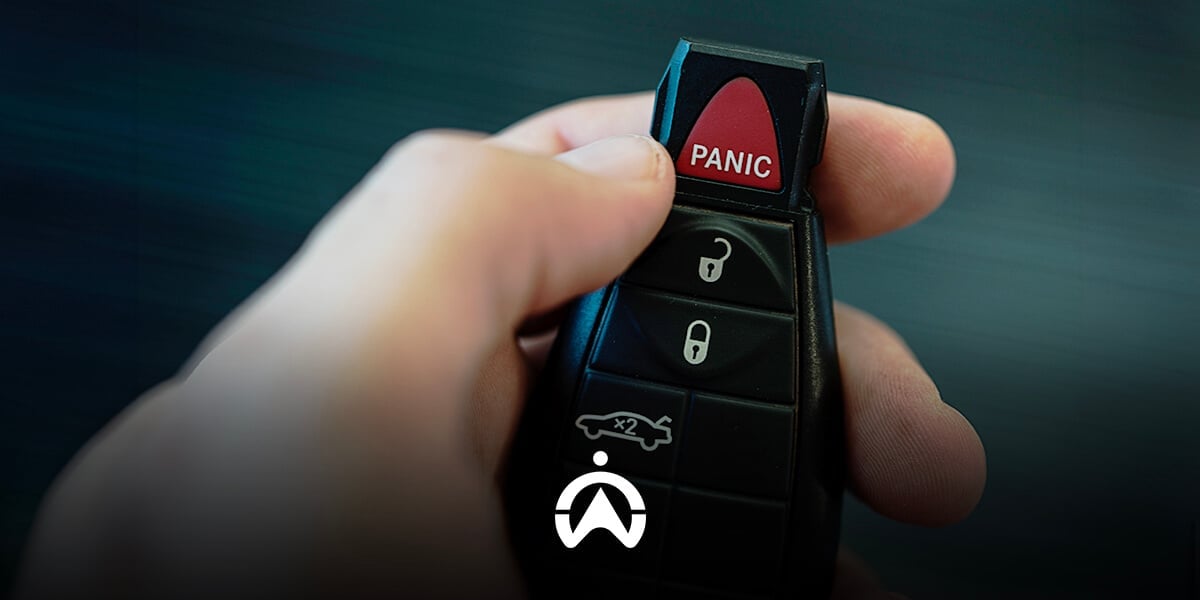
Drivers are often in a vulnerable position as they work independently. They travel long distances alone while carrying goods and company assets. Given the critical nature of their role, companies must have a system in place that ensures the safety and security of drivers while they carry out their duties. One way to achieve this is by installing a panic button in vehicles, with the following functions.

1. Sending an Emergency Signal to the Fleet Operator

Integrated with the vehicle’s GPS tracker, the panic button can send an emergency signal together with real-time time and location information. This alert is then received by the fleet operator, enabling them to quickly dispatch assistance to the scene.

2. Minimising Company Losses

With a panic button that sends emergency notifications, assistance can be dispatched immediately. Such rapid response in emergency situations can help protect your assets and the goods being transported, allowing you to avoid greater losses.

Pencuri memakai balaclava mencoba membobol pintu mobil di malam hari

3. Providing Security for Drivers

The panic button can be installed on the dashboard, near the door or driver’s seat, or in other areas that are easily accessible to the driver. Pressing this button is the fastest way for drivers to request assistance in an emergency, such as illness, robbery, accidents, or natural disasters.

Enhance the protection of company assets and minimise losses by installing a panic button integrated with the Cartrack GPS tracking device. Contact us to learn more about vehicle monitoring packages with an added panic button feature and get a FREE DEMO from Cartrack!

MiFleet Helps Fleet Businesses Recover from Crisis

In times like these, maintaining a calm mindset is crucial for making sound business decisions. You need clear data and indicators to make rational judgments that ensure your business's sustainability. That is where MiFleet comes in, helping your fleet business take the right financial steps to recover from the crisis. Here are three ways MiFleet helps save your fleet business.

1. Measure Vehicle and Driver Profitability

It is time to move beyond simply focusing on total fleet operating costs and start monitoring the underlying data behind those figures. MiFleet transforms raw data into informative visuals, allowing you to assess vehicle and driver profitability at a glance. You can also quickly compare operating expenses per kilometre, per trip, and per fleet vehicle.

A stack of coins on top of a financial chart shows MiFleet helping fleet businesses recover from the crisis.

2. Optimise Resource Utilisation

After measuring vehicle and driver profitability, you can optimise their utilisation for your current business activities. Re-evaluate whether your fleet size and driver count are appropriate or if reductions are necessary during this crisis. If you decide to sell a vehicle, records regarding purchase, insurance, parts replacements, and more are neatly stored in MiFleet, assisting you in assessing asset depreciation.

3. Avoid unnecessary expenses

Acting as your personal e-accounting assistant, MiFleet makes financial administration more efficient. MiFleet’s User Experience (UX) makes it easy to identify priorities, such as overdue instalments and vehicles requiring immediate servicing. It can also send payment notifications, helping you avoid costly interest penalties or major expenses resulting from vehicle damage caused by irregular maintenance schedules.

Seize the opportunity to improve your business cash flow with MiFleet. You can now access this fleet e-accounting feature directly from Cartrack’s Fleet Web platform, fully integrated with the vehicle monitoring system. Choose a Cartrack GPS Tracker package that includes MiFleet features and get a FREE DEMO from us!
Improve Fleet Operations in Times of Crisis with Cartrack

As commercial road transport activity declines, business owners must optimise their existing resources. To ensure your efforts are targeted effectively, you need accurate data. Cartrack is ready to assist by providing data access and a management system that gives you full control. This enables you to understand how to optimise fleet operations and successfully navigate this crisis.

Here are 4 things you can do with Cartrack to improve your fleet's operational performance.

1. Increase Asset and Driver Visibility

Cartrack’s remote monitoring gives you peace of mind wherever you are. You will be informed if the vehicle is started, idle, deviates from the route, enters or exits a specific geofence, arrives late at its destination, or if the container temperature rises beyond the tolerance limit. You will also be notified if the driver is speeding, braking harshly, accelerating aggressively, or taking sharp corners. Operators and managers can respond quickly if issues occur while the fleet is on duty, as the information received is in real-time.

2. Optimise Vehicle Utilisation

During times of crisis, efficiency becomes a priority. Through Cartrack’s automated reports, you can understand how effectively each vehicle is being used and identify those with the poorest fuel efficiency. Based on this data, you can revise vehicle usage policies or choose to dispose of, repair, or replace inefficient vehicles.

Fleet operations management at logistics terminals using today's Cartrack mobile technology.

3. Manage Risk from Various Aspects

Cartrack helps you manage maintenance and service schedules, vehicle and driver document renewals, and payment deadlines. By maintaining organised administration and maintenance, you can reduce the risk of downtime, breakdowns, late payment penalties, and fines for expired documentation. Risks such as theft, fraud, and misuse can also be minimized through the monitoring of operating hours, driver authorisation, cargo door sensors, fuel reports, and fuel purchase receipt verification.

4. Report and Assignment Automation

Cartrack’s automated reporting and digital job dispatching will significantly save time for you and your team, enabling a higher volume of completed work. You can focus on business optimization rather than getting bogged down by manual reports prone to human error. With Cartrack, you simply select the report type and automate its delivery. The same applies to job assignments, the progress of which you can monitor; proof of completion—such as photos or signatures—is also instantly recorded in the system.

Gain greater productivity and cost efficiency by implementing the Cartrack fleet management system! Contact us now to get a FREE DEMO.

GPS Trackers Proven to Benefit These 5 Business Sectors!

Telematics devices, such as GPS trackers, are essential for businesses that operate a fleet of vehicles. This GPS monitoring technology simplifies the management of both vehicles and the associated workforce for companies. Operational effectiveness, driver productivity, and cost efficiency are the primary reasons for using these devices. Thanks to advanced telematics capabilities, GPS trackers can also generate analytical data in the form of smart reports.

Here are 5 business areas that have been proven to benefit from using GPS trackers.

1. Logistics Business

Replacing radio communication and phone calls, GPS monitoring offers a more effective solution for logistics businesses with large fleets. It makes tracking vehicles and drivers in real-time—and keeping customers informed—much easier. Fleet operators can also determine the most efficient routes and detect issues such as route deviations, slowdowns, and excessive idling. This supports timely deliveries, which are central to logistics services.

2. Food & Beverage Business

Temperature monitoring systems connected to GPS trackers help maintain the quality of shipped food and beverages, particularly those with a short shelf life. GPS trackers send automatic alerts whenever the container temperature exceeds the upper or lower thresholds established by company standards. Fleet operators can also track exactly when and for how long refrigerated container doors are opened or closed by utilizing additional cargo door sensors. Consequently, the temperature and quality of the food and beverages being transported are more effectively safeguarded.

3. Construction Business

The geofence feature in GPS monitoring software offers benefits for construction businesses by detecting the entry and exit of heavy equipment within work areas. Operational activities can also be monitored based on geofencing—such as engine start and stop times, operating duration, idling and stationary periods, and distance travelled within the geofenced zone. For more specific activities, Power Take-Off (PTO) and cement mixer sensors can be added; PTO sensors monitor mechanical attachments like towing hooks and hydraulic rams, while cement mixer sensors track the timing, location, and duration of cement loading and unloading.

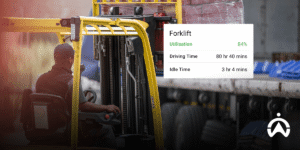
Workers operate a yellow forklift in a warehouse with usage statistics showing the role of GPS trackers in benefiting the logistics business through utility data.

4. Transportation Business

Land transportation businesses—such as public transport, car rental services, tour buses, and ambulances—require GPS trackers to enhance driving safety and fuel efficiency. GPS trackers can assess driver behaviour and send alerts for speeding, sudden braking, harsh acceleration, and sharp cornering. Additionally, fuel monitoring capabilities help track consumption efficiency and detect fuel theft as well as fraud in fuel-refilling reports.

5. Manufacturing Business

For manufacturing businesses, GPS trackers help ensure driver credibility and the secure transport of bulk goods. Issues can be identified by monitoring idling, poor driving behaviour, and route deviations. To further enhance the safety of drivers and assets, manufacturing companies can incorporate features such as panic buttons and cargo door sensors. Panic buttons send real-time alerts to fleet operators during emergencies, enabling immediate assistance and preventing significant losses, while cargo door sensors can detect unauthorized unloading of goods.

GPS trackers enable companies to monitor assets regularly, comprehensively, and in real-time. Various analytics and metrics—such as vehicle speed, driving behaviour, job completion progress, and fuel efficiency—also assist management in optimising business operations. Gain access to the monitoring capabilities and insights needed to make your business more productive, efficient, and profitable with Cartrack GPS Trackers! Contact us today and get a FREE DEMO to see how our products can benefit your business.

Manage Vehicle Operating Costs Now with Cartrack Fleet Web!

Nothing simplifies a fleet management system more than the integration of operations and finances into a single platform. Cartrack understands your needs, which is why we have introduced MiFLEET within the Cartrack Fleet Web platform. You can now monitor operations and manage vehicle fleet costs all from one place.

MiFLEET features are integrated through the "Costs" menu on Cartrack's Fleet Web. Here are some of the functions added to Fleet Web for managing vehicle operating costs.

1. Faster Cost Management and Analysis

By entering data on various types of expenses, you can instantly monitor your total monthly costs per vehicle or per kilometer. You can also upload receipts or documents for each expense simultaneously. The system automatically categorise your expenses into "Operational Costs," "Regulatory Costs," and "Vehicle Costs"—making it easy for you to quickly monitor operational, non-operational, and asset costs.

2. Automatic Validation of Fuel Purchase Receipts

One of the advantages of this integration is the synchronization of GPS monitoring functions to validate transactions. To access this feature, you must install a Cartrack GPS tracker equipped with a fuel monitoring add-on. The system matches details from the fuel purchase receipt—such as date, time, location, and refueling volume—with the data recorded by the GPS tracker.

A person manages vehicle operating costs using a calculator and laptop via the Cartrack Fleet Web dashboard.

3. Contract Monitoring and Payment Reminder

For more efficient file sharing, you can upload documents related to fleet and driver financing, such as lease agreements, purchase installments, and insurance, in the 'Files' submenu. Other admins can view them from their respective PCs anytime and anywhere. Also, enter financing data in the 'Contracts' submenu to quickly monitor the status of all types of financing. Meanwhile, payment reminders are integrated into the 'Alerts' menu with the 'Costs Alerts' option.

Enhance the convenience of fleet management by adding the MiFLEET feature to your monitoring package. Get a FREE DEMO and start managing vehicle operating costs via the Cartrack Fleet Web platform right now!