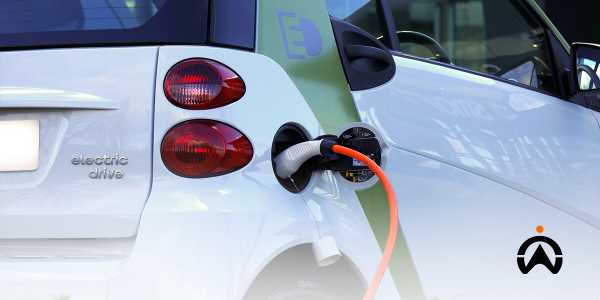

Preventing Fuel Theft in Your Fleet: The Best Strategies

Many businesses don't realise they're experiencing fuel theft due to a lack of dedicated monitoring. If left unchecked, your business could lose millions of rupiah each month. To combat this, you need fleet management software equipped with a fuel monitoring system.

What is Fuel Theft?

Fuel theft occurs when someone takes gasoline or diesel from a vehicle without permission. In business, this can occur in various ways, including direct tank siphoning or misuse of the vehicle for non-business purposes.

The larger your business fleet, the greater your potential losses. The same applies if your business involves large vehicles or heavy equipment that consume more fuel.

Common Types and Modes of Fuel Theft in the Field

Fuel theft and fraud pose a challenge to businesses because they are often perpetrated internally. Therefore, it's important to understand common methods used to prevent it.

1. Direct suction

Siphoning is the most classic and most common method of fuel theft. Perpetrators typically use a hose and a special pump to siphon gasoline from the tank into a storage container.

This method is very likely used by theft syndicates, who exploit opportunities such as illegal parking. It's also not uncommon for drivers to carry out the theft themselves, then sell the fuel to fuel fences.

2. Manipulation of purchase receipts

Another common method is manipulating purchase receipts to allow drivers to profit. Drivers often collaborate with gas stations to manipulate data so that purchases are counted as higher than they actually are.

For example, if you budget to fill your vehicle's tank to 100 litres of fuel, the driver can work with the attendant to only fill up and pay for 80 litres, with any excess funds going directly into the driver's pocket.

Read Also: Monitoring Fuel Consumption with Fuel Sensors & Fuel Probes

3. Fake transactions and misuse of fuel cards

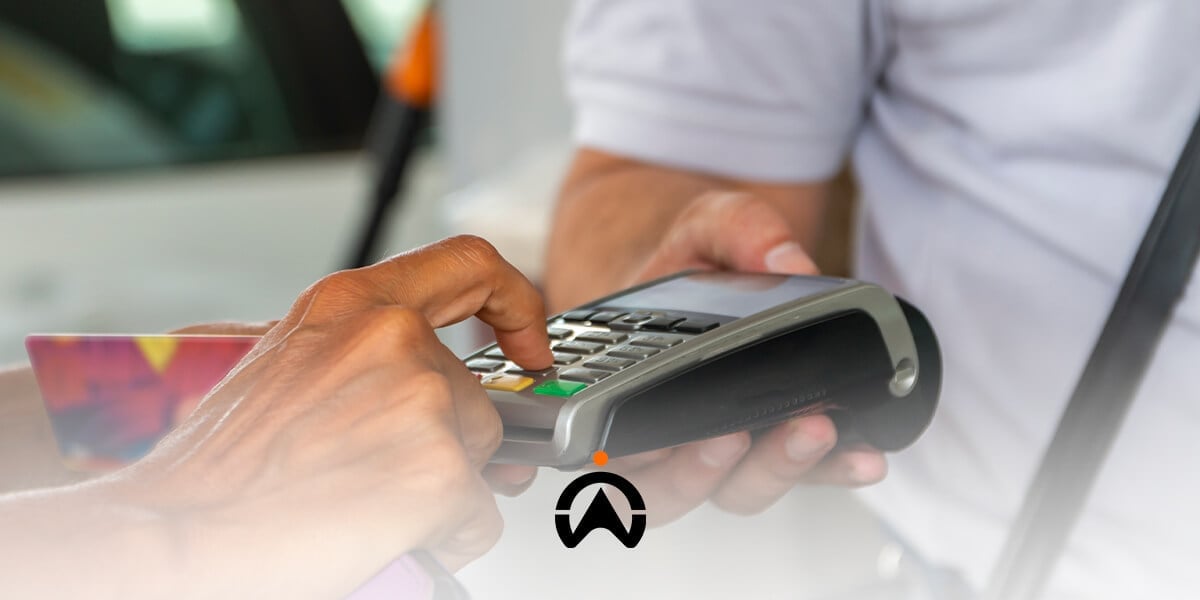
Although fuel cards are not very common in Indonesia, some big companies are already using them. Regarding fuel cards, drivers can also collaborate with petrol station attendants to carry out fake transactions.

The perpetrator can ask the officer to tap or swipe the card twice in a single transaction. They can also use the company card for other transactions unrelated to business needs.
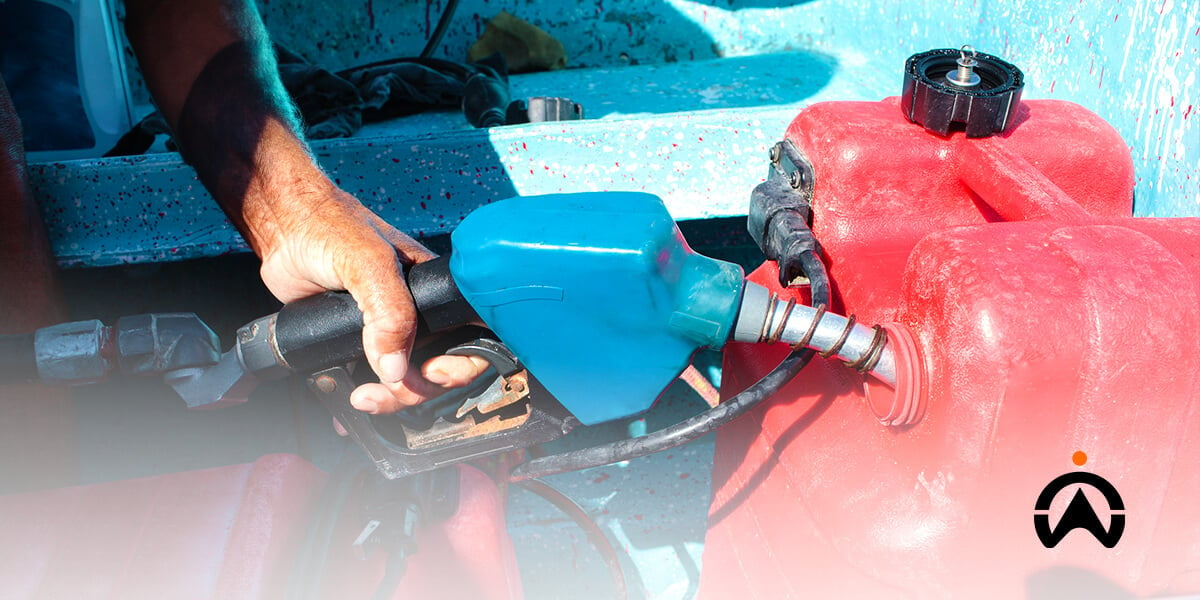
The Risk of Fuel Theft for Businesses

The Serious Impact of Fuel Theft on Your Business

These irresponsible actions have significant impacts on businesses, affecting many aspects of operations. Potential losses include:

1. Financial loss

The first impact is significant financial loss for a business or company. This includes not only the loss from the theft itself, but also the time and expense spent investigating the fraud.

2. Damage to the vehicle

The siphoning method can damage the fuel tank and lines, which in the long run lowers engine performance. This requires expensive repairs and also unproductive downtime.

3. Security risks

Besides the potential damage, fuel theft is also associated with leaks and spills. Under certain circumstances, this can lead to explosions and fires, which pose a safety hazard.

How to Detect Fuel Theft?

1. Physical and behavioural inspection of the vehicle

Forced fuel siphoning usually leaves visible marks, such as gouges or damage to the fuel tank cap or fuel hose. This damage can impact vehicle performance, such as sluggishness, stuttering, or lack of power.

You may also smell gasoline in or around the vehicle after the theft. However, this characteristic may not be present if the perpetrator is a driver familiar with the vehicle.

2. Utilising fuel monitoring technology

By using Fleet Management System and fuel monitoring technology, you can definitely know your petrol usage. Other potential wastages like speeding, idling, and so on will also become visible.

Not only that, you can also set up notifications if there's a sudden significant drop. This way, you can promptly investigate and address suspected theft.

Read Also: What is a Fuel Management System?

Effective Steps to Prevent Fuel Theft with a Fleet Management System

Every fleet manager's priority is efficiency and keeping operations running smoothly and under control. One way to do this is by using a Fleet Management System to monitor fuel transactions in the following ways:

1. Notification and monitoring  

You can set your settings to receive notifications if there's a significant increase or decrease in fuel volume. This allows you to detect suspicious fuel-related activity and respond quickly.

2. Validate location with GPS

By using a GPS tracker within your fleet management system, you can validate GPS locations and fueling transactions. This can prevent unauthorised purchases or transactions made under the guise of gasoline purchases.

3. Setting purchase limits

This system involves synchronising approved fuel purchase limits with each vehicle's actual tank capacity. Managers will set a limit on the number of litres of fuel that can be purchased based on tank capacity, so purchases exceeding the limit will be investigated.

How Cartrack Helps Prevent Fuel Theft

1. Fuel Monitoring feature with a fuel sensor

Fuel monitoring from Cartrack provides three types of sensors: floater, fuel probe, and CANbus. These sensors give you fuel usage data and let you get notified if there's a significant drop.

2. Fleet cameras for monitoring activity around the vehicle

With real-time video recordings and advanced analysis, Cartrack's fleet cameras can help you identify fuel theft suspects. The recordings also serve as evidence and a deterrent, as perpetrators will think twice when they see the camera.

3. MiFleet feature to detect theft

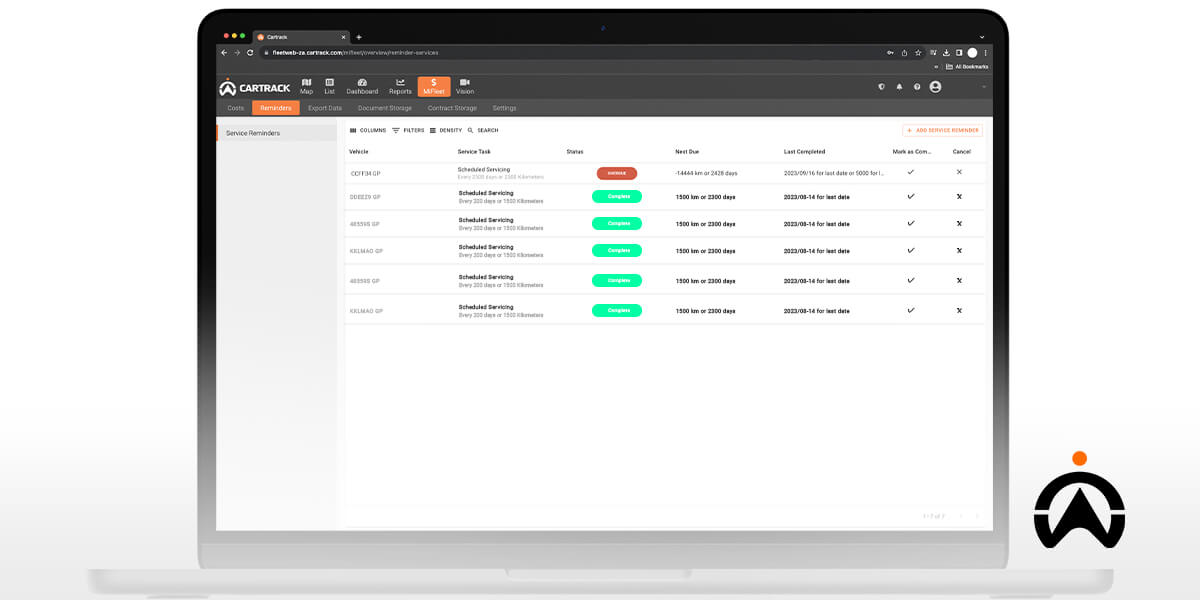
MiFleet is a cost management system that tracks all fleet administration and operating costs, including fuel. In case of fuel theft, MiFleet can analyse fuel card transactions to spot the theft.
What makes businesses love Cartrack Indonesia's fuel monitoring system

Why Do Many Businesses Choose Cartrack?

Some of the things that make Cartrack trusted by many transportation and logistics companies are:

  • Ease of data presentation and import: Companies can avoid manual administrative work. Using Cartrack simplifies tasks that would normally take days to mere minutes.

  • Early detection of fuel waste: Risk reviews for fueling transactions help fleet managers detect potential waste early. This effectively eliminates the possibility of human error.

  • Operational cost savings: With insights and information on vehicle usage, companies can take immediate action to reduce the risk of fuel theft, thereby saving operational costs.

  • Preventing drivers from cheating: Cartrack's ability to detect potential theft will create awareness among drivers to avoid it as there are consequences to bear.

Read Also: Advanced Tool! Easily Monitor Fuel Across All Industries!

Combat Fuel Theft with Cartrack!

Monitor every transaction and fuel consumption across your fleet with Cartrack's comprehensive fleet management solution. By implementing security measures, Cartrack not only reduces fuel costs but also reduces the risk of theft.

With subscription rentals starting from Rp140,000/unit/month, you can prevent losses of up to millions of rupiah every month. Fill out the form or click the WhatsApp button now to get a demo and the best offer from the Cartrack Indonesia team.
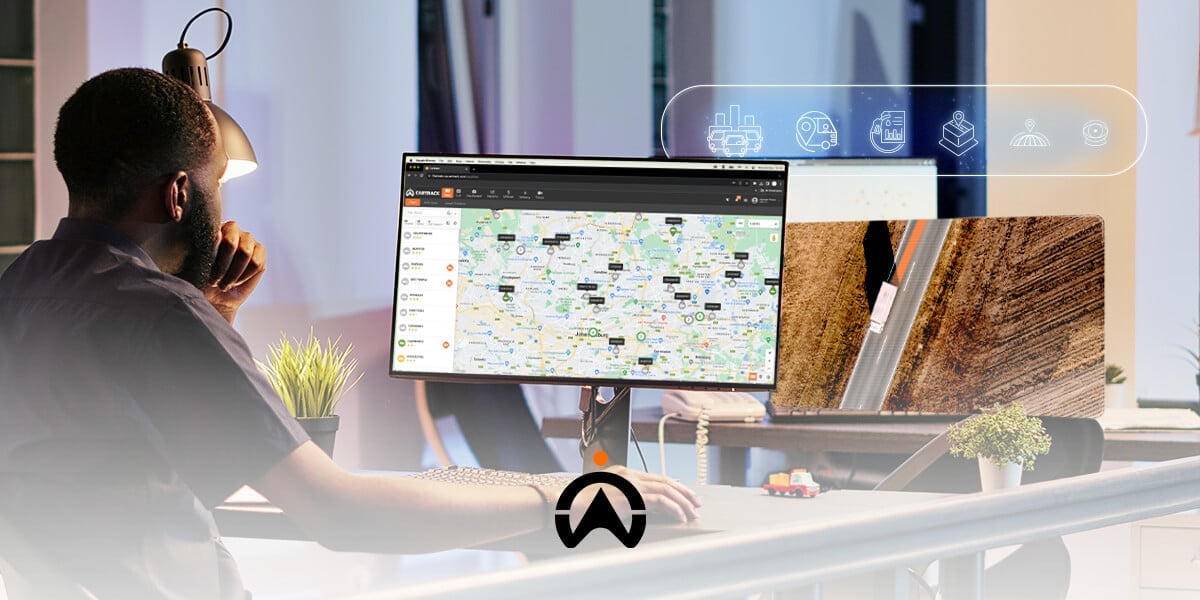

How to Determine the Best Fleet Management System for Modern Fleet Management?

Fleet management today is characterised by the integration of advanced technology to streamline and enhance operational efficiency. These technologies leverage telematics, GPS, and real-time data analytics to provide accurate, up-to-the-minute insights into various aspects of fleet performance. Fleet managers can monitor vehicle locations, fuel consumption, driver behaviour, and maintenance needs in real time.

The use of technology-based solutions improves the decision-making process, increases data accuracy, and contributes to overall fleet operational cost savings. 

Fleet Manager Responsibilities

Companies rely on their vehicles as a fundamental component, making them a critical factor. To improve, manage, and ensure fleet operations are optimal, managers must go beyond mere oversight; they must precisely implement, coordinate, and oversee all fleet responsibilities.

Let's explore some of the responsibilities and aspects of fleet management: 

  • Routine Maintenance

Fleet managers perform routine inspections to help prevent breakdowns and extend vehicle lifespan. They schedule routine inspections, repairs, and servicing to ensure fleet operations run smoothly and minimise downtime. 

  • Route Optimisation

Optimise routes to reduce travel time, fuel consumption, and overall fleet operating costs. Leverage advanced technologies such as GPS and traffic data to plan the most efficient routes and minimise fuel consumption.

  • Security Measures

Implement comprehensive safety measures to protect drivers, passengers, and third parties. This includes driver training programs that emphasize safe driving practices, continuous monitoring of driver behavior, and strict enforcement of safety regulations. 

  • Technology Integration

If you need additional assistance, leverage advanced technologies like GPS, telematics, and real-time data analytics to gain valuable insights into vehicle usage, performance, diagnostics, and driver behavior. These insights enable fleet managers to make informed decisions to optimise their fleet.

  • Cost Control

Closely monitor expenses, negotiate favorable rates with vendors, and implement cost-saving measures to ensure the fleet operates within budget constraints. This proactive approach protects the company's financial health and ensures the long-term sustainability of the fleet. 

  • Compliance and Regulation

Stay informed about applicable laws and regulations regarding vehicle operation to ensure compliance and avoid potential penalties. This includes adhering to fuel efficiency standards, maintaining vehicle records, and obeying traffic laws.

  • Data Analysis and Reporting

Analyse data trends to proactively address emerging issues, implement cost-saving measures, and continuously improve fleet performance. By analysing data insights, businesses can make informed decisions to drive growth. 

10 Reasons Why You Should Switch to Modern Fleet Management 

To transition from traditional fleet management to modern fleet management, a fleet manager needs to equip their fleet with a comprehensive set of smart tools.

An effective fleet management system integrates various functionalities, each of which plays a critical role in ensuring the fleet operates effectively. These include:

  1. Advances in Telematics

Integrate a robust telematics system into your fleet and gain the ability to actively monitor your fleet with GPS tracking, vehicle diagnostics, and insights into driver behavior.
Telematics systems track vehicle location and provide data on engine health and more, enabling fleet managers to make data-driven decisions to optimise routes and maintenance schedules.

  1. Fleet Management Software

Invest in an advanced fleet management software package that goes beyond basic fleet management. This platform offers a centralised dashboard, analytics, and reporting tools, empowering fleet managers with data-driven decision-making capabilities.

  1. High-Tech Vehicle Tracking Device

Improve fleet performance by installing vehicle tracking devices that not only report fleet location, but also provide detailed data on fuel consumption, engine health, and other critical parameters, ensuring 24/7 fleet visibility.

  1. Advantages of Fuel Management System

Implement a sophisticated fuel management system that monitors consumption patterns, optimises routes, and implements strategies to reduce fuel costs in real-time.

  1. Predictive Maintenance Solutions

Adopt predictive maintenance tools to proactively manage vehicle health, using real-time data and analytics to predict potential issues and minimise unexpected downtime.

  1. Driver Behavior Monitoring Instrument

Improve safety and efficiency with tools that monitor driver behavior, offering insights to improve fuel efficiency, reduce risks, and foster a culture of safe driving.

  1. Efficient Route Optimisation Software

Integrate route optimisation software that takes into account dynamic factors such as high traffic areas, road conditions, and weather, to suggest the most efficient routes, minimising travel time and fuel consumption.

  1. Use the Internet of Things (IoT)

Leverage IoT sensors for various industrial needs. For transporting perishable food, use temperature sensors to maintain optimal storage conditions. Monitor cargo status for valuable goods, ensuring real-time insights into their safety. Customising IoT sensors for specific industries enhances monitoring capabilities, enabling proactive maintenance strategies.

  1. Mobile Apps for Efficient Communication

Provide drivers with a mobile app that simplifies communication and task management, facilitates electronic record-keeping and offers a direct channel for reporting problems or emergencies.

  1. Data Security Measures

Prioritise data security by implementing robust cybersecurity measures to protect sensitive information, ensure secure data transmission, access control, and regular security audits. 

main_reasons_why_you_should_switch_to_modern_fleet_management

What is Fleet Maintenance?

Fleet maintenance refers to a systematic approach to ensuring company vehicles remain in good working condition for optimal safety, reliability, and longevity. This process involves inspecting, servicing, and repairing fleet vehicles, among other things, and is overseen by the fleet manager.

The fundamental objective of fleet maintenance is to address existing issues and prevent potential problems—such as breakdowns and operational risks—from arising.

Why is Fleet Maintenance Important for Fleet Success?

To keep operations running, companies must keep their fleets running.

All fleets must be in good condition to ensure they don't encounter problems down the road. Fleet maintenance is key to smoother operations, saving money, and reducing stress for managers.

Below is a list of technology solutions and the benefits fleet managers can gain from a well-maintained fleet.

  • Get instant updates on vehicle health

Fleet management software now offers real-time insights into vehicle health, enabling more proactive maintenance. This data-driven approach helps identify and resolve potential issues quickly and ensures vehicles perform optimally to maximise fleet efficiency.

  • Optimise resource allocation intelligently

Modern software provides accurate data on maintenance needs, helping fleet managers prioritise tasks based on urgency. This ensures maintenance efforts are focused on areas where they are most needed and maximises operational efficiency.

  • Extend the life of your fleet with regular maintenance.

Maintenance isn't just about preventing breakdowns; it's about extending the life of your fleet. Modern fleet management systems help schedule routine inspections, checks, and services, extending vehicle life and reducing the need for costly replacements. This proactive approach ensures long-term value and minimises depreciation costs.

  • Driving with more fuel efficiency

Fleet management provides insight into fuel consumption patterns and offers efficient driving strategies. By keeping vehicles in optimal condition, fleet managers can improve fuel efficiency and generate significant cost savings over time.

  • Stay compliant with regulations and avoid fines

Fleet management software ensures vehicles meet legal and regulatory standards. By tracking maintenance records, businesses can operate within compliance parameters, avoiding potential fines and disruptions.

Why_is_fleet_maintenance_important_to_fleet_success

How to Determine the Best Fleet Management System?

Here is a step-by-step guide to making a well-informed decision for the optimal fleet maintenance software tailored to your business needs. 

Step 1: Understand business needs 

Start by understanding your unique business needs and challenges. Explore factors such as fleet size, the variety of vehicles operated, and the complexity of daily operations. This initial assessment forms the basis for finding software that aligns with your business goals. 

Step 2: Create an outline of the features that the business needs

Once requirements are defined, it is time to create a wishlist of features that fleet maintenance software should include. Consider elements such as preventive maintenance scheduling, efficient work order management, accurate fuel tracking, and robust reporting systems. Prioritise these features based on their business significance, ensuring the selected software meets key operational requirements.

Step 3: Does your business need mobile accessibility?

In a fast-paced business environment, the ability to manage tasks on the go is a decisive factor. Check whether the fleet maintenance system you are considering offers mobile accessibility, enabling your team to stay in control of their responsibilities while in the field. This feature enhances real-time tracking and communication in fleet management.

Step 4: Review the level of security measures

Fleet data security cannot be compromised. When exploring software options, consider the security measures implemented. Look for features that ensure the protection of sensitive information and meet data protection regulatory standards. A secure system not only protects data but also builds confidence in the reliability of the selected fleet maintenance software. 

This allows fleet managers to choose a fleet management system that integrates seamlessly into business processes and contributes to improving operational efficiency. 

Benefits of Fleet Management for Industry

In short, advances in fleet management technology offer a variety of benefits. 

Predictive analytics enables fleet managers to predict potential issues and take proactive measures to avoid them, reducing downtime, minimising costs, and improving overall fleet efficiency.

Electric vehicle integration contributes to environmental sustainability by optimising battery usage and reducing emissions, aligning with the growing demand for eco-friendly transportation solutions.

Mobility as a Service provides flexible and cost-effective transportation solutions, eliminating the need for fleet ownership and maintenance, while generating cost savings and efficient resource utilisation.

Improve Fleet Maintenance Easily with Cartrack Indonesia

Cartrack is not just a fleet management system; it is the ultimate solution for modernising and improving fleet maintenance. With a multifaceted approach, Cartrack Indonesia designed to empower businesses not only to manage their fleets efficiently, but also to improve the performance, lifespan and cost-effectiveness of their valuable assets. 

We do this through our smart features created to improve fleet maintenance and beyond:

Predictive Maintenance with AI-Driven Insights

Cartrack's predictive maintenance goes beyond traditional approaches. Powered by artificial intelligence, Cartrack Indonesia's management system analyses large datasets, including vehicle performance and driver behavior, and sends maintenance alerts. These advanced analytics help identify potential issues before they escalate, enabling fleet managers to take proactive action. With Cartrack Indonesia, fleet managers can strategically schedule maintenance, optimise fuel efficiency, and prevent disruptions that could impact business.

Real-Time Fleet Monitoring and Tracking

With installed GPS units, Cartrack provides a comprehensive, real-time view of the entire fleet via a fleet management platform accessible through web or mobile applications. Monitor individual vehicle performance, track routes, and receive instant updates. This level of visibility keeps fleet managers informed about the status of each vehicle, enabling timely maintenance interventions and ensuring optimal performance across the fleet.

Driver Behavior Monitoring

Cartrack Indonesia Go further by monitoring driver behavior. Gain insight into driving patterns, identify areas for improvement, and implement strategies to improve safety and reduce vehicle wear and tear through Scorecards and driver reports such as risk reports, vehicle usage reports, and speed reports. This proactive approach contributes to long-term fleet health.

With these smart features and more, Cartrack isn't just fleet management software, but a complete solution that brings fleets into the modern era and beyond. Cartrack – Choose the right solution for your smart fleet maintenance.

Find out more by clicking the following link!

How to Reduce Vehicle Downtime and Maintain Your Business Continuity

What is the vehicle downtime?

Vehicle downtime is one of the most vexing issues for fleet managers. Vehicle downtime refers to periods when business vehicles are unavailable for use for various reasons. While planned downtime is when vehicle unavailability is scheduled according to the company's wishes, unplanned downtime is a lapse in operations that occurs beyond the fleet manager's control. During these periods of downtime, fleet vehicles are unable to fulfill their duties.

What causes the vehicle to be out of service?

Vehicle downtime can be triggered by several reasons, here are some of them:

  • Accident or collision: Vehicles involved in accidents may require significant repairs, ultimately resulting in unplanned downtime.

  • Fuel problems: Suddenly running out of fuel or experiencing problems with a vehicle's fuel system can cause delays, especially in the delivery service industry.

  • Lack of maintenance: Vehicle parts wear out and break down, causing the vehicle to malfunction. Not following a regular maintenance schedule can lead to unexpected damage or failure that could have been prevented with proper maintenance.

  • Incidents caused by drivers: Problems caused by driver error, such as driving without concentration, negligence, and improper handling can lead to unexpected vehicle incidents and lead to further downtime.

  • Road conditions: Potholes, potholes, and debris can cause damage to the vehicle's undercarriage, suspension, and tires, resulting in unplanned downtime.

The impact of downtime on fleet management

Downtime impacts fleets in a number of ways, including:

  • Decrease in productivity: Because vehicles are idle, downtime leads to decreased fleet productivity. This can mean missed deliveries or service appointments, leaving many aspects of the business behind schedule. These operational delays impact customer satisfaction, negatively impacting the business's reputation, and even lead to a loss of revenue.

  • Excessive use of other vehicles: When a vehicle is idle, fleets may choose to use other vehicles more to make up for lost time. While this may seem like an ideal quick fix, it can cause more damage, as using assets beyond their scheduled time can put stress on their health and longevity.

  • Loss of income: Vehicle downtime significantly impacts business operations. Failure to deliver goods or services on time can result in lost revenue and missed opportunities. Delays also lead to dissatisfied customers, who ultimately take their business elsewhere. Lost revenue can lead to drivers not being properly paid, negatively impacting morale and driver retention.

  • Increased costs: Vehicle repairs and managing unexpected downtime can significantly increase fleet operating costs. Unexpected breakdowns are often not budgeted for, so fleet managers may need to utilise other parts of the business's finances to ensure repairs are promptly addressed.

What are the benefits of reducing vehicle downtime?

Reducing vehicle downtime is beneficial for a number of reasons, including:

  • Increase productivity: Reducing vehicle downtime allows for more efficient use of time, allowing vehicles to remain operational and contributing to higher levels of productivity.

  • Improve customer satisfaction: Reducing vehicle downtime results in more reliable service and on-time deliveries, thereby increasing customer satisfaction and loyalty.

  • Save costs: Reducing vehicle downtime means fewer maintenance costs, leading to lower repair costs and fewer emergency repairs. This ultimately saves fleets money.

  • Improve security: Reducing vehicle downtime contributes to safer vehicles and reduces the likelihood of accidents due to equipment failure and mechanical problems.

  • Helps in better planning and scheduling: Reducing vehicle downtime allows for more accurate route and service planning and scheduling because there are no unexpected delays. This results in smoother operations and increased efficiency.

  • Optimising asset utilisation: Vehicles that spend less time out of service are used more effectively, increasing the overall efficiency and profitability of the fleet.

  • Improving driver satisfaction: Frequent vehicle breakdowns and delays negatively impact driver performance and morale. Reducing vehicle downtime improves driver morale and performance because they can complete tasks with minimal delays.

What are the benefits of reducing vehicle downtime?

How to reduce vehicle downtime?

There are various solutions fleet managers can implement to significantly reduce unplanned vehicle downtime. Here are some ways to do this:

  • Monitoring driver behaviour: Vehicle downtime can be caused by distracted or dangerous driver behaviour. Safe driving practices, such as gentle acceleration and braking and avoiding sharp turns, reduce wear and tear on vehicle performance. When drivers adhere to these practices, stress on critical components like brakes, tires, and engines is reduced. Monitoring driver behaviour ensures fleet managers are aware of these behaviours and can implement training to ensure drivers adhere to best driver practices at all times. The result is longer vehicle life, better fuel efficiency, and a reduced accident rate.

  • Monitoring fuel consumption: Monitoring a fleet's fuel consumption helps identify abnormalities or sudden increases in fuel usage. Sudden increases in fuel consumption can indicate underlying vehicle problems, such as engine failure, tire pressure issues, fuel system problems, or fuel theft. Addressing these issues quickly is crucial, as it helps prevent potential vehicle damage and failure that could lead to downtime. Proactive fuel consumption monitoring not only reduces the risk of serious mechanical problems but also significantly contributes to keeping the fleet operational and minimising service disruptions.

  • Prioritising Fleet Maintenance Scheduling: As one of the main causes of vehicle downtime, vehicle maintenance is critical. Fleet management refers to a proactive approach adopted by fleets to maintain and optimise the safety and longevity of their vehicles. Regular and proactive maintenance is essential to prevent unexpected breakdowns and reduce downtime.

    An example of this is oil changes, a routine procedure that may seem simple but is essential for engine health and performance. Regularly scheduled oil changes prevent engine wear and potential damage, ensuring smooth operation. By using a structured set of planned actions, inspections, and maintenance procedures, routine fleet maintenance significantly reduces the likelihood of vehicle downtime.

Of all these factors, maintenance is perhaps the most important, as it is one of the leading causes of vehicle downtime. With this knowledge, many fleets choose to incorporate fleet maintenance plans into their operations to help mitigate the risks associated with poorly maintained vehicles.

How to reduce vehicle downtime

What is a fleet maintenance plan?

Fleet maintenance planning is a comprehensive and structured strategy for managing the maintenance and repair of a vehicle fleet, designed to keep all vehicles and related equipment in safe, reliable, and operational condition. This plan includes a number of scheduled tasks intended to ensure operational readiness, safety, and the longevity of the entire fleet. It typically involves the use of fleet management software to help manage vehicle service reminders, create customised schedules (based on individual fleet vehicles), and track vehicle performance.

What are the risks of not having a fleet maintenance plan?

Not having a fleet maintenance plan can result in several risks and implications for businesses that rely on vehicles. These include:

High repair costs: Neglecting routine vehicle maintenance often leads to overlooking minor issues that can escalate into larger, more expensive problems. An example of this is a fleet that fails to perform regular inspections on its vehicle's cooling system. Initially, this negligence may seem trivial, but over time, it can lead to overheating, which can damage engine components. This results in higher repair costs due to neglected maintenance, as minor issues left unaddressed tend to escalate, requiring extensive repairs. Worse yet, if these issues are not promptly addressed, the vehicle's downtime increases.

Reduced vehicle age: Neglecting routine inspections and timely replacement of worn parts like belts and hoses can lead to premature failure, increasing stress on the vehicle's engine and transmission. This stress reduces the overall lifespan of the vehicle, leading to the need for premature replacement—an unnecessary expense that could have been avoided if a timely fleet maintenance plan had been implemented.

Security risks: Inadequate maintenance can jeopardise the safety of both vehicles and drivers. Ignored issues such as brake problems (which affect stopping power during critical moments), tire wear (which increases the risk of punctures and blowouts), or engine dysfunction (which compromises vehicle control) can pose significant safety risks to drivers. This can potentially lead to costly and potentially fatal accidents that could have been avoided with proper maintenance. A proactive approach not only protects the well-being of drivers but also the safety of all road users.

Lack of data-driven insights: Without a maintenance plan, fleets lose valuable data and insights into their vehicle performance metrics, usage patterns, and potential issues. This data provides a comprehensive view of fleet health, helping fleet managers make informed decisions about predictive maintenance, cost analysis, and strategic decision-making to optimise fleet operations. Detailed records of maintenance costs per vehicle can also help fleet managers assess the financial implications of various maintenance strategies, aiding in the development of cost-effective plans.

Cartrack Indonesia fleet maintenance software

Keep your vehicles in optimal condition with Cartrack Indonesia's fleet maintenance software. By sending real-time alerts to fleet managers whenever a mechanical issue occurs, our software quickly identifies vehicle components that require immediate repair or replacement. Integrate maintenance schedules with your fleet operations to ensure a seamless workflow. If an unexpected fault is detected, fleet managers can immediately notify drivers and take the necessary action.

Driver behaviour monitoring

Manage and improve driver behaviour with the driver behaviour monitoring system from Cartrack Indonesia. Use our driver scorecard to gain detailed insights into individual driver behaviour that needs improvement and eliminate driving habits that damage vehicles (including speeding, harsh acceleration, and idling). Use our Advanced Driver Assistance System (ADAS) to increase driver awareness of their surroundings. With real-time alerts, drivers can quickly correct their behaviour and prevent collisions. Finally, gain 24/7 visual access to vehicles with our AI Vision Camera. When the in-cabin camera detects distracted driving behaviour (such as yawning, smoking, and mobile phone use), drivers are alerted in real time through audible in-cabin warnings, helping them correct their actions instantly and prevent accidents that could lead to vehicle downtime.

Route planning and optimisation

Available on our Delivery app, route optimisation helps determine the safest and fastest routes for drivers. By using GPS tracking and real-time location, the app notifies of delays and route deviations in real time, helping make quick and informed rerouting decisions. This way, drivers can avoid idling when stuck in traffic. Idling is known to reduce fuel efficiency, strain engine components and cause premature wear. Using route optimisation, fleet managers can avoid the effects of idling.

Fuel monitoring

By using Cartrack Indonesia’s fleet cost management system, fleet managers gain access to our fuel monitoring system. This system provides automated real-time tracking and data collection on fuel consumption, mileage, and engine operating hours. A sudden spike in fleet fuel consumption may indicate mechanical issues with the vehicle, such as clogged fuel injectors, engine problems, or blocked air filters. Fuel monitoring helps determine whether a vehicle requires maintenance, and taking early preventive action helps reduce the likelihood of vehicle downtime.

Learn more about Cartrack Indonesia’s products by clicking this link!

Fleet Management Strategy Guide for 2024

Start the new year with a new fleet strategy

For fleet managers and business owners, the new year is a great time to outline a clear fleet strategy to achieve future goals. A fleet strategy is a plan for managing a fleet of vehicles, encompassing everything from selecting the right vehicles to maintaining and tracking their performance.

What businesses need is a well-defined fleet strategy aligned with business objectives. Ultimately, the right business strategy will contribute to a safer and more productive work environment.

Fleet management basics for business

As businesses grow and expand, so does the need for a reliable and efficient fleet of vehicles. Before implementing a high-tech fleet management solution, businesses need to find a fleet management system that aligns with their business and industry practices.

From the ground up, fleet management involves monitoring, maintaining, and optimizing a company's fleet of vehicles and assets through a variety of tasks. Examples include tracking vehicle location and monitoring fuel consumption, scheduling maintenance, and monitoring driver behavior.

To efficiently monitor a fleet, various tools and technologies can be used. Here are some commonly used technologies:

1. GPS tracking systems offer real-time visibility into vehicle location, facilitating better route planning, reducing downtime, and preventing vehicle theft.

2. Telematics systems automatically collect critical vehicle data, including fuel consumption, engine performance, and driver behavior. Analyzing this data helps identify areas for improvement and supports informed decision-making regarding fleet operations.

3. Cloud-based software solutions can serve as a centralised platform for fleet managers, providing easy access to critical information such as vehicle location, fuel consumption, and maintenance schedules. This centralised approach streamlines the fleet management process.

A Guide to Designing an Effective Fleet Strategy

With a practical fleet management strategy in mind, it is crucial to establish a solid foundation for these innovations to flourish. A well-defined fleet strategy serves as a roadmap, guiding the organisation toward achieving its fleet management goals.

Here are 5 clear steps to follow:

1. Set clear fleet management goals

Every fleet management strategy begins with clearly defining the desired objectives. These objectives may include reducing fuel costs, improving driver behaviour, optimising asset utilisation, or minimizing downtime. Established goals guide decision-making and provide benchmarks for evaluating the strategy's success. If the previous year's goals were not met, the strategy can be continued, or new goals can be set for the following year.

2. Evaluate the current fleet status

Inspect the fleet, considering mileage, maintenance records, and overall performance, to determine whether assets are still suitable for the coming year or whether they need to be replaced. This evaluation establishes a baseline understanding of the fleet's strengths and weaknesses, helping identify areas for improvement.

3. Review fleet needs

Align your fleet with new business objectives by identifying specific needs for upcoming projects. For example, if your business is expanding into more urban projects, review whether your current fleet meets the demands of the city environment or whether adjustments are needed. Consider vehicle type, capacity, capabilities, usage frequency, and fuel consumption to guide decisions about fleet expansion, replacement, or downsizing.

4. Identify fleet management technologies

Explore available fleet management technologies such as GPS tracking, telematics systems, geofencing, and dashcams. Review the suitability of these technologies based on your industry, specific business needs, and budget constraints. With new fleet innovations emerging every year, consider integrating the right ones into your fleet.

‍5. Implement and monitor fleet strategy

Continuously monitor fleet performance, tracking metrics such as fuel consumption, vehicle uptime, and driver behavior. Use this data to refine your strategy, making necessary adjustments along the way. Review this information regularly to make informed decisions and improve your strategy.

Fuel nozzle fills truck tank with digital indicator

‍Master the latest fleet strategies with Cartrack

Cartrack, an industry leader in telematics and vehicle tracking, offers a range of fleet management solutions that can help businesses of all shapes and sizes strengthen their fleet strategies for 2026 and beyond.

Here are some key services and features that can be very useful:

Make data-driven business decisions with Cartrack reports

Tailored to fleet operations, our reports cover fuel consumption, driver behavior, maintenance schedules, and more, including trip reports, driver scorecards, and speed reports. Now fleet managers can make confident decisions based on accurate data, ensuring fleet operations are running smoothly.

Monitor vehicle location and receive Geofence alert notifications

Imagine having a digital boundary established around a fleet's work location or delivery zone. Cartrack's geofencing feature can do just that. This feature ensures fleet managers stay informed in real-time through notifications when vehicles enter or exit predetermined zones.

Efficient use of fuel by monitoring its consumption

Cartrack's telematics system not only tracks vehicles but also tracks their fuel consumption, providing the information needed to optimize fuel efficiency. Fuel consumption monitoring helps identify areas for improvement, such as driver behaviors that risk over-consumption, and targeted strategies to reduce fuel costs. Cartrack helps identify fuel-efficient practices, such as stopping fuel theft or optimizing journey times.

MiFleet for comprehensive fleet cost management

MiFleet Cartrack provides fleet managers with detailed information on their fleet's administration and operating costs, including toll fees, driver's license/vehicle registration renewal dates, maintenance, and fuel costs. The system allows for easy transaction import without the need for manual input. MiFleet can also provide significant benefits by automatically reviewing all fuel transactions and matching them with vehicle telematics data. This makes it easier   to identify areas where fuel theft may occur and take necessary steps to prevent it, thereby saving the company millions in fuel costs.

Cartrack Delivery for efficient task management and communication

Cartrack Delivery management software enhances communication between fleet managers and drivers, enabling easy task assignment and real-time tracking from dispatch to final delivery. Fleet managers can easily assign delivery or field service tasks to specific locations. The tool keeps fleet managers informed through live tracking, displaying the routes drivers take and their estimated arrival times. Drivers also stay updated with instant job notifications, ensuring schedules are met with precision and deliveries are more punctual, thereby boosting customer satisfaction.

It’s time to shape your business fleet strategy for the year! Find out more about Cartrack’s fleet management system by clicking the link below!

Fleet Management Systems for the Mining Industry

Have you ever wondered how a mining company with its vast operations manages to stay organised? With heavy equipment constantly moving around, a busy transport fleet, and safety at the forefront, it's impossible to manage everything manually. This is where a fleet management system comes in!

What is a Fleet Management System for Mining?

Simply put, a fleet management system is a technology designed to manage vehicles and heavy equipment within a company, including the mining industry. From GPS tracking and fuel monitoring to fleet performance analysis—all is done automatically. With this technology, you can see where each fleet is located, how efficiently it's being used, and what needs to be improved.

Imagine the mining industry as a war zone – vehicles and heavy equipment must operate 24/7 in high-risk conditions. Without proper management, work efficiency will suffer and operational costs can skyrocket.

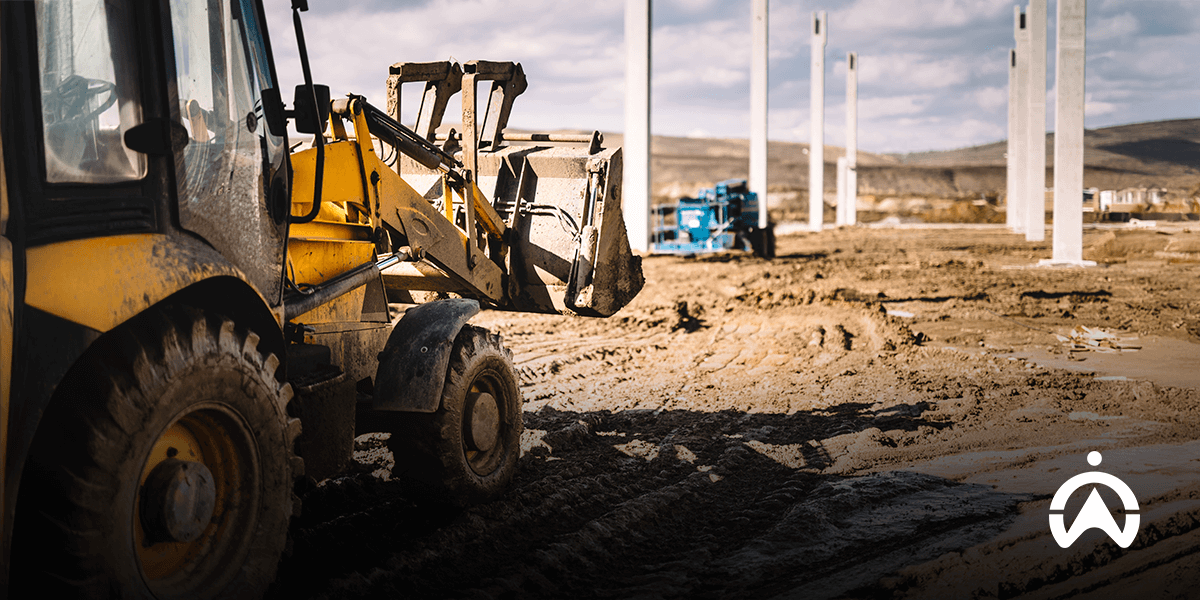
Backhoe loader heavy equipment in the project area, using a fleet management system for the mining industry.

Benefits of Using a Fleet Management System in the Mining Industry

What are the benefits for mining companies using a fleet management system? There are so many! Let's examine them one by one:

  1. Operational Efficiency: This system makes all operational systems more measurable. It allows you to monitor which fleet is active, which needs rest, and when it needs servicing in real-time. So, no more time wasted due to vehicles idling or suddenly breaking down.

  2. Cost Savings: With fuel monitoring and regular maintenance, operational costs can be reduced. You can avoid unexpected expenses due to major breakdowns that could have been prevented early.

  3. Improving Security: Security in mining is mandatory. With this system, you can monitor vehicle speed, routes taken, and the condition of heavy equipment. Any irregularities will be immediately detected!

  4. Accurate Reporting: Important data such as fuel usage, mileage, and fleet productivity can be easily accessed. All reports are automated and accurate, eliminating the need for manual calculations.

Read Also: How to Calculate Engine Hours and Why They Are Important for Fleet Businesses

Future Trends of Fleet Management Systems in the Mining Industry

The mining industry is a vibrant industry in Indonesia, thanks to its abundant natural resources, particularly mining products such as coal, tin, nickel, and other minerals. Consequently, innovation in this industry is on the rise. Many mining companies are investing in new, innovative technologies that can automate various managerial tasks.

Looking ahead, the combination of artificial intelligence (AI), IoT, and data analytics will bring significant changes to fleet management in mining. AI-based systems will no longer simply analyse and store data, but will also help fleet managers transform the way they manage their day-to-day operations.

Imagine all the data from your heavy mining equipment integrated into a single platform. This makes it easy for fleet managers to quickly monitor data, from vehicle and equipment to vehicle health and fuel consumption.

This new technology integration allows for real-time monitoring of all aspects of the business. In the long term, fleet management systems significantly impact operational efficiency and company profitability.

Read Also: How to Calculate Engine Hours and Why It's Important for Fleet Business

Environmental Impacts of Mining and the Journey to Sustainability

Mining companies play a vital role in driving economic growth and providing valuable resources. However, the process of extracting minerals from mines often has negative impacts on the environment and surrounding communities. However, exciting changes are underway to ensure environmental sustainability.

With technological advances, the focus is now shifting to environmentally friendly mining technologies to reduce the impact of mining on the environment. The primary goal is to reduce energy consumption while minimising environmental damage.

In the latest emissions report, transportation was found to contribute 20% of global carbon dioxide (CO2) emissions. Of that figure, approximately 15% comes from vehicles such as cars, buses, and trucks.

3 Ways Fleet Management Systems Can Be More Environmentally Friendly in the Mining Industry

  1. Reducing Carbon Emissions
    With a fleet management system in the mining industry, fleet managers can monitor fuel usage and optimise travel routes to shorten travel times.

  2. Monitoring Driver Behaviour
    Identify driving habits that cause high fuel consumption, such as speeding and letting the engine idle for too long.

  3. Keep Your Vehicle in Prime Condition
    Monitor vehicle condition to ensure routine maintenance is carried out on time, so that the fleet vehicle life is longer.

Read Also: Fleet Management System: Definition and Its Benefits for Business

How Can Cartrack's Fleet Management System Save Costs in the Mining Industry?

Cartrack offers the perfect solution for the mining industry. One of Cartrack's flagship features is real-time fuel consumption monitoring. As you know, fuel is one of the largest cost components in mining operations. By monitoring its usage, you can detect fuel waste or misuse early.

Furthermore, Cartrack also offers preventative maintenance. Users will be notified when their vehicle needs servicing based on mileage or operating hours. This can prevent major damage that could lead to expensive repairs.

An excavator loads soil into a dump truck at a mine using a fleet management system for the mining industry.

How Does Cartrack Improve Safety in Mining Areas?

Safety is a top priority, especially in high-risk mining areas. Cartrack offers super-detailed GPS tracking. You can pinpoint your fleet's precise location and be alerted if any vehicles stray from their routes.

Additionally, there's a driver behaviour monitoring feature. For example, if a driver is speeding in a mining area or operating the vehicle in an unsafe manner, the system will immediately issue a warning. This way, the risk of accidents can be minimised.

Not only that, all data on the mining fleet's activities is stored in the system and can be accessed at any time. So, if there's a safety inspection or audit, you have concrete evidence to show that your company is properly implementing SOPs.

Managing a fleet in the mining industry without a fleet management system is highly inefficient and high-risk. With technology like Cartrack, everything becomes easier, more cost-effective, and safer.

So, if you're involved in the mining industry, there's no reason not to use a fleet management system. If you can work smarter, why work harder? Start optimising your mining operations today! Click here to learn more!

What Is a GPS Tracker? Read on to Learn More!

What Is GPS?

GPS, which stands for Global Positioning System, is a satellite-based navigation system that can give users precise location, navigation, and timing information. As one of the most innovative inventions of our era, GPS is everywhere. It can be built into cars, smartphones, and even watches.

The Global Positioning System (GPS) Is Made Up of Three Segments:

  • Space Segment: This segment consists of satellites orbiting the Earth and serves to transmit signals to users based on geographic position and time. The main function of this space segment is to send, store, and transmit radio-navigation signal messages sent by the control segment to GPS receivers on the ground. This allows GPS receivers to calculate their location, navigation, and time accurately.
  • Control Segment: Also known as the Operational Control System, this segment is crucial to the proper operation and management of GPS. It consists of ground-based monitoring stations, master control stations, and ground antennas. This segment is responsible for tracking and operating satellites in space, monitoring signal transmissions, and maintaining the health and accuracy of the GPS constellation. It also ensures that satellites are in the correct orbit, that their clocks are accurate, and that navigation messages are correct.
  • User segment: This segment refers to equipment used to receive GPS signals from satellites, including smartphones and telematics devices.

These three sectors work together to allow GPS to decipher distances from various satellites and provide users with timely location information, helping them pinpoint their exact location.

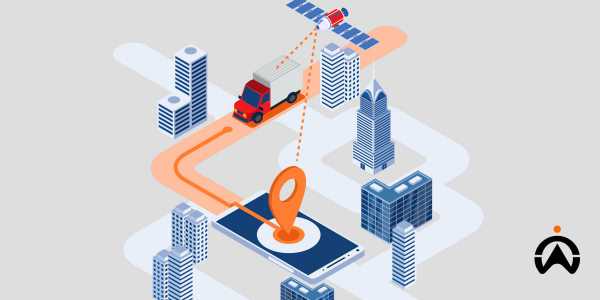
Truck fleet navigation using GPS tracker application on smartphone while crossing urban buildings.

What Does GPS Need to Function?

For GPS to function effectively, several key elements are required:

  • Satellite Network: The satellite network typically consists of 24 satellites orbiting the Earth and serves as the backbone of the GPS.
  • Signal Transmission: Each satellite in the network transmits its orbital position and the exact time of that position on radio frequencies.
  • GPS Device or Receiver: This is typically built into smartphones, wearable devices (such as smartwatches), vehicle tracking units, and dedicated navigation systems.

What Is a GPS Tracker?

A GPS tracker is a device that uses the Global Positioning System (GPS) to determine and remotely track the location of a specific asset or object. It contains a GPS receiver that communicates with a network of satellites to accurately determine the device's location. Portable and easy to install, a GPS tracker enables users to monitor the location of their vehicles in real time.

The Difference Between Passive and Active GPS Trackers

GPS tracking can be divided into two main categories: Active Tracking and Passive Tracking

  • Active GPS Tracker: An active GPS tracking system is a real-time system that automatically sends GPS information to a portal or central tracking system in real-time as it happens. Active GPS tracking helps to keep an eye on your vehicle.
  • Passive GPS Tracker: Passive GPS tracking systems focus more on recording and storing tracking information, which can be downloaded and used at a later stage. This makes them a suitable solution when real-time tracking is not required.

Why Should You Use a GPS Tracker for Your Fleet?

There are several reasons why fleets should use GPS tracking. Here are 5 reasons:

  1. Provides real-time vehicle visibility: This advanced tracking system lets fleet managers pinpoint the exact location of every vehicle in the fleet at any given moment. Continuous live updates support decision-making and enable proactive steps to mitigate risks and improve overall fleet performance.
  2. Smarter route planning optimisation: A GPS tracker gives you access to reports on previous journeys by drawing on location history. This helps fleet managers identify congested routes and find the best roads to take, which in turn helps optimise routes for greater efficiency.
  3. Prevents unauthorised vehicle use: A real-time GPS tracker helps fleet managers quickly identify fleet activity and location if a vehicle is being misused (for example, for personal use or side jobs).
  4. Improves customer service: GPS tracking helps you know exactly how far a vehicle is from its destination. This information helps you give customers accurate estimated arrival times, so delivery progress can always be kept up to date. Real-time vehicle tracking helps optimise delivery routes, avoid traffic congestion, and ensure on-time deliveries, while also delivering significant savings on fuel costs.
  5. Reduces fuel use: Fuel can be one of the biggest operational expenses for most fleets. Companies that have implemented GPS tracking systems have seen their fleet fuel costs fall by up to 30%. With a GPS tracker, you can compare several routes and access trip history reports, so fleet managers can optimise fuel use and cut wasted spending. GPS tracking systems also play a part in reducing vehicle speeds and excessive idle time.

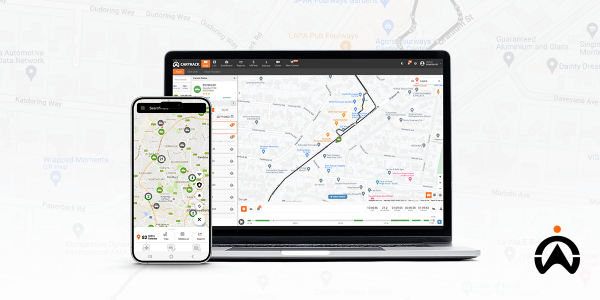
Display route maps and GPS tracker monitoring systems on laptop and cellphone screens.

How Accurate Is a GPS Tracker?

GPS accuracy depends on various factors, including satellite geometry, signal obstruction, and receiver design features. The following factors affect GPS accuracy:

  • Satellite Position and Visibility: The GPS receiver requires an unobstructed line of sight to at least four satellites to determine its position
  • Signal Quality: The quality of signals transmitted by satellites can be affected by various factors, such as atmospheric conditions and human-made interference. This can lead to errors in accurate location determination.
  • Radio Interference or Disturbance: External sources of radio interference, such as cell phone towers or other electronic devices, can cause signal delays.

Cartrack Indonesia's GPS Tracking Technology

Sistem pelacak GPS Cartrack Indonesia dikhususkan untuk memberikan keamanan kelas dunia. Berbagai testimoni pengguna menunjukkan efisiensi GPS Tracker Cartrack Indonesia untuk visibilitas dan keselamatan armada.

The core of Cartrack Indonesia's advanced telematics technology lies in the innovative power of GPS tracking systems. This unmatched precision gives our 24/7 emergency control room and our highly trained stolen vehicle recovery team real-time visibility, ensuring we are ready to respond and recover at any moment. Our steadfast commitment to innovation and technological progress places Cartrack Indonesia at the forefront of the vehicle tracking industry.

Get full fleet visibility with Cartrack Indonesia Solutions

Whether you're a small business or working in high-demand sectors like oil, gas, and mining, Cartrack Indonesia is the answer to keeping an eye on your fleet at all times.

Improve fleet safety, boost operational efficiency, and make better decisions — start using Cartrack Indonesia. Find out more by clicking this link!

Easy Ways to Calculate Fuel Consumption Across Your Fleet

So many factors can influence the amount of fuel consumed by a fleet. But the key question is: Are you able to accurately track how much fuel your fleet is consuming?

Calculating fuel consumption and managing it properly is important for any business that relies on a fleet to operate. If done correctly, managing fuel consumption can lead to significant cost savings.

In this article, we will discuss how to accurately calculate fuel consumption in a fleet. Curious? Read the explanation in the following paragraphs!

What is Fleet Fuel Consumption?

Fleet fuel consumption refers to the total amount of fuel used by a vehicle over a certain period of time. It is typically expressed as the total amount of fuel used per distance travelled. Fuel consumption is an important metric for fleet managers as it directly affects operational costs and fuel efficiency.

Read Also: Control Excess Fuel Costs with Fuel Sensors and Cartrack MiFleet

What Factors Affect Fleet Fuel Consumption?

Fuel consumption is not only influenced by the distance travelled. There are several contributing factors that we experience every day without realising it. Some of these factors include:

Vehicle Condition

Well-maintained vehicles not only perform at their peak but also consume less fuel.

Vehicle condition factors that affect fuel consumption include:

  • Under-inflated tyres: This increases rolling resistance, meaning more fuel is required to maintain speed and results in higher fuel consumption.

  • Insufficient fluid levels: Low engine oil, transmission fluid, and coolant place additional strain on the engine and reduce fuel efficiency.

  • Faulty fuel system: Issues with fuel injectors, filters, or the fuel pump lead to inefficient combustion, which also increases fuel consumption.

Driver Behaviour

Driver behaviour not only affects driver safety but can also increase the amount of fuel used by a vehicle.

Some driver behaviour factors that affect fuel consumption include:

  • Harsh acceleration: Behaviours such as rapid acceleration or hard braking lead to increased fuel consumption.

  • Excessive idling: When a vehicle remains stationary with the engine running, fuel is still being consumed. This means more fuel is used even when no task is being performed.

  • Incorrect gear shifting: Frequent gear changes and selecting the wrong gear place strain on the vehicle’s engine. This load requires more power, which ultimately increases fuel consumption.

Read Also: What is a Fuel Management System?

Road Conditions

Road conditions affect the energy required to move a vehicle, making them an important factor in fuel efficiency. Road conditions that influence fuel consumption include:

  • Road surface conditions: Rough and uneven road surfaces increase rolling resistance. This means more fuel is required to keep the vehicle moving, which increases fuel consumption.

  • Elevation changes: Driving uphill requires more power, which means more fuel is consumed.

  • Poorly maintained roads: Unpaved roads and potholes can reduce fuel efficiency due to increased vehicle vibrations and the extra energy required to navigate such roads.

Weather

Adverse weather conditions such as rain, snow, or strong winds increase resistance while driving. More fuel is required to maintain speed and control, resulting in higher fleet fuel consumption.

How to Accurately Calculate Fuel Consumption?

This formula is widely recognised as the standard method for calculating fuel consumption. It allows you to assess how efficiently a vehicle or fleet uses fuel.

Fuel Consumption (Litre/100 km) = (Litre Fuel Used X 100) ÷ Kilometres Travelled

Example:

A vehicle consumes 32 litres of fuel to travel 250 kilometres. To calculate its fuel consumption in L/100 km:

(32 X 100) ÷ 250 = 12,8 Litre/100 km

This means the vehicle's fuel consumption is 12.8 L/100 km, indicating that it consumes 12.8 litres of fuel to travel 100 km.

Although you can calculate fuel consumption manually using the formula above, Cartrack Indonesia simplifies the process with its fuel sensor, which provides detailed, real-time insights into the amount of fuel consumed by a vehicle over a given distance.

A person uses a calculator and laptop to calculate fuel consumption in a company fleet.

Importance of Fuel Management Systems

Data obtained from a fuel management system plays an important role in fleet operations, namely:

  1. Prevent Fuel Theft: By helping to identify potential fuel theft (such as siphoning, fuel card theft, fraudulent transactions, or fuel card cloning), a fuel management system can quickly and automatically detect unauthorised fuel consumption within a fleet.

  2. Eliminate Cost-Draining Driver Behaviour: A fuel management system can quickly detect fuel-wasting driver behaviour, such as speeding and harsh braking.

  3. Optimise Fleet Efficiency: By helping to identify fuel-wasting behaviour and improving planning and optimisation, a fuel management system can help implement strategies that improve overall fleet efficiency.

  4. Gain Maintenance Insights: Fuel monitoring systems provide insights into vehicle health. Increasing fuel consumption levels can indicate potential maintenance issues, and identifying these early helps prevent breakdowns and reduce unnecessary downtime.

  5. Calculate Fuel Consumption: Fuel monitoring systems can measure fuel usage using GPS technology and telematic systems.

  6. Track Fleet Carbon Emissions: By accurately measuring the amount of fuel used by vehicles, a fuel management system simplifies the calculation of fleet CO₂ emissions.

Why Is It Important to Calculate Fuel Consumption?

  1. Cost Control and Efficiency: Calculating fuel usage helps to accurately estimate fuel costs. By understanding exactly how much fuel a vehicle consumes, fleet managers can budget effectively and identify cost-saving opportunities. In addition, improved fuel efficiency can lead to lower operational costs, contributing to the overall success of the fleet.

  2. Driver Performance and Monitoring: By tracking fuel consumption, fleet managers can detect sudden changes in fuel usage. Unexpected fluctuations in fuel consumption rates may indicate potential issues, whether it is poor driving behaviour, declining engine health, or tyre pressure problems.

  3. Data-Driven Decision-Making: Knowing exactly how much fuel a fleet consumes provides valuable insight for efficient and informed decision-making. This information can help identify the most fuel-efficient vehicles, routes, and driving practices.

  4. Monitor and Improve Fleet Fuel Consumption with Cartrack: Harness the power of our industry-leading solution to simplify fleet fuel consumption monitoring and keep fuel usage at a minimum.

Read Also: What is Fuel Efficiency? How to Calculate It and Its Benefits!

Calculate Fuel Consumption with Cartrack's Fleet Management Solution

  1. Improve Driver Behaviour: Use driver scorecards from Cartrack Indonesia to monitor high-risk behaviours that waste fuel, such as harsh acceleration, harsh braking, and speeding. By highlighting these behaviours, fleet managers gain insights into areas that need improvement to significantly reduce fleet fuel consumption.

  2. Improve Fuel Efficiency With Preventive Maintenance: Cartrack Indonesia proactively monitors vehicle health and helps fleet managers schedule maintenance according to customised schedules. This strategy minimises downtime and maximises vehicle performance. With this proactive approach, fleet managers can avoid unnecessary spikes in fuel consumption caused by overlooked maintenance issues.

  3. Prevent Fuel Card Fraud and Theft: Cartrack Indonesia’s AI algorithms automatically compare fuel receipts with vehicle location and fuel status. The system flags suspicious fuel transactions that may be caused by factors such as fuel theft, helping fleet managers identify potential sources of fuel cost waste. With these capabilities, fleet managers can investigate, resolve, and reduce fuel cost waste instantly and in depth.

  4. Automating Carbon Emissions Tracking: Cartrack Indonesia’s detailed reports provide insights into how much fuel is used during trips, along with estimated CO₂ emissions. All of this can be easily accessed through the Cartrack fleet platform. This information helps fleet managers identify vehicles with the highest CO₂ emissions, enabling decisions to replace them with more environmentally friendly vehicles and to determine the most suitable vehicle usage for long-distance trips. Tracking carbon emissions over time and understanding how to minimise them are essential for ensuring that companies can make real progress towards net zero emissions.

Want to know more? Simply click the following link!

How Is Data-Driven Decision-Making Used in Fleet Management?

What Is Data-Driven Decision-Making?

Data-driven decision-making is the use of data and analytics to guide decision-making. When used in fleet management, data-driven decision-making involves the collection, analysis, and interpretation of data from various sources, including vehicle performance records, driver behaviour reports, and maintenance records. This information helps identify trends, patterns, and insights that support future business decision-making processes.

Different Types of Fleet Data

Fleet operations generate a wide range of information that can be collected and analysed. Some of these include:

  1. Location Data: Using IoT devices and GPS coordinates, fleet managers can view the historical movement of their fleet vehicles and monitor their movement in real time.
  2. Driver Behaviour Data: This data provides fleet managers with insights into how drivers operate their vehicles. It includes compliance with speed limits, aggressive driving, acceleration habits, braking, and the overall behaviour of drivers behind the wheel.
  3. Telematics Data: This data provides fleet managers with insights into various vehicle metrics, including speed, fuel consumption, engine performance, mileage, and many others.
  4. Maintenance Data: This data provides fleet managers with insights into the condition of their vehicles and provides a complete maintenance history.
  5. Safety Data: This data provides fleet managers with insights into vehicle safety incidents, including accident reports.

The Role of Telematics in Collecting Fleet Data

Telematics is a sophisticated onboard system that combines a GPS tracking unit with an onboard computer. These technologies work together to monitor and report on the overall status and activities of fleet vehicles and their drivers.

Telematics is essential for data collection data fleet by enabling the integration of telecommunications and informatics technologies to collect, transmit, and analyse data from multiple vehicles.

For an effective telematics system, the following components need to be integrated:

  • Global Positioning System (GPS) Satellite Technology: The integration of GPS into telematics enables accurate, real-time vehicle location tracking.
  • Wireless Networks: Wi-Fi and cellular networks (such as 4G LTE and 5G) facilitate the transmission and storage of data from in-vehicle GPS tracking devices through internet or satellite connectivity.
  • Sensor-Based Monitoring: Integrating sensors with telematics into fleet management software provides fleet managers with in-depth insights into fleet operations. For example, the use of temperature sensors in cold chain logistics. By using temperature sensors, the system can monitor temperature in real time and alert fleet managers if any temperature fluctuations are detected, enabling them to communicate with drivers promptly to address issues, such as dispatching a replacement trailer if necessary.

How Does Telematics Collect Fleet Data?

Telematics works in the following way:

  • Collects data on vehicle location and movement using in-vehicle GPS tracking devices.

  • Transmits the collected data over secure cellular networks.

  • It visualises vehicle data and information such as vehicle location, engine status (e.g. on/off or idle time), and driver behaviour using fleet management software platforms (web-based or mobile applications).

Financial chart analysis on laptop for data-driven decision making in fleet management.

Why Is Data-Driven Decision-Making Important for Fleet Management?

Here are 3 reasons why decision-making is based on data can help fleet managers improve their fleet efficiency:

  1. Helping Maximise Fleet Safety:

    Data-driven decision-making plays a crucial role in maximising safety by leveraging real-time data to inform and improve safety practices among drivers and fleet operations. This is achieved through:
    – Identifying Risky Driving Behaviour: Telematics provides fleet managers with data that can be analysed to identify risky driving behaviour. By monitoring these behaviours and identifying patterns, managers can implement measures to reduce the risk of accidents during journeys.

    – Preventive Maintenance: Data analysis helps fleet managers proactively identify potential maintenance issues before they become safety hazards, resulting in cost savings and improved fleet lifespan. This significantly reduces the likelihood of breakdowns and accidents caused by mechanical failure, ensuring driver safety.

  2. Driving Cost Savings:

    For cost savings, fleet data must be used wisely to make efficient decisions.
    – Fuel Monitoring: Fuel monitoring systems are fleet cost management solutions that provide real-time insights into all fuel costs and consumption across the fleet. Fuel monitoring helps businesses identify where fuel expenditure is going (for example, fuel theft). Accurate data enables fleet managers to proactively address potential issues, thereby reducing fuel wastage.

    – Asset Tracking: Using asset tracking software helps to understand vehicle condition and performance. It highlights which assets are profitable and which are costing more than they should, enabling businesses to assign the right vehicle for the right job. These insights support informed decision-making on which assets should be sold and which require further investment, helping to run a more efficient, safe, and cost-effective fleet.

  3. Improve Customer Satisfaction:

    Customer service quality can significantly impact a business. Data-driven decision-making aims to improve this through:
    – Route Optimisation: Route optimisation can have a positive impact on both business performance and customer service. By helping drivers identify the most efficient routes, businesses can ensure more timely deliveries while also reducing fuel consumption.

    – Proactive Communication: Using data insights, fleets can anticipate potential delays or challenges in advance. By streamlining communication between drivers and fleet managers, real-time job updates can be provided. This enables proactive communication with customers, building trust and effectively managing customer expectations.

Data is just numbers unless it is transformed into something actionable to solve fleet challenges. With the insights mentioned above, a fleet can gain performance evaluation and real-time monitoring, helping them make informed business decisions to achieve operational efficiency.

The Risks of Not Making Data-Driven Decisions in Fleet Management

Fleet management involves overseeing company vehicles as a means of ensuring safety, cost efficiency, and overall operational efficiency.

If a fleet does not make decisions based on data, they may face the following challenges:

  • Inefficient Operations: Without data-driven insights into routes, vehicle usage, or maintenance schedules, a fleet will experience higher operational costs.
  • Security Risks: The absence of an effective monitoring system leads to the neglect of dangerous driving behaviour, which increases the risk of accidents and safety violations within the fleet.
  • Poor Fuel Efficiency: Failure to optimize driver routes and monitor fuel usage results in unnecessary increases in fuel costs and fuel wastage.
  • ‍Customer Dissatisfaction: Without looking at data related to past deliveries and not using them to optimise future deliveries, the fleet experiences delivery delays, which negatively impacts customer satisfaction.

Make Smarter Business Decisions with Data-Driven Fleet Management Solutions from Cartrack Indonesia

Making informed decisions is what separates success from uncertainty in the field of fleet management. Cartrack Indonesia understands this and encourages business owners to utilise data-driven solutions that are certain to bring profit to their business.

Want to find out more? Simply click the following link!

What is Fleet Electrification and How Do We Prepare for It?

What is an electric vehicle?

Kendaraan listrik, yang umumnya dikenal sebagai EV (Electric Vehicle), adalah kendaraan yang dirancang untuk beroperasi sepenuhnya atau sebagian menggunakan listrik sebagai sumber daya utama mereka. Berbeda dengan kendaraan konvensional yang bergantung pada bensin atau bahan bakar fosil, kendaraan listrik menggunakan motor listrik yang mengambil energi dari sumber-sumber canggih seperti baterai isi ulang atau sel bahan bakar. Kendaraan listrik dibagi menjadi dua jenis:

  • Battery Electric Vehicles (BEV): These vehicles are powered entirely by electricity stored in batteries.
  • Plug-in Hybrid Electric Vehicles (PHEV): These vehicles have an electric motor and also a regular petrol or diesel engine.

Electric vehicles are revolutionising the way we move and impacting business fleets, and many companies are now switching to fleet electrification.

What is Fleet Electrification?

Elektrifikasi armada adalah proses di mana suatu armada beralih dari kendaraan bertenaga bensin atau diesel yang konvensional menjadi kendaraan listrik yang nol emisi

This change involves a variety of vehicle types, including vans, trucks, and cars, all of which use electrical power. This shift is driven by a number of factors, including advances in battery technology, the declining cost of electric vehicles, and the need to reduce the impact of climate change.

Fleet electrification not only contributes to environmental sustainability but also aligns with broader efforts to achieve cleaner and more sustainable transportation.

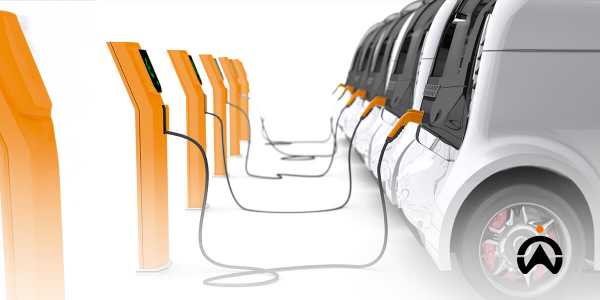
Barisan mobil listrik sedang mengisi daya di stasiun pengisian untuk ilustrasi elektrifikasi armada.

How Does Fleet Electrification Benefit Your Business?

Fleet electrification can provide a range of benefits in many ways. These benefits include:

  1. Positive environmental impact: One of the greatest benefits of fleet electrification is the reduction of greenhouse gas emissions. Given the significant contribution of the transport industry to greenhouse gas emissions, integrating electric vehicles acts as a solution to reduce the impact of greenhouse gas emissions and combat climate change. Electric vehicles produce zero tailpipe emissions, so electrifying can help businesses achieve sustainability emission reduction goals, which will in turn positively enhance corporate reputation and image.
  2. As a sustainable energy source: Fleet electrification serves as a sustainable energy source not only by reducing carbon tailpipe emissions from vehicles, but also by promoting the use of renewable energy sources in the transport sector. Although electricity itself is not a sustainable energy source, electricity can be generated from renewable sources such as solar, wind, or hydro power, which further reduces its impact on the environment.
  3. Menurunkan biaya bahan bakar armadaReducing fleet fuel costs: Fuel costs are a very high expenditure point for fleets and have been a concern for many years. With fleets spending more than 20% of their budget on fuel, reducing petrol expenditure costs can have a positive impact on business fleets. High fuel costs have a significant impact on fleet efficiency.
  4. Reducing maintenance costs: Fleet electrification can significantly reduce maintenance costs. A 2020 Consumer Reports study showed that electric vehicles can save around 50% on maintenance costs compared to traditional petrol vehicles. This is partly because electric vehicles require far less maintenance.

Implementation of Electric Vehicle Fleet Management

Implementing fleet management for electric vehicles results in efficient handling of a group of electric vehicles. Fleet managers are responsible for vehicle maintenance, driver monitoring, and route optimisation.

Electric vehicle fleet management systems are designed to increase productivity, save costs, and ensure compliance across a company's electric fleet. Fleet management can provide access to real-time data about vehicle performance, battery life, costs, and more.

Mobil listrik putih sedang mengisi daya dengan kabel oranye untuk transisi elektrifikasi armada.

Factors That Can Hinder Electric Vehicle (EV) Adoption in a Fleet

High Initial Costs: One of the major barriers to adopting electric fleets is the higher upfront cost compared to conventional vehicles. This initial cost can be a challenge, especially when budget constraints are quite tight. However, over time, fuel cost savings from choosing to use electric vehicles will bring greater benefits.

Charging Station Availability: Reliable charging infrastructure is crucial for the successful implementation of EV fleets. Fleet vehicles require efficient charging stations to operate without hindrance, and a limited charging network can lead to range limitations.

Kecemasan Jarak TempuhRange Anxiety: Range anxiety, or the fear of running out of battery power during a journey, is a concern for drivers and fleet managers. Limited range raises concerns about the possibility of obstacles arising during the trip.

Battery Degradation and Replacement Costs: EV batteries degrade over time, reducing their energy storage capacity and potentially affecting vehicle range. If quality degradation occurs, battery replacement is required, which incurs quite expensive costs.

The Role of Telematics in Electric Vehicle Fleets

Telematika adalah teknologi yang menggunakan telekomunikasi dan informatika untuk mengumpulkan data pelacakan armada GPS dan berbagai informasi spesifik kendaraan lainnya. Telematika dapat memberikan data mendalam tentang kecepatan kendaraan, pengereman, dan daerah yang telah dilalui oleh kendaraan. Sama seperti armada yang menggunakan bahan bakar bensin, telematika memainkan peran penting dalam armada kendaraan listrik dengan menyediakan data dan wawasan penting yang dapat mengoptimalkan efisiensi, kinerja, dan manajemen kendaraan listrik. Berikut adalah peran utama yang dimainkan oleh telematika dalam armada kendaraan listrik.

Monitoring Battery Performance: Telematics gives fleet managers access to battery performance history. This information helps them optimise battery performance, which leads to improved overall fleet efficiency.

Cost Savings and Efficiency: Telematics gives fleet managers insights into energy usage patterns, which enables more efficient route planning and timely maintenance scheduling. This helps improve operational efficiency, reduce energy costs, and save money.

How Cartrack Helps You Overcome Key Fleet Electrification Challenges

  1. Reducing range anxiety The time required to recharge electric vehicles can significantly impact fleet operations. Fast and convenient charging solutions are needed to minimise downtime, especially for commercial use. This makes route planning crucial, as higher density and accessibility of charging stations along drivers' routes not only increases vehicle charging convenience but also reduces range concerns for drivers and fleet managers. Cartrack's advanced system allows you to easily locate charging stations along your driver's route, schedule charging times, and monitor the battery level of each electric vehicle in real time. This helps you maintain optimal battery life, minimise unplanned downtime, avoid costly breakdowns, and ensure you always know your EV's range.
  2. Promote preventive vehicle maintenance Adhering to a comprehensive maintenance routine is essential for reducing fleet operating costs. For example, ensuring optimal tire pressure on electric vehicles is crucial for maximising mileage per charge. Since electric vehicles don't require the same maintenance that gasoline-powered vehicles typically do (such as oil changes and spark plugs), maintenance will primarily include:

    – Brake inspection
    – Tire rotation
    – Battery health

Gunakan perawatan preventif Cartrack untuk mendapatkan akses ke analitik prediktif. Fitur analitik prediktif ini memudahkan penjadwalan perawatan tepat waktu dan memberikan wawasan tentang waktu yang optimal untuk penggantian baterai. Penggantian baterai EV bisa sangat mahal, jadi menggunakan sistem perawatan preventif yang baik penting untuk memperpanjang umur baterai. Umur rata-rata baterai EV diperkirakan antara 10-20 tahun, tetapi kesehatan kendaraan yang buruk dapat memperpendek umur ini.

Easily Convert Your Fleet to an Electric Fleet with Cartrack

Industry experts predict that electric vehicles will account for 40% of car sales by 2030 and 57% of all cars on the road by 2040.

Learn how Cartrack can help with your electrification transition and help you manage your EV fleet efficiently.

Hubungi Cartrack hari ini, dengan click the following link!