4 Effective Ways to Increase Driver Accountability with GPS Trackers

The need for fleet visibility and driver accountability gave rise to GPS tracking solutions, leading to the development of modern fleet management. Over time, driver accountability has become a challenge due to increasing management needs, beyond simply knowing the whereabouts of drivers. How can GPS trackers be a solution to improve driver accountability, beyond just location monitoring? Here are four ways.

1. Improve Estimated Arrival Time

Do you or your employees spend hours on the phone just trying to find out where your drivers are or how long it will take them to arrive at their destination? With a GPS tracker, you can eliminate those inefficient calls. A GPS tracker provides an accurate Estimated Time of Arrival (ETA) solution by monitoring your vehicles' location at any given time and how far they are from their next stop. Accurate ETAs not only impact accountability but also improve efficiency and service by proactively informing customers if your drivers are arriving early or late.

2. Verifying Labor Wages

Your labour costs are high, but you are not sure why? GPS tracking solutions can quickly alert you to possible fraud in working hours reporting, which can lead to inflated labour costs. If your drivers are required to return vehicles to the pool at the end of the day and clock out, you can compare the recorded return time with the clock out time. If a vehicle is taken home by a driver, you can also see when they started and ended their work journey and compare it with the records they reported.

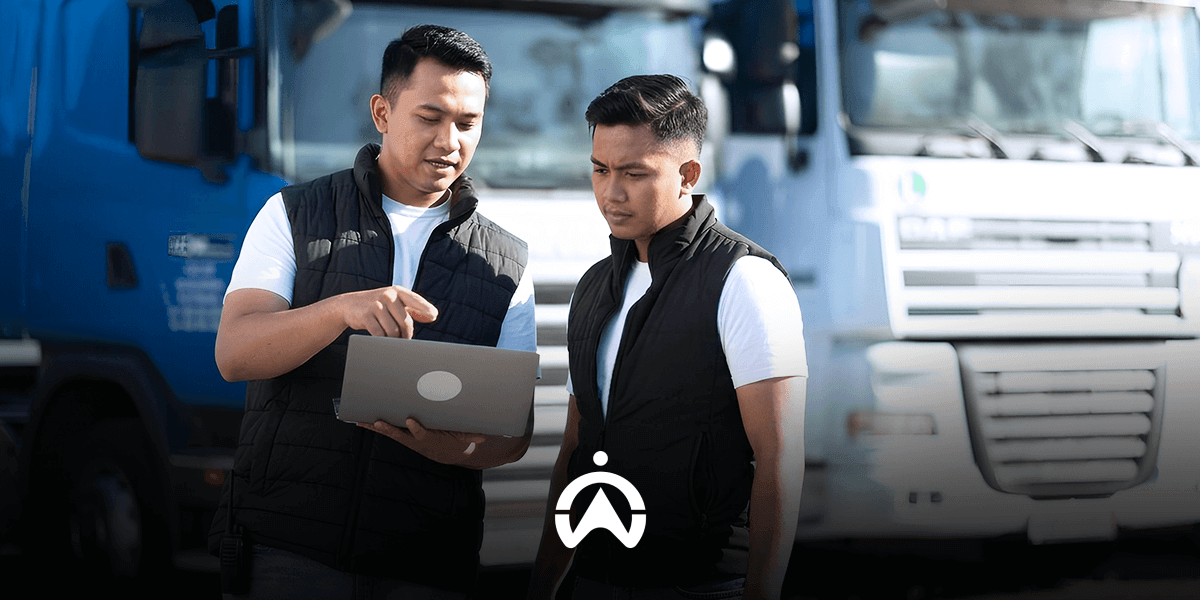
The driver wearing a blue polo shirt drives the car.

3. Track Side Jobs

GPS tracking solutions can help prevent drivers from using your assets for side jobs. One way of doing this is by comparing their stop points with your customer list. A daily vehicle activity report will display customer names and addresses, as well as any other unknown addresses, which may indicate side jobs or off-duty activity. Another method is to track irregularities in working hours or vehicle operating times. If your fleet vehicles have specific operating hours, you can review reports and set up alerts to receive automatic notifications when a vehicle is used outside of those hours.

4. Provide Proof of Service

Resolving customer complaints is easier when you have a dedicated tracking and verification system in place. A GPS tracker provides the evidence you need quickly to verify complaint reports, such as customers claiming they did not receive goods even though the courier has completed the job, etc. Data from the GPS tracker accurately shows when your vehicle arrived at the customer’s location and how long it stayed there. In addition, proof-of-delivery history such as photos or recipient signatures can also be viewed, integrated with GPS tracker data. With access to historical data at your fingertips, disputes with customers can be minimised and invoicing can be sped up.

Driver accountability and integrity improve, fleet management becomes more efficient, and you have peace of mind. To address your driver accountability needs, Cartrack offers the Fleet Pro solution. This package includes three additional features to choose from: a fuel sensor, the Communicator fleet task management app, and Driver ID Monitoring. Increase your driver accountability with the Cartrack GPS Tracker now and get the chance to try our product!

Cartrack GPS Tracker, the Right Solution for Public Transportation Companies

Supporting the government in realising safety and comfort and improving the performance of passenger transportation services, Cartrack provides a GPS tracker package for public transportation companies. Cartrack's Public Vehicle GPS package ensures that your public transportation fleet meets the technical requirements, as stated in the Regulation of the Director General of Land Transportation Number KP.2081/AJ.801/DRJD/2019.

The following are the features that Cartrack provides in its Public Vehicle GPS package.

  1. Vehicle monitoring in real time  

With Cartrack GPS Tracker, you can monitor your fleet vehicles in real-time via the Cartrack mobile app or Fleet Web anytime and anywhere. Not only the location, you can also instantly know the speed and odometer of each vehicle, and set notifications when the vehicle engine is turned on and off and idling (the engine is on but the vehicle is not moving). For location monitoring, the map display options can be standard Google Maps, satellite, or Google Street View.

  1. Daily travel history

You can instantly view the daily trip history of each fleet vehicle, including the start and end locations and times, duration and distance traveled, and the odometer. You can also add details to the trip history and mark trips as business or personal. A trip is counted from the time the engine is started until it is turned off.

  1. Route planner

Based on vehicle trip history, you can select fixed routes and monitor your fleet vehicles. You will receive notifications regarding any route deviations or delays. When assigning routes, you can specify the start and end times for the route. You can also configure notifications to alert you when a vehicle begins or completes a route, or if the route is not completed on schedule.

  1. POI and Geofence

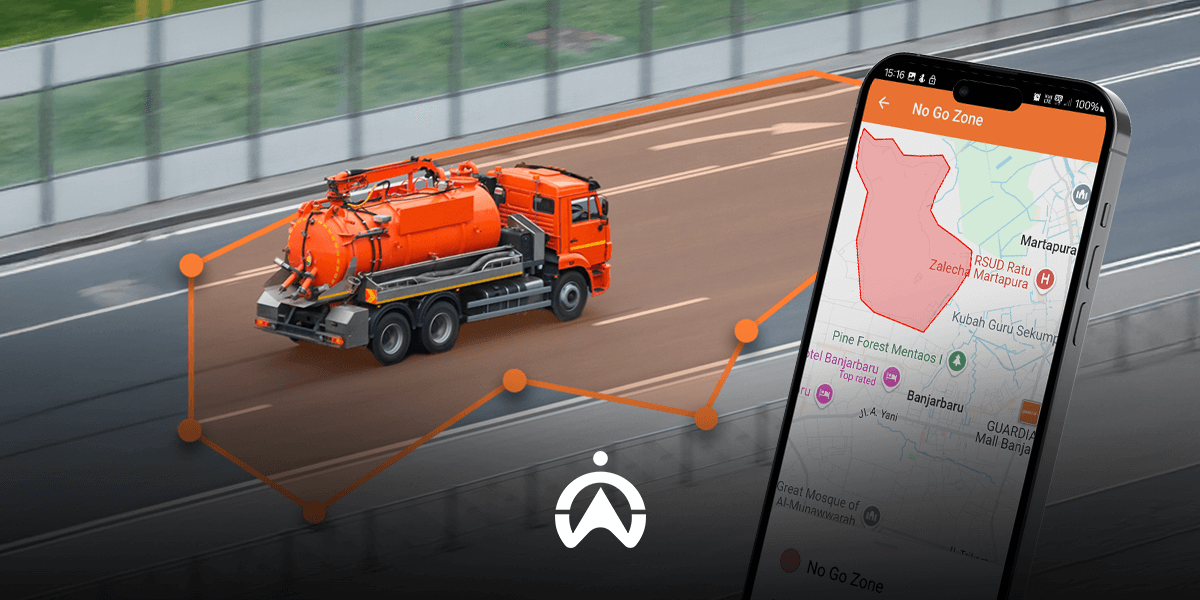
For more targeted activity monitoring, you can utilize Points of Interest (POIs) and Geofences. A POI represents a specific location point, whereas a Geofence defines an area. You can use both to mark, for example, restricted zones, fixed destinations, service centers, or locations for document processing. Notifications—including timestamps—can be configured to trigger whenever a vehicle enters or exits a POI or Geofence.

A row of company buses in the parking area is monitored using Cartrack GPS tracker as the right solution for public transportation.

  1. Driver monitoring

Cartrack GPS Tracker automatically identifies risky driving behaviours, such as sudden braking and acceleration, sharp turns, speeding, and idling. The system will notify you if any of these safety violations occur. For speeding, there are two types of speed limits that are used as parameters: the driving speed limit set by the fleet operator and the road speed limit detected from Google Maps.

  1. Fuel monitoring

By adding a fuel sensor, you can monitor fuel consumption, refueling, and theft for each vehicle. You can also instantly determine the percentage of fuel remaining in the tank. From the data generated by the fuel sensor and GPS tracker unit, you can generate several types of reports, such as a Fuel Efficiency Report, a Fuel Fill Report, and a Fuel Summary Report.

  1. Maintenance schedule reminders and document management

This feature is very useful for operational managers, especially if they manage a large number of public vehicles and drivers. You can set reminders for servicing, vehicle registration renewals, and insurance. Schedule reminders can be set based on period, mileage, and operational duration (year, month, day, and hour). These reminders are integrated with data from the GPS tracker, such as odometer and engine operation activity.

  1. Automated reports

The detailed and complex data captured by the GPS tracker is presented in the form of automated reports. There are over 60 reports available, allowing you to select the ones that best suit your public transport business and operational needs. Simply choose a report, set the data history period, select the format (PDF/Excel), configure the delivery schedule, and then have it sent to your email or download it directly. It’s easy, isn’t it?

Cartrack Public Vehicle GPS Package is suitable for public transportation companies, both on routes (microlet, kopaja, metromini, ferris wheel bus, etc.) and non-route (taxis, rental vehicles, tourist buses, residential area shuttle buses, employee buses, school buses, etc.). Using a GPS tracker is not only to fulfill government regulatory obligations, but also for the reliability and profitability of your business. With a GPS tracker, your public transportation business becomes more productive and operational costs are more efficient.

Install Cartrack GPS Tracker on your public transportation fleet now and get a FREE DEMO of our product!

The Ministry of Transportation Requires Public Transportation Companies to Use GPS Trackers

To reduce the number of accidents caused by driver negligence, the Ministry of Transportation (Kemenhub) has requested public transport companies to install Global Positioning System (GPS) tracker devices in their fleets. This applies throughout Indonesia to passenger transport using public motor vehicles operating on both fixed routes and non-fixed routes. Passenger transport using public motor vehicles on non-fixed routes includes taxis, tourist buses, school buses, employee buses, residential area shuttle buses, and rental vehicles.

The technical guidelines for electronic vehicle movement monitoring devices for passenger transport using public motor vehicles are outlined in Regulation of the Director General of Land Transportation Number KP.2081/AJ.801/DRJD/2019. It is stated that GPS tracking devices for public motor vehicles must at least include the following functions:

  1. Monitoring of vehicles in real-time via Google Maps;
  2. Information on speed (odometer) at address locations and Google Street View display;
  3. Information on the vehicle’s origin and destination locations;
  4. Route information for each vehicle (Route, POI, and Geofence features) to identify the class of roads travelled and dangerous areas that should be avoided;
  5. Travel information for each vehicle, which includes travel time and distance, stopping duration, operating hours, and engine activity;
  6. Speed limit and emergency alerts;
  7. Asset data management such as vehicle registration documents (STNK), tax records, roadworthiness certificates, operating permits, and insurance;
  8. Driver management, including the regulation of working hours (8 hours per day) and rest periods (30 minutes after every 4 consecutive hours of driving), as well as alerts for rest breaks and driver replacement;
  9. Recording of travel and driver data for a minimum of 7 working days;
  10. Monitoring fuel consumption and low fuel level alerts;
  11. Monitoring of standby and idling activity for each vehicle unit.

The regulation also states that GPS tracker devices that comply with the requirements must be made of water- and impact-resistant materials, be simple in design, and have large memory capacity.

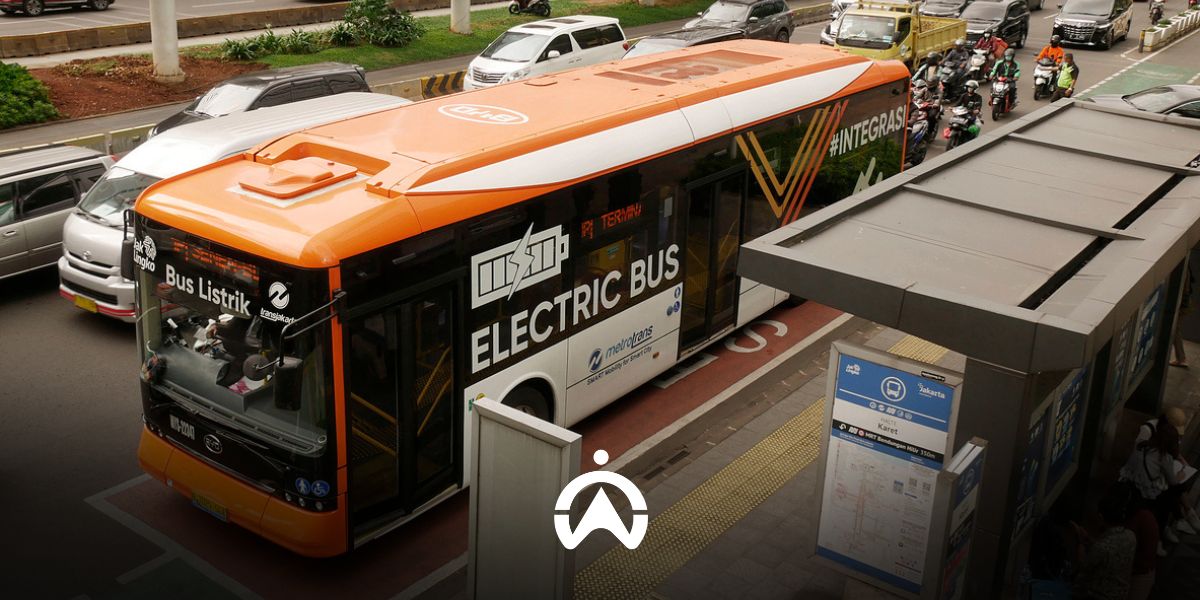
Traffic jams of public vehicles and motorbikes on city roads require GPS tracker monitoring for mobility efficiency.

This Directorate General of Land Transportation Regulation came into effect on the date it was enacted, namely 20 May 2019. In line with the agreement, the government still provided public transport companies with an opportunity to comply with their obligations until August 2020. After that, public motor vehicles without a GPS tracker would be subject to sanctions or have their operating licences not renewed.

With this electronic monitoring system in place, drivers and operators of public motor vehicles are expected to improve passenger transport service performance, making it safer and more comfortable.

Has your public transport fleet been equipped with GPS trackers? Cartrack is here to help! Contact us today for a chance to get a FREE Cartrack GPS tracker demo!

10 Reasons Fleet Operations Managers Need Cartrack

Are your fleet business's operating costs rising? It's time to take proactive steps to optimise your fleet, one way being by using Cartrack telematics technology. We understand the common challenges fleet managers face and offer a range of solutions, no matter the size of your business.

Cartrack's advanced telematics technology allows you to monitor your fleet at any time, including accurate visibility into their location and the driving habits of your drivers. Our solution gives you complete control over your fleet management, conveniently from your computer or mobile device.

Cartrack uses Global System for Mobile Communication (GSM) and Global Positioning System (GPS) technology to enable you to track, locate, and view your vehicles' movements in real-time. You can also receive notifications not only about your vehicles' location but also about your drivers' driving behaviour. Cartrack's fleet management solutions are proven to increase productivity and efficiency, while optimising your fleet's workforce.

Here we summarise 10 Cartrack advantages that you will need as a fleet operations manager

1. Web-based software

Allows you to be online anytime and anywhere, and view your vehicle's current location and travel history.

2. Smart reports

All data received by the Cartrack tracking device can be automatically displayed in various report categories that you can select according to your needs.

3. Complete monitoring features

Helping you get comprehensive fleet monitoring, from geofences, fuel consumption, driving behaviour, cargo door opening and closing, cooled cargo temperature, job completion, vehicle operational time, and others.

4. Route planner

It allows you to view and compare the routes your drivers typically use for specific trips, enabling you to choose the most efficient route. You can also receive notifications whenever there is a deviation from your designated route.

Truk merah Cartrack dengan dua bak muatan melintasi jalan berliku di tengah hutan

5. Accident reconstruction

Shows details of the circumstances surrounding the accident your fleet experienced at that time, including road and traffic conditions, the location of the accident, the time of the accident, and the speed of your fleet.

6. Schedule reminder

Sends notifications when your driver's license or vehicle registration is about to expire, when your vehicle is due for maintenance or repair based on date or mileage, and other customisable reminders. This feature is especially helpful for those with multiple vehicles.

7. Lifetime warranty

With the rental system, you get a lifetime guarantee on both Cartrack hardware and software.

8. Data storage

You can access up to 1 year of historical data via Cartrack's web-based platform, and up to 5 years via special request.

9. Training

Available to all Cartrack fleet management system users via a free online meeting. You can also choose offline training at your location for an additional fee.

10. Equipment removal and removal services

Cartrack provides a minimal fee for removal and relocation of your tracking device in the event of a change of vehicle ownership, or if you wish to move your tracking unit to another vehicle.

With all these advantages, you as a fleet manager can focus on increasing productivity, cost efficiency, and comprehensive fleet management. Ready to optimise your fleet business? Contact Cartrack now!

The Important Role of Geofencing in Vehicle Fleet Management

Technological advancements allows you to better manage your vehicle fleet. The use of GPS tracking devices is no longer limited to real-time vehicle tracking; it also offers other features and functions, such as geofencing.

Imagine you are in the yard of a house with a fence around it. With a geofencing system, you can set automatic actions if someone enters or leaves the fence that surrounds your yard.

For example, you can set up an automatic notification if someone enters your yard. Conversely, you can also set up a notification if a family member leaves your yard.

Wanita berhijab memantau peringatan geofence dalam manajemen armada kendaraan melalui laptop di kantor.

What is Geofencing?

Geofencing is a “virtual fencing” system for delimiting areas on digital maps that represent specific geographic areas. Geofencing systems typically work with data from GPS, Wi-Fi, and so on to activate specific actions.

Imagine you are in the yard of a house with a fence around it. With a geofencing system, you can set automatic actions if someone enters or leaves the fence that surrounds your yard.

For example, you can set up an automatic notification if someone enters your yard. Conversely, you can also set up a notification if a family member leaves your yard.

Use of Geofence in Various Fields

Because it's a "virtual fence," a geofence can be connected to various systems to activate a variety of actions. Therefore, its functions and uses are very diverse, some of which include:

1. Promotion and Marketing

Have you ever entered a place like a mall or shopping centre and received a discount notification from a particular store? The geofencing system detects the GPS tracker on your smartphone when you enter the mall area, then automatically sends a promotional message.

2. Employee Absence in the Field

For companies with field-based employees, geofencing can be utilized to track attendance. Using a dedicated smartphone app, the system automatically records their presence upon arrival at the project site.

3. Emergency Alert

Geofencing can also be used to disseminate information regarding disasters or emergencies. One example is the Early Warning System (EWS) SMS notification automatically received by the mobile phones of everyone located in the affected area.

4. Smart Home Automation

In a smart home, geofencing can also be used to activate devices when the owner is within a meter radius of the house. For example, setting the system to turn on the lights and air conditioning when you enter the yard.

5. Access and Security

With geofencing, you can also detect when your vehicle or family members enter or leave a specific zone. This makes it easier to detect early if a vehicle is stolen or if a child strays from an authorised play area.

How Geofence Works and Its Uses

A geofence can be configured as either a custom-defined boundary or a radius around a specific location. Geofencing technology can utilise Global Positioning System (GPS), Wi-Fi, Radio-Frequency Identification (RFID), or cellular data to trigger specific actions when predefined conditions are met.

To perform geofencing, you must first register or subscribe to the platform or app that provides the subscription. Once you do, you'll receive an account and dashboard that allows you to configure geofence areas and their automated actions.

The steps for setting up a geofence are:

  1. Determining the geofence zone: To perform geofencing, you must first register or subscribe to the platform or app that provides the subscription. Once you do, you'll receive an account and dashboard that allows you to configure geofence areas and their automated actions.

  2. Location tracking with GPS: Next, you can install an app, a GPS tracker, or utilise the device's built-in GPS. This tracking device will then notify the object's location and trigger an action when the object enters or exits a geofence zone.

  3. Action and notification settings You can set automatic actions if an object enters or exits a geofence zone. Starting from sending notifications, sending promotional SMS, or sending data to activate other systems such as deactivating the automatic starter.

Benefits of Geofencing in Fleet Management for a Business

While its functions can vary widely, geofencing is very common in fleet management, especially if you manage a fleet of dozens or hundreds, such as a car rental company or a transportation provider like a bus company.

Passenger vehicle fleet drivers monitor rural routes with a geofence system in vehicle fleet management.

For businesses related to transportation and delivery, here are the benefits of geofencing in your business fleet management.

1. Prevent vehicle theft

By setting up a geofence and setting up notifications, you can receive alerts when your fleet leaves a designated area. This way, you can investigate whether it indicates theft.

For example, you can contact the renter or driver and inquire about the reason for driving the vehicle on an unauthorised route. If theft does occur, you can take immediate action, such as reporting it to the authorities.

2. Organise the work area

Geofencing will also be very useful for those of you who use vehicles for business operations, such as deliveries. You can define work areas and set up notifications when your fleet enters or exits those areas.

This way, you can ensure driver or courier accountability and ensure their work meets established schedules. This can also serve as a record and evaluation tool if a driver is frequently late with deliveries.

3. Improve business efficiency and performance

Geofencing data will enrich information about fleet performance, especially when combined with other data from GPS devices. For example, you can find out vehicle operating hours and driving behaviour within a geofence.

You can use this information for operational evaluation and driver performance improvement. It can also inform policy making, efficiency, and business development.

Read Also: What is a GPS tracker? Read on to find out more!

Cartrack GPS Tracker with Geofencing Features

Cartrack's fleet management solution offers GPS trackers with geofencing features that enhance the protection and security of your vehicles. Access a dedicated dashboard where you can track your vehicles and receive notifications if they stray from designated zones.

In addition to the GPS Tracker which is equipped with a geofence feature, Cartrack also offers various other useful features, such as:

  • Fuel monitoring: Sensors to track fuel availability, reduce waste, and prevent theft.

  • Live Vision and Smart Cabin: AI dashcam and camera solutions to monitor driving behaviour and improve vehicle safely.

  • Start Inhibit Relay: Allows you to prevent theft by disabling the starter of a stolen vehicle.

Geofencing is a system that can activate automatic actions when an object enters or exits a predetermined zone. One use of geofencing is to utilise data from GPS trackers to optimise fleet management.

Geofencing for fleet management can be applied to a variety of businesses, from car rentals and expeditions to heavy equipment rentals. Theft prevention will be more effective if you can detect when your fleet leaves its operational zone.

Enhance your fleet's security now with Cartrack's GPS tracker, featuring geofencing capabilities! Click the link below and provide your details to receive the best GPS tracker offer for your business needs.

5 Tips to Extend the Life of Heavy Construction Equipment

Heavy construction equipment represents a significant investment. Properly maintaining your fleet of heavy equipment helps protect that investment by preventing costly losses caused by equipment failures, excessive downtime, and reduced productivity. Maintenance can also extend the lifespan of heavy equipment, helping to lower operating costs and reduce asset depreciation. Here are the top five tips for extending the lifespan of construction equipment.

1. Training for Heavy Equipment Operators

Therefore, ensure that your assets are operated correctly and with care. One way to achieve this is by providing operators with both theoretical and practical training, covering everything from equipment operation to maintenance procedures. In addition to the manufacturer’s official manual, you should also provide a simplified reference guide in plain language for operators to use on a daily basis. Continuously identify best practices for heavy equipment utilisation and communicate them effectively to your operators.

2. Regular Lubrication

Lubricants reduce friction between moving or contacting parts that can otherwise wear out quickly. A well-planned lubrication maintenance schedule helps extend the lifespan of equipment, engines, and components. Make sure you use the correct lubricants, preferably those recommended by the manufacturer, as specific types of oil and grease are designed for different components.
In addition to lubrication, you should regularly inspect for signs of excess oil, grease build-up on pistons, and leaks around seals or oil valves.

3. Check for Signs of Wear and Tear

Vibration, shock, high temperatures, friction, and age all contribute to the deterioration and wear of construction equipment components. Vibration can result from misaligned gears and belts. Shock may be caused by accidents or poor operating practices. High temperatures (overheating) can result from prolonged use, friction, or insufficient lubrication.

Age also affects many critical components. For example, belts may warp, seals can dry out and crack, and bolts may loosen or become deformed over time. Be sure to replace any worn components promptly to prevent further damage and maintain equipment reliability.

Pemandangan udara alat berat ekskavator memuat tanah ke jajaran truk di lokasi proyek

4. Clean Equipment Regularly

Debris, gravel, and mud can become lodged not only in the parts of heavy equipment that come into contact with the ground or materials, but also in other critical components. Removing these materials helps maintain smooth equipment performance and operational productivity.

Be sure to inspect seals, filters, breathers, and the surrounding areas to ensure they remain clean and free from contamination. Heavy equipment should also be stored indoors whenever possible to prevent premature rust, corrosion, and deterioration caused by exposure to weather and environmental conditions.

5. Monitor Equipment Operations with GPS  

To ensure that your heavy equipment is operated according to established standards, you can install a GPS tracker. This technology provides accurate monitoring of equipment usage time, operating duration, location, fuel consumption, and operator driving behaviour. Using the data collected through monitoring, you can identify the most effective ways to improve heavy equipment productivity and determine the most optimal and efficient fleet configuration for your operations.

No need to worry about finding the best GPS tracker for your construction heavy equipment fleet, because Cartrack is here to help! With in-house developed technology and products, we guarantee the quality of Cartrack's GPS tracker devices and fleet management software. With Cartrack, you can monitor concrete truck drum rotation as well as the operation of mechanical devices such as tow hooks, hydraulic levers, and cranes mounted on trucks. Get a FREE DEMO of the Cartrack GPS tracker and discover the best solution for managing your construction heavy equipment fleet!

Gain insights into your mining fleet’s vehicle usage with working hours and mileage data to help you see where trucks are over or under-productive so you can adjust your fleet and exceed industry expectations.    Cartrack GPS Tracker dan temukan solusi terbaik pengelolaan armada alat berat konstruksi Anda!


3 Benefits of Gps Trackers for Heavy Equipment Rental Companies

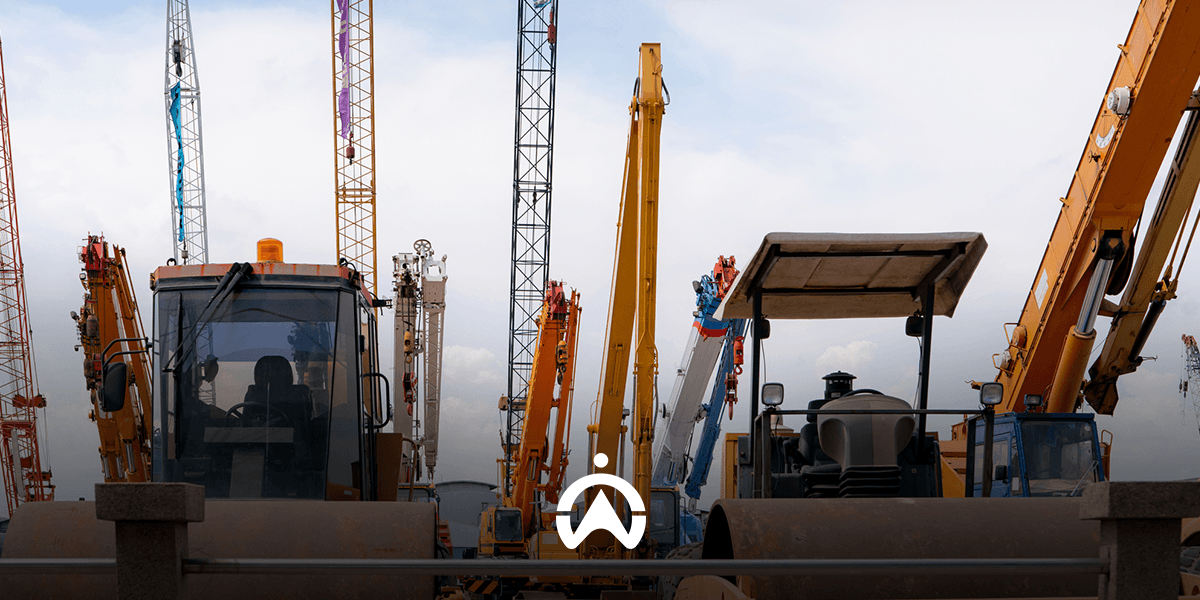
Not only vehicles travelling on main roads, but heavy equipment commonly used for agriculture, construction, or mining also needs a GPS tracker. Some heavy equipment that can be fitted with a GPS tracker includes loaders, dumpers, excavators, and mixer trucks.

If you operate a heavy equipment rental business, your valuable assets need protection against theft and damage. Replacing or repairing heavy equipment can create significant administrative and operational challenges, often resulting in substantial costs. Using a GPS tracker can greatly benefit your business by improving oversight and productivity while reducing operational expenses.

Read Also: How to Calculate Engine Hours and Why It's Important for Fleet Business

1. Increase supervision

With a GPS tracker, you can know the location of your heavy equipment accurately. You can receive notifications if the heavy equipment leaves the designated geofence set according to the rental agreement. Besides security, location monitoring also helps make heavy equipment delivery more efficient. By knowing the location, you can quickly transfer the nearest heavy equipment to the renter's location.

2. Increase productivity

Idling, where equipment engines run for extended periods without moving, renders equipment usage and fuel consumption unproductive. This activity can potentially accelerate wear and tear on your heavy equipment. Monitoring idling can help you take appropriate action to improve the productivity of your equipment and fuel usage. For example, upon receiving an idling alert, you can notify the fleet management or project team renting your equipment.

Read Also: Fleet Management System for the Mining Industry

An officer operates a yellow forklift in a warehouse with GPS tracker utilization data for efficient management of the company's heavy equipment rental.

3. Reduce operational costs

Reducing idling as mentioned in point 2 will reduce fuel consumption. If your heavy equipment rental includes fuel, this can certainly reduce operational costs. Adding sensors to monitor fuel consumption and refuelling on equipment can provide further opportunities for efficiency. In addition, the risk of equipment wearing out quickly—which impacts on ballooning operational costs—also decreases with reduced idling and monitoring of risky driving behaviour. Service and maintenance schedule notifications also help you ensure equipment is well maintained, so it performs better and lasts longer.

All these benefits can be yours with Cartrack's telematics solution. More than just a GPS tracker, Cartrack enables comprehensive monitoring right through to the automatic generation of fleet management reports. Want to know more about how Cartrack can help boost your heavy equipment rental business? Get a FREE DEMO right now!