10 Hypermiling Techniques to Save on Fuel Consumption Costs

The primary activity of a fleet is driving from one point to another. Some fleet businesses may have vehicles used for short, local trips, while others may have long-haul trucks that travel thousands of kilometers (or miles) per month. Hypermiling is a set of driving practices employed by drivers to increase vehicle fuel efficiency, thereby reducing fuel consumption and fuel costs.

Here are 10 hypermiling techniques you can apply:

1. Drive at a constant speed

Driving at a slow and steady speed maintains the efficiency of the vehicle's engine and significantly reduce fuel consumptionThis technique can be especially useful on highways and long-distance trips where driving conditions are generally stable.

2. Avoid idling

Moment vehicle not moving, engine remains runningThis wastes unnecessary fuel. Every time a vehicle idles, you lose 3.5 liters of fuel per hour for buses, 3 liters per hour for medium-heavy trucks, and 1.5 liters per hour for large sedans. Turning off the engine while the vehicle is stationary at traffic lights, in traffic, or when parked will save a lot of fuel.

3. Coast through

Mengemudi dengan menggulung mengacu pada mengemudi dengan kendaraan dalam posisi netral atau kopling tidak terhubung. Ini memungkinkan kendaraan untuk ‘menggulung’ tanpa menggunakan bahan bakar. Teknik ini berguna saat berkendara menuruni bukit atau mendekati tanda berhenti atau lampu lalu lintas merah.

The red hatchback car applies hypermiling techniques to save fuel consumption when passing through city shops.

4. Use engine-off-coasting

A step further from coasting is engine-off-coasting. This technique involves turning off the vehicle's engine while coasting in neutral or with the clutch disengaged when driving downhill or approaching a stop sign or red traffic light. While engine-off coasting can save even more fuel than normal coasting, it is important to note that it requires advanced driving skills and should be used with caution, as it can be dangerous if not done correctly (and some vehicles may not allow the engine to be turned off during motion).

5. Avoid hard acceleration and sudden stops

Fuel consumption can increase by up to 40% due to hard acceleration or sudden brakingThis technique involves avoiding rapid acceleration and hard braking by anticipating stops, as well as frequent speed changes and sudden lane changes. By accelerating and braking smoothly, and maintaining a steady speed, fleets can save fuel, reduce emissions, and extend vehicle life.

6. Maintain proper tyre pressure

If vehicle tyre pressure is not maintained within the recommended range, the vehicle must work harder to move forward. This results in increased rolling resistance and fuel costs. Therefore, this technique is crucial to improve fuel efficiency, which in turn saves money on fuel costs.

7. Reduce vehicle weight

Teknik ini sederhana – keluarkan barang-barang tak berguna dari bagasi. Semakin berat mobil, semakin banyak bahan bakar yang digunakan untuk bergerak. Jika bisnismu bukan dalam industri rantai pasokan, kamu bisa menghindari bepergian dengan beban berat. Menghapus barang atau peralatan yang tidak perlu dari kendaraan armada dapat mengurangi berat kendaraan, meningkatkan efisiensi bahan bakar.

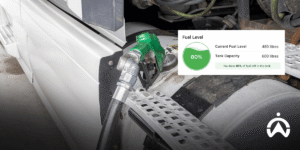
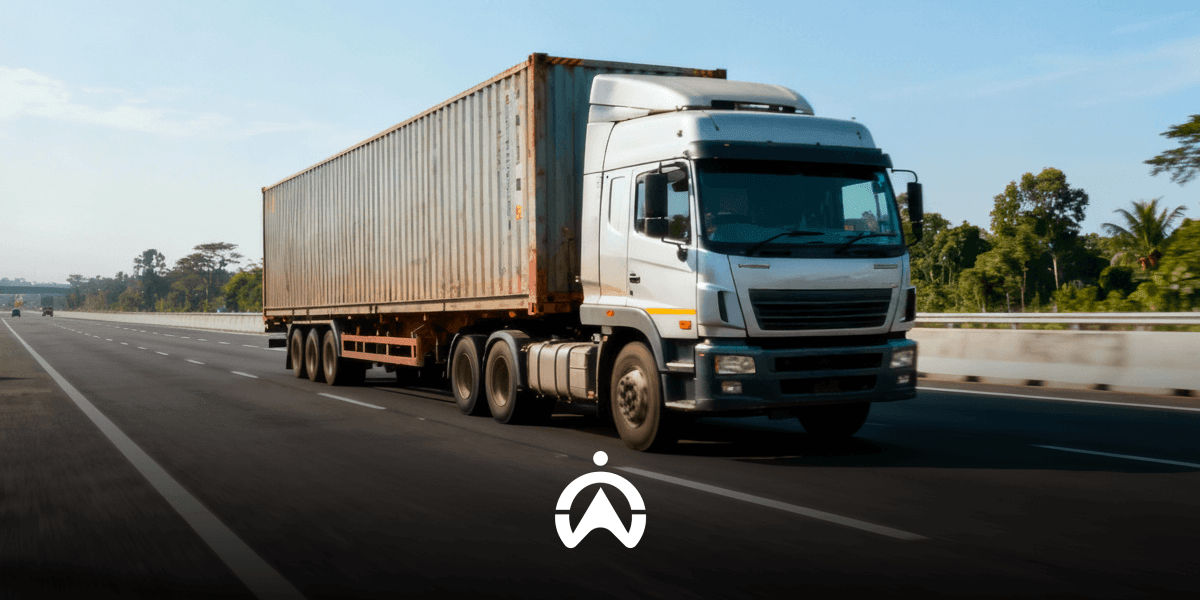
Filling petrol using the fuel nozzle on the truck tank, displays a digital indicator to save fuel consumption costs.

8. Avoid air conditioning and other electrical loads

Using air conditioning, headlights, and other electrical loads can increase fuel consumption. However, these may be necessary in certain situations, such as during hot weather or when driving at night. Even in these situations, fuel can still be used efficiently by driving at lower speeds to reduce fuel consumption, as air conditioning and other electrical loads tend to consume more fuel at higher speeds.

9. Plan routes ahead

Ini adalah salah satu teknik dasar hypermiling yang melibatkan perencanaan rute yang paling efisien dari titik A ke titik B untuk meminimalkan berhenti yang tidak perlu, kemacetan, dan konsumsi bahan bakar. Perencanaan rute terbaik merupakan salah satu fitur yang disediakan oleh Cartrack.

10. Avoid traffic congestions

Avoid congested areas or busy intersections during rush hour, as this may result in fuel waste due to frequent stopping and starting of the vehicle. Instead, optimize your route by taking alternative routes or driving during off-peak hours if possible.

If you are looking for an effective way to reduce fleet or vehicle fuel consumption, start using Cartrack! Get a fleet management system and software that helps you significantly reduce fleet or vehicle fuel costs. Find out more by clicking the link below!

Fleet Management System to Improve Driver Safety and Performance

For many businesses, fleet drivers play a vital role in maintaining business continuity. It is important to understand that fleet driver safety can affect the entire business, meaning driver behaviour also has a significant impact on finances, reputation, and even customer relationships.

Therefore, it is important for a company to develop a strong fleet safety culture. To achieve this, the right management system is required to ensure drivers remain productive, safe, and compliant. This is where fleet management systems become essential.

Fleet Drivers and Their Role

Jika kamu bertanya-tanya, “Siapa sih pengemudi armada dan apa perannya?” Pengemudi armada mempunyai keterampilan dan berkontribusi pada bisnis sama seperti karyawan lainnya. Pengemudi armada bekerja untuk menjaga bisnis tetap berjalan dan seringkali berperan sebagai perantara antara bisnis dan pelanggan. Mereka adalah karyawan yang mengemudikan mobil, truk, atau kendaraan lainnya. Tugas seorang pengemudi armada adalah mengambil dan mengantarkan kargo, berbagai item, atau bahan baku di dalam pabrik, lokasi, atau di jalan.

To qualify as a transport driver, the following qualifications are required:

  1. A valid driving licence (depending on the type of vehicle)
  2. A clean driving record
  3. Excellent customer service skills
  4. Skilled defensive driving techniques

While carrying out deliveries, drivers often encounter disruptions such as unsafe driving behaviour or various incidents that may hinder or delay deliveries. These issues commonly include punctured tyres, vehicle maintenance problems, or unexpected criminal activity that could endanger the driver’s life.

This raises a new question: How can drivers be kept safe?

Fleet Management Systems for Driver Safety & Performance

Fleet management systems can save companies both time and money. Although the primary purpose of a fleet management system is to improve management performance, it is also important to utilise technological innovations within fleet management systems to enhance driver safety while on the road.

Software, particularly within fleet management systems, can be regarded as a tool that is capable of not only optimising delivery workflows, but also improving drivers’ skills, awareness, and behaviour on the road. All of these benefits can help drivers enhance their safety and driving performance.

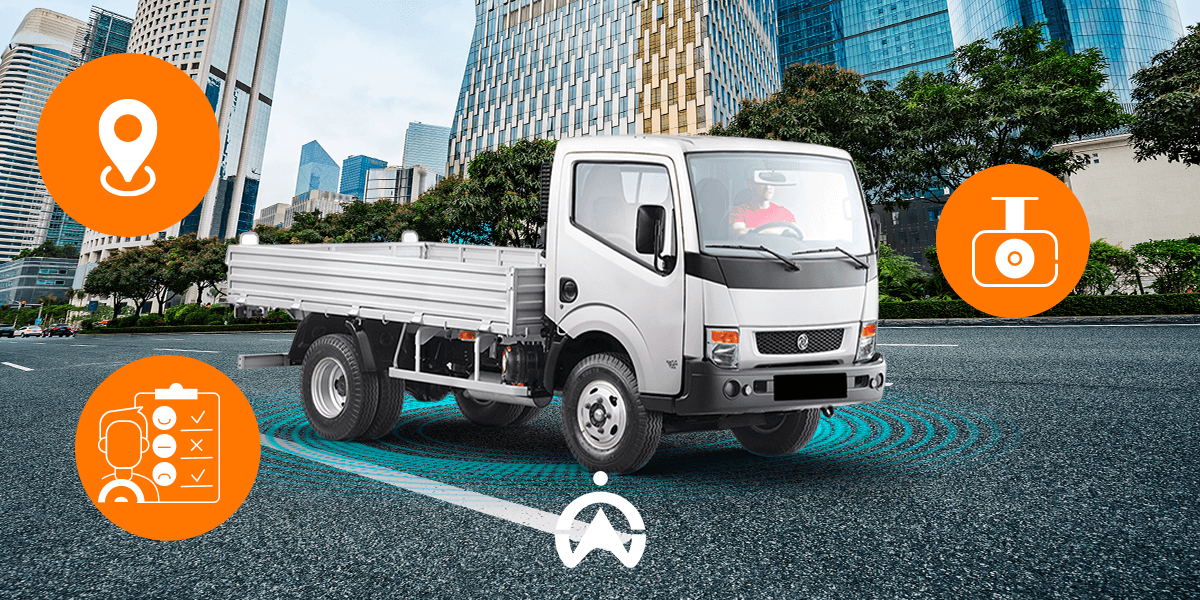
The driver stands in front of the truck, supported by a fleet management system to improve driving safety.

So, which management system is best for managing fleet drivers?

Here are four management systems that can help fleet managers manage their fleets more effectively:

  1. Learning Management System (LMS): This system works by using basic course materials for all driver safety situations, including traffic management, road compliance, and weather conditions. Fleet drivers spend more time on the road than regular drivers, so learning management is necessary to maintain safety measures for the driver, the vehicle, and the goods being transported.
  2. Fleet Management System (FMS): This system is the primary method fleet managers typically use to manage operations. Fleet management systems help optimize and streamline the entire operation. By providing fleet data and insights, managers can monitor and improve driver behavior, vehicle safety, and good maintenance practices. This results in a more efficient, high-performing fleet that can continue to grow as a business.
  3. Management system with Vehicle tracking  : Asset monitoring systems are not only useful for tracking the location of fleet vehicles but also play a vital role in driver management. These systems utilize technology.   to help track vehicles and provide information about driver behavior while driving. In fact, most vehicle tracking systems can automatically present driver behavior information via desktop, tablet, and mobile phone.
  4. Fleet Driver Safety Programme: This is often the first step in improving driver behavior and implementing road safety practices. Safety programs are available through in-house personnel or third-party outreach through accredited institutions. The goal of these programs is to foster enthusiasm and instill mandatory driver training skills.

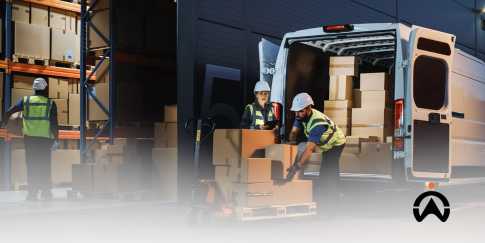
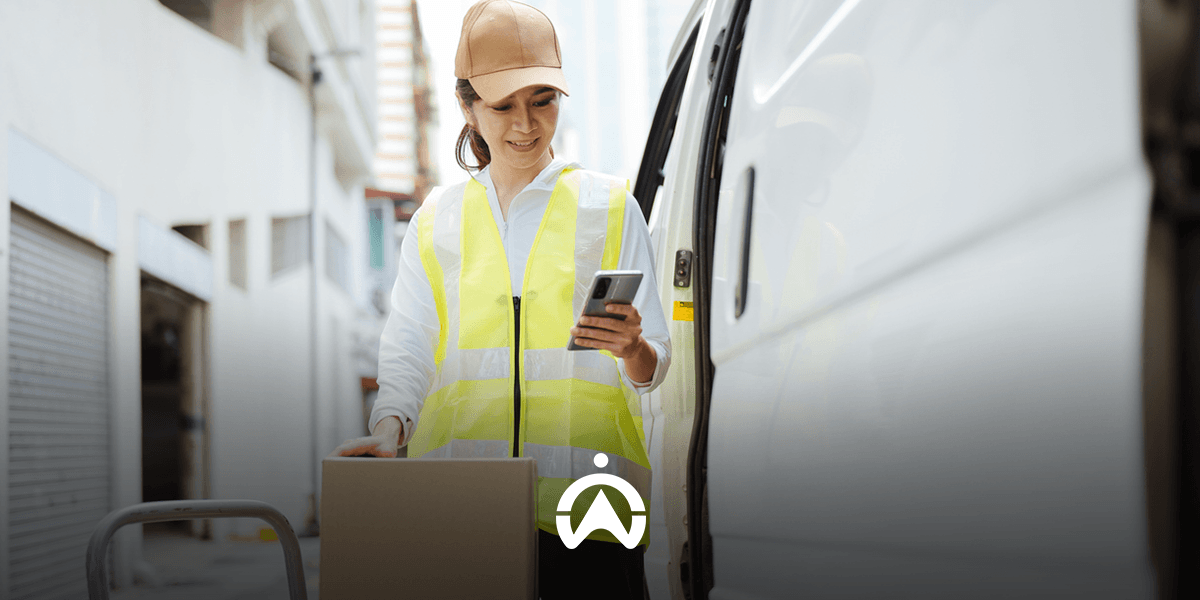
Optimization of driver performance and fleet management systems during the process of loading goods into warehouse vans.

The Impact of Fleet Management Systems on Driver Safety & Performance

By implementing several techniques, the following are the benefits of fleet management systems for driver safety and performance:

1. Facilitate communication

In the past, communication between managers and drivers was inefficient and mostly required manual communication via calls or text messages. Fleet management systems allow managers and drivers to communicate more effectively, instantly, through system notifications. This helps eliminate the middleman between managers and drivers.

2. Reduce the number of collisions

The more distracted a driver is while driving, the more likely an accident is. While driving for hours on end can be tiring, a driver who is self-aware and attentive is always better than one who is not. Fleet management systems can identify driver behaviors and analyze potential accidents. Having a system that allows you to understand the causes of safety challenges means a better chance of finding and implementing possible solutions.

3. Improve performance

 The key to creating better drivers is improving performance. Fleet management systems can store driver information and simplify reporting on accident rates and behaviour, helping to identify risks and reduce costly repair expenses, vehicle downtime, and insurance premiums.

Fleet driver management software keeps your driver records up to date, organised, and easily accessible for this purpose. It makes it easy to assign jobs to drivers based on proximity to clients, optimise delivery routes for faster deliveries and cost savings, and receive instant alerts when jobs are completed.

Focus on safety with Cartrack Indonesia gives you the opportunity to focus its fleet management features on safety and driver empowerment.

Fleet managers can benefit more from Cartrack Indonesia by participating in their fleet management training programmes and gaining the skills needed to better manage and improve their fleets.

Optimise Your Business Potential with Vehicle Telematics

The implementation of telematics has been proven to increase company efficiency, which impacts corporate profits. The global telematics solutions market is projected to reach $564.04 billion by 2035, up from an estimated $129.16 billion in 2024, according to analysis by Market Research Future (MRFR). The transportation and delivery industries aren't the only ones benefiting from telematics systems. Nearly every industry can be integrated with vehicle telematics.


Telematics helps fleet managers manage vehicles, drivers, and other personnel. With telematics, GPS devices effectively track your vehicles, trailers, and assets while collecting vehicle data—such as trip history and actionable insights—that fleet managers can use to optimise vehicle performance and driving practices.

Improvements Telematics Can Make to Your Fleet Management:

  • Boosting Fleet Efficiency
    With actionable insights derived from our telematics and fleet data, you can track driver performance, improve communication, and streamline workflows.
  • Eliminating Fraudulent Toll and Fuel Reimbursement Claims
    Telematics will automatically verify toll card payments and fuel reimbursement claims by cross-referencing data from fuel sensors with vehicle location history.
  • Stay Updated on Your Asset Locations
    With Cartrack GPS units, you not only know the exact location of your assets but also ensure your cargo remains secure from dispatch to delivery. For added protection, you will receive alerts and a record of events whenever the cargo doors are opened.
  • Actionable Insights for Your Fleet
    From refuelling to driving behaviour, telematics provides fleet managers with all the information they need to manage their fleets effectively. Fleet managers also receive real-time alerts that allow them to address maintenance issues before serious breakdowns occur. This enables you to extend vehicle uptime, save on major repair costs, avoid critical safety violations, and maintain a strong Compliance, Safety, and Accountability (CSA) score.
  • Real-time Tracking
    Easily track your delivery progress with automated job status updates via SMS or email, including electronic signatures and photos as proof of secure delivery.
  • Accurate Dispatching Schedule to Ensure On-Time Delivery
    Use the Cartrack app to easily send information from fleet managers to drivers. Avoid misinformation about customers, ensure faster deliveries, and keep customers happy.
  • Easy Communication Flow
    Fleet telematics can drastically improve communication between drivers and fleet managers and share accurate vehicle locations. This allows you to accurately estimate arrival times and improve customer satisfaction.
  • Reduced Fuel and Operational Costs
    Telematics can help uncover areas of waste, such as vehicle idling, fuel leaks, and allow managers to repair them quickly, increasing fuel efficiency and profitability. This also helps management in planning the most efficient routes for each driver to save mileage.
  • Improving Driver Safety
    Accidents are always detrimental to your business and compromise driver health and safety. Telematics can be used to improve driver behaviour and promote overall road safety. Fleet management software collects telematics data on your drivers' habits and ranks them based on safety scores. You can teach your drivers safer driving habits and enhance your fleet's overall safety.
 

How Does Telematics Work in Fleet Management Software?

Many companies are increasingly relying on telematics and fleet management software to help manage their vehicle fleets. Fleet management software is a branch of telematics that has become popular among modern companies as a vehicle management solution. Fleet management systems enable them to gain a comprehensive view of the health, profitability, and productivity of their entire fleet. Many fleet managers use fleet management systems and telematics to streamline operations and efficiently gather information.

What is Fleet Management Software?

Fleet management software is a comprehensive database where you can track everything related to your fleet, including:

  • Vehicles purchased or leased
  • Vehicle information
  • Service plan
  • History of spare parts and services
  • Compliance documentation (insurance, licenses, taxes)
  • Fuel transaction records
  • Operating costs
  • Financial data

The goal of using telematics and fleet management technology is to reduce the administrative process of managing all fleet vehicle lifecycle information. This helps you understand your fleet in terms of operating costs and total cost of ownership, ensuring your business operates legally, complies with all regulations, and maintains assets effectively.

Consequently, these fleet systems typically feature comprehensive reporting tools capable of configuring alerts and sending emails, while integrating seamlessly with third-party systems offering financial solutions—such as Cartrack’s SARS-compliant Logbook feature.
Read also: Telematics Devices You Might Need for Monitoring

Are Both Systems Necessary?

If you are wondering whether using telematics and fleet management software is truly necessary to optimise your business, the answer is **YES**. These systems work together to enhance fleet efficiency and productivity, delivering benefits that become readily apparent soon after the technology is integrated into your business. These benefits include:

  • Create risk analysis by combining driver behaviour information with accident rate data, health history, and fines.
  • Security monitoring
  • Eliminating expensive idling
  • Route improvements for travel
  • Shorten the process by eliminating administrative time
  • Improved accuracy by eliminating redundant data entry

Integrating telematics and fleet management software into your business can reduce investment and operating costs across various areas, including fuel procurement, leasing, maintenance, accident management, and accounting.

Get Insight into Your Vehicle Fleet with Cartrack

Utilise Cartrack’s fleet management services and telematics technology to keep your entire operational fleet under your control and supervision. Access information on your fleet's arrival and departure schedules anytime, anywhere. Contact us at 021 3973 0230 to enhance your fleet's operational efficiency.

Exploring the Concepts and Benefits of Vehicle Telematics

Step into the world of modern fleet and transportation management and gain insights into your vehicles and drivers through telematics services. The telematics industry has proven successful in generating profits and driving transformation for businesses operating in this sector. Telematics has evolved rapidly in recent years, encouraging business owners to adopt the technology to enhance safety, improve efficiency, and—most importantly—reduce costs.

The demand for innovative technology is prompting more entrepreneurs to seek a deeper understanding of the functions and benefits of telematics. This article will clear up any confusion and provide the information you need before deciding whether or not to adopt telematics.

What is telematics?

Telematics—also known as fleet telematics or vehicle telematics—is a system used to collect GPS tracking data and various vehicle-related information for storage in a database. Vehicle telematics integrates wireless telecommunications and information technology (informatics) to efficiently process, transmit, and convey information via a network.

Telematics is often associated with vehicle management and GPS vehicle tracking devices. Consequently, telematics can be defined as an onboard communication system in which all fleet software is integrated and shares critical information. Telematics can also be understood as a new method for integrating various types of data, ranging from vehicle equipment to driver behaviour.

trucks

How Does Telematics Work?

For a telematics system to function effectively, several things are required:

  • Communication devices (mobile phones, computers, laptops, and/or tablets)
  • Fleet communications Software
  • GPS tracker
  • Engine interface
  • Input/output interface
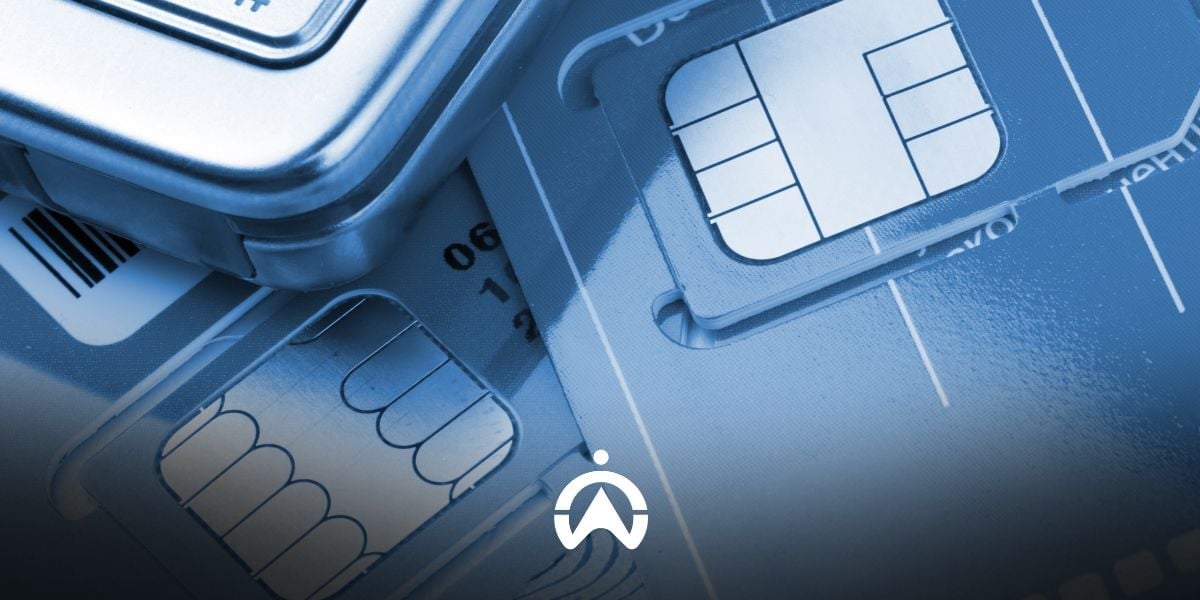
  • SIM card
  • Accelerometer
  • Alert/notification

A telematics system functions by connecting a GPS tracker—or another data-logging device—to an asset. The device collects critical data regarding the asset's performance, such as real-time engine diagnostics, vehicle location, and vehicle activity. Once collected, the data is transmitted to a data center for analysis, interpretation, and compilation. Fleet managers can access the uploaded data via the telematics system software.

Telematics can be used to assist fleet managers in implementing smart ways to achieve, automate, and improve the following:

  • Managing route optimisation
  • Ensuring driver safety and compliance
  • Helps identify and correct poor driving behaviour
  • Receive notifications to perform preventive maintenance promptly
  • Reducing idling, fuel costs, and maintenance costs
  • Managing asset usage
  • Assisting drivers in complying with applicable regulations and policies
  • Reducing carbon footprint

Read Also: Exploring the Concepts and Benefits of Vehicle Telematics

Telematics and Vehicle Tracking Systems

Vehicle tracking is the most common application of telematics, particularly in the trucking and transportation industries. This technology is highly sought after due to the vital functions it offers, such as the ability to pinpoint a vehicle's exact location, speed, and maintenance status using only GPS systems and onboard diagnostics.

The following is additional information that can be obtained via telematics:

  • Location
  • Fuel consumption
  • Maintenance issues
  • Fuel consumption
  • Idle time
  • Harsh acceleration (such as hard braking or cornering)
  • Speed

To optimise this information, the telematics system analyses incident data and patterns, generating reports regarding the drivers and the vehicles used.

Integration of Telematics with Vehicles

Typically, trucks, trailers, and other vehicles are sold without tracking systems installed and are fitted with GPS tracking devices immediately after the sale. If a vehicle is not already equipped with this technology, numerous aftermarket providers offer GPS and telematics unit installation services.

Some car dealerships have even partnered with telematics providers or vehicle tracking companies, such as Cartrack, to deliver a seamless end-user experience and sell vehicles already equipped with Cartrack tracking units.

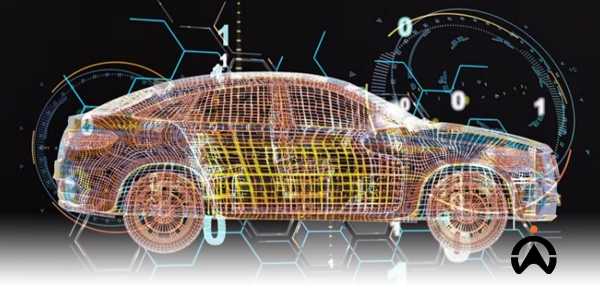
vehicle diagram

Application of Telematics Technology in Vehicles

If you already understand telematics software and have decided to implement it in your business, that’s great! It means you are ready to optimise your operations. Here are some key areas of your business that can be improved with telematics:

  1. Safety Monitoring
    Vehicle telematics allow you to track location, speed, seatbelt usage, and driving behavior. You will obtain a digital record of every aspect of your vehicle's operation, providing insights into areas for improvement to prevent accidents and enhance driver safety.
  2. Better Payroll Management
    Telematics solutions can help you reduce overtime hours and timesheet fraud by monitoring your fleet's electronic time logs and allocating wage budgets based on real data. You can optimise driver routes to eliminate wasted driving time. You will also know exactly how long and how far vehicles have been driven, making payroll calculations easier.
  3. Trailer and Asset Tracking
    Telematics can be used for more than just monitoring vehicles. You can install GPS tracking units on trailers, heavy equipment, and non-powered assets to prevent loss and help locate them more quickly in the event of theft.
    You can also set up alerts to notify you if a trailer or other non-motorised asset is moved without authorisation.
  4. Insurance Risk Management
    With the owner's consent, telematics can be used by insurance companies to monitor driver behaviour, enabling insurers to better assess risk factors and adjust insurance premiums.

Read also: 6 Ways to Improve Driver Habits and Driving Skills with Fleet Telematics Software

How is telematics applied in daily life?

The global telematics solutions market is projected to reach $62.6 billion by 2025, up from an estimated $29.9 billion in 2020. Given this figure, it is safe to assume that the transportation and delivery sectors are not the only industries benefiting from these systems; almost every industry has the potential to integrate telematics into its operations.

The following are industries that utilise telematics:

  • Heavy equipment: Maintaining heavy equipment and preventing theft through the use of telematics and asset-tracking safety features.
  • Public Safety Services: Monitoring vehicle location and driving speed during emergencies to enhance officer safety and accelerate the delivery of assistance.
  • Fleet: Trucks and various fleet vehicles are monitored to ensure that deliveries arrive at their destinations safely and on schedule.
  • Construction: Diagnosing performance, fuel consumption, and routine service schedules.
  • Oil & Gas: Monitoring oil and gas extraction and transportation processes to enhance efficiency and worker safety.
  • Refrigeration: The temperature of chilled or heat-sensitive products is monitored to reduce spoilage and ensure they remain safe for consumption.
  • Executive Fleet: Enhance maintenance for luxury vehicles to reduce breakdowns, unscheduled repairs, and parts replacements.
  • Lansekap dan perawatan taman: Memantau kinerja karyawan dan peralatan untuk meningkatkan produktivitas dan tingkat layanan pelanggan.
  • Generator: Generator conditions—such as fuel level, battery voltage, and coolant temperature—are monitored to ensure the unit remains in good health and can operate for longer periods.

Make Your Business More Profitable with Cartrack

Join the customers who have successfully improved safety and operational efficiency—for drivers, fleets, and business assets—while cutting unnecessary costs using Cartrack’s vehicle telematics. Manage your business fleet or office operational vehicles from your mobile phone or computer. Click the link below to sign up, and we will contact you shortly!

6 Easy Ways to Maintain Refrigerated Trailers and the Risks of Neglecting Them

For companies operating in the cold chain logistics sector, refrigerated trailers are essential assets for day-to-day business operations. However, without proper maintenance, these trailers can malfunction, causing transported products to spoil or degrade in quality and potentially resulting in significant financial losses. Consequently, maintaining refrigerated trailers is a top priority to ensure business continuity.

What is a Refrigerated Trailer and How Does It Work?

Ice cream arrives at its destination just as frozen as when it was loaded—exactly as you would expect—because it is transported in refrigerated trailers. A refrigerated trailer is an insulated trailer (attached to a semi-truck) equipped with a built-in cooling unit designed for the transport and storage of temperature-sensitive, perishable products.

So, how do refrigerated trailers work? Interestingly, their function is not to cool the product itself. Instead, they are designed to limit the heat entering the trailer in order to maintain the temperature during transport and storage.

Refrigerated trailers achieve this using three main components—an evaporator coil, a compressor, and a small diesel engine—which work together to keep the air inside the trailer consistently cool by removing heat or moisture through the evaporator coil.

The interior of a well-maintained refrigerated trailer is filled with stacks of logistics boxes ready for shipment.

6 Easy Ways to Maintain a Refrigerated Trailer

1. Perform routine vehicle servicing

For a company that relies on refrigerated trailers for its daily operations, maintenance issues—such as unexpected breakdowns, wear and tear, condenser or evaporator problems, temperature sensor malfunctions, and obstructed airflow—can hinder the optimal use of these trailers. Therefore, routine vehicle servicing is essential to prevent breakdowns or operational failures caused by maintenance issues and malfunctions, which could otherwise lead to delivery delays or even failed deliveries.

2. Clean the refrigerated trailer interior

Since the goods transported are perishable, reefer trailers must be cleaned using high-pressure water and detergents specifically designed for cooling units; food residue, dirt, and other debris can obstruct air circulation within the trailer, thereby compromising temperature consistency and putting the products at risk of spoilage and damage.

3. Perform a detailed check after the delivery is completed

Inspect the trailer's interior—checking for clogged drains, cracked or torn walls, and holes in air ducts—and do not overlook the exterior, including checks for oil leaks, damaged hoses and belts, unusual engine noises, trailer body damage, minor malfunctions, and tire pressure.

4. Make sure the fuel tank is full

Before transporting goods, ensure the fuel tank is full to prevent running out of fuel during the journey. If a reefer trailer runs out of fuel, the cooling unit shuts down, putting the cargo at risk of spoilage and causing major problems; this is because, as fuel levels drop, the cooling unit draws out accumulated moisture.

5. Monitor temperature

To ensure appropriate and consistent temperatures during transport, efficient temperature monitoring is necessary to prevent temperature changes that could lead to product spoilage or damage.

6. Follow the loading guidelines

To ensure the product remains well-preserved and fresh, and receives proper airflow, it is important to adhere to the following loading guidelines: – Cargo must be kept at least 2–5 cm away from the sidewalls of the refrigerated trailer – Cargo must be kept 23 cm away from the ceiling of the reefer trailer – Cargo must be kept 10 cm away from the rear doors – The evaporator must not be obstructed by any objects

Dangers of Refrigerated Trailers When Not Properly Maintained

Companies using refrigerated trailers to transport temperature-sensitive products must comply with applicable global standards and regulations to ensure the health and safety of the cargo and protect customer interests. Without proper maintenance of refrigerated trailers, companies cannot effectively monitor temperatures or execute transport operations, thereby risking non-compliance with applicable standards and regulations, such as:

  • BPOM permit and import permit authorising the transportation of temperature-sensitive products
  • Proper temperature monitoring to ensure food safety
  • Hand over the goods to the recipient by including documents stating that the temperature during the operational and transportation processes was monitored in good condition.

Also read the article: 5 Signs Your Fleet Management Is Inefficient

Poorly maintained reefer trailers can compromise product functionality and quality. This disrupts the cold chain, potentially leading to various short- and long-term issues, such as:

  • Spoilage, decay, loss of quality, and bacterial growth: These trigger local or global food insecurity due to reduced access to fresh, healthy food (such as fruits, vegetables, proteins, etc.). Furthermore, compromised vaccines and medicines can have a significant impact on public health.
  • Business failure: Damaged and spoiled products inevitably lead to waste, stock depletion, a lack of sales, and overall business losses. Beyond financial decline, low product quality and poor delivery processes—resulting from poorly maintained refrigerated trailers—can further damage the company's brand image and reputation.


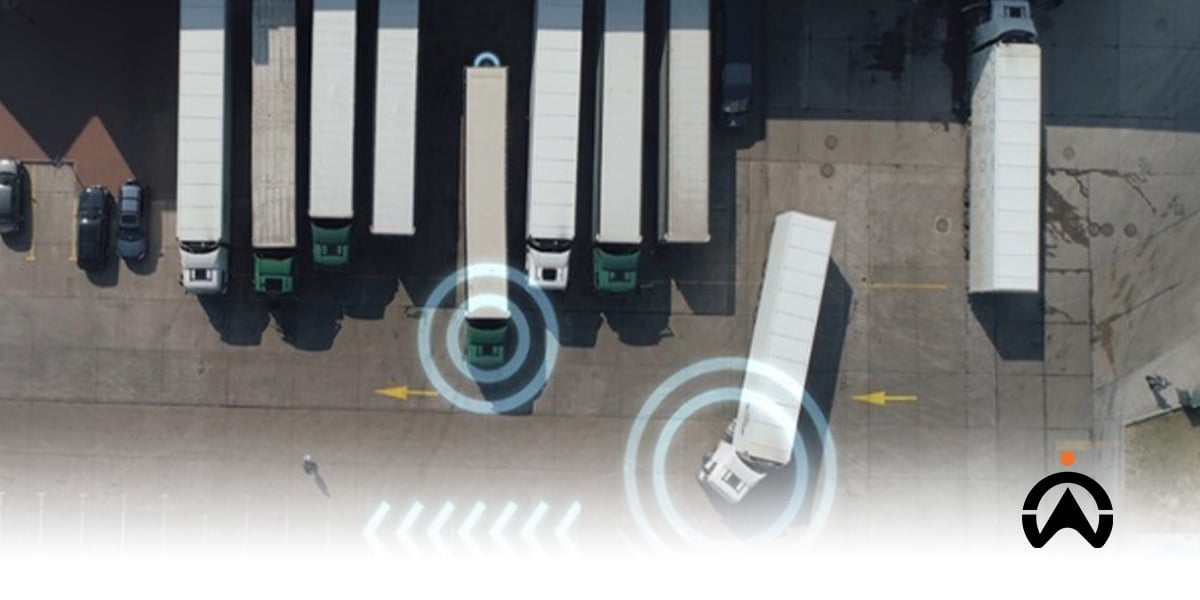
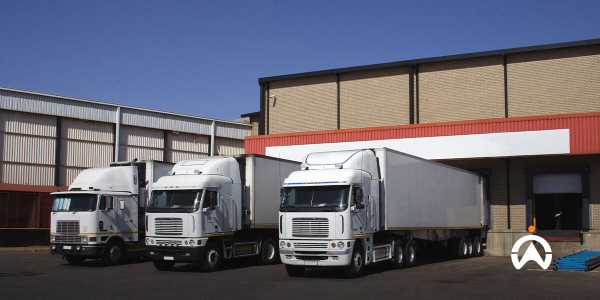
A row of semi-trucks and refrigerated trailers are parked in the loading and unloading area of ​​the logistics warehouse.

Optimise Refrigerated Trailer Utilisation with Cartrack Technology 

From monitoring temperatures and ensuring routine maintenance schedules to complying with applicable regulations, managing a business that relies on refrigerated trailers is highly challenging. Rest assured, Cartrack is here to make it easy. With Cartrack’s reefer temperature monitoring software, you can:

Reducing downtime by performing preventive maintenance

Cartrack features—such as reminder alerts, routine service schedules, and engine diagnostics—help identify which vehicles require servicing, thereby reducing vehicle downtime and the need for unplanned repairs. Establishing a preventive maintenance plan boosts productivity and extends the lifespan of your vehicles.

Ensuring product freshness by monitoring temperature in real-time

Utilise Cartrack’s reefer temperature monitoring software, along with GPS tracking and IoT technologies, to monitor the location and temperature conditions of refrigerated trailers. Fleet and transport managers receive alerts regarding temperature fluctuations, enabling them to promptly contact the driver to address the issue or dispatch a replacement trailer (if necessary) to prevent significant losses. This ensures product freshness, minimises product rejections, and fosters strong customer relationships.

Route optimisation for faster delivery and fresher goods

Cartrack’s fleet management platform is highly user-friendly, making it easy for fleet managers to manage and track drivers and their work progress. Managers can view driver status to quickly assign new tasks to the nearest available driver and optimise for the fastest, safest routes—ensuring quicker deliveries so that cargo remains fresh upon handover to the recipient. The ability to track tasks and communicate via the app boosts productivity by eliminating time wasted searching for or trying to contact one another.

Always comply with applicable regulations

By using Cartrack’s software system, your cold chain logistics business will operate smoothly in compliance with applicable regulations while preventing unexpected downtime. Digitise and optimise the processes for temperature monitoring, data recording, and tracking your reefer trailers.

Monitor your refrigerated trailer with Cartrack

Contact 021 3973 0230 now to get a demo of the temperature monitoring software and maintain the quality and freshness of your products.

Understanding Cold Chain Logistics and 5 Key Elements for Maintaining the Quality of Temperature-Sensitive Products

Are you running a business in the cold chain logistics sector? Are you a transport manager at a company that ships temperature-sensitive products? Or are you looking to learn more about cold chain logistics and refrigerated trailers? Whether you operate a single refrigerated trailer or a fleet of a hundred, this blog is for you.

What is Cold Chain Logistics and How Has It Evolved?

In the 1700s, villages in Great Britain used community cooling houses to store meat, fruit, and vegetables. Later, in the 1800s, fishermen and farmers used ice to preserve their produce while transporting it from villages to towns for sale.

The method of managing a product's temperature to maintain its quality is known as the "cold chain," while the process of transporting the product while maintaining its temperature to ensure preservation is known as "cold chain logistics" or "chill chain logistics".

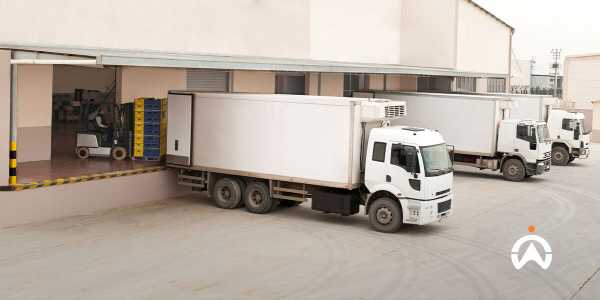
Three white delivery trucks at the loading dock are unloading cold chain logistics using forklifts.

All products classified as "perishable" or "temperature-sensitive" require effective cold chain management to ensure temperature integrity is maintained throughout shipping, transit, and storage, right up to final delivery to the customer. These perishable and temperature-sensitive products include food, beverages, and pharmaceutical products such as:

  • Vaccines and other medical products
  • Wine
  • Desserts (ice cream & gelato)
  • Meat and seafood
  • Fresh fruits and vegetables
  • Milk and dairy products (yogurt, ice cream, cheese, and other fermented products)

Companies that produce, transport, or sell the aforementioned types of goods place great importance on cold chain logistics. This is because temperature-sensitive products are at high risk of rapid spoilage and the loss of their original flavour and quality; furthermore, failure to maintain the required cold chain temperature and environmental conditions poses a risk to public health and ultimately results in financial losses.

Also Read: Understanding FTL and LTL Methods in Large-Scale Goods Delivery

Five Elements of Cold Chain Logistics

Cold chain logistics is a process involving a series of tasks—such as preparation, storage, transportation, and monitoring—required for temperature-sensitive products. The success of cold chain logistics depends on the ability to control vehicle or cargo temperatures throughout the entire process, ensuring the products remain in good condition upon delivery to the end customer.

White cold chain logistics truck parked in warehouse for distribution of temperature sensitive products

There are five (5) supporting elements that you must pay attention to so that the process of transporting temperature-sensitive products can run smoothly.

1. Cooling System

It is a system used to ensure that the product temperature meets the specified requirements, ensuring that the product is at the right temperature in all aspects.  , including processing, storage, and transportation. Some food categories that require certain cold temperatures:
– Buah-buahan tropis seperti pisang atau nanas dapat mengalami pematangan saat diangkut, sehingga membutuhkan kisaran suhu yang stabil antara 12° hingga 14°C.
– Sayuran, buah-buahan, produk susu, dan daging harus didinginkan pada suhu sekitar 2° hingga 4°C.
– Daging, roti, kue, dan produk lain yang perlu dibekukan membutuhkan suhu antara -10° dan -20°C.
– Makanan laut, es krim, dan beberapa makanan beku memerlukan suhu antara -25° hingga -30°C.

2. Cold Storage Unit

Temperature-sensitive products must be stored in appropriate conditions during the interim period—prior to being transported for further processing or distribution to the market. Cold storage facilities and equipment—such as medical refrigerators, freezers, refrigerants, insulated containers, cold rooms, and chillers—are examples of the systems used to maintain and preserve temperature-sensitive products.

3. Cold Chain Management

Cold chain packaging systems—also known as refrigeration technologies—are designed to maintain products at specific temperatures, whether cool or frozen. This is achieved through the use of gel packs, dry ice, liquid nitrogen, eutectic plates, and various insulating covers.

4. Cold Transport

Good for needs   both locally and globally, cold transport will keep cold products at a stable temperature by controlling their humidity levels. There are several ways to transport products   
– Truk atau trailer berpendingin
– Kapal kargo berpendingin
– Kargo udara cold transport also uses Internet of Thing (IoT) devices for temperature tracking and monitoring to provide data real time necessary to ensure consistent temperatures, maintain product quality and integrity, and maintain regulatory and safety compliance. You can add temperature sensors from Cartrack to help monitor the temperature inside your cargo.

Also read: Providing Various Additional Sensors, Cartrack Gives Full Control Over Vehicles

5. Cold Processing and Distribution

It involves maintaining the appropriate temperature from the moment products are received from suppliers until the cargo is unloaded from trucks, trains, or aircraft onto pallets or crates, and subsequently moved into storage before being delivered to the end customer. Cold processing and distribution facilities enable multiple suppliers and distributors to ship chilled products to various destinations to meet B2B or B2C customer demand.

Enhance your cold chain logistics business with Cartrack Temperature Sensors today! Contact our marketing team at 021 3973 0230 or click the WhatsApp link below.

More Than Just Location Tracking: Car GPS Trackers Offer a Range of Other Features!

You are likely already familiar with the term GPS. GPS, or Global Positioning System, is a global satellite navigation system that provides synchronised location, speed, and time data for land, sea, and air travel. So, what is the function of GPS? Simply put, it acts as a modern digital compass, allowing you to determine specific locations, routes, and even travel times.

The most common example of GPS usage is accessing Google Maps—a navigation application that utilises GPS technology and an internet connection to guide drivers in finding the best routes and estimated travel times to their destinations.

GPS was first introduced in the 1970s for United States military purposes through the U.S. Department of Defense. To this day, GPS technology continues to evolve.

What Is a GPS Tracker?

A GPS tracker is an application or software accessible via mobile phones and laptops that allows for tracking the location of specific objects previously equipped with a GPS device.

The use of GPS trackers is essential—particularly for businesses in vehicle and heavy equipment rental, logistics, mining, plantations, cargo, freight forwarding, and delivery—due to the high risk of asset embezzlement and vehicle theft. With a GPS tracker, your vehicles are easier to track and locate based on their precise GPS coordinates.

GPS Tracker Functions

The primary function of a GPS tracker is to monitor the location of a car or object in real time. With technological advancements, various sensors can now be integrated into GPS trackers, providing a range of additional functions that are highly valuable to you as a business owner.

Cartrack Services

As the leading provider of car GPS services in Indonesia, Cartrack offers GPS trackers with advanced features.

GPS Tracker

Cartrack’s GPS tracker is a compact device—measuring 90 mm x 36 mm x 11 mm and weighing less than 100 g, roughly the size of a stapler. It takes a Cartrack technician only about 30 minutes to install the GPS unit and its sensors, ensuring no disruption to your business operations.

Installation is also free of charge—specifically within a 100 km radius of Cartrack technicians located across Indonesia.

Also read the article: 6 Things to Consider When Choosing a GPS Tracker

Asset Tracker

Cartrack’s Asset Tracker helps you manage the company's mobile assets, such as generators, containers, tents, cement mixers, and more.

Cartrack's asset tracker can be installed on generators, cement mixers, containers, and other mobile assets.

This tool automates office inventory management, reduces the risk of loss, and accelerates the asset tracking process.

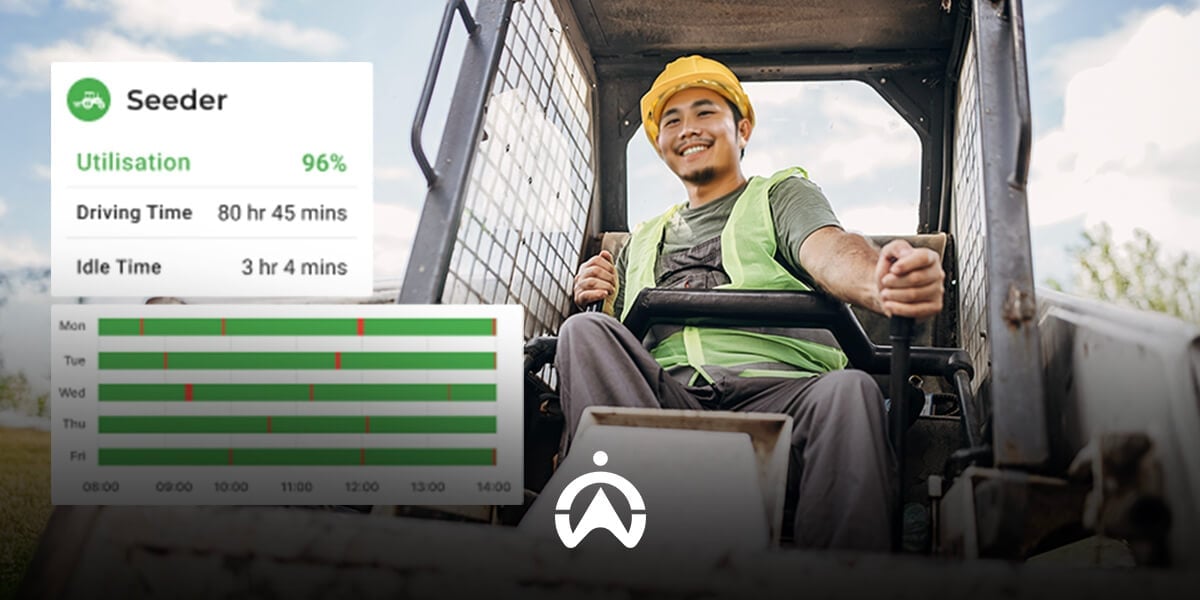
Project workers are filling cement, a picture of the hard work behind the installation of the best car GPS tracker features.

Smart/AI Cameras and Non-AI Vision

To help monitor driver behavioir and investigate incidents such as fuel theft, traffic accidents, and other criminal acts, Cartrack offers AI and non-AI vision services featuring smart cameras installed in the driver's cabin, cargo area, or externally, as well as dashcams. These video recordings assist with insurance claims, legal proceedings, and court cases.

Fuel Sensor

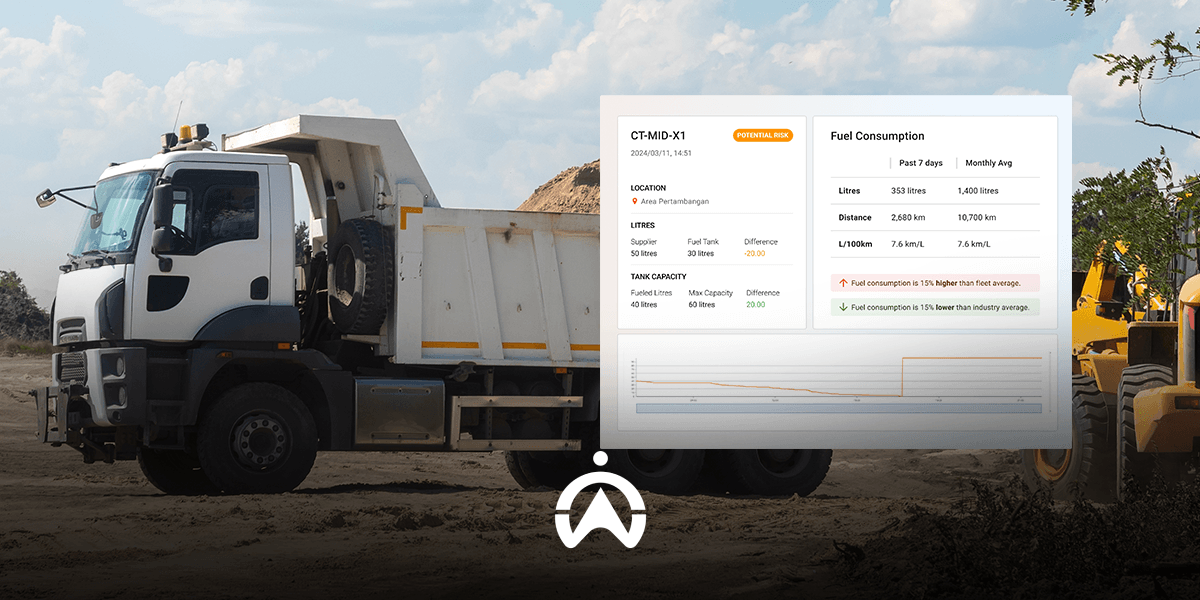
Fuel costs represent one of the largest expenses for businesses that rely on vehicles. These fuel sensors help you monitor daily fuel consumption, verify fuel reimbursement claims, and calculate efficiency.

This fuel sensor is also equipped with an alert system that sends notifications regarding potential fuel theft.

Driver ID Tag

Managing multiple vehicles and drivers simultaneously can be a major hassle. With Cartrack’s Driver ID Tags, you can monitor how responsibly your drivers handle the vehicles entrusted to them. Additionally, these tags can send alerts whenever any suspicious driver activity occurs.

Remote Vehicle Shutdown / Start Prevention

With the Start Prevent feature, you have full control over each of your vehicles. You can shut off the engine in situations such as theft, failure to return the vehicle, late payments by renters, and various other circumstances.

When Start Prevent is activated, the vehicle's engine does not shut off immediately; instead, the vehicle cannot be restarted when one attempts to use it. This measure is designed to prevent accidents and avoid endangering others.

Temperature Monitoring

Logistics companies specialising in the transport of food and frozen goods must ensure that cargo temperatures do not fluctuate drastically, in order to prevent spoilage. Cartrack has the solution for you. With Temperature Monitoring, the freshness of your cargo is guaranteed; you receive alerts regarding drastic temperature changes and gain access to temperature reports that can be presented during the handover of goods. These reports are essential for avoiding disputes with your customers.

Integration of Controller Area Network (CANBus)

For vehicles equipped with CAN-Bus, Cartrack can integrate this with the MiFleet feature to connect directly to the dashboard and obtain accurate odometer data for your vehicle.

Door Sensor

This sensor allows you to obtain information regarding the location and timing of cargo door openings and closings. Using a door sensor provides users with added peace of mind, as it helps prevent the theft of goods.

Yellow construction crane with car GPS tracker system to track project location.

Power Take Off (PTO) Sensor

PTO sensors track every equipment activity on your construction vehicles—such as dozers, excavators, trucks, conveyor belts, rollers, and compactors. Obtaining PTO reports allows you to distinguish between productive and unproductive idling.

Also read the article: 4 Reasons Why GPS Trackers Are Important for Construction Companies

Panic Button

A panic button is an emergency button installed in your vehicle. Pressing the panic button silently sends a distress alert to the Cartrack Control Room—which operates 24/7—prompting operators to immediately provide assistance.

A panic button is essential for responding to criminal acts or situations requiring immediate medical attention—particularly in vehicles where mobile phone use while driving is prohibited, such as fuel transport trucks.

A GPS tracker is a highly recommended, advanced device for providing enhanced protection for your vehicles, drivers, and business. Given the various advantages it offers, Cartrack is the ideal choice for you.

What are you waiting for? Contact us immediately at 021-3973 0230 or click the following WhatsApp link https://wa.me/622139730230 to get our best offer.

M2M, the Special SIM Card Used for GPS Trackers

Are you a GPS tracker user? Did you know that this vehicle tracking device uses cellular telecommunications networks to transmit data to a Cloud server? Through an internet connection, data from the server can be retrieved or displayed on a mobile application or web-based software. To transmit data to the server, the GPS tracker requires a SIM card. However, the SIM card used is not the same as the one used in mobile phones, but rather an M2M SIM card.

What is an M2M SIM Card?

M2M stands for machine-to-machine, meaning this SIM card is specifically used to facilitate communication from machine to machine (or device to device). This inter-device communication is made possible through a network connection and occurs automatically, without human intervention. For example, one device collects data and responds in a certain way, then communicates what has happened to another device using an M2M SIM card.

Advantages of M2M SIM Cards

Designed for device-to-device communication, M2M SIM cards—also known as IoT SIM cards (Internet of Things) - offer a longer lifespan (up to a decade or more) and higher storage capacity compared to standard SIM cards. This is because IoT devices are often deployed in remote locations and must withstand extreme conditions, for example IoT devices used in heavy industry or those installed in motor vehicles.

M2M SIM cards are usually managed through a platform, such as web-based software or a mobile application. This platform allows you to activate, remotely control, and monitor M2M SIM-enabled devices at scale. You only need to manage all your devices from a single platform.

Two laptops lit with light connections over a world map

M2M SIM Card Applications for GPS Trackers

The principle of a single platform for activation, remote control, and large-scale monitoring is applied in vehicle monitoring systems, such as those implemented by Cartrack. The Cartrack GPS tracker, which includes an M2M SIM card with data connectivity, is installed in vehicles. Through the M2M SIM card’s telecommunications network, data from the GPS tracker is transmitted to a server and then displayed on the Cartrack mobile application or website. Through this platform, you can monitor and manage your vehicles.

Not only that, the device can also receive instructions via the platform to trigger specific actions, such as sending notifications under certain conditions (speeding, entering or leaving a designated area, ignition on/off, etc.) and remotely disabling the ignition (via OTP code verification).

Currently, Cartrack uses Telkomsel IoT SIM cards for vehicle tracking devices. You may inform us if you require an IoT SIM card from another provider for specific reasons. Cartrack also provides a vehicle monitoring service with a subscription-based contract system, where the subscription fee already includes the internet data quota available on the IoT SIM card for sending and receiving data. Contact us for more information about Cartrack’s vehicle monitoring system.

What is Fleet Management Software and What Are Its Functions?

If your company has a fleet of vehicles for its operations, you're responsible for managing these resources, along with the staff who operate them. The best solution to make things easier for you is to use a fleet management system.  .

Powered by fleet telematics, Fleet Management System software can display information on vehicle movements, driving behaviour, and vehicle activity. With a GPS tracker installed in the vehicle, you can access all this information via a single dashboard.

Is Fleet Management System the same as GPS Tracker?

A GPS tracker is a device installed on a vehicle that allows us to track its location, whereas a Fleet Management System (FMS) is software designed to manage a fleet comprehensively.

Through this platform, you can read GPS tracker data as well as data from various sensors, including fuel sensors. The software can be integrated with various other features or systems, such as ERP and SAP.

So, fleet management software is more than just a GPS tracker for tracking vehicles; it's software for comprehensive fleet monitoring. A GPS tracker is just one of the many monitoring solutions available in a Fleet Management System.

The Challenges of Managing a Fleet without Fleet Management Software

Can we manage our fleet without using specialised software? The answer is yes, but you'll face the following challenges:

1. Monitoring is not comprehensive

If you decide to use a standard GPS tracker, you may only be able to track the vehicle's location. You would need a separate platform to monitor fuel levels, observe risky driving behavior, and handle other administrative tasks.

2. Security risks

Corporate or business fleets are constantly exposed to the risk of theft and misuse, which can be extremely detrimental to the company. Without comprehensive monitoring, you'll struggle to react quickly to any attempted theft.

3. Inefficient fleet management

Fleet management encompasses all aspects, ranging from maintenance, fuel usage, and scheduling to operational monitoring. Without a single software solution to streamline overall management, the process becomes inefficient.

4. Operational cost increases

Fuel consumption is the largest operational expense, reaching up to 30% of total expenses. Fraud, driving behaviour, and inefficient route selection are all contributing factors to cost overruns.

5. Incomplete data for business evaluation

When you plan to improve efficiency through evaluation, you may encounter difficulties due to a lack of data for analysis. Policies created without comprehensive data analysis will not necessarily be effective in improving efficiency.

Read Also: Fleet Management System: Definition and Its Benefits for Business

Benefits of Using Fleet Management Software

If you decide to use fleet management software, you will get the following benefits:

1. Inventory vehicles and drivers

You can manage various types of vehicles on one platform, from motorcycles and passenger cars to trucks and buses, heavy equipment, and even ships. Each vehicle is inventoried with details according to its vehicle registration (STNK).

In addition to vehicles, you can also enter driver details, including their driver's license and driver identification tag (if applicable). For easier management, you can create selectable vehicle and driver groupings for specific display.

2. Track vehicle location and activity

Integrated with a GPS tracker, you can monitor vehicle location and activity via the Fleet Management System platform. You can view location, speed, distance traveled, trip history and duration, engine start/stop times, and area-based activity (geofencing).

You can set up notifications for specific events that are critical to your fleet's operations, such as when vehicles enter and exit a project area. This also applies to areas your fleet should avoid for safety reasons.

3. Monitor driver behaviour and working hours

You can also monitor driving behaviour based on vehicle activity, such as aggressive driving (speeding, sudden braking, harsh acceleration, and sharp cornering) and idling (idling without moving).

Fleet management software equipped with AI technology can even automatically assess driver behaviour through Driver Scorecard Reports. This enables you to provide better driving training to enhance safety and efficiency.

4. Manage service and administrative schedules

If you manage a large fleet, handling service schedules and administration can be a significant challenge. With this software, you can create service and maintenance schedules, as well as manage vehicle registration (STNK) renewals, based on mileage or specific time intervals.

You simply need to set reminders for specific distances, time periods, or operating durations. This data is automatically detected by the system, eliminating the need for manual input.

5. Create reports faster

Fleet management software simplifies your administrative tasks, such as reporting. All data is recorded in detail, then processed and presented in the form of automatically generated statistics and reports.

In Cartrack’s Fleet Management System, statistics showing overall fleet performance can be found in the Dashboard menu. For automated reporting, Cartrack offers over 60 types of reports, which can be downloaded directly or sent to your email on a regular basis.

6. Finding inefficiencies in operations

The Fleet Management System platform presents data in an easy-to-understand format, allowing you to readily identify inefficiencies. For instance, by looking at the total idle duration for all vehicles over the course of a month, you can estimate the amount of wasted fuel.

You can also monitor aggressive driving behaviours that impact service costs, tire replacement, and the vehicle's lifespan. Your operations will be more efficient if your drivers reduce risky driving habits and idling.

Key Features of Fleet Management Software

So how can Fleet Management System software provide these benefits? Here are the key features a reliable FMS platform should include.

1. Real-time GPS tracking

Real-time tracking allows you to know the exact location of all vehicles. This allows you to estimate the duration of a trip or when the fleet will arrive at a specific location, resulting in more accurate delivery estimates.

2. Trip replay

This feature is essential so you can track where your fleet has been moving within a specific time period. You can also see if vehicles have strayed from their designated routes, as this data is useful for improving efficiency.

3. Virtual boundaries (Geofencing)

This feature allows you to create work area boundaries or specific areas where vehicles are prohibited from entering. You can also set up notifications when your fleet enters or exits these locations as an early indication of theft or misuse.

4. Driving behaviour (Driver behaviour)

You'll be able to detect aggressive driving behaviour such as speeding, sudden braking, or sharp turns. This feature will be extremely useful for preventing accidents, improving road safety, and improving efficiency.

5. Security notification (Alert)

You can use this feature to detect if a vehicle is outside the work area, operating outside of working hours, idling, or driving aggressively. This way, you can immediately identify any security or safety risks and take precautions.

Read Also: Fleet Management: How To Successfully Manage a Large Corporate Fleet!

Considerations for Choosing the Best Fleet Management Software

There are several things you should consider when choosing Fleet Management System software, namely:

1. Adjust to your needs

The first thing you should consider is whether the software meets your company's/business's needs, especially if you want specific features like fuel tracking, fleet cameras, route optimisation, and so on.

2. Scalability

Furthermore, you also need to consider scalability, as your needs may increase as your business grows. Ensuring the software you choose supports scalability will simplify your long-term planning.

3. User-friendly

A fleet management platform should simplify the complexities of fleet management. Therefore, choose software that's visually appealing and easy to use, and includes training to maximise its features.

4. Integration with other software/systems

Integration with ERP allows your fleet's operational information to be directly linked to data from the company's financial and logistics systems. This allows managers to monitor performance while synchronising with budget and operational planning.

5. Data security

Data theft and misuse are not uncommon when using certain software. You should ensure that your service provider guarantees customer data protection so you can use the software with confidence.

6. 24/7 customer service

In your operations, you'll absolutely need customer service that can help you at any time. Consider a service provider that offers 24/7 customer support, as this will make it easier for you to resolve any issues.

7. Device warranty

Make sure your service provider offers a device warranty for the GPS tracker and any other devices used in the system. This ensures you receive free repairs or replacements if the device experiences problems or damage.

Fleet Management Software from Cartrack

Cartrack offers Fleet Management System software that allows you to monitor your vehicles comprehensively, including GPS tracking, fleet cameras, fuel monitoring, and more.

Cartrack's FMS can be used on a wide range of vehicles, from motorcycles and passenger cars to buses and trucks, and even heavy equipment. Cartrack also offers a variety of additional features to optimise your fleet monitoring, such as:

  • Fuel Monitoring: Fuel monitoring utilises three types of sensors tailored to specific needs and vehicle types.

  • AI and Non-AI Vision: Dashcams and fleet cameras for the visual monitoring of your drivers and vehicles, utilising either AI or conventional technology.

  • Mi-Fleet: Vehicle administration and financial accounting software for efficiently managing fleet operating costs.

  • Maintenance: An easy solution for fleet servicing and maintenance management, featuring scheduling based on mileage or specific time intervals.

  • Start Prevent: An immobiliser that disables the vehicle's starter when there are indications of theft.

  • Panic button: An emergency button that sends a notification to the control room in the event of an accident, robbery, or other emergency situation.

  • CarPool: A feature that allows you to easily schedule and book the use of the fleet.

  • Delivery: Cartrack’s Delivery Management System for simplified delivery management, route optimisation, and Proof of Delivery.

  • Driver Identification: A driver identification tag or password for each vehicle to prevent misuse.

Cartrack Advantages Compared to Other Software

Here are the reasons why you should choose Cartrack as your comprehensive fleet monitoring solution.

Capability

 Cartrack

Regular GPS Tracker

Purchase of equipment and installation costs

Free (included in subscription rental)

Paid separately

Device warranty

Lifetime

1 year

Complete travel history

up to 1 year prior (web) up to 5 years prior (by request)

up to 1 year previously

Dashboard

Web and apps

Web only

Customer service

24/7

Working day

Technician location

24 cities across Indonesia

Only in some big cities

Cartrack Fleet Management Software Prices and Subscription Methods

Get Cartrack's Fleet Management System software with a subscription starting at Rp140,000/unit/month. The cost will depend on the package type and additional features you choose. Basic features include:

  • Real-time car tracking

  • Complete travel history

  • Risky driving behaviour (harsh acceleration, sharp turns, and sudden braking)

  • Geofencing (virtual boundaries)

  • Security notification

  • Idling data (lights up but not moving)

  • Automatic usage reports

  • Web and app dashboard

  • 24/7 customer service

You won't have to pay any additional costs for the product or installation, as these are included. Furthermore, you'll receive a lifetime warranty on the equipment, allowing you to get a replacement if it breaks down.

Protect your business vehicle fleet with comprehensive fleet management software from Cartrack. Fill out the form below so our team can contact you and provide a special offer for your business or company.

Read Also: Best Fleet Management: How to Maximise Revenue

10 Benefits of Using a Digital Delivery Assignment System

Managing delivery tasks is much easier with a digital system purpose-built for that exact objective. Cartrack’s Delivery solution is one such digital tool for delivery dispatch and management. It consists of integrated software and applications serving both central dispatchers and couriers. The system streamlines every step of the process—from job creation, assignment, and delivery sequencing to progress tracking and the submission of proof of delivery.

Various types of business can benefit from this digital delivery assignment system, such as food delivery, logistics, manufacturing, distribution, wholesaling, retail, and services. By implementing the most efficient task management methods, companies can drive peak performance from every employee involved, both individually and as a team.

What are the benefits of using this digital delivery assignment system? Read the explanation below

1. Manage all assignment processes from one platform

Operators can easily create jobs, optimise route sequences, track nearby drivers, dispatch tasks, reassign work, monitor job progress, and receive proof of delivery—all from a single platform. With real-time progress monitoring, operators can immediately resolve issues that arise in the field and ensure tasks are completed on time.

2. Arrange the priority order of tasks

While all tasks are important, some may warrant higher priority. With a digital dispatch system, operators and delivery teams can focus on top-priority tasks first before addressing less urgent ones. Operators can easily adjust the route sequence using a simple drag-and-drop action or by utilising the ‘route optimisation’ feature. You can view the route sequence directly on the map and assess the efficiency of the delivery route.

3. Provide detailed information that is easily accessible

With a digital shipping system, you can enter detailed information for each delivery, including the customer's name, address or location coordinates, contact details, and item specifics such as type, quantity, size, weight, description, and barcode. Drivers can easily view all of this information when accepting a task and can connect directly to a navigation app for directions to the delivery location.

4. Clear and flexible delegation of tasks

Operators or managers can assign one or multiple jobs as easily as drag and drop. Drivers will be notified when they receive a job and can immediately accept or reject it by providing a reason. The system ensures no mandatory information is missed, providing absolute clarity in assignments. Furthermore, tasks can easily be reassigned to another driver if the turnaround time tolerance threshold has been exceeded. Naturally, the location tracking function also helps central operators determine whether the same driver can still complete the job or if it needs to be transferred to another available driver.

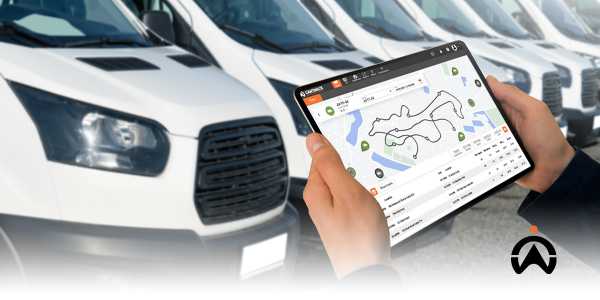
A line of delivery vans with one orange van standing out

5. Monitor work progress regularly  

Monitoring deliveries manually can be complex and time-consuming due to the high volume of drivers, vehicles, and delivery tasks. With a digital delivery assignment system, central operators can view all delivery progress in real-time at any moment. Operators will receive real-time updates at every stage of job completion and will be notified immediately if any delivery issues arise, such as delays or damaged goods.

6. Get proof of delivery completion instantly

The digital dispatch system enables your drivers to submit proof of job completion instantly via the app. This proof can take the form of photos and/or electronic signatures. The submitted digital proof is immediately received by the central operator, complete with a timestamp and the driver's location coordinates at the time of submission.

7. Facilitates repetitive assignments

There may be multiple recurring delivery jobs for the same customer to the same destination. Rather than continually re-creating jobs manually, dispatchers or managers can duplicate existing jobs and assign them to the same or different drivers. Several other easy methods can also be used for these repetitive assignments, such as creating reusable job plans or bulk importing job files.

8. Automate report generation

All delivery details are recorded in the system and reports are generated automatically. Managers can instantly download job reports or driver reports for the required period. In Cartrack Delivery, all proofs of delivery—both photos and electronic signatures—are included in the job report. Simply click the link within the report, and the proof of delivery file will open, allowing you to save the file directly to your PC.

9. Improve team collaboration

A digital delivery assignment system fosters seamless collaboration between couriers or drivers and dispatchers or fleet managers. Transparency at every stage of the process helps the team work together efficiently. Beyond drivers and operators, other departments also benefit from this delivery assignment system. The billing department, for instance, can process invoices much faster upon receiving the proof of job completion sent by the driver live.

10. Improve customer satisfaction

With a digital assignment system, shipping operations can run more efficiently, allowing for greater delivery volumes. Any issues can also be resolved quickly thanks to comprehensive visibility into every process. When shipping operations run smoothly and efficiently, customer satisfaction increases, and profits rise.

The right delivery dispatch tool helps you manage tasks efficiently, ensures all delivery jobs are completed successfully, and boosts your business profitability. Choose Cartrack’s Delivery for the best delivery management tool. Contact us here now to get a live demo of Delivery from the Cartrack team.