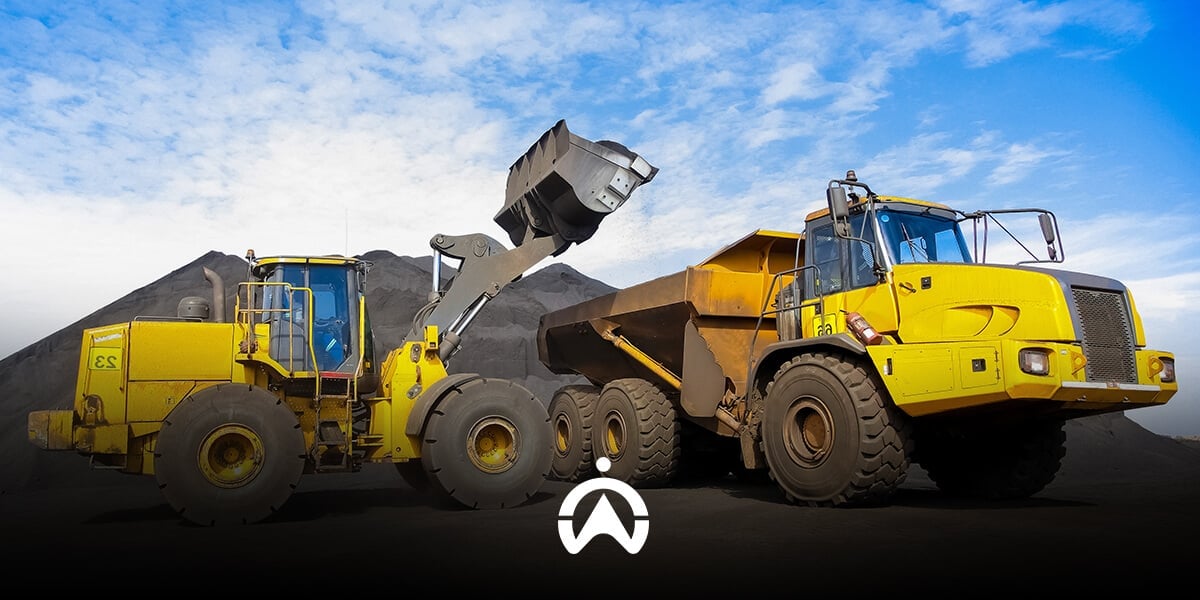
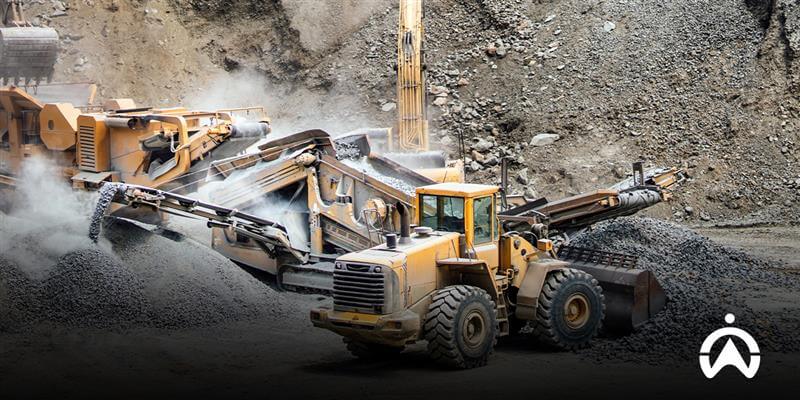
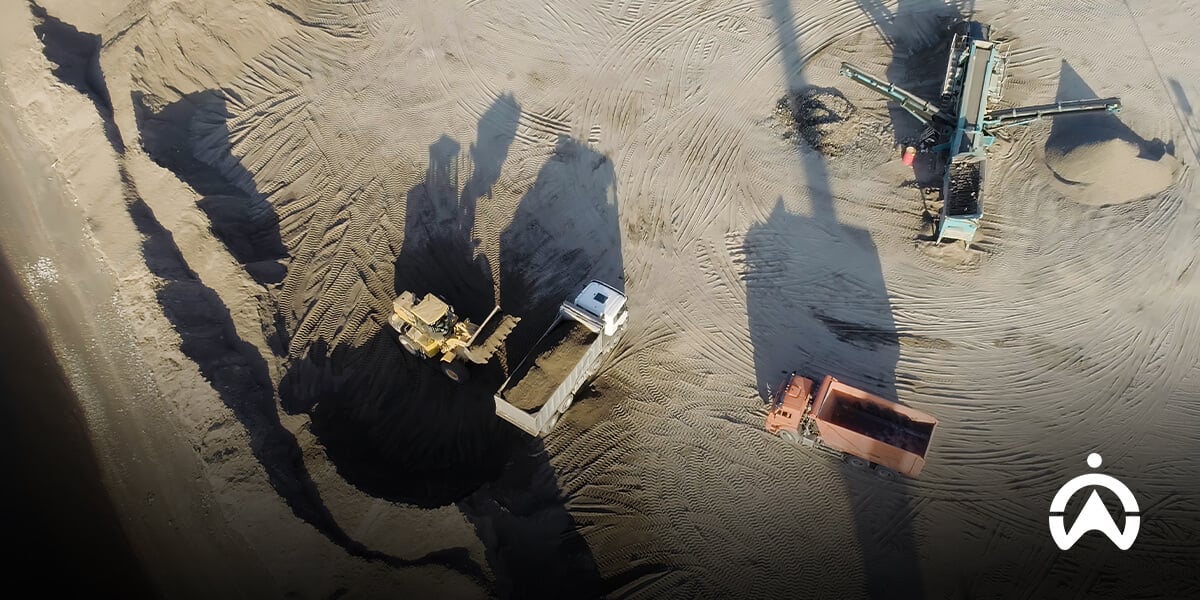
6 Tips for Choosing the Right Fleet Management System for Your Business

Amidst business competition, many companies are starting to use fleet management systems to manage fleet operations. This system not only streamlines management but also provides accurate data and comprehensive fleet monitoring.

But how do you choose a fleet management system that truly suits your business needs? Here are some fleet management tips to help you determine the best option for your business needs.

1. Understand Your Business Needs

The first thing you need to do is understand your company’s or business’s needs. Are you focusing on improving efficiency, monitoring field team performance, or automating financial reporting?

For example:

By understanding your industry-specific needs, you can focus on the features you actually require. You will also be able to shortlist service providers based on the availability of those features.

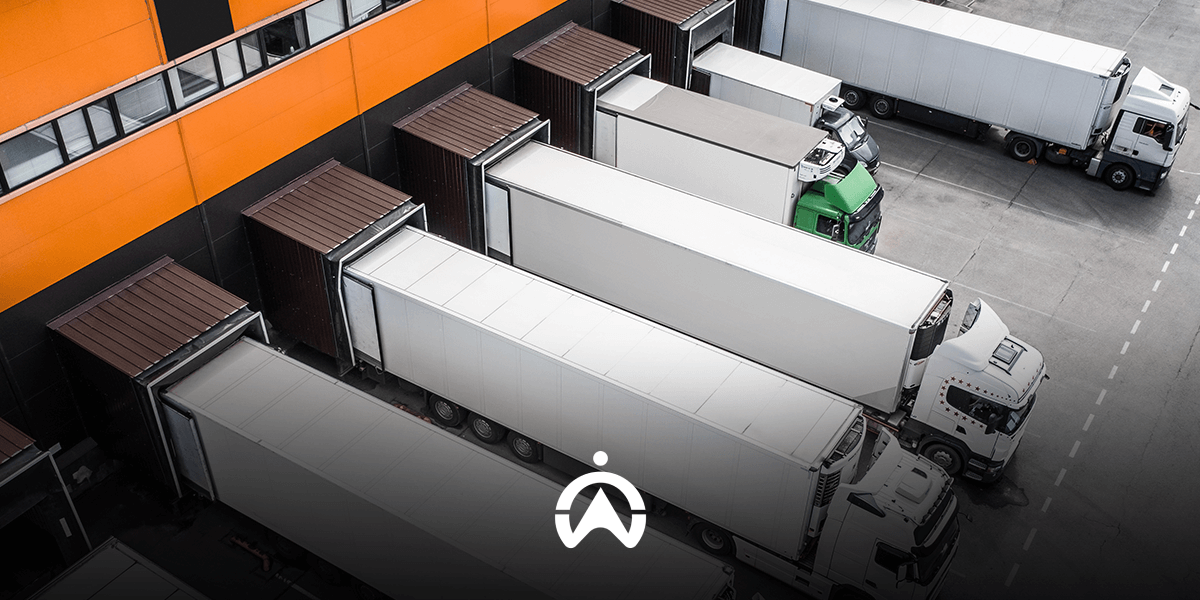
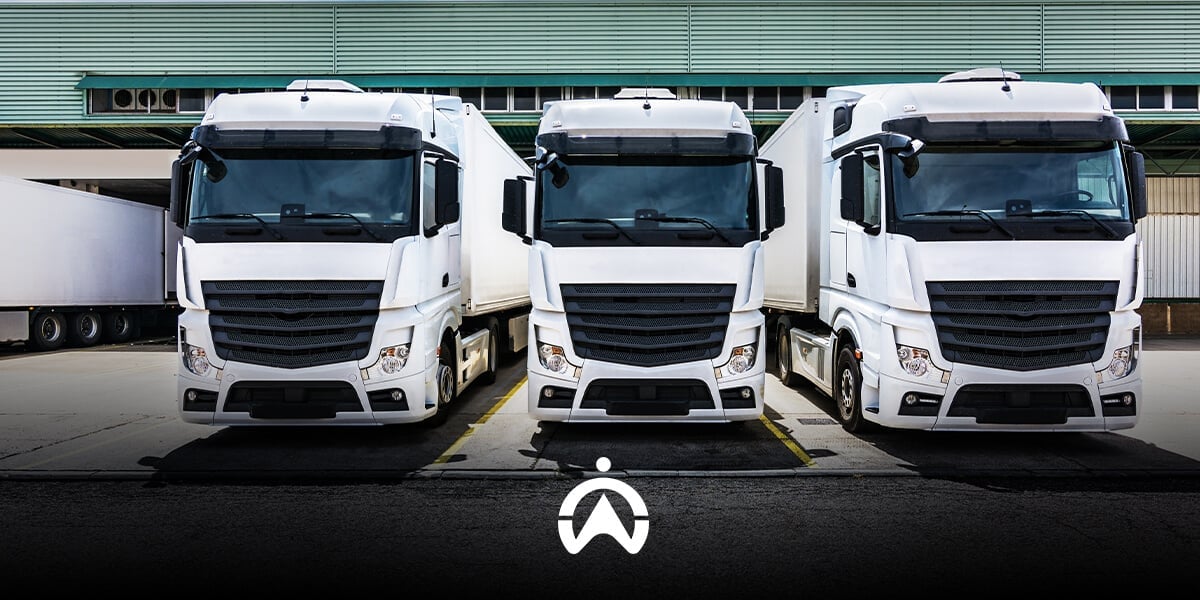
Aerial view of a fleet of logistics trucks in an industrial warehouse as part of a business's fleet management system efficiency.

2. Evaluate the Essential Features That Must Be Included

Fleet management system should be able to help you work more efficiently. Therefore, there are several features that must be present so that the system really functions to increase efficiency.

  • Real-time tracking: A dashboard that displays fleet location and operational data in real time to support faster and more informed decision-making.

  • Automated reporting: Easily accessible vehicle usage data that streamlines administrative work and reduces human error.

  • Security notifications: Alerts about risky behaviour such as speeding, vehicles leaving designated work zones, and similar events.

  • System integration: Ideally, a fleet management system should be able to connect with other software such as ERP, CRM, or financial systems.

  • System integration: Ideally, a fleet management system should be able to connect with other software such as ERP, CRM, or financial systems.

These key features must be included alongside other specific features that better suit your business needs. For example, if you want fuel monitoring, ensure it's included alongside the five key features mentioned above.

Also Read: The Best Fleet Management System Application from Cartrack

3. Consider Scalability and Customer Support

As your business grows, you need to choose a system that can accommodate that growth. Choose a fleet management system provider that allows for increased user numbers and data storage capacity.

Apart from that, you also need to make sure whether the company offers good after-sales service such as:

  • System usage training (training)

  • Responsive technicians or field staff

  • Regular feature updates

With all of this in mind, you can ensure that you're not just purchasing a device, but also a long-term technology partner. You can also contact customer service if you encounter any issues.

4. Check Company Reputation and Customer Reviews

The next tip for choosing a fleet management company is to research the reputation of the service provider. Find out how long they've been established, the clients they've handled, and even testimonials and success stories from their customers.

If your company has specific needs specific to your business area, learn more about how these can be implemented in your company. One way to do this is by contacting the service provider and asking for their explanation.

A reliable system has a good reputation among customers for its stability and professional service. Furthermore, ensure that the system truly meets your primary needs.

See Also: Fleet Management Software: Definition and Features

5. Compare the Costs and Benefits

Price is a crucial consideration for any business, but you also need to ensure the value of the benefits you'll receive. Often, low prices are the result of service adjustments or reduced features.

Conversely, a system that seems expensive at first glance may be more efficient in the long run. The service provided is also excellent, including after-sales support for any issues encountered during use.

Also consider the Return on Investment (ROI) in terms of the time, effort, and costs that can be saved by using the system. If the system can reduce reporting time and operational costs, then it provides greater value to the business.

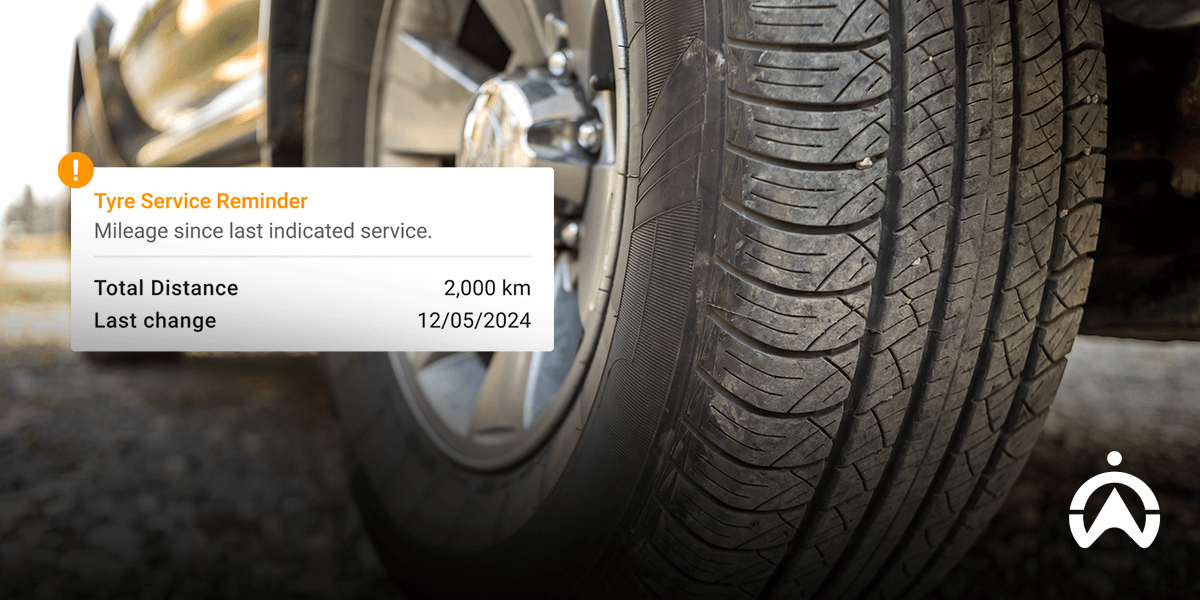
Car tires with digital tire service reminders for efficient fleet management system business.

6. Choose an Integrated Fleet Management System from Cartrack

Now that you understand all the tips for choosing fleet management above, it's time to consider Cartrack's fleet management solutions. More than just a GPS tracker, our system can help you manage your operations comprehensively:

With an easy-to-use dashboard and 24-hour customer support, Cartrack makes it easy for you to monitor operations without having to go out into the field. Get our products and services starting from Rp140,000/unit/month.

Click the WhatsApp button or fill out the form on this page so our staff can contact you with a quote. Consult on your business's fleet management needs with Cartrack today!

Cartrack's Best Fleet Management System Application

A fleet management app is the solution for fleet managers who want easier vehicle monitoring from a smartphone. One of the best fleet management apps is the Cartrack app, part of our flagship Fleet Management System. How can this app help you? Read on to find out.

What Is a Fleet Management System Application?

    merujuk pada aplikasi yang digunakan untuk pelacakan kendaraan yang merupakan bagian dari sistem manajemen armada. Anda hanya dapat menggunakan aplikasi ini ketika sudah berlangganan sistem manajemen armada seperti Cartrack.

With this application, you can track your vehicles anytime and anywhere, provided you have an internet connection. You can also receive alerts and notifications related to security, enabling you to take immediate action when necessary.

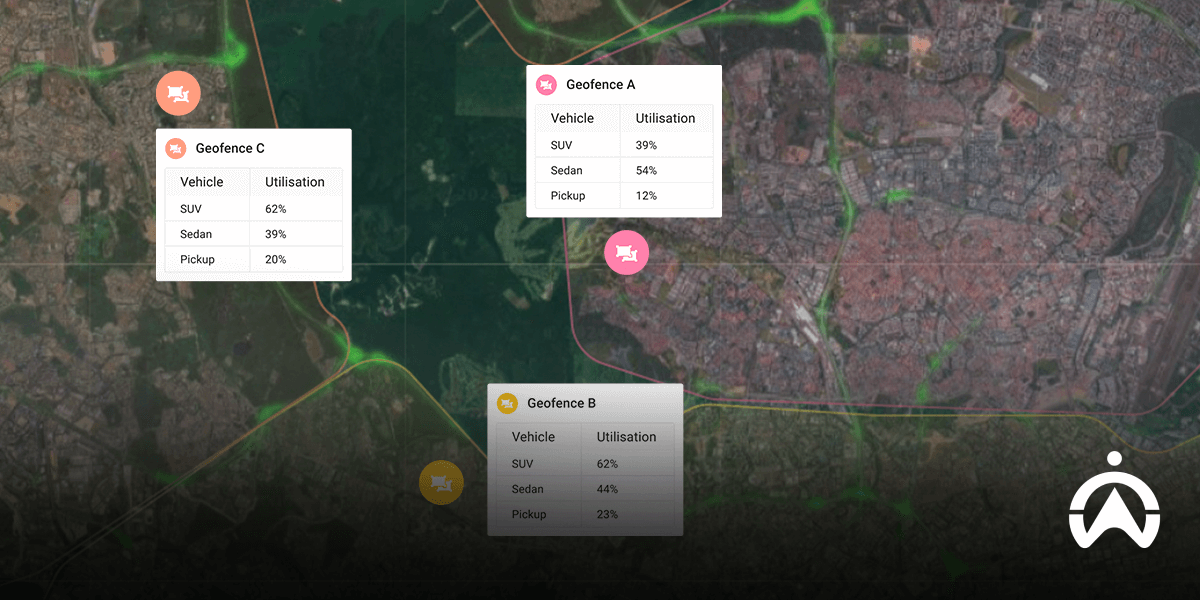
Tampilan peta satelit geofence pada aplikasi fleet management system untuk memantau utilitas kendaraan SUV dan pickup.

Cartrack’s Best Fleet Management Application

Cartrack's fleet management system lets you access the dashboard from both the website and the app. With an easy-to-use dashboard and 24-hour customer service, here are Cartrack's standout features:

  • GPS tracker: Real-time tracking to monitor the location of your entire fleet on a single dashboard at once.

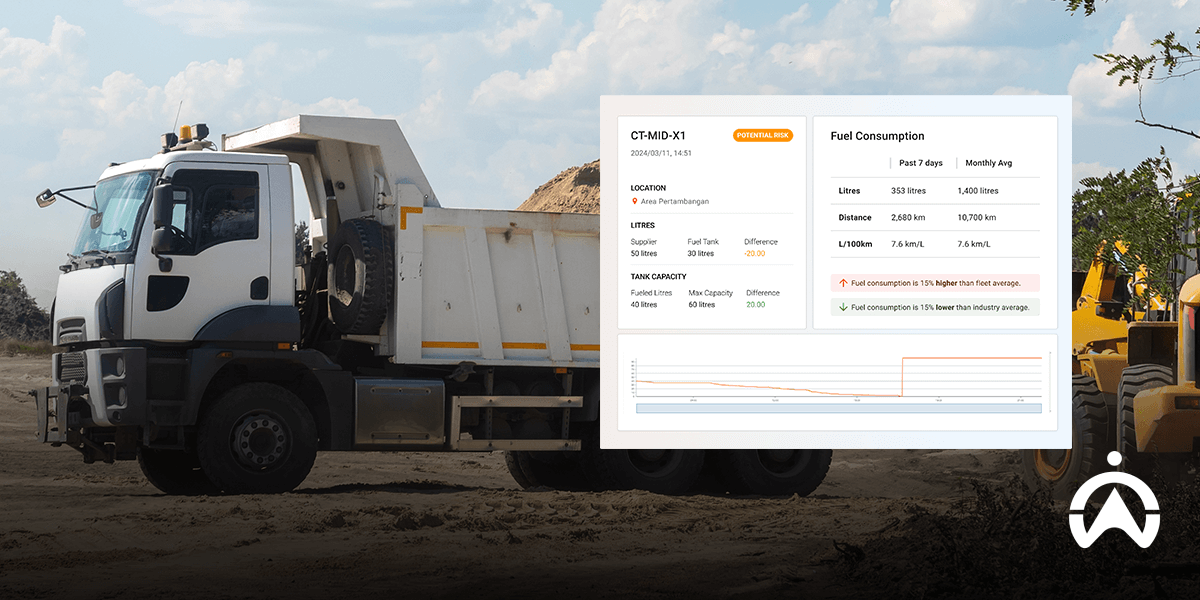
  • Fuel Monitoring: Fuel monitoring to prevent wastage, improve efficiency, and help prevent fuel fraud and theft.

  • AI and non-AI cameras: Visual monitoring solutions for your fleet and drivers to improve security and oversight of driving behaviour.

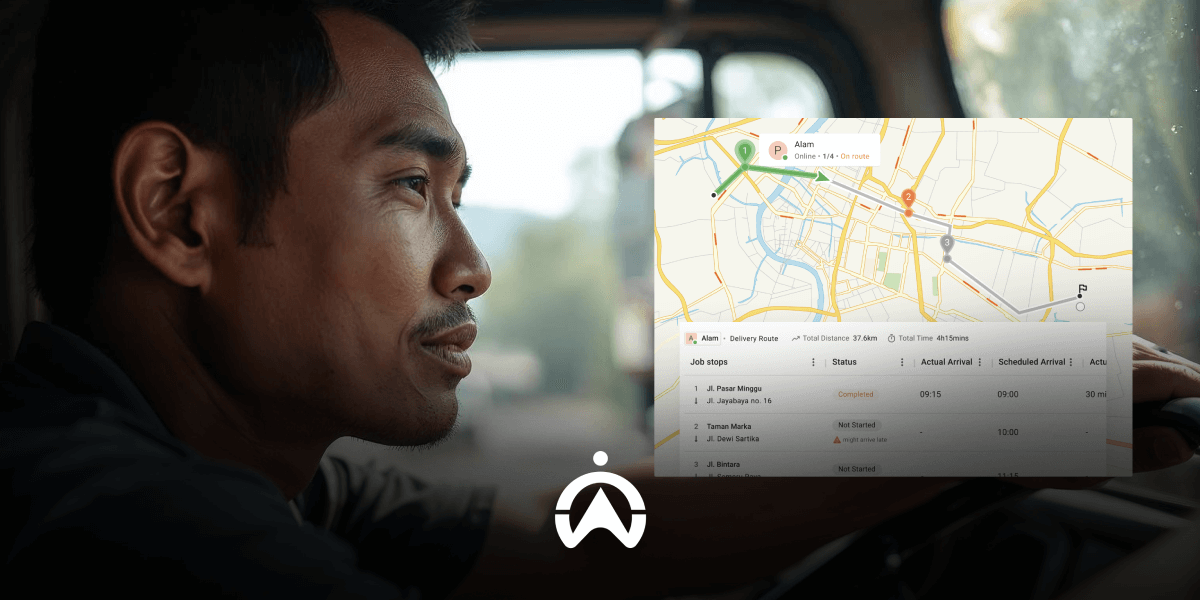
  • Delivery: Delivery management software that makes it easier to assign and schedule jobs, as well as track deliveries.

  • CarPool: A booking management system that simplifies scheduling the use of company vehicles.

  • Maintenance: A platform for managing fleet maintenance, with an additional application that makes it easier for drivers to report vehicle damage.

  • Driver Identification: A dedicated identification system in the form of a card, code, or tag to ensure that vehicles are used by authorised drivers.

  • MiFleet: Software manajemen biaya untuk mempermudah pengelolaan biaya armada, mulai dari bahan bakar, tol, dan sebagainya.

  • Sensor IoT: Berbagai sensor untuk berbagai kebutuhan seperti sensor pintu kargo, suhu, rotasi semen, hingga power take-off (PTO).

  • Start Prevent: An immobiliser feature that prevents a stolen vehicle from being restarted once it has been turned off.

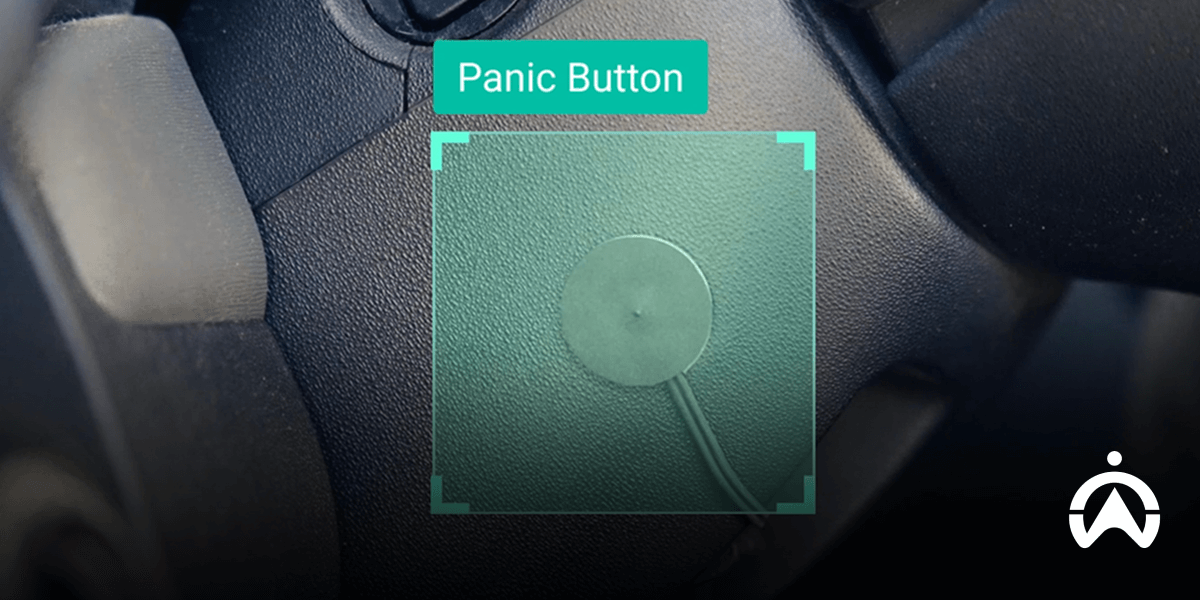
  • Panic Button: An emergency button used to alert the company in case of roadside emergencies such as robbery, heart attacks, and other critical situations.

  • MiKey: A digital vehicle key that enables shared vehicle usage without the need to physically share or duplicate keys.

The features above can be tailored to your fleet's needs in a particular business or industry. For example, if your company works in construction, you can add a power take-off sensor to monitor heavy equipment usage.

Benefits of Cartrack Fleet Management

With Cartrack’s best fleet management application, you can gain a range of benefits for your business, such as:

1. Reduction in operational costs

With Cartrack's fleet telematics, you can track driving behaviour that wastes fuel, such as idling (the vehicle running without moving). With this monitoring in place, you can cut operating costs, especially on fuel.

2. Increased productivity

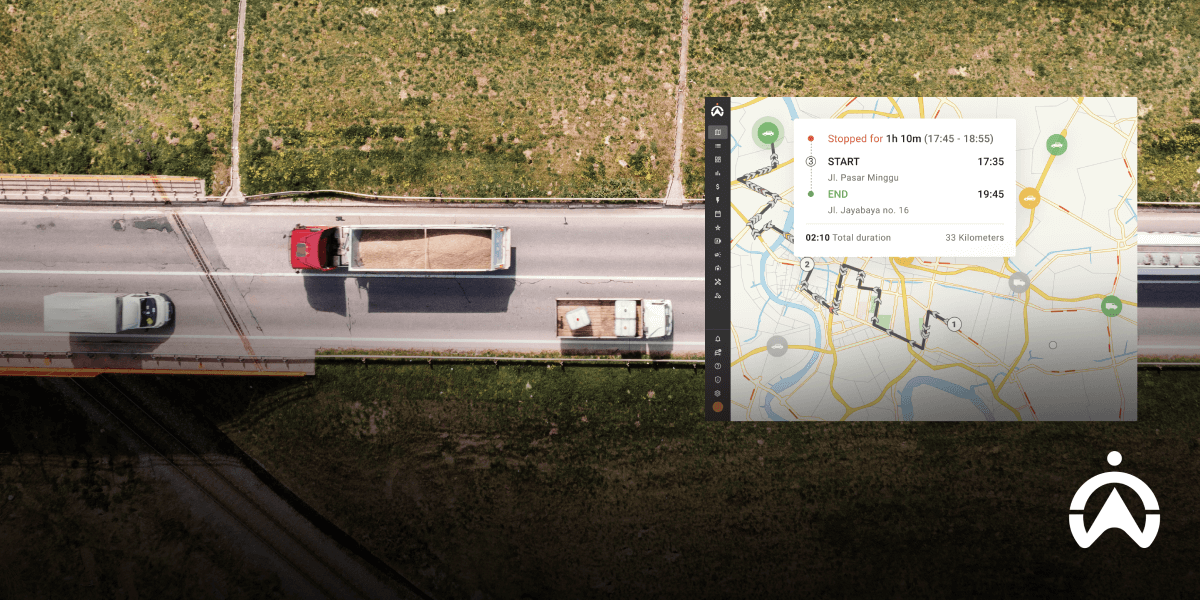
All vehicle activities are recorded in the trip history, including when the vehicle starts and stops operating. This monitoring improves productivity as drivers feel they are being supervised, even indirectly.

Safer and more efficient fleet operations

Sistem manajemen armada dari Cartrack dapat terintegrasi dengan solusi keamanan seperti geofence, kamera armada, immobilizer, hingga panic button. Hal ini memberi proteksi ganda bagi kendaraan dan membantu Anda bertindak cepat jika ada ancaman keamanan.

4. Supporting data-driven decision-making

Cartrack’s telematics helps you collect all important data related to vehicle usage. You can use this data for decision-making, ensuring that every action taken is well-informed and evidence-based.

5. Improved customer satisfaction

Cartrack is equipped with route optimisation features that help speed up delivery times. In addition, there is real-time tracking that can be shared with customers, improving their overall experience.

Pricing and Subscription Method for Cartrack Fleet Management

Cartrack’s Fleet Management System is available on a subscription rental basis starting from Rp140,000/unit/month, depending on the features included. At this price, you gain access via both the Cartrack website and mobile application at no additional cost.

Improve the safety, efficiency, and productivity of your fleet with the best fleet management Improve your fleet's security, efficiency, and productivity with Cartrack's best-in-class fleet management software and app. Click the WhatsApp button or fill in the form on this page so the Cartrack team can contact you with the best offer.and application from Cartrack. Click the WhatsApp button or complete the form on this page so that the Cartrack team can contact you with the best offer.

Tombol panic button darurat di dasbor kendaraan yang terhubung dengan aplikasi fleet management system terbaik dari Cartrack.

How Much Does It Cost to Install a Car Dashcam?

A dashboard camera (dashcam) is a device that enables businesses to monitor drivers and vehicles during trips. This device has become essential, especially with the rising incidence of accidents, criminal activity, and disputes on the road.

For those considering purchasing this device, find out the cost of car dashcam installation in the article below. Also learn how Cartrack’s dashcam solution can serve as a security solution for your fleet.

Car Dashcam Installation Cost for Fleets

When you need a dashcam for fleet monitoring and management purposes, you require a system that goes beyond just a camera. Therefore, you cannot simply purchase a dashcam alone; it must also come as part of a fleet management software package.

The installation price for a car dashcam from the Fleet Management System provider Cartrack starts from Rp250,000/unit/month on a subscription rental basis. This price already includes the Fleet Management System subscription, which enables GPS fleet tracking.

For personal use, you can purchase a dashcam from certain electronics providers and install it yourself. However, this approach is less effective if you need to monitor and manage multiple vehicles at the same time.

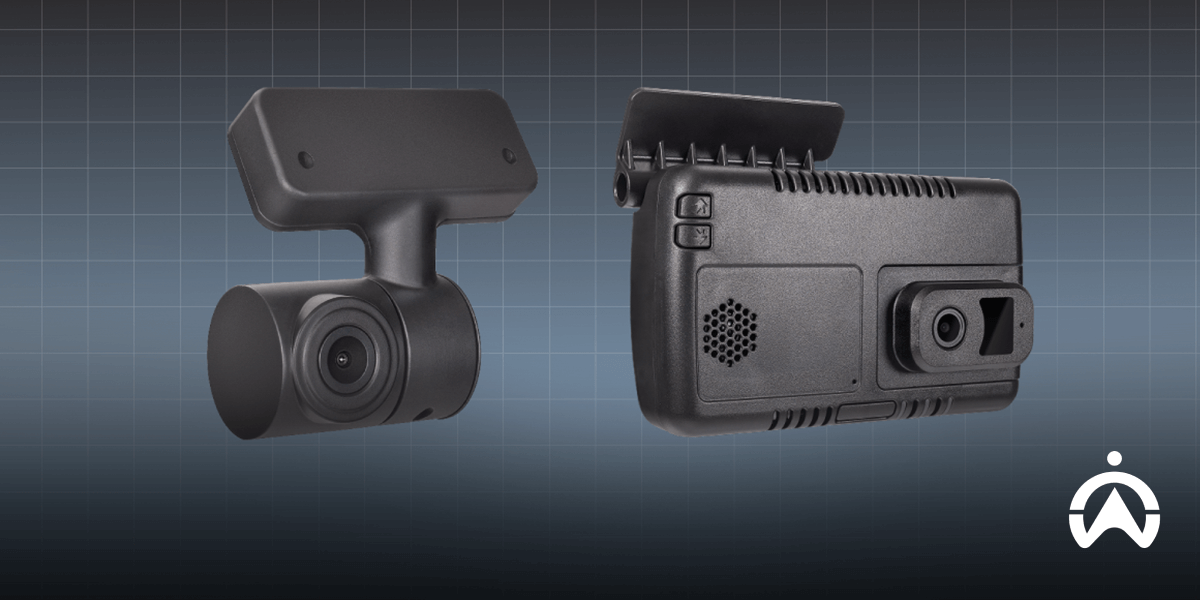
This black dual lens car dashcam camera improves driving safety and is suitable as a reference before finding out the price of installing a car dashcam.

What Factors Affect Dashcam Pricing?

1. Features and specifications

Dashcams with specific features and specifications such as live streaming, driver monitoring, or AI alerts tend to be more expensive. However, all of these features are important for reducing accident risks and maximising supervision to improve efficiency.

2. Storage medium

Today, there are dashcams that still use SD card storage, while others already support cloud storage. Dashcams with cloud storage are usually more expensive because cloud storage itself offers many advantages.

3. Connectivity features

Dashcams with Wi-Fi, Bluetooth, and LTE connectivity support allow real-time monitoring from the system dashboard. Although they are more expensive, this connectivity is highly useful for businesses that require fast reporting and accurate field data.

4. Device quality and brand reputation

Another important factor is the overall device quality and the reputation of the brand behind it. Dashcams produced by well-known brands are often more expensive than other dashcams with similar specifications.

Other Costs in Car Dashcam Installation

When installing a dashcam for fleet security purposes, you also need to account for additional costs, such as:

Installation costs

Fleet management dashcams require professional installation by technicians, which is usually included in the purchase or subscription package. However, you may need to provide transportation for the technicians if your business is located outside their operational coverage area.

Maintenance costs

Like other electronic devices, dashcams require maintenance, such as replacing memory cards or updating software. Make sure you choose a dashcam provider that offers free after-sales service.

Accessories

If you want to use an in-cabin monitor for camera viewing, you will need an additional accessory, namely a mounting bracket. In addition, there is a permanent wiring option for connecting the dashcam to the vehicle’s battery, which is often not included in the installation cost.

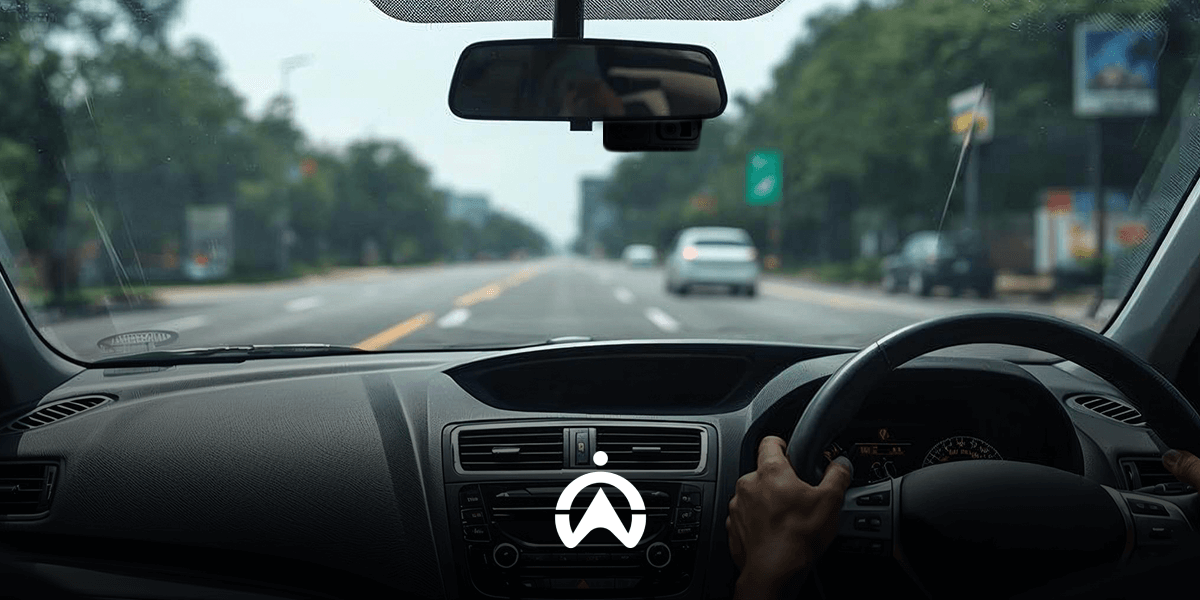
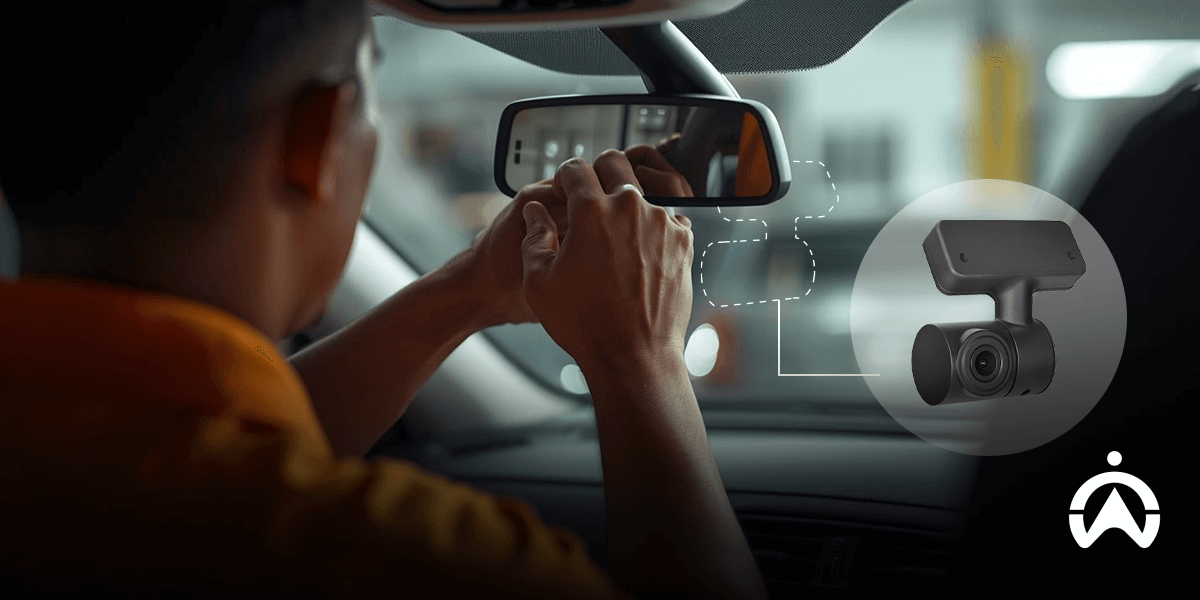
The process of installing a car dashcam near the rearview mirror to improve driving safety.

Car Dashcam Installation Price from Cartrack

Cartrack provides fleet cameras for visual monitoring solutions, namely AI & Non-AI Vision. Cartrack’s AI (Artificial Intelligence) Vision has the advantage of providing voice alerts when it detects the following behaviours:

  • Fatigue

  • Not focus

  • Use of mobile phones

  • Smoking

  • Use of seat belts

  • Potential accident from the front

  • Camera closure

Although it is called a dashboard camera (dashcam), the device is not limited to being placed on the car dashboard. You can install fleet management dashcams both inside and outside your vehicles.

  • Road Vision: Specifically for road monitoring, functioning like a standard dashcam.

  • Dual Vision: Monitoring both the road and the driver simultaneously.

  • AI Dual Vision: Monitoring both the road and the driver with AI integration that can provide alerts if there is a risk of collision or risky driving behaviour.

  • Multi Vision: Non-AI camera system with up to 4 cameras per vehicle unit.

  • AI Multi Vision: Cameras with AI up to 4 cameras per unit.

  • AI Multi Vision Pro: Fleet cameras with AI up to 8 cameras per unit.

You can get fleet cameras from Cartrack on a subscription rental basis starting from Rp250,000/vehicle/month. Click the WhatsApp button or complete the form on this page so that our staff can contact you and provide the best offer.

Where to Buy a GPS Tracker in Surabaya

As a business hub in the eastern part of Java, Surabaya demands high levels of fleet operational efficiency. Using a GPS tracker in Surabaya is no longer just an option, but a key requirement for businesses looking to maintain fleet efficiency and security. This device can help you ensure that your operational vehicles are monitored, secure and operating optimally every day.

Why GPS Trackers Are Important for Businesses in Surabaya

There are several reasons why GPS trackers are really needed by businesses in Surabaya, including:

1. Number of logistics and expedition fleets

Tanjung Perak Port in Surabaya is known as a logistics gateway to eastern Indonesia. As a result, a large number of logistics and expedition fleets travel in and out of the port, increasing the risk of vehicle and cargo theft.

2. Risk of vehicle misuse

Logistics vehicles such as trucks are highly vulnerable to misuse. Moreover, with the high demand for logistics vehicles, some drivers may be tempted to use commercial vehicles to earn extra income.

3. The need for operational efficiency and oversight

Without monitoring, it's difficult for businesses to detect waste and assess operational efficiency. Therefore, a GPS tracker is needed for comprehensive monitoring so you can determine data-driven policies.

Functions and Benefits of GPS Trackers for Businesses in Surabaya

Using a GPS tracker in Surabaya can be a strategic step to ensure the efficiency and safety of your fleet operations. Some of the benefits you can gain from using a GPS tracker are:

1. Real-time vehicle monitoring

You can track the location of all vehicles and monitor their movements in real time from a single dashboard. You can also see which vehicles are active, idling or parked.

2. Prevent vehicle theft and misuse

A GPS tracker allows you to identify suspicious vehicle activity immediately. You can set up notifications to alert you if a vehicle is started outside working hours or leaves the designated operating area.

3. Optimise delivery routes

Route optimisation can help you choose the most efficient delivery routes, allowing deliveries to be completed faster. More efficient routes also help reduce fuel consumption.

4. Increase productivity and discipline

Automatically recording vehicle activity will make drivers feel monitored and reduce their potential for slacking. This will increase fleet productivity and driver discipline.

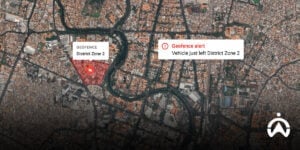
Satellite view of Surabaya GPS tracker showing District Zone 2 geofence notification when vehicle leaves the area.


5. Accurate operational reports

You can access vehicle activity data online in the form of graphs or vehicle usage reports delivered regularly. This allows you to develop policies and make business decisions based on the available data.

Recommended GPS Trackers for Businesses in Surabaya

Cartrack offers a Fleet Management System integrated with a GPS tracker for comprehensive fleet monitoring. The main features of this GPS tracker include:

  • Real-time GPS tracking

  • Vehicle trip history

  • Geofence Configuration (work zones/restricted zones)

  • Detect aggressive driving behaviour (harsh braking, rapid acceleration and sharp cornering)

  • Security notification

  • Automatic and periodic reports

  • Access dashboard via web & app

  • 24/7 customer support

Cartrack's Fleet Management System allows you to add a variety of features for optimal monitoring to increase efficiency.

  • Fuel Monitoring: Fuel monitoring to reduce wastage and prevent fraud and theft.

  • AI & Non-AI Camera: Pemantauan visual dengan kamera untuk mengetahui perilaku berkendara pengemudi, mengawasi operasional, serta mengurangi blind-spot.

  • Delivery: A delivery management feature that allows you to schedule deliveries, manage assignments, and track shipments.

  • Maintenance: A maintenance management feature to schedule routine servicing and report accident damage to minimise downtime.

  • CarPool: A scheduling management feature for operational fleet usage to ensure all assets are used efficiently.

  • Mi-Fleet: A cost management feature to manage all fleet operational requirements, from tolls and fuel to traffic fines, and more.

  • Various IoT sensors: Various additional sensors such as cargo door sensors, temperature, cement rotation, power take-off, and so on.

  • Driver Identification: Identification of drivers using special tags, codes, and cards to ensure authority to use vehicles/heavy equipment.

  • Start Prevent: An immobilizer feature that prevents the vehicle from starting again after stopping and turning it off.

  • MiKey: Digital key for easy rotational use and to maximise security.

  • Panic Button: A panic button that can notify the fleet manager if there is an emergency situation so that the company can immediately send help.

White cargo van parked on the side of a city road

Prices & How to Subscribe to Cartrack's Surabaya GPS Tracker

You can get a Cartrack GPS tracker with a subscription starting at Rp140,000 per unit per month. Prices may vary depending on the package type and additional features selected. This price includes:

  • Free device and installation

  • Free monthly internet quota

  • Software usage training by the Cartrack team

Complete the form on this page or contact us via the WhatsApp button below so our team can get in touch with you. Get the best offers for your business or company’s fleet operational needs.

You can also visit the Cartrack branch office in Surabaya directly at the following address:

Ruko Plaza Segi 8 Block A/820 Sukomanunggal District, Sonokwijenan, West Surabaya, East Java 60189

The Best Way to Prevent Fuel Theft in Your Fleet

Many businesses don't realise they're experiencing fuel theft due to a lack of dedicated monitoring. If left unchecked, your business could lose millions of rupiah each month. To combat this, you need fleet management software equipped with a fuel monitoring system.

What is Fuel Theft?

Fuel theft occurs when someone takes gasoline or diesel from a vehicle without permission. In business, this can occur in various ways, including direct tank siphoning or misuse of the vehicle for non-business purposes.

The larger your business fleet, the greater your potential losses. The same applies if your business involves large vehicles or heavy equipment that consume more fuel.

Common Types and Modes of Fuel Theft in the Field

Fuel theft and fraud pose a challenge to businesses because they are often perpetrated internally. Therefore, it's important to understand common methods used to prevent it.

1. Direct suction

Siphoning is the most classic and most common method of fuel theft. Perpetrators typically use a hose and a special pump to siphon gasoline from the tank into a storage container.

This method is very likely used by theft syndicates, who exploit opportunities such as illegal parking. It's also not uncommon for drivers to carry out the theft themselves, then sell the fuel to fuel fences.

2. Manipulation of purchase receipts

Another common method is manipulating purchase receipts to allow drivers to profit. Drivers often collaborate with gas stations to manipulate data so that purchases are counted as higher than they actually are.

For example, if you budget to fill your vehicle's tank to 100 litres of fuel, the driver can work with the attendant to only fill up and pay for 80 litres, with any excess funds going directly into the driver's pocket.

3. Fake transactions and misuse of fuel cards

Although fuel cards are not very common in Indonesia, some big companies are already using them. Regarding fuel cards, drivers can also collaborate with petrol station attendants to carry out fake transactions.

The perpetrator can ask the officer to tap or swipe the card twice in a single transaction. They can also use the company card for other transactions unrelated to business needs.

Read Also: How to Easily Calculate Fleet Fuel Consumption

The Serious Impact of Fuel Theft on Your Business

These irresponsible actions have significant impacts on businesses, affecting many aspects of operations. Potential losses include:

1. Financial loss

The first impact is significant financial loss for a business or company. This includes not only the loss from the theft itself, but also the time and expense spent investigating the fraud.

2. Damage to the vehicle

The siphoning method can damage the fuel tank and lines, which in the long run lowers engine performance. This requires expensive repairs and also unproductive downtime.

3. Security risks

Besides the potential damage, fuel theft is also associated with leaks and spills. Under certain circumstances, this can lead to explosions and fires, which pose a safety hazard.

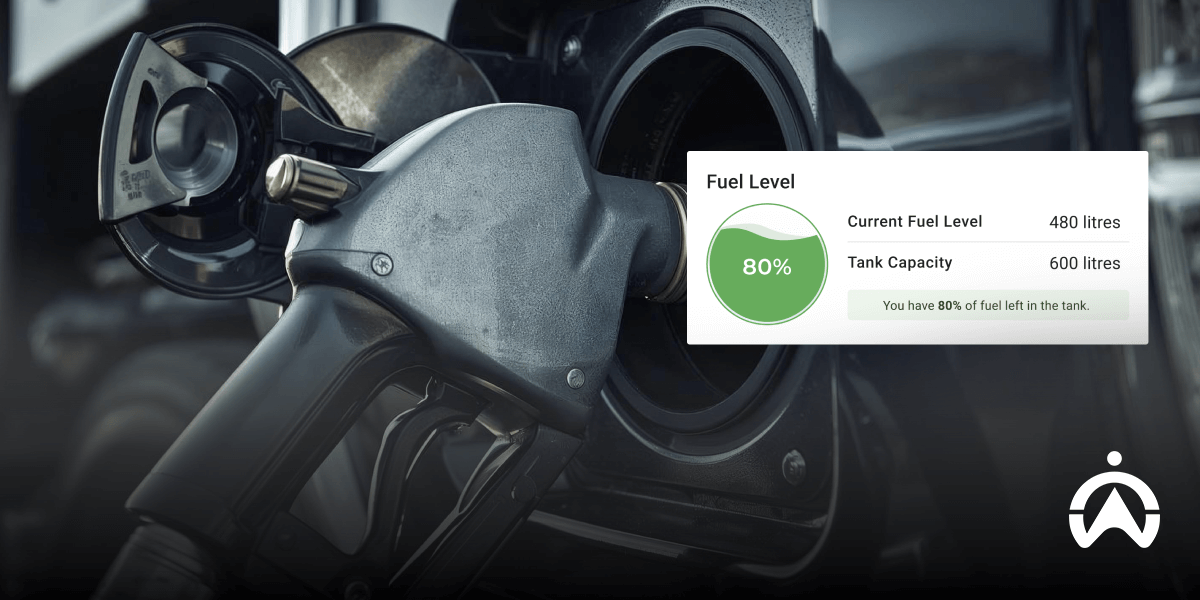
Vehicle fuel tank monitoring to monitor liter volume as a way to prevent fuel theft in the fleet.

How to Detect Fuel Theft?

1. Physical and behavioural inspection of the vehicle

Forced fuel siphoning usually leaves visible marks, such as gouges or damage to the fuel tank cap or fuel hose. This damage can impact vehicle performance, such as sluggishness, stuttering, or lack of power.

You may also smell gasoline in or around the vehicle after the theft. However, this characteristic may not be present if the perpetrator is a driver familiar with the vehicle.

2. Utilising fuel monitoring technology

By using Fleet Management System and fuel monitoring technology, you can definitely know your petrol usage. Other potential wastages like speeding, idling, and so on will also become visible.

Not only that, you can also set up notifications if there's a sudden significant drop. This way, you can promptly investigate and address suspected theft.

Effective Steps to Prevent Fuel Theft with a Fleet Management System

Every fleet manager's priority is efficiency and keeping operations running smoothly and under control. One way to do this is by using a Fleet Management System to monitor fuel transactions in the following ways:

1. Real-time notification and monitoring

You can set your settings to receive notifications if there's a significant increase or decrease in fuel volume. This allows you to detect suspicious fuel-related activity and respond quickly.

2. Validate location with GPS

By using a GPS tracker within your fleet management system, you can validate GPS locations and fueling transactions. This can prevent unauthorised purchases or transactions made under the guise of gasoline purchases.

3. Setting purchase limits

This system involves synchronising approved fuel purchase limits with each vehicle's actual tank capacity. Managers will set a limit on the number of litres of fuel that can be purchased based on tank capacity, so purchases exceeding the limit will be investigated.

Baca Juga:Memantau Konsumsi BBM dengan Fuel Sensor & Fuel Probe

How Cartrack Helps Prevent Fuel Theft

1. Fuel Monitoring feature with a fuel sensor

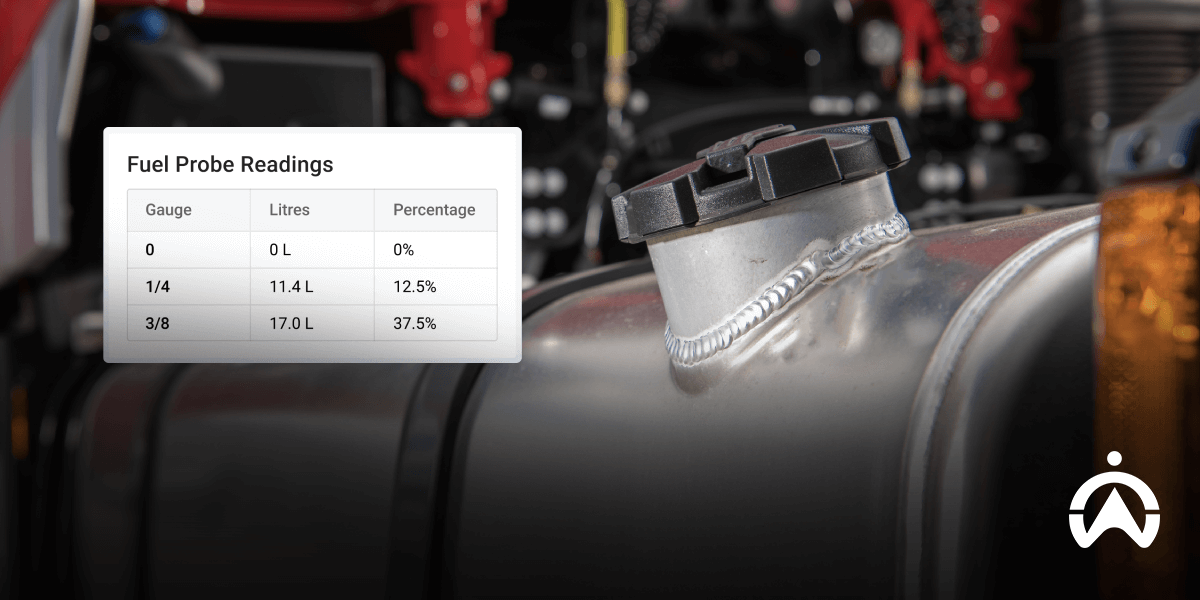
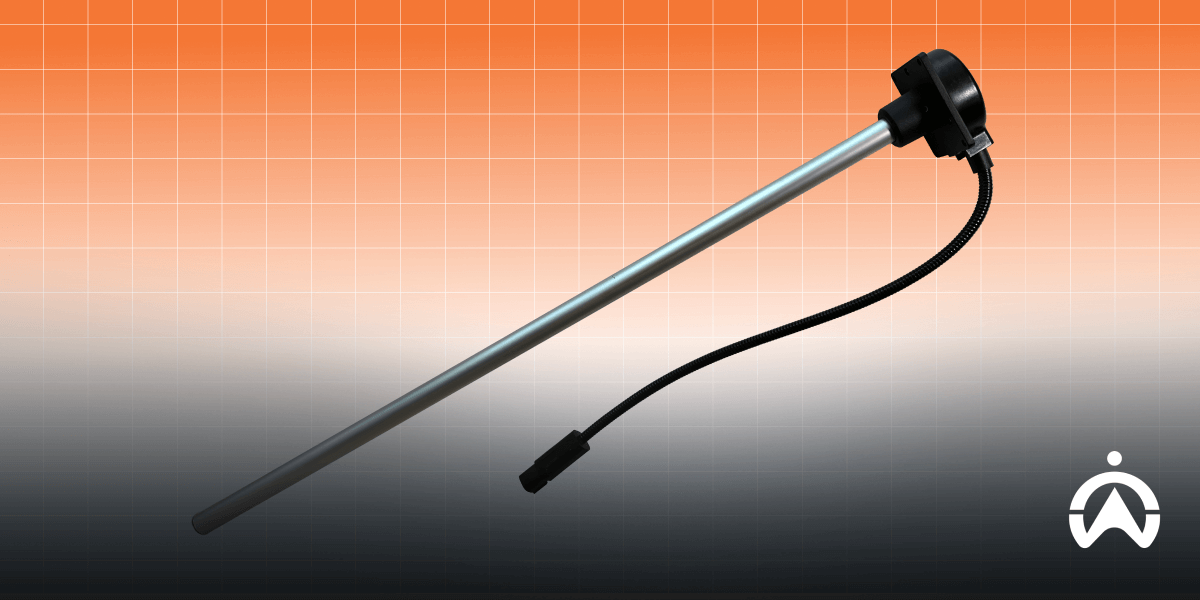
Fuel monitoring from Cartrack provides three types of sensors: floater, fuel probe, and CANbus. These sensors give you fuel usage data and let you get notified if there's a significant drop.

2. Fleet cameras for monitoring activity around the vehicle

With real-time video recordings and advanced analysis, Cartrack's fleet cameras can help you identify fuel theft suspects. The recordings also serve as evidence and a deterrent, as perpetrators will think twice when they see the camera.

3. MiFleet feature to detect theft

MiFleet is a cost management system that tracks all fleet administration and operating costs, including fuel. In case of fuel theft, MiFleet can analyse fuel card transactions to spot the theft.

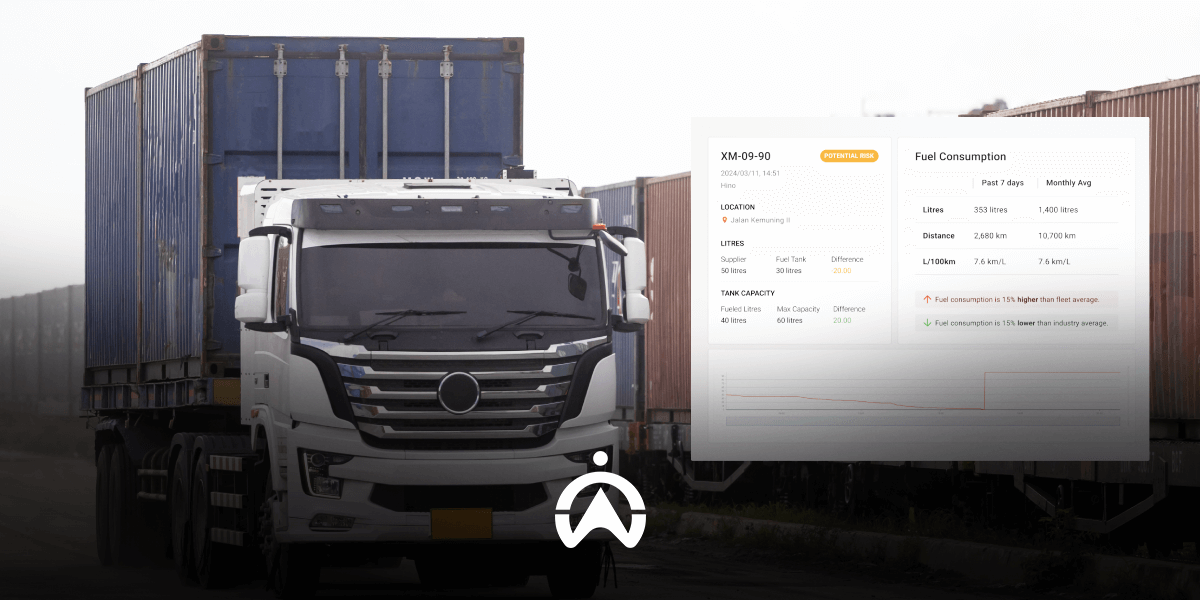
Fuel sensor data table on tanks to prevent fuel theft in truck fleets.

Why Do Many Businesses Choose Cartrack?

Some of the things that make Cartrack trusted by many transportation and logistics companies are:

  • Ease of data presentation and import: Companies can avoid manual administrative work. Using Cartrack simplifies tasks that would normally take days to mere minutes.

  • Early detection of fuel waste: Risk reviews for fueling transactions help fleet managers detect potential waste early. This effectively eliminates the possibility of human error.

  • Operational cost savings: With insights and information on vehicle usage, companies can take immediate action to reduce the risk of fuel theft, thereby saving operational costs.

  • Preventing drivers from cheating: Cartrack's ability to detect potential theft will create awareness among drivers to avoid it as there are consequences to bear.

Combat Fuel Theft with Cartrack!

Monitor every transaction and fuel consumption across your fleet with Cartrack's comprehensive fleet management solution. By implementing security measures, Cartrack not only reduces fuel costs but also reduces the risk of theft.

With subscription rentals starting from Rp140,000/unit/month, you can prevent losses of up to millions of rupiah every month. Fill out the form or click the WhatsApp button now to get a demo and the best offer from the Cartrack Indonesia team.

Baca Juga: Apa Itu Route Optimization dan Manfaatnya untuk Bisnis?

How Much Does a Fuel Management System Cost?

Salah satu kendala terbesar dalam mengelola armada operasional bisnis adalah kasus pencurian bahan bakar. Untuk mengatasinya, bisnis Anda perlu menggunakan teknologi fuel management system sehingga pemborosan dan pencurian bisa terdeteksi sejak dini. Namun, berapa harga fuel management system? Cari tahu jawabannya di sini!

Fuel Management System Price

Fuel Management System It's a combination of hardware (sensors) and software that monitors and manages fuel usage. You can purchase this system through two options: outright purchase or subscription.

  • Buy outright: Prices vary from millions to tens of millions of rupiah, depending on the features and type of device.

  • Subscription: If you choose a provider like Cartrack, monthly rental fees start from IDR 180,000/unit, including the device and supporting services.

fuel management system price

Factors Affecting Fuel Management System Prices

Fuel Management System prices may vary depending on the following factors:

1. Device

Fuel monitoring requires appropriate hardware such as sensors, pumps, card readers, flow meters, and tanks. The cost of these devices is often passed on to the customer, increasing your expenses.

2. Software features

Automatic reporting and alerting features are generally included in fuel management system subscription packages. However, you may incur additional charges for advanced features or other automation.

3. Fleet size and business scale

The size of your business's operational fleet is often a determining factor in the cost of a fuel management system subscription. It's not uncommon for companies or businesses with large fleets to receive special discounts from service providers.

4. Installation and maintenance

Another factor is device installation and maintenance costs. Self-installation typically requires wiring, calibration, and field testing, which are costly.

5. Training and customer service

For those of you who involve a large number of staff in fleet operational management, training on how to use the system is required. This training also contributes to your subscription costs.

Benefits of Using a Fuel Management System

By using Fuel Management System, you can have data related to vehicle usage that can be used for policy making.

1. Improve driving habits

Kebiasaan mengemudi seperti mengebut tidak hanya meningkatkan risiko kecelakaan tetapi juga boros BBM. Fuel Management System memungkinkan Anda untuk memantau aktivitas berkendara dan menegur pengemudi bila diperlukan.

2. Minimise errors

The use of technology in fuel management simplifies workflows and administrative tasks. Automated reporting can minimise calculation errors and reduce time-consuming administrative tasks.

3. Better route planning

Fuel management is usually bundled with fleet telematics devices such as  . Perangkat ini bisa Anda manfaatkan untuk memantau rute sehari-hari pengemudi dan merencanakan rute baru yang lebih efisien waktu dan biaya.

4. Prevent fuel theft

Dengan mengintegrasikan fuel monitoring dengan fleet management system, Anda akan lebih mudah untuk mendeteksi dan mengidentifikasi pencurian bahan bakar. Tidak hanya itu, kecurangan terkait BBM pun juga bisa divalidasi dengan pengecekan data lokasi dengan GPS.

5. More environmentally friendly

Dengan menghemat BBM, Anda juga telah mengurangi emisi karbon dan berkontribusi untuk operasional yang lebih ramah lingkungan. Anda tidak hanya mengurangi pengeluaran, tetapi juga berpartisipasi dalam memanfaatkan sumber daya tidak terbarukan dengan lebih efisien.

Fuel Management System Price From Cartrack

Fuel Monitoring from Cartrack uses three types of sensors, namely:

  • Fuel Floater (analog)

  • Fuel Probe (stick)

  • CANbus

Some of the benefits you will get by monitoring fuel usage with this technology include:

  • Real-time fuel consumption tracking across the entire fleet

  • Alert for anomalies or suspected fuel theft

  • Integrasi dengan data perilaku pengemudi dan performa kendaraan

  • Automated reporting to reduce administration time

  • Reduction in fuel costs by up to 24%

  • Tools that help you optimise routes, reduce downtime, and tighten control.

Subscription price Fuel Management System at Cartrack starting from Rp180.000/unit, including GPS and a Fleet Management System. With a subscription rental system, you won't be charged for equipment and installation, as our technicians will assist you directly.

Don't wait for the losses to get worse, equip your business fleet with Fuel Management System from Cartrack now. Contact Cartrack by pressing the button WhatsApp or with fill out the form on this page.

fuel management system price

Where to Buy a GPS Tracker in Jakarta

Fleet operations in a major city like Jakarta require comprehensive monitoring using a GPS tracker. Find out where to get a GPS tracker installed in Jakarta to help protect your transport, logistics and vehicle rental business from losses and misuse.

Why are GPS Trackers Important for Businesses in Jakarta?

1. High risk of loss

The number of vehicles in the city of Jakarta has reached 24 million, based on the latest data from the Electronic Registration Identification (ERI) POLRI. With such a high number of private and business vehicles, the risk of loss without being able to detect it is highly likely.

2. Monitoring business fleets

A GPS tracker allows you to monitor your business fleet, whether for logistics, rental or expedition services, from a single dashboard. Vehicle monitoring improves operational efficiency, simplifies task allocation and helps prevent misuse.

3. The need for real-time tracking

Driving in a major city like Jakarta requires real-time monitoring to ensure that deliveries stay on schedule. This is because factors such as traffic congestion, roadworks and other disruptions can delay journeys.

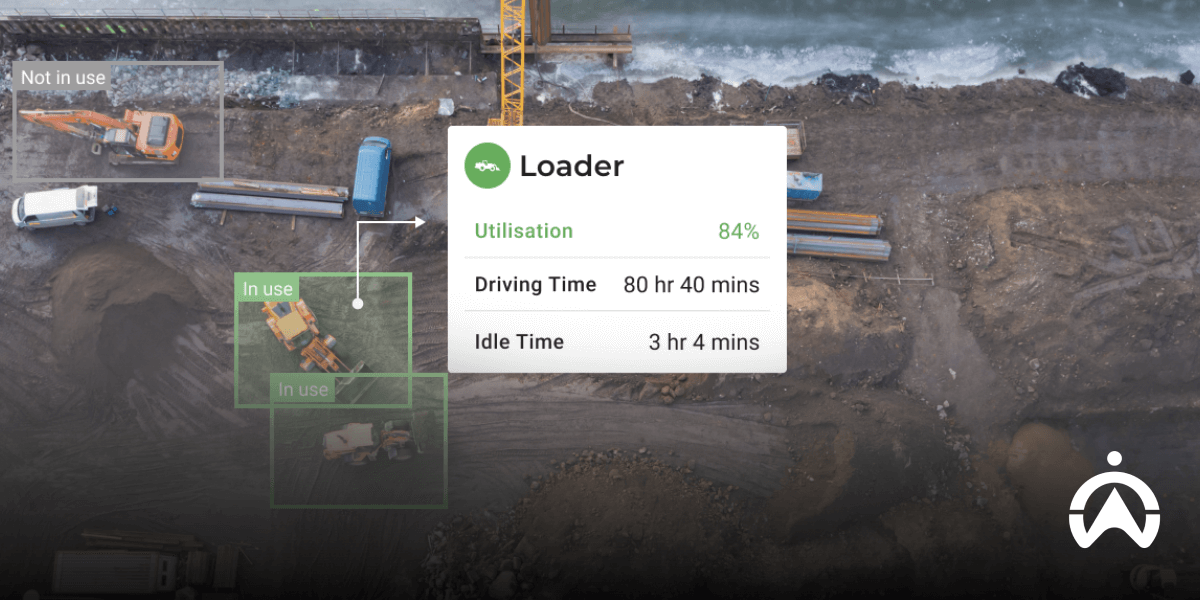
Aerial view of the construction area with heavy equipment loaders monitored using a Jakarta GPS tracker to track work and idle time.

Advantages of Using a GPS Tracker in Jakarta

1. Real-time location monitoring via web/app

As a major city, Jakarta boasts advanced infrastructure and excellent connectivity, making real-time vehicle tracking highly feasible. You can access your vehicle's location through a dedicated website or mobile app.

2. Security features

With the geofencing feature, you can set boundaries for your operating areas and receive notifications if a fleet vehicle leaves the designated zone. You can also enhance security with the immobiliser feature and verify deliveries using trip history.

3. Operational efficiency for transport businesses

A GPS tracker can also record important data, such as speeding habits and stopping with the engine running (idling), which affect fuel consumption. By understanding this data, you can establish policies to improve efficiency.

4. Responsive local technician support

Another advantage of running a business in a large city is easier access to after-sales service. You do not need to worry if there are any issues while using the GPS device, as technicians from the service provider can arrive promptly.

Cartrack Jakarta GPS Tracker Installation

Cartrack offers GPS trackers integrated into its Fleet Management System for comprehensive fleet monitoring. The advantages of Cartrack's GPS trackers include:

  • Real-time GPS tracking

  • Vehicle trip history

  • Geofence Configuration (work zones/restricted zones)

  • Detect aggressive driving behaviour (harsh braking, rapid acceleration and sharp cornering)

  • Security notification

  • Automatic and periodic reports

  • Access dashboard via web & app

  • 24/7 customer support

More than just a tracking device, Cartrack's Fleet Management System also allows you to add various other features, such as:

  • Fuel Monitoring: Fuel monitoring to reduce wastage and prevent fraud and theft.

  • AI & Non-AI Camera: Pemantauan visual dengan kamera untuk mengetahui perilaku berkendara pengemudi, mengawasi operasional, serta mengurangi blind-spot.

  • Delivery: A delivery management feature that allows you to schedule deliveries, manage assignments, and track shipments.

  • Maintenance: A maintenance management feature to schedule routine servicing and report accident damage to minimise downtime.

  • CarPool: A scheduling management feature for operational fleet usage to ensure all assets are used efficiently.

  • Mi-Fleet: A cost management feature to manage all fleet operational requirements, from tolls and fuel to traffic fines, and more.

  • Various IoT sensors: A range of additional sensors such as cargo door, temperature, cement mixer rotation, power take-off (PTO) sensors, etc.

  • Driver Identification: Identification of drivers using special tags, codes, and cards to ensure authority to use vehicles/heavy equipment.

  • Start Prevent: An immobilizer feature that prevents the vehicle from starting again after stopping and turning it off.

  • MiKey: Digital key for easy rotational use and to maximise security.

  • Panic Button: A panic button that can notify the fleet manager if there is an emergency situation so that the company can immediately send help.

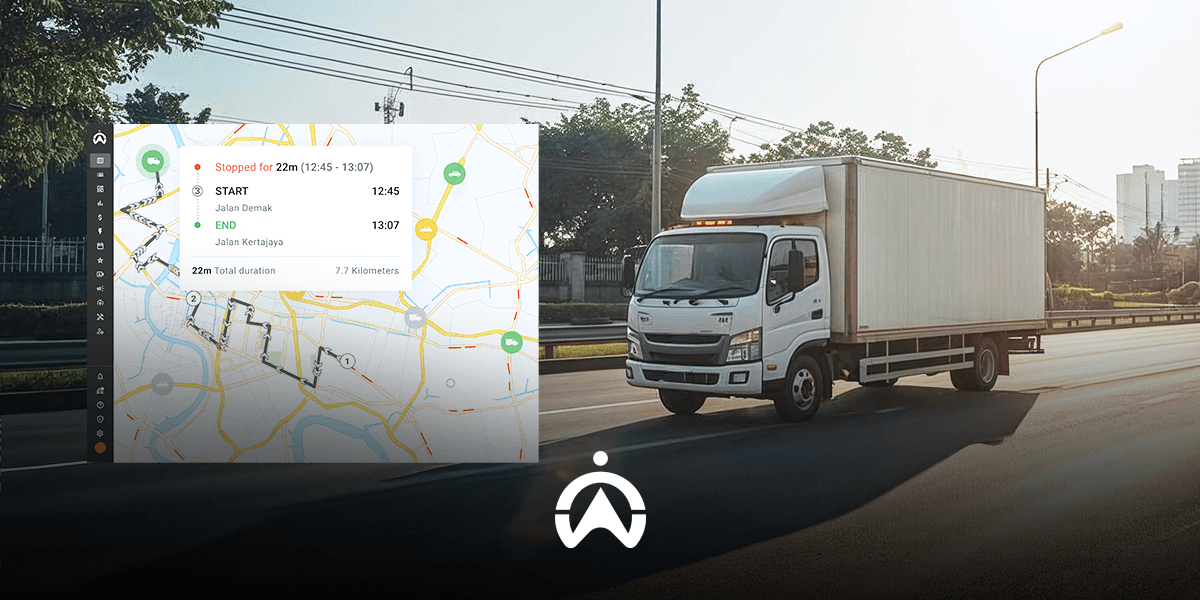
Map view of container truck tracking route on toll road, illustration of system using device from GPS tracker purchase place in Jakarta.

Pricing & How to Subscribe to Cartrack GPS Tracker Jakarta

You can get a GPS tracker from Cartrack with a subscription starting at Rp140,000/unit/month. Prices vary depending on the package you choose and the additional features you choose. The price includes:

  • Free device and installation

  • Free monthly internet quota

  • Software usage training by the Cartrack team

Complete the form on this page or contact us via the WhatsApp button below so our team can get in touch with you. Get the best offers for your business or company’s fleet operational needs.

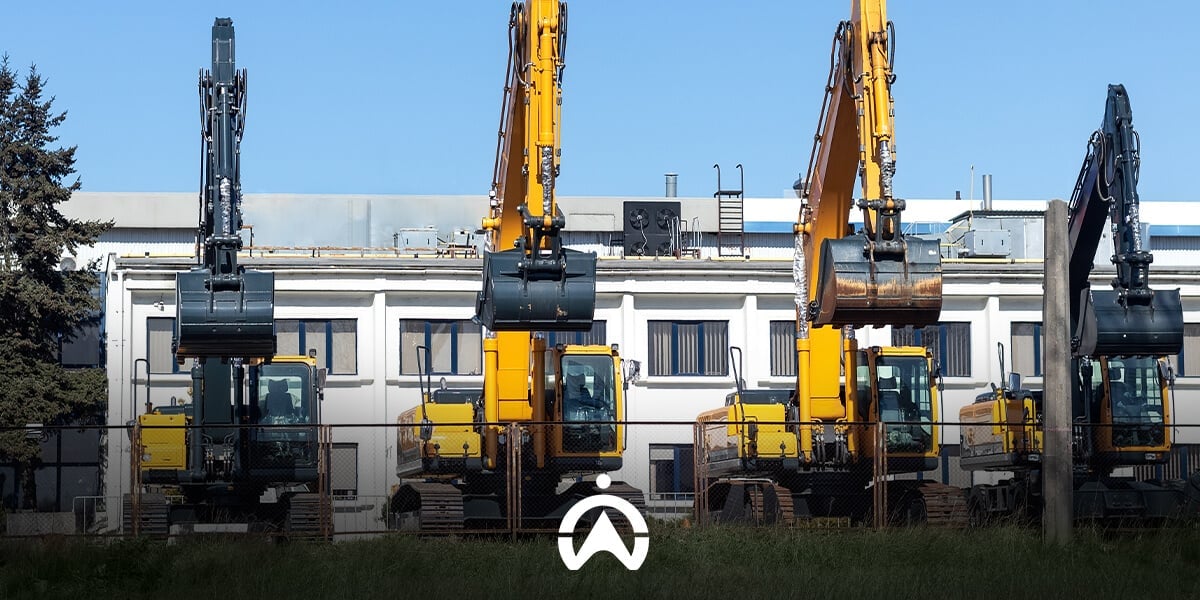
Excavator GPS for more efficient performance monitoring

In the construction and mining industries, every minute of heavy equipment, such as excavators, counts. However, it's difficult to track fleet performance without a proper monitoring system like an excavator GPS.

With a GPS tracker, you can monitor location, working hours, and even fuel efficiency in real time. This technology allows you to control field operations and save costs without having to monitor the site directly.

Also Read: Best Recommended GPS Applications for Trucks

Main Functions of Excavator GPS in Daily Operations

Here's how excavator GPS helps you monitor your fleet's daily operational performance.

1. Real-time tracking of tool position and movement

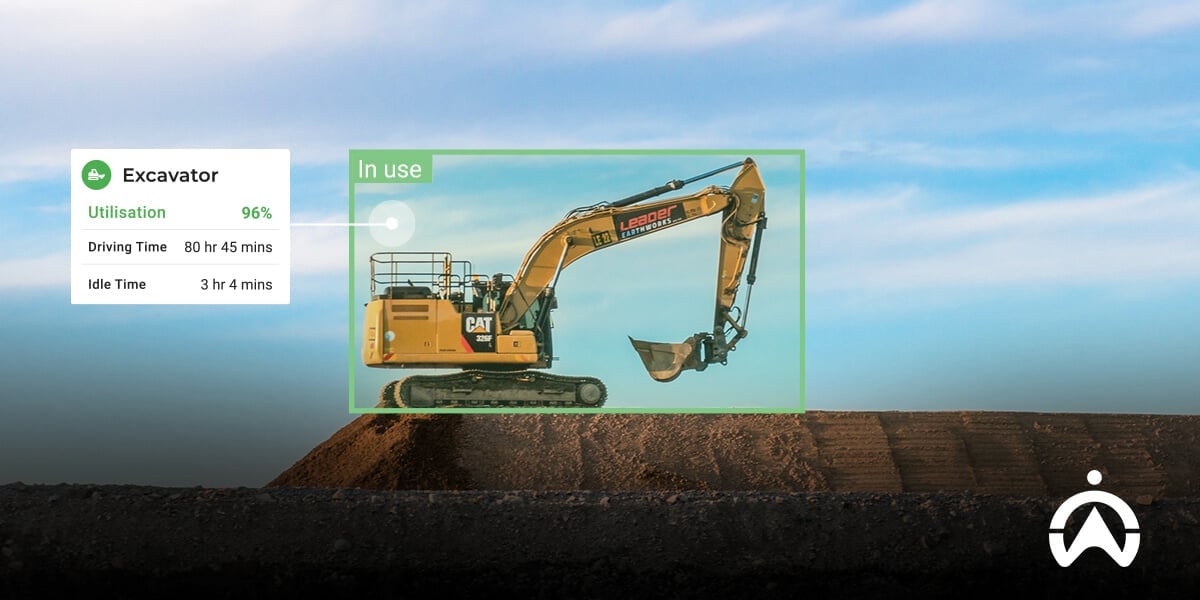
You can see the real-time location of all excavators, ensuring your fleet is on-site. Furthermore, you can see which equipment is active, idle, or inactive.

2. Monitoring fuel consumption and operator working hours

By adding sensors, you can also monitor fuel usage on each fleet. You can also find out the working hours of each heavy equipment operator so that field worker management is more efficient.

3. Detect misuse or movement outside the project area

The geofence feature helps you define work areas for each fleet. If an excavator moves outside the project site, it could indicate misuse or theft, and the system will immediately notify you.

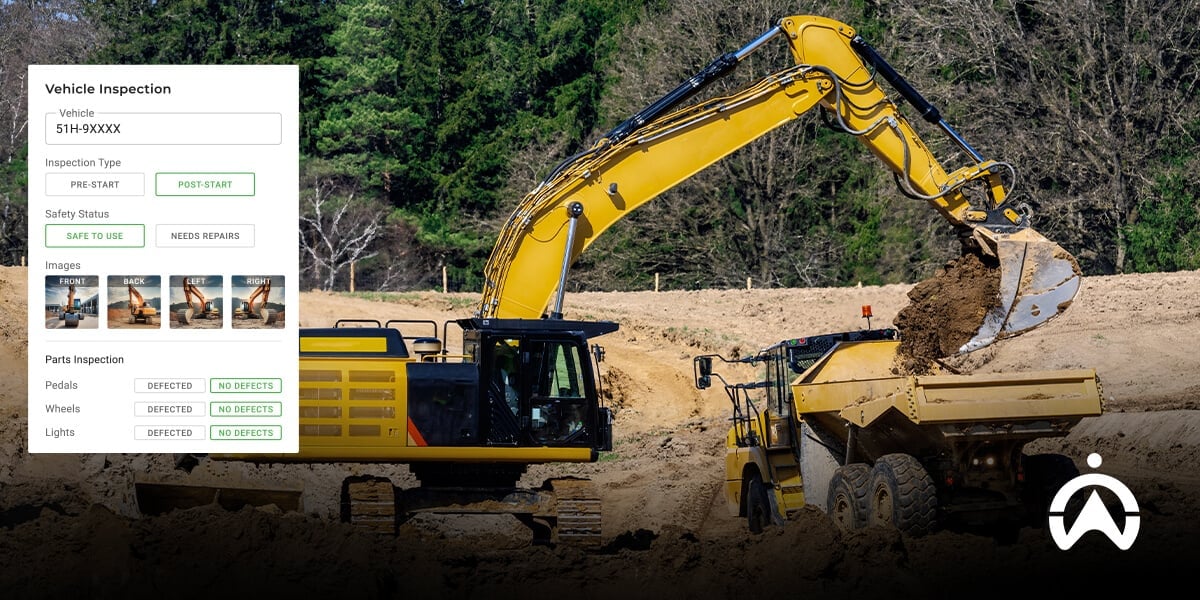
4. Automatic care and maintenance reminders

One of the challenges in managing heavy equipment is its maintenance and upkeep. Excavator GPS will help you automate maintenance and upkeep within a single dashboard.

Yellow excavator heavy equipment is operating in the project area with excavator GPS system for efficient performance monitoring.

Why Excavator GPS is Important for Business

For those of you who own a business that involves the use of heavy equipment, here are the benefits of using an excavator GPS for your business.

1. Operational and fuel cost efficiency

A GPS tracker allows you to monitor fuel consumption and detect potential waste. You can also perform operational evaluations based on data from aggressive driving behaviors such as speeding and excessive idling.

2. Prevent downtime due to unmonitored damage

Machine diagnostic data will help you monitor potential damage. The maintenance feature also makes it easier to schedule maintenance, allowing you to better manage your maintenance costs.

3. Increase security and reduce the risk of loss

Even if you have to manage multiple excavators at once, you can monitor them all from a single dashboard. You can also set work zones for each excavator and receive notifications if the unit leaves those zones.

4. Assist in analyzing the productivity of the excavator fleet

The data available from a GPS tracker isn't limited to location data, but also excavator usage data. You can find out when the unit is turned on, turned off, or when it's on but not moving (idling).

See Also: GPS Tracker for Bus: Easy Monitoring and Security Solution

How to Track an Excavator with GPS

A GPS tracker isn't a common feature on excavators, either as a navigation tool or a tracking device. To track the position and performance of your heavy equipment, you'll need to install a dedicated device called a GPS tracker.

Once the tracking device is installed on your heavy equipment, you'll be given access to a website or app that allows location monitoring. This allows you to obtain various data related to the excavator's operation.

You can get this tracking device by subscribing to a specific GPS tracker or Fleet Management System provider. One reliable option is Cartrack's Fleet Management System and GPS excavator.

GPS Excavator and Fleet Management System from Cartrack

Cartrack offers GPS trackers and a Fleet Management System suitable for various types of heavy equipment, including excavators. Some features that will make it easier for you to track and manage your fleet include:

  • GPS Tracker: GPS tracker for monitoring vehicle location while preventing misuse and theft.

  • Fuel Monitoring: Monitoring fuel usage to avoid waste and detect fraud.

  • AI & Non-AI Camera: Camera monitoring to ensure operator performance and risky activities such as smoking and drowsiness while the excavator is operating.

  • PTO sensor: A special sensor to ensure the excavator is actually working when the engine is running by tracking the activity of the excavator arm.

  • Maintenance: Software to manage excavator maintenance to minimise downtime due to previously undetected problems.

  • Driver Identification: An operator identification system in the form of a tag, code, or card to restrict access to heavy equipment.

Track and manage your heavy equipment more easily with a GPS tracker from Cartrack. With subscription prices starting at Rp140,000/unit/month, you can track and manage your fleet of excavators and other heavy equipment more efficiently.

Pricing varies depending on the package you choose and the features you wish to use. Complete the form on this page, and our team will contact you shortly with the best Cartrack offer.

A yellow excavator loads soil into a truck at a construction site, equipped with an excavator GPS system for efficient performance monitoring.

Types of trucks by function and configuration

Trucks are the backbone of land transportation that plays an important role in logistics, construction, to the distribution of everyday goods. Each type of truck has different specifications, ranging from function, load capacity, and wheel configuration.

This time, we'll discuss various types of trucks based on these three aspects. Understanding these aspects will make it easier for you to determine the type of truck to use for various operational needs.

Types of Trucks Based on Bodywork and Their Uses

Each vehicle has its own type and function according to the size and shape of the body (body) that becomes the cargo of the truck.

1. Pick Up Truck

A pickup truck is a small, open-backed vehicle typically used to transport small quantities of goods or for short-distance deliveries. These trucks are often used by moving companies or retailers offering intracity delivery services.

2. Box Truck

Also known as a box truck, this vehicle is equipped with a box-like body to protect goods from rain, dust, and the risk of damage. Box trucks are ideal for distributing retail, electronics, or other fragile goods.

3. Tank Truck

Specially designed with cylindrical tanks, these vehicles are specifically used to transport liquids such as fuel, water, or chemicals. Because the cargo is liquid, tank trucks are constructed of highly durable materials.

4. Dump Truck

Dump trucks have a special feature: a tiltable bed that can be used to dump or unload their cargo. These vehicles are typically used to transport construction materials such as soil, sand, and rock.

5. Flatbed Truck

Flatbed trucks have a distinctive design without walls or a roof, making them suitable for transporting large items. Some items frequently transported by flatbed trucks include steel pipes, logs, and vehicles and heavy equipment.

6. Wing Box Truck

The box on this unit can be opened from the side, resembling wings, making loading and unloading easier. The most common use for wing box trucks is for large-scale retail distribution, such as for fast-moving consumer goods (FMCG).

7. Reefer Truck

This vehicle features a special box equipped with refrigeration to maintain the temperature of the cargo. Reefer trucks are essential for cold-chain logistics, delivering fresh food, frozen products, and even pharmaceuticals.

8. Concrete Mixer Truck

Featuring a rotating drum, which mixes and maintains the fluidity of the concrete mixture during transit, concrete mixer trucks play a crucial role in industrial projects, ensuring the quality of the concrete is maintained.

9. Trailer Truck

Trailer trucks consist of a truck head, called a tractor head, and a trailer that can have more than 12 wheels. These trucks have a very large capacity, making them suitable for long-distance logistics, large construction projects, and import-export activities.

10. Off-Highway Dumptruck

Specialized vehicles designed to carry heavy loads off-road, such as in mining areas. One example is the haul dump truck, a mining truck with a very large size and capacity.
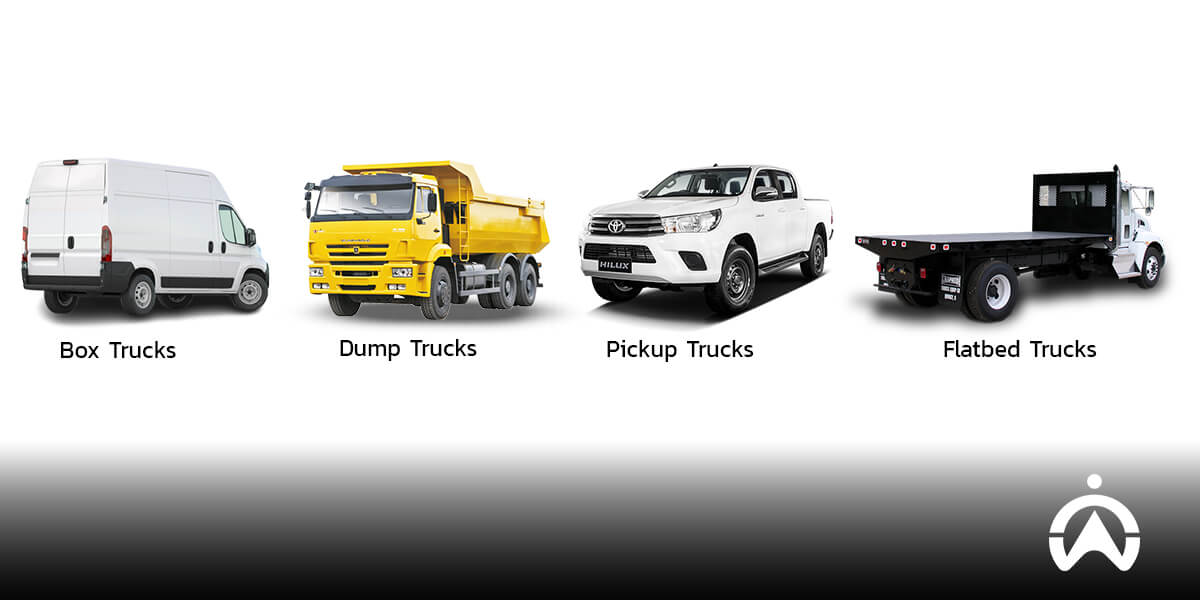
Four types of trucks based on their function and configuration, including box trucks, dump trucks, pickup trucks, and flatbeds with a white background.

Types of Trucks Based on Wheel Configuration

Apart from being based on function, trucks can also be differentiated based on their configuration and number of wheels, namely as follows.

1. Engkel (Colt Diesel)

Konfigurasi: 4×2 (4 roda, 2 sumbu, konfigurasi 1-1)

The term "single axle truck" refers to a two-axle configuration with two wheels at the front and one at the rear. These trucks come in a variety of shapes and functions, from open-bed trucks to closed-bed trucks (box trucks), to tanks.

These vehicles also come in various sizes, from small (1–2.5 tons), medium (2–3.5 tons), to large (4–5 tons). Their size allows single-axle trucks to be used flexibly for short-distance deliveries, such as within cities.

2. Double (Colt Diesel Double/CDD)

Konfigurasi roda: 4×2 (6 roda, 2 sumbu, konfigurasi 1-2)

Double trucks have six wheels, with two on the front axle and four on the rear axle. The term "double" refers to the rear axle, which has two wheels on each side.

A CDD is a medium-duty truck with a larger capacity than a single axle, but still compact enough for urban roads. Double axle trucks can carry between 4 and 14 tons, making them suitable for medium-scale deliveries.

3. Tronton

Konfigurasi roda: 6×2 (10 roda, 3 sumbu, konfigurasi 1-2-2)

The tronton is the most common type of cargo truck and is frequently used for various industrial purposes. This vehicle can carry mining products, construction materials, and even agricultural products weighing up to 30 tons.

It has 10 wheels divided into three axles: one at the front and two at the rear. Configuration-wise, the tronton is the opposite of the trintin truck, which has two axles at the front.

4. Eraser

Konfigurasi roda: 6×4 (8 roda, 3 sumbu, konfigurasi 1-1-2)

The Trintin has eight wheels and three axles in a 1-1-2 configuration, with the front and center axles close together. Four-Wheel Steering (FWS) technology allows all four wheels to be controlled by the steering wheel, improving maneuverability.

This type of truck can carry loads of up to 20 tons over medium distances, such as between cities. Items that can be loaded with a trintin include agricultural products, construction materials, and mining materials.

5. Trinton

Konfigurasi: 8×4 (12 roda, 4 sumbu, konfigurasi 1-1-2-2)

The Trinton is a 12-wheel, 4-axle truck with a 1-1-2-2 configuration, a combination of the Trintin and the Tronton. Like the Trintin, all four front wheels are FWS-controlled, making it just as maneuverable as the Trintin.

You can use the Trinton to transport a variety of materials, from crops to construction materials, with a payload capacity of up to 40 tons. Not only does it have a large capacity, but this vehicle is also suitable for long-distance travel over challenging terrain.
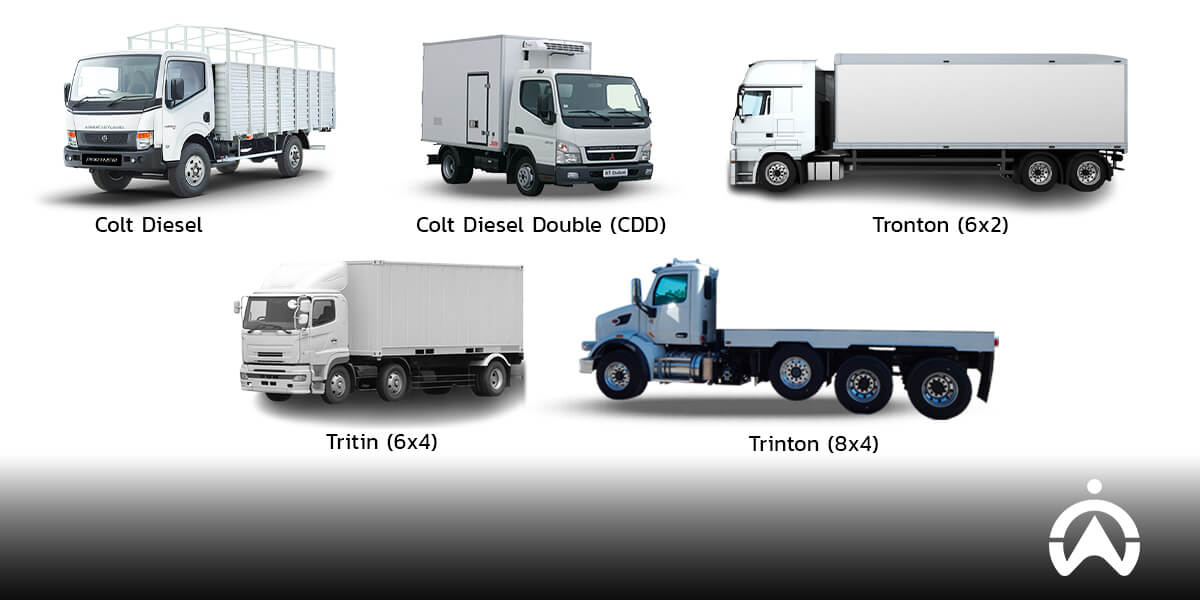
Five types of trucks based on wheel configuration and capacity, including Colt Diesel, Tronton, and Trinton with a white background.

How to Read Truck Wheel Configuration

Dalam menyatakan konfigurasi roda truk di atas, Anda menemukan angka seperti 4×2 atau 6×2 yang sering dianggap membingungkan. Kode angka tersebut adalah kode konfigurasi roda dan penggerak yang ada pada truk dan bus yang berlaku secara internasional.

The first number indicates the number of wheels on each axle (left + right), where dual tires are counted as one wheel per side. The second number indicates the number of drive wheels powered by the engine.

For example:

  • 4×2 artinya terdapat 4 roda posisi dari 2 sumbu, dengan 2 roda penggerak. Misalnya pada jenis truk engkel dan double. Meskipun roda belakang truk double diisi dengan 2 ban per sisi sehingga ada 6 ban secara fisik, konfigurasinya tetap dihitung 4×2.

  • 6×2 artinya terdapat 6 roda posisi dari 3 sumbu dengan 2 roda penggerak. Contohnya adalah tronton yang 2 dari 3 sumbunya diisi oleh ban ganda sehingga jumlah bannya menjadi 10.

  • 6×4 artinya terdapat 6 roda posisi dari 3 sumbu dengan dan 4 roda penggerak. Seperti pada trintin di mana sumbu belakang diisi ban ganda sehingga jumlah ban fisik menjadi 8.

  • 8×4 artinya terdapat 8 roda posisi dari 4 sumbu, dan 4 roda penggerak. Contohnya seperti pada trinton yang mana 2 sumbu roda belakangnya memiliki ban ganda sehingga jumlah ban fisiknya menjadi 12.
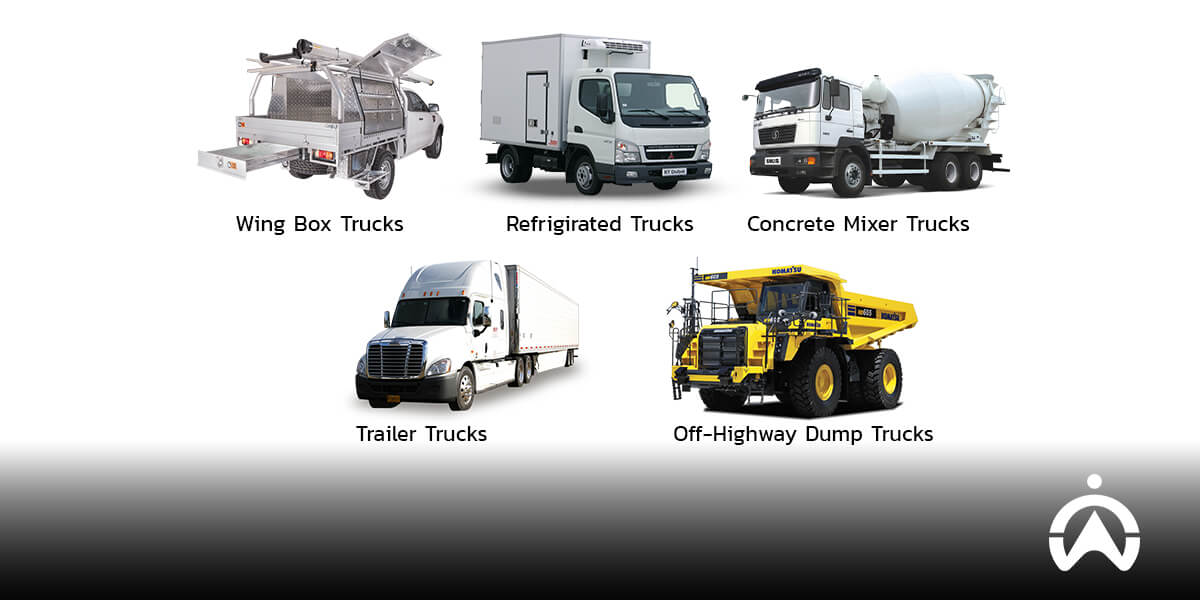
Illustration of various types of trucks based on their function and configuration, from wing boxes, cement mixer trucks, to trailers.

Factors to Consider When Choosing a Truck Type

When you want to determine the type of truck for your operational fleet, there are several things you should consider first.

1. Type of load

Each type of cargo requires a different type of truck and a suitable body. Therefore, you need to determine the type of goods to be shipped and estimate the appropriate vehicle type from the outset.

For example, if your company needs a fleet to ship liquid goods, you'll need a tanker truck. If your business focuses on shipping frozen food, you'll need a reefer truck.

2. Load capacity

Indonesia has specific regulations regarding the weight of operational vehicles, and even has scale bridges at certain locations to verify this. Oversized and overloaded vehicles can be impounded, and companies can be penalized.

Furthermore, using vehicles that don't meet their load capacity will leave your fleet vulnerable to damage. To avoid these operational losses, you need to choose trucks that are appropriate for the loads you'll be carrying.

3. Distance traveled and road conditions

The wheel configuration of a truck is closely related to the type of roads it will be used on. If your vehicle will frequently be off-road, you should consider a vehicle suited to that need, such as a tronton (trailer truck).

Furthermore, the distance to be covered during the delivery must also be considered, whether it's for long-distance or short-distance deliveries. Not all trucks are ideal for long-distance deliveries; for example, pickup trucks are only suitable for short distances.

4. Operational cost efficiency

The next consideration is the operational costs you'll incur when choosing a particular truck type. Be sure to also consider the fuel consumption of the unit you choose to ensure efficiency.

Also consider the unit's durability, as it impacts other operational costs, such as maintenance. Choose a truck with high durability, especially if your needs involve heavy-duty work like construction and mining.

5. Compliance and Regulation

Finally, you also need to consider applicable regulations in Indonesia, especially those related to safety standards. Ensure the dimensions of the bodywork (bed, box, etc.) do not exceed the regulatory limits.

Also pay attention to roads that prohibit heavy trucks such as trailers and 3-axle trucks. If the route you are traveling on applies certain restrictions, you will need to adjust the type of vehicle to meet these requirements.

Manage Multiple Truck Types with Cartrack Fleet Management

For companies looking to own a variety of trucks for various needs, you can manage them all with Cartrack's fleet management software. Some of Cartrack's top truck fleet features include:

  • GPS Tracking: A real-time tracking solution using GPS that allows you to monitor your entire fleet of trucks at once.

  • AI & Non-AI Camera: Visual monitoring solution to ensure the condition of the cargo and also the driver's activities while driving.

  • Fuel Monitoring: Fuel monitoring solutions with multiple sensors to reduce waste and prevent fuel theft and fraud.

  • Cargo Door Monitoring: Monitoring cargo door opening and closing activities to ensure security and early identification of fraud and theft.

  • Tailgate Monitoring: Monitoring the tailgate or rear door that can be lowered to ensure the loading and unloading process.

  • Temperature Monitoring: Monitoring the temperature of the cargo to ensure the temperature is maintained throughout shipping and to prevent damage.

  • Driver Identification: A unique driver identifier in the form of a tag, keypad, or NFC to ensure the truck is only driven by authorized drivers.

  • Maintenance: Special features for routine maintenance management and truck repairs with the addition of a driver-specific application for damage reporting.

  • CarPool: Booking management software that allows vehicle use according to specific needs and schedules.

  • Delivery: Specialized delivery management software that allows you to organize shipments and couriers, track their progress, and receive proof of delivery.

Manage all your truck types in one dashboard with Cartrack. Complete your personal details in the form on this page, and our team will contact you with the best offer.

Know the types of heavy equipment based on its function

Heavy equipment plays a vital role in various sectors, from construction and mining to logistics. Each type of heavy equipment has its own specific function, and understanding these can help you choose the most suitable unit for a specific project.

On the other hand, the use of heavy equipment also requires proper fleet management to prevent operational costs from escalating and minimise downtime. Using Fleet Management System technology, you can comprehensively manage your heavy equipment fleet.

Types of Heavy Equipment Based on Their Function

There are many types of heavy equipment used for various needs, the following are the types of heavy equipment based on their function.

Heavy Equipment for Earthworks

Heavy equipment in this category is used for digging, moving, or leveling land. Some types of heavy equipment include:

1. Excavator

An excavator is a heavy equipment used for digging, trenching, and moving materials. This equipment has a boom, arm, and bucket, which are used to dig or move materials.

2. Buldoser (Bulldozer)

This tool is used to push soil, level areas, or clear land. The front of the bulldozer has a blade, which is used to push material during the leveling process.

3. Loader

As the name suggests, a loader is a tool used to move materials such as soil, sand, or gravel into trucks or other heavy equipment. There are many types of loaders, but they are generally equipped with a wide bucket at the front.

Read Also: How to Calculate Engine Hours and Why It's Important for Fleet Business

A yellow front loader type heavy equipment is moving gravel in the mining area based on its function.

Heavy Equipment for Material Transfer

The next type is heavy equipment that is used to lift and move materials in certain areas such as warehouses, ports, or construction areas.

4. Derek (Crane)

A crane is a machine used to lift and move materials vertically or horizontally. A crane has a boom, jib, and hook for attaching the object to be moved.

5. Forklift

A forklift is a tool used to lift and move pallets, boxes, or other items within a work area, such as a warehouse. The most prominent feature of this tool is the fork-shaped part, which can be raised and lowered as needed.

6. Telehandler

A telehandler is a combination of a forklift, with a distinctive fork-like front end, and a crane. The crane mast on this device allows for more flexibility than a standard forklift, making it suitable for a wider range of projects.

Construction Vehicles

Construction vehicles are heavy equipment used for various construction needs, such as dump trucks, cement mixer trucks, and tanker trucks.

7. Dump Truck

A large truck used to transport and move materials such as soil, sand, and rocks. The bed of this truck can be tilted to dump the material it is transporting.

8. Cement Mixer Truck

Concrete mixer trucks are equipped with special barrels for mixing and transporting concrete to ensure it remains fluid upon arrival at the project site. These trucks are equipped with a hydraulic system that allows the barrel to rotate continuously.

9. Tanker Truck

A truck equipped with a large tank to carry large quantities of liquids or gases. In construction projects, these trucks are commonly used to carry water for mixing cement or other liquid chemicals that may be needed during the project.

Heavy Equipment for Road Construction

The following are several types of heavy equipment commonly used in road construction projects.

10. Grader

A grader, or leveling machine, is a heavy piece of equipment used to level the ground or road surface at road or mining projects. The undercarriage of this vehicle is equipped with a blade that functions to level the ground.

11. Asphalt Paver

This machine is used to evenly spread asphalt on road construction projects. One of the key features of this heavy equipment is its hopper (asphalt reservoir) and auger (screw) for evenly spreading the asphalt.

12. Road Roller

The road roller's distinctive feature is the vibratory drum (a compacting cylinder) at the front of the vehicle. This drum allows the vehicle to compact asphalt that has been spread using an asphalt paver.

Heavy Equipment for Mining

Heavy mining equipment typically requires enormous lifting capacity and high durability. Here are some examples.

13. Mining Truck (Haul Truck)

Mining trucks are jumbo-sized trucks designed to transport enormous quantities of mining materials. These trucks are so large that they can carry up to 400 tons of material in a single trip.

14. Hydraulic Drilling Rig

As the name suggests, this tool is used to drill through soil and rock, both for mining and land clearing. This machine can move using a crawler (tracked wheel) which is suitable for mining sites.

15. Dragline Excavator

A specialised excavator typically used for digging in hard-to-reach, open areas. Unlike conventional excavators, which use hydraulic systems, this excavator uses a crane and cable system to lift its large bucket.

See Also: Heavy Equipment GPS to Prevent Misuse and Theft

Heavy Equipment Fleet Management Challenges

Heavy equipment operations are not only influenced by the selection of the right unit, but also various other challenges, such as:

1. High operational costs

Fuel is one of the largest expenses when your business uses heavy equipment for operations. Furthermore, maintenance costs, replacement parts, and repairs for unexpected damage are also potential significant expenses.

2. Downtime due to damage

Sudden unit failure will delay a project, especially if the damaged equipment plays a crucial role in the field. You could use another unit, which would also mean incurring additional costs to transport the unit to the site.

3. Difficulty in monitoring in the field

It's not uncommon for heavy equipment to be used in remote areas, making it difficult to monitor manually. When projects are conducted in rural areas, heavy equipment can potentially be used outside of working hours for side projects that are detrimental to the company.

4. Job security

The use of heavy equipment carries the risk of workplace accidents and violations of company regulations if not monitored. This will undoubtedly increase operational costs for fuel and maintenance.

5. Unit usage is not optimal

Another challenge in heavy equipment fleet management is uneven use of equipment, with some equipment being used frequently or infrequently. This can also be addressed with effective fleet management that maximises the use of all units.

See Also: 3 Benefits of GPS Trackers for Heavy Equipment Rental Companies

An aerial photo of a yellow excavator loading sand into a truck, showing one type of heavy equipment based on its function in the mining area.

Heavy Equipment Fleet Management from Cartrack

For companies renting various types of heavy equipment, or for companies owning multiple units, fleet management is certainly a challenge. Therefore, Cartrack offers solutions to every fleet management challenge.

Some of Cartrack's superior features for heavy equipment fleets include:

  • GPS Tracking: Real-time tracking of heavy equipment to prevent theft and misuse of vehicles.

  • Fuel Monitoring: Fuel monitoring to prevent fuel waste, misuse, and theft.

  • AI & Non-AI Camera: Camera solutions for visual monitoring of fleets to ensure vehicles are operating as they should.

  • Power Take Off Sensor: A special IoT sensor to ensure that heavy equipment does not move while it is working by using certain additional parts.

  • Cement Rotation Sensor: A special sensor to ensure the rotation of the drum on the cement mixer truck during the trip to the project location.

  • Tailgate Monitoring: Monitoring truck loading and unloading activities by tracking the tailgate activity of the rear door of the vehicle.

  • Driver Identification: A special identification mark to ensure that heavy equipment is only operated by authorised staff.

Easily monitor your various types of heavy equipment with Cartrack fleet management. Get comprehensive monitoring starting at IDR 150,000/unit/month, with prices varying depending on the package chosen and the number of vehicles.

Complete your personal data in the form on this page so that our staff can contact you to provide the best offer.