
Truck Fleet Management: Logistics Company Efficiency Solutions

Truck fleet management is more than just making sure the fleet operates every day. You have to manage fuel, routine maintenance, breakdown service, to ensure on-time delivery so that operations continue to run smoothly.

Without a good fleet management strategy, your business could face financial losses and lose many customers. That is why you need a smart fleet management solution, such as the Fleet Management System.

What is Truck Fleet Management?

Truck fleet management is an operational vehicle management system that includes location monitoring, maintenance scheduling, fuel consumption, and driver performance.

This effort involves using software to help simplify fleet management processes. The goal is to improve efficiency, safety, and compliance with regulations related to operational vehicles.

Currently, fleet management itself refers to the use of GPS trackers and telematics for real-time vehicle monitoring. This internet-based system is better known as a Fleet Management System.

Read Also: What Is Fleet Management in Logistics?
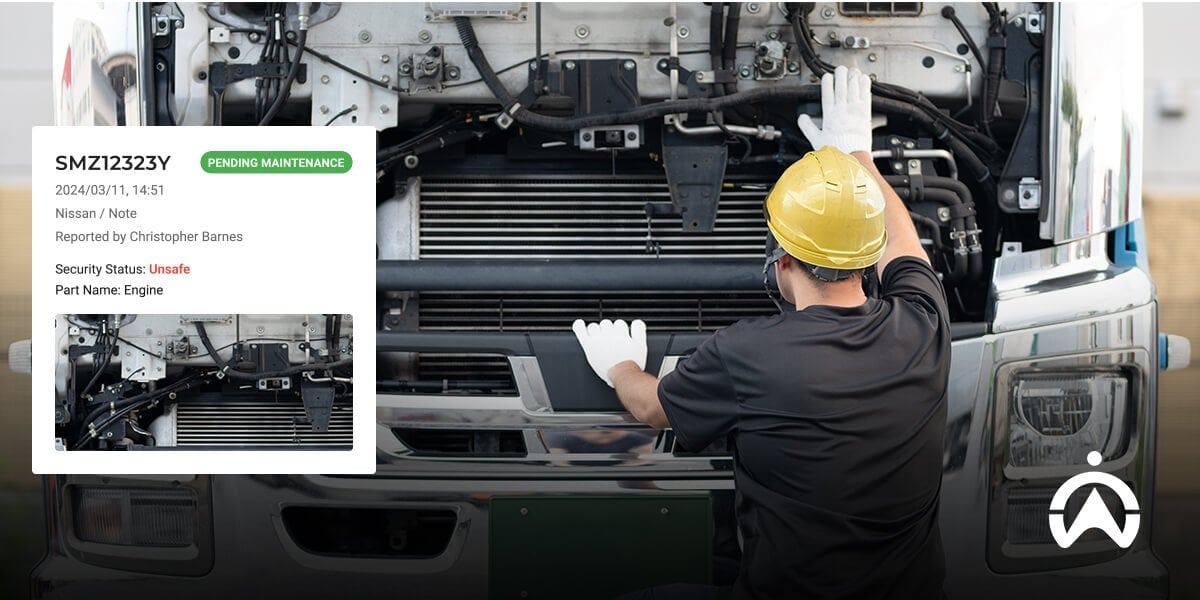
Mechanics check engines in logistics company truck fleet management for periodic maintenance reports.

What Are the Key Activities in Truck Fleet Management?

Following are some key activities that need to be implemented in fleet management for businesses and companies.

1. Vehicle monitoring

Vehicle monitoring involves using a GPS tracker to accurately determine the vehicle's location. This makes it easier for you to track the delivery's progress without having to contact the driver directly.

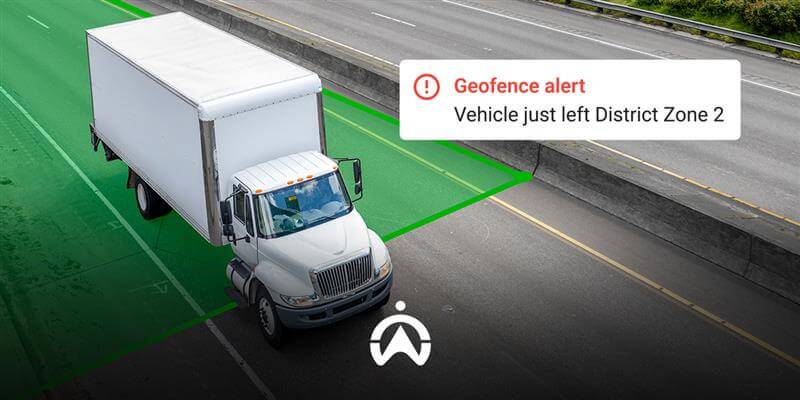
Selain itu, penggunaan   juga berkaitan dengan peningkatan keamanan, misalnya dengan fitur geofence. Ketika kendaraan dibawa kabur atau ketika pelacaknya dirusak, Anda juga akan langsung mengetahuinya.

2. Driver management and monitoring

Drivers need to be aware of many things, from their working hours and driving behavior to risky driving activities. Many drivers neglect their jobs due to a lack of monitoring.

Driving behaviors such as frequent speeding and sudden braking, or prolonged idling, can also impact fuel consumption. Meanwhile, activities like using a cell phone while driving can lead to accidents.

3. Fuel management

Fuel is one of the company's largest operational expenses and is also highly susceptible to wastage due to various factors. One of the biggest contributing factors is driver behaviour.

In addition, fuel is also vulnerable to fraud, such as manipulated fuel purchases. Cases of fuel theft are also common, and in some cases, truck drivers themselves are responsible.

4. Fleet maintenance & service

In addition to damage caused by unexpected accidents, companies often face other expenses related to sudden breakdowns. This is often due to a lack of regular truck maintenance and long working hours.

Unexpected repairs can be reduced by focusing on preventing vehicle breakdowns through regular inspections and maintenance. Not only is maintenance management cost-effective, but it also improves productivity while minimising downtime and failed deliveries.

5. Operational cost management

Fleet operating costs include fuel, maintenance and repairs, tolls, insurance, traffic tickets, and so on. Without proper bookkeeping, your expenses will be difficult to track and efficiency will be difficult.

Truck fleet management includes managing these expense records for future audits and evaluations. You can limit unproductive spending and optimise efficiency.

6. Safety & regulatory compliance

Another important aspect of truck fleet management is safety and regulatory compliance. For example, efforts to minimise accidents can be made by monitoring driver activity while driving.

In addition, there are specific regulations you need to comply with to ensure your operational vehicles can run without violating any rules. One example is the mandatory vehicle roadworthiness test (KIR), which must be carried out every six months but is often overlooked due to a lack of reminders.

7. Performance reporting

Every month, you need to monitor whether operations are running smoothly overall. Therefore, you need data containing all information about vehicle performance, drivers, activities, and routes traveled.

You can use this data going forward to identify potential waste, ineffective performance, or problematic drivers. This way, you can make strategic decisions for better operations and maximise efficiency.

Benefits of Implementing a Fleet Management System for Trucks

By implementing truck fleet management, you can get various benefits as follows:

1. Maximise efficiency

One of the main benefits of implementing truck management is increased efficiency. This can be seen in fuel consumption, routine maintenance, and faster and more efficient delivery times.

2. The location of the vehicle can be known with certainty

You no longer have to guess where your shipment is, because you can check it in real time on the monitoring platform. This monitoring is also useful for detecting vehicle theft or misuse.

3. Increased security of fleet and goods

Fleet management also enhances the security of your fleet and goods, for example, by providing notifications when a vehicle is started without authorization. Or by setting up geofences, which allow you to receive notifications when a vehicle leaves the work area.

4. Facilitate regulatory compliance

Implementing truck management will also make it easier for you to comply with regulatory requirements. For example, implementing safe driving practices, maintaining vehicle maintenance, and conducting routine roadworthiness tests on time.

5. Data analytics for business decisions

If done correctly, you'll have data and information about vehicle operations. This data can then be used to make strategic decisions for your company.
A red container truck drives on a toll road with a GPS icon as an efficient solution for logistics truck fleet management.

Cartrack Fleet Management System for Truck Fleet Management

Using a Fleet Management System will help you simplify the entire truck fleet management process. This way, you can achieve efficiency and reap all the benefits.

Cartrack's Fleet Management System offers a comprehensive solution for managing your operational fleet, namely:

  • GPS tracker: Real-time vehicle location tracking with geofence feature to detect suspicious activity.

  • Fuel Monitoring: Fuel monitoring with a fuel floater, fuel probe, or CANBus to detect waste and theft.

  • AI & Non-AI Camera: Fleet and driver camera monitoring with AI technology that can provide voice alerts when it detects risky activity.

  • Delivery: Delivery management to simplify scheduling, task allocation, route optimisation, and delivery tracking.

  • Maintenance: Fleet maintenance management, including routine maintenance, service scheduling, and accident reporting directly from the driver app.

  • Mi-Fleet: Cost management to document expenses for various operational needs, ranging from fuel, insurance, tolls, and so on.

  • Driver Scorecard: Driver assessment using scores to identify driving behavior.

  • IoT Sensor: Several sensors that can be added to trucks include Temperature Sensor, Cargo Door Sensor, and Power Take Off (PTO) Sensor.

  • Start Prevent: A theft solution that works by turning off the starter when the vehicle is turned off so it cannot be started again.

  • Panic Button: Panic button to notify the control room that there is an emergency such as robbery and so on.

Cartrack's Fleet Management System for trucks starts at Rp 150,000 per unit per month. This price includes the cost of the equipment, free installation, and training, but may increase depending on additional features desired.

Simplify your truck fleet management with Cartrack today. Fill in your details in the digital form on this page, and our team will get in touch with you to provide the best offer.
Understanding the Use of SIM Cards for GPS Trackers

Many people may not realise that GPS trackers are closely linked to the use of a SIM card. Without this card, you may not be able to track your vehicle in real time, even if its location is known to satellites.

This time, we'll discuss SIM cards for GPS trackers, which are crucial for vehicle tracking. How are they different from the cards we typically use in smartphones, and how do they work?

Why Does a GPS Tracker Need a SIM Card?

Before discussing further, we need to know first how GPS tracking devices work.

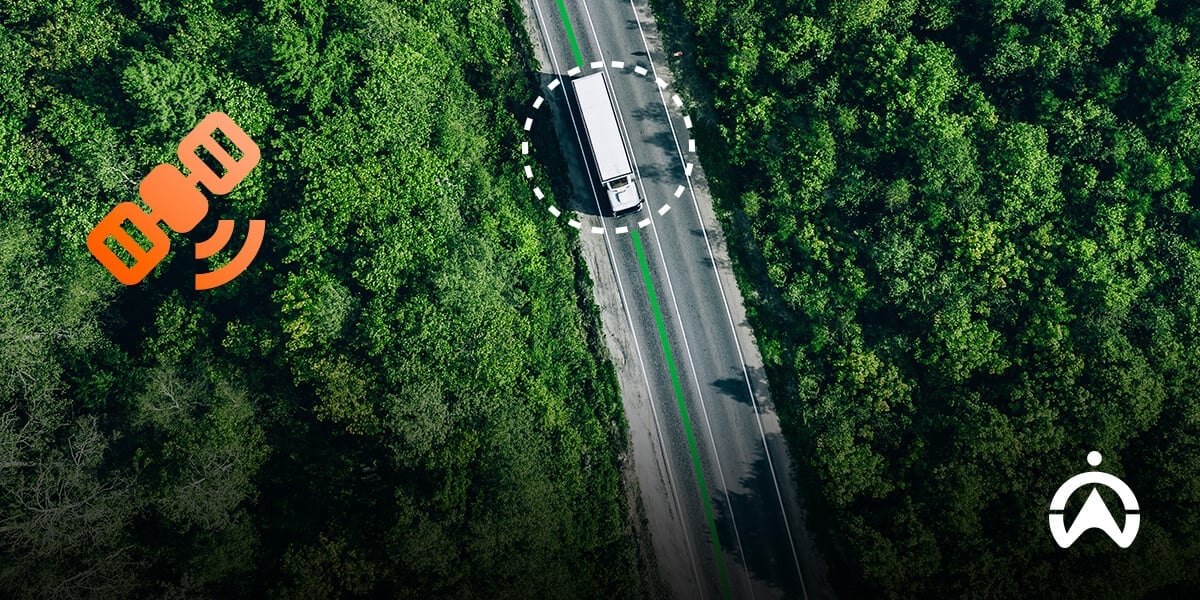
To determine a vehicle's location, at least five satellites must transmit signals that reach the vehicle's location. These signals are then received by the tracker, which can then determine the vehicle's position.

To allow you to access the data online, the tracking device uses an internet network to transmit data to the server. The data from the server can then be accessed in real-time via a Fleet Management System monitoring platform or dashboard.

See Also: What is a GPS Tracker? Read on to learn more!

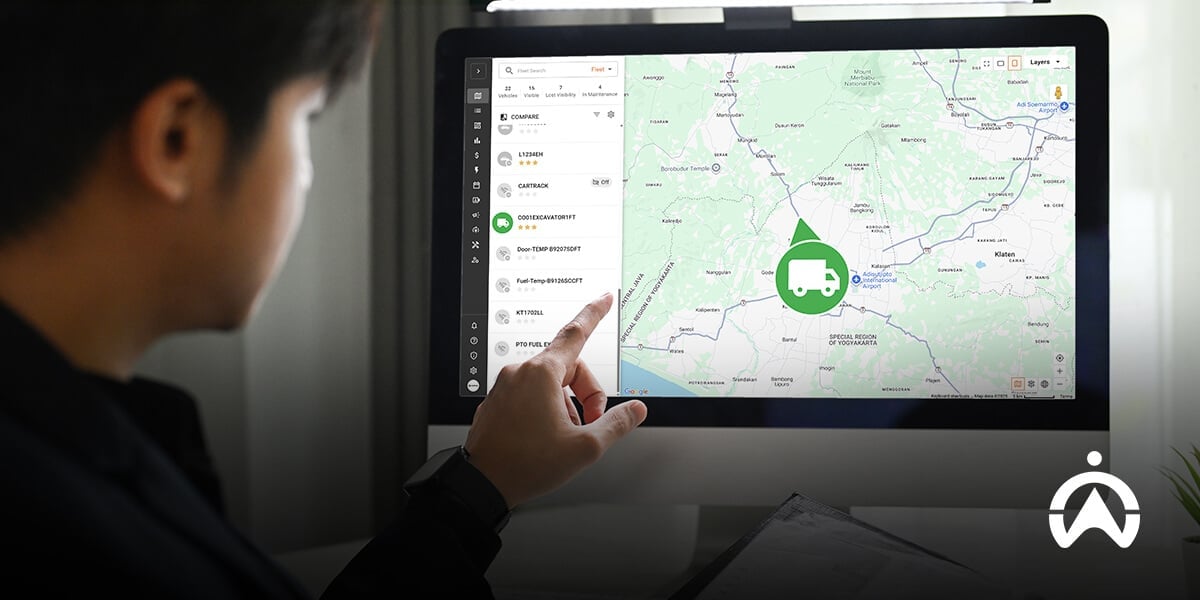
A person points to a computer screen displaying a fleet tracking map using a SIM card for a GPS tracker.

SIM Card for GPS Tracker

So, is the card used the same as the one we use in a smartphone? The answer is no. The card for a GPS is a specialised SIM designed for Internet of Things (IoT) and Machine-to-Machine (M2M) requirements.

Unlike smartphone SIM cards, which are used for human communication, SIM cards for GPS trackers focus on machine-to-machine communication. These cards allow devices to perform automation without human intervention.

For example, with GPS tracking, a SIM card allows the tracking device to automatically send data to a server. This allows location data to be tracked and settings such as notifications to be sent automatically.

Is the SIM Card for the GPS Tracker Sold Separately?

Purchasing a GPS tracker device doesn't always come with a data plan or credit to send data to the server. Often, you'll need to purchase a separate SIM card for the GPS and manually pair it with the device.

Some GPS tracking device providers offer free SIM cards and credit for a limited period. After that, you'll need to top up your SIM card yourself and ensure it's always active and has credit or data available.

Challenges of Managing SIM Cards and Credit

When purchasing a tracking device without a card and data plan, many people try using a regular SIM card. This option may seem cheaper at first glance, but it actually has its own drawbacks, such as:

  • Quota or credit runs out without you realizing it: The card must always be topped up so that GPS location data can still be accessed remotely.

  • Signal constraints: Signal quality for use   may differ from the signal quality on a regular SIM card.

  • Administrative burden: With cards that are not automatically always active, your team will need to manually check for active periods, balances, and quotas.

  • Unpredictable costs: Using data plans that are not specifically designed for IoT needs will make expenses more unpredictable.

Also Read: Best Car GPS from Cartrack

Aerial view of a truck on a forest highway connected to a car GPS tracker signal.

Cartrack GPS Tracker Subscription Free Internet Quota

Cartrack offers a different solution for GPS trackers: a subscription rental system that includes internet data. You don't have to worry about topping up your phone credit or data plan, as it's included in the subscription.

You'll also receive the tracking device without any additional costs. Furthermore, Cartrack provides free installation by our technicians.

With every subscription package purchase, you'll also receive software training from the Cartrack Trainer team. This training can be online or offline, depending on agreement and availability.

Other fleet management solutions from Cartrack that you can also add to your subscription package include:

  • Fuel Monitoring: Monitoring vehicle fuel using a fuel floater sensor, fuel probe, or CANBus.

  • AI & Non-AI Camera: Visual monitoring of drivers and fleets that allows you to live-stream video from cameras during the trip.

  • Delivery: Delivery management solutions, from scheduling, courier/driver assignments, to progress tracking.

  • Mi-Fleet: Expense management software that makes it easy for you to document expenses for various needs.

  • Maintenance: Simplify scheduling routine maintenance and receive instant reports from drivers about accidents and repair needs.

  • CarPool: Vehicle booking management that allows you to schedule the use of each vehicle.

  • Driver Scorecard: A system that scores drivers based on their driving behavior so you can identify drivers who need training.

For those of you who would like to find out more about fleet management solutions from Cartrack, please complete your details in the following form. Our staff will then contact you to provide an overview and the best quote for your requirements.

Also Read: Recommendations for the Best GPS Applications for Trucks

8 Causes of Inaccurate GPS and How to Fix Them

When you use Google Maps, there are times when your location is inaccurate, or the navigation to your destination is inaccurate. This can easily lead to you taking the wrong route and getting lost on dead ends or impassable paths.

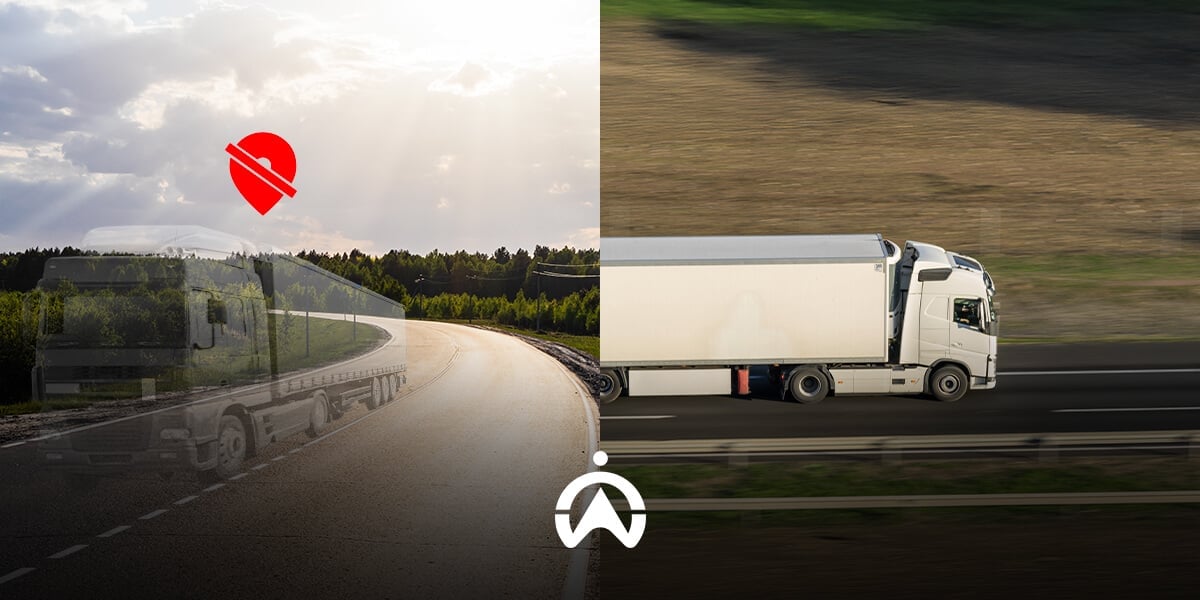
The same thing may also happen when you use a GPS tracker to monitor operational vehicles. At times, the vehicle's location may not be accurate due to the inherent limitations of GPS technology itself.

Knowing How GPS Works

GPS location determination uses the principle of multi-location, where location is determined by collecting data from at least five satellites. A car's GPS device receives and reflects satellite signals back to determine its location.

In a fleet management system, the telematics device installed in a vehicle is equipped with a SIM card. This allows the device to transmit data to a server, making the information accessible in real-time via the fleet management dashboard.

Read Also: The Best Car GPS from Cartrack

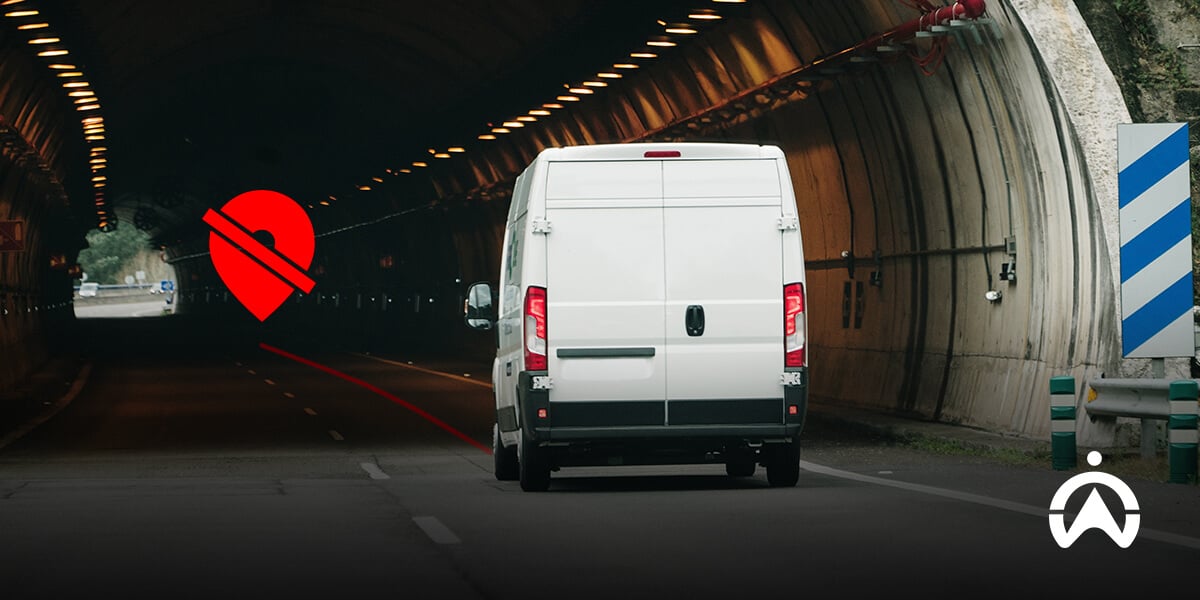
The white van was passing through a dark tunnel which triggered an inaccurate GPS problem due to signal loss.

8 Causes of Inaccurate GPS

There are several reasons why determining location with GPS becomes inaccurate or is hampered, namely:

1. Physical barriers

When you're in a location surrounded by buildings or bridges, signals can be obstructed or multi-pathed due to reflections. This can cause inaccurate location, as the reflected signals are also sent as data to the satellite, causing confusion.

2. Location indoors or in the basement

Being indoors also blocks GPS signal reception due to the concrete structure of the building. The same thing happens when you're in a building's basement or walking through a tunnel.

3. Cellular network problems

  Fleet monitoring uses the internet to send location information to a cloud server. When cellular networks are problematic, location data transmission may be delayed, resulting in inaccurate locations.

4. Cold start

A cold start occurs when a device is reactivated after a period of inactivity. The system typically needs time to download data from satellites to provide an accurate location.

5. Armored vehicles

Some types of vehicles have metal coatings, such as armored police tactical vehicles (rantis). This metal can interfere with the satellite signals needed by tracking devices to determine location.

6. Use of GPS blocker/jammer

Certain devices, such as GPS blockers or GPS jammers, can also prevent a vehicle from being tracked by GPS systems. If you track a vehicle with these devices installed, you won't be able to monitor it on a digital map.

7. Not enough satellites

GPS devices typically receive more than five satellites to accurately determine their position. Occasionally, satellites undergo maintenance or change direction, leaving certain areas out of range, causing GPS inaccuracies.

8. Problems with the device

Reason   Another possible cause of inaccuracy is a problem with the GPS device, such as a dead battery or other damage. You should check the device or notify your service provider for immediate attention.

Read Also: Understanding GNSS Navigation Systems and How They Differ from GPS

How to Fix Inaccurate GPS

Inaccurate GPS on smartphones and on GPS tracker monitoring dashboards can generally be resolved in the following ways:

1. Make sure the GPS feature is active

If you're using GPS navigation on your smartphone, first make sure the GPS or Location feature is enabled. If this feature isn't enabled, your device won't be able to receive signals from satellites and won't be able to use the navigation feature.

2. Check the internet network

Without an internet connection, applications like Google Maps can only be used within specific, pre-downloaded areas. Meanwhile, GPS trackers for fleet management use the internet to send location data to the server.

3. Update the application

If you don't have automatic app updates enabled, try manually updating GPS apps like Google Maps. Outdated software can often cause errors and bugs.

4. Hapus cache

If it still doesn't work, select the "Settings" menu on your smartphone, select the navigation app (Google Maps, Waze), then select clear cache. This will remove the app's usage "junk," making it run more smoothly and smoothly.

5. Enable high accuracy mode

You can also improve accuracy by enabling high accuracy mode in the location settings. This mode will increase accuracy by collecting data from cell towers (BTS), Wi-Fi, and Bluetooth in addition to location data from satellites.

6. Turn off battery saving mode

When you use battery saving mode, some features may be reduced in performance, including GPS or "Location." This will result in inaccurate positioning and possibly lead to "lost" navigation.

7. Go to an open place

When you're near tall buildings, in tunnels, or in basements, you'll naturally have difficulty picking up satellite signals. The only way to get an accurate location is to get out into the open and away from tall buildings.

8. Check for device damage

Finally, if the GPS is still inaccurate, you should check both the GPS device and the smartphone for possible damage. You may need to restart the device or possibly require a repair that involves disassembling it.

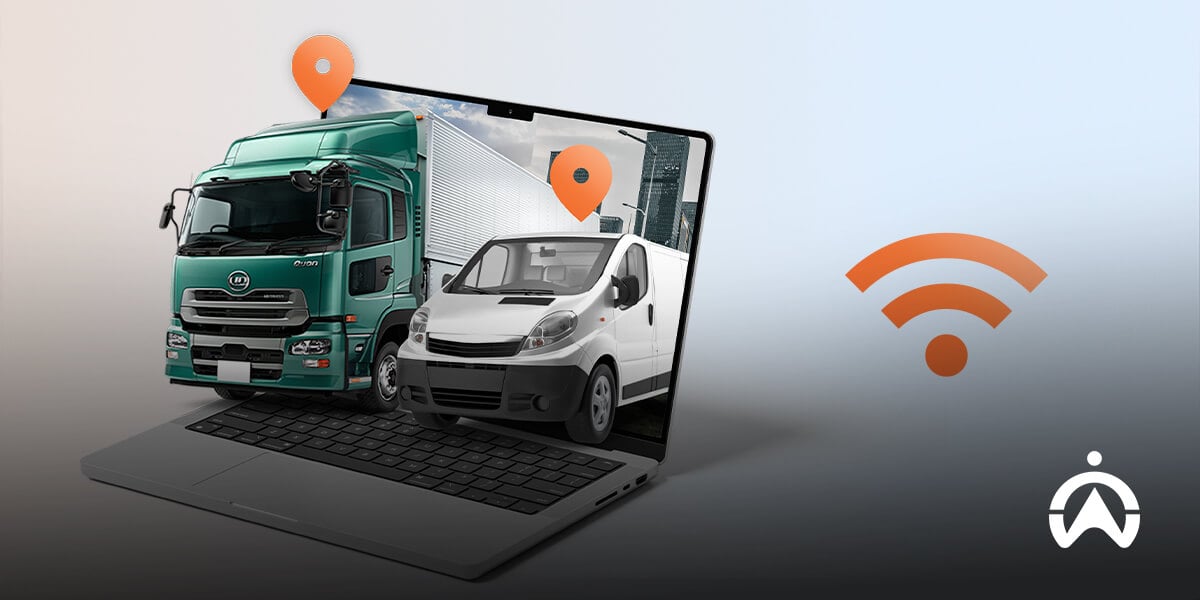
Illustration of vehicle tracking with trucks and vans coming out of a laptop screen, illustrating a solution when GPS is inaccurate.

High Accuracy GPS Tracker Recommendations from Cartrack

For fleet management needs, you need GPS tracker with high accuracy for optimal monitoring. You can use the GPS tracker which is part of Cartrack's Fleet Management System.

Some of the advantages of the GPS Tracker from Cartrack are:

With subscription rental prices starting at Rp150,000/month/unit, you won't be charged for the device or installation. You'll also receive a one-month internet quota and software training from the Cartrack team.

Furthermore, you can incorporate additional features such as fuel monitoring, AI or non-AI cameras, delivery management, and more. Provide your details in the form on this page to receive the best offer from the Cartrack team.

Temperature Sensors for Cold-Chain Logistics Fleets

Temperature sensors are key to preventing significant losses for companies, especially those in cold-chain logistics. Imagine if your food or medicine shipments were damaged simply because the temperature inside the cargo wasn't monitored.

Not only is there a financial loss from having to replace the product, your business reputation is also at risk because customer trust can be lostTherefore, you need to use a temperature sensor integrated into your fleet management system.

What is a Temperature Sensor?

A temperature sensor is a device that detects, measures, and displays the temperature of an object or environment. The data displayed on this device can be either analog (using a needle) or digital (numerical).

This device isn't just for measuring temperature; it can also be part of a specific related system. For example, a temperature sensor in an air conditioner for automatic temperature adjustment or a machine security system that can sound an alarm if the temperature reaches a certain limit.

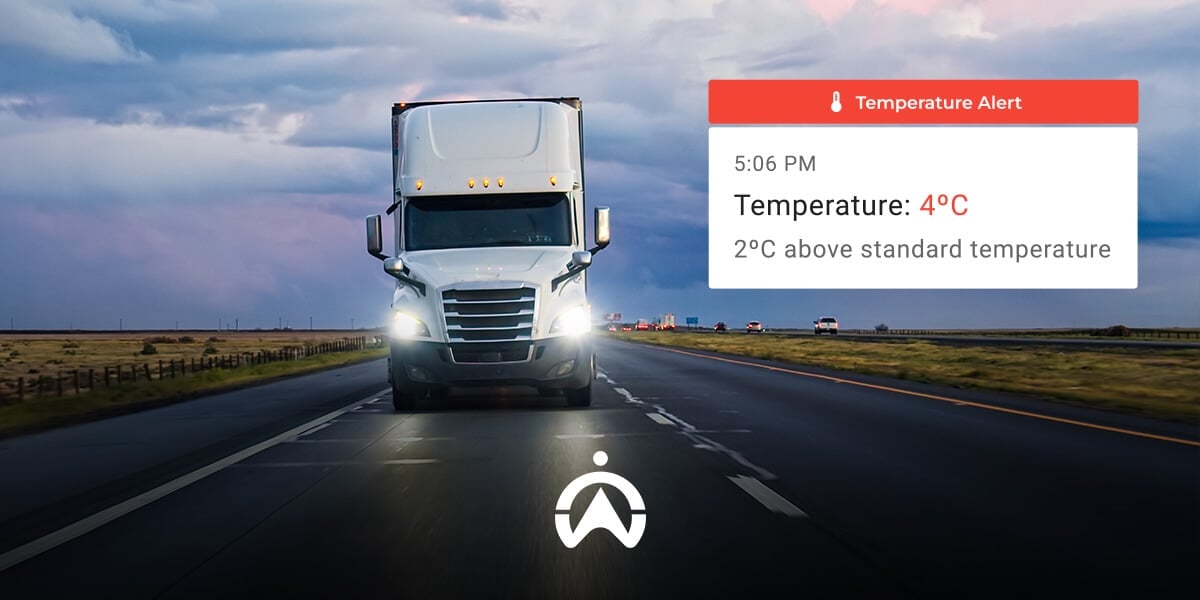
Temperature sensors also play a crucial role in fleet management, particularly in cold-chain logistics fleets, where temperature stability is crucial. These systems can provide automatic notification if there is a significant temperature change that could potentially damage the product.

How does it work?

Temperature sensors work by responding to temperature changes and converting them into electrical signals, which are then translated into data. To detect these temperature changes, some sensors involve direct contact with the object, while others don't.

Types of temperature sensors that involve direct contact include thermocouples and thermistors. Meanwhile, sensors that don't require direct contact with an object include infrared sensors, which are often used to measure human body temperature.

Use of temperature sensors in IoT systems This allows data to be sent to a server for access on the system dashboard. Furthermore, the data can be processed to activate specific automation, such as alerts for temperature changes within a certain range.

Monitoring the quality of tomatoes and watermelons using laptops and temperature sensors for cold-chain fleets.

Why Temperature Sensors Are Important for Companies

The use of temperature sensors is very important for companies because it is related to various things, such as:

1. Maintain product quality

In industries related to food, beverages, pharmaceuticals, and other cold-chain logistics, temperature stability significantly impacts product quality. Without temperature control, products can be damaged or rot by the time they reach their destination.

For example, when shipping tropical fruits like bananas, they may ripen during transit. If the cargo temperature rises, the ripening process will accelerate, which is not ideal for supermarket stock.

2. Regulatory compliance

If you want to expand your business internationally, there are international regulations and standards you must comply with regarding temperature monitoring. Failure to comply with these regulations could result in sanctions, loss of your operating license, and damage to your reputation.

The Guidelines for Good Distribution Practice (GDP) and Hazard Analysis and Critical Control Points (HACCP) are examples of globally applicable standards. Cold chain businesses generally use these standards in their operations.

3. Early detection of technical problems

Using a temperature sensor can also help you detect problems with your cold truck. Sometimes, the temperature of cold cargo can fluctuate due to factors such as loose doors or a faulty cooling system.

By knowing the abnormal temperature changes, you can identify technical issues more quicklyThis way, you can quickly find a solution to ensure smooth delivery and avoid losses due to product damage.

4. Operational Efficiency

There are situations where refrigerated cargo experiences excessive cooling, resulting in increased fuel consumption. One cause is the difference in temperature outside the cargo and the regulated temperature inside.

Overcooling often goes unnoticed due to various factors in the field. Temperature sensors help you detect signs of overcooling so you can adjust the temperature as soon as possible. to avoid waste.

5. Customer security and trust

By monitoring temperature, you not only ensure goods reach their destination but also ensure their quality is maintained. You can also register your business for recognition for meeting certain international standards.

This will gain the trust of existing customers and attract new ones. Your brand will be strengthened, and your company's reputation will improve, especially when compared to other companies in the same industry.

Also Read: Getting to Know the Internet of Things (IoT), How It Works, and Examples of Its Use

Use of Temperature Sensors in Fleet Management

Temperature sensors are used not only in everyday life and manufacturing, but also in logistics fleets. Some of their uses include:

1. Cargo temperature monitor

In cold-chain logistics, temperature stability during shipping significantly impacts the quality of the product being shipped. The use of temperature sensors helps drivers and delivery managers ensure product quality.

By ensuring product quality is maintained until it reaches its destination, you'll avoid potential losses due to damaged goods. You can also take immediate action if your cold truck experiences problems with its cooling system.

2. Real-time alerts

As part of fleet management, temperature sensors can also be used to automate reminders or notifications. This way, you can detect if the vehicle's cargo temperature increases or decreases below the ideal temperature during a trip.

The IoT sensors used in the Fleet Management System are connected to the internet, allowing data to be accessed remotely. This system also enables automation and instant notification.

3. Data integration with Fleet Management System

The Fleet Management System allows you to monitor your vehicles comprehensively, including using sensors. Internet connectivity also allows remote access to temperature sensor data.

Additionally, by integrating temperature sensors with fleet management, you can also receive monthly, daily, or weekly reports. This data can be used for policy analysis, performance evaluation, and more.

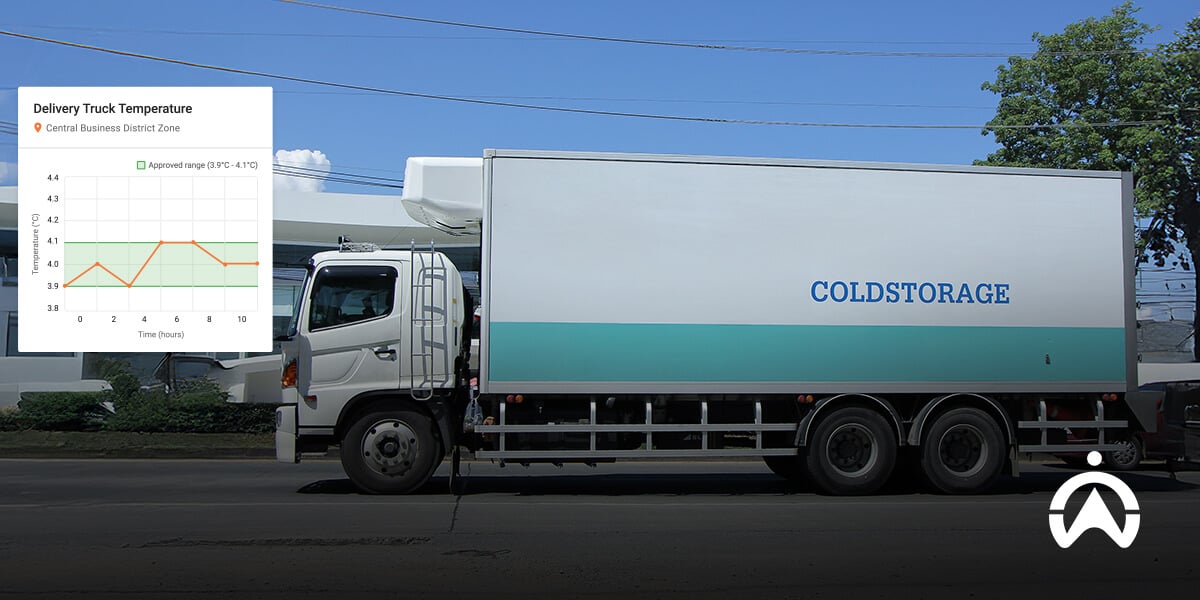
Cold-chain logistics trucks parked on the road with temperature monitoring graphs from the fleet's temperature sensors.

Temperature Sensor in Cartrack's Fleet Management System

One of the additional features you can add to Cartrack's Fleet Management System is a temperature sensor. This device is installed directly in the cargo area of ​​your fleet and connected to Cartrack's telematics system, allowing you to access the data from your dashboard.

To detect temperature changes based on cargo door opening and closing activity, you can also add a cargo door sensor. Furthermore, several other features that are equally important for comprehensive fleet monitoring include:

  • GPS Tracker: GPS tracker to find out the location of the vehicle in real-time, making monitoring easier.

  • Fuel Monitoring: Fuel monitoring using 3 types of fuel sensors according to the needs and type of vehicle.

  • AI & Non-AI Camera: Visual monitoring with dashcams and fleet cameras with or without AI technology.

  • Delivery: Delivery management solution to simplify task allocation, delivery scheduling, and route optimization.

  • Maintenance: Helps you to schedule and record routine maintenance and receive accident reports and repair requests from the driver app.

  • Driver Identification: An identification feature to ensure that only certain drivers can use authorised vehicles.

  • Panic Button: A panic button that drivers can use to notify the company if there is an emergency on the road.

All of these features will be connected into one system, so your fleet monitoring will be centralized in one system. Fleet Web monitoring dashboard, you can easily access all features and view data in real-time.

Price and How to Subscribe

You can choose the temperature sensor feature for free when you subscribe to Cartrack's Fleet Management System. Starting at Rp220,000, you'll get two additional features, installation fees, and a monthly internet quota.

Complete all your cold-chain fleet management needs with Cartrack and ensure product quality is always maintained. Fill in your personal details at the form on this page so that our staff can offer the best products and services from Cartrack for you.

Benefits of GPS Tracking for Electric Vehicle Companies

The trend of electric car adoption among businesses and corporations has increased in recent years. This is driven by demands for operational cost efficiency and the sustainability targets companies must achieve annually.

However, this transition presents new challenges for companies, from managing mileage to security risks. Therefore, using a GPS tracker for electric cars is no longer an option, but a necessity.

Why Electric Cars Need GPS Trackers

Managing an electric vehicle can be challenging due to its different characteristics than conventional cars. Here are some reasons why electric cars need a GPS tracker.

1. Vulnerable to theft

Despite their high purchase price, electric cars are equipped with sophisticated built-in security systems. However, company electric cars remain vulnerable to theft, especially since they operate without a physical key.

2. Complicated battery management

Another challenge with electric vehicles is battery management, as charging stations aren't always nearby. Route adjustments are necessary to prevent the car from running out of battery while far from a Public Electric Vehicle Charging Station (SPKLU).

3. Operational efficiency is more sensitive

One of the advantages of electric cars is their fuel efficiency and environmental friendliness. However, if used without proper route planning, the vehicle will require more frequent battery charging, which is certainly inefficient.

4. More expensive maintenance

Not only are electric cars relatively expensive to purchase, but maintenance can also be expensive if serious damage occurs and parts need to be replaced. Therefore, you need to pay attention to your driving habits and maximise preventive maintenance.

Also Read: GPS for Electric Motorcycles: Benefits of Using It for Business

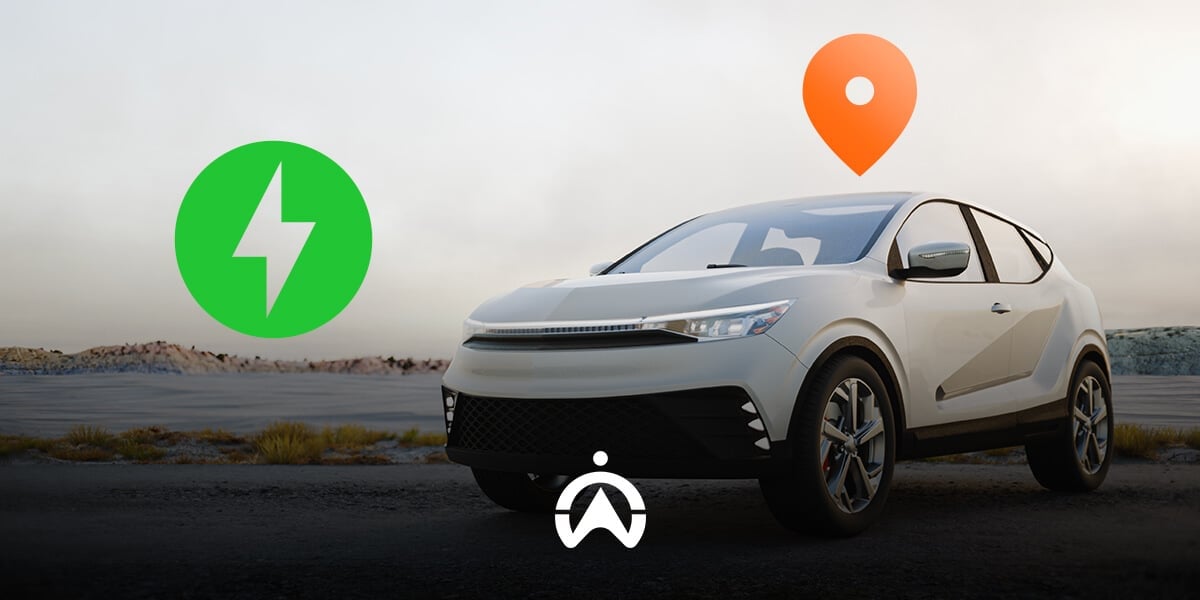
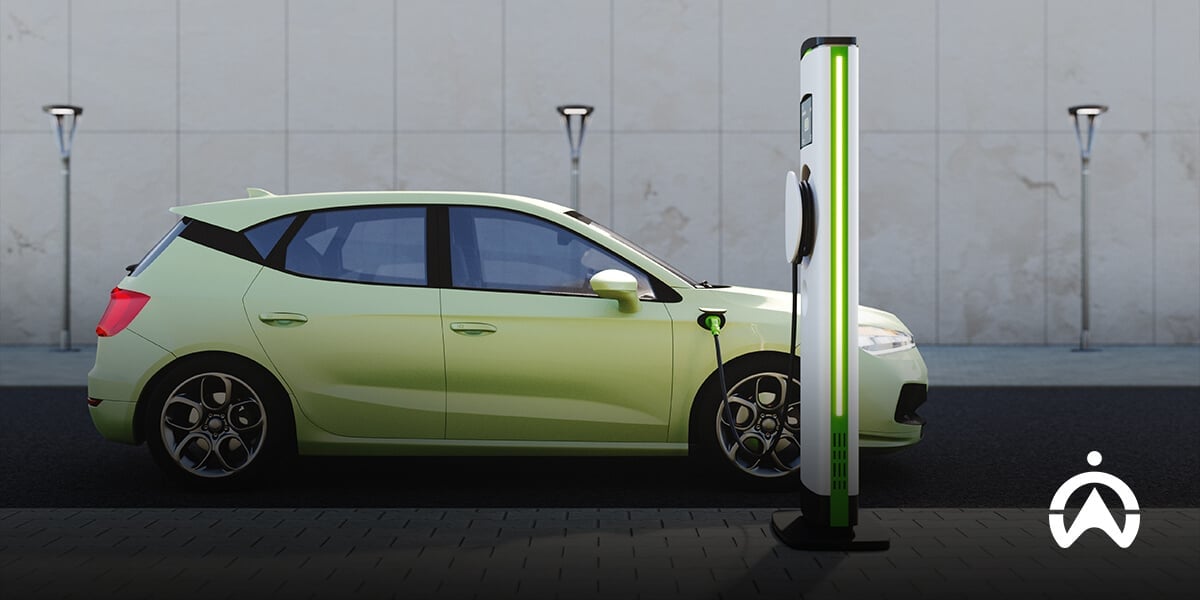
Company electric car charging at modern roadside charging stations.

How GPS Trackers Help Manage Electric Cars

GPS trackers are generally part of a Fleet Management System, which not only provides tracking but also includes fleet telematics. Some features that can help you are:

1. Real-time location tracking

This feature allows you to know the exact location of each company's electric vehicles. The GPS tracker is the foundation for other features such as route planning, geofencing, and so on.

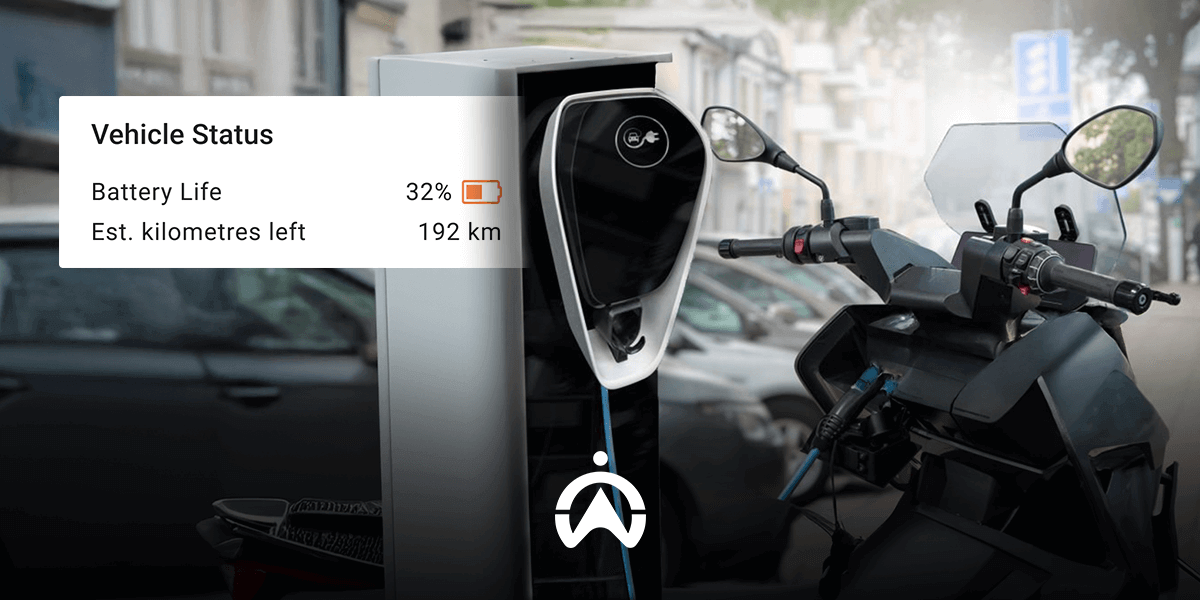
2. Battery status monitoring

Furthermore, existing fleet telematics also makes it easy for you to remotely monitor your vehicle's battery status. This way, you can know which vehicles need to go to the nearest service station (SPKLU) or charging station.

3. Route optimisation

GPS trackers also allow you to optimise routes so your vehicle can reach more destinations with the available battery. This will undoubtedly increase efficiency in both time and electricity.

4. Maintenance reminder

The built-in telematics GPS tracker makes it easy to schedule and set reminders for your electric car's maintenance. Not only maintenance, but also regulatory requirements like vehicle inspections, driver's licenses, and vehicle registrations can be set up.

5. Prevent theft

To prevent theft, you can set up notifications if your vehicle leaves a geofence, as this could indicate theft. You can also activate notifications if the vehicle is started without authorization to detect theft early.

Also Read: Best Recommended GPS Applications for Trucks

Benefits of Using Electric Car GPS Trackers for Companies

So, how can using a GPS tracker benefit your business or company? Read on for the explanation.

1. Operational cost efficiency

One of the advantages of using a GPS tracker for electric cars is the route optimisation feature. With an optimised route, you can minimise charging frequency, maximising efficiency.

2. Productivity

Optimal route planning will also directly impact vehicle productivity by reducing downtime caused by battery charging. Vehicles can reach more destinations with optimally planned routes.

3. Data transparency

GPS trackers and telematics devices will record all vehicle travel history and activity. This will facilitate audits and evaluations, providing reliable data for decision-making.

4. Asset security

Vehicle tracking can be an added security feature for your electric car. You can also enable notifications to detect if the vehicle leaves a designated area, starts up without authorization, or fails to arrive at its destination on time.

5. Driver performance evaluation

In addition to the vehicle, the driver's driving behavior is also a crucial factor in determining the vehicle's lifespan. You can receive driver performance reports that can serve as educational resources on the importance of good driving behavior.

Users monitor their carbon footprint via smartphone to see the benefits of GPS trackers for the company's electric cars.

Cartrack's Recommended GPS Tracker for Electric Cars

Cartrack offers a Fleet Management System solution with a GPS tracker that you can rely on to manage your company's electric vehicles. Some of the advantages of Cartrack's GPS tracker are:

  • Real-time GPS tracking

  • Vehicle trip history

  • Geofence Configuration (work zones/restricted zones)

  • Detect aggressive driving behaviour (harsh braking, rapid acceleration and sharp cornering)

  • Security notification

  • Automatic and periodic reports

  • Access dashboard via web & app

  • 24/7 customer support

Not only that, you can also add various other features according to the needs of each fleet, such as:

  • AI & Non-AI Camera: Visual monitoring with cameras to know the condition of the vehicle and driver in real-time.

  • CANBus: Battery monitoring with 90–95% accuracy, data will be recorded in the system and can be accessed via reports.

  • Maintenance: Maintenance scheduling with additional applications for drivers to make it easier to report damage due to accidents.

  • Driver Scorecard: Driver assessment based on driving behavior that can be used as performance evaluation material and also educational material.

Price and How to Subscribe

Cartrack's electric car GPS tracker starts at Rp140,000 per unit per month. You'll receive free hardware and installation, a monthly internet quota, and hands-on software training from the Cartrack team.

Simplify your electric car fleet management with Cartrack and avoid operational waste. Complete your personal details in the form on this page so our staff can contact you with information and attractive offers.

Read Also: The Best Car GPS from Cartrack

Heavy Equipment Maintenance: Types, Challenges, and Effective Methods

Sudden heavy equipment breakdowns not only delay work but also result in significant unexpected financial outlays. In some cases, this can even lead to lost profits as clients switch to other providers.

We often hear the saying "prevention is better than cure" in healthcare. This also applies to heavy equipment maintenance. Not only can you reduce significant repair costs, but you can also minimise unexpected downtime.

Types of Heavy Equipment Maintenance You Must Know

Similar to other types of fleet, heavy equipment maintenance consists of preventive, predictive, and corrective maintenance.

1. Preventive Maintenance

Preventive maintenance is maintenance performed even before any damage has occurred. This includes routine cleaning, oil changes, plumbing, or inspections of specific components.

2. Predictive Maintenance

In heavy equipment, predictive maintenance typically involves the use of sensors and fleet telematics or specific systems within the equipment itself. These systems are useful for early detection of potential damage to specific components before major damage occurs.

3. Corrective Maintenance

As the name suggests, corrective maintenance is performed when damage has already occurred and maintenance is needed to repair it. Corrective maintenance can be performed when damage is discovered during a routine inspection or when it occurs unexpectedly.

In addition to these three main types of maintenance, there's also overhaul maintenance, which is performed to meet specific industry or company standards. Furthermore, there's emergency maintenance, which is typically performed in the event of an emergency, such as an accident.

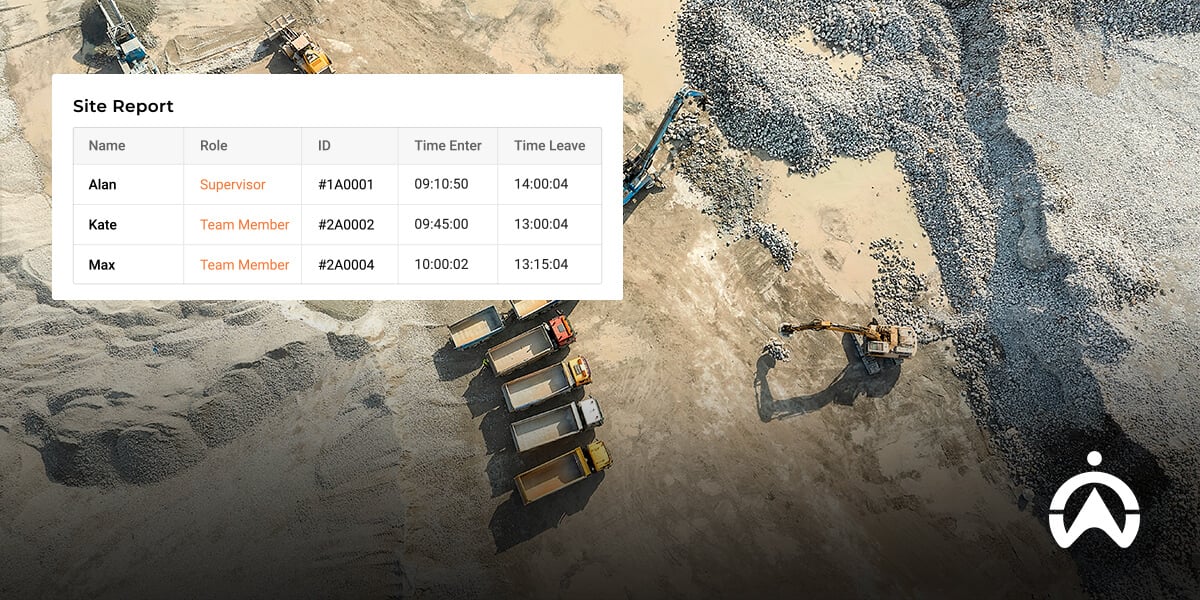
Aerial view of a construction site with trucks and excavators requiring regular heavy equipment maintenance.

Challenges in Heavy Equipment Maintenance

Heavy equipment maintenance can be a challenge in its own right. Some of the obstacles you might encounter include:

1. Forget the maintenance schedule

You may have planned for routine servicing, such as an oil change after 5,000 hours of use. However, this has been forgotten and delayed over time due to operational constraints and the lack of dedicated maintenance staff.

2. Lack of maintenance history data for each unit

When your business has a large fleet, another challenge is documenting previous repair history. You'll need to document each repair and manually record the data in Microsoft Excel or a spreadsheet.

3. Coordination problems

Poor coordination between operators, operational managers, and technicians can also contribute to delayed or missed maintenance. Furthermore, a complex operator problem reporting system can make it difficult for technicians to identify potential damage.

4. Service cost increases

Any major unit failure is almost always accompanied by a series of minor issues that may be overlooked due to a lack of regular inspections. Major failures involving major component replacement will, of course, result in significant repair costs.

Also Read: Preventive Maintenance: The Solution for a Long-Lasting, Durable Vehicle

Effective Ways to Maintain Heavy Equipment

If your company has historically only acted after damage has occurred, you need to shift your focus to prioritise preventative measures. This policy will naturally involve everyone, from operators and technicians to operational managers.

1. Implement regular check-ups

The first thing you need to do is implement routine inspections, whether daily, weekly, or monthly, as needed. This ensures the vehicle is always in good condition when you need it.

2. Clean the vehicle regularly

Using heavy equipment often involves dirt and mud that sticks and leaves marks. Therefore, regular maintenance is essential to prevent damage to critical components like the engine, wheels, and other parts.

3. Apply lubricant regularly

Moving components such as gears, hinges, and hydraulic systems are generally susceptible to damage and wear. Therefore, be sure to inspect these parts thoroughly and lubricate them regularly.

4. Replace worn parts

If any damage is detected during routine inspections or during operation, immediate servicing is required. If the problem is caused by a damaged part, consider replacing it immediately to restore optimal performance to the machine.

5. Use fleet sensors and telematics

The use of technologies such as sensors and fleet telematics will be invaluable in providing a variety of historical and real-time data. This will help you analyse and detect potential damage before major damage occurs.

6. Train staff and operators

Carrying out comprehensive maintenance requires the involvement of all parties involved. Therefore, ensure education and outreach are conducted for every policy, including when you decide to implement fleet management technology.

Also Read: Fleet Management System: Definition and Benefits for Business

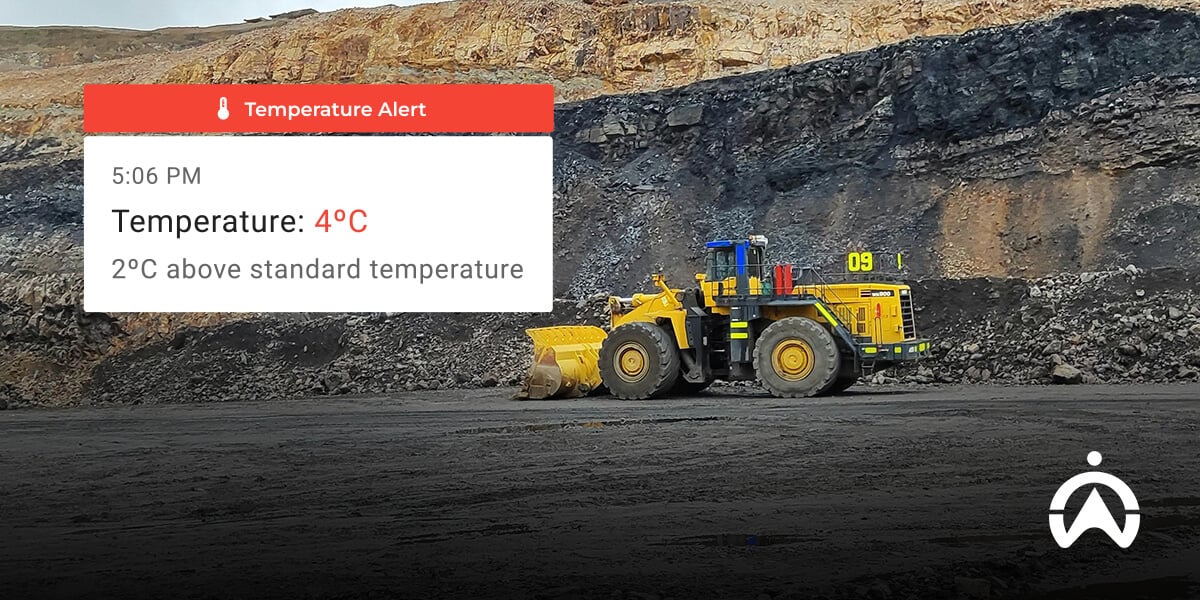
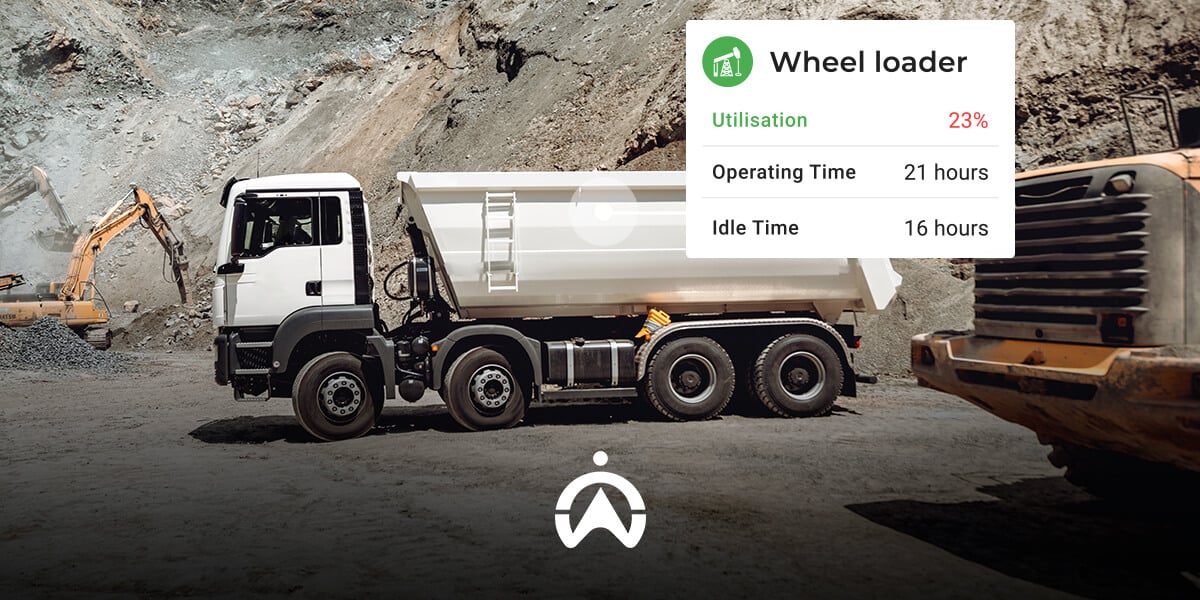
Temperature warning indicator on the monitoring monitor as part of the maintenance of heavy equipment such as mining trucks in the excavation area.

Simplify Heavy Equipment Maintenance with Cartrack

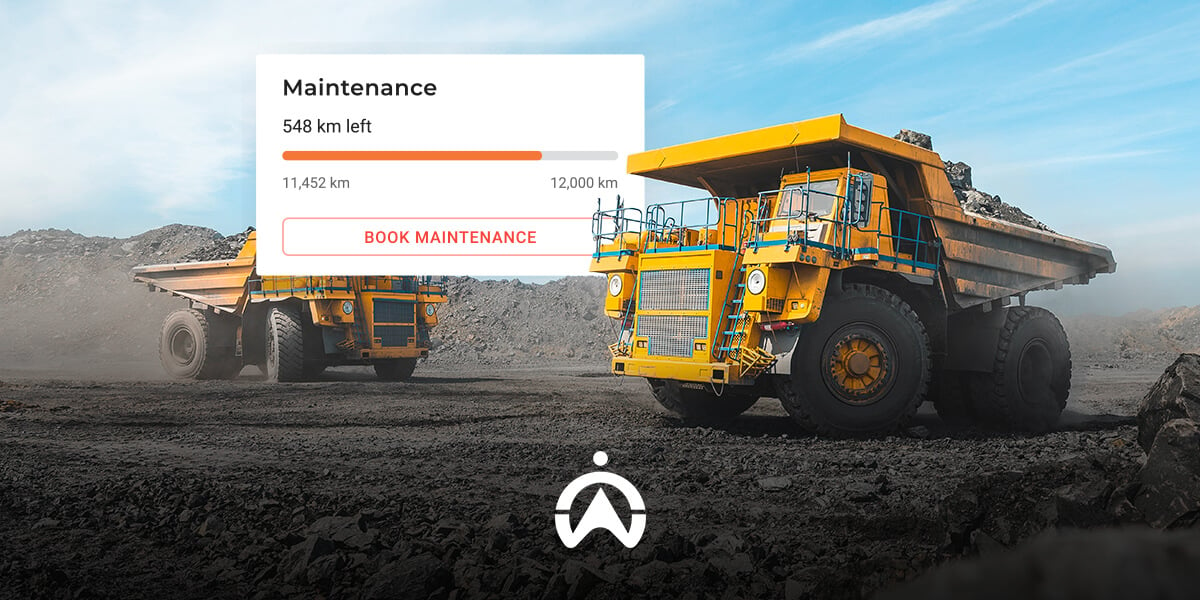
One of the featured features of Cartrack's Fleet Management System is the Maintenance feature, which allows you to manage the care and maintenance of your heavy equipment, from scheduling routine inspections and reporting accidents/incidents to repairs.

This feature eliminates the need to manually record all maintenance history in a separate system or document. Scheduled servicing also makes it easier to prepare and schedule replacement units for ongoing projects.

In addition to the Maintenance feature, Cartrack's Fleet Management System also provides other features that can help you manage operations, such as:

  • GPS Tracking: GPS tracking makes it easier for you to find out the location of heavy equipment, including those operating in remote areas.

  • Fuel Monitoring: Track fuel usage to identify waste, potential theft, and maximise efficiency.

  • AI & Non-AI Vision: Visual monitoring to ensure the unit is operating as intended and the operator is not performing any risky actions.

  • Power Take Off (PTO) Sensor: Sensor to ensure that idling occurs because the machine is being used for work.

  • Carpool: A feature for booking and scheduling fleet usage so there are no double scheduling or missed agendas.

Heavy equipment maintenance is one of the processes required to ensure smooth company operations. In addition to training and educating all staff on the importance of maintenance, you also need a system that streamlines the process.

Cartrack offers a Fleet Management System with Maintenance features that can help you simplify the complexity of maintenance management. You can access these features from a single dashboard for comprehensive fleet monitoring.

Improve efficiency in manpower, time, and costs by better managing your heavy equipment maintenance. Complete the form on this page, and our team will contact you for further information.

Also Read: Definition, Types, and Application of Vehicle Maintenance

GPS for Electric Motorbikes: Business Benefits and Advantages

In recent years, electric motorcycles have become increasingly common in Indonesia, including as part of operational fleets. However, the high rate of motorcycle theft in Indonesia continues to threaten the safety of your two-wheeled vehicle fleet.

One of the best solutions you can take to improve the safety of your fleet is to use a GPS tracker. Learn more about how using GPS for electric motorcycles can help your business.

Why Electric Motorcycles Need GPS Trackers

Like motorcycles in general, electric motorcycles are vulnerable to theft because they can be resold. Not only the entire motorcycle, but even components like the battery are vulnerable to theft for resale due to their high value.

Furthermore, their quiet nature also makes them easy to steal without being noticed. Therefore, it's crucial for you as a business owner to do everything possible to prevent losses due to lost fleets.

One frequently relied-upon solution is the use of a GPS tracker. Besides simplifying fleet monitoring, this feature also allows companies to track vehicles in the event of theft, allowing them to be quickly located.

Benefits of GPS for Company Electric Motorcycle Fleets

For companies or businesses that use electric motorbikes as their operational fleet, the benefits of GPS trackers include:

1. Track fleet position in real-time

Using a GPS tracker, you can see the exact location of each motorcycle fleet in real time from a single dashboard. You can also check whether the fleet is operating and following the designated routes.

2. Limit the work area

Your company may have specific work area requirements for each fleet. With the GPS tracker's Geofence feature, you can define work area boundaries and receive notifications when your fleet enters or exits those areas.

3. Monitor driving behavior

A GPS tracker device not only provides you with data on your vehicle's location but also on driving behaviour. You'll be able to identify vehicles that frequently speed or are idling.

4. Increase security

In addition to tracking a vehicle in the event of theft, a telematics GPS tracker also allows you to set notifications when the vehicle is turned on or off. If the vehicle suddenly starts up, it could be an indication of theft and should be checked immediately.

5. Simplify fleet management

GPS tracker devices are usually integrated with a broader fleet management system. You can add Delivery Management features and schedule routine vehicle repairs, vehicle registration renewals, vehicle inspections, and more.

Also Read: Anti-Theft GPS Tracker for Motorcycles

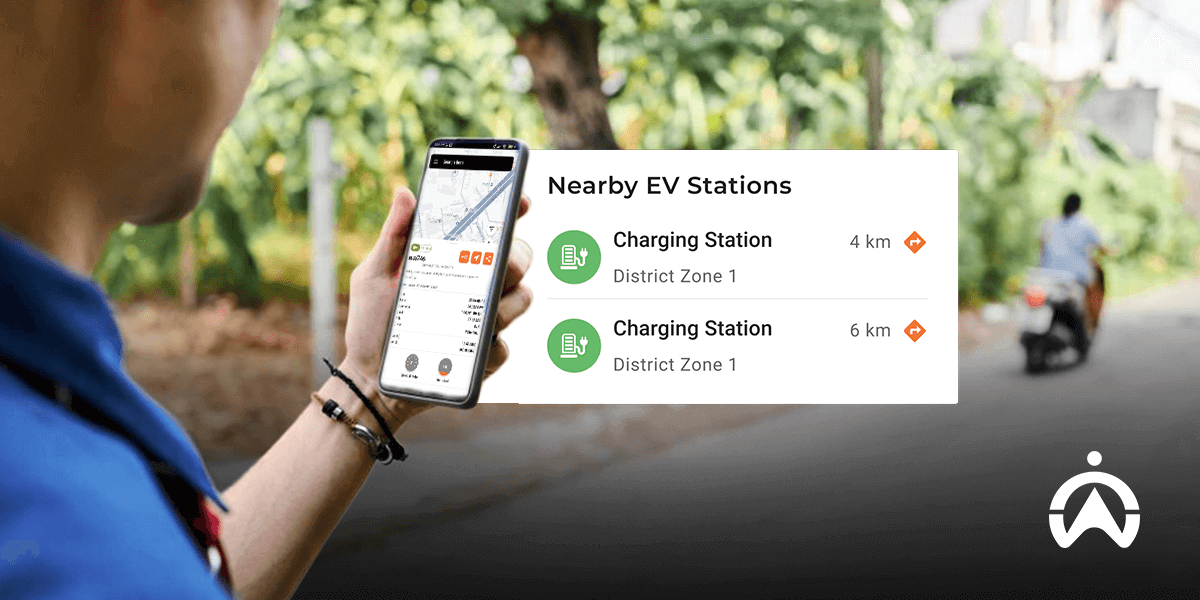
Use of a GPS application for electric motorbikes on smartphones that displays the route and location of the nearest charging station.

Important GPS Features for Electric Motorcycles

The use of GPS for business operational fleet management has certain criteria that you must pay attention to.

1. Real-time tracking

The real-time tracking feature is a key feature that allows you to track the vehicle's exact location in real time. Besides being useful for monitoring daily operations, this feature can also aid in theft investigations.

2. Geofencing

You can create virtual fences to demarcate your fleet's work area or restrict entry with the Geofencing feature. You can set up notifications if a vehicle enters or exits these areas, which could be an indication of theft.

3. Travel history

Ensure the GPS for your electric motorcycle has access to each fleet's trip history, as this is crucial for verifying driver compliance. This feature is also useful for detecting vehicle use outside of work.

4. Integration with fleet management software

Integration with a Fleet Management System (FMS) allows you to manage and monitor your entire fleet. This allows you to have data on each vehicle's usage and receive weekly/monthly reports.

5. Security notifications

Another consideration is safety notifications, which allow you to identify potential hazards early on, including indications of theft, compliance, and even risky behavior like speeding.

Cartrack's Electric Motorcycle GPS Recommendations

Cartrack offers GPS for electric motorcycles as part of its Fleet Management System (FMS), which will assist you in managing your company's fleet. Cartrack's GPS tracker features include:

  • Real-time tracking

  • Trip history

  • Geofence (zona virtual)

  • Detect aggressive driving behaviour (harsh braking, rapid acceleration and sharp cornering)

  • Security notification

  • Automatic and periodic reports

  • Access dashboard via web & app

  • 24/7 customer support

Cartrack also offers other special features and extras, such as:

  • Mi-Fleet: Cost management feature to share various expenses for each fleet.

  • Maintenance: Features for scheduling routine maintenance, repairs, and failure reporting to reduce sudden downtime.

  • CarPool: Vehicle booking management to avoid double scheduling or fleet unavailability when needed.

  • Delivery: Delivery management that makes it easy for you to organize assignments, schedule deliveries, and ensure goods have been received.

See Also: What is a GPS Tracker? Read on to learn more!

Bus Dashcams: Enhancing Passenger Safety and Vehicle Monitoring

Passenger transport vehicles such as buses are vulnerable to pickpocketing and even sexual harassment. In addition, buses are also exposed to risky driving behaviours such as mobile phone use and smoking, which can negatively affect passenger safety and comfort.

As an owner or manager, passenger comfort is undoubtedly a priority for your service. Therefore, using bus dashcams and fleet cameras is a crucial security solution.

What is a Bus Dashcam Fleet Camera?

A bus fleet camera, or bus dashcam, is a digital camera used for monitoring buses, both inside and out. Unlike dashcams for private cars, bus dashcams are typically used for fleet monitoring.

This visual monitoring is carried out using several cameras, consisting of:

  • Dual-camera dashcam: Consists of two double-sided cameras to monitor the road situation in front of the bus and monitor the driver and the interior of the vehicle.

  • Internal camera: A camera used to monitor conditions in the passenger cabin.

  • External cameras: Cameras used on the outside of the bus to eliminate blind spots and reduce the risk of hitting other vehicles.

The use of dashcams plays a crucial role in maintaining safety and providing visual monitoring of fleets and drivers. Therefore, companies typically deploy multiple cameras for comprehensive monitoring.

The driver drives the bus on city roads with the support of the bus dashcam feature for monitoring the safety of passenger transportation.

Benefits of Bus Dashcams for Transportation Companies

Following are the benefits of using dashcams for buses serving passengers, both long and short distances.

1. Increase security

With cameras, you can monitor the situation in the passenger compartment so you can take action if any issues arise. Furthermore, the presence of cameras often makes criminals think twice about carrying out their actions.

2. Driver monitoring

With a bus dashcam, you can document the road and monitor drivers. You can identify drivers engaging in risky behavior while driving, such as using a cell phone or smoking.

3. Reduce the risk of accidents

Some bus dashcams are equipped with AI technology that can detect risky behavior and provide audible warnings. Furthermore, buses with multiple cameras eliminate blind spots, thereby minimizing the risk of accidents.

4. Accident documentation

Dashcam footage will be invaluable in the event of an accident or traffic violation involving your fleet. This footage can be used as evidence for investigations or insurance claims.

5. Increase passenger confidence

Buses that prioritise safety and security will certainly increase passenger confidence. They'll feel safe knowing there are cameras recording, so if something bad happens, they have evidence.

Also Read: Best Dashcam Recommendations for Driving Safety

Features to Look for in a Bus Dashcam

Using a dashcam is a visual fleet monitoring solution that is a key fleet management strategy. Therefore, you should consider features that support this, such as:

1. Video Quality

To serve as evidence of an incident or accident, you'll need a camera with at least HD (720p) or Full HD (1010p) resolution. Also, ensure it has night mode to ensure clear recordings in low light.

2. Storage Capacity and Cloud Integration

Large storage capacity allows for seamless recording due to memory limitations. Cloud integration allows for remote access to recordings and live monitoring with live streaming.

3. GPS Tracking

Also consider fleet cameras integrated with GPS trackers. This will make it easier for you to track and dispatch assistance if something goes wrong during the live stream and the driver cannot be contacted.

4. AI and Warning Systems

AI-powered cameras can improve safety by detecting risky driver behavior and providing audible warnings. This can be extremely useful in alerting drivers to refocus, reducing the risk of accidents.

5. Integration with Fleet Management System

Fleet Management System is a fleet management system that allows all monitoring systems to be managed within a single dashboard. With this system, you can track vehicle locations, monitor activity with cameras, and even schedule maintenance.

Also Read: Best Personal and Fleet Car Dashcams 2025

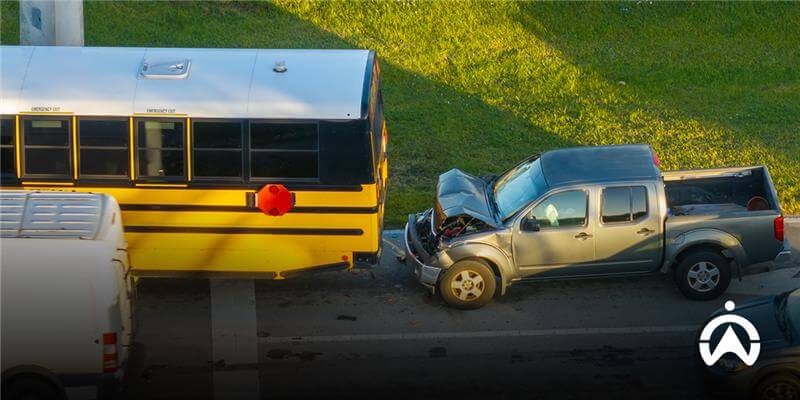
Bus dashcam footage shows a crash involving a silver pickup truck that crashed into the back of a school bus.

Cartrack Fleet Cameras and Bus Dashcams

AI & Non-AI Vision is Cartrack's camera monitoring solution, part of our Fleet Management System. For transportation businesses like buses, Cartrack provides visual monitoring tailored to your needs, including:

  • Road Vision: A single-camera dashcam that looks at the front of the vehicle for road monitoring.

  • Dual Vision: A dual-camera dashcam that looks at the vehicle's windshield and the driver's cabin to monitor the road and the driver simultaneously.

  • Multi Vision: Comprehensive fleet monitoring with up to 8 cameras per fleet.

One of Cartrack's flagship solutions is an AI camera that can detect risky driving behavior and provide real-time audible warnings. Risky behaviors that can be detected include:

  • Fatigue

  • Not focus

  • Use of mobile phones

  • Smoking

  • Use of seat belts

  • Potential accident from the front

  • Camera closure

With the presence of an audible warning, drivers who are not focused or drowsy can become alert again so that the risk of accidents will be reduced.

Price and How to Subscribe

Cartrack's bus dashcams and fleet cameras start at Rp 250,000 per month for non-AI cameras. Subscriptions for AI cameras start at Rp 550,000 per month.

The price can vary depending on the number of cameras you want to install on your fleet of buses or other vehicles. Additionally, with a Cartrack dashcam and fleet camera subscription, you'll also receive GPS tracking and fleet telematics.

Improve the comfort and safety of your bus passengers with dashcams and fleet cameras from Cartrack today. Complete your details in the form below so our staff can contact you with the best offer.
Also Read: Benefits of Using Front and Rear Car Dashcams

Idle Conditions in Vehicles and Their Impact on Companies

Idling is an unavoidable condition when a business vehicle is operating. Idling that lasts for a few minutes is considered normal, but idling that lasts for hours should be investigated.

Vehicle idling can be caused by both productive and non-productive reasons. Unfortunately, not many businesses realise that this is important to monitor, as it can impact overall business continuity.

What is the “Idle” Condition in a Vehicle?

Idling occurs when the engine is running but the vehicle is stationary or not moving. A vehicle is considered idling when it remains stationary in one spot for a significant period of time, for example when:

  • Stuck in a traffic jam

  • Queuing (entering the toll road, loading and unloading, entering the port, etc.)

  • Waiting for passengers at the bus stop

  • Repairing or checking certain parts of the vehicle

  • The driver deliberately turned on the engine to rest comfortably in the vehicle.

At first glance, the above may not seem like something that could potentially cause harm or negative impacts to the company. Many businesses feel no need to monitor things without understanding the negative impacts.

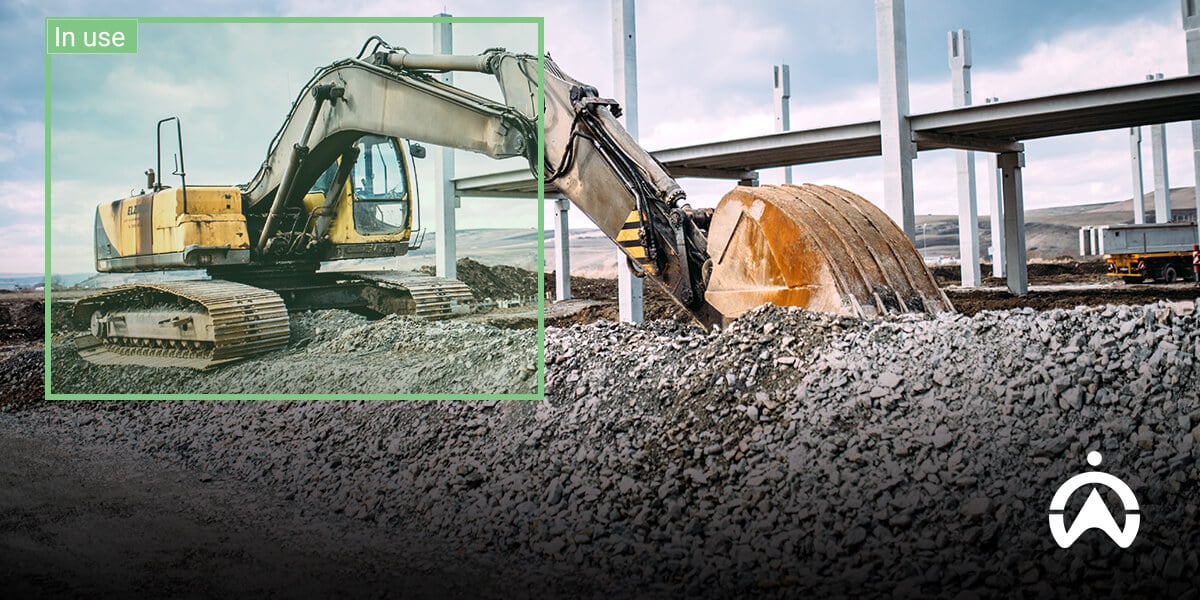
Excavators are operating in the construction area, avoiding idle conditions on vehicles for the company's operational efficiency.

Negative Impact of “Idle” on Companies

If a company's operational fleet frequently experiences idling, then there are several losses that can occur, such as:

1. Wasteful fuel consumption

You've probably heard that turning off and restarting your vehicle is more fuel-efficient than idling. In fact, idling actually wastes about 2 to 4.5 litres of fuel per hour.

Imagine having dozens or even hundreds of vehicles that frequently idle for long periods. You'd be surprised at the significant costs you could save by managing your idling time wisely.

2. Maintenance costs increase

Idling can also damage the engine and vehicle components because the fuel doesn't burn completely and leaves residue. This occurs because the fuel's energy is converted into heat energy without kinetic energy.

If left unchecked, engine failures will occur frequently, increasing service and replacement costs. This is certainly not ideal in the long run, as the waste will be significant.

3. Shorten the service life of assets

Every business wants its operational assets to be usable for the long term and with minimal wear and tear. Unfortunately, this will be difficult to achieve if your drivers habitually idle without realising the consequences.

Vehicles that frequently travel in and out of repair shops and experience ongoing breakdowns are at risk of permanent damage. This is detrimental to the company, as the asset's lifespan is reduced and it must be replaced with a new vehicle.

4. Decreased productivity

 Idling Excessive driver overtime can indicate a lack of driver productivity, which can impact operations. For example, delivery delays can occur due to drivers waiting in drive-thru lines too often or sleeping for extended periods in their vehicles.

Furthermore, vehicles that frequently experience damage due to excessive idling also experience more downtime. This can result in delayed deliveries or the company having to reschedule deliveries using a different fleet.

5. Air pollution

If your business is committed to being environmentally friendly, idling without a productive reason is a form of negligence. Prolonged idling produces emissions that contribute to air pollution and the health of drivers and passengers.

This can damage customer trust if they share the same commitment. The company's image may be damaged if its commitment to environmentally friendly shipping processes is frequently violated.

Read Also: What Is a Fuel Management System?

Idle Types: Productive and Nonproductive

Most idle conditions are unproductive and cause losses for the company. However, some types of idle are actually necessary for delivery productivity or vehicle usage.

Productive idle

One example is idling on heavy equipment, where the engine must remain running due to the use of certain peripheral features. For example, when parts like a crane, dump truck bed, or excavator bucket are being operated at one point.

Idle times on heavy equipment can be detected by installing a power take-off (PTO) sensor integrated into a GPS tracker. This sensor will provide information when any part of the vehicle is in use, ensuring productive idling.

Additionally, there are other idling functions that are also considered productive, such as those of refrigerated container trucks or ice cream trucks. Both types of vehicles require their engines to be constantly running to keep the refrigeration running and the product being transported in good condition.

Idle Nonproduktif

Nonproductive idling occurs when the engine is running but the vehicle is not moving without any specific purpose related to work or the company. For example:

  • Unloading process

  • Queuing at the ferry port

  • Queuing at the gas station

  • Queuing at a drive-thru restaurant

  • Severe traffic jam

  • Resting in the vehicle while turning on the AC and radio

Non-productive idling is actually unnecessary and drivers should turn off the vehicle if they have to stop for a long time.

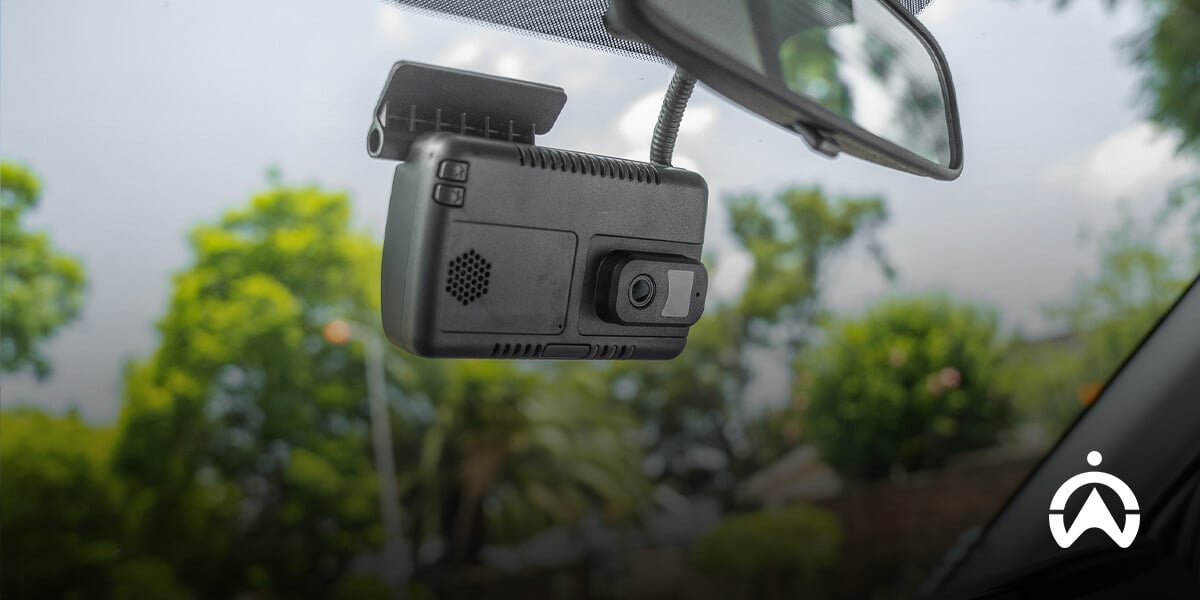
A dashcam camera is mounted on the car windshield to monitor idle conditions on company operational vehicles.

Minimise Idle with Cartrack's Fleet Management Technology

Idling can be detected and minimised using fleet telematics technology and GPS Tracker solutions such as those offered by Cartrack. With this technology, you can evaluate performance, educate drivers using data-driven insights, and set permitted durations for productive idling.

Cartrack's driver monitoring includes idle as one of its parameters, where you can view the idle status by:

  • View colour status on the map where yellow indicates idle

  • Receive idle notifications in real-time

  • Checking the fleet work dashboard

  • Get automatic reports (in PDF or Excel format)

In addition to GPS tracking and telematics for monitoring vehicle status, Cartrack also offers other solutions for fleet management, including:

  • Fuel Monitoring: Fuel monitoring using three types of sensors tailored to your operational needs and fleet type.

  • AI & Non-AI Vision: Visual fleet and driver monitoring using cameras equipped with Artificial Intelligence (AI) technology.

  • Driver Identification: Driver identification tags that ensure only authorised drivers can operate designated vehicles.

  • Start Prevent: An immobiliser security solution that automatically disables the starter when potential theft is detected.

  • Delivery: A delivery management solution that simplifies job allocation, route optimisation, and driver/courier tracking.

  • IoT sensors: Cargo Door Sensor, Power Take-Off Sensor, Tailgate Sensor, and Temperature Sensor.

  • Panic Button: An emergency alert button that notifies the company in the event of unexpected incidents such as robbery, a medical emergency, or other critical situations.

Identify idling and other factors contributing to fuel wastage with Cartrack’s fleet telematics solutions. Complete the following form to learn more about Cartrack’s Fleet Management System.

Read Also: Monitoring Fuel Consumption with Fuel Sensors & Fuel Probes

Delivery Fleet Management to Ensure Timely Deliveries

Imagine a time when customer demand is extremely high and you're struggling to organise, schedule, and ensure all deliveries. All of these issues can be addressed with a single solution called delivery fleet management.

This digital system enables you to achieve efficiency, optimise fleet operations, reduce costs, and increase customer satisfaction. With specialised software, you can overcome the challenges of delivery fleet management.

Also Read: Best Fleet Management: How to Maximise Revenue

What is Delivery Fleet Management?

Delivery fleet management is software designed to manage vehicles and deliveries. The system integrates fleet management software with specialised software for managing deliveries.

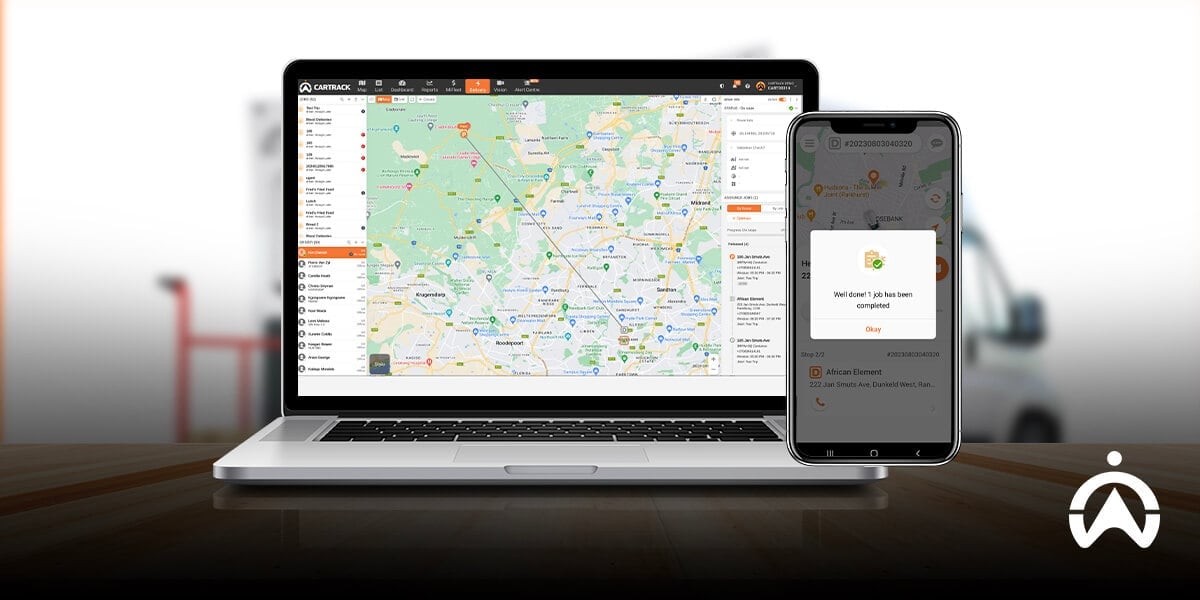
The integration of the two allows you to perform real-time monitoring, schedule fleet maintenance, and manage other tasks. Within the same dashboard, you can also manage assignments and track their completion.

What are the Functions of Delivery Fleet Management Software?

Delivery fleet management software or systems are all-in-one solutions that reduce the complexity of delivery distribution, from driver allocation and route planning to vehicle/driver tracking, expense management, and the overall customer experience.

This system typically uses Artificial Intelligence (AI) to accelerate that lengthy process and protect the business from financial losses. How exactly does a fleet management system help you increase profits?

1. Avoid waste

As a business owner and manager, you may struggle to set spending limits. Meanwhile, uncontrolled fuel consumption, unexpected breakdowns, and inefficient route planning continue to contribute to waste.

With an Artificial Intelligence (AI)-powered fleet management system, you can track fuel consumption and optimise routes. This helps you reduce fuel waste and fuel-related fraud.

2. Increase productivity

One of the biggest challenges for companies is completing deliveries faster and in greater quantities. This can be addressed by properly optimising routes to avoid waste, vehicle damage, and inefficient routes.

An ideal delivery management system can consider variables such as delivery duration, vehicle capacity, workload distribution, and start and end points. This allows the system to output reliable routes.

3. Efficient management

This software will help you streamline the entire process, from processing package details and assigning drivers to receiving customer feedback after delivery.

By integrating delivery management software with a Fleet Management System, you can effectively manage both vehicles and deliveries. This enables you to optimise maintenance, reduce fuel costs, and monitor data and reports.

4. Makes it easier for drivers

A delivery fleet management system not only helps owners and managers but also simplifies the work of drivers and couriers. They no longer need to plan routes, store delivery documents, or provide and receive updates via phone.

This technology allows you to track the delivery process without having to contact the driver directly. Through the dashboard, you can monitor the driver's location, check the delivery duration, and view proof of delivery.

5. Customer satisfaction

A delivery fleet management system also allows you to set up various automations to ensure customer satisfaction, such as delivery notifications, tracking links, and feedback prompts upon package receipt.

This way, you can provide a good customer experience, starting with fast delivery and transparent information. This positive customer satisfaction will undoubtedly contribute to customer loyalty and company reputation.

delivery fleet management

Challenges in Integrating Delivery Fleet Management Software

While this software offers many benefits, your business may face some challenges in implementing it. Some of these include:

1. High initial implementation costs

The initial cost of implementing this system is quite high, especially for small businesses with limited budgets. In addition to the cost of the equipment, you also have to allocate training time for staff, which can disrupt productivity.

2. Challenges of integration with existing business systems

If your business already has existing systems like inventory management and order management, integrating these software systems can be complex, especially if they have built-in fleet management systems that are often incompatible with other systems.

3. Data security

With the increasing use of technology, data management and security have become crucial. For businesses that work with customers, there may be concerns about the security of sensitive information such as customer details and other confidential data.

4. Complexity and learning curve

Using software will require training, which may temporarily impact business productivity. Therefore, you need to consider the software's ease of use to avoid prolonged disruption to business productivity.

5. Limited customisation options

Not all systems offer the customisation options you might expect to meet your specific business needs. Therefore, it's important to find a software provider that allows for such customisation.

6. Scalability issues along with business expansion

As your business scales, the Fleet Management System you use must be able to adapt to new requirements. It is important to find software that can keep pace with your business growth—for instance, expanding from a fleet of 5 vehicles to 100.

7. Difficulty knowing customer satisfaction

The right software should make it easy for customers to provide ratings and feedback. However, not all fleet management tools offer this feature, making it difficult to gauge customer satisfaction.

8. The challenge of ensuring safe delivery of fragile products

Another challenge arises when your business has specific needs for shipping temperature-sensitive products. You run the risk of damaged goods if your chosen fleet management system doesn't include sensor options like temperature sensors.

9. Disagreement of change from employees

Not all drivers welcome the digitalisation process, and some may even resist adapting to new technologies and workflows. This can certainly be a challenge for you as a business owner and manager.

Read Also: How Vessel Fleet Management Helps the Shipping Business

What Businesses Are Suitable for Using Delivery Fleet Management Software?

If you are the owner or manager of one of the following types of businesses, then using delivery fleet management will be very appropriate.

1. Online shops and retailers

Delivery services are often a challenge for online shops and retailers that employ in-house couriers. This system will help you save on shipping costs and maximise profits.

2. Small-scale logistics or expeditions

A delivery fleet management system can help your logistics/freight forwarding business reduce operational costs. This system helps with everything from route optimisation, fuel savings, courier tracking, and delivery progress monitoring.

3. Food and beverage delivery

Managing a food delivery fleet becomes more efficient with a platform for route planning, task management, and courier tracking. Customers can also track their packages live, significantly improving the customer experience.

4. Health and pharmaceutical business

A shipping management system helps you ensure timely and safe processing by monitoring temperature. You can also track the process and transportation options to ensure your products are properly protected from start to finish.

5. Furniture and household appliances business

Furniture and home appliance businesses often offer in-house courier delivery options. This system will help you manage your delivery fleet and optimise routes to save time and fuel.

6. Event catering services

Catering businesses rely heavily on vehicles for food delivery, which often leads to waste. This software will help you manage your food delivery fleet and improve efficiency.

Benefits of Using Cartrack Delivery

Cartrack Delivery, Cartrack's fleet management software, can help you manage your deliveries. This management solution will help you complete all delivery tasks quickly from start to finish.

This software helps all parties involved in the entire process, from delivery managers, drivers, to customers.

Benefits of Using Cartrack Delivery for Managers

Cartrack's advanced system allows fleet managers to access shipment details, driver information, and verify fleet readiness. This eliminates the need for manual spreadsheets.

Cartrack's devices can also accurately monitor the delivery process and driver/courier performance. Furthermore, managers can arrange training for drivers who need to deliver sensitive and fragile products to ensure their safety.

Benefits of Using Cartrack Delivery for Drivers

Using this system will make things easier for drivers, as they can register their attendance simply by logging in to a dedicated app. Work will also remain smooth, as the app supports both low-network and offline modes.

With this dedicated app, they can also receive updates on delivery schedules, assignments, cancellations, and priority changes. They can also submit digital proof of delivery (Proof of Delivery) in the form of a photo or signature.

Benefits of Using Cartrack Delivery for Customers

Customers will also directly experience the benefits of using this system. They can monitor the delivery process, confirm receipt of goods, and provide instant feedback.

With a live tracking link, customers can also track the driver's/courier's location in real time. This provides transparency that will undoubtedly enhance the customer experience.

delivery fleet management

Why Do So Many Businesses Love Cartrack Delivery?

There are many reasons why businesses trust Cartrack Delivery to manage their deliveries. Some of them are:

  • Cost-effective: Cartrack's route optimisation algorithm can shorten delivery distances, thereby reducing fuel costs.

  • Integration with fleet management: If you have used Fleet Management System From Cartrack, Cartrack Delivery will be very easy to integrate.

  • Real-time monitoring: You can do real-time monitoring with GPS, know the driver's location, and the delivery process in one dashboard.

  • Increased customer satisfaction: Automatic delivery notifications, live tracking links, and Proof of Delivery help customers to know the delivery process.

  • Paperless process: All shipping documents are digital, reducing the use of paper which is easily lost and damaged.

Read Also: Fleet Management System for the Mining Industry

Simplify Your Shipping Process with Cartrack Delivery

Cartrack Delivery provides a complete solution for managing your fleet and deliveries. The combination of a dashboard for managers and an app for drivers/couriers streamlines operations, from assignment to completion.

Cartrack's delivery management solution can prevent business losses and customer losses by helping you build delivery excellence and efficiency. Complete your details in the form below to request a Cartrack Delivery demo today!