
Prevent Theft in Construction Projects with Vehicle GPS Tracking

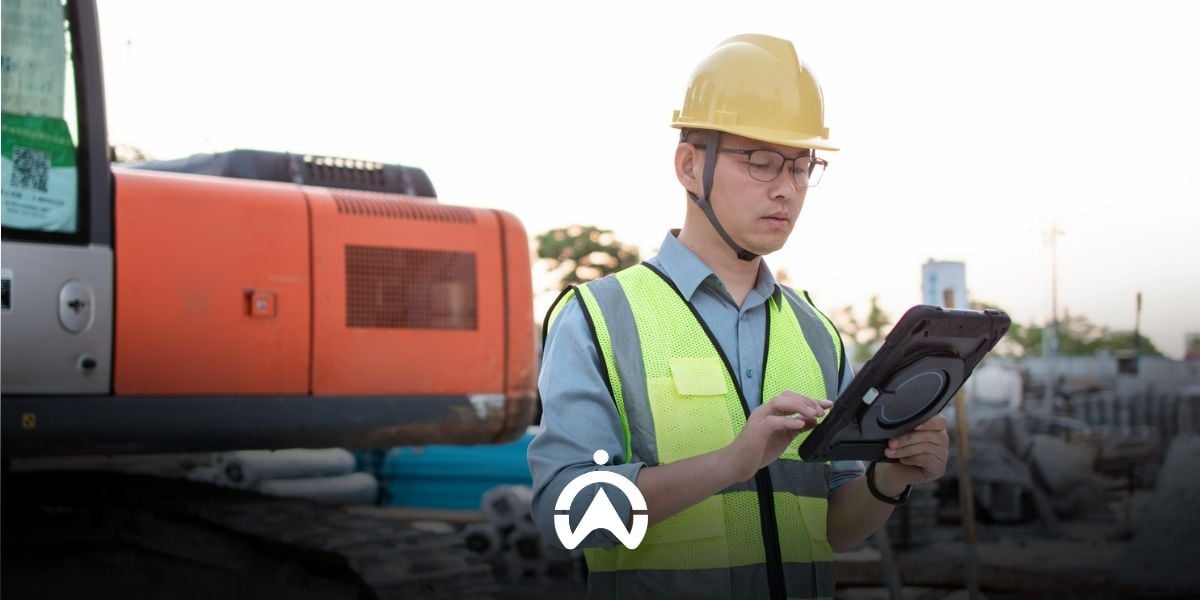
Managing construction projects without the right technology support can be a major challenge to business continuity. Construction sites, especially large ones that are difficult to monitor, are often targets of theft, ranging from tools, timber, and steel to heavy equipment. GPS tracking technology, consisting of both hardware and software, helps minimise the risk of theft in construction projects and protects your business from undetected profit leakage.

1. Vehicle Tracking

Ensure your heavy equipment vehicles are operated during the correct hours by installing a GPS tracker and activating vehicle misuse alerts. Monitor all vehicles through fleet management software and also create a project geofence so you are notified when a vehicle leaves the project area.

2. Asset Tracking

Unlike vehicle trackers, asset trackers are designed with a very long battery life to track non-powered, open assets. An asset tracker allows you to view your non-powered assets in real-time on a map (within fleet management software). You can also create an geofence to help you monitor asset movements within defined boundaries.

3. Tracking of Vehicle Mechanical Features

Heavy equipment vehicles have specialised features such as concrete mixers, cranes, and bulldozer blades, which are used for specific operational functions. By installing tracking sensors (such as mixer sensors and power take-off sensors) on these features, you can monitor usage outside of instructions. For example, mixer sensors allow you to track the time, duration, and location of cement loading and unloading. Similarly, power take-off sensors (PTO) can also provide information on the time, duration, and location of mechanical feature activation and deactivation.
Cargo trucks cross the highway next to vast agricultural land.

4. Fuel Activity Tracking

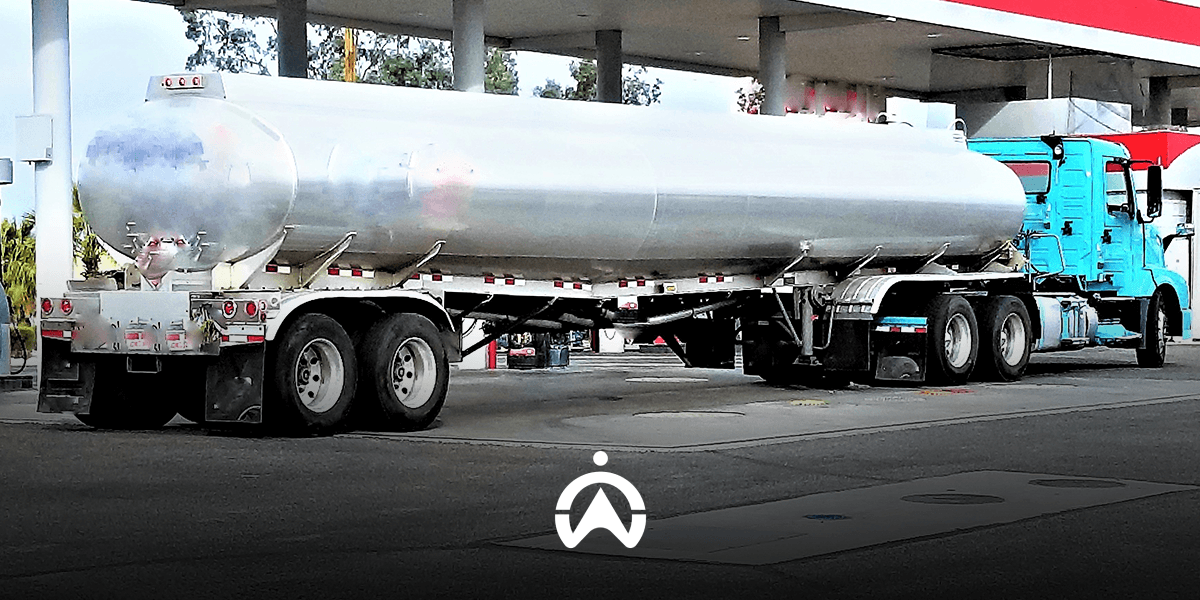
Fuel theft from vehicle tanks can be monitored by installing fuel sensors. You will be notified when there is a sudden drop in fuel volume by activating fuel loss alerts. You can also detect fuel fraud through Fuel Filling Reports and Fuel Efficiency Reports, which are automatically available in the fleet management software. This allows you to see the actual fuel volume filled and identify which vehicles are the least fuel-efficient.

5. Driver Tracking and Starter Disabler

To prevent your heavy equipment vehicles from being used by unauthorised drivers, you need to install a Driver Identification Tag (DID) combined with a starter immobilisation system. To operate the vehicle, the driver must tap the tag on the reader before starting the engine. If this is not done, the starter cannot be engaged even with the vehicle key. In addition, you can remotely disable the starter (via a mobile application or website) if theft or unauthorised vehicle use is detected.

How can you have all of this? Simply send us a message here so we can provide a Cartrack solution tailored to your construction fleet management needs. The Cartrack fleet management system offers more than just vehicle GPS tracking, such as geofence, alerts, and more than 100 types of automated reports. For enhanced visibility and security, you can also add asset trackers, PTO sensors, fuel sensors, as well as a driver ID tag and an immobiliser. Contact us now and get a FREE DEMO to learn more about the Cartrack fleet management system!
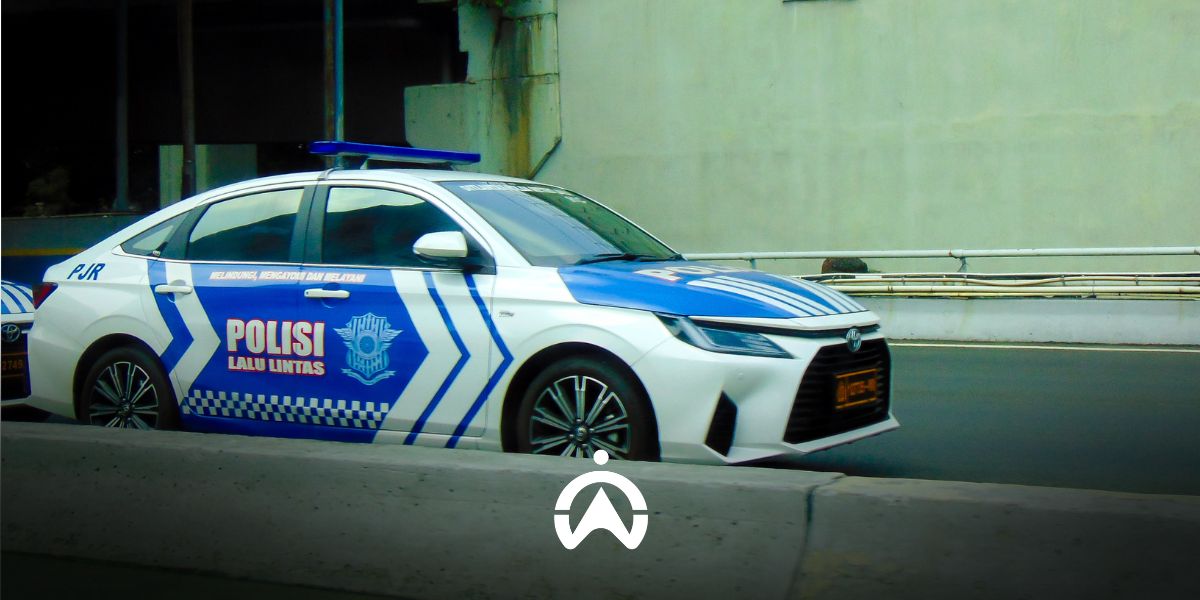

5 Functions of a GPS Tracking-Based Fleet Management System for Police Fleets

From escort motorcycles and mobile driving licence testing vehicles, to water cannon trucks, police forces across Indonesia have specialised needs in managing their fleets. Police fleets are expected to respond quickly in all situations and provide excellent service to the public. However, ageing vehicles and manual management systems present challenges in optimising operations.

To respond quickly when handling situations at a particular location, the police need a system that makes it easy to track their fleet. A GPS tracking-based fleet management system can locate the nearest vehicle to an entered location in the map view, helping operators assign vehicles and personnel quickly.

1. Track the Nearest Vehicle to the Location

Untuk respons cepat dalam menangani situasi di lokasi tertentu, polisi membutuhkan sistem yang mudah untuk melacak armadanya. Sistem manajemen armada berbasis pelacakan GPS dapat melacak kendaraan terdekat ke lokasi yang diinput dalam tampilan peta, sehingga dapat membantu operator menugaskan kendaraan dan personel dengan cepat.

2. Tracking Vehicle Activity Based on Region

Operators can use the feature     to receive area-based alerts  For example, when vehicles enter and exit important official pickup areas. Operators need to virtually mark areas requiring increased monitoring on a map to set alerts. This feature helps operators ensure smooth task execution.

3. Monitor Assignment Routes

A fleet management system includes a route planner feature, with configurable notifications for events such as when a route starts, when a route ends, when a route hasn't started within a set time, when a vehicle deviates from the route, and when route progress is slow. These notifications allow faster action whenever something holds up the completion of a route. Officers can also review routes by replaying the trip history on the map. A camera feature can be added as well, mounted facing the road or into the vehicle, so that operators can monitor visual conditions during the journey. These features are useful for monitoring patrol routes, escort duties, disinfectant spraying with water cannon trucks, and more.

A row of police motorcycles with active patrol lights that use a GPS tracking fleet management system for fleet alertness.

4. Create Faster, More Accurate, and More Detailed Reports

Fleet management software processes data from the tracking devices installed in vehicles and presents it as detailed automated reports. Officers simply choose from more than 100 report types or customise one of the available reports. Some of the automated reports include the Trip Detail Report, the Geofence Report, and the Driver Scorecard. Reports can be downloaded in Excel or PDF format, and also sent by email. In addition, officers can download the trips shown in the map view in Excel, KML, or GPX format. These automated report and trip download features certainly make reporting work more practical.

5. Facilitates Vehicle Maintenance Scheduling

To make sure the vehicles in use are always in good condition, officers can take advantage of the reminder feature in the fleet management software. Integrated with the vehicle GPS tracker, officers can set up and automate recurring preventive maintenance schedules based on date, distance, and how long the vehicle has been operating. Automatic reminders can be set to be sent by email or SMS a certain amount of time or distance in advance.

Digitalising police fleet management is a sound investment for both the short and the long term, and it is in line with the service digitalisation programme announced by National Police Chief General Listyo Sigit Prabowo. If vehicles are replaced or added, the devices can easily be integrated into the system, making police fleet management more flexible. The

Contact us here to find out more about Cartrack's fleet management system and how our technology can benefit your fleet operations!

3 Reasons Vehicle Misuse Can Harm Your Company

Every vehicle and piece of fleet equipment represents a significant investment for a company, especially one that relies on its fleet to run its business. Therefore, it's crucial that your employees help maintain these important assets. Employees should be held accountable. use assets well for the benefit of the company's business, not for personal gain or side jobs.

Penyalahgunaan kendaraan ini tentunya akan merugikan perusahaan Anda, terlebih jika dilakukan secara konsisten. Berikut ini 3 alasannya:

1. Accelerates Vehicle Wear and Reduces Productivity

Abuse increases tire mileage and machine operating hours This will cause vehicle parts to wear out more quickly and increase the risk of problems with the vehicle while it is being used for official work. As a result, the company will incur losses due to having to incur additional costs. replacement of spare parts and tires faster, delaying work completion, and losing work time for unplanned vehicle repairs.

2. Burdening the Company with Liabilities Outside the Business

Each time employees misuse company vehicles for side work, they place both the vehicle and the company at unnecessary risk. There is a possibility of accidents, vehicle loss, traffic violations, overloading due to smuggled goods, and other incidents when vehicles are misused. Even if you did not authorise or are not aware of it, your company may still be held liable and required to resolve such matters. Your company may also face difficulties in claiming insurance, as accidents or vehicle loss may have occurred outside of official business use.

Red cargo truck speeding on the highway

3. Damaging the Company's Reputation

A company’s reputation is closely tied to its vehicles and drivers, especially when you display company identity such as logos, company names, and contact numbers on vehicles. If employees misuse vehicles by lending them to individuals who drive recklessly or behave irresponsibly, it will damage your company’s reputation. In the event of a road accident, the public will see the company name and logo displayed on the vehicle. No one will care whether it was the act of an unrelated individual or an employee who misused the vehicle to transport illegal goods.

How can you prevent—or at least significantly reduce—unauthorised vehicle use? The Cartrack fleet management system is the solution. This technology gives you comprehensive visibility, allowing you to monitor vehicle real-time locations 24/7 and detect when a vehicle is being used at inappropriate times. You can also access automated reports and route playback, which show trip history to verify whether any vehicle misuse has occurred. With Cartrack, you can more easily enforce vehicle usage policies, supported by accurate tracking data. Start managing your company fleet with Cartrack—contact us here and get a FREE DEMO!

Digitise Fleet Administration with Cartrack – Get Work Done Faster!

Fleet administration encompasses a wide range of tasks—from archiving documents, entering data into databases, and compiling operational reports to scheduling vehicle maintenance and ensuring the availability of vehicles and drivers to meet assignment needs. Imagine if these administrative tasks could be automated and integrated into a single system; workflows would be significantly faster, and coordination far easier. With Cartrack’s fleet management system, you can achieve this—all from the same platform used for vehicle tracking.

1. Bulk importing for faster data entry

Through Application Programming Interface (API) integration and bulk importing, you can rapidly input critical fleet data into Cartrack’s fleet management platform (Fleet Web). Information such as driver lists, vehicle groupings, geofences, and points of interest (POIs) can be uploaded directly in the required format and immediately displayed within the system. Your entire team can easily access or upload data from a single platform, and this centralised data system prevents duplicate data entry.

2. Automated generation and delivery of reports

Creating fleet operational reports doesn't have to be time-consuming; let Cartrack handle it automatically. Simply choose from the available automated reports (there are over 100 types!) or customise your reports—specifically trip and location reports—by selecting only the parameters you need. These reports can be downloaded in Excel or PDF format or sent via email, with the delivery process also fully automated. With reports generated and delivered automatically, what could be better?

Illustration of a hand touching a digital padlock hologram for data security in cloud-based fleet administration digitalization.

3. Automation of administrative obligation reminders

Managing a multitude of documents and time-sensitive obligations can be overwhelming. The MiFleet feature within Cartrack’s fleet management platform simplifies fleet administration. You can set up automated reminders for contract renewals, upcoming bill and fine deadlines, and the expiration of driver's licenses or vehicle registrations. The menu interface allows you to quickly identify administrative priorities, ensuring there is no fleet operational downtime or additional fines.

4. Automation of preventive maintenance schedule reminders

Beyond administrative requirements, you can also automate preventive maintenance schedules for individual vehicles using the Reminder feature. Integrated with data from Cartrack GPS trackers, maintenance can be scheduled based not only on dates but also on mileage and operating duration. This function allows you to automate scheduling for various maintenance tasks, such as tire replacements based on mileage and engine oil changes based on operating hours. With this feature, managing vehicle maintenance becomes easier, even for large-scale fleets.

5. Storage of digital documents on one platform

Cartrack’s Fleet Web platform simplifies fleet management by consolidating everything into a single system. With the MiFleet feature, you can store important documents digitally. These documents can be downloaded via a web browser from anywhere, at any time—a capability also available to team members with access. This saves time spent searching for important documents and prevents delays, ensuring work time is used efficiently and document management is handled quickly.

Save time on repetitive administrative tasks using the integration, automation, and customisation features available in Cartrack’s fleet management system. Start digitising your fleet administration with Cartrack and unlock benefits that enhance your fleet operations. Contact us today to schedule a free online demo of the Cartrack fleet management system with one of our consultants.

4 Ways Telematics Optimises Fleet Management for Oil and Gas Companies

A vehicle fleet is a crucial aspect of the daily operations of oil and gas companies, serving both product transport and personnel movement in the field. If the fleet is not managed effectively, these companies can incur significant losses due to unproductive downtime, vehicle damage, and inefficient resource utilisation.

Telematics serves as a solution to help oil and gas companies monitor and optimise vehicle utilisation, oversee maintenance and driving safety, reduce operational costs, and foster an efficient work culture. Furthermore, this technology provides fleet managers with access to information that can elevate their business to the next level. Here are four ways telematics optimises vehicle management for oil and gas companies.

1. Monitor performance in the field

You need not worry if your team is spread across multiple locations. Telematics acts as your "eyes," allowing you to track the location of operational vehicles and heavy equipment, monitor worker activity regarding vehicle usage, detect potential driving safety violations, and track vehicle operating times at work sites. This is particularly useful when working with contractors; you can arrange for tracking devices to be installed on the vehicles they lease to you, enabling you to monitor operations and ensure tasks are completed efficiently and in compliance with standards or regulations.

2. Minimising vehicle damage

For oil and gas companies, unplanned repairs can lead to a “leakage” of profits. These companies require technology that helps them monitor vehicle health and manage maintenance schedules more efficiently. Telematics systems provide data-rich reports that facilitate the analysis of vehicle health—covering metrics such as usage rates, mileage, aggressive driving behaviour, and Driver Vehicle Inspection Reports (DVIRs). By integrating with GPS tracker data, maintenance schedules for individual vehicles can be automated based on dates, operational duration, and mileage. This functionality helps minimise the risk of maintenance oversight, ensures vehicles remain in good working condition, and reduces downtime.

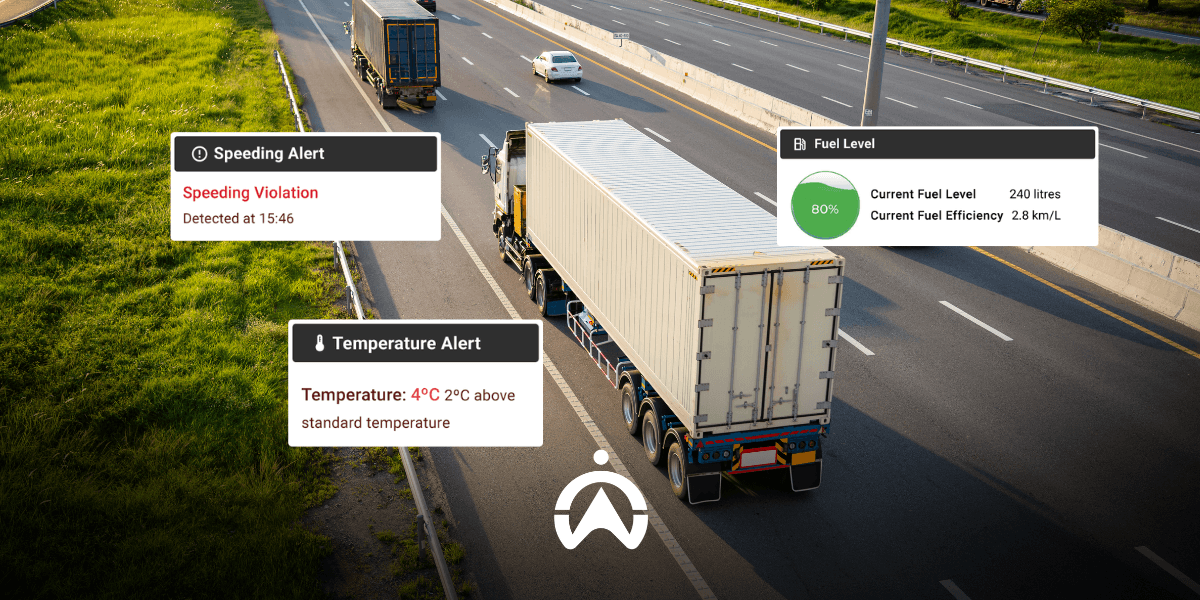
Green truck on toll road with fuel data overlay for oil and gas company vehicle management based on telematics system.

3. Cultivate driving safety

Transporting flammable oil and gas products entails safety risks, in addition to the hazards of road accidents. Drivers for oil and gas companies must exercise extreme caution and cultivate safe driving habits. Telematics systems can detect aggressive driving behaviours—such as speeding, sharp cornering, hard braking, and harsh acceleration—as they occur. You can set permissible speed limits and trigger alerts whenever a vehicle exceeds them. Furthermore, you can utilise the driver score reports provided by the telematics system as a basis for performance evaluation and training.

4. Reduce fuel costs

Even though they supply fuel, oil and gas companies also need to monitor the fuel costs incurred by their fleets to boost profitability. Telematics helps companies correct fuel-wasting driving behaviours, such as speeding and engine idling. Reducing idling for long-haul trucks can save up to approximately 1,500 gallons—or over 5,600 liters—of fuel annually. With telematics, you receive alerts regarding excessive idling and automated reports comparing the fuel efficiency of different vehicles. The available data enables you to take the right steps to improve fuel efficiency.

Since it directly impacts company profitability, you need to implement extensive monitoring for your oil and gas fleet to ensure efficient operations and optimal asset utilisation. The accurate, detailed, and real-time data collection capabilities of telematics provide deep insights into your fleet, facilitating effective vehicle management and decision-making to maximise profits. Contact us here to start using the Cartrack telematics system for your oil and gas fleet and get a free demo!

PT Rajawali Prima Teknik Optimises BTS Tower Battery Delivery Operations with Cartrack

PT Rajawali Prima Teknik (Raptek) has been operating in the business of replacing and installing Base Transceiver Station (BTS) tower batteries in Indonesia since 2018. Headquartered in Jakarta, PT Raptek also maintains temporary warehouses or Drop-off Points (DOPs) in Bandung, Semarang, Yogyakarta, and Bali. The placement of these temporary warehouses is aligned with the locations of BTS towers owned by PT XL Axiata Tbk, a national mobile telecommunications operator that partners with PT Raptek.

For context, a BTS is a piece of telecommunications infrastructure that facilitates wireless communication between communication devices and an operator's network. Each BTS tower requires eight, twelve, or sixteen battery blocks, with each block weighing approximately 30–35 kg. To transport these batteries to and from the site, PT Raptek assigns a moving team consisting of a driver and an assistant (helper).

Challenge

Manual task assignment carries a significant risk of data loss, as it relies on paper-based records. Movers are required to carry physical documents containing details such as addresses to be visited, contact persons, and the number of batteries to be delivered or collected. Administrators and operations managers must wait for reports from the movers upon task completion, yet these reports are not always submitted on time.

Furthermore, if obstacles arise during the course of the work, the relevant parties lack direct access to monitor vehicle locations or activities. Travel cost calculations also cannot be determined with certainty due to the absence of clear parameters. The amount allocated for "travel expenses" typically relies on the individual estimates of each driver—figures that inevitably vary from one person to another.

 Solution

To address these challenges, PT Raptek required a digital system for fleet tasking and management. Consequently, the company selected the Cartrack fleet management system—featuring the "Communicator" task management tool (since renamed "Cartrack Delivery")—which has been effectively utilized since July 1, 2020. Implementing the Cartrack fleet management system, along with the Communicator feature, has assisted PT Raptek with monitoring, task assignment, administration, reporting, and trip cost calculations.

It did not take long for PT Raptek to implement the Cartrack and Communicator system into its daily fleet operations. Wahyu Rubiyatmoko, Head of Operations at PT Rajawali Prima Teknik, stated, “There were no difficulties in using Cartrack and Communicator. It is easy to use, and our movers picked it up quite quickly.”

Red and white BTS tower under blue sky for illustration of BTS tower battery delivery optimization by PT Rajawali Prima Teknik.

Why it matters

1. Paper-Saving Assignment Administration

PT Raptek’s fleet for battery transport consists of 32 vehicles distributed across its operational cities. These vehicles comprise several types with varying capacities, ranging from 16 to 32 batteries per trip. A vehicle's carrying capacity determines the number of locations a "mover" can visit in a single journey.

With Cartrack and Communicator, dispatching PT Raptek’s movers across various cities in Indonesia can be easily managed from a central location. Administrators can track the real-time location of each vehicle and assign movers based on vehicle capacity. They simply input the assignment steps, start and end targets, locations, and other details, then delegate the tasks to the respective movers. Movers then accept the assignments on their mobile phones, press the start button, submit photos and digital signatures as proof of completion, and press the finish button.

“In the past, movers had to carry paperwork everywhere, but now a mobile phone suffices since all assignment details are available in the app. There is no longer any need to worry about losing documents, as the system is digital and data is securely stored on Cartrack’s servers,” said Wahyu.

2. More Productive and Professional Movers

Cartrack’s fleet management system provides comprehensive visibility into fleet activities while on the move. Fleet administrators can monitor—in real-time—when battery deliveries begin and end for each mover, the duration of each task, and which locations have been serviced. Trip history and assignment data can also be easily retrieved via Cartrack’s Fleet Web platform.

Furthermore, the implementation of the Cartrack monitoring and dispatch system has boosted the productivity and professionalism of the movers. "With the GPS tracker, we can see whether a trip is efficient or involves frequent stops. If stops do occur, we can identify exactly where and for how long they happened. Another advantage is that we can review the reports even if we aren't monitoring in real-time. The movers become more productive and professional in their work because they know their performance is being monitored," explained Wahyu.

3. Cost-Effective Travel Expenses

In a single day, a "mover" can visit up to four BTS tower sites, depending on the carrying capacity of the vehicle used. To determine the costs involved prior to the trip, PT Raptek’s fleet operations manager estimates expenses based on the travel distance to the delivery locations.

“Before the movers set out, we always provide travel funds for fuel, parking, and tolls. We can estimate these costs based on the route and total distance to the BTS tower sites using the Google Maps integration within Cartrack’s Fleet Web platform. This allows us to allocate travel funds more effectively,” said Wahyu.

Cartrack’s fleet management technology, featuring the Communicator tool, has proven effective in driving operational efficiency for PT Rajawali Prima Teknik’s fleet. Digitalisation across various areas delivers significant benefits—ranging from administrative management, task assignment, and monitoring to cost control. Trip and delivery task data are automatically recorded with accuracy and detail, providing the company with insights into fleet performance and opportunities for optimisation.

Choose Tracking with Mobile GPS or Vehicle GPS Tracker?

With the emergence of mobile phone-based GPS tracking features, are vehicle-installed GPS trackers still necessary? For commercial and government vehicles, the answer is certainly yes. Although both allow you to view real-time locations, dedicated GPS devices can provide far more detailed information. Which option is more suitable for your needs? Take a look at the following information on mobile phone GPS tracking and vehicle GPS trackers below.

The Main Differences Between Cell Phone GPS Tracking and Vehicle GPS Trackers

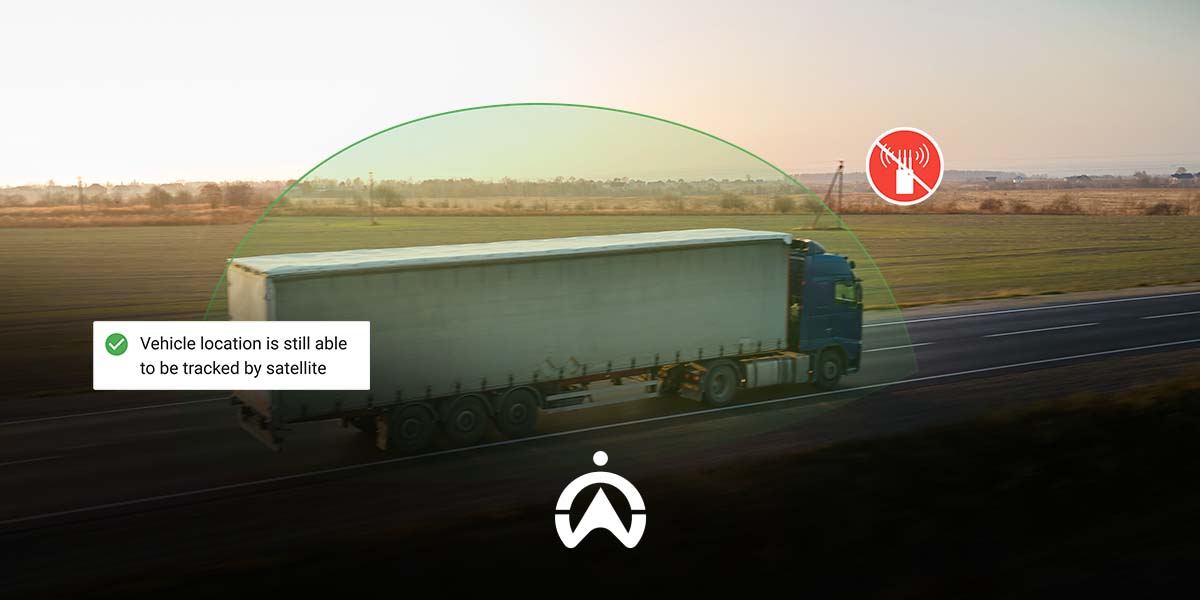
The GPS tracking function on mobile phones, available through various Android and iOS applications, tracks the mobile device being carried. If your driver leaves their phone at the workplace, you will not be able to track your vehicle. The same applies if the driver’s phone is switched off. In contrast, you can track your vehicle at any time with a GPS tracker installed in the vehicle. Even if the vehicle is outside mobile network coverage, the GPS tracker will continue operating and store the information on the device. The stored tracking data will be transmitted once the vehicle is back within coverage range.

Vehicle GPS Trackers Offer Added Value

All types of trackers are useful for tracking the location of your vehicles. When they first emerged, that function was already considered sufficient, but today it is no longer the minimum benefit expected from a vehicle GPS tracker. Vehicle GPS tracker providers now offer various added values, expanding vehicle monitoring functions into complete fleet management systems. In addition to monitoring vehicle locations in real-time, GPS trackers can also be used to monitor productivity, reduce fuel consumption, optimise mileage, improve maintenance scheduling, and enhance driving safety.

In addition, many fleet vehicles have specialised functions or additional equipment, such as refrigerated cargo units, ploughs, cranes, and towing hooks. With the appropriate additional sensors, GPS trackers can monitor the use of this equipment on vehicles. Some of the sensors that can be integrated with GPS trackers include temperature sensors, fuel sensors, cargo door sensors, concrete mixer sensors, CAN Bus, and power take-off. You can also remotely disable the vehicle starter with the additional remote immobiliser feature. These capabilities are simply not possible with mobile phone GPS tracking, especially when combined with the technical support and lifetime warranty provided by certain GPS tracker companies to their customers.

Layar laptop menampilkan ikon truk dan van dengan pin lokasi untuk pelacakan kendaraan menggunakan sistem GPS tracker.

Mobile GPS Tracking is a Budget-Friendly Option

One of the reasons commercial fleets have not yet installed GPS trackers is budget constraints. Mobile phone GPS tracking therefore becomes an alternative option because of its lower cost. You only need to pay for internet data, as well as the service if the application is paid or includes premium features. Some mobile phone GPS tracking application providers offer monthly subscriptions with convenient payment through mobile phone credit, meaning there are no complicated subscription contracts.

Not only tracking locations, some mobile GPS tracking applications also provide features, among others.    and monitoring phone call history and social media activity. Furthermore, implementing this mobile-based GPS tracking solution is very quick; simply download the app and configure a few necessary settings. You don't need to wait for the tracking device to arrive and be installed on your vehicle.

If budget is the reason you have not yet implemented a monitoring system for your vehicle operations, you may consider using mobile phone GPS tracking rather than having no tracking at all. However, you are unlikely to obtain the same level of detailed information as with a vehicle GPS tracker. In addition, driver integrity and discipline significantly affect the effectiveness of mobile phone GPS tracking. You need to ensure that drivers do not leave behind or switch off their work phones during working hours so that you can always track their location whenever required.

For those of you who want to start using a GPS tracker, Cartrack offers a variety of solutions tailored to your needs. Our technicians will come to your location to perform the installation. You can then directly monitor and manage your fleet from the Cartrack app or website. Rest assured, Cartrack's software is easy to understand and use. Contact us now to start your best vehicle monitoring experience!

6 Driving Practices That Should Be Minimised for Operational Cost Efficiency

Fleet cost efficiency can be achieved across various areas, primarily driving practices. If you are able to effectively control your drivers’ driving behaviour, you can save a significant amount of costs. These costs include fuel, maintenance, damage, accidents, and overtime. Below are 6 driving practices that should be minimised for operational cost efficiency.

1. Aggressive Driving

Changing lanes, tailgating, blocking, and cutting in on other vehicles are some types of aggressive driving practices. Not only does this increase the risk of a collision, but it also wastes fuel. For light-duty vehicles, this behaviour results in fuel consumption of approximately 10-40% in heavy traffic and 15-30% in light traffic at highway speeds. Over time, this behaviour also leads to vehicle problems, such as burned clutches and reduced engine life.

2. Sudden Acceleration and Hard Braking

Sudden acceleration or braking can cause excessive wear on vehicle components. Continuous harsh acceleration can damage engine mounts, fuel system components, suspension, and brakes. As a result, vehicles begin to experience more damage, leading to downtime and gaps in your fleet services. In addition, if the driver is operating a trailer, sudden acceleration or braking forces may cause cargo and its contents to shift. If not secured properly, this can result in serious damage.

3. Speeding

Speeding increases the risk of a collision because there is less time and distance to respond to unexpected events. Furthermore, this driving behavior increases fuel costs, particularly if the vehicle is driven above 60 mph (approximately 96.5 km/h). For every additional 1.6 km/h (1.25 mph) above 60 mph, fuel costs increase by approximately 4-9% per gallon. This increase in fuel consumption is even greater for medium and large trucks.

White trucks speeding on the highway to improve the operational cost efficiency of logistics companies.

4. Excessive Idle

Idling or leaving the engine running while the vehicle is stationary can consume more than 17% of your fuel. In passenger vehicles or light trucks, each hour of idling burns more than half a gallon of fuel. In medium and heavy trucks, this figure is even higher, approaching one gallon of fuel per hour of idling. In addition, engine temperature is lower during idling, which means combustion becomes inefficient and leaves residue deposits on your spark plugs and cylinders. This can lead to several vehicle problems, such as difficulty starting the engine and increased fuel consumption.

5. Taking an Inefficient Route

Poor routing can add to operational costs. One factor that can lead to inefficient routing is a lack of oversight. In some cases, rogue drivers may intentionally detour for personal reasons, increase mileage to earn extra commission, or waste time by working overtime. Imagine the additional costs these irresponsible driving practices can incur for companies, in addition to the additional fuel costs.

6. Misusing Vehicles

Misuse of company vehicles, whether for personal or side hustle, increases the risk of tarnishing the company's reputation, vehicle damage, service costs, and fuel consumption. Companies that allow employees to take their vehicles home need to ensure that company vehicles are not converted into personal vehicles for employees.

Cartrack’s fleet monitoring technology helps you control poor driving behaviour and reduce its risks and impact. Several Cartrack features can be used as solutions, including driving behaviour monitoring (speeding, harsh braking, sudden acceleration, and sharp cornering), idling monitoring, driver reports, fuel monitoring, trip reports, route planning, out-of-hours vehicle usage notifications, geofence, and maintenance scheduling. Contact us now and get a FREE LIVE DEMO to learn more about Cartrack’s fleet management solutions!

Identify Your Motorcycle Monitoring Needs Before Installing a GPS Tracker

Are you planning to install a GPS tracker on your motorcycle? Identify your monitoring needs to determine which GPS tracker package is the best fit for you. To assist you, please consider the following points before ordering a motorcycle monitoring system.

1. Personal or Company Needs

Is the motorcycle used primarily for personal or business purposes? This distinction is crucial for determining the type of monitoring system you need—whether centralised or individual. A centralised monitoring system requires a third party to monitor and manage the motorcycle remotely to ensure smooth operations. In contrast, an individual monitoring system is designed to help the rider—who is also the owner—effectively manage the motorcycle.

2. Integration with Assignment and Cost Management Systems

If you operate a motorcycle fleet and require a delivery dispatch management system, you can add Cartrack’s Delivery application. With this integrated feature, you can identify the nearest drivers for specific tasks, assign tasks remotely, and monitor progress. Furthermore, you can utilise the MiFleet cost management system, which is integrated into the same platform. Other systems available for integration include Coaching & Scorecard (driver monitoring), Maintenance (fleet maintenance management), and CarPool (booking management).

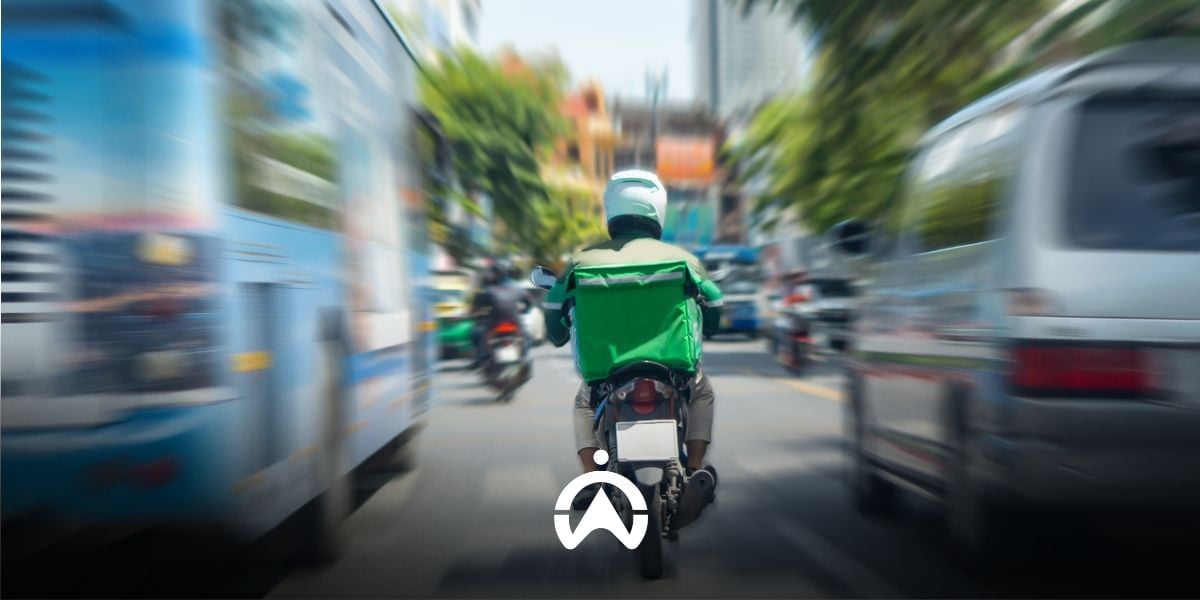
A motorcycle courier in a green uniform carries a package to identify the motorcycle's monitoring needs before installing a GPS tracker.

3. Costs according to budget

You can subscribe to Cartrack’s Bike Track motorcycle monitoring solution starting at IDR 150,000 per month per vehicle. This package enables various monitoring capabilities, including real-time location tracking, idling monitoring, driver behaviour analysis, and a range of reports. However, additional fees apply if you wish to add features such as MiFleet (cost management) and Delivery (delivery management).

Don't let your motorcycle fleet go unmonitored. Use Cartrack's Bike Tracker to monitor and manage your motorcycle fleet. Complete your information in the form on this page or click the WhatsApp button to connect with us directly. 

9 Types of Cartrack Notifications to Anticipate Emergency Situations on the Road

To ensure smooth fleet operations and business continuity, you need to anticipate emergency situations that may occur while vehicles are on the road. Some emergency situations you can prepare for include vehicle theft, robbery, and accidents. Using the fleet management system Cartrack with its wide range of features can help you manage these situations effectively.

One of the most important features for anticipating emergency situations is automatic notifications or alerts, which can be sent via email, SMS, and push notifications. You can customise the types of notifications you wish to receive, apply them to specific vehicles, and set the notification delivery time range. What types of notifications does Cartrack provide to help anticipate emergency situations? Take a look at the explanation below.

1. Aggressive Driving Behaviour

Antisipasi   jalan akibat kelalaian pengemudi Anda dengan mengaktifkan notifikasi perilaku mengemudi agresif. Atur notifikasi untuk beberapa parameter mengemudi agresif yang penting bagi Anda, seperti kecepatan berlebih, pengereman mendadak, dan tikungan tajam (berguna khususnya untuk truk gandeng).

2. Excessive Driving Time

Based on Article 90 of the Republic of Indonesia Law Number 22 of 2009 concerning Road Traffic and Transportation, drivers are required to rest after driving continuously for 4 hours. This is intended to prevent fatigue while driving, which increases the risk of accidents. Ensure your drivers do not drive excessively by applying a 240-minute (4-hour) driving time limit alert to all your vehicles through Cartrack Fleet Web.

3. Route

On Cartrack Fleet Web (a web-based fleet management software), there is a route planner feature that allows you to plan daily routes for each vehicle based on trip history. You can also set notifications to help anticipate emergency situations, such as potential hijacking, theft, and vehicle damage. These notifications include route deviations, route cancellations due to excessive deviation, slow route progress, and routes not starting within a specified period of time.

4. Panic

With the additional panic button feature from Cartrack installed in the vehicle, drivers can send alerts when caught in emergency situations, such as robbery, accidents, or disasters. To help prevent greater losses, the fleet operator on duty can immediately dispatch assistance to the location tracked by the Cartrack GPS tracker.

Close-up of driver's hands on the steering wheel of a car on the highway to anticipate emergency situations on the road with Cartrack technology.

5. Geofence

Before setting up geofence notifications, you need to create a virtual perimeter on the map for the area you wish to monitor. Geofence notifications will alert you whenever a vehicle (to which this notification has been applied) enters and/or exits the designated area. This notification helps you anticipate situations where a vehicle enters a restricted area or leaves your operational boundaries.

6. Movement

Cartrack dapat mendeteksi bila kendaraan bergerak dalam keadaan mesin mati dan mengirimkan notifikasi setelah jarak pergeseran lebih dari 5 meter. Pergeseran kendaraan lebih dari 5 meter dalam keadaan mesin mati ini dapat mengindikasikan adanya penderekan, baik akibat pelanggaran lalu lintas, maupun pencurian kendaraan. Kedua peristiwa ini tentunya patut diantisipasi agar kerugian dapat ditekan dan penugasan armada berjalan lancar.

7. Power outage

Enable power disconnection notifications to be informed whenever the Cartrack GPS tracker is disconnected from the vehicle battery power supply. This way, if there is battery or vehicle theft, where the thief disconnects the battery or GPS tracker, you will be alerted immediately.

8. Fuel Loss

Fuel theft can occur while a vehicle is parked or while the driver is resting before continuing the journey. A significant loss of fuel can delay task completion, which affects the smooth running of your business. In addition, cargo theft may also occur (especially for open-bed trucks) if the vehicle breaks down on the road due to running out of fuel. Fuel loss notifications (available only for vehicles equipped with the Cartrack fuel sensor help ensure smooth and efficient journeys.

9. Temperature

Food and beverage deliveries using refrigerated cargo vehicles require temperature monitoring. Temperature notifications (available only for vehicles equipped with Cartrack temperature sensors) are very useful for ensuring that food and beverages being transported do not spoil during transit. Temperature alerts are triggered when cargo temperatures exceed the upper and lower tolerance limits that you have set.

Anticipate emergency situations during trips to minimise the risk of losses with the wide range of notifications Cartrack provides. Cartrack’s fleet management system gives you full visibility over fleet activity, helping you ensure vehicle journeys are safe, drivers remain protected, and your business runs smoothly. Enhance your risk management for on-the-road emergencies with Cartrack—contact us now!