
The Digitalisation of Fleet Management Does Not Diminish the Importance of the Worker's Role

Are you a fleet owner or manager planning to join the digital revolution? Start by digitising your fleet management through the implementation of a GPS-based fleet management system. Vehicle movements—as well as driver assignments—can be monitored digitally. Even with the shift to a digital system, the roles of fleet managers, drivers, administrative staff, and all personnel involved in fleet operations remain vitally important.

Driver Assignment

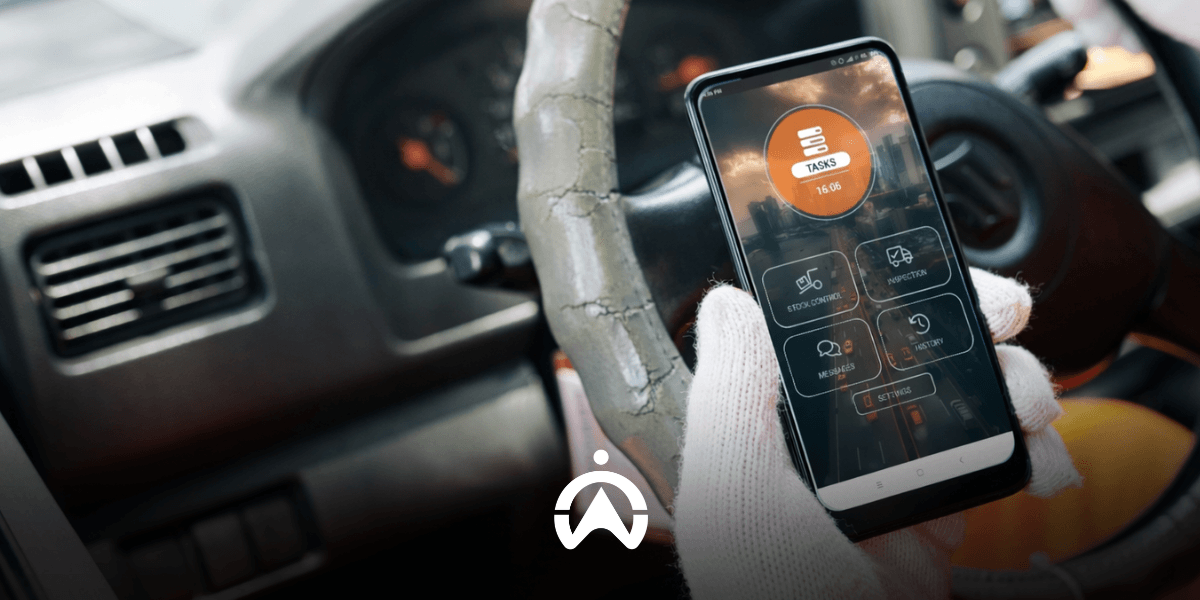
The digitalisation of job dispatch and delivery management refers to fully digital assignment systems—such as the Delivery feature from Cartrack. Fleet managers can create job details using fleet management software and delegate them to drivers, who then receive the assignments and submit proof of completion via a dedicated driver app. 

Task creation, driver assignment, task acceptance, and progress monitoring—as well as the submission of photos and signatures as proof of completion—are all handled via a digital platform. This digitalisation enables fleet managers and drivers to work more efficiently while maintaining a traceable digital record.  

Operational Performance Monitoring

Fleet management software incorporates Artificial Intelligence (AI) capable of evaluating your drivers. For instance, Cartrack’s Fleet Web automatically generates Driver Score reports, which assign scores based on each driver's driving behaviour. Additionally, GPS trackers can issue alerts regarding key monitoring parameters during vehicle operations. All the available data and alerts provide fleet managers with valuable insights and the convenience needed to take follow-up actions that drive fleet improvement.

Dua orang berjabat tangan di atas meja kerja

Fleet Administration Management

Through automation, a fleet management system alleviates the administrative workload, particularly regarding repetitive tasks. Examples include automated vehicle maintenance scheduling, which can be configured based on dates, operational duration, or mileage; reminders can be set to trigger at a specific time or mileage interval prior to the scheduled event. You can also automate administrative scheduling, such as renewals for vehicle registrations (STNK) and driver's licenses.

Furthermore, if you use Cartrack’s MiFleet feature, you can automatically verify fuel receipts. Both operational and financial fleet reports are generated automatically based on data recorded by the GPS tracker and information you input into the Cartrack Fleet Web platform. While digitalisation makes administrative tasks more efficient, the relevant personnel must still ensure that all work is executed properly and on time.

Digitising fleet management enables you and your team to work more efficiently and productively. This system is a tool that relies on your workforce to leverage it fully for the growth of your fleet business. Ready to start digitising your fleet management? Contact us now to get a free LIVE DEMO of Cartrack’s fleet management system!

Track the use of vehicle mechanical equipment with Power Take-Off (PTO) sensors

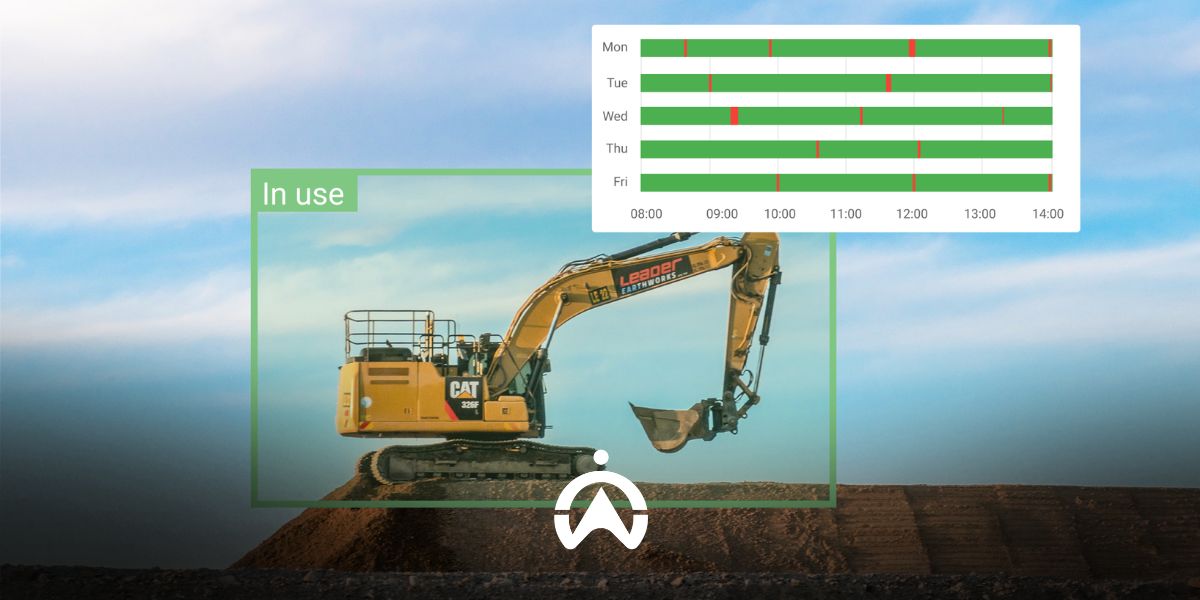
Power take-off (PTO) in vehicles is a method of drawing a certain amount of power from a running engine and transmitting it to other connected devices. This PTO system is typically activated using a switch, button, or lever—for example, for dump truck beds, truck-mounted cranes, excavator buckets, and bulldozer blades. To monitor the use of mechanical equipment in heavy machinery or special-purpose vehicles in greater detail, a power take-off (PTO) sensor should be installed alongside a GPS tracker.

Benefits of Integrating PTO Sensors with GPS Tracking

GPS-based fleet management systems typically provide a range of additional features that can be integrated with GPS tracker devices, one of which is the power take-off (PTO) sensor. The information recorded by both the PTO sensor and the GPS tracker can then be accessed through automated reports available in the fleet management software based on GPS tracking. This integration allows you to determine the time, duration, location, and geofence status when the PTO is activated or deactivated. This data is useful for managing vehicle maintenance, tracking operator and vehicle productivity, and providing service evidence.

1. Manage Special Purpose Vehicle Maintenance More Effectively

Special-purpose vehicles such as dump trucks, tow trucks, excavators, bulldozers, and road sweepers may require more specialised maintenance. With a GPS tracker, you can monitor mileage, engine hours, and vehicle operating duration, all of which are important for maintenance scheduling. The addition of a PTO sensor helps you understand how the vehicle’s mechanical equipment is being used, allowing you to determine when components should be replaced or serviced. In this way, both the vehicle and its peripheral components are properly maintained to prevent downtime>.

Yellow dump truck dumping sand at construction site

2. Track Operator and Vehicle Productivity

Although a GPS tracker can provide information on vehicle activity and driving behaviour, it cannot capture the operation of mechanical equipment that uses PTO. Without a PTO sensor, it is not possible to confirm whether mechanical equipment is being operated while the vehicle is moving or stationary. The combination of PTO and GPS tracking data provides information on operating time, duration, idle time, stop duration, and the location of mechanical equipment usage over a selected period. This enables you to better understand the true productivity of your operators and special-purpose vehicles. For real-time monitoring, alerts can be set up to notify you whenever the PTO is switched on and/or off.

3. Provide Proof of Service Data

The PTO sensor can provide data on the usage of a vehicle's mechanical equipment as proof of service whenever needed—for instance, when addressing complaints. You can access accurate data regarding the time and location of the equipment's activation and deactivation, as well as the duration of continuous use over a selected period. Additionally, the PTO sensor and GPS tracker can reveal instances of misuse, such as when the vehicle's mechanical equipment is operated outside of designated times or areas.

Interested in installing PTO sensors on your heavy equipment or special-purpose vehicles? Use a reliable Cartrack fleet management system! The Cartrack fleet management system integrates GPS tracker and a wide range of selectable features into a single web-based software platform. You can add specialised features, including PTO sensors, to support your fleet management needs. Contact us now!
Customisation in Fleet Management Systems: Providing Flexibility to Optimise Your Fleet

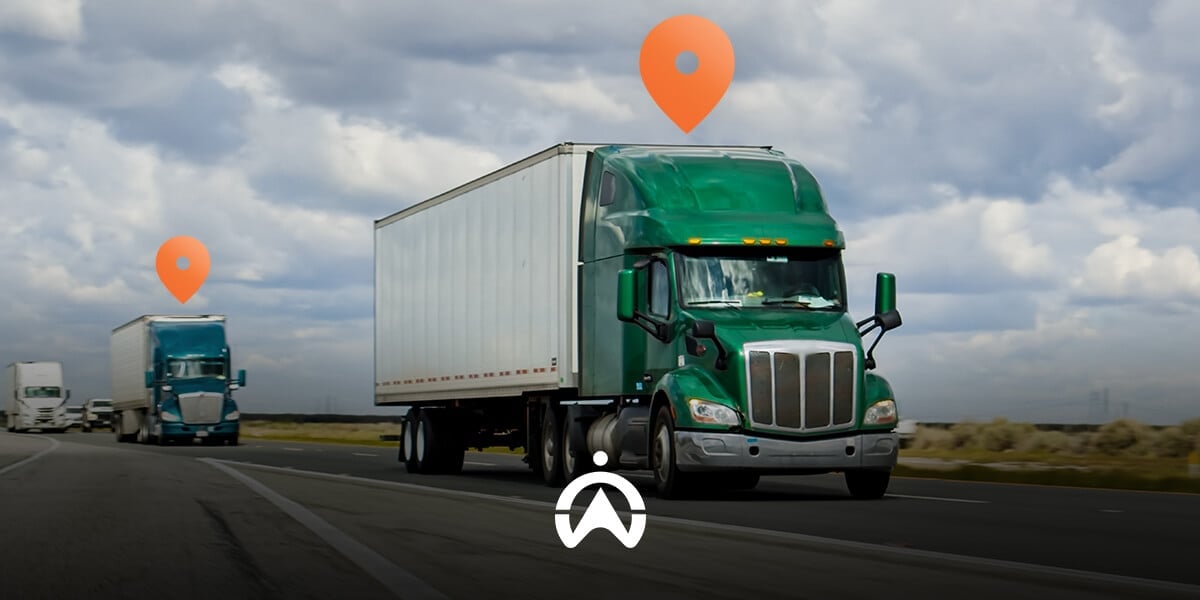
Even within the same industry, the fleet requirements of one company may differ significantly from another. This is why vehicle telematics providers such as Cartrack offer flexible fleet management solutions. Tailored systems that can be adapted to users’ specific needs are far more effective in supporting successful fleet management outcomes.

The Importance of Customisation in Fleet Management Systems

Fleet management system is not a one-size-fits-all solution. Each fleet has different requirements in terms of performance measurement and tracking. The decision to adopt a fleet management solution must also take into account the needs of various stakeholders, such as managers, drivers, HR, General Affairs, and others. This is because a fleet management system is not only about operations, but also benefits a range of departments linked to the fleet.

As a starting point, fleet managers need to identify problems and prioritise areas that require improvement. Fleets with high accident rates and traffic violations will prioritise driving safety. For this reason, monitoring and driving behaviour alerts, as well as driver scorecards, must be included in the fleet management system being used.

Other fleets with low accident rates but high fuel expenditure will focus on tracking fuel-inefficient activity. Fuel monitoring, idle tracking, speeding alerts, and refuelling reports will be highly beneficial for these fleet managers.

Off-the-shelf solutions can address some fleet needs, but they don't provide managers with the opportunity to fully optimise their fleet. Adopting a system that can be customised to your priorities helps ensure your fleet continues to operate optimally and profitably well into the future.

The Right Solution Provider Partner is Key

Choosing the right fleet management solution provider is an important first step. The solution partner should help you identify key fleet management challenges and provide the best long-term solutions tailored to your needs. The fleet management solution offered should be able to help analyse and interpret data, identify emerging fleet trends, and provide reliable insights for follow-up action.

Cartrack offers a flexible fleet management solution, allowing you to add various features according to your needs. In addition, Cartrack’s advanced fleet management software gives you the freedom to make full use of all features to optimise your fleet operations. The following are the features provided in Cartrack’s fleet management system.

KEY FEATURES

  • Location monitoring in real-time.
  • Driving behaviour monitoring, including alerts for harsh braking, speeding, rapid acceleration, sharp cornering, and excessive idling.
  • Geofencing, monitoring vehicle activity within a defined area/perimeter that you set.
  • Points of Interest (POI) for marking important locations within your fleet operations.
  • What’s Nearby?, identifying the vehicles closest to a Point of Interest (POI) or a location you select.
  • Route planner, allows you to plan, schedule and monitor the progress of assigned routes for selected vehicles.
  • Route replay to track how your vehicle was driven (route traveled, distance traveled, speed, driving behaviour alerts, etc.) at a time of your choosing
  • Starter monitoring, which provides real-time notifications whenever the ignition is turned on and/or off, including the time and location information.
  • Grouping of drivers and vehicles to focus monitoring and reporting
  • Logbook to separate business and personal trip records, and add details of each trip.
  • Schedule reminders to assist in scheduling service based on the date, kilometer, and duration of operation of each vehicle, STNK and SIM renewals, as well as other schedules related to fleet administration.
  • Dashboard, displaying fleet statistics related to the priorities of your business, for the selected time period and vehicle group.
  • Automated reports to help you understand your fleet and take action based on credible data—simply choose from dozens of available report types or customise reports according to your needs, with options in Excel or PDF format, which can be downloaded directly or sent via e-mail.

Officers wearing safety vests use tablets to customize the fleet management system to monitor truck operations in the parking area.

ADDITIONAL FEATURES

  • Fuel sensor to track fuel consumption, refuelling, loss, and fuel efficiency.
  • Temperature sensors, with each vehicle able to be fitted with up to 4 temperature sensors.
  • Cargo door sensors to monitor cargo door opening and closing activity.
  • Cement mixer sensor to monitor the loading and unloading activity of cement mixture from the cement mixer truck
  • Power Take-Off (PTO) sensors to monitor the operation of vehicle peripheral mechanical equipment, such as cranes and tow hooks.
  • CAN Bus sensors to integrate CAN Bus data from vehicles into the Cartrack fleet management system.
  • Remote immobiliser to remotely shut down the engine, effectively activated once the vehicle has stopped so that the ignition cannot be started again.
  • Driver ID tag (DID) for identifying drivers, controlling vehicle access, and recording working hours.
  • A combination of DID and an immobiliser to prevent unauthorised vehicle ignition, where the driver must verify themselves using a driver ID tag in order to start the vehicle.
  • Panic button, enabling drivers to send an emergency alert signal to fleet operators.
  • Communicator for driver task assignments, progress monitoring, and more efficient task management.
  • Mi-Fleet, helping to manage fleet costs more efficiently.
  • Live Vision or monitoring cameras, with each vehicle able to be fitted with up to 4 cameras.

The flexibility of the Cartrack fleet management system can be seen not only in the wide range of additional features provided, but also in the customisation of its core functions. All features, including standard ones, can be configured according to your needs—making the Cartrack fleet management system truly your own. Consult your fleet management requirements so we can help provide the best solution. For new customers, we also offer free training on how to use the Cartrack fleet management software. Contact us now!

GPS Tracker Solution with Immobiliser, Capable of Switching Off Vehicles Remotely!

Have you ever heard of an immobiliser in motor vehicles? This device, also known as a Start Prevent, functions to prevent a vehicle’s engine from being started (starter system). The latest vehicles, particularly European brands, and some types of motorcycles already have it, namely with an immobiliser key system.

In addition, there is another type of immobilizer: the wireless system. Unlike an immobilizer key, which needs direct signal contact or close range, a wireless immobilizer can work from a distance (remotely). GPS tracker companies usually provide this type of immobilizer, which lets users shut down the engine remotely through an app, website, or SMS.

The machine can be turned off either directly or not

There are two types of remote immobiliser commonly offered by GPS tracker companies, namely those that switch off the vehicle engine directly and those that do so indirectly from a distance. “Direct” means that when you send an immobilise command, the vehicle engine is switched off gradually or immediately (depending on the GPS tracker company providing it), regardless of whether the vehicle is moving or stationary. “Indirect” means that the engine shut-off command only takes effect after the vehicle has been switched off, so that the vehicle cannot be started again.

Each has its own advantages. A remote immobilizer that cuts the engine immediately lets you act quickly when your vehicle is stolen. You can stop the theft before your vehicle is taken too far. On the other hand, a remote immobilizer that doesn't cut the engine immediately takes road safety into account. The vehicle stays secure and road accidents can be prevented, because engine ignition is disabled only once the vehicle has stopped or is parked.

Pemandangan udara jalan berliku di hutan hijau dengan ilustrasi sistem GPS tracker immobilizer untuk matikan kendaraan jarak jauh.

Cartrack Immobiliser and Its Modifications

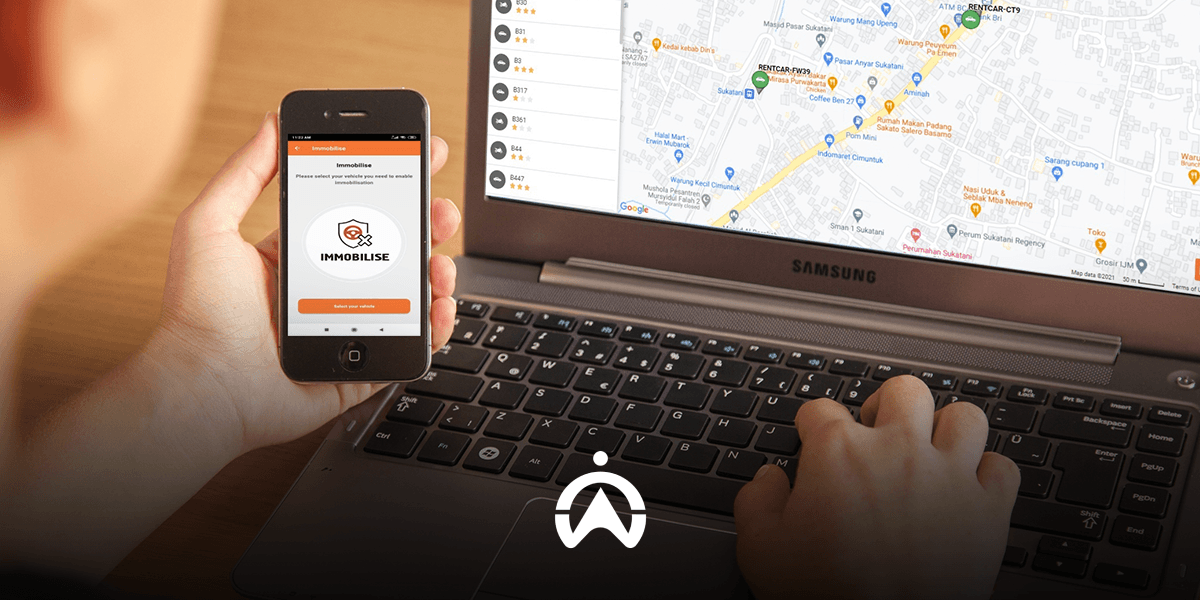
With various considerations, Cartrack only recommends a remote immobiliser that becomes effective after the vehicle has been switched off by the driver. Users send an engine shut-off command for the selected vehicle via the “Immobilise” feature on the mobile application or Fleet Web Cartrack. Cartrack will send an OTP code via SMS to the registered mobile number. You simply enter this OTP code into the mobile application or Fleet Web Cartrack. Whenever you want to start the vehicle again, you can disable the immobiliser using the same process, namely OTP verification via SMS.

Besides the standard remote immobilizer, Cartrack also offers an installation that combines the immobilizer with a driver identification (DID) tag. A DID tag is an iButton device that verifies authorised drivers. The driver must tap the DID tag before starting the vehicle, or a long alarm will sound. When combined with the immobilizer, the driver cannot start the vehicle without first tapping the DID tag. In other words, the DID tag acts as the driver's authorisation to start the vehicle.

Protect your business assets from theft and misuse, and prevent major losses. Use a Cartrack GPS tracker with the additional remote immobilizer feature, or the combined immobilizer and DID tag. You can apply it to a wide range of vehicles, including motorcycles. Contact us by filling in the form here, and our consultants will get in touch to help you.

With a GPS Tracker, Your Logistics Service Customers Can Also Track Their Deliveries

Having vehicles equipped with a GPS tracker will increase the value of your logistics business. Not only does it benefit your expedition company, but it also benefits your customers. A GPS tracker allows your customers to be informed about the real-time location of the delivery vehicle carrying their goods. At least two features of GPS tracking software can provide real-time vehicle location updates to customers, namely share location and geofence.

Share Location

The share location feature in GPS tracking software allows fleet managers to share the current location of a vehicle in the form of a link. You can copy and share the link through any platform you use to communicate with customers, such as WhatsApp, SMS, or email. The link’s validity is based on calendar dates and has no restrictions. Customers simply click the shared link to access the real-time location of the vehicle carrying their goods.

In addition to improving visibility, the share location feature provides certainty for recipients. They can monitor deliveries at any time, estimate more accurate arrival times, and ensure smooth business operations. This is also important for your customers’ businesses, as delivery delays can impact subsequent supply chain activities.

The expedition officer puts the package into a delivery car equipped with a GPS tracker to make it easier for customers to track the delivery.

Geofence

With the geofence feature, you can virtually mark customer areas on a map and monitor your vehicles’ activity within those zones. From there, you can configure alerts to be triggered whenever a vehicle enters and/or exits the designated area. Alerts can be sent via email and SMS or displayed on an RSS page—not only for internal use within your logistics company, but also for your customers. Customers are immediately informed when a delivery vehicle enters their area, allowing them to prepare for unloading.

Increase trust and customer satisfaction for your logistics services by enabling customers to track their deliveries. Use Cartrack’s GPS tracking-based fleet management system and leverage the share location and geofence features to optimise your logistics services. Contact us now and get a FREE LIVE DEMO!

The Costs Companies Bear from Unsafe Driving Behaviour by Drivers

To reduce high fleet operating costs, various efficiency and optimisation efforts need to be implemented. Increasing productivity, lowering costs, and reducing downtime are some of the most common ways to achieve this. On the other hand, driving safety—which is often overlooked—can actually play a major role in improving fleet cost efficiency. Below are the “costs” companies bear when they fail to ensure their drivers operate safely on the road.

1. Injury to Death of Driver

Driver injury or death can be a severe blow to a company. You not only lose an employee who must be replaced, but also time and money. There will be lost working hours, reassignment of duties, costs of recruiting and training a new driver, expensive employee medical claims, and additional compensation in the event of driver death or disability.

2. Vehicle Damage

The smallest risk of unsafe driving behaviour is that vehicles wear out or become damaged more quickly. This naturally increases company expenses due to more frequent repairs and earlier replacement of accessories or spare parts. The worst-case scenario is a major vehicle accident resulting in severe damage that cannot be repaired. In such cases, the company is forced to incur significant costs to replace the asset.

3. Loss of Cargo

You would certainly not want to assign a reckless driver to transport a cargo truck carrying high-value goods. The smallest risk may only involve damage to goods inside the cargo or delivery delays due to minor accidents and the need to transfer the cargo to another vehicle. The worst-case scenario is the loss of the commodities inside the cargo, which may be destroyed in an accident or even stolen by irresponsible parties during or after the incident.

Uniformed drivers drive with a focus on preventing unsafe driving behavior that is detrimental to the company.

4. Decrease in Reputation

Reckless driving behaviour or major accidents involving company vehicles can damage a company’s image. In addition to reducing customer satisfaction, any negative publicity can undermine public trust, leading to a decline in business performance and profitability.

5. Lawsuits

Unsafe driving behaviour carries the risk of legal claims that can result in significant losses for a company. These legal claims may include traffic fines for violations, as well as criminal charges and/or penalties for accidents that cause injuries, fatalities, or damage to vehicles and other buildings or property. This does not yet include compensation claims for victims and the resulting damages.

How can you ensure that your drivers’ behaviour is safe? One way is by using a GPS tracking system that can remotely monitor driver behaviour. Cartrack’s GPS tracking-based fleet management system monitors several risky driving behaviour parameters such as speeding (where speed limits can be set by you), sharp cornering (which is especially dangerous for trailer trucks), harsh braking, and sudden acceleration.

You can receive alerts when these events occur, as well as generate automated reports related to driver safety. Contact us now and find out how Cartrack can improve driver safety for your drivers!

4 Important Functions of Fleet Management Technology for the Manufacturing Industry

The manufacturing industry transforms raw materials into finished goods with higher market value. These large-scale production operations rely on transportation, particularly for manufacturers that manage their logistics activities in-house—a model known as first-party logistics (1PL). Transportation plays a crucial role across the entire value chain, from raw material procurement and storage to final sales. GPS-based fleet management technology can help manufacturing companies manage their supply chains more efficiently. Here are four key functions of GPS-based fleet management technology for manufacturing industry fleets.

1. Monitoring Operating Hours

GPS devices installed on vehicles can report engine operating hours—tracking either the total accumulated time since the GPS tracker was first activated or the accumulation within a specific period of your choice. Additionally, an optional power take-off (PTO) sensor can monitor the operation of peripheral features on forklifts and other warehouse vehicles, allowing you to assess the efficiency of their usage.

2. Service Schedule Management

Fleet management software offers a reminder feature for managing service schedules. A key advantage is the ability to configure schedules and notifications based not only on dates but also on operating hours and the mileage of individual vehicles. Additionally, a Driver Vehicle Inspection Report (DVIR) feature is available, allowing drivers to report vehicle issues. The software's interface enables managers to easily identify priorities for maintaining optimal vehicle condition and minimizing downtime.

Three trucks in front of the warehouse demonstrate fleet management technology for the manufacturing industry.

3. Shipment Tracking

To meet customer demands in a timely manner, manufacturing companies must ensure that deliveries are trackable and executed as efficiently as possible. GPS trackers allow you to monitor locations and receive various updates and alerts while deliveries are in progress. Fleet management software, such as Cartrack, offers route planning and driver assignment features that help ensure deliveries are efficient, smooth, and on time. You can configure alerts for events such as route starts, completions, delays, slow progress, and route deviations. Additionally, you can receive alerts from auxiliary vehicle sensors, such as those monitoring refrigerated cargo temperatures and the opening or closing of cargo doors.

4. Fleet Cost Management

Ensuring efficient fleet and delivery costs will boost a manufacturing company's profits. You can manage your fleet costs more efficiently through a single fleet management software platform—such as Cartrack’s Fleet Web, which includes the Mi-Fleet feature for cost management. This allows you to quickly determine vehicle costs per kilometer or per specific period, identify cost inefficiencies, and take appropriate action.

Manage your manufacturing company's fleet using GPS-based fleet management technology and boost your business efficiency, productivity, and profitability. Entrust the management of your manufacturing fleet to Cartrack’s reliable fleet management system. Cartrack offers GPS trackers, fleet management software, driver dispatch apps, and a wide range of sensors and features that can be customised to your needs. Click here for a consultation and get a free live demo!

Integration of CAN Bus Data and GPS Tracker in a Fleet Management System

Not only computers, vehicles also have an internal network called the Controller Area Network or Controller Area Network (CAN) Bus. Like a nervous system connecting different parts of the body, the CAN Bus enables communication between Electronic Control Units or Electronic Control Unit (ECU). These ECUs are essentially the brains of a vehicle’s computerised systems—there are different ECUs that control the engine, air conditioning, transmission, electrics, and more. The CAN Bus extracts data directly from these control units and can facilitate interaction between the various systems within the vehicle.

Accurate Vehicle Information from CAN Bus

The data obtained from the CAN Bus is accurate because it is extracted directly from the vehicle’s system control units. Some types of information that can be obtained from the CAN Bus include seat belt status, doors, odometer readings, fuel levels, and driving behaviour.

Seat Belt Status

The CAN Bus can detect whether the seat belt status of the driver and passengers is active or inactive. Some vehicles can even process this CAN Bus data to take further actions. For example, when the seat belt is fastened, the parking brake may automatically disengage once the driver starts accelerating.

Door Status

The CAN Bus knows when each vehicle door is opened or closed. The CAN Bus can also transmit signals that enable interaction with the electrical lighting system, where the lights can switch on when a door is opened and turn off automatically when the door is closed.

Odometer

The CAN Bus accurately monitors the odometer, allowing you to know the vehicle’s total mileage as well as the distance travelled for each trip.

Fuel

CAN Bus records fuel activity and volume, including refuelling and fuel loss, including fuel consumption.

Driving Behaviour

CAN Bus provides information related to several driving behaviour parameters, such as speeding, idling, acceleration, braking, and cornering.

Top view of an electric vehicle showing the integration of CAN bus data into the battery system for optimized fleet management.

CAN Bus Integration with Vehicle GPS Tracking System

These CAN Bus data can be integrated into a fleet management system (fleet management system) based on GPS tracking through an additional CAN Bus clamp feature. This allows CAN Bus data to be displayed on the fleet management software platform. In Fleet Web, Cartrack’s web-based fleet management platform, CAN Bus data is presented in automated reports. You can also set up automatic alerts through the Alerts menu for monitoring CAN Bus data in your vehicles, for example when a seat belt is unfastened, hazard lights are activated, etc.

However, not all vehicle types or brands have a fully comprehensive CAN Bus communication system. Vehicles (passenger cars, buses, or trucks) from brands such as Mercedes-Benz, Volvo, Scania, and other European manufacturers are among those that require a CAN Bus clamp to be integrated with a GPS tracking-based fleet management system. Some vehicle models even require only a CAN Bus clamp (without additional fuel sensors) to monitor fuel consumption within a fleet management system. This is because all electrical systems controlling engine power in these vehicles do not operate in an analog manner.

If you have vehicles with a CAN Bus system, contact us to consult on the implementation of Cartrack’s fleet management system for your vehicles. Our consultants and technical team will provide the best fleet management and monitoring solution based on your vehicle types and requirements.

Book a free consultation now and get a LIVE DEMO to understand how our fleet management platform can support your business!

Besides Location Tracking, Here Are 4 Functions of GPS Trackers for Car Rental Businesses

A GPS tracker is an essential device for companies that rely on vehicle fleets, such as car rental businesses. Known for its ability to track vehicle locations, a GPS tracker also offers other useful functions for car rental business owners. Here are four functions of a GPS tracker beyond location tracking for car rental businesses, without using any additional integrated features or sensors.

1. Anticipating Rental Car Theft

GPS tracking software includes a geofence feature that allows you to mark areas you want to monitor virtually. Geofencing enables you to monitor vehicle activity within these areas and trigger notifications when a vehicle enters or leaves them. For example, if you run a car rental business in Bali and have a policy prohibiting customers from taking cars outside Bali, you can use geofencing to mark the Bali area and ferry ports, such as Gilimanuk and Benoa. This way, you will receive real-time notifications (via e-mail/SMS and mobile app push notifications) when your assets enter a ferry port area or leave Bali. In addition to geofencing, you can also set alerts for usage outside scheduled hours.

2. Monitor the Driving Behaviour of Rental Car Drivers

Whether your car rental business provides drivers or not, the driving behaviour monitoring function remains useful. A GPS tracker monitors driving behaviour and sends notifications when aggressive driving behaviour occurs, such as speeding, harsh braking, sharp cornering and harsh acceleration. The artificial intelligence (AI) in GPS tracking software can also assess drivers based on their driving behaviour, with the results presented in a Driving Score Report. This report can be used to evaluate and improve your car rental services. If your car rental business operates on a self-drive basis, driving behaviour monitoring can provide evidence in the event of an accident. You can replay the trip route from that day and obtain information such as whether the driver was speeding or braking harshly.

Calm car driver with a driving safety score display of 92

3. Monitor Rental Car Usage Levels

GPS tracking software helps you measure vehicle utilisation and identify cars that are rarely used or overused. From this data, you can determine which types of cars are the most or least popular. You can then make informed decisions about whether to reduce the fleet size, reduce or replace less popular car models, and adjust car rental allocations to achieve a better balance.

4. Manage Rental Car Service and Maintenance More Efficiently

    GPS tracking software includes a Reminders feature to help you manage fleet operations, including car servicing and maintenance, more efficiently. Synchronised with GPS tracker data, you can schedule car servicing based not only on the date, but also on the mileage and duration of each vehicle. Notifications can be set to be sent several kilometres in advance or at a specific time, allowing you time to process all necessary servicing for your rental car. Before renting out a car, you can check the service schedule to ensure it's in good condition when handed over to the customer.   

The advantages of a GPS tracker are also supported by its software, which provides various functions beyond location tracking, including geofencing, driving behaviour monitoring, route replay, automated reports and alerts, and schedule management. Therefore, it is important for car rental business owners to choose a GPS tracker with reliable software — Cartrack is one of the best in the world.

Cartrack also gives you the flexibility to take your car rental management to the next level. You can add features or sensors integrated with your vehicle’s GPS hardware or software, such as a fuel sensor, Communicator (a driver task assignment application developed by Cartrack), and Mi-Fleet (a fleet cost management feature in Cartrack’s software). Use Cartrack to improve service quality, vehicle productivity and the profitability of your car rental business. Contact us today!

7 Benefits of GPS Trackers for Company Fleet Drivers

The use of GPS trackers benefits not only management but also fleet drivers. As the frontline workforce, drivers need to understand this technology, as well as the concept of fleet digitalisation. By sharing a common perspective, management and drivers can collaborate to leverage this digital technology for optimal results. While the benefits of GPS trackers for management are clear, here are seven benefits for fleet drivers.

1. Improving Driving Safety

GPS trackers can monitor driving habits and send real-time notifications to drivers and operators when aggressive driving behaviours—such as speeding, harsh braking, rapid acceleration, and sharp cornering—are detected. Driving behaviour reports can also be downloaded and automatically emailed, enabling drivers to evaluate their driving style. Furthermore, these reports assist management in facilitating targeted training to improve driving safety.

2. Helps Ensure Asset Security During Transit

GPS trackers help drivers ensure the security of the cargo and vehicles they transport. GPS tracking companies typically offer various security devices that can be integrated into vehicle monitoring systems, such as remote immobilisers, panic buttons, surveillance cameras, and cargo door sensors. Drivers can send a distress signal to the operator during an emergency by pressing the panic button. Operators can remotely disable the engine starter using the immobiliser if surveillance cameras detect a vehicle theft. Additionally, operators can detect unauthorised opening or closing of cargo doors through the use of cargo door sensors.

3. Protecting Drivers from Unjustified Lawsuits

Data recorded by GPS trackers can serve as strong evidence in accident-related lawsuits or delivery claims, potentially exonerating drivers from wrongful accusations. Management can review vehicle trip history and surveillance footage from the day of the incident, while also accessing critical information such as vehicle speed, the time of the accident, driving duration, and the presence of aggressive driving behaviour. Regarding delivery claims—such as those involving lost or damaged goods—management can utilise data on aggressive driving, cargo door sensors, and temperature sensors (for food and beverage shipments).

4. Get a more objective job assessment

With GPS trackers, management can monitor driver productivity during trips, total working hours over a specific period, driving behavior, and the effectiveness of task completion. An additional "driver ID tag" feature helps identify the specific driver operating each vehicle. As the data reported by GPS trackers is highly accurate, driver performance assessments become more objective. Furthermore, the allocation of bonuses and other incentives to reward individual driver achievements can be determined based on this GPS tracking data.

Sopir armada sedang mengemudi truk dengan overlay data manfaat GPS tracker yang menampilkan statistik penggunaan kendaraan dan jarak tempuh.

5. Making Communication and Task Assignment More Efficient

GPS trackers reduce the frequency of calls or text messages to drivers—whether for routine location checks or dispatching—making it easier to assign the nearest driver to a destination and enabling more effective routing, as operators are notified of any deviations from the planned route. GPS trackers also facilitate the digitisation of task assignments through integrated features or applications, such as Cartrack’s Delivery solution. This digitisation helps drivers stay focused on the road and complete tasks more efficiently.

6. Reducing Document-Related Errors

Digitising job assignments frees drivers from the complexities of handling shipping paperwork and the risk of forgetting to carry necessary documents. Everything a driver needs is available within the assignment app, which is integrated with a GPS tracker. With Cartrack Delivery, assignments can include a series of sequential steps, ensuring drivers do not overlook any tasks. Proof of delivery—such as a photo or digital signature—can also be submitted directly through the Delivery app, offering a practical, efficient, and paperless solution.

7. Minimising loss of working time due to vehicle issues.

Operational vehicles must be kept in prime condition to prevent drivers from losing work time—and subsequently incurring overtime—due to breakdowns. GPS tracking software facilitates vehicle maintenance management; service schedules can be automatically set based on date, mileage, and the operational duration of each vehicle. Drivers can also report vehicle issues via the Driver Vehicle Inspection Report (DVIR) feature, which connects directly to the central fleet management system. These features aid in preventive maintenance and expedite the repair process, addressing issues before they lead to breakdowns and lost work time.

The benefits of implementing GPS trackers far outweigh any concerns fleet drivers might have about a perceived lack of freedom while working. GPS trackers help drivers work more safely, efficiently, and productively, while also protecting them from adverse situations. It is time to embrace the era of fleet digitalization with GPS tracking technology—ensure you use Cartrack’s reliable fleet management system. Click here for inquiries, orders, or to request a free online demo.