
3 Ways to Reduce Costly Idle Habits in Your Fleet Operations

Idling—leaving the engine running while the vehicle is stationary—can waste fuel. Each hour of idling can consume more than a gallon (approximately 4.5 liters) of fuel. Furthermore, idling increases air pollution and causes engine wear. Excessive idling can certainly be costly for a company. Although it cannot be entirely avoided, you can minimise idling through the following strategies.

1. Monitor and Minimise Idling in Real-Time

You need technology that can track and notify you when idle time occurs. Cartrack's fleet management system can do this, using GPS tracking devices installed on vehicles. You'll receive a notification once the engine has exceeded the permitted idle time limit. Cartrack sets the idle time limit at 5 minutes, but you can request a different setting from our team. From this notification, you can then track the vehicle's location on a map and assess the idle time, whether it's necessary or can be minimised.

2. Evaluate and Educate Drivers Based on Data

In addition to real-time idling monitoring, Cartrack provides idling statistics through both analysis reports and a business intelligence dashboard. You can identify which vehicles or drivers idle the most frequently. While it is generally normal for vehicles with longer driving times to have higher idling durations, you should keep an eye on vehicles that are driven less frequently yet still exhibit high idling times. These idling statistics can inform the development of training materials aimed at improving your drivers' vehicle usage habits.
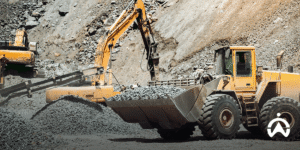
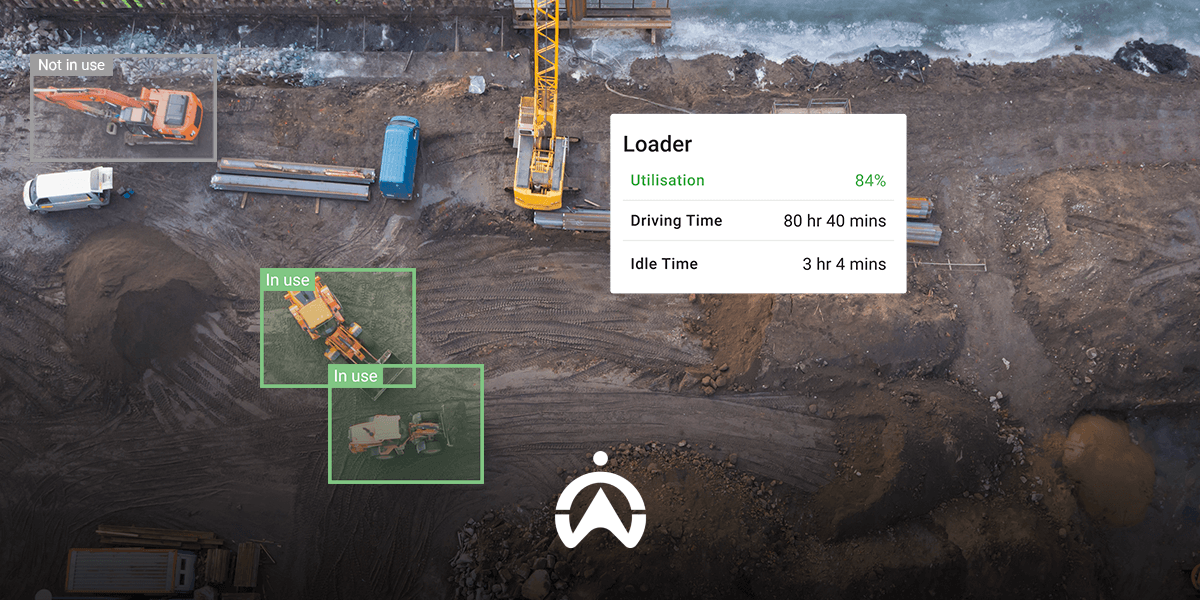
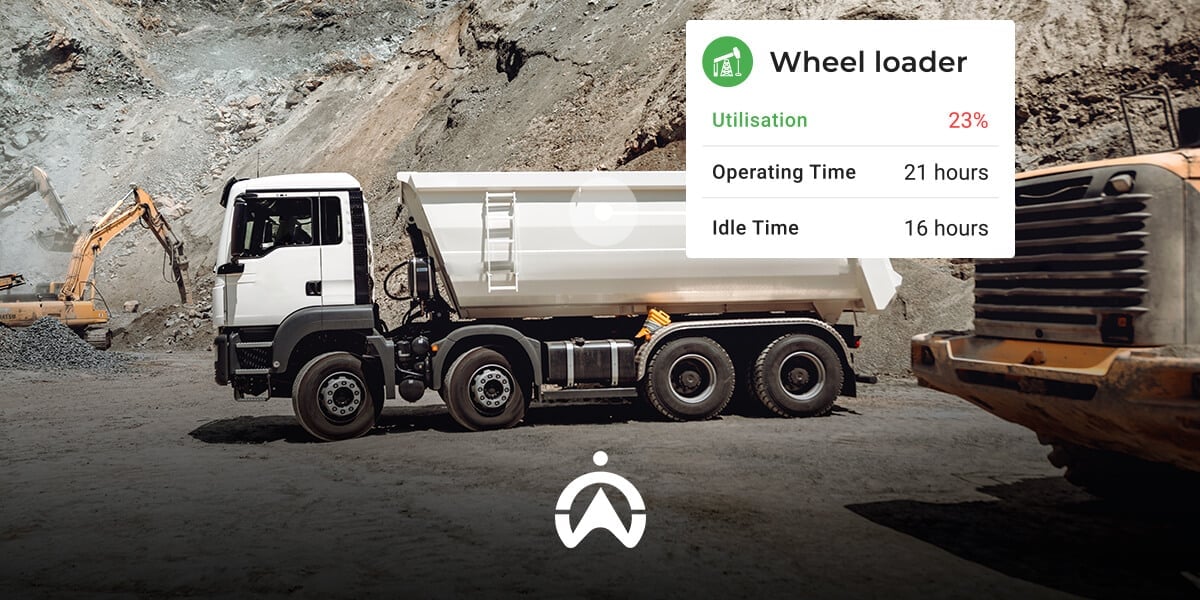
Yellow excavators and loaders move rocks in the quarry to reduce idle habits in fleet operations.

3. Reduce Waiting Time and Trip Inefficiencies

Improvements are needed not only regarding the drivers but also the fleet assignment system. Drivers sometimes leave their engines idling while waiting or stuck in traffic. Therefore, fleet managers need to evaluate schedules and stop sequences to reduce driver wait times and trip inefficiencies. By analysing idling reports, you can identify patterns—such as the times, days, and locations where idling occurs most frequently—to inform decisions regarding scheduling and routing.

With fleet tracking and management technology, you can track and prevent idling in real-time, improve vehicle usage behaviour based on data, and reduce wait times and trip inefficiencies by optimising your fleet dispatch system. Cartrack enables you to do all this through idle alerts, analytical dashboards and reports, and a driver dispatch manager. Contact us here to find out how Cartrack can help you reduce losses caused by idling and to schedule an online demo with our team.


Save Paper and Printing Costs by Digitising Fleet Management

Digitalisation enables companies to improve not only operational efficiency but also cost efficiency, including savings on paper. However, many organisations still prefer paper forms simply out of habit. If this practice persists, your business could face financial losses. For instance, if each driver carries ten sets of triplicate documents daily and works five days a week, a single driver consumes at least 7,800 sheets of paper annually—a substantial cost.

Considering this, it is time for your company to transition from paper to digital. By doing so, your company can contribute to environmental sustainability and save on paper costs in the following ways

Digital and Automatic Data Recording

Manual data entry requires field workers to carry paper documents, record details on the go, and properly store them before submitting them to administrative staff. They then have to return to the office to submit these documents, where administrative staff will process them manually.

Digital record-keeping can address inefficiencies in manual data entry and document management. Field workers can add information, edit, and submit reports anytime and anywhere through a mobile app. Not only field workers but administrative staff can also save time by receiving reports faster, eliminating the risk of illegible handwriting and minimising the risk of data loss.

If you use the Cartrack fleet management platform, you will also benefit from an automated reporting feature, which includes more than 100 types of reports. Vehicle activity data and additional sensor inputs are recorded automatically by the system and presented in PDF or Excel reports that you can download instantly or send via email—making the process fast and accurate.

Non-Paper Filing

Businesses that have been operating for several years are likely to have accumulated a significant amount of paper documentation. Accessing data from overflowing filing cabinets can be extremely time-consuming. In contrast, searching for data on a digital platform is much faster. Administrative burdens are also reduced by eliminating the need for large filing cabinets, administrative staff to manage files, and paper costs for photocopying documents.

Digital platforms are also capable of capturing more than just data, such as images, videos, electronic signatures, locations, and timestamps. Fleet management digitalisation with Cartrack allows you to add a variety of features to access these different types of data. LiveVision records videos of risky driving incidents and road situations, while Cartrack Delivery supports task management with an Electronic Proof of Delivery (e-POD) feature in the form of photos and digital signatures.

A person performs data analysis on a laptop to digitize fleet management to save operational costs.

You can easily and comprehensively access a wide range of information about your fleet’s activities. There is no need to spend money or allocate server space, as Cartrack has its own dedicated servers to support secure data storage and traffic management. Cartrack provides data storage for up to five years, allowing you to access your historical data with ease. As the platform is web-based, sharing and retrieving data is also straightforward and can be done anytime and anywhere, simply with an internet connection.

Integration of Various Functions in One Platform

Fleet management platforms provide visibility that allows you to monitor your vehicles and drivers on the road in real time, including location, trips, when vehicles enter and leave a geofence, fuel volume, and more. There is no need to contact drivers to ask for their current location and delivery progress, as you can monitor it directly through the fleet management platform. You can also take immediate action whenever issues arise during a journey.

In addition, an integrated fleet management platform enables seamless collaboration between departments. Fleet managers, administrative staff, finance and billing teams, as well as HR & GA staff can all benefit from an integrated fleet management platform such as Fleet Web Cartrack—from generating and sending automated reports, recording working hours, managing maintenance schedules and administration, managing fleet expenses, to retrieving proof of delivery completion.

The platform's automation features eliminate repetitive and tedious administrative tasks, freeing your team to focus on more important tasks. Your team no longer needs to waste time managing paper documentation and manually searching for data, as everything is done digitally on the platform, with electronic documents and reports.

The transition from paper to digital is a necessity in today’s world. Too much cost is wasted when considering expenditure on paper, printing ink, working time, and effort. Fleet management digitalisation helps your business become more efficient and competitive. Start reducing your expenses by cutting down on paper use and switching to a digital platform. Contact us here to find out more about how the Fleet Management platform from Cartrack can support your business, and also receive a free online demo from the Cartrack team.

4 Car Rental Business Problems: Why Your Rental Vehicles Should Be Equipped with a GPS Tracker

Several common issues arise in the car rental business, leading to significant losses for owners. If you operate a car rental business, you need to efficiently manage the risks associated with these problems. Installing GPS trackers in every rental vehicle and utilising a fleet management platform are effective ways to minimise the risk of losses stemming from the following issues.

1. Vehicle theft, loan default

Cars are a key asset for generating revenue in your rental business. Losing a vehicle inevitably leads to significant financial loss, which could result in missed car loan payments. Ensure you rigorously verify your customers, as theft disguised as a rental transaction is a common occurrence. To mitigate risk, install a GPS tracker in every rental car, especially if you offer "self-drive" rentals (without a provided driver).

2. Customers cannot be contacted or fail to return the vehicle on time

In the car rental business, have you ever found yourself suddenly unable to contact a customer? Or had a customer fail to return a vehicle by the due date? Dealing with just one such instance is a headache; imagine having multiple customers who are unreachable and fail to return vehicles on time. This can disrupt the schedule for the next rental—especially if another customer is already lined up to rent that same vehicle. If a GPS tracker is installed in the rental car, you can track its real-time location and review the vehicle's trip history.

Car rental contract signing process with GPS tracker for rental business security.

3. Customers drive your vehicle carelessly

Because they don't own their own cars, many customers tend to use rental cars recklessly. This aggressive driving behaviour increases the risk of damage, maintenance costs, and asset depreciation. It's also a contributing factor to accidents, not only for the customer themselves but also for subsequent customers—especially if you don't check the car's condition before using it again, as well as for regular maintenance. GPS trackers not only provide real-time location information, but also aggressive driving behaviour, such as speeding, hard braking, and harsh acceleration.

4. Your vehicle enters high-risk areas or leaves the permitted boundary

Do you have area boundaries for your rental car? Without a real-time monitoring system, you can't be sure whether the renter has violated the agreement. With a GPS tracker, you can monitor your car by area and receive alerts when your rental car leaves a geofenced area. You can create virtual perimeters for areas you want to monitor, such as ferry ports and areas with dangerous routes for cars. This way, you'll know when your car is being driven across islands and through areas that could cause serious damage.

With a GPS tracker, you can monitor vehicle locations in real-time, anytime and anywhere. If you use Cartrack, you can set up alerts to be notified if the GPS tracking device is unplugged or disconnected from the vehicle's battery. You can also benefit from geofencing and driving behaviour monitoring features to ensure drivers use the cars they rent from you responsibly.

In addition to the standard features of the GPS tracker and its software, you can also equip your rental vehicles with a remote immobiliser. This add-on feature allows you to remotely disable the vehicle's starter if you detect unauthorised use. Contact us here to learn more about Cartrack and how our technology can help address challenges in your car rental business.

5 Signs Your Fleet Management Is Inefficient

Managing a fleet is a complex undertaking. You must prioritise profitability, productivity, and efficiency, while also monitoring driver behaviour, vehicle maintenance, and operational data and performance. The sheer scale of responsibility demands that fleet managers be as efficient as possible. How do you know if your fleet management isn't efficient? Here are five signs.

1. Using Manual Methods to Track Your Fleet Activities

Do you rely primarily on manual communications (such as phone calls, radio, and instant messaging) to monitor your fleet's activity? If so, you're not yet in full control of your fleet. You need technology that gives you full visibility into your fleet's activities.

This visibility allows you to track vehicle locations in real-time without having to disturb drivers while they are on the road, monitor delivery progress, identify the trips taken by drivers, detect vehicle misuse, and much more. Imagine how many aspects of your fleet operations you could improve with all of this valuable information.

2. Using Multiple Platforms to Manage Your Fleet

Switching from one platform to another to manage your fleet is cumbersome—time-consuming and tedious. For example, you might use different platforms for vehicle tracking, driver assignment, reporting, and fleet administration and expense management. It's better to use one robust, user-friendly, integrated platform to handle everything.

Cartrack can be the best solution for you. Various functions are available in one platform, Cartrack Fleet Web, such as tracking vehicle position and trips travelled, monitoring driving behaviour, assigning drivers, scheduling services and document processing, managing costs, generating reports, planning routes, and much more. You can even save shared documents on the same platform and access them anytime and anywhere via an internet connection, because Cartrack uses cloud-based storage.

3. Ineffective Data Management

Effective fleet managers make important decisions based on data. Therefore, fleet data management must be reliable—complete, accurate, with minimal human error, securely stored, and able to deliver quick insights. Operating a single vehicle alone can generate a large amount of data, such as maintenance records, fuel transactions, usage time, daily mileage, and more.

If you don't effectively manage all your fleet data, you'll spend a significant amount of time collecting, searching, and analysing it. This difficulty is compounded if you're still using paper documentation, which is prone to damage and loss. Therefore, you need a system that can accurately record all fleet data, facilitate data retrieval, store large amounts of data on a secure server, and process and present the data instantly. This not only saves time and workload, but also allows you to make strategic decisions quickly.

Logistics manager standing in front of a row of trucks

4. Spending Too Much Time on Administrative Work

Many administrative activities are a daily requirement in fleet management, including report generation, scheduling vehicle servicing and document renewals, as well as general record-keeping. Spending too much time on these tasks will inevitably drain your productivity. That is why you need a system that helps you work more efficiently.

Cartrack's fleet management system offers automation functions for administrative tasks, especially repetitive ones. These include automated report generation and delivery; service scheduling based on date, time, and distance; iterative route assignments; and fuel purchase verification. These functions not only streamline work time but also minimise human error.

5. No Clear Benchmarks for Assessing Performance

Your fleet is likely to operate inefficiently without clear performance benchmarks. Various assessment parameters are needed to drive your fleet's operations toward your desired targets. For example, to assess driving safety, you monitor parameters such as speeding, harsh braking, sudden acceleration, and sharp turns. To ensure on-time deliveries, drivers should not start trips late, should not linger in certain areas because they need to move to other areas, and so on.

An effective fleet management system turns data into easy-to-understand information and delivers insights that can be acted on immediately. With Cartrack, you can monitor and evaluate several areas of your fleet operations, such as driving safety, fuel efficiency, vehicle productivity, delivery progress, effectiveness of area-to-area visits, and more, using clear parameters. You can also quickly compare the performance (and other aspects) of all similar vehicles within your fleet.

Are any of the five signs above affecting your fleet? Don't delay in addressing your fleet management issues, as they can have a greater negative impact on your business if left untreated. Use Cartrack's fleet management system to address these five issues. Contact us here to learn more about how our system can make your fleet management more efficient.

3 Reasons You Shouldn't Leave Your Engine Idling

Idling is a condition where the engine is running while the vehicle is stationary (not moving). In driving, idling may be unavoidable, for example in heavy traffic. However, if left unchecked, idling can become a bad habit that ultimately harms the company.

The impact of idling on a single vehicle with an engine capacity of 1,500 cc or less may not be noticeable. However, it is different if you manage a large fleet of vehicles with higher engine capacities, and idling is carried out on a large scale by all your drivers. This results in large-scale fuel wastage, which becomes a significant blow to your business profits.

Recognising the significant impact of idling on company profits, it is important to start monitoring idling during every instance of vehicle use. Beyond the financial cost, idling also causes engine wear and air pollution.

1. Wasting fuel

For every hour of idling, a heavy-duty truck consumes approximately 0.8 gallons of fuel, while a semi-truck uses about 0.64 gallons of diesel when unloaded. Long-haul trucks typically idle for around 1,800 hours annually, consuming approximately 1,500 gallons of diesel. Just imagine the financial waste if this figure were multiplied by the size of your entire fleet and the average fuel price. Unless the stop lasts less than 10 seconds, you should instruct your drivers to avoid idling. There is a good reason for this: idling for 10 seconds or longer actually consumes more fuel than turning off the engine and restarting it.

The lawn mower tractor is working with a performance indicator to minimize the duration of the engine running while idling.

2. Causes Engine Wear

Long periods of idling have a negative impact on the lifespan of your vehicle’s engine. Because the engine does not operate at optimal temperature during idle, fuel is not fully combusted. This incomplete combustion leaves behind residue, which can contaminate engine oil, foul spark plugs, and damage the exhaust system. As a result, you will incur higher costs for servicing and earlier replacement of parts. If your drivers are idling to warm up the vehicle before starting a trip, a better alternative is to drive the vehicle gently at a low speed.

3. Increased Air Pollution

Beyond wasting fuel, idling vehicles also produce exhaust emissions that are toxic when inhaled. For every 10 minutes of idling, one pound (0.45 kg) of carbon dioxide is released into the atmosphere. In addition to gases, idling vehicles release harmful chemicals and particulate pollution (soot) into the air, contributing to ozone formation, regional smog, and global climate change. Pollution levels increase further if the vehicle's catalytic converter is not functioning properly; ask your technician to check it during vehicle servicing.

Although it may seem trivial, idling actually has a significant impact on companies, vehicles, and the environment. Start monitoring the idling activity of your vehicles and take steps to reduce it. Cartrack’s fleet management system offers an idling monitoring feature that sends alerts via email or SMS whenever idling occurs. Cartrack also provides automated Idle Reports detailing start and end times, locations, durations, and total idling time for your selected period. Leverage Cartrack’s advanced monitoring technology—contact us here today!

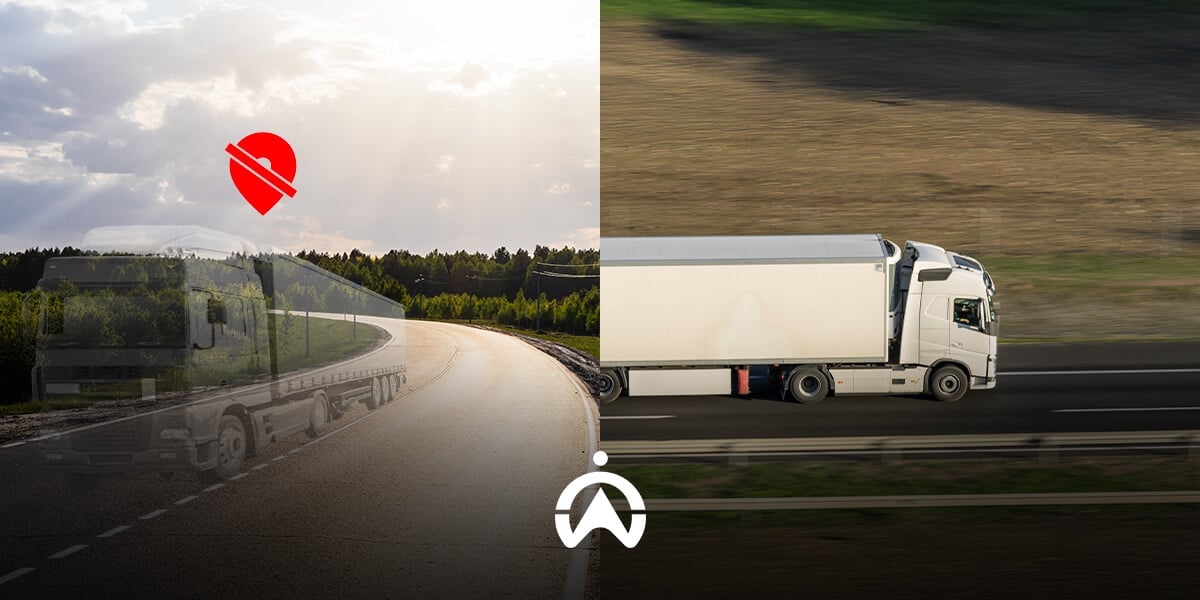
Telematics Devices You May Need to Monitor Your Trailer Truck

To transport larger loads or specialised cargo, trucks require trailers. A trailer is an additional cargo-carrying unit attached to a truck. There are many types of trailers, each with different load capacities and requirements. Some of the commonly found trailer types in Indonesia include flatbed, refrigerated trailers, dry vans, and dump trailers.

Do you own or manage multiple types of trailer trucks in your fleet? Managing the operational risks of your trailer truck fleet is certainly an important consideration. Telematics can help you manage these risks, specifically through vehicle monitoring devices. Because trailer types and purposes vary, you may also need different monitoring devices. This article will help you determine which monitoring devices are most needed for your trailer truck fleet.

1. GPS Tracker

This device must be installed on each of your trailer trucks before adding other monitoring devices. Basically, a GPS tracker allows you to monitor the location of each of your vehicles in real-time. Currently, GPS tracker features have advanced. You can monitor vehicle activity by using geofencing and aggressive driving behaviour (sudden acceleration, hard braking, sharp turns, and speeding). These two features are important for monitoring productivity and safety in the use of your trailer truck.

2. Door Sensor

For enclosed trailers, both dry vans and refrigerated units, you will need to add a door sensor. This device monitors cargo door open-and-close activity. You can track the time, location, and duration of when the door is opened or closed. It helps you monitor loading and unloading activities, as well as possible deliveries outside the assigned schedule. You can also set alerts to be notified when the door is opened and/or closed, allowing you to take immediate action if the door is opened at an incorrect location.

Open cargo monitoring footage on a trailer truck with security system notifications from a telematics device.

3. Temperature Sensor

If you have a truck with a refrigerated trailer, a temperature sensor will be very useful for you. With a temperature sensor, you can ensure the temperature inside the trailer is optimal during the trip, so that the quality of the food or beverages being delivered is also maintained. To be immediately informed when the refrigerated temperature exceeds the upper or lower limits you set, you can set instant alerts.

4. Sensor Power Take-Off (PTO)

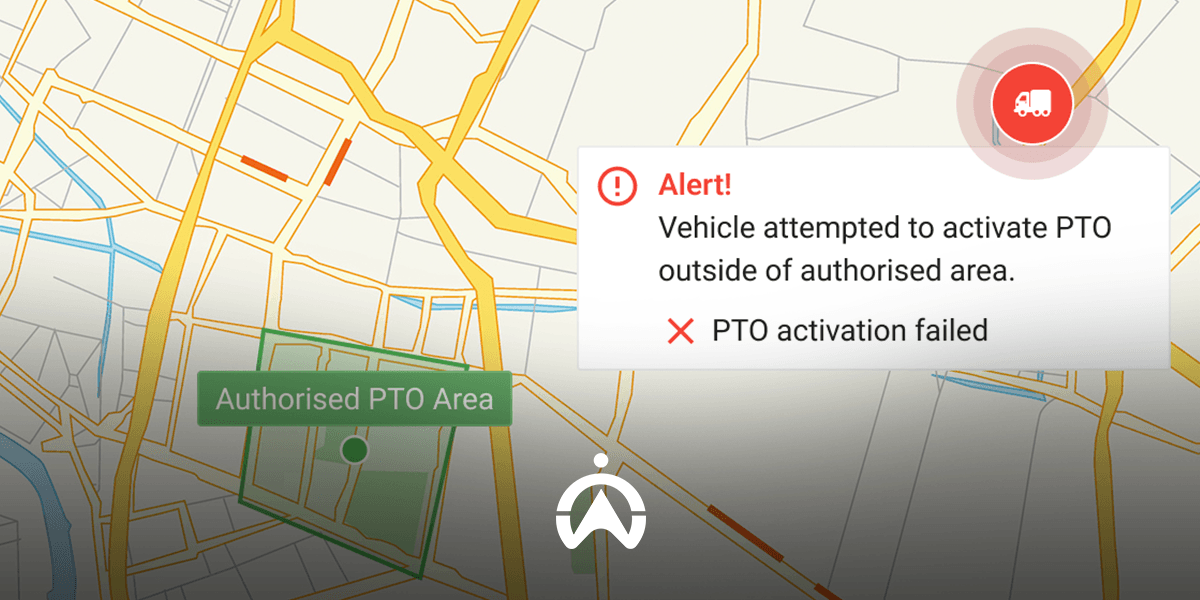
The use of mechanical devices on trucks, such as a dump trailer bed that is raised using a specific button or switch, can be monitored with a PTO sensor. This device allows you to track the time, location, and the geofence area where the PTO is activated and deactivated. This data is useful for monitoring operator and vehicle productivity as well as detecting truck misuse. You can also set alerts to be notified instantly when the PTO is turned on and/or off.

5. Camera

For more comprehensive monitoring, you can add cameras inside or pointing at the trailer. This way, you can visually monitor how the trailer is being used, the loading and unloading process, and the security of the goods inside the trailer. With Cartrack, you can install up to four cameras in one vehicle, allowing you to monitor from four different angles.

Many trailer trucks carry high-value cargo, which is why a monitoring system is essential. Telematics helps monitor your trailer truck more efficiently and ensures safety while travelling. You can add a GPS tracker and several monitoring devices to your trailer truck as needed. Choose Cartrack as the best telematics provider for your trailer truck operations. Send us a message here for more information and an online product demonstration from the Cartrack team.

Can a Vehicle GPS Tracker Be Installed on a Ship?

You may already be familiar with the use of GPS trackers for various types of land vehicles such as motorcycles, passenger cars, trucks, and even heavy equipment. However, have you ever wondered whether these GPS trackers used for land vehicles can also be used on ships?

Basically, as long as the area is within mobile network coverage, the use of a GPS tracker is still possible. This is because a GPS tracker uses a mobile network to communicate wirelessly with the server.

The challenge of using a GPS tracker on ships is mobile network coverage in the areas being travelled. Although mobile network coverage has now extended to offshore areas, signal stability remains unpredictable. So, what is the solution to ensure that vehicle GPS tracking devices can be installed on ships?

1. Connection to the Ship’s Electrical System

In land vehicles, a GPS tracker is connected to the battery. Ships and other motorised watercraft also use batteries. The function is the same, namely to store and supply energy for the vehicle’s electrical system. A GPS tracker can still be connected to the battery in certain types of motorised watercraft, such as jet skis and motorboats, using a “wired connection” method. With extended wiring, the GPS tracking device can be connected to the battery and placed in another area where it can receive a better signal.

Kapal layar di perairan tenang dekat pesisir

However, many ships have their batteries located deep inside (in the engine room), making it impossible to connect a GPS tracker directly. This is also due to various structures or materials that block the device from receiving signals. Another factor is that some vessels only use high-voltage generators, while GPS trackers typically only support 12V and 24V input. In such cases, you will need a GPS tracker that can be connected to a USB port or a power outlet linked to the ship’s electrical system.

2. Addition of a Satellite Signal Booster Antenna

A GPS tracker is effective when it receives signals from multiple satellites. Satellite signal interference can lead to inaccuracies or a failure to pinpoint the tracker's location. To overcome issues with suboptimal satellite signal reception while a vessel is underway, GPS tracking devices require an external antenna. This satellite signal-boosting antenna connects to the GPS tracker, enabling it to capture signals from greater distances. The GPS antenna converts radio signals from various satellite frequencies into electronic signals, allowing the GPS tracker to calculate its position more accurately.

3. GPS Tracker Protection from Water

Protecting the GPS tracking device from water—especially saltwater, which can cause short circuits and corrosion—is crucial. Even if the GPS tracker is located indoors, it could still be exposed to water from passengers who are wet after being in the sea. Therefore, the device requires waterproof protection for its surface and cable connections, such as a rubber pouch or waterproof tape.

Do you own a boat, jet ski, or other motorized watercraft and want to monitor your assets? Cartrack can meet your needs by modifying devices to suit the vessel's structure and operational areas. Consult with our sales team and expert technicians now—click here.

2 Main Factors That Affect the Accuracy of GPS Vehicle Trackers

Vehicle tracking devices use the Global Navigation Satellite System (GNSS) to determine an approximate location. One type of GNSS widely used in Indonesia is the Global Positioning System (GPS), developed by the United States. Other types of GNSS include GLONASS from Russia, BeiDou from China, and Galileo from the European Union.

Although commonly known as a GPS tracker, a vehicle tracking device uses not only GPS but also several other satellite systems, so that the estimated location is more accurate. This accuracy indicates how close the satellite measurement is to the actual position.

What are the main factors that affect the accuracy of GPS vehicle tracking? Here's an explanation

1. Number and Position of Satellites

To provide a more accurate location estimate, a vehicle tracking device needs at least four satellites, consisting of GNSS and its augmentation systems. These augmentation satellite systems are needed to improve navigation system performance, such as accuracy, reliability, and availability. The more satellites used to calculate a position, the better the level of accuracy.

In addition to the number of global navigation satellites and their augmentation, the position or distribution of the satellites providing positioning also has a significant impact on accuracy. Generally, a set of satellites spread over a wider area of ​​the sky will provide more accurate location readings (the greater the angle between the receiver's position and the satellites used, the more accurate).

Visualisasi pelacak kendaraan pada skrin laptop menunjukkan sistem pemantauan lori melalui isyarat GPS.

2. Obstacles to Signal Propagation

Signals from satellites to GPS receiversmust travel long distances. The propagation space of the signal, both in the atmosphere and on Earth, greatly affects signal strength and positioning accuracy. The ionosphere, the fourth layer of the Earth’s atmosphere, slows down GPS signal speed due to the ionisation of particles. The troposphere, the lowest layer of the Earth’s atmosphere, can sometimes cause radio signal reflections.

Once the signal reaches Earth, several obstructions can block or reflect GPS signals, resulting in positioning errors or delays. These include tall buildings, tunnels, flyovers, steel-plate or concrete roofs, trees, land formations (mountains, cliffs, and so on), heavily tinted window film (a maximum of 60% is recommended), and even the human body. The position of the device inside the vehicle also affects signal propagation, so try to keep it from being blocked by too many surfaces.

Cartrack's own tracking devices have an accuracy of 2.5–5 metres, with two types of GNSS and four types of satellite-based augmentation system (SBAS). This allows users to get reasonably accurate location information. To address signal propagation obstructions, Cartrack will add an external antenna. This signal booster is usually needed for vehicles operating in areas with poor signal, such as vehicles on palm oil plantations and speedboats. Click here to start your vehicle tracking experience with Cartrack!

6 Digitalisation Tips to Prepare Your Delivery Fleet for Increased Demand

Consumer shopping trends on e-commerce platforms have risen significantly, and this trend is predicted to continue. With more and more people shopping online, how can delivery fleets meet such high demand volumes?

1. Use the Right Fleet Management Platform

To manage such a heavy workload, you need an integrated, practical platform that is accessible 24/7 from anywhere. Web-based software, such as Cartrack’s Fleet Web, is the ideal solution. You can work and access data from any location at any time, requiring only a web browser and an internet connection. The Cartrack platform is also fully integrated, allowing you to manage your fleet comprehensively—from vehicle tracking, driver assignments, and maintenance scheduling to report generation and fleet cost management—all within a single system.

2. Automation of Administrative Work

Reduce repetitive administrative tasks by automating them, allowing you to focus more on meeting high delivery demand. With Cartrack's fleet management system, you can automate maintenance scheduling and document renewals based on date, mileage, and operational duration. Another task that can be automated is report generation. There are over 100 types of reports available on Cartrack Fleet Web that you can download or schedule to be sent automatically via email.

3. Check Vehicle Usage Level

Cartrack’s fleet management system provides insights into the usage levels of individual vehicles—such as distance and travel time, trip frequency, and idling duration. By comparing usage rates among similar vehicles within your fleet, you can determine the overall productivity of your vehicles and identify those that are underutilised or overworked. Based on this data, you can consider more balanced task allocation or add vehicles and delivery personnel to handle surges in demand.

Couriers in red uniforms scan packages using a digital app to streamline delivery fleets as demand increases.

4. Digitise Delivery Assignments

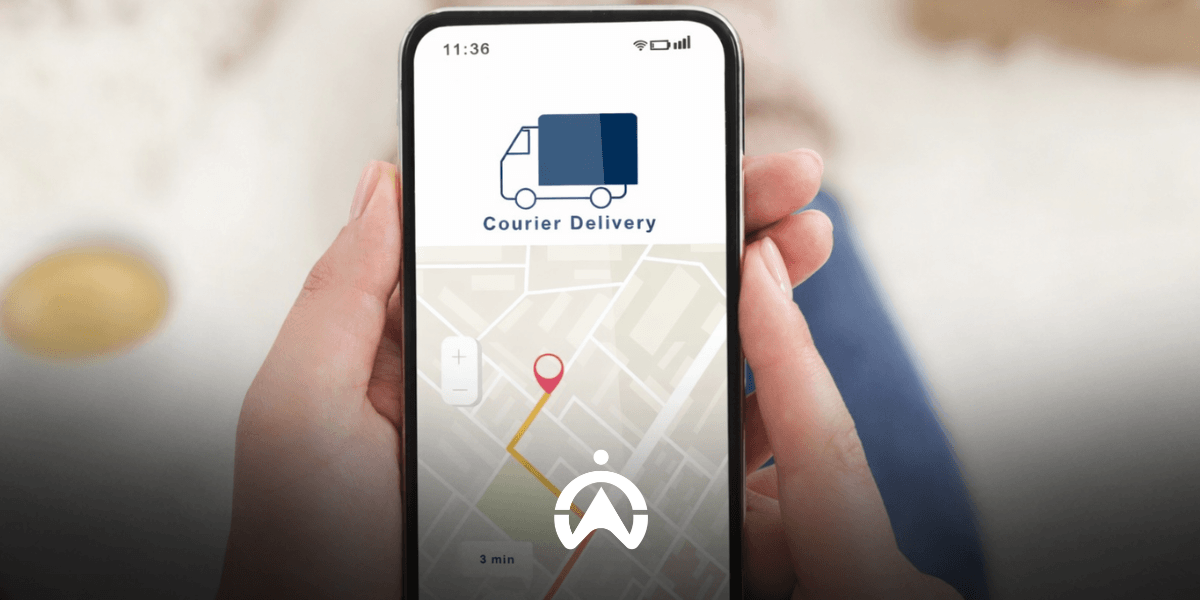
Shift your dispatch operations to a digital platform, allowing you to assign tasks to drivers regardless of their location. With Cartrack’s delivery dispatch features, drivers can receive assignments—including details such as location, contact information, item barcodes for scanning, step-by-step sequences, and scheduled start and end times—directly on their mobile phones. Proof of task completion, such as photos or digital signatures, can also be submitted via mobile, complete with geolocation and timestamp data. The barcode scanning function facilitates the logging of collected inventory. You can monitor all activities and task progress through the Fleet Web platform.

5. Implement a System That Makes it Easy for Drivers to Report Vehicle Problems

Amidst your busy delivery schedule, you also need to ensure your vehicles are in good operating condition to maintain productivity. In addition to a vehicle maintenance scheduling feature (which can be configured based on date, mileage, and operating hours), you also need a system for drivers to report vehicle issues. You can utilise the Electronic Driver Vehicle Inspection Report (eDVIR) feature in your fleet management system. This feature allows drivers to report vehicle issues, complete with odometer and location information, and photographic evidence, anytime and anywhere. Reports are immediately entered into a centralised system for immediate action.

6. Keep Fleet Costs Efficient

Keep your fleet costs efficient so you can allocate your budget toward expanding your fleet. A fleet management system helps you operate efficiently while using data to identify areas of inefficiency. You can track factors that drive up costs—such as aggressive driving, excessive idling, inefficient routing, vehicle misuse, and fuel fraud or theft. This data-driven insight enables you to effectively address inefficiencies. By maintaining efficient operating costs, you can continue to offer your delivery services to customers at affordable rates.

Digitalisation is the solution to increasing your delivery fleet capacity to meet increasing demand. Prepare your delivery fleet for this surge in demand by starting with the Cartrack fleet management system. Send us a message here and get a free online demo.


5 Benefits of GPS Tracking Based Fleet Management System for Taxi Companies

GPS-based fleet management systems have become a necessity for taxi companies. This technology is touted as a way to help you manage your business more efficiently. So, how exactly does this technology benefit your taxi business? Read on to find out. 

1. Tracking and Assignment Efficiency

With real-time GPS tracking, operators can quickly view nearby drivers and estimated travel times to customer locations. This makes it easier for you to promptly assign drivers to customer locations.

2. Improving Taxi Productivity

Fleet management systems like Cartrack provide a range of automated reports to help you identify inefficiencies in taxi usage. You can view the trip history of individual taxis and compare their mileage, total trip duration, and operating areas. Based on this information, you can reallocate underutilised taxis to areas with high demand.

3. Track Income

The Logbook feature in the mobile app makes it easy for drivers to record every paid trip and categorise it as a business trip. Using the Logbook report, you can determine the total business trip mileage for each taxi and convert it into Rupiah to calculate your earnings.

Barisan taksi putih dengan sistem manajemen armada terparkir rapi

4. Driver and Passenger Safety Guaranteed

Driving behaviour monitoring (using vehicle-based systems or AI-powered cameras), Driver Score Reports, and Driver Safety Reports enable you to identify which drivers require safety training. Monitored parameters include speeding, sharp cornering, hard braking, harsh acceleration, fatigue, distracted driving, and failure to wear seatbelts. Consequently, you can reduce the risk of accidents, fines, and vehicle maintenance costs, while also enhancing passenger satisfaction.

5. Longer Service Life for Taxis

The fleet management platform allows you to easily manage preventive maintenance for each taxi based on date, mileage, and operational duration. Notifications can be configured to be sent a certain amount of time or distance prior to the scheduled maintenance.

In addition, there is the electronic driver vehicle inspection report (eDVIR) system. Drivers can report taxi issues or defects from any location using eDVIR, providing photographic evidence, descriptions, and location details. Reports are transmitted directly to the central system for immediate follow-up. With no excuse to overlook vehicle maintenance, taxis remain in prime condition and enjoy a longer service life.

Make your taxi operations more productive and efficient by using a GPS-based fleet management system. Track taxi and driver job history, create and dispatch assignments, and manage vehicle maintenance with Cartrack’s fleet management system—all from a single platform. Contact us here to start digitising your taxi fleet management with Cartrack and get a free online demo from our team.