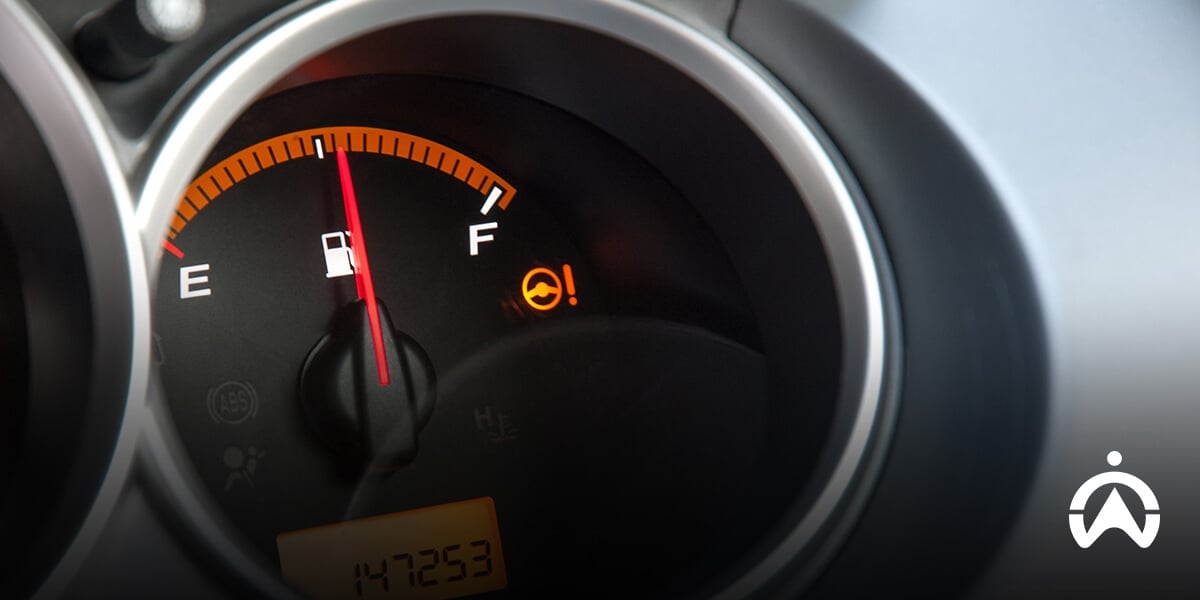

Pre-Trip Checklist: Safety Steps in Fleet Management

A stuttering engine noise is just one example of the consequences of skipping a pre-trip inspection. In the worst-case scenario, a faulty brake system or a broken headlight on a dark road could lead to an accident that threatens the safety of the driver and others.

Pre-trip inspection checklists can help reduce safety issues. They involve a series of vehicle checks performed by drivers before starting a journey. These inspections focus on critical components—such as lights, tires, and brakes—to ensure the vehicle is functioning properly and is safe to drive.

Here are some of the main purposes of vehicle inspection:

Early problem detection: A thorough pre-trip inspection helps catch minor issues like flashing headlights or low tyre pressure. Addressing these issues quickly can prevent them from escalating into larger problems and potentially causing problems down the road.

Increased safety: By ensuring all vehicle systems are functioning properly (brakes, lights, mirrors), a pre-trip inspection significantly reduces the risk of an accident. This not only protects the driver and other road users but also minimises potential legal liability for the business.
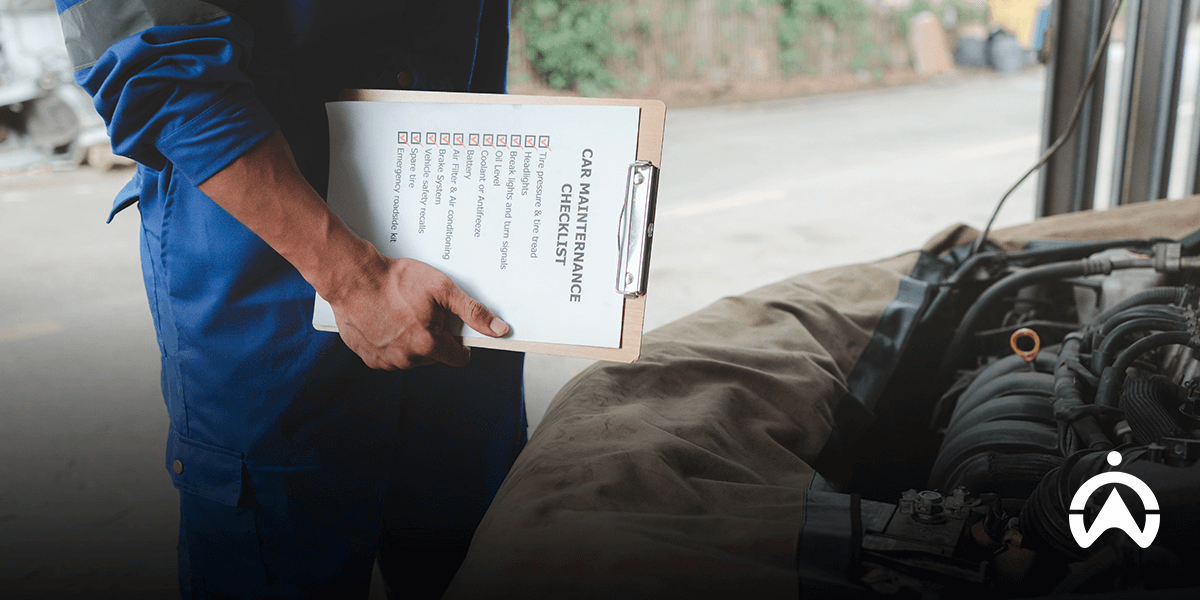
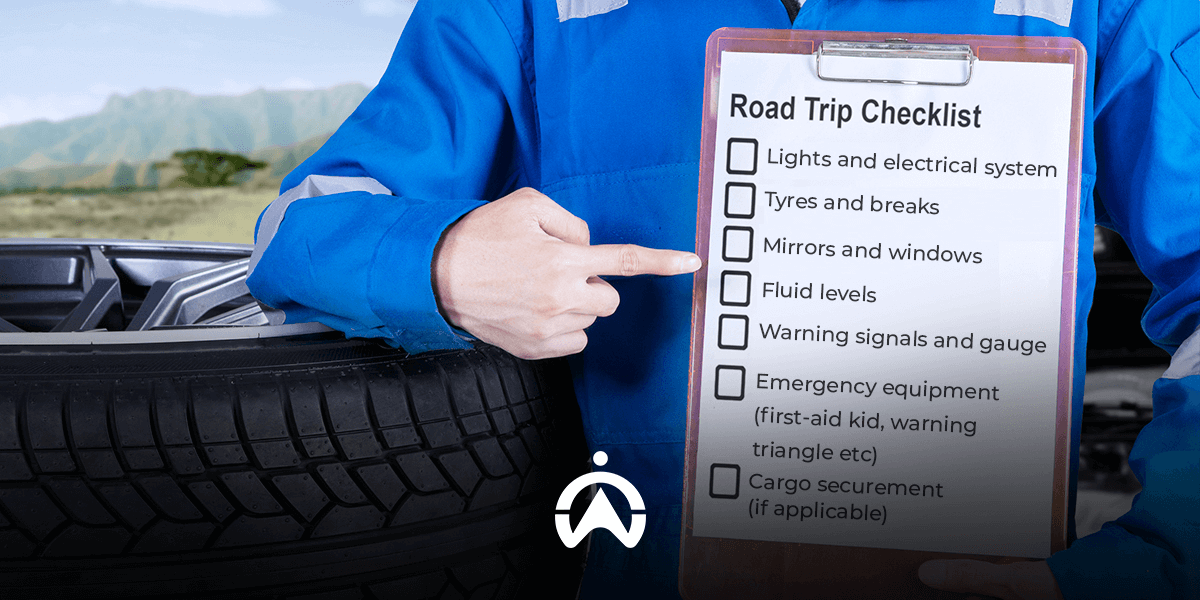
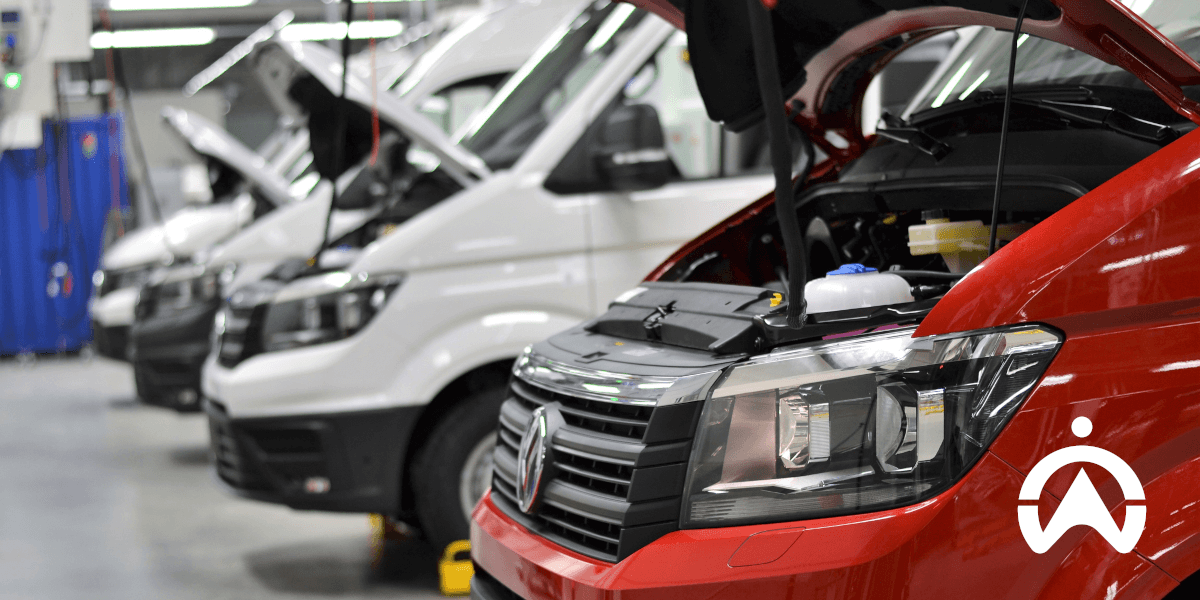
Mechanics hold a pre-trip inspection list next to vehicles for safety in fleet management.

What should be on a pre-trip checklist?

The specific items on a pre-trip inspection checklist will vary depending on the type of vehicle in the fleet (trucks, buses, and vans) and the location of the industry. However, some general categories should be included on every inspection checklist:

  • Lights and electrical systems: Check the headlights, taillights, brake lights, turn signals, hazard lights, and clearing lights and make sure the lenses are clean and undamaged.
  • Tires and brakes: Check all tires for proper inflation (refer to manufacturer recommendations) and check for visible damage (cuts, bulges, and excessive wear). Ensure all wheel lock nuts are secure. Perform a light brake check and ensure there is no pulling or pulsation.
  • Rearview mirrors and windows: Adjust all mirrors (rear and side mirrors) for optimal visibility and ensure they are clean and free from obstructions. Inspect the windshield for cracks or chips, which can obstruct the driver's view.
  • Fluid level: Check the engine oil, coolant, windshield washer fluid, and power steering fluid levels.
  • Warning signals and gauges: Scan all warning lights and gauges on the dashboard before operating. Note any unusual readings (oil pressure, temperature, battery).
  • Emergency equipment: Check that the vehicle is equipped with a working fire extinguisher, first aid kit and warning triangle (reflector).

‍Load care (if applicable):

  • Load area: Ensure the loading area is clean and free of any debris from previous loads. Verify the operation and safety of the loading doors.
  • Load care measures: For vehicles transporting goods, check that all loads are properly secured using appropriate restraints (straps, straps, etc.) in accordance with the Road Traffic Act regulations. Ensure balanced load distribution to prevent weight shifting during transit.

Baca Juga: KIR mobil: Pengertian, Persyaratan dan Biayanya 2025

What is the purpose of a pre-travel checklist?

While the allure of getting on the road and getting the job done quickly is understandable, neglecting pre-trip inspections can have significant consequences for a fleet. These inspections are the cornerstone of proactive safety measures and a robust maintenance strategy.

Which of the following is the most important reason to conduct a pre-travel inspection?

To ensure driver safety.

‍To prevent downtime and costly repairs.

‍To maintain vehicle reliability and compliance.

The correct answer is… all of them!

Beyond having a pre-travel checklist, there's more you can do to ensure every trip goes smoothly. To ensure a safe journey to any destination, the following five proactive steps are essential:

  • Regular vehicle maintenance: Scheduled maintenance is the backbone of preventative maintenance practices because it helps catch potential problems early, prevent breakdowns, ensure fleet vehicles are always roadworthy, and minimize the overall risk of unexpected breakdowns.
  • Driver training: Providing safety training to drivers is crucial. This includes teaching defensive driving techniques, recognizing hazards, and responding effectively in emergency situations.
  • Driver monitoring and feedback: Installing a driver monitoring system allows fleet managers to monitor driver behavior, identify risky driving habits, and provide personalized feedback and guidance. By addressing unsafe driving habits early, managers can minimize the risk of accidents and improve overall safety.
  • Technology integration: Advances in fleet management technology have revolutionised safety practices. Telematics systems, in-vehicle cameras, and GPS tracking devices provide real-time insights into vehicle performance, driver behavior, and road conditions. By leveraging these advanced tools, fleet managers can identify areas for improvement, proactively address safety risks, and monitor compliance with safety protocols.
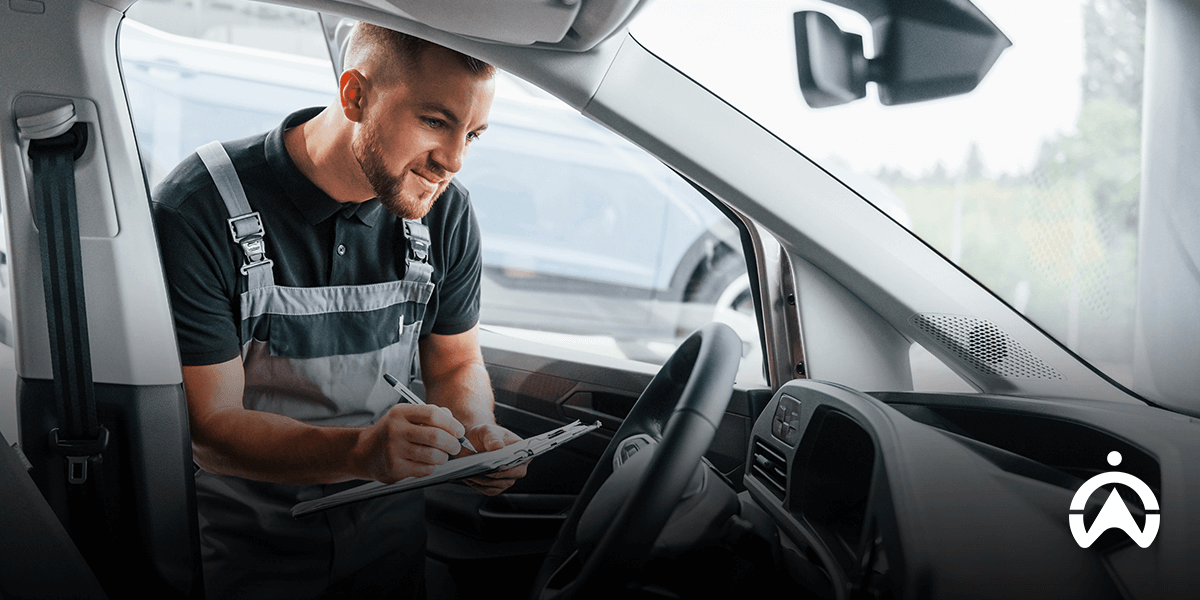
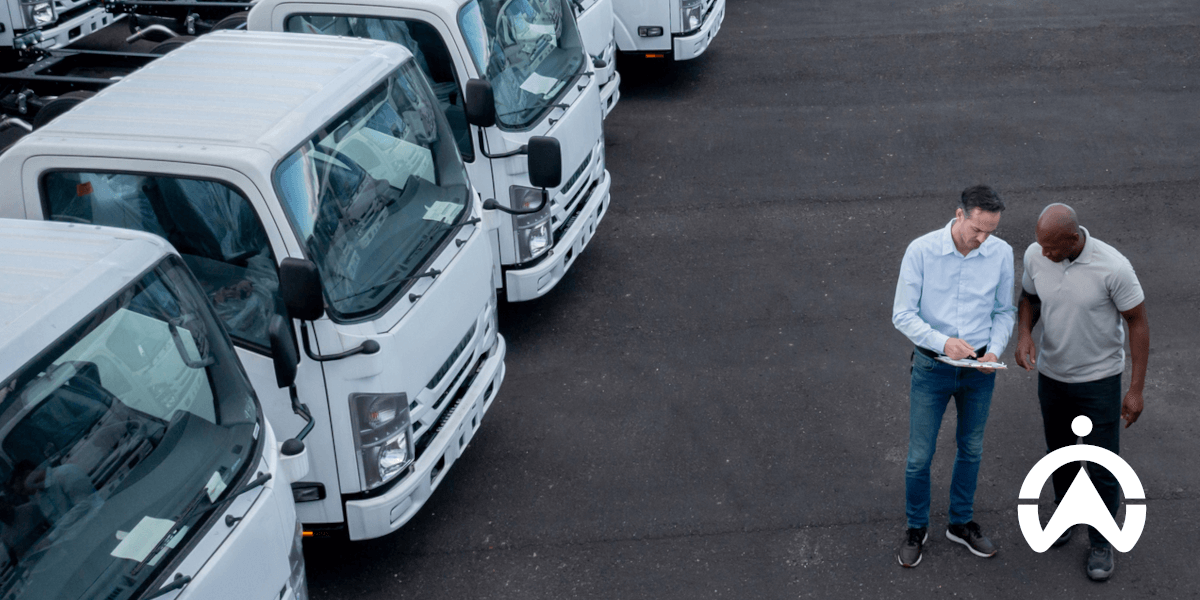
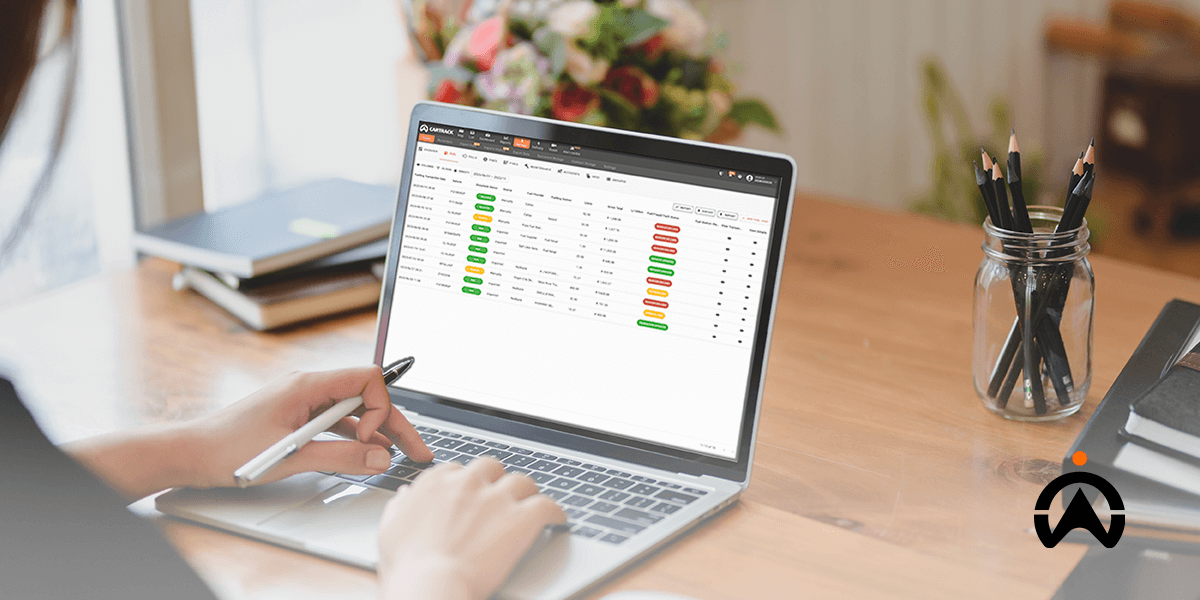
Mechanics inspect vehicles and record pre-trip checklists for safety in fleet management.

Pre-trip inspection vs vehicle maintenance

Pre-trip inspections and vehicle maintenance are both important components of fleet management, each serving a different purpose in ensuring the safety and reliability of fleet vehicles.

Pre-trip inspection

A pre-trip inspection is a quick but thorough health check that drivers perform to find any problems with their vehicle before starting a trip.

Pre-trip inspections serve as the first step in promoting proactive vehicle safety. They empower drivers to take responsibility for their vehicles' condition by following a checklist of essential items to ensure everything is in working order for a safe trip.

By detecting and addressing issues before using the vehicle, pre-trip inspections help prevent accidents, damage and costly repairs while on the road as well as the long-term longevity of the fleet by regularly checking the health of the vehicle.

Vehicle maintenance

Vehicle maintenance is a more comprehensive and formal process that is performed regularly as part of preventative maintenance practices.

Maintenance involves scheduled appointments with a certified mechanic or service centre to perform a series of tasks aimed at ensuring the vehicle's continued health and performance. Mechanics inspect and repair problems, change fluids, and replace worn parts to keep the vehicle running smoothly. This is a more thorough and formal process performed regularly to increase effectiveness and prevent larger problems later.

Unlike pre-trip inspections, which focus on immediate safety concerns, vehicle maintenance addresses broader maintenance needs and helps extend the life of fleet vehicles.

Pre-trip check vs routine maintenance

Important questions Pre-trip inspection Vehicle servicing
How often? Every day (before the trip) Scheduled (based on distance and travel time)
Who did the work?  Driver Trained mechanics
Duration? 10-30 minutes Longer based on service time
How much is it? Minimum fee Costs vary depending on service options
Problems avoided? Early indication of problems, and avoiding bigger problems Maintain vehicle health and avoid future problems

How does fleet management software help in vehicle inspection?

Fleet management software offers digital solutions to simplify pre-trip inspections and improve overall vehicle safety.

Here's how the software can help:

  • Automatic reminder: Drivers receive automatic reminders on their mobile devices to perform pre-trip inspections on every shift and reduce the risk of missed inspections.
  • Accurate reporting: Inspection findings can be recorded electronically, allowing for accurate data collection and analysis. This data can be used to identify recurring problems and improve maintenance practices.
  • Telematics integration: Advanced software can be integrated with telematics system to monitor vehicle health in real-time. This provides additional insight into potential issues that may not be apparent during a pre-trip inspection.

Fleet management software like Cartrack Indonesia improves the efficiency of pre-trip inspections by providing accurate data and real-time monitoring of vehicle health and performance.

Also Read: 3 Important Driver KPIs for Every Fleet Manager to Monitor

Improve your pre-trip inspection with Cartrack Indonesia

Cartrack Indonesia's fleet management system solution offers a user-friendly approach to tracking and managing drivers, cargo, and vehicle health.

Following are Cartrack Indonesia's features that can enhance your pre-trip inspection program:

  • Real-time vehicle health monitoring: Cartrack Indonesia's advanced telematics system provides instant insight into vehicle health. This advanced feature helps identify potential issues that might not be visible during routine pre-trip inspections. This helps prevent breakdowns, reduces fleet repair costs, and improves overall safety.
  • Preventive maintenance scheduling: With real-time and historical data, Cartrack recommends optimal service intervals that help prevent breakdowns and ensure vehicles are always in top condition.
  • Reminders and notifications: Cartrack uses this proactive feature to send timely reminders to drivers and fleet managers for upcoming maintenance needs and checks before scheduled trips.
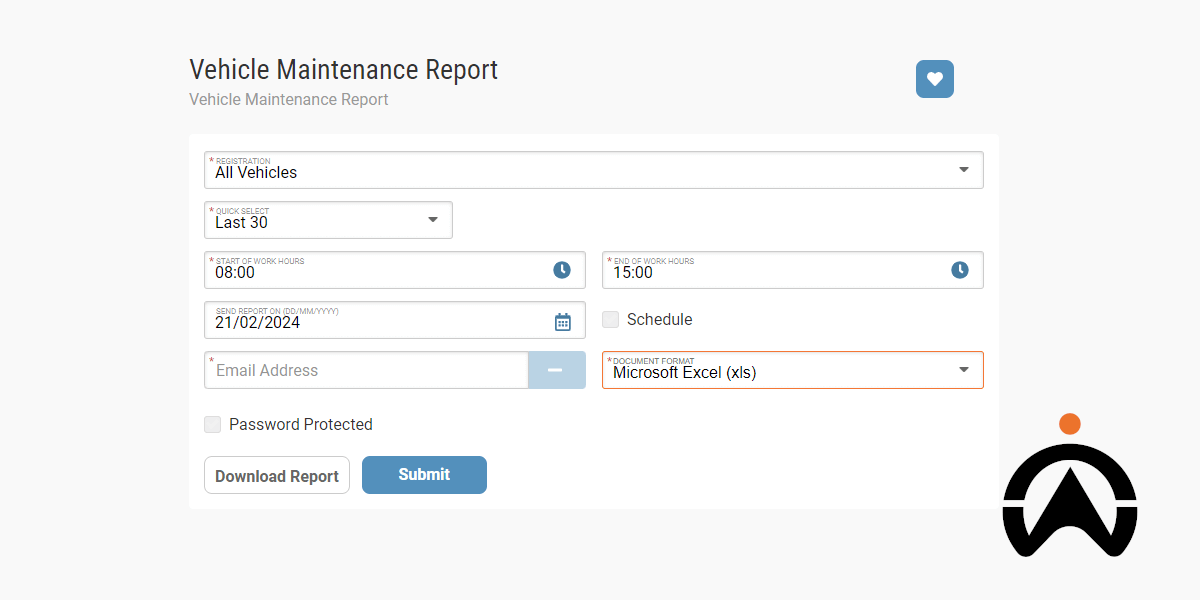
  • Detailed report: Generate comprehensive reports that inform fleet managers about their vehicle health, pre-trip inspection data, and vehicle-related issues like low oil levels. These reports offer valuable insights to improve overall fleet safety and efficiency.
  • CANBus Integration: For newer vehicles equipped with Controller Area Network (CANBus) systems, Cartrack seamlessly integrates with the vehicle's onboard diagnostics (OBD) system. This integration provides a wider range of real-time data, offering in-depth insights into vehicle health.

How Cartrack Indonesia features benefit businesses with their inspection efforts:

Reduced downtime: Proactive identification and resolution of problems minimises the risk of breakdowns and keeps the fleet operational.

Reduced repair costs: Addressing minor problems early prevents them from escalating into more expensive major repairs.

Regulatory compliance: Regular inspections and preventative maintenance with our features help ensure fleets meet safety regulations and roadworthiness standards.

Improved vehicle reliability: Remember, a well-maintained fleet experiences fewer breakdowns and operates more efficiently. This leads to increased productivity and profitability.

Cartrack fleet management places safety as its top priority, protecting drivers, vehicles, loads and everyone on the road.

Take control of fleet safety

Don't let missed inspections put drivers, vehicles, and cargo at risk. Invest in proactive safety measures with Cartrack Indonesia and ensure your fleet operates smoothly and efficiently.

Contact Cartrack Indonesia Today, click the link below to learn more about our comprehensive fleet management solutions and how we can help you implement a robust pre-trip inspection program.
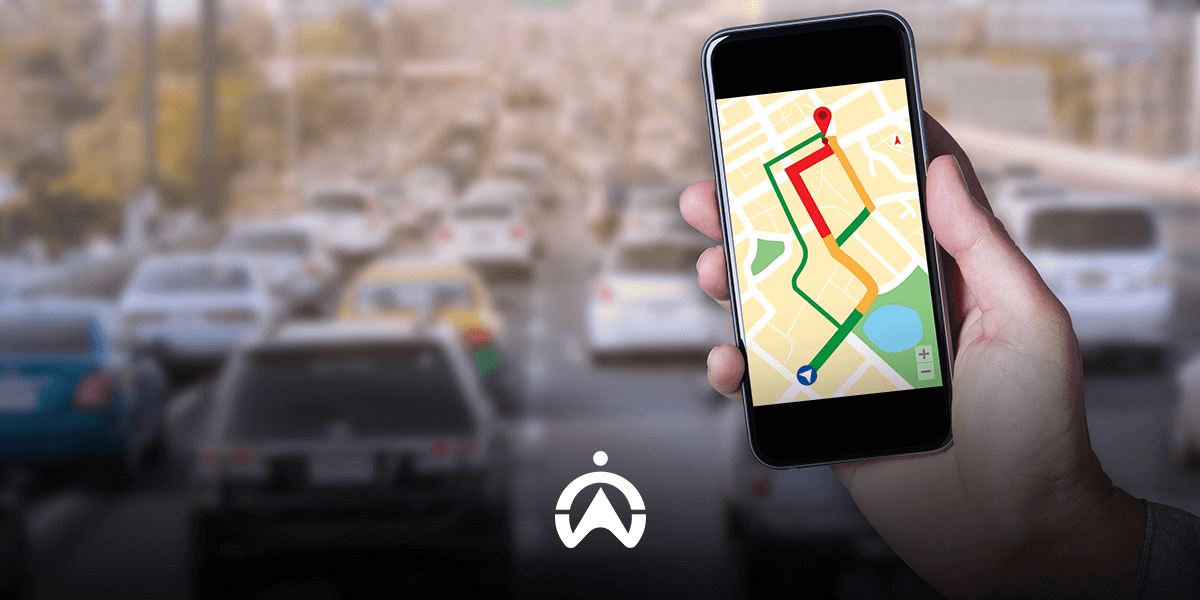

Causes and How Fleets Avoid Traffic Jams

As a fleet manager, helping drivers avoid traffic-congested areas is crucial for maintaining fleet operational productivity, service efficiency, and fuel costs, while keeping maintenance requirements low.

Before we learn what can help fleets avoid traffic jams, let's first learn what causes traffic jams!

Causes of traffic jams

There are several reasons why we experience traffic jams, let's discuss them one by one!

Weather conditions

Depending on geographic location, different weather conditions will affect traffic. Excessive rainfall, flooding, and weather-related damage to road infrastructure contribute to traffic congestion. Therefore, weather isn't always directly responsible for traffic congestion, but rather the after-effects of weather events that block roads and cause congestion.

Construction

Beyond simply being a hindrance to road users, these projects can significantly impact traffic flow. Lane closures, diversions, and merging zones can create bottlenecks, leading to delays. Furthermore, the delivery of construction materials during peak traffic hours can exacerbate congestion. The workers themselves, traveling to and from the site, can contribute by increasing overall traffic volumes.

Bad driving habits

Following too closely, aggressive driving, high speeds, and sudden lane changes can all lead to accidents and disrupt the flow of traffic. Similarly, driving with a lack of concentration, such as texting while driving, can cause accidents, resulting in traffic congestion and bottlenecks on roads that otherwise would not be congested.

Inadequate public transportation

Inadequate public transportation plays a significant role in the reality of congestion. When public transportation lacks adequate capacity and coverage, people lack the option to use it, forcing them to use private vehicles, which block roads and exacerbate traffic congestion.

Hole

These potholes aren't just an annoyance; they can actually slow down traffic, affecting the flow of traffic and overall efficiency. Potholes can damage vehicles, forcing drivers to slow down or stop. Furthermore, they are a common cause of road narrowing, as cars must avoid them. Potholes can also cause accidents and road closures, slowing traffic.

Power outage

Power outages significantly impact traffic congestion, as do poor road conditions. Worse still, power outages make it difficult to plan effective fleet routes because it's uncertain which traffic lights will be operational. The complex road network is designed to function optimally with functioning traffic lights, and without them, traffic becomes chaotic.

Infrastructure problems

No matter where a fleet operates, infrastructure issues are bound to arise, as they are common in many cities and across the country. These include a lack of new roads, bridges, highways, and road construction caused by new infrastructure development.

Female driver caught in traffic jam, describing the causes and how fleets avoid congestion.

Why fleets should avoid traffic jams

While it may seem obvious that no one wants to be stuck in traffic jams, fleet managers have specific reasons why they want their drivers to avoid them.

  • Waste of time: If you run a fleet business, you know that time is money. The more time drivers spend stuck in traffic, the greater the productivity impact, which can lead to costly losses and unmanageable productivity. Furthermore, if the fleet is transporting perishable goods, traffic congestion places significant pressure on drivers and the business to maintain customer satisfaction and avoid cargo damage and reduced profits.
  • Violation: While one or two drivers may get away with cutting their travel time by driving on yellow lines and cutting cars in front, this behavior worsens traffic congestion for all road users and contributes to fleet violations.
  • Fuel wastage: Kemacetan lalu lintas adalah penyebab utama fuel waste yang berlebihan. Meskipun mungkin lebih hemat bahan bakar jika mematikan mesin, kendaraan yang berhenti lebih dari sepuluh detik, akan berpengaruh pada kepadatan lalu lintas sehingga pengemudi harus siap menekan klakson untuk memperingatkan dan terus menggerakkan mobil maju bersama pengemudi lain.

    Let Cartrack help overcome fleet traffic congestion to increase profits and efficiency.

  • Route planning and optimization: Ensure your drivers avoid traffic congestion and save on fuel by sticking to carefully planned, designated routes using our route planning tools. Utilize Cartrack’s route optimisation tools to create intelligent routes based on key factors like traffic, thereby boosting productivity and extending the lifespan of your vehicles.

  • Vehicle tracking: Gain full visibility over your fleet and track drivers in real-time with our advanced GPS vehicle tracking system. Know where your drivers are, manage your fleet effectively, and make proactive changes that can save you time and money.
  • Delivery application: Stay connected with your drivers wherever they are through instant task assignments, updates, and job prioritisation. This enables your fleet to work smarter and faster—even in high-traffic areas—helping you make the most of every shift, every single day.
  • Camera solution: Cartrack’s LiveVision camera solution offers wide-angle, in-cab and road-facing cameras with footage that can be streamed live via the Fleet Pages platform. This helps monitor drivers and traffic conditions, maintain vehicle health, and avoid unnecessary complications—such as cargo overheating when a driver gets stuck in a traffic jam.

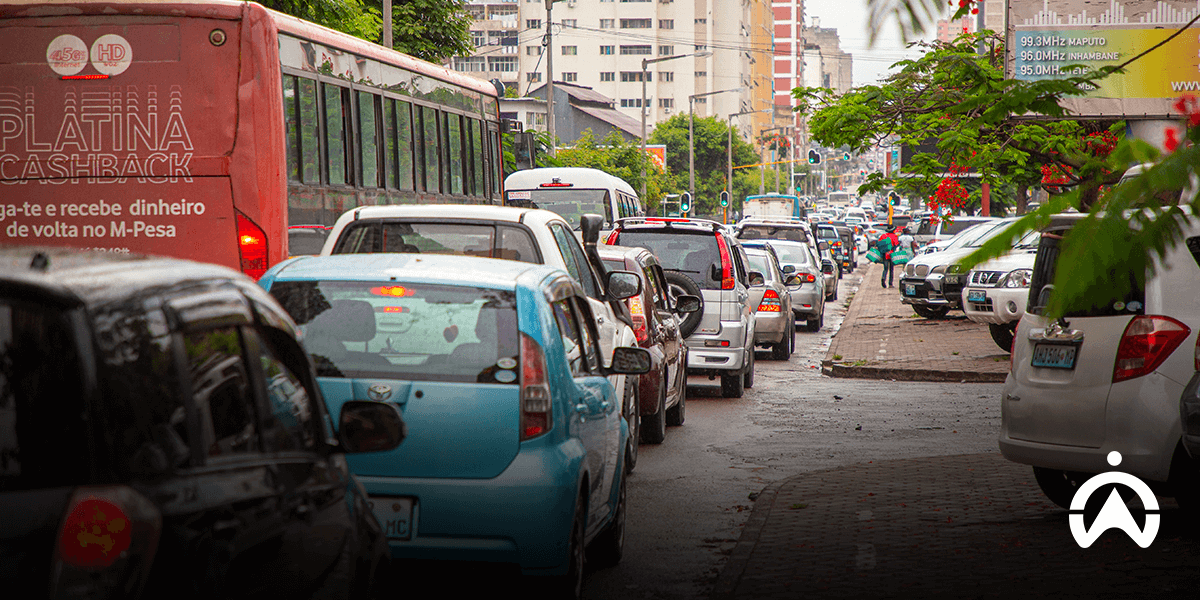
Traffic jams on the city roads, showing the causes and how fleets avoid congestion.

Cartrack Delivery's route optimisation feature helps businesses reduce delivery distances, leading to faster deliveries and improved cost efficiency, ultimately increasing productivity and customer satisfaction.

Cartrack can help fleets get through traffic jams

Contact Cartrack today to start guiding your fleet out of traffic congestion and improving operational efficiency. Click the following link!

Latest Smart Technology in the Transportation Industry

What is smart technology?

Simply put, smart technology—often referred to as "smart tech"—is a collection of innovative, computer-powered devices. Imagine giving everyday objects a "brain" and internet access; these devices have revolutionised various aspects of our lives. Equipped with sensors, software, and internet connectivity, these devices are rendered "smarter." The sensors within smart technology can measure factors such as vehicle speed, fuel levels, and geographical location.

Examples of smart technology

Smart technology is a term for various technologies that can be used to enhance the operational functions of transport businesses. Here is how it works:

  1. Artificial intelligence

    Artificial Intelligence (AI) refers to the ability of computers to mimic intelligent human behaviour such as learning, problem-solving, and decision-making. This transformative technology plays a crucial role in achieving smart transportation by leveraging advanced technologies that improve passenger safety, reduce traffic congestion, and minimise accidents.

    Here's how artificial intelligence is revolutionising transportation:

    – Powering autonomous vehicles: Artificial intelligence enables autonomous vehicles to function, using sensor data to navigate, identify obstacles, and make critical real-time decisions—such as determining which routes to take and how to navigate through traffic. Artificial intelligence ensures that these vehicles can operate safely and seamlessly.

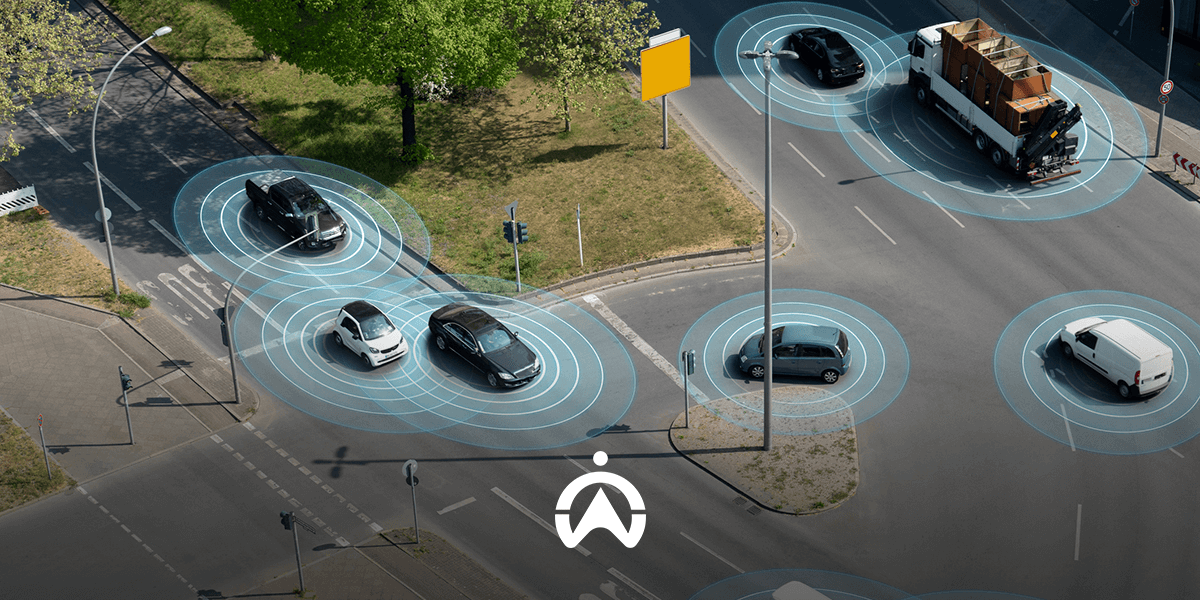
    – Traffic management: With its ability to analyse data from cameras and sensors, AI can optimise traffic management by providing alternative routes that avoid deviations based on real-time conditions.

    – Logistics optimisation: Similar to how AI provides alternative routes to help avoid traffic congestion, this also applies to delivery services, ensuring timely, efficient, and cost-effective deliveries.

  2. Machine Learning

    Machine learning (ML) is a subfield of AI that enables computer systems to learn and improve without explicit instruction by using algorithms trained on datasets. This allows for the creation of self-learning models that can predict outcomes, classify information, and continue learning without human intervention.

    Here's how machine learning is revolutionising transportation:

    – Perawatan prediktif: Machine learning algorithms can use sensor data from vehicles (such as engine performance, oil pressure, etc.) to predict potential problems before they cause unexpected downtime and costly servicing.

    – Route optimisation assistance: Machine learning can analyse traffic data, predict congestion points, and suggest alternative routes. This data is then fed into navigation applications, allowing drivers to avoid congested road conditions and complete deliveries on time.

  3. IoT

    The Internet of Things (IoT) is a vast network of interconnected physical objects embedded in sensors, software, processors, and network connectivity. These sensors collect a variety of data about the environment and the status of objects, including their movement and immediate location. Centralised systems then analyse this data, and through this analysis, the raw data can be transformed into useful insights for informed decision-making.

    Here's how IoT is revolutionising transportation:

    – Pelacakan armada: Sensor IoT bekerja untuk memantau lokasi kendaraan, konsumsi bahan bakar, dan kecepatan secara real-time, memberikan manajer armada visibilitas tak tertandingi untuk mengoptimalkan rute, mengurangi biaya bahan bakar, dan memastikan keselamatan pengemudi.

    – Perawatan preventif: IoT sensors continuously monitor vehicle health, helping fleet managers identify potential wear and tear on vehicle components. This prevents breakdowns and unexpected downtime, extending vehicle lifespan.

    – Supply chain optimisation: IoT devices can track cargo location and temperature, helping to ensure integrity and reduce the likelihood of damage, thereby having a significant impact on supply chain efficiency and customer service.

  4. AR vs VR

    AR and VR refer to two distinct but related technologies. Augmented reality (AR) blends reality and digital reality, allowing us to see the real world with digital information and images superimposed over it. Conversely, virtual reality (VR) is a computer-generated simulation of a 3D environment that users can interact with virtually. By combining advanced sensor technology and software, these solutions can create more interactive experiences.

    AR software analyses data recorded by sensors. VR, on the other hand, creates a fully immersive digital environment that replaces the user's real-world environment. Both AR and VR are prime examples of smart technology because they combine sensor technology, advanced software, and sophisticated displays to create intelligent and interactive experiences.

    Here's how AR and VR are revolutionising transportation:

    – Pelatihan pengemudi: AR can provide a safe and controlled environment to help train drivers and ensure that they can make informed decisions behind the wheel.

    – Remote collaboration (AR and VR): AR and VR can enable remote experts to view and interact with a technician’s work environment on-site in real time. This facilitates effective troubleshooting, support, and knowledge transfer.

    – Navigasi yang ditingkatkan: AR-enabled systems can project directions and information directly into the driver's field of view (e.g., the windshield or AR glasses). This allows for safer, more intuitive navigation without requiring the driver to look away from the road.

  5. ADAS

    Advanced Driver-Assistance Systems (ADAS) are a suite of technologies that use sensors, cameras, machine learning, and artificial intelligence to improve safety and enhance the driving experience. ADAS represent a major breakthrough in the transportation industry.

    Here's how ADAS is revolutionising transportation:

    – Enhanced safety: The core function of ADAS is to reduce human error, the primary cause of traffic accidents. By providing real-time situational awareness, ADAS significantly lowers the risk of collisions.

    – Enhanced driver experience: ADAS reduces driving stress by automating routine tasks such as lane centring and blind spot monitoring, allowing drivers to focus on the road while feeling more confident and in control.

  6. Smart infrastructure

    Smart infrastructure is a network of intelligent technologies embedded in roads, bridges, and traffic systems that leverages sensors and data analytics to revolutionise the way we travel.

    Here's how smart infrastructure is revolutionising transportation:

    – Traffic flow optimisation: By improving traffic flow, smart infrastructure can lead to lower fuel emissions and reduced fuel consumption.

    – Keputusan berbasis data: By providing a clear picture of traffic patterns and infrastructure usage, managers can make informed routing decisions.

  7. Big data and analytics

    Big data refers to large and complex data sets generated by multiple sources within a transportation network. When analysed effectively, big data provides valuable insights that are revolutionising the way we travel:

    Here's how big data and analytics are revolutionising transportation:

    – Optimised operations: Big data helps managers analyse historical and real-time information such as traffic patterns, weather conditions, and delivery locations to optimise delivery routes, helping ensure on-time deliveries while saving time and money.

    – Perawatan prediktif: Big data helps managers monitor and predict potential maintenance issues before they occur, helping prevent breakdowns, reduce unplanned downtime, and extend vehicle life..

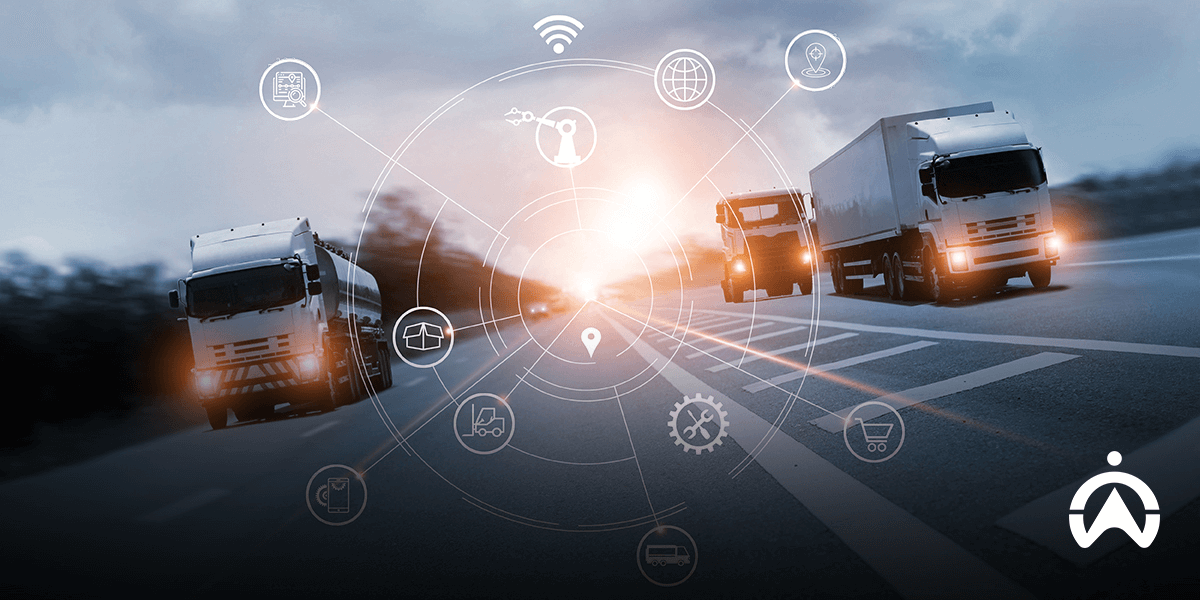
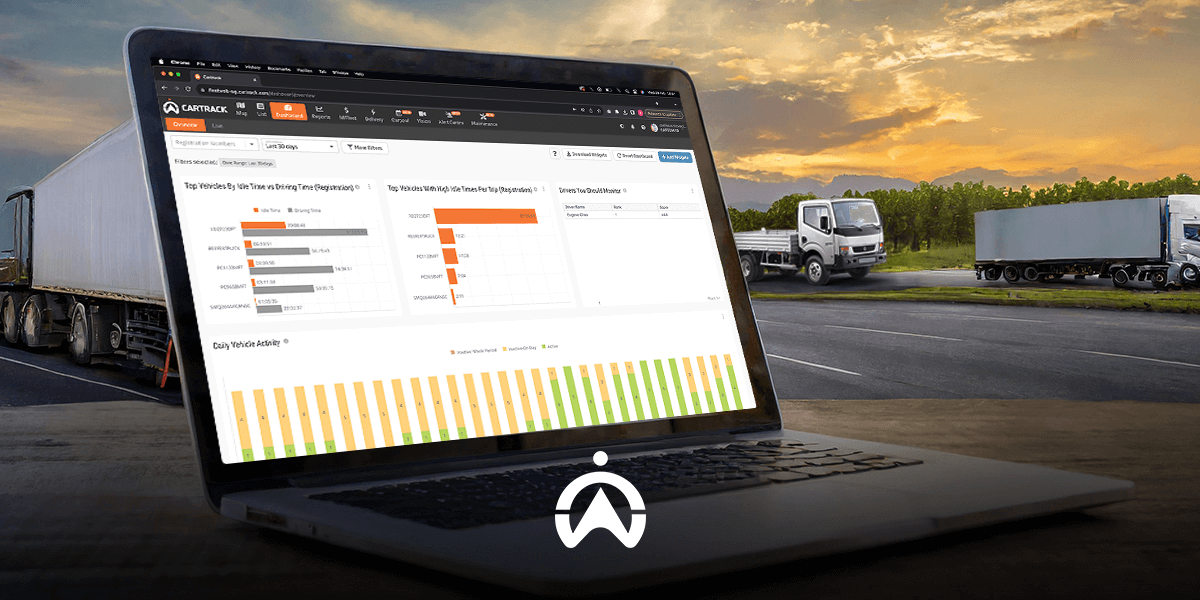
Fleet tracks on highways with smart technology, reflecting the latest innovations in the transportation industry.

What are the benefits of smart technology?

From safer roads and more efficient operations to a more sustainable future, smart technology is revolutionizing transportation through a wide range of benefits. These include:

  • Fleet and cargo safety enhancements: Smart technologies directly contribute to safer roads and better transportation overall. From advanced sensors that prevent potential accidents to smart traffic management systems that ease congestion, these technologies work together to create a safer environment for everyone involved in transportation.
  • Increased efficiency: Smart technology is significantly increasing the efficiency of the entire transportation sector. It helps vehicles find the fastest and most fuel-efficient routes, predicts maintenance needs to prevent downtime, and enables shipping ports and logistics centers to operate smoothly through connected systems.
  • Sustainability enhancement: Smart transportation solutions often go hand in hand with increased sustainability. Optimised routes and traffic flows lead to lower fuel consumption and emissions. Predictive maintenance helps extend the lifespan of vehicles and equipment, reducing waste and excess emissions.
  • User experience improvements: Smart technology offers a better and more personalised experience for everyone using the transportation system. Real-time traffic updates and route suggestions help users avoid delays, while smart payment and ticketing systems make travel smoother.
  • Economic benefits: Smart technology not only improves efficiency, safety, and sustainability but also increases profitability for transportation businesses. Optimised routes, lower fuel consumption, reduced wear and tear, and simplified maintenance make operations more cost-effective.

What role does smart technology play in the transportation industry?

Let's study examples of the role of smart technology in the transportation industry based on its sectors: public, private, logistics, and cargo:

  1. Smart technology in public transport: Public transport offers shared mobility services to the general public, operating on fixed routes and schedules. Common examples include buses, taxis, and trains. Here is how smart technology plays a role in this transport sector:
    – Real-time monitoring and scheduling: Buses and trains are now equipped with GPS tracking; when integrated with mobile applications, this allows passengers to view accurate arrival times, potential delays, and the current location of the vehicles. This eliminates the anxiety associated with waiting, thereby reducing stress for users.
    – Integrated Public Transport Networks (IPTNs): IPTNs utilize real-time data and GPS tracking to coordinate various modes of public transport, enabling better route planning and ensuring timely arrivals for users.
  2. Smart technology for personal transportation: Private transportation involves vehicles owned and operated by individuals for personal use. Offering greater flexibility and control, here's how smart technology plays a role in this sector:
    –  Telematika kendaraan: Telematics equips vehicles with real-time route tracking and optimisation, improving the transportation process for both users and service providers. It can also be useful for generating personalised insurance premium quotes, which are typically based on driver behavior.
    – Kendaraan listrik dan hibrida: Indonesia is experiencing a rise in electric and hybrid cars, and with the number of charging stations increasing in major cities, the private transportation industry is sure to become greener and more sustainable.
    – E-hailing platforms: E-hailing apps like Gojek and Grab use intelligent algorithms to match drivers with passengers, calculate optimal routes, and provide cost estimates.
  3. Logistics and cargo solutions: This sector focuses on the movement of goods and commercial cargo, involving a complex network of vehicles, ships, and warehouses. Here's how smart technology plays a role in the backbone of the supply chain:
    – Sistem gudang otomatis: The logistics industry uses automated systems to ensure accurate inventory management, automate package sorting, and increase efficiency.
    – Sistem manajemen armada: The system is equipped with a variety of technologies that help companies gain unparalleled access and insight into their fleet, from fuel consumption for efficiency to route planning for on-time delivery.

The integration of smart technology into the transportation sector demonstrates Indonesia's progress toward a more efficient, sustainable, and user-friendly system. While significant progress has been made in many areas, there is still room for improvement, and one way to foster this change is through the implementation of fleet management solutions.

What Is Fleet Management?

Fleet management is the optimisation of fleet functions, from vehicle tracking and driver behaviour monitoring to efficient route planning and vehicle maintenance scheduling. The goal is to ensure the fleet operates smoothly, at lower costs, and to ensure customer satisfaction.

What are the benefits of fleet management for the transportation industry?

Fleet management is crucial to the success of the transportation industry. Let's explore some of its benefits:

  1. Cost reduction: Fleet management systems help optimise fuel consumption by monitoring inefficient driving habits, enabling route planning for maximum efficiency, and preventing costly breakdowns with preventative maintenance. Companies can obtain lower insurance premiums by providing detailed insights into responsible driving practices and fleet operations.
  2. Increased efficiency: By providing real-time visibility into vehicle locations and enabling route optimisation, fleet management systems make it possible to reduce wasted time and maximise resource utilisation. Knowing where vehicles are and the routes they take allows for rapid adjustments. Furthermore, fleet management tools ensure that all vehicles are utilised effectively, preventing some from idling and becoming overloaded. Simplified communication between drivers and dispatchers eliminates unnecessary delays and misunderstandings, improving overall efficiency.
  3. Security improvements: Proactively monitoring vehicle health and driver behavior allows for early detection and management of potential issues such as premature wear and tear, preventing breakdowns that could lead to accidents. Fleet management tools with real-time tracking capabilities, vehicle diagnostic technology, and actionable insights help respond quickly to emergencies, accidents, and other vehicle issues.
  4. Improved customer service: Fleet management systems directly enhance the customer experience. Real-time tracking enables accurate ETAs (estimated times of arrival), and fleet managers can keep clients informed in the event of potential delays. Electronic proof of delivery provides a transparent and accountable record of the delivery process, further boosting customer trust.

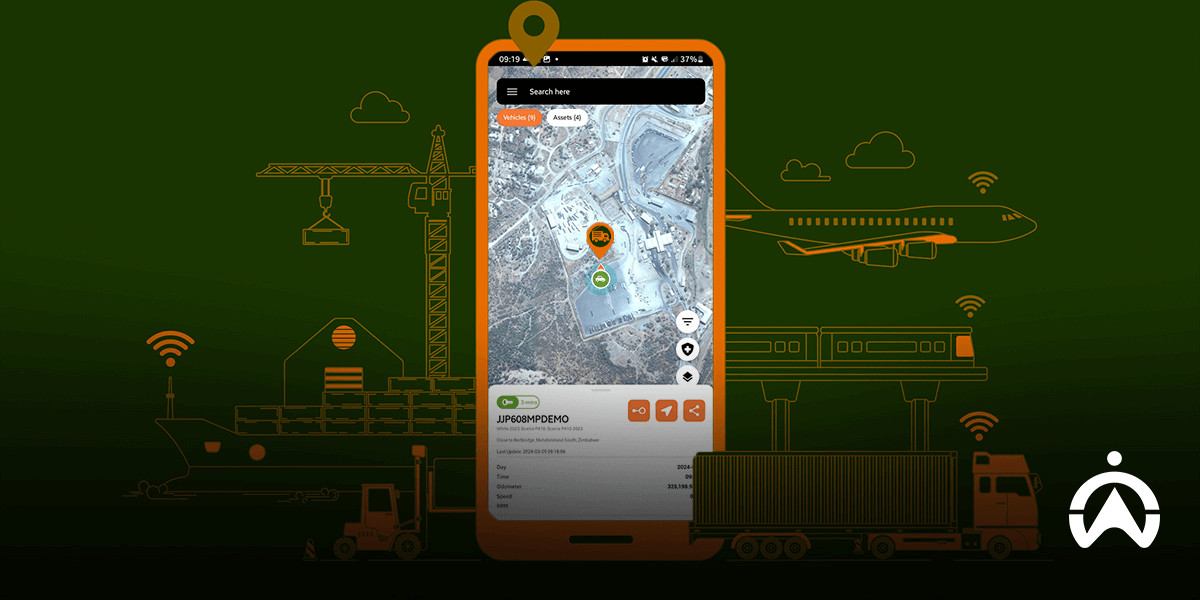
Smartphone displays satellite maps with vehicle tracking, showing the latest smart technology in the transportation industry

Give your fleet the best support with Cartrack Indonesia:

Cartrack is here to help make your fleet more modern, sustainable and future-ready with a range of solutions, including:

  • GPS vehicle tracking: Monitor all vehicles with Cartrack Indonesia's GPS tracking technology. Cartrack's IoT tracking devices are equipped with GPS and GSM technology, providing real-time tracking and monitoring of all vehicles. This real-time tracking can help provide customers with accurate ETAs regarding vehicle arrivals, positively impacting customer satisfaction and business reputation.
  • Preventive maintenance: Avoid unplanned downtime and costly, unexpected repairs with Cartrack Indonesia’s preventive maintenance. Our software directly detects issues such as low oil or water levels and alerts users when these problems are identified, ensuring customers can address them before they escalate. This is especially important in industries where even short, unplanned downtime can result in significant financial losses. Enable personalised maintenance and extend fleet lifespan based on specific needs while avoiding prolonged downtime.
  • Fuel monitoring: Monitor every liter of fuel used with Cartrack Indonesia's fuel monitoring system. The transportation industry requires businesses to stay on the road, making fuel costs and consumption critical to success. The Cartrack system is equipped with fuel sensors installed inside the fuel tank, which help track fuel levels in real time. This insight helps businesses identify and explain sudden spikes in fuel consumption, thus helping optimize fleet fuel efficiency.
  • ADAS: Unlock new levels of safety for drivers with Cartrack's Advanced Driver Assistance Systems (ADAS). Enhance driver awareness of their surroundings by warning them of potential road hazards in real time, helping them avoid them and prevent accidents in an industry where the safety of drivers, passengers, and the public is paramount.
  • AI LiveVision: Ensure drivers aren't distracted while behind the wheel with Cartrack's LiveVision AI camera solution. Give drivers access to real-time voice alerts when dangerous driving behaviors, including mobile phone use, smoking, and excessive yawning, are detected, helping them quickly correct their behavior to prevent accidents.

Contact us today by clicking the link below and unlock new levels of success and efficiency for your transport business.

How to Choose the Best Fleet Management Software?

What is fleet management software?

Perangkat lunak manajemen armada (FMS) adalah solusi digital yang dibuat untuk membantu bisnis dalam mengawasi dan mengendalikan armada kendaraan. Alat ini menyederhanakan organisasi dan meningkatkan operasi kendaraan bisnis yang efisien.

This software acts as a central control centre for managing information from multiple sources and presenting it in an easier-to-understand format. This enables fleet managers to gain valuable insights, streamline operations, and optimise performance across their fleet.

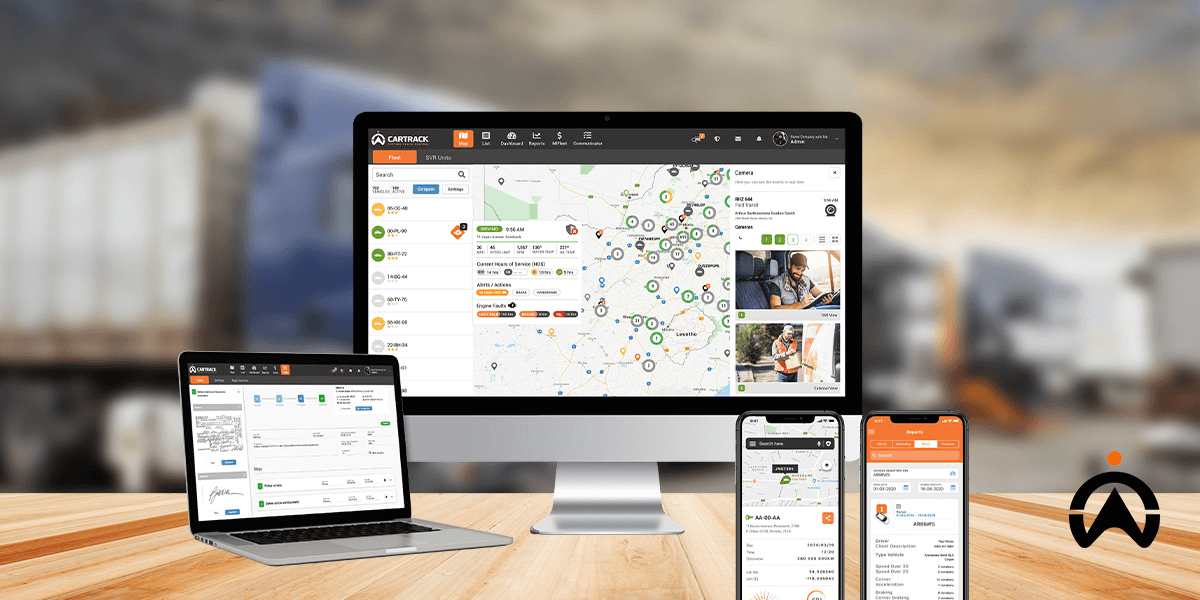
Perangkat lunak manajemen armada Cartrack di desktop, laptop, dan telefon pintar untuk membantu memilih solusi terbaik.

The technology behind fleet management software

Fleet management software typically doesn't require any special equipment, as it's mostly online and accessible via computer or mobile phone. However, fleet management software works with other tools to collect and transmit data, such as:

  1. Hardware: GPS Tracker: Installed in a vehicle, this device can track location, mileage, and engine data in real time.
    -Telematics unit: This unit combines GPS technology with other sensors to collect additional data—such as fuel consumption, engine diagnostics, and driver behavior—in real time.
    -OBD-II device (Onboard Diagnostics): Installed in vehicles to monitor engine health, fuel consumption, and error codes.
    -Mobile application: Drivers can use an app on a smartphone or tablet to receive delivery information, update logbooks, and communicate with dispatchers.
    -Dashboard cameras and in-vehicle cameras: Capture visual evidence of driving behavior and the situation surrounding the vehicle.
  2. Software Platform: The software collects data from the hardware and combines it with additional information such as driver schedules, maintenance records, and fuel costs. The software then processes and analyses the data, providing users with:
    -Real-time dashboard: Displays vehicle location, fuel level, driver activity, and other important information.
    -Detailed reports: Offers insights into fuel efficiency, driver behavior, maintenance needs, and overall fleet performance.
    -Warnings and notifications: Highlights potential problems, such as excessive speed, unauthorised stops or maintenance needs.
  3. User Interface: The user interface is how users interact with the software platform. It can be accessed through a web browser or a mobile app, allowing users to:
    – Memantau armada mereka secara real-time.
    – Mengelola jadwal pemeliharaan dan mengirimkan pengemudi dengan efisien.
    – Menganalisis laporan dan mengidentifikasi area untuk perbaikan.
    – Berkomunikasi dengan pengemudi dan memberikan tugas.

Fleet management software in detail

Fleet management software helps managers carry out all responsibilities effectively.

The software collects data from the fleet through GPS devices, telematics systems, and sensors, then processes the data to provide valuable insights and actionable recommendations.

Once the GPS tracker is installed, the following process begins:

  • Data collection: The software collects real-time information from each vehicle such as where they are located, how fast they are travelling, how much fuel they are using, and even engine diagnostics and driver behaviour.
  • Data processing: The software processes the collected data to identify patterns and detect anomalies. Advanced algorithms can be used to analyse the data and generate actionable recommendations.
  • Monitoring and tracking: Fleet managers can monitor and track their vehicles in real time, ensuring they are on the correct routes and staying on schedule. This enables them to track vehicles, optimise routes, and ensure schedule compliance.
  • Maintenance management: Fleet management software helps schedule and manage maintenance tasks such as oil changes, tyre rotations, and inspections. Maintenance alerts and reminders are generated based on vehicle usage and predefined schedules.
  • Driver management: This software provides tools for managing drivers, including driver performance tracking, monitoring driving behaviour, and managing driver tasks.
  • Reporting and analysis: Fleet management system applications compile all data into easy-to-read reports. Want to know your fleet's fuel efficiency or maintenance costs? Just open the dashboard, and it's all there.

Understanding fleet management software costs

When it comes to fleet management software pricing, it all depends on your business's needs. Here are five key points or questions to ask before making a purchase:

  1. How many vehicles do I have? Fleet management software costs typically increase with fleet size. The more vehicles you own, the higher the overall cost.
  2. What types of vehicles are in the fleet? Managing a fleet of heavy trucks or specialty vehicles may involve sensors and features that impact costs.
  3. What features are important to the company? Advanced features such as GPS tracking, route optimisation, driver behavior monitoring, and maintenance scheduling can add to the cost of fleet management system software.
  4. What type of contract is suitable for my operation? Longer contracts may offer discounts or lower monthly rates, but it's important to consider the long-term implications and flexibility.
  5. Does the company need additional equipment? Sometimes, companies may require additional equipment such as a GPS tracker to be installed on the motorbike.

The best way to find the right management system cost is to contact multiple vendors for quotes.

Pengurus armada menggunakan komputer riba untuk memilih perangkat lunak manajemen armada terbaik bagi operasi pengangkutan.

Additional factors to consider

Once you've found out exactly what your fleet needs, which additional features would be best suited for your fleet, and see what the initial cost will be.

  • Initial costs vs ongoing costs: Evaluate the initial implementation costs, which include installation, training, etc., and ongoing subscription costs based on fleet size and additional features to determine the total cost of ownership for the management software.
  • Return on investment (ROI): Alih-alih hanya menghabiskan uang, anggaplah perangkat lunak sebagai investasi. Pertimbangkan pengembalian yang potensial dalam hal penghematan biaya dan peningkatan operasi. Apakah perangkat lunak dapat membantu menghemat bahan bakar, mengurangi biaya pemeliharaan, atau meningkatkan produktivitas pengemudi

These savings can offset the initial investment and result in a positive ROI.

  • Expandability: Choose a solution that can scale with your business as it grows, avoiding the need for costly upgrades or migrations in the future.
  • Hidden costs: Watch out for hidden costs, such as additional fees for customisation, integration, or support services.

By understanding these cost considerations, companies can make informed decisions and choose fleet management software that not only fits their budget but is also a good fit for their fleet.

Fleet value to meet your business needs

Don't just buy any fleet management software; choose one that's right for your business. Consider factors such as:

  • Industry: Different industries have unique needs. For example, a delivery company might prioritise features like route optimisation and driver behavior monitoring, while a construction company might focus on fuel management and maintenance scheduling.
  • Fleet size and composition: The number and type of vehicles in the fleet will affect the functionality required and impact the overall cost.
  • Desired features and functionality: Identify the specific features that are most important to operations and focus on the solutions offered by the fleet management system at the most reasonable cost.

Choose the most suitable fleet management software according to your business needs.

This section covers key considerations for assessing fleet needs before making this important decision, focusing on the top 3 industries:

  1. Delivery: Priority: On-time delivery
    – Pelacakan GPS real-time: With GPS vehicle tracking, fleet management systems enable real-time visibility of deliveries, ensuring on-time arrivals and managing customer expectations.
    – Optimisasi rute: Fleet management software helps optimise delivery routes, reducing mileage, fuel consumption, and delivery times while increasing overall efficiency. Combined with route planning, fleet managers can account for traffic conditions, package sizes, and delivery windows.
    – Pemeliharaan kendaraan: Fleet management software automates maintenance scheduling, tracks vehicle diagnostics, and sends alerts for timely servicing, minimizing downtime and extending vehicle life.
    – Keselamatan pengemudi: Fitur manajemen perilaku pengemudi tersedia untuk memantau perilaku pengemudi seperti kecepatan berlebih, pengereman tiba-tiba, dan mempromosikan keselamatan dan potensi pengurangan premi asuransi.
  2. Field Services: Priority: Maximizing technician productivity
    – Alat penjadwalan dan pengiriman yang efisien: To integrate with Silacak, the following requirements must be met: menugaskan pekerjaan kepada teknisi yang tersedia terdekat berdasarkan keterampilan dan lokasi. Alat Pengiriman Cartrack Indonesia bisa menjadi aset besar untuk layanan lapangan.
    – Fitur komunikasi real-time: Fleet management software offers communication features such as messaging and job updates, thus ensuring smooth communication between field technicians, dispatchers, and customers.
    – Pelacakan aset: Fleet management software enables real-time tracking of field service vehicles and equipment, improving visibility, safety, and asset utilisation.
    – Manajemen kepatuhan: Perangkat lunak manajemen armada membantu perusahaan layanan lapangan memastikan kepatuhan terhadap persyaratan regulasi, standar keselamatan, dan praktik terbaik industri melalui pelaporan otomatis dan fitur pemantauan.
  3. Transportation & Logistics: Priority: Cost optimisation
    – Optimisasi rute: Fleet management software can reduce mileage, fuel consumption, and delivery times by simply refining delivery route planning. It analyses factors such as traffic and package size to create more efficient routes, saving money in the process.
    – Manajemen Bahan Bakar: Fleet management software helps manage fuel consumption, optimise routes to reduce fuel costs, and monitor driver behavior to implement more efficient driving practices. Cartrack Mifleet feature can be used to track fuel usage and determine how much is spent on fuel simultaneously.
    – Unit pelacakan kendaraan: By knowing the exact location of each vehicle, fleet managers can optimise dispatches, monitor driver behavior, and ensure vehicles stay on planned routes. This increases efficiency, reduces downtime, and ultimately leads to cost savings.

Get the best fleet management solution with Cartrack Indonesia

While price is important, it shouldn't be the deciding factor when choosing fleet management software or a fleet management system. The right solution will meet a business's specific needs, provide useful features, and ultimately deliver the best value for your investment.

Here are other factors to consider when looking for a fleet management system that fits your business needs: Does it have the features your business needs?

Features that business people are looking for

  • GPS tracking & geofencing: A core feature that provides real-time location tracking, route history, and notifications when vehicles enter or exit defined zones is essential for route optimisation, safety, and vehicle monitoring.
  • Route optimisation: Fleet management software can suggest optimal routes based on real-time factors such as traffic, weather, and construction delays. This feature helps reduce fuel costs, improve delivery times, and maximise fleet efficiency.
  • Fuel management: Detailed fuel consumption monitoring, identification of inefficient driving practices (excessive speeding, driving recklessly), and detection of potential fuel theft directly impact operational costs.
  • Driver behaviour analysis: Tracking driving habits such as sudden acceleration, braking, and speeding can help improve safety, reduce accidents, and lower insurance premiums.
  • Maintenance scheduling & notifications: Proactive management of vehicle maintenance, including automatic reminders for oil changes, inspections, and more can reduce downtime, idlingprevent more expensive repairs, and extend the life of the vehicle.

Choose the best fleet management solution from Cartrack Indonesia

It's time to simplify navigating the world of fleet management software with a range of options from Cartrack Indonesia that promise efficiency and cost savings. We offer leading fleet management solutions and a robust suite of features to address fleets' biggest challenges, such as:

  • Real-time GPS tracking and route optimisation
  • Fuel management and driver behaviour monitoring
  • User-friendly platform
  • Ability to adapt to business growth
  • Cartrack's dedicated team

What makes Cartrack Indonesia different?

In addition to offering one of the most affordable fleet management solutions, we believe in a comprehensive suite of features that can be tailored specifically to your business. Cartrack Indonesia has over 1.9 million users in over 23 countries, with an additional 110,000 businesses trusting our solutions.

Quality customer service that's always on-hand. Our dedicated team provides 24/7 customer service, ensuring businesses get the help they need whenever they need it. Cartrack Indonesia's products are at the forefront of technology development, enabling businesses to operate their fleets with the best intelligence, efficiency, and safety the industry has to offer.

We believe in strong relationships with our customers, and we work hard to ensure our users' business needs are met with individually tailored solutions.

What are you waiting for? Contact Cartrack today to learn more about how Cartrack Indonesia can help your business continue to grow and become the best.. Klik link berikut ini!

Benefits of Fleet Management System for fleet rental business

Apa itu sewa armada?

Sewa armada merujuk pada perjanjian antara sebuah bisnis dan pemilik armada, di mana armada mendapatkan akses ke kendaraan armada dengan imbalan biaya bulanan tanpa memiliki kepemilikan atas mereka. Mungkin terdengar mirip dengan menyewa kendaraan penumpang tetapi berbeda karena periode sewa armada berlangsung sekitar 2-5 tahun.

Tergantung pada kebutuhan perusahaan, sewa armada dapat melibatkan banyak kendaraan, termasuk truk dan van.

Apa saja jenis-jenis sewa armada?

Sewa armada dapat bersifat terbuka atau tertutup. Apa artinya? Mari kita pelajari lebih detail:

  • Sewa terbukaSewa terbuka adalah ketika pemilik armada bertanggung jawab atas risiko residu kendaraan, yang berarti ada kemungkinan penyewa akan berhutang lebih banyak uang daripada nilai sebenarnya dari mobil tersebut pada akhir sewa. Ini terjadi ketika kendaraan mengalami depresiasi lebih cepat dari yang diharapkan, dan pada akhir masa sewa, manajer armada perlu membeli atau mengembalikan kendaraan. Jika nilai kendaraan melebihi nilai residu, manajer armada juga dapat menjualnya untuk mendapatkan keuntungan.

    Bayangkan sewa terbuka seperti menyewa mobil untuk jangka waktu yang lama tetapi dengan sedikit perbedaan. Meskipun kita setuju untuk melakukan pembayaran secara terjadwal, kita dan perusahaan berbagi tanggung jawab atas nilai akhir kendaraan.

    3 karakteristik kunci dari sewa armada terbuka meliputi:

    1. Pembayaran bulanan lebih rendah tetapi risiko lebih tinggi: Dengan sewa armada terbuka, pembayaran bulanan lebih rendah. Namun, penyewa menghadapi risiko lebih tinggi karena bertanggung jawab atas setiap perbedaan antara nilai residu yang diestimasi dari kendaraan dan nilai pasar masa depan yang sebenarnya.

    2. Jarak tempuh tanpa batas: Berbeda dengan sewa tertutup, penyewa memiliki akses tanpa batas ke jarak tempuh, menjadikannya pilihan yang ideal untuk armada dengan kebutuhan jarak tempuh yang lebih tinggi dan tidak terduga.

    3. Pemeliharaan dan perbaikan: Sebagai manajer armada, penyewa bertanggung jawab atas pemeliharaan dan perbaikan kendaraan armada yang disewa.

    Sekarang setelah kita memiliki pemahaman yang lebih jelas tentang sewa terbuka, mari kita lihat kelebihan dan kekurangannya:

    Kelebihan sewa terbuka:

    – Biaya awal lebih rendah: Pembayaran bulanan biasanya lebih rendah, memberi penyewa kemampuan untuk mengalokasikan dana untuk kebutuhan bisnis lainnya.

    – Fleksibilitas dalam hal jarak tempuh: Tidak ada batasan jarak tempuh yang tetap, memungkinkan bisnis untuk mengatasi kebutuhan dan pola berkendara yang tidak terduga yang dapat terjadi dalam operasi armada.

    – Kesempatan untuk memiliki: Manajer armada dapat memperoleh kendaraan-kendaraan ini pada akhir masa sewa mereka.

    Kekurangan sewa terbuka:

    – Beban manajemen yang meningkat: Manajer harus lebih terlibat dalam tugas-tugas administrasi armada dasar, termasuk pemeliharaan dan perbaikan kendaraan.

    – Biaya yang tidak terduga: Biaya akhir nilai kendaraan yang disewa tergantung pada pasar, yang membuat perencanaan anggaran menjadi tantangan.
    ​

  • Sewa terbukaSewa terbuka adalah ketika pemilik armada bertanggung jawab atas risiko residu kendaraan, yang berarti ada kemungkinan penyewa akan berhutang lebih banyak uang daripada nilai sebenarnya dari mobil tersebut pada akhir sewa. Ini terjadi ketika kendaraan mengalami depresiasi lebih cepat dari yang diharapkan, dan pada akhir masa sewa, manajer armada perlu membeli atau mengembalikan kendaraan. Jika nilai kendaraan melebihi nilai residu, manajer armada juga dapat menjualnya untuk mendapatkan keuntungan.

    Bayangkan sewa terbuka seperti menyewa mobil untuk jangka waktu yang lama tetapi dengan sedikit perbedaan. Meskipun kita setuju untuk melakukan pembayaran secara terjadwal, kita dan perusahaan berbagi tanggung jawab atas nilai akhir kendaraan.

    3 karakteristik kunci dari sewa armada terbuka meliputi:

    1. Pembayaran bulanan lebih rendah tetapi risiko lebih tinggi: Dengan sewa armada terbuka, pembayaran bulanan lebih rendah. Namun, penyewa menghadapi risiko lebih tinggi karena bertanggung jawab atas setiap perbedaan antara nilai residu yang diestimasi dari kendaraan dan nilai pasar masa depan yang sebenarnya.
    2. Jarak tempuh tanpa batas: Berbeda dengan sewa tertutup, penyewa memiliki akses tanpa batas ke jarak tempuh, menjadikannya pilihan yang ideal untuk armada dengan kebutuhan jarak tempuh yang lebih tinggi dan tidak terduga.
    3. Pemeliharaan dan perbaikan: Sebagai manajer armada, penyewa bertanggung jawab atas pemeliharaan dan perbaikan kendaraan armada yang disewa.

    Sekarang setelah kita memiliki pemahaman yang lebih jelas tentang sewa terbuka, mari kita lihat kelebihan dan kekurangannya:

    Kelebihan sewa terbuka:

    – Biaya awal lebih rendah: Pembayaran bulanan biasanya lebih rendah, memberi penyewa kemampuan untuk mengalokasikan dana untuk kebutuhan bisnis lainnya.
    – Fleksibilitas dalam hal jarak tempuh: Tidak ada batasan jarak tempuh yang tetap, memungkinkan bisnis untuk mengatasi kebutuhan dan pola berkendara yang tidak terduga yang dapat terjadi dalam operasi armada.
    – Kesempatan untuk memiliki: Manajer armada dapat memperoleh kendaraan-kendaraan ini pada akhir masa sewa mereka.

    Kekurangan sewa terbuka:

    – Beban manajemen yang meningkat: Manajer harus lebih terlibat dalam tugas-tugas administrasi armada dasar, termasuk pemeliharaan dan perbaikan kendaraan.
    – Biaya yang tidak terduga: Biaya akhir nilai kendaraan yang disewa tergantung pada pasar, yang membuat perencanaan anggaran menjadi tantangan.

  • Sewa tertutupSewa tertutup menawarkan lebih banyak prediktabilitas daripada sewa terbuka. Berbeda dengan sewa terbuka, di mana manajer armada bertanggung jawab atas risiko residu kendaraan, sewa tertutup membutuhkan penyedia untuk menangani tanggung jawab ini. Jadi, ketika masa sewa berakhir, kendaraan dapat dikembalikan tanpa khawatir tentang penjualan atau depresiasi potensial karena nilai residu yang ditetapkan. Singkatnya, sewa tertutup semuanya tentang biaya dan penggunaan dapat diprediksi dalam batas-batas yang disepakati.

    3 karakteristik kunci dari sewa armada tertutup meliputi:

    1. Pembayaran bulanan tetap: Tetap untuk seluruh masa sewa, sehingga penyewa tidak perlu khawatir tentang nilai pasar yang berfluktuasi.
    2. Batasan jarak tempuh tertentu: Penyewa harus tetap berada dalam batas-batas ini, dan jika penyewa melampaui batas ini, penyewa harus membayar biaya berlebih per kilometer.
    3. Penyewa tidak perlu khawatir tentang nilai akhir: Nilai akhir kendaraan bukan tanggung jawab penyewa selama kendaraan dikembalikan dalam kondisi kerja yang baik.

    Gimana cukup jelas, bukan? Sekarang, mari kita lihat kelebihan dan kekurangan dari pilihan sewa armada ini.

    Kelebihan sewa tertutup:

    – Tidak ada kekhawatiran pemeliharaan: Pemilik biasanya bertanggung jawab atas pemeliharaan dan perbaikan kendaraan selama masa sewa, namun sewa tertutup kebalikannya sehingga dapat menghemat waktu dan uang bisnis.
    – Lebih banyak kesempatan untuk upgrade: Karena periode sewa lebih pendek, penyewa dapat beralih ke kendaraan terbaru setiap masa sewa selesai, sehingga penyewa selalu memiliki akses ke teknologi kendaraan terbaru.
    – Perencanaan anggaran yang disederhanakan: Karena pembayaran bulanan tetap, penyewa dapat memperkirakan anggaran armada dengan akurat dan menyederhanakan perencanaan keuangan.

    Kekurangan sewa tertutup:

    – Pembayaran bulanan yang lebih tinggi: Karena pembayaran tetap dan pemilik mengambil risiko lebih banyak, pembayaran bulanan dapat sedikit lebih tinggi dibandingkan dengan sewa terbuka.
    – Batasan jarak tempuh: Batasan jarak tempuh dapat merugikan anggaran armada, karena melampaui mereka mengarah pada biaya yang mahal.
    – Tidak ada kesempatan memiliki: Tidak seperti sewa terbuka, bisnis tidak memiliki opsi untuk membeli kendaraan yang telah mereka gunakan pada akhir masa sewa mereka.

Apa_saja_jenis_jenis_sewa_armada

Keuntungan Penting yang Perlu Diketahui tentang Sewa Armada

Sewa armada dapat memberikan manfaat bagi bisnis armada dalam berbagai cara. Mari kita ketahui beberapa di antaranya:

Peningkatan pemeliharaan kendaraan: Bergantung pada jenis perjanjian sewa armada yang dipilih, penyewa armada dapat menyertakan layanan perbaikan pemeliharaan dalam perjanjian sewa, yang mengurangi biaya tenaga kerja dan membebaskan sumber daya untuk kebutuhan bisnis lainnya sambil memastikan bahwa kendaraan berfungsi dengan baik.

Fleksibilitas yang meningkat: Sewa armada memungkinkan perusahaan untuk dengan mudah menyesuaikan ukuran dan komposisi armada berdasarkan permintaan yang bervariasi, seperti musim ramai atau perubahan jumlah karyawan. Fleksibilitas ini membekali armada untuk fungsi spesifiknya, meningkatkan keuntungan dan menghemat uang selama musim sepi.

Tanggung jawab administratif yang berkurang: Perusahaan sewa armada menangani banyak tugas administratif yang terkait dengan mengelola armada kendaraan, seperti registrasi kendaraan dan perizinan. Dengan mengoutsourcing sebagian besar pemantauan kendaraan, pemeliharaan, dan kepatuhan kepada perusahaan penyewaan, manajer armada dapat mengurangi beban operasional dan membebaskan sumber daya yang mendukung pertumbuhan armada

Skalabilitas: Skalabilitas dalam sewa armada adalah kemampuan armada untuk memperluas kapasitas dan kemampuannya secara efisien dengan menambahkan kendaraan dan meningkatkan proses operasional untuk menangani lebih banyak tugas tanpa mengorbankan efisiensi. Dengan menghilangkan biaya awal yang besar dan beban manajemen, sewa armada dapat membantu membuka fleksibilitas untuk meningkatkan atau menurunkan skala armada sesuai kebutuhan.

Rahasia untuk meningkatkan sewa armada: Manajemen armada

  adalah proses menjaga agar armada kendaraan beroperasi dengan lancar. Ini melibatkan berbagai tugas yang meningkatkan efisiensi armada, mengurangi biaya operasionalnya, dan mempromosikan keselamatan secara keseluruhan. Manajer armada mengawasi tujuan ini dan membuat keputusan manajemen, termasuk akuisisi kendaraan, pemeliharaan, pemantauan armada, dan manajemen bahan bakar.

Bagaimana sistem manajemen armada dapat membantu menyederhanakan pengelolaan armada yang disewa?

Sebuah sistem manajemen armada memainkan peran yang signifikan dalam menjalankan armada yang disewakan. Mari kita lihat dengan tepat bagaimana caranya:

Pembuatan keputusan berbasis data: Manajemen armada memfasilitasi akses mudah dan interpretasi volume data yang besar. Contohnya, John, mengelola armada yang disewakan dengan total 15 kendaraan. Melacak berbagai metrik armada, termasuk konsumsi bahan bakar dan jarak tempuh untuk semua kendaraan ini bisa menjadi tantangan. Yang dibutuhkan John adalah sistem   yang dapat secara otomatis mengumpulkan dan menganalisis semua data terkait pemeliharaan kendaraan, konsumsi bahan bakar, dan perilaku pengemudi. Dengan mengetahui dengan pasti bagaimana armada beroperasi, John tahu perubahan apa yang perlu dilakukan. Ini penting untuk armada yang disewa, di mana setiap keputusan dapat memengaruhi profitabilitas dan jumlah yang harus dibayarkan pada akhir periode sewa.

Pelacakan GPS langsung: Manajemen armada memberikan wawasan menyeluruh tentang kinerja dan manajemen kendaraan menggunakan perangkat lunak pelacakan GPS. Dengan mengumpulkan dan menyimpan data tentang kecepatan, perjalanan, jarak, dan lokasi kendaraan, manajer armada tidak hanya mengetahui lokasi kendaraan setiap saat, tetapi mereka juga dapat melihat rute tepat yang dilalui kendaraan mereka, berapa lama setiap perjalanan berlangsung, dan mendapatkan wawasan tentang perilaku pengemudi. Lihatlah dari perspektif John, yang tidak perlu lagi menelepon pengemudi setiap kendaraan armada yang disewa untuk mengetahui persis di mana mereka berada atau perjalanan apa yang mereka lakukan. Ini membantu manajer melacak jarak tempuh kendaraan, yang penting untuk sewa tertutup dengan batasan jarak tempuh.

Pemeliharaan armada proaktif: Manajemen armada membuat manajer armada lebih mudah untuk membuat strategi pemeliharaan yang spesifik guna kebutuhan individual satu-persatu armada mereka. Seperti, menjaga armada tetap terawat dengan baik, memastikan armada tidak mengalami waktu henti yang tidak terduga, dan membantu menghemat biaya perbaikan yang tidak perlu. Hal-hal ini sangat penting untuk armada yang disewakan, terutama jika dapat memilih opsi sewa di mana penyewa bertanggung jawab atas pemeliharaan kendaraan.

Driver behaviour monitoring: Manajemen armada memantau perilaku pengemudi menjadi tugas yang mudah. Perilaku berbahaya pengemudi seperti pengereman keras dan tikungan tajam meningkatkan jarak tempuh dan konsumsi bahan bakar serta risiko waktu henti tidak terduga akibat kecelakaan, itulah sebabnya pemantauan perilaku pengemudi membantu memastikan armada yang disewa tetap aman dan efektif.

Mengoptimalkan manajemen biaya: System   memungkinkan pebisnis untuk melacak setiap sen yang dikonsumsi armada, membantu pebisnis menemukan penyebab potensial dari pengurasan biaya, apakah itu karena konsumsi bahan bakar yang meningkat atau kendaraan rusak. Ini penting untuk opsi sewa armada, di mana jika pebisnis bertanggung jawab atas sebagian besar biaya armada.

Ubah armada yang disewakan menjadi lebih hemat, efisiensi, dan produktif dengan Cartrack Indonesia

Cartrack Indonesia memiliki berbagai solusi untuk menyederhanakan pengelolaan armada yang disewa, membantu pebisnis mencapai kenyamanan dan mengaktifkan efisiensi tertinggi. Mari kita jelajahi solusi-solusi ini:

  • GPS vehicle tracking: Dapatkan visibilitas penuh atas armada yang disewakan dengan teknologi pelacakan GPS Cartrack dan tentukan lokasi geografis kendaraan dengan tepat secara real-time. Pelacakan GPS Cartrack juga memberikan akses ke layanan pemulihan kendaraan yang dicuri. Dengan tingkat pemulihan kendaraan yang mencapai lebih dari 90%, Cartrack merespons dengan cepat terhadap pencurian atau perampokan kendaraan, meningkatkan peluang untuk memulihkan kendaraan.
  • Route optimisation: Buka rute terbaik untuk armada yang disewakan dengan optimasi rute dari Cartrack Indonesia. Tersedia sebagai bagian dari fitur Delivery App Cartrack, fitur optimasi rute dapat melihat kondisi lalu lintas dan cuaca secara real-time untuk menemukan rute yang ideal bagi pengemudi. Tingkatkan efisiensi armada dan konsumsi bahan bakar dengan memilih rute yang efektif berdasarkan data real-time, yang membantu menurunkan biaya keseluruhan untuk armada yang disewakan.
  • Fuel monitoring: Ketahui dengan pasti berapa banyak bahan bakar yang dikonsumsi kendaraan yang disewakan dengan sistem pemantauan bahan bakar Cartrack Indonesia. Dengan memberikan wawasan real-time tentang konsumsi bahan bakar, pebisnis dapat dengan cepat mendeteksi sumber pengurasan bahan bakar dan bertindak. Teknologi deteksi penipuan bahan bakar kami mencocokkan struk belanja bahan bakar dengan lokasi kendaraan nda dan status bahan bakar, sehingga membantu mengurangi pengurasan biaya bahan bakar dan meningkatkan efisiensi operasional.
  • Driver Monitoring: Tingkatkan keselamatan dan perilaku pengemudi armada dengan sistem pemantauan pengemudi Cartrack Indonesia, dilengkapi dengan berbagai solusi perangkat keras dan perangkat lunak tingkat lanjut untuk membantu memantau perilaku pengemudi.- Sistem Bantuan Pengemudi Lanjutan (ADAS) Cartrack dirancang untuk memberi peringatan kepada pengemudi tentang bahaya di jalan, membantu mereka menghindari rintangan dan mencegah kecelakaan secara real-time.

    – Kamera AI LiveVision memberi pengemudi akses ke peringatan waktu nyata, bersuara tentang perilaku mengemudi berbahaya dan teralihkan, termasuk merokok, kecepatan berlebihan, dan menguap, yang membantu pengemudi dengan cepat memperbaiki perilaku dan mencegah kecelakaan.

    – Skor pengemudi memberi laporan terperinci tentang masing-masing perilaku mengemudi yang disebutkan di atas, memungkinkan pebisnis melihat kapan kejadian terjadi dan siapa yang mengemudi, dan menggunakan wawasan ini untuk memberdayakan dan melatih praktik mengemudi yang lebih aman.

  • Cost management: Jangan pernah lewatkan batas waktu pembayaran dan registrasi dengan perangkat lunak MiFleet Cartrack. Dengan kemampuan untuk menerima peringatan pengingat, solusi manajemen biaya kami membuat pelacakan semua biaya armada menjadi mudah. Tidak hanya untuk membantu meningkatkan kepatuhan armada, tetapi juga mengurangi waktu admin dan menghilangkan kesalahan manusia yang terjadi dengan perhitungan manual, membantu memastikan bahwa armada yang disewa tidak menghabiskan lebih banyak dari yang seharusnya.
  • Peringatan pencegahan perawatan: Temukan potensi masalah dalam perawatan sebelum menjadi lebih mahal dengan perawatan pencegahan dari Cartrack Indonesia. Perangkat lunak kami menggunakan analisis canggih untuk memberi peringatan kepada pebisnis tentang potensi masalah perawatan kendaraan, seperti kampas rem rusak dan kadar minyak yang rendah. Tindakan proaktif ini menggunakan data historis dan algoritma pintar untuk membuat rencana pemeliharaan yang secara khusus disesuaikan dengan armada, membantu menghilangkan waktu henti yang tidak terduga, mencegah kecelakaan jalan, meningkatkan umur armada, dan mengubah armada yang disewa menjadi mesin yang berfungsi dengan baik.

Ubah_armada_yang_disewakan_menjadi_lebih_hemat_efisiensi_dan_produktif_dengan_Cartrack_Indonesia

Bagaimana Cartrack membantu Agungrent meningkatkan bisnis penyewaan kendaraan

Baik menyewakan armada kendaraan atau sedang mencari untuk menyewakannya, Cartrack adalah solusinya. Ambil contoh Agungrent, sebuah perusahaan penyedia layanan transportasi yang mengkhususkan diri dalam penyewaan kendaraan, logistik, dan pengiriman truk dengan lebih dari 6.000 kendaraan.

Agungrent mengalami kesulitan dalam mengurangi biaya operasional dan mengelola inventaris armada. Mereka membutuhkan sistem untuk membantu mereka mengelola penggunaan penyewaan kendaraan mereka dengan mudah, menerima data kendaraan, dan mengurangi biaya total armada.

Dengan menggunakan aplikasi seluler Cartrack Indonesia, Agungrent membuka kemampuan pemantauan waktu nyata atas pergerakan kendaraan, membantu membuat tagihan kendaraan yang disewakan lebih akurat. Solusi pemantauan bahan bakar Cartrack juga membantu mereka meningkatkan efisiensi bahan bakar mereka hingga 30%, dan laporan pengemudi dan keselamatan yang mereka dapatkan aksesnya membantu meningkatkan budaya keselamatan pengemudi secara keseluruhan.

Inilah yang dikatakan oleh Manajer Operasional perusahaan, Bapak Edi Cahyono:

“Cartrack adalah penyedia layanan GPS global yang menawarkan banyak fitur yang sangat mumpuni dan ramah pengguna, juga menawarkan harga yang kompetitif yang disesuaikan dengan kebutuhan kami.”

Atasi masalah penyewaan armada dengan solusi   dari Cartrack. Ubah pengelolaan armada yang disewa dari yang memakan waktu menjadi yang lebih efisien dan otomatis dengan Cartrack Indonesia.

‍Hubungi kami hari ini, Click the following link!

Get to Know the Advantages and Disadvantages of Electric Cars!

What are the biggest advantages and disadvantages of electric vehicles? Understand the pros and cons to develop a balanced perspective.

Advantages

  • Lower Emissions: One of the main reasons why electric vehicles are increasingly being used on the roads is because by using electric vehicles we contribute to climate change prevention measures by emitting significantly fewer emissions.
  • Lower Fuel & Basic Maintenance Costs: EVs don't use fossil fuels, meaning you won't spend money on gas every day. Electric vehicles also don't use other fluids like oil or brake pads.
  • A quieter ride with instant torque: Powered by batteries, EVs produce little noise, creating a different driving experience. An EV's torque is generated by magnetic fields and electric currents, rather than burning gas and turning a crankshaft, which takes more time.

Disadvantages

  • Environmental Impact of Manufacturing Process: While driving an EV is more low-emission, there is debate about the environmental impact of the manufacturing process. Electric vehicle batteries require lithium mining, which in turn leads to carbon emissions, habitat destruction, and pollution. However, climate change activists see this as a necessary evil for the greater good.
  • Public Electric Charging Stations: One of the biggest challenges EV drivers face is the limited number of public charging stations. Just like vehicles with fuel tanks, electric vehicles can run out of battery power and need to be recharged to continue their journey. If there aren't enough charging stations, the battery can become depleted without the option of recharging.
  • Expensive: Electric vehicles have not yet been mass-produced due to their relatively high production costs. Furthermore, manufacturing lithium-ion batteries and electric motors is significantly more expensive than manufacturing internal combustion engines. With technological advances, this may change, making EVs more affordable in the near future.
  • Limited Range: The range of an electric vehicle depends on the make and model. Some electric vehicles have a decent range, but others require frequent recharging, making them less practical for long-distance travel. Ultimately, gasoline vehicles still offer more power and the option of refueling along the way, unlike EVs.

A view of the earth and a green road, depicting the advantages and disadvantages of electric cars for a more sustainable future.

Which Vehicle Brands Make Electric Vehicles?

With the EV landscape evolving rapidly, you might be surprised at just how many electric car companies there are today. Here are some of the trusted brands making the most popular EV models today.

  • Tesla

  • Kia/Hyundai

  • General Motors

  • Ford

  • Mercedes-Benz

  • BMW

  • Fiat

  • Ferrari

  • Toyota

Origin and History of EV

Looking at the ultra-modern exterior design of electric vehicles, it seems impossible to imagine that these machines existed almost two centuries ago. The first EV prototype was built in 1835, although in the late 19th and early 20th centuries, motor vehicles took centre stage, with the mass production of cheaper combustion engines.

Here's an interesting breakdown of how electric vehicles came to be:

  1. The first version of a full-sized EV was developed in 1832.
  2. The first production electric car was built by Thomas Parker, using a high-capacity rechargeable battery.
  3. In 1996, General Motors created one of the most famous EVs at the time, the EV1.
  4. EVs finally gained attention in the 21st century due to the need to reduce CO2 emissions.
  5. Currently, Tesla is one of the most popular EV brands, and other well-known EV brands include Toyota, Ford, BMW, and Nissan.

Environmental Need for Electric Vehicles

While the invention of the electric vehicle occurred nearly 200 years ago, the need for alternatives to motorised vehicles has only recently reached its peak. Climate change plays a significant role in global policy and the need to protect the planet.

The Impact of Climate Change on Energy Efficiency

The impact of climate change on energy efficiency is undeniable. As our planet warms, energy systems become increasingly vulnerable, highlighting the critical role of energy efficiency in climate change mitigation. By reducing energy consumption and emissions, we can reduce pressure on the environment and address the challenges posed by climate change.

Badan Perlindungan Lingkungan AS menekankan hubungan ini, mengakui efisiensi energi sebagai “cara paling efektif secara biaya untuk mengatasi perubahan iklim.” Dalam banyak kasus, langkah-langkah efisiensi secara nyata mengurangi pemborosan energi, menghemat uang, dan memfasilitasi ekspansi sumber energi terbarukan. Ini membuat efisiensi energi menjadi strategi kunci untuk mengatasi perubahan iklim dan dampaknya yang lebih luas pada lingkungan, ekonomi, dan kesehatan manusia.

What is Zero Carbon Emission?

Imagine a world where the greenhouse gases we emit are equal to those we remove, creating a stable balance. That's what net zero carbon emissions means, a crucial goal for combating climate change. Net zero carbon emissions involves two key strategies:

  1. Emission Reduction: We need to drastically reduce the amount of greenhouse gases we emit into the atmosphere. This means moving away from fossil fuels, investing in energy efficiency, and adopting sustainable practices across industries.
  2. Penghilangan Emisi: Meskipun dengan penurunan signifikan, beberapa emisi akan tetap ada. Netral Bersih mengakui hal itu dan berupaya “menyeimbangkan buku” dengan menghapus sisa-sisa emisi ini dari atmosfer. Teknologi seperti penanaman pohon dan penangkapan karbon sedang mengeksplorasi cara untuk mencapai hal ini.

Can EVs Reduce Global Warming?

According to the United Nations, oil, gas, and fossil fuels are the largest contributors to global carbon emissions, accounting for 75% of greenhouse gas emissions and 90% of CO2 emissions worldwide. Motor vehicles run on fossil fuels, making them the prime suspect, while EVs produce far fewer emissions.

Based on this fact alone, there's no doubt that EVs have the potential to reduce global warming or climate change and make the world a greener place. The more EVs on the road, the fewer greenhouse gas emissions and harmful air pollution, helping us breathe easier and keeping the world cleaner.

A fleet of electric trucks on the road, demonstrating the advantages and disadvantages of electric vehicles for more environmentally friendly logistics.

3 reasons why we should consider switching to electric vehicles

Since the popularisation of EVs, they have also been implemented in fleets across much of the world. See why switching to EVs has several advantages for businesses.

  1. Eliminate fuel costs: Bagi operator armada, “mengisi bahan balar” sering kali berarti sakit kepala karena harga bahan bakar yang fluktuatif dan biaya yang terus bertambah. Pengendalian anggaran menjadi pertempuran, dan beralih ke EV menawarkan solusi menjanjikan untuk meminimalkan pengeluaran bahan bakar.
  2. Reduction of fleet maintenance costs: Less fluid means less downtime and lower costs, especially for large fleets. Plus, real-time data and proactive maintenance keep EVs running, maximizing uptime and supporting business growth. This isn't just a fuel swap; it's a strategic shift toward efficiency and cost-effectiveness.
  3. Improved vehicle efficiency: Instant torque is one of the advantages of electric vehicles (EVs) that motorised vehicles lack. While motorised engines require power, they can no longer match the instant acceleration offered by EVs. Instant torque would be a significant benefit to the logistics industry, especially trucks and other large vehicles.

Cartrack can help develop a more environmentally friendly fleet.

Fleet management technology in our industry continues to evolve, and we are ready for the future with features that can help leverage and optimise the implementation of electric vehicles (EVs) in fleets.

Be proactive about EV maintenance and optimise savings

Cartrack Indonesia's fleet platform allows us to follow a predictive maintenance schedule, which prevents unnecessary vehicle breakdowns, repairs, and downtime. Adhering to a general maintenance routine can significantly reduce operational costs, improve budgeting, and allocate more funds to other fleet-related needs.

For example, monitoring EV battery health and lifespan is crucial, as battery replacements are costly. Dedicated telematics data provides up-to-date information on EV health. Fleet management platforms also offer valuable insights by providing accurate data on vehicle and engine health, as well as driving behavior. The MiFleet platform can help manage all fleet-related costs, including registration and licensing fees, promote compliance, and help avoid late payment penalties.

Don't worry about mileage or vehicle downtime

While filling a gas or diesel tank is quick, charging an EV battery takes time, and extreme temperatures can also extend charging times. In a fleet context, charging time equates to vehicle downtime, significantly impacting fleet operations.

Cartrack Indonesia's fleet management platform can help offset lost time by optimising all aspects of operations with advanced route planning and optimisation tools that also allow for route planning around critical charging stations. Furthermore, you can schedule charging times into your fleet workflow, monitor EV battery life in real-time, and stay up-to-date on all mileage statuses to prevent vehicles from ending up stranded with empty batteries.

Contact Cartrack Indonesia today to optimise your EV fleet management needs. If you are ready to start adding EVs to your fleet, we are ready to make your eco-friendly fleet system the best it can be. Contact Cartrack Indonesia by clicking the link here!

How to Save Your Fleet from Losses with Fuel Efficiency

What is fleet fuel efficiency?

Fleet fuel efficiency is a measure of how well vehicles use fuel while on the road. Fuel efficiency refers to trucks, vans, and engines using fuel effectively to deliver goods, complete routes, and keep businesses running smoothly without wasting fuel or harming the environment.

Will fuel efficiency save money?

In short, fuel efficiency significantly impacts fleet costs. Fuel can be a fleet's single largest operating expense, sometimes accounting for around 60% of the total budget. That's why even small improvements in fuel efficiency can result in significant cost savings.

Efficient vehicles use less fuel, resulting in significant cost savings, especially amidst volatile fuel prices. Less fuel consumption means fewer engine breakdowns, resulting in reduced maintenance costs for labour, parts, and downtime.

Overall, fuel efficiency is a key factor in controlling fleet costs. By investing in fuel-efficient vehicles and implementing fuel-saving practices, businesses can significantly reduce operating costs and increase profits.

Money saving factors to know for fuel efficiency

For businesses that rely on fleets for transportation, fuel costs can quickly add up. To address this, fleet managers need to understand the factors that influence fuel consumption and take strategic steps to improve efficiency.

Here are some factors that influence fuel usage:

  • Road and terrain conditions: Road conditions, from smooth highways to bumpy gravel roads, can significantly impact fuel efficiency. Uneven surfaces like cobblestones or gravel roads increase drag, causing the engine to work harder and consuming more fuel.
  • Traffic density: Stop-and-go traffic causes higher fuel consumption. Planning routes to avoid heavy traffic and scheduling deliveries during off-peak hours can optimise fuel efficiency.
  • Vehicle maintenance: Regular maintenance is essential for maintaining fuel efficiency. Neglecting tasks like replacing the air filter or spark plugs can result in increased fuel consumption over time.
  • Fuel quality: High-quality fuel from a trusted fuel supplier is crucial for engine performance. Clean fuel provides optimal efficiency and engine health.

Trucks are parked in the fleet area, demonstrating fuel efficiency to reduce losses in fleet management.

How to make a fleet more efficient in fuel usage?

Now that you understand what affects fuel efficiency in a fleet, here are proven solutions to improve fleet fuel efficiency.

Key factors contributing to fleet fuel efficiency include:

Vehicle selection

Choosing a fuel-efficient vehicle with modern engine technology and aerodynamic design can significantly impact overall fleet efficiency. Hybrid or electric vehicles may also be worth considering for future savings.

Maintenance practices

Regular and proactive maintenance, including timely oil changes, air filter replacements, and tyre pressure checks, ensures that vehicles operate efficiently and helps minimise fuel consumption. It is typically recommended to conduct vehicle maintenance checks (VMC) every month, every two months, or between 20,000 km and 40,000 km.

Driver behaviour

Driving habits play a significant role in fuel efficiency. Practising smooth acceleration, moderate speeds, and avoiding unnecessary gear changes contributes to better fuel consumption. Regularly educating drivers on sustainable driving habits and implementing driver training programmes helps promote fuel-efficient behaviour.

Route optimisation

Using route planning and optimisation tools helps reduce unnecessary distance, waiting time, and fuel consumption. Efficient routing ensures that vehicles reach their destinations using the most direct and fuel-efficient routes.

Telematics and monitoring

Implementing a telematics system allows fleet managers to monitor real-time data on fuel usage, vehicle performance, and driver behaviour. This information helps identify areas for improvement and implement strategies to improve fuel efficiency.

Fuel management system

Using a fuel management system helps track fuel transactions, detect irregularities, and effectively manage fuel consumption. A fuel management system can monitor fuel card usage and implement measures to prevent fuel theft.

Technology integration

Adopting advanced technologies such as fuel-efficient driving apps can provide drivers with real-time feedback on their driving behaviour, encouraging fuel-conscious practices.

Load management

Ensuring vehicles carry optimal loads without excess weight contributes to better fuel efficiency. Avoiding unnecessary cargo weight reduces the energy required to transport goods.

Here are 5 fuel saving tips for fleets:

  1. Periodically check the tyre pressure of each vehicle.
  2. Regularly service your vehicle according to the established maintenance schedule.
  3. Train drivers in driving such as smooth acceleration.
  4. Use route planning to get the most efficient path
  5. Reduce the load when needed
  6. Invest in fleet management software to save fuel

How can fleet management software improve fleet fuel efficiency?

Streamlined fuel management

When it comes to fuel costs, fleet software makes fuel management easier by automatically syncing fuel card data with vehicle assignments. Fleet management software can even provide miles per gallon (MPG) figures, so you can keep track of your fuel usage.

Instant fuel intelligence

With an automated fuel system, you can get real-time updates on fuel usage graphs, CO2 emissions, and operational efficiency, helping you make decisions to save on fuel costs.

Hassle-free fuel transactions

Say goodbye to messy paperwork and confusing fuel records. Fleet fuel software simplifies everything, making it incredibly easy to track fuel usage and see where savings are possible.

Smarter fuel management 

By accurately tracking fuel efficiency, fleet software can help you manage fuel usage. We'll have a clear picture of how fuel is used and how it impacts our business, making it easier to manage costs and keep our fleet running smoothly.

Proactive maintenance and driving tips 

Fleet software not only helps fleets adhere to maintenance schedules but also encourages efficient driving habits for drivers.

Green route planning

Some fleet software suggests eco-friendly routes that minimise emissions and reduce fuel usage.

By using fleet management software, you will enjoy the following benefits:

  • Reduce fleet fuel consumption, thereby saving money
  • Fleets run smoother, faster, and further
  • Improve operational efficiency

A person analyzes fuel efficiency data on a laptop to reduce fleet losses.

Reduce carbon footprint

Additionally, some governments offer tax breaks or discounts for environmentally friendly vehicles. Fuel-consumption-based emissions fees also play a role, making efficient choices more financially advantageous.

Turn your fleet into a fuel-saving machine

Cartrack Indonesia is an industry leader in vehicle tracking, fleet management, and fuel management solutions. Accurate monitoring and analytics tools can improve fuel efficiency and reduce fuel costs.

Here are 5 features and solutions of Cartrack Indonesia which can help:

  1. Vehicle maintenance and performance

    Cartrack Indonesia helps fleet managers monitor vehicle health with preventive maintenance alerts that inform managers about scheduled maintenance checks. This helps address issues quickly, promotes fleet longevity, and prevents fuel-draining problems such as engine leaks that can waste fuel, ensuring vehicles remain fuel-efficient.

  2. Fuel monitoring

    Cartrack Indonesia's fleet management system provides real-time fuel consumption monitoring using data analytics. This allows fleet managers to gain insight into vehicle performance, driver behaviour, and fuel efficiency trends for each vehicle.

  3. MiFleet

    MiFleet from Cartrack Indonesia is a cost management system that offers full visibility into fleet operating expenses. By connecting to fuel sensors or integrating with CANBus, MiFleet can monitor fuel consumption data and identify inconsistencies that may indicate fuel fraud by comparing transaction data with fleet vehicle telematics.

  4. Fuel usage reports

    The system provides contextual metrics on fuel consumption per km travelled and per job completed for each driver and vehicle, enabling fleet managers to pinpoint areas requiring attention and take corrective action.

  5. Route Optimisation

    Cartrack Indonesia's Delivery App allows driver route optimisation based on the shortest distance, ensuring drivers take the most efficient route while avoiding unnecessary fuel waste and ultimately saving on fuel costs.

Hentikan pemborosan bahan bakar dan mulailah menghemat dengan solusi manajemen bahan bakar Cartrack Indonesia. Cartrack adalah kunci untuk menjawab pertanyaan mendesak ‘Bagaimana cara menghemat BBM armada’.

Contact Cartrack Indonesia by clicking the following link and get a free demo of our fleet management system!

Fleet Accident Management: Causes of Accidents and How to Prevent Them

What is fleet accident management?

Fleet Accident Management is a structured process for handling fleet vehicle incidents. Fleet Accident Management encompasses everything from accident response to managing repairs and insurance claims.

An accident can potentially disrupt your entire operation. This is where fleet accident management (FAM) comes in. Fleet accident management navigates the consequences of an accident while proactively mitigating future risks.

It's like having a safety net for your drivers and vehicles, ensuring drivers have a better chance of getting out unharmed and vehicles sustain minimal damage.

What causes fleet accidents?

Fleet accidents can be caused by various factors such as driver error, distractions, road conditions, and weather.

Let's discuss them one by one!

  • Driver error: Speeding, sharp braking or turning, and driving while tired have dangerous consequences for the driver and other motorists on the road, often leading to accidents.
  • Disturbance: Using a cell phone while driving or taking your eyes off the road can lead to accidents. It only takes a few seconds of distraction to miss a stop in front of you or avoid a pothole, causing you to swerve suddenly and crash into another car.
  • Road conditions: Uneven pavement, potholes, or slippery surfaces increase the risk of accidents. Imagine a driver navigating a poorly maintained road, trying to navigate unexpected challenges.
  • Weather conditions: Rain or fog makes driving more difficult and can affect visibility on the road. Adjusting your speed and keeping a safe distance during inclement weather is recommended to ensure safety while traveling.
  • Regular vehicle maintenance: Faulty brakes or worn tires can cause accidents. A well-maintained vehicle will run smoothly, reducing the risk of engine problems.

Understanding these factors and implementing safety measures, including fleet accident management (FAM), is crucial. Implementing fleet accident management can foster a culture of safety, where drivers use their vehicles responsibly and ensure safer journeys.

The dashboard displays driver fatigue warnings to aid fleet accident management and prevent accidents.

Why fleet accident management is important

FAM is generally considered an approach to safety and efficiency. Without proper action during an accident and its aftermath, such as delays, financial losses, insurance claims, and even injuries to drivers and others, it can potentially lead to financial losses, reputational damage, loss of vehicle operation, and even loss of driver confidence in the company.

Fleet accident management (FAM) protects against these problems and provides a safer and more efficient way to reduce accidents.

Benefits of fleet accident management

Fleet accident management (FAM) is important for several reasons. FAM impacts two of the most important business departments: safety and finance. This means the benefits of fleet accident management are directly linked to crucial business aspects.

Berikut adalah alasan mengapa FAM lebih dari sekadar “tambahan” dan mengapa harus menjadi bagian krusial dari strategi manajemen armada:

  1. Reduce accidents and costs: With a good fleet accident management program, we can reduce the number of accidents, which means lower insurance costs, less vehicle damage, and avoidable worker injuries. Proactive measures such as driver training, promoting safer driving habits, and addressing potential hazards in advance all play a role in accident prevention.
  2. Driver safety and well-being: Prioritising safety not only keeps drivers safe but also boosts morale and reduces turnover. Comprehensive training support from FAM software helps create a safety-focused work culture.
  3. Compliance and reputation protection: Ensuring compliance with safety standards not only minimises legal risks but can also enhance a company's reputation. By demonstrating a commitment to safety through a robust FAM program, we can improve public perception.
  4. Informed decision making through data: Analysing accident data provides valuable insights for continuous improvement. Identifying root causes and comparing performance can lead to informed decision-making, improving fleet safety and efficiency.
  5. Less downtime and lower costs: Responding quickly to accidents and efficiently recovering vehicles keeps your fleet running smoothly, minimising disruption and associated costs. With fewer accidents, you also benefit from significant savings through lower insurance premiums.

Important steps for fleet accident managers

Accidents are every fleet manager's nightmare and can significantly impact fleet operations and driver well-being. By being proactive and implementing FAM measures, we can minimise the impact on drivers and operations.

Here's how effective fleet accident management addresses the problem and gets drivers back on the road:

Step 1: Immediate response

Ensure the safety of all parties involved, secure the accident scene, and respond to the situation immediately.

Step 2: Comprehensive documentation

Collect important information such as photos, eyewitness accounts, and police reports for insurance claims and legal purposes.

Step 3: Vehicle repairs and reduced downtime

Coordinate vehicle repairs, handle recalls, get repair estimates, and schedule repairs with approved vendors to minimise downtime.

Step 4: Insurance claims management

Communicate with insurance companies, provide necessary documentation, and advocate for fair and timely claim resolution.

Step 5: Accident data analysis and prevention

Analyse accident data to identify trends, implement preventative measures, and offer training and support to drivers to increase safety awareness and reduce future risks.

Dengan merangkai langkah-langkah ini, manajemen kecelakaan armada dapat membantu kalian keluar dari situasi sulit. Ingat, ini bukan hanya tentang menanggapi – ini tentang mencegah kecelakaan lalu lintas dan melindungi armada.

Planning for the future: Fleet accident management solutions

The future of fleet management is about proactive planning and accident prevention. Implementing accident prevention measures is about protecting drivers, the public, and the company's reputation.

FAM is a multifaceted approach that involves several preventive solutions to ensure its smooth operation. Let's explore some of them:

Technology-based solutions

  • Telematics: Monitor driver behaviour in real-time, track fatigue levels, and identify other risky behaviours such as speeding for valuable insights and future driver training.
  • Advanced driver assistance systems (ADAS): Equip vehicles with features such as lane departure warning, automatic emergency braking, and blind spot monitoring to help drivers prevent collisions.
  • Artificial intelligence (AI): Use AI-powered systems to analyse driver patterns, predict potential accidents, and recommend tailored safety interventions.
  • Route optimisation: Efficient routes minimise unnecessary driving time and exposure to high-risk areas.

Driver training and skills development

  • Defensive driving course: Arm drivers with defensive driving skills and safety knowledge such as hazard perception, skid control, and emergency maneuvers.
  • Fatigue management program: Educate drivers about the dangers of driving while fatigued and implement policies to encourage rest and healthy sleep habits.
  • Distracted driving prevention: Implement clear policies and technology-based solutions to combat the dangers of cell phone use, texting, and other distractions while driving.

Vehicle maintenance and safety

  • Regular inspections and preventive maintenance: Ensure all vehicles are in top condition to minimise mechanical failure and damage.
  • Security technology improvements: Consider investing in features like automatic lighting, a backup camera, and electronic stability control for added safety.
  • Ergonomic support: Make sure the driver's seat and controls are properly adjusted for comfort and to minimise fatigue, especially during longer journeys.

Intelligent route planning

  • Choose a safe and efficient route: Avoid high traffic areas, construction zones, and hazardous weather conditions whenever possible.
  • Plan a realistic travel time: Avoid forcing drivers to exceed speed limits or work for unreasonable durations.
  • Take advantage of route optimisation software: Optimise routes for efficiency and safety, considering factors such as traffic congestion, weather conditions, and road closures.

Learning from data

  • Accident data analysis: Identify trends and factors to understand where and why accidents occur.
  • Compare performance: Compare safety metrics against industry standards to identify areas for improvement.
  • Use data to inform strategy: Continuously implement and improve accident prevention measures based on insights gained from data.

How Cartrack Indonesia's safety features can protect drivers, fleets and businesses

In the realm of fleet safety and accident management, Cartrack Indonesia has emerged as the leading choice for businesses seeking reliability and efficiency. Cartrack Indonesia is a global leader in fleet management technology, offering trusted safety solutions that can positively contribute to fleet accident management.

Cartrack Indonesia offers a comprehensive set of safety features specifically designed to help fleet businesses reduce accidents and improve driver safety.

  • AI-powered camera: Analyses internal and external environments, detects dangerous driver behaviour such as cell phone use, drowsiness, or lane departures, accompanied by voice warnings to help prevent accidents quickly.
  • Maintenance reminder: Stay ahead of potential breakdowns with Cartrack maintenance reminders. Receive timely notifications for scheduled maintenance, ensuring your vehicle is always in top condition while minimising the risk of engine failure.
  • Driver behaviour monitoring: Cartrack Indonesia's telematics system tracks driving behaviour in real-time, alerting managers to risky driver habits such as speeding, harsh braking, and sudden acceleration.
  • Driver score: Use driver scores and reports with live streams and camera footage to educate drivers about where safer driving practices need to be implemented.
  • Collision detection: In the event of an accident, Cartrack Indonesia's collision detection detects any sudden impact on the vehicle. It sends an alert with critical information such as the live location and time of impact, allowing the driver to take immediate action.

Digital vehicle maintenance reports to assist in fleet accident management and accident prevention.

Improving driver and vehicle safety with one platform: Cartrack Indonesia 

Cartrack Indonesia is dedicated to keeping fleets safe and businesses running smoothly. Take the next concrete step in ensuring fleet safety and success by partnering with Cartrack Indonesia today.

As a fleet driver, what should you do after an accident?

While every accident scene is different, here are some actions to follow if the driver is not seriously injured and is able to move:

  1. Stop the vehicle and check for injuries.
  2. Move the vehicle to a safe location, if possible. Turn on your hazard lights and call emergency services if necessary.
  3. Notify the fleet manager or supervisor
  4. Exchange contact information with affected drivers
  5. Take photos of the accident scene, including vehicle damage and injuries for insurance.
  6. Report the accident to the police within 24 hours

How can I ensure my drivers are following safety protocols?

Ensuring drivers follow safety protocols involves implementing clear and comprehensive guidelines:

  1. Start by providing thorough training on safe driving practices and emergency procedures.
  2. Continue to reinforce these guidelines through ongoing meetings, memos, and training sessions.
  3. Use technologies like telematics and GPS tracking to monitor driver behaviour on the road and whether they are following safety rules.
  4. Set up a dedicated system for reporting any safety concerns or incidents.
  5. Finally, encourage and build commitment to a culture of safety by rewarding drivers who adhere to safety protocols.

Contact Cartrack Indonesia today and start using advanced telematics technology to help prevent accidents and keep your fleet safe.

Contact Cartrack Indonesia today by clicking the following link!

How to Avoid Deviations on Travel Routes?

Definition of Deviation in Travel Route

Bayangkan jika kamu sudah memetakan rute terbaik untuk pengemudi demi menghindari kemacetan dan pemberhentian yang tidak perlu sehingga dapat mengambil rute terpendek yang memungkinkan.

Then, for some reason, the driver deviates from the route, adding miles, minutes, and fuel to the trip. Something you didn't budget for. That's an example of a route deviation—a deviation from the route that throws off schedules and budgets.

While there are some legitimate reasons for deviations in the route, they often occur because the driver does not follow the planned route as instructed.

Types and Causes of Deviations in Travel Routes

Manajer armada tahu bahwa rute yang paling teliti perencanaannya saja bisa mengalami hambatan yang tidak terduga. “Deviasi rute perjalanan” bisa disebabkan oleh berbagai faktor, terkadang karena pilihan pengemudi seperti istirahat yang tidak direncanakan atau mengambil jalan pintas yang seharusnya menghemat waktu tetapi malah berdampak sebaliknya pada biaya bahan bakar dan efisiensi.

There are 2 types of route deviation in a fleet-related context:

  1. Lane deviation – the driver deviates from the planned route, increasing travel distance and time. This can happen for a variety of reasons, from missing a turn to following poor GPS guidance.

  2. Deviasi urutan – pengemudi berhenti dalam urutan yang berbeda dari yang direncanakan dan diinstruksikan, sehingga berpotensi memengaruhi waktu pengantaran, mengganggu alur kerja, dan menambah jumlah penggunaan bahan bakar.

Memahami 2 jenis deviasi rute membantu manajer armada menemukan akar masalah perjalanan dan mengambil tindakan yang tepat. Dengan mengatasi “mengapa” di balik jalan pintas, manajer armada dapat memastikan rute yang efisien, sehingga mengurangi total biaya armada. Teknologi deviasi dan optimisasi rute yang canggih membuatnya manajer armada lebih mudah memastikan pengemudi tetap pada rute yang dialokasikan, sehingga mengoptimalkan penghematan.

The Cartrack dashboard displays the fleet's live location and routes to help avoid deviations from the journey route.

Benefits of Route Deviation Technology in Fleet Management

Fleet management software offers route deviation systems because they are beneficial for:

Productivity: Using route deviation technology can increase productivity without sacrificing predictability. Time is money, and if fleets can operate more efficiently, fleet management can eliminate unnecessary costs.

Manajemen biaya dan pemborosan: Jika kita mengharapkan armada untuk melakukan perjalanan di rute yang telah direncanakan sebelumnya, kemungkinan besar kita memiliki alasan yang kuat, diantaranya adalah dapat meningkatkan produktivitas dan mengurangi biaya bahan bakar. Mengidentifikasi dan menemukan di mana pengemudi menyimpang dari rute yang ditugaskan membantu manajer armada menangani masalah tersebut sejak dini dan mencegah pemborosan biaya yang luas secara proaktif.

Why use deviation technology on routes for fleets?

  • Maximise Visibility: Route deviation software continuously monitors driver behaviour and vehicle location. Any deviation from the planned route is visible to fleet managers, allowing them to investigate potential issues such as unauthorised stops, inefficient shortcuts, or even potential safety issues.
  • Optimize Resource Utilisation: This technology also plays a vital role in unlocking the full potential of the fleet by optimising resource utilisation and helping ensure that every vehicle, driver, and delivery is utilised efficiently.
  • Improving Fleet Analysis: In the world of fleet management, route deviation software along with other telematics tools such as driver behavior monitoring can help identify issues such as excessive idling to turns and harsh braking, which can lead to unplanned maintenance and costly repairs.
  • Happy Customer: In industri rantai dingin, deviasi rute dapat menyebabkan produk yang rusak, sehingga pelanggan yang tidak puas. Menggunakan rute terbaik sangat krusial dalam jenis industri ini untuk memastikan kualitas produk selama  perjalanan, kepuasan pelanggan, dan mencegah pemborosan uang.

5 Effective Ways to Reduce Route Deviation in Your Fleet

Route deviation software is a tool that works best when combined with other telematics and vehicle tracking solutions. These five tools, when combined with route deviation detection, can deliver even better results. detail and accurate so that it benefits the fleet business.

  1. Route planning: Perencanaan rute masih memainkan peran penting dalam meminimalkan hambatan ini dalam manajemen armada, terutama untuk bisnis pengiriman dan layanan lapangan. Manajer armada dapat mengoptimalkan rute dengan memantau pola deviasi rute secara teliti dan alasan mengapa deviasi ini terjadi.
  2. Vehicle tracking: Teknologi pelacakan bertindak sebagai penjaga digital dalam manajemen armada, bukan hanya untuk pengemudi tetapi juga dengan memastikan peningkatan efisiensi rute. Dengan menggunakan perangkat pelacakan GPS, manajer dapat mengidentifikasi dan menangani deviasi rute sebelum menjadi jalan pintas yang mahal secara reguler. Selain itu, menganalisis riwayat perjalanan memberikan wawasan berharga tentang deviasi masa lalu. Dengan menentukan masalah yang berulang dan memahami “mengapa” di baliknya, manajer dapat menerapkan solusi yang ditargetkan seperti penyesuaian rute atau pelatihan pengemudi, yang pada akhirnya meminimalkan deviasi masa depan dan biaya yang terkait.
  3. Geofencing: By establishing virtual boundaries around designated delivery routes and zones, geofencing acts as a digital fence that automatically alerts dispatchers or fleet managers whenever a driver enters or exits a defined area. This helps prevent costly detours and potential safety issues. Moreover, geofencing offers more than just location tracking; when combined with real-time tracking software and driver ID tags, it provides valuable insights into employee activity within designated zones, ensuring efficient operations and optimised schedules. You will always know which driver entered a specific area and when, how long they stayed, and when they left.
  4. Regular driver performance appraisal: Kunci untuk melakukan penilaian kinerja pengemudi secara teratur adalah melacak perilaku pengemudi setiap hari. Hal ini memungkinkan kalian untuk mendeteksi perilaku yang mungkin berisiko seperti kecepatan berlebih, belokan dan pengereman yang keras, dan bahkan menganggur berlebihan, sehingga membantu untuk melakukan penilaian dan membuat program pelatihan korektif yang akurat.
  5. Live driver monitoring: Pemantauan pengemudi langsung menggunakan kamera berkekuatan AI atau siaran langsung memberikan wawasan lebih dalam tentang apa yang terjadi di dalam kabin dan mengungkap perilaku pengemudi yang mungkin menyebabkan deviasi rute tidak terdeteksi. Selain itu, pemantauan pengemudi langsung membantu memberikan wawasan tentang kecelakaan dan keadaan darurat apa pun yang mungkin dialami pengemudi, baik mereka tetap pada rute yang dialokasikan atau menyimpang.

Cartrack software exposes geofences to help avoid deviations in fleet travel routes.

We have cost-cutting tools to eliminate route deviations and optimise fleet management.

If you are looking for a product that offers an all-in-one fleet management solution, look no further. Cartrack Indonesia features an all-in-one platform designed to tackle costly fleet management issues, such as route deviation.

Route planning and optimisation: Cegah biaya bahan bakar berlebihan dan tinggalkan deviasi rute dengan perangkat lunak perencanaan rute canggih. Pilih rute yang paling efisien dengan mengurangi waktu perjalanan dan memperbaiki rute berdasarkan lalu lintas dan data historis.

Geofencing: Know when drivers enter or exit designated zones with Cartrack Indonesia’s geofencing. Create virtual boundaries around key areas, hazard zones, and work sites to optimise fuel costs and reduce route deviations.

Delivery: Save costs through faster, more efficient delivery using the Cartrack Indonesia Delivery app. With live tracking, driver performance metrics, route optimisation, and easy automated task assignment, you avoid unnecessary shortcuts and route deviations.

Driver behaviour monitoring: Improve route compliance and fuel efficiency by holding drivers accountable for harsh braking, excessive speeding, and sharp turns. As a result, you can save significantly on fuel and vehicle maintenance costs in the long run.

Eliminate route deviations by making Cartrack Indonesia your partner for fleet management.

Contact us today and start benefiting from telematics and vehicle tracking technology that helps eliminate route deviations, resulting in significant savings. Click the link here!

What are the Benefits of Fleet Management System in Travel Expense Management?

What is the total fleet mileage?

Fleet mileage refers to the total distance traveled by a fleet of vehicles over a given period. It is an important metric for assessing vehicle usage, monitoring fuel consumption, determining maintenance needs, and overall operational efficiency, typically measured in kilometers.

What is fleet travel expense tracking?

Travel cost tracking for a fleet is the practice of maintaining records of the distance travelled by each vehicle within a fleet. Its purpose is to support tax deductions and help fleet managers optimise routes, reduce operational costs, and improve overall fleet management. Travel-related expenses include tracking fuel costs, maintenance, repairs, and other operational costs that are directly associated with vehicle mileage. Fleet travel cost tracking can be carried out manually or through the use of fleet management software, which automates the process and provides valuable insights for managing fleets more efficiently.

Benefits of fleet travel expense tracking

Fleet travel expense tracking is a valuable tool for running a fleet effectively. Here are some of its benefits:

  1. Cost management: Fleet mileage tracking is crucial for accurately budgeting and forecasting fleet costs, including fuel, maintenance, and other vehicle-related expenses. By accurately monitoring mileage costs, you can ensure your fleet is operating within its budget while identifying areas of inefficiency that require cost-saving measures. These measures can range from optimising routes and minimising fuel consumption to scheduling preventative maintenance and reducing vehicle usage.
  2. Reduce mileage: Fleet travel expense tracking plays a crucial role in reducing vehicle mileage by providing valuable insights into vehicle usage patterns and operational inefficiencies. By analysing detailed mileage data, fleet managers can identify areas for optimising fleet efficiency. An example of this is using real-time GPS tracking to implement route optimisation strategies, which helps avoid traffic congestion, which can significantly increase fleet mileage and vehicle wear and tear.
  3. Monitoring driver performance: Fleet trip expense tracking plays a significant role in understanding how drivers operate behind the wheel. By identifying and addressing the root causes of increased mileage, whether due to inefficient driving behavior or unauthorised vehicle use, fleet managers can ensure their drivers are operating safely and efficiently. To provide more detailed reporting, it can be integrated with other systems to provide a comprehensive solution for tracking and managing driver behavior. Trip expense tracking simplifies managers' calculations of fuel consumption and associated costs for each driver, enabling performance comparisons and creating tailored solutions for each driver.
  4. Optimising operations: Fleet travel expense tracking provides fleet managers with comprehensive insights into vehicle utilisation levels and associated costs. This makes it easier for them to identify inefficiencies, streamline processes, and make data-driven decisions that are crucial to maximising fleet productivity and efficiency. The benefits of tracking fleet travel expenses can have a significant positive impact on a fleet, and the best way to achieve these benefits is by implementing a fleet management system.

Vehicle fuel indicators help fleet management systems control travel costs more efficiently.

What is a fleet management system?

A fleet management system is a comprehensive software solution designed to simplify and optimise the management of a fleet of vehicles. It allows businesses to track vehicle location, mileage, and other data, helping streamline the fleet management process. Fleet management is the process of overseeing and coordinating various types of fleet vehicles. Key aspects of fleet management generally include vehicle tracking, vehicle acquisition, maintenance, driver tracking, and monitoring. A fleet management system streamlines all these processes, bringing them all together on a simple, easy-to-use platform, and helps improve fleet efficiency.

What are the elements of effective fleet management?

Real-time tracking: A crucial element of effective fleet management, real-time tracking involves the use of GPS technology to monitor the speed, location, and performance of fleet vehicles in real time. This plays a crucial role in providing fleet managers with a comprehensive view of their fleet's overall operations, making it easier for them to make informed decisions and optimise fleet performance.

Route optimisation: Route optimisation is closely related to real-time GPS tracking. Route optimisation focuses on finding and selecting the most efficient and cost-effective routes for fleet vehicles to travel for business purposes. Using GPS technology, advanced algorithms, and real-time road data, route optimisation not only identifies the shortest, fastest, and most fuel-efficient routes for drivers to reach their destinations but also prevents route deviations, which are a major cost driver for fleets.

Fuel monitoring: Fuel monitoring is a crucial element of effective fleet management, as it directly impacts operational costs and environmental sustainability. By closely monitoring fuel consumption, fleet managers can identify areas for improvement and implement strategies to reduce fuel use, ultimately resulting in cost savings. Fleet management system capabilities can provide real-time fuel consumption insights, streamlining the entire process.

Driver monitoring: Drivers are a critical part of a fleet, with their behavior having a significant impact on fleet success and efficiency. Effective fleet management requires integrating driver monitoring, as it helps fleet managers gain real-time insights into driving behavior, vehicle status, and operational efficiency, ultimately leading to improved safety, reduced costs, and increased fleet productivity.

What are the 3 main benefits of a fleet management solution?

Fleet management solutions are the key to a highly effective fleet, offering a wide range of benefits. Here are three key benefits that can improve overall fleet operations:

  1. Driver behavior improvements: Fleet management utilises various mechanisms designed to monitor driver safety and efficiency, including in-cab cameras and GPS tracking technology. This allows for real-time monitoring of driver performance metrics such as speed, acceleration, and braking. By triggering real-time alerts when abusive driving is detected, drivers can immediately correct their behavior. Fleet managers can then review these incidents, assist in developing customised driver training, and assist in improving driver behavior and overall fleet safety.
  2. Improved customer service: One of the biggest selling points of a fleet management solution is the complete visibility it provides managers. By helping fleet managers know exactly where all vehicles are at all times, fleet managers can provide customers with accurate information regarding deliveries and estimated times of arrival (ETAs). This allows them to optimise their routes based on real-time traffic and weather conditions.
  3. Increased fuel efficiency: Fleet management solutions provide detailed insight into how much fuel each vehicle is consuming. No more running to each vehicle at the end of the day to guess the fuel gauge. By helping assess driver behavior, fleet managers can identify and eliminate fuel-wasting behaviors, such as over-driving, ensuring the fleet remains fuel-efficient.

How fleet management can help simplify travel expense management

Automatic mileage tracking: Fleet management systems automate mileage tracking by using GPS technology to track the location and distance traveled by each vehicle. This data is automatically recorded and stored on the fleet platform, eliminating the need for manual mileage records. This is not only more convenient but also ensures accuracy in mileage tracking.

Real-time vehicle monitoring: Powered by GPS tracking technology, the fleet management system provides fleet managers with real-time data on vehicle location, speed, and status. This helps fleet managers easily verify mileage claims and ensure compliance with company policies.

Route optimisation: By providing real-time data on vehicle location, fleet management systems can suggest or optimise routes based on factors such as traffic conditions, distance, and fuel efficiency. This plays a crucial role in reducing mileage by finding the most efficient routes for drivers.

Expense reporting: By automating data collection, fleet management systems can generate detailed mileage reports for each vehicle or driver, simplifying the tracking and recording of trip expenses and facilitating the reimbursement process.

Integration with accounting software: Many fleet management systems integrate with expense management platforms, which help simplify the reimbursement process by automatically transferring mileage data and expense reports.

Drivers operate vehicles, demonstrating the benefits of fleet management systems to efficiently reduce travel costs.

Here are some of the advantages of the fleet management system from Cartrack Indonesia:

  • Driver behaviour monitoring: Track abusive driver behaviour with the Cartrack Indonesia driver scorecard. Driver behaviour can significantly impact vehicle mileage, with abusive driving behaviours like high speeding and harsh acceleration reducing fuel economy by up to 30% at highway speeds, and up to 40% in stop-and-go traffic. Use the Cartrack Indonesia driver scorecard to monitor high-risk driving behaviours like excessive speeding, harsh braking, long drives, and sudden acceleration. By providing this detailed insight into driver performance, fleet managers can identify behaviours that may be causing increased vehicle mileage and develop tailored solutions to correct them.
  • MiFleet: Know exactly how much your fleet needs to operate effectively with MiFleet Cartrack. This easy-to-use vehicle cost accounting software simplifies fleet, driver, and operating cost management. By integrating, digitising, and automating fleet administration and cost analysis, this tool helps you understand fleet operating costs and accurately determine trip costs.
  • GPS vehicle tracking: Know exactly how vehicles are being operated with our real-time GPS tracking. Our system doesn't just tell you where vehicles are in real-time. With access to a vehicle's complete trip history, fleet managers can track drivers' locations, along with gaining insights into driver status, fuel levels, and engine diagnostics. By knowing exactly how long drivers are operating vehicles, fleet managers will receive accurate reports on fleet travel costs.

Calculate fleet travel costs accurately with Cartrack Indonesia. A leading solution designed to help simplify the entire process.

Contact Cartrack today to save on your fleet's travel costs! Click the link below!