
5 Fleet Management Software Features Every Company Needs!

Why is fleet management software so popular?

Fleet management software (FMS) is considered a lifeline for many businesses operating fleets. FMS provides managers with greater visibility into all fleet activity, allowing them to easily manage their vehicles and drivers, and collect all vehicle data that can be used to improve the fleet.

The collected data is presented via a fleet management platform—a primary tool that provides instant access to all essential information regarding the fleet. With a single click, users can view fleet costs, fuel consumption, a complete inventory of vehicles, vehicle utilization rankings, driver behavior, and much more.

  • Documentation about the vehicle purchased or leased

  • Vehicle specifications and current condition

  • Maintenance schedule

  • Parts and service history

  • Insurance, licenses, and tax documents

  • Fuel transactions

  • Vehicle and operational costs

Even so, some fleet management systems are unable to keep pace with customers' business needs. Certain legacy fleet systems cannot collect as much data from the fleet, nor have they been updated to operate as quickly or offer as many solutions as modern fleet management systems (FMS)

The basics of the legacy fleet system

Legacy fleet systems are typically original fleet management systems that have been around since the early days of fleet management. These systems lack the latest features or technologies like artificial intelligence (AI) or telematics, but they still assist in fleet management to some extent.

While these systems have served their purpose, they come with limitations and challenges that can interfere with how managers efficiently monitor their fleets.

Limited scalability:

Legacy fleet systems often struggle to keep up with business growth. They lack the flexibility to handle increasing fleet size, the amount of data, and new features or applications that may need to be integrated.

Lack of real-time data

Legacy fleet systems often cannot analyse data as quickly as modern FMS, which means they may not be able to provide real-time data to managers, making it somewhat difficult to monitor and manage the fleet because we have to wait for updates on fleet operations or make decisions based on outdated information.

Security vulnerabilities:

Most businesses want to keep sensitive information as secure as possible. Legacy fleet systems tend to have security vulnerabilities. They cannot protect against cyberattacks, hacking, or data breaches.

High maintenance costs:

Because their hardware and systems are older than modern technology, legacy FMS users may need to invest extra time maintaining their fleet systems. Over time, hardware upgrades and additional software are often required, leading to high costs.
Barisan empat van putih melaju di jalan tol saat matahari terbenam, ilustrasi operasional yang dipantau dengan perangkat lunak manajemen armada.

5 FMS features every business needs

If our goal is to run an effective and productive fleet that can be easily monitored and tracked, then using an FMS and its amazing features is what the business needs.

Fleet management software offers features that can provide valuable fleet insights. These five features can transform the way we manage our fleets.

1. Vehicle Tracking

With the help of GPS technology, cellular networks, and tracking units, fleet management software can collect real-time vehicle location information, along with odometer readings and vehicle speed, allowing managers to have more visibility into the whereabouts and activities of their fleet and equipment.

How can knowing vehicle location help business?

With advanced vehicle tracking, managers can plan their delivery routes more efficiently and use route optimisation practices to shorten travel times and save fuel, ultimately reducing fleet and fuel costs.

Alerts and geofences can be set up to further monitor vehicle routes. Geofences can be created around specific areas to ensure that a vehicle operates only within those designated zones, or to trigger an alert whenever a vehicle enters a restricted or hazardous area. Each time a vehicle enters a geofenced area, the user will be notified of its location.

Real-time vehicle tracking is a distinct advantage. It allows managers to see not only where their vehicles are located but also how they are being driven. This is crucial for making informed decisions about driver behaviour, responding quickly to situations like breakdowns, and ensuring vehicles stay on schedule.

If you work in the shipping industry—frequently transporting goods, products, or gadgets—you likely understand the power of an accurate ETA. Providing clients with an ETA regarding the location of their shipped or ordered items is a surefire way to maintain customer satisfaction. Through vehicle tracking, businesses can share this information and effectively manage customer expectations.

Planning to expand your business? Cartrack's vehicle tracking technology ensures smooth growth by helping businesses track the location of every new vehicle added to their fleet. Our tracking units also provide information to facilitate vehicle allocation and resource distribution.

2. Maintenance

Any intelligent fleet management software should be able to monitor the entire fleet, track usage and mileage, and provide notifications when vehicles require inspection—whether through routine checks or full vehicle servicing. penuh.

Fleet management software tracks maintenance schedules and notifies businesses when critical tasks like oil changes or inspections are due. This proactive approach prevents breakdowns and costly repairs, ensuring reliable fleet operation.

Cartrack's proactive maintenance feature can schedule fleet maintenance by generating reminders for essential services based on mileage or manufacturer recommendations. This feature ensures vehicles remain in top condition, reduces downtime, and extends their lifespan, all of which contribute to company growth.

3. Driver Management

This FMS feature focuses on drivers and ensures their safety, both on-site and on-road. It does this by observing driver behaviour and monitoring factors such as speed, sudden braking or turning, idling time, fuel consumption, and wear and tear.

Managers can then use this information to identify areas for improvement in driver training, encourage safer driving, and implement driver safety protocols.

Cartrack can help with reports, alerts, and driver scorecards. These risk reports and driver scorecards monitor driver behaviour and detect risky actions such as excessive speeding or sudden braking. This valuable insight into fleet performance and driver behaviour can enable informed decisions for optimised operations as the company grows, as well as help effectively coach drivers to promote safer driving habits and reduce the risk of accidents, saving the business thousands in costs.

4. Fuel Management

Fuel management is one of the biggest responsibilities for fleet managers (and one of the most expensive). A fuel management system (FMS) provides fuel tracking and analysis tools to help businesses monitor fuel consumption, identify inefficiencies, and implement strategies to reduce fuel costs.

Regardless of fleet size, Cartrack helps track fuel consumption through fuel-level monitoring. It can detect fuel theft and also enables fleet managers to monitor fuel costs via MiFleetCartrack’s cost management system—which provides a comprehensive record of all fleet transactions, including those related to fuel.

The MiFleet system not only shows how much fuel is spent but also helps validate transactions by showing where the transaction occurred, the vehicle's location at the time of the transaction, the number of liters poured, and the vehicle's tank capacity. For a growing company with a growing number of fuel transactions, a tool like this is invaluable.

5. Data Reporting and Analysis

Through FMS telematics, data is automatically collected from vehicles—including fuel consumption, engine performance, and driver behavior. For deeper insight, this data can be organized into into customizable reports making it easy to analyze, identify areas for improvement, and make informed, intelligent decisions regarding fleet operations. As a business grows, keeping track of and interpreting the influx of data can become increasingly challenging. Cartrack’s fleet platform offers over 40 types of reports, consolidating all information into easy-to-understand formats for your convenience.

After seeing more of what a smart FMS system like Cartrack can do and how you can use these five amazing features to improve your fleet operations, the question is, “Do you want to stick with your legacy fleet system or do you want to move to a system with more capabilities?”

Foto udara truk oranye melintasi jalan sempit di antara pepohonan kering, ilustrasi pelacakan rute terpencil dengan perangkat lunak manajemen armada

Why businesses use fleet management software

Fleet management software is one of the most popular software in the fleet industry.

Many businesses are drawn to modern fleet technology due to the efficiency it offers, its operational scalability—capable of capturing data regardless of the business's size—its ability to adapt and grow alongside the business, and its capacity to help businesses transition from manual to automated fleet management.

From a small bakery down the street with 2 vehicles transporting their pastries to the local supermarket to a global vehicle tracking company like Cartrack with its large fleet, fleet management systems are widely used to track vehicles, monitor drivers, develop operations, improve safety measures, and so on.

Benefits that fleet management software can provide to businesses 

Jika kata-kata ‘efisiensi armada’ atau ‘operasi yang disederhanakan’ tidak cukup untuk membujuk Anda meng-upgrade sistem Anda dari sistem armada lama ke perangkat lunak manajemen armada yang canggih untuk merasakan lima fitur penting FMS, maka mungkin manfaat ini akan mendorong untuk mengambil langkah pertama dalam berinvestasi dalam sistem manajemen armada pintar yang dapat mendorong bisnis ke masa depan.

Increased fleet visibility

No more sitting and waiting for manual updates on where vehicles are or how long deliveries will take. FMS provides high levels of real-time fleet visibility. Users can see more than just the current location; they can also see vehicle engine status, trip duration, and vehicle utilisation. With full visibility, we can improve deliveries and respond faster to any issues.

Reducing risk and increasing safety

Safety is paramount, especially for your drivers. FMS promotes safer driving practices with features like driver behaviour monitoring, alerts for risky driving habits, and reports that can be used to train and improve driving habits and reduce fleet accidents.

Easy fleet data access

Say goodbye to piles of paperwork or systems that delay fleet information updates. With FMS, users can access a centralised platform where all critical information can be easily accessed. This level of convenience simplifies data management and frees up time to focus on other aspects of fleet management.

Reduce fuel and fleet costs

Quickly identify areas for financial improvement, monitor them, and find solutions to reduce costs. If there is excessive fuel consumption, for example, changing routes to shorter, more efficient ones, increasing idle time, and eliminating fuel leaks or theft can achieve the desired results. This can contribute to reducing overall fleet management costs.

How can Cartrack prepare businesses for the future?

Need a business that can help you track your fleet, manage drivers, and grow your operations with these five or more features? Cartrack is the answer.

When people think about the future of their business, they often think bigger, better, and more efficient. Planning to grow a business requires years of dedication, a strong commitment to improving operations, and smart tools that can handle a growing business.

Cartrack fleet solutions are designed to handle growing businesses, even drive them.

Cartrack offers industry-leading products that offer fleet solutions tailored to any business and industry. If you plan to grow your business over the years, Cartrack can accommodate positive changes and grow with you.

Click this link to find out more about Cartrack!
What Is Fleet Management in Logistics?

Effective fleet management is the process needed to keep a business's fleet or vehicles well maintained. The fleet manager's role is to track and monitor their fleet while managing efficiency and the effective completion of tasks. In logistics, this level of smooth operation plays an important role in maintaining service for customers.

The Role of Fleet Manager in Logistics

The difference between a fleet manager and a logistics manager is actually not that far.

A logistics manager oversees inventory and negotiates rates for the fleet, while the fleet manager's job is to make sure that inventory is delivered on time, within budget, and without issues. This is done by tracking vehicle routes, checking driver behaviour during the transport process, and analysing data that helps ensure goods are in the right place at the right time, all while keeping the fleet well maintained.

Having a fleet manager in logistics is essential to taking your business to the next level. The relationship between fleet management and logistics is one worth protecting, because it forms the basis of how goods are produced from start to finish and how consumers receive their products. Route planning and fleet tracking require precision, which should be one of the key characteristics of a successful fleet manager.

There are various ways to combine logistics and fleet management.

For example, a logistics manager might count the number of items packed into a fleet, but the fleet manager must also track the fuel and time required to ship those items. If a company that supplies uniforms to various schools suddenly struggles to meet these delivery requirements, the fleet management process can provide valuable insights to help identify the problem. Let's explore the differences between fleet management and logistics to better understand how both can drive better business operations.

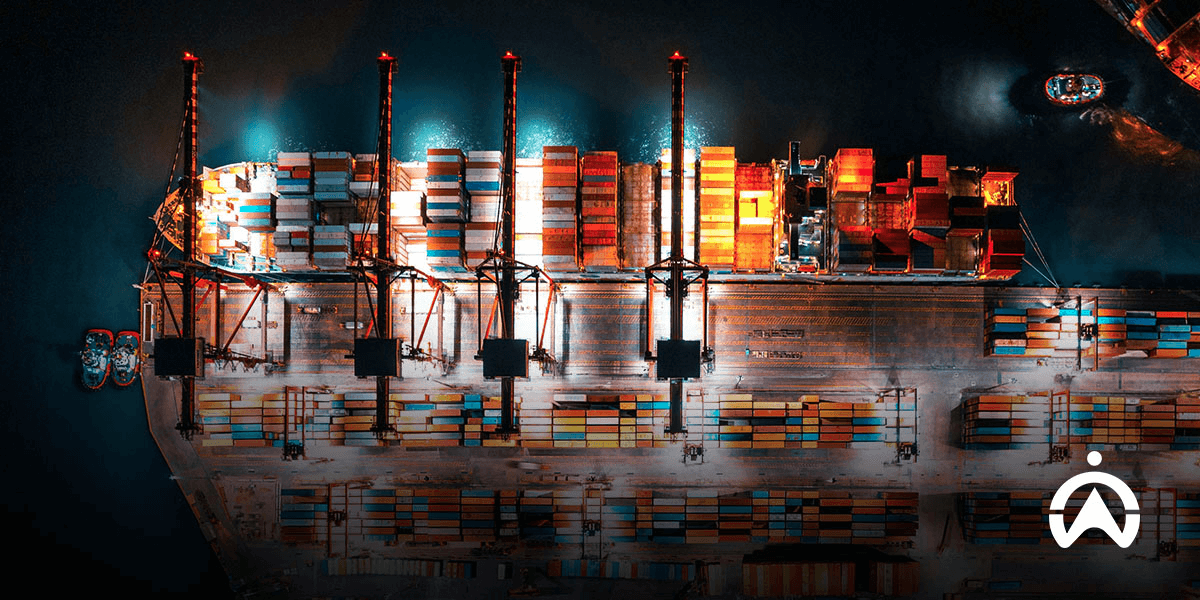
Night aerial view of cargo ships in port with containers, illustrating fleet management processes in modern logistics

What is Fleet Management vs Logistics?

I'm sure we all have a pretty good idea of ​​what fleet management is by now. However, fleet management in logistics is more specific than that. Don't worry, we'll cover each term separately with clear definitions.

What is Fleet Management?

Most of us have heard the basic definition of fleet management many times before. Fleet management is how businesses track their fleets and ensure goods arrive safely and on time. The fleet manager's job is essentially to gain insights and use data to improve driver behaviour, routes, vehicle maintenance, and compliance.

What is logistics?

Logistics is the best way to ensure goods are delivered to their intended destinations. Essentially, it's the movement of goods with a rhythm and flow that enables companies to provide exceptional customer service. The logistics process begins with loading goods onto trailers and trucks and ends with managing the flow and route control.

How Does Logistics Affect Business Operations?

Business operations depend on the delivery of products and services, so businesses need logistics to run a successful operation. However, it's important to understand the different types of logistics and how they impact overall business operations, so let's look at an example.

Clothing Industry

In the apparel industry, the key is to have a complete, ready-to-wear item. But it has to start somewhere:

The process begins with inbound logistics, transporting raw materials such as fabrics and textiles. With the next step in mind, these fabrics have been selected to realise the design and are therefore transported to the next stage, namely manufacturing/sewing. After that, we need the fabrics to reach a place where they can be manufactured into the desired product, and this is where inbound logistics plays a fundamental role.

Once the garments are sewn and ready for sale, the outbound logistics process begins. This is when the finished product is transported to the location where it will be sold. This can be online or in a physical store where consumers can feel and try on the garments before purchasing.

If a purchased garment needs to be returned, we then turn to reverse logistics. Returning products to their manufacturers is a necessary part of logistics that any business dreads. This can happen due to lack of sales or product damage, and the logistics department must then transport all the items back to where they were made. What happens to the products then depends entirely on the company, whether they are recycled or destroyed.

To effectively achieve and maintain success, businesses need to understand the flow established by logistics-based processes. From the moment raw materials are transported to the actual production phase, a sequence is established. Furthermore, the entire operation depends on how well each department performs its role and how efficiently they carry out their tasks.

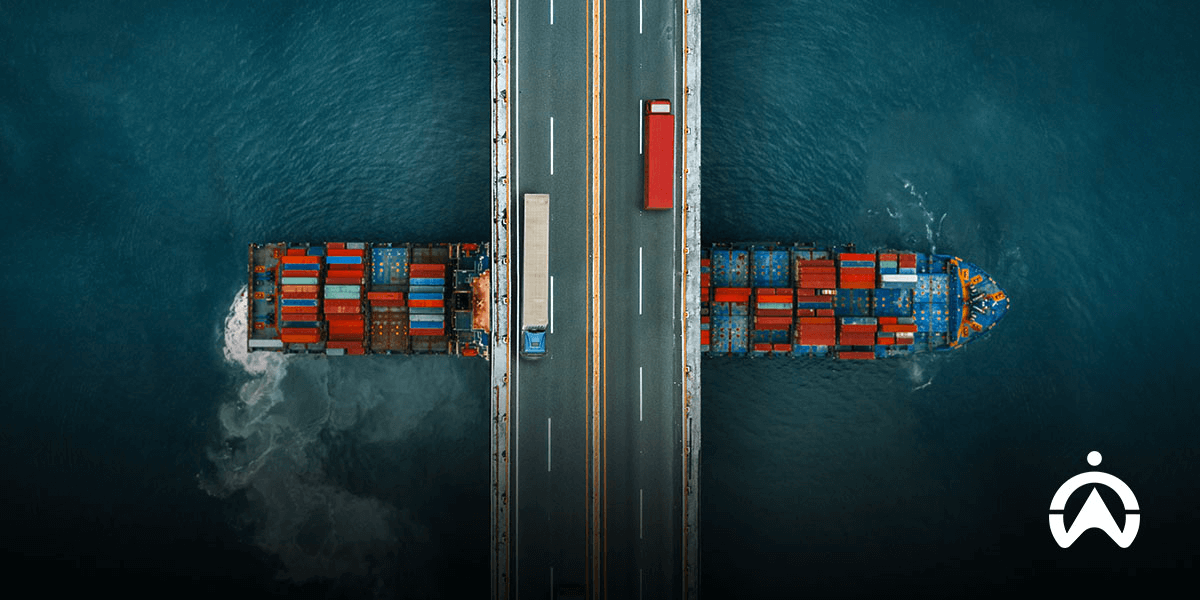
Aerial photo of a bridge with two trucks crossing and two container ships underneath, depicting a fleet management system in multi-modal logistics.

How to Optimise Operations for Efficient Logistics Management?

Now that we understand the different types of logistics, we can explore ways to improve our business operations and optimise our logistics management. Every business aspires to be the best in their industry, and the quickest way to do that is with exceptional delivery services.

It all starts with a proper packing routine. Having all items packed, safely stored, and ready for shipping requires a well-established routine. A solid packing routine also helps reduce the burden of loading and unloading and checking inventory after delivery.

Effective communication is the basis for all solutions, and communicating while implementing logistics strategies can increase their efficiency.

Fleet route planning and regular fuel monitoring help map how much time a fleet spends on the road. With route planning and fuel monitoring, businesses can measure how much fuel their fleet vehicles need, allowing them to reach their destinations economically.

In a logistics company, the top priority is delivery, and once you have a flow that works for your business, shipping efficiency will come naturally. Businesses can promote customer satisfaction by implementing systems that align with company values ​​and ensure a sustainable workflow with stakeholders.

Here's how to improve your logistics using a smart fleet management system

Transforming your business into a well-maintained machine takes time, and over time, a rhythm develops. Introducing a compatible system that covers all aspects and improves your operational rhythm is a winning recipe for smooth performance.

How Fleet Management Systems Work

Having discussed fleet management and logistics in depth, we can now see how logistics can be improved through a fleet management system. Telematics systems like Cartrack's fleet management system allow us to monitor a company's fleet while recording all events that occur along the way.

Logistics improves significantly when fleet managers can establish the following:

  • Fleet location: Determine the location of the fleet to increase the need for fast delivery.

  • Fuel consumption: Managing fuel consumption can reduce how often drivers need to stop and refuel, and lower the risk of fuel theft.

  • Fleet speed and driver behaviour: The primary goal of logistics is delivery, but safety is paramount. Fleet telematics improves fleet speed and driver behaviour through live tracking.

  • Fleet maintenance: A good fleet management system with real-time alerts and well-timed reminders lets fleet managers monitor the health and longevity of their vehicles.

How Cartrack Helps You Master Logistics Operations With the Best Fleet Management System

Cartrack offers a variety of customisable packages to meet your business needs. Cartrack's features are key to mastering business operations and providing superior service compared to competitors.

  • Cartrack delivery

Cartrack's Delivery tool simplifies task assignment and real-time tracking from dispatch through to delivery. The digital process offers full visibility into task progress and makes it easier to assign jobs to drivers. Through route optimisation, task prioritisation becomes more efficient, reducing travel time, fuel consumption, and completion time.

  • Live location tracking

Cartrack's live location tracking technology allows managers to track fleets in real-time via GPS for complete visibility. The benefit of constant, real-time fleet monitoring is that managers can check vehicle locations to increase productivity, or in the event of an emergency, dispatch assistance or track stolen vehicles.

  •  Geofencing

Cartrack's geofencing feature allows us to set virtual boundaries around specific locations. This allows logistics and fleet managers to detect vehicles entering or exiting zones with warehouses or delivery drop-off locations. This feature broadens the view of vehicle activity and helps ensure drivers stay on schedule with their assignments.

  • Camera solutions

Cartrack's SmartCabin camera solution features AI-based driver behaviour detection to help achieve real-time visual and audio contact with the driver and provide voice alerts if the camera's AI technology detects distracted or unwanted driver behaviour such as mobile phone use, smoking, or yawning.

Recording begins as soon as the vehicle is started. Drivers who are aware of their surroundings are more likely to drive responsibly, which minimises operational costs such as fuel and vehicle maintenance, and increases productivity.

Contact Cartrack to find out how to master logistics through fleet management with Cartrack's leading technology. Click this link!

What is the Definition and Benefits of Fleet Management SOP?

What is a fleet management standard operating procedure (SOP)?

Aspek paling menantang bagi manajer armada mencakup keterlibatan dan keselamatan pengemudi, dukungan kepemimpinan, dan kepatuhan terhadap peraturan. Standar operasional prosedur (SOP) manajemen armada adalah panduan sempurna untuk membantu manajer armada mengatasi tantangan ini dan banyak lagi.

Fleet SOPs are essential for risk management and ensuring everyone in the fleet remains accountable and reliable. SOPs help ensure that everyone using the fleet knows the proper way to order and operate vehicles/equipment.

Most SOPs for fleet management will include the following guidelines:

  • Vehicle asset verification

  • Purchase, replacement and disposal of vehicles

  • Application for vehicle use

  • Vehicle and equipment safety

  • Vehicle repair and maintenance

  • Driver safety and compliance with regulations

  • Fuel management

  • Cost management

  • Accident/incident reporting

Fleet management procedures are not only necessary for driver and fleet safety; they are a strategic way to protect the business. Effective SOPs demonstrate a commitment to fleet safety and compliance, providing confidence to all stakeholders.

5 main benefits of Fleet Management SOP

Fleet management SOPs encompass fleet management to achieve the best return on investment. So, what are the benefits of SOPs for fleets? Let's understand them together!

1. Better fleet safety

SOP membantu bisnis, manajer armada, dan pengemudi memprioritaskan keselamatan dalam armada mereka. Dengan langkah-langkah yang mendorong pelatihan keselamatan pengemudi, pemeliharaan kendaraan, dan inspeksi sebelum perjalanan, manajer armada dapat meningkatkan keselamatan armada secara keseluruhan menggunakan SOP.

2. Increase fleet efficiency

By establishing standard operating procedures (SOPs) for vehicle use, fuel management, and cost monitoring, fleet managers contribute to increased fleet efficiency. These measures help extend vehicle lifespan, reduce costs, and improve fuel efficiency. SOPs should contribute to the business owner's return on investment and assets.

3. Improve fleet compliance

Outdated SOPs can lead to compliance issues and unexpected fines. SOPs ensure fleet compliance by updating records, updating information, and paying regulatory fines. Fleet SOPs should be kept up-to-date to help fleets remain compliant.

4. Better communication between managers, drivers and stakeholders

SOPs provide clear guidelines for all stakeholders, enabling managers and drivers to understand their roles and responsibilities. With fleet SOPs, establishing steps to improve communication and remote management helps businesses improve their overall operations.

5. Reduce fleet costs

Having a fleet SOP ultimately helps reduce costs and increase profitability. With steps on how to reclaim fuel, timesheets, and how to calculate vehicle operating hours, businesses avoid financial losses and identify costly profit drains.

If your fleet SOPs aren't helping you achieve one or more of these benefits, it's time to update them.

Here's a quick guide to getting started with SOP updates.

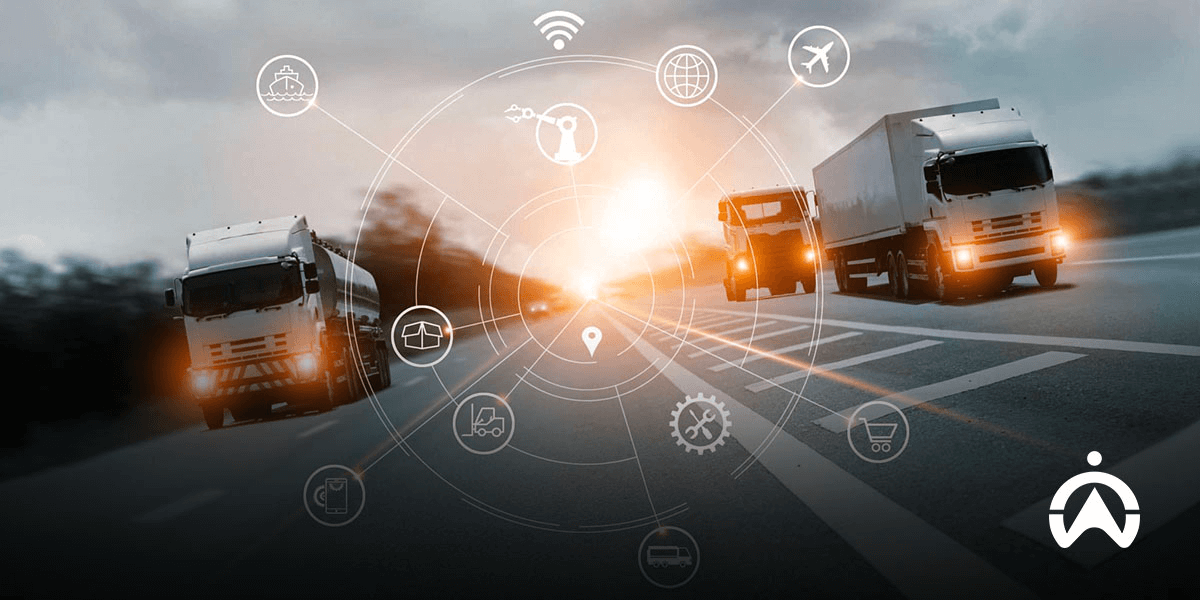
Tiga truk melaju di jalan tol saat matahari terbenam dengan ikon digital, menggambarkan manfaat SOP manajemen armada berbasis teknologi

How to create and implement fleet management SOPs

This step-by-step guide to updating SOPs explains three key parts of the process of developing an SOP and ultimately implementing it for your fleet. If you already have SOPs for your fleet, these steps will help you refine them and ensure they remain relevant to your fleet and your business.

First of all: Identify fleet challenges

Mulailah dengan mengidentifikasi major challenges of fleet management di mana Standar Operasional Prosedur (SOP) dapat bermanfaat. Misalnya, apakah armada mengalami penurunan profitabilitas? Mungkinkah pengemudi sering melewatkan pengiriman atau kendaraan armada sering berakhir di bengkel? Mengidentifikasi tantangan ini dapat membantu kalian menemukan solusi yang tepat.

Incorporating standard operating procedures into workforce and task management will result in better asset utilisation and increased profitability.

Here are 15 fleet-related challenges that SOPs can help with:

  • High fleet downtime

  • Poor communication between managers and drivers

  • Excessive vehicles

  • Driver identification for vehicles

  • Operator identification for equipment

  • Violations and fines against the fleet

  • Overcharging for repairs, maintenance, or services

  • Penalty for non-compliance

  • Poor driver behaviour and performance

  • Lack of vehicle/equipment maintenance

  • Increased vehicle wear and tear

  • Bad administration

  • Uncontrolled fuel costs

  • Alleged fuel theft

  • Security issues

Unfortunately, a one-size-fits-all approach isn't ideal for SOPs. The list of fleet management challenges is endless, so identifying fleet-specific challenges is the only way to develop effective SOPs. Don't worry, once you start implementing them, you'll start to see the benefits.

Next steps: Engage relevant stakeholders

When developing fleet SOPs, involve the fleet manager, drivers, mechanics, field service workers, and even someone from the legal department (if applicable) in this process.

By making this process a group effort, you can ensure that everyone is aware of the SOP and understands:

  • What the SOP aims to achieve

  • Who implements SOPs and under what conditions should they be used?

  • Who is responsible for certain tasks

  • Who is responsible for whether the SOP is implemented correctly?

  • Specific procedures to be followed

Take fleet safety for example; here's how involving stakeholders in developing SOPs can help

In a recent survey of fleet managers' current priorities, only 50% of those surveyed said they believe their companies are continually striving to improve employee safety. However, in the same survey, 22% said their companies are focused on solutions that increase profitability.

This survey demonstrates the importance of prioritising leadership, business, and stakeholders. Businesses need to demonstrate their focus on solutions to increase profitability without compromising driver safety.

Involving all relevant stakeholders also shows that the business values ​​both profitability and safety.

In the SOP development process, try to involve at least:

  • Fleet manager

  •  Driver

  • Health and safety expert

  • Coach

These stakeholders are invaluable to businesses because of their industry expertise and understanding of fleets' unique challenges.

Time to develop and share: Share SOPs with all stakeholders

While this part of SOP development may require a bit of effort, there are many experts who offer advice on how to write procedures for fleets to help simplify the process.

At least have or regularly update SOPs for these six areas of fleet management:

  • Fuel management

  • Vehicle maintenance and repair

  • Fleet cost management

  • Fleet compliance

  • Vehicle use and management

  • Driver training and safety

  • Accident reporting and liability

  • Health and safety

  • Driver management

Ensure the procedures you create are easy to understand and explain to all stakeholders. You may want to consider offering training on SOPs to all relevant personnel. According to the JJ Keller Centre for Market Insights, over 52% of fleet managers surveyed believe it's important for their drivers to apply what they learn in training and that the training is specific to their unique needs. By training drivers on fleet SOPs, you can ensure they adhere to them.

Setelah mengembangkan SOP armada, ingatlah untuk membuatnya mudah diakses oleh semua orang. Kalian juga harus memperbaruinya secara berkala, jadi pertimbangkan untuk mendapatkan platform yang ramah pengguna untuk mengakses SOP dan memperbaruinya dari mana saja.

Now that we've provided a guide to building SOPs, you need to know how fleet management software like Cartrack can help develop your fleet's standard operating procedures.

Barisan lampu depan dan bumper truk putih yang diparkir rapi, menggambarkan pentingnya SOP manajemen armada dalam operasional

7 Cartrack Software Features to Develop Fleet SOPs

Cartrack fleet management software helps businesses develop and establish fleet manager and driver engagement with fleet SOPs.

These seven features help overall fleet management:

Feature 1: GPS for fleet tracking

Our GPS tracking system allows fleet managers to track and pinpoint the location of their fleet in real time, anytime, anywhere, enabling optimal fleet visibility and management. This information helps fleet managers know the exact location of their drivers and fleet, allowing them to monitor driver performance and productivity, communicate instructions to drivers, or respond quickly in emergencies.

Feature 2: Digital fleet reports and records

Using our GPS tracking and other smart tools, fleet managers can generate automated, customised reports to capture data on vehicle performance, fuel consumption, and fleet-related costs. MiFleet is advanced cost management software that simplifies fleet cost administration, helping businesses gain a comprehensive fleet overview, identify financial leaks, and conduct accurate cost analysis.

Our web-based software allows approved stakeholders to easily access reports related to vehicles, drivers, and expenses from anywhere. Fleet reports are designed to help fleet managers make data-driven decisions about their fleet.

Feature 3: Preventive maintenance

Solusi berbasis telematika Cartrack juga memberikan wawasan berharga tentang kondisi kendaraan. Manajer armada menerima notifikasi tentang masalah kendaraan seperti kerusakan mesin dan kegagalan baterai sebagai pengingat proaktif untuk merawat kendaraan mereka atau menjadwalkan pemeliharaan. Dengan manfaat tambahan mengunggah faktur untuk pencatatan yang akurat, manajer armada memiliki semua yang mereka butuhkan dalam satu tempat untuk memastikan kinerja armada optimal dan mengurangi kemungkinan waktu henti.

Feature 4: Driver monitoring

Cartrack's fleet and worker management solution includes GPS tracking, driver identification tools, driver behaviour reports, and an AI camera system to monitor driver productivity and performance. Fleet managers can watch and track various driver behaviours in real time, keeping an eye on irresponsible driving like speeding, long stops, and hard braking. If a business has fleet safety issues, Cartrack's driver monitoring solution can help spot and address unproductive driving habits.

By integrating Cartrack's SmartCabin camera solution, fleet managers will also receive live audio and visual recordings to help train drivers on dangerous driving practices. The cameras are also useful for liability issues in the event of an accident. Cartrack's driver monitoring solution helps fleet businesses improve productivity and safety.

Feature 5: Fuel management system

Cartrack's fuel management system, equipped with fuel monitoring sensors, vehicle tracking, and fuel cost management, helps businesses accurately track and reduce fuel inefficiencies. Managers receive alerts for suspected fuel theft and can customise fuel reports to understand not only risks like theft or fraud but also their fleet's overall consumption. SOPs ultimately help fleet managers establish robust fuel claim validation procedures to help eradicate fraud and increase fuel budget flexibility.

Feature 6: Fleet compliance (insurance, taxes, fines, and toll payments)

MiFleet Cartrack also helps fleet managers ensure their fleets comply with industry-specific regulations. Fleet managers can upload information and set expiration dates and reminders for vehicle insurance, road tax certificates, and toll card payments, helping companies avoid late payment penalties and fines.

Feature 7: Cartrack website and app for instant communication

Dengan akses online dan aplikasi yang ramah pengguna, sistem manajemen armada Cartrack dapat mendukung komunikasi yang jelas dan tidak terputus antara manajer armada dan pengemudi. Manajer armada dapat menggunakan aplikasi dan situs web untuk menetapkan tugas, memeriksa kemajuan tugas, dan berkomunikasi dengan pengemudi untuk produktivitas yang optimal dalam industri seperti pengiriman, logistik, rantai pasokan, dan pertambangan.

Improve SOPs and increase fleet profitability with Cartrack. Fleet standard operating procedures are essential and invaluable to businesses. They protect fleet managers, drivers, the fleet, and the business as a whole.

Perangkat lunak manajemen armada Cartrack membantu memastikan semua yang terlibat dengan SOP untuk meningkatkan produktivitas, keselamatan, dan kepatuhan.

Contact Cartrack today, click the following link!

Bagaimana Cara Melindungi Armada dan Pengemudi dari Perilaku Agresif di Jalan Raya

Definisi perilaku agresif di jalan raya

Perilaku agresif di jalan raya adalah istilah yang digunakan untuk menggambarkan perilaku agresif dan terkadang kekerasan di jalan yang disebabkan oleh pengemudi yang tidak bertanggung jawab. Pemicunya termasuk:

  • Ngebut

  • Mengekor terlalu dekat

  • Melanggar lampu merah

  • Beralih jalur tanpa memberi tanda

  • Kondisi cuaca yang buruk

  • Kemacetan lalu lintas

Perilaku yang kurang ramah ini lebih dari sekadar perasaan frustrasi atau tatapan marah, karena ditunjukkan dalam berbagai bentuk, termasuk:

  • Berteriak pada pengemudi lain

  • Membuat isyarat vulgar

  • Kekerasan fisik

Apa saja penyebab umum perilaku agresif di jalan raya?

Meskipun ada banyak penyebab perilaku di jalan raya, mari kita telusuri tiga penyebab yang paling umum; lalu lintas, cuaca, dan mengemudi agresif:

Traffic congestion:

Lalu lintas padat dapat menyebabkan seorang pengemudi sembarangan untuk mencapai tujuan mereka tepat waktu. Hal ini menyebabkan pengemudi yang terpengaruh merasa frustrasi dan kesal, sehingga memicu perilaku agresif di jalan raya.

Weather conditions:

Mengemudi dalam kondisi cuaca buruk dapat menyebabkan pengemudi mengalami tingkat stres yang tinggi. Stres ini dapat meningkatkan iritabilitas, terutama terhadap pengemudi lain yang mengemudi sembarangan.

Mengemudi agresif:

Mengemudi agresif adalah salah satu penyebab paling umum dari  perilaku agresif di jalan raya. Menjadi korban dari tindakan ini dapat membuat pengemudi merasa marah dan frustrasi, sehingga menyebabkan mereka membalas.

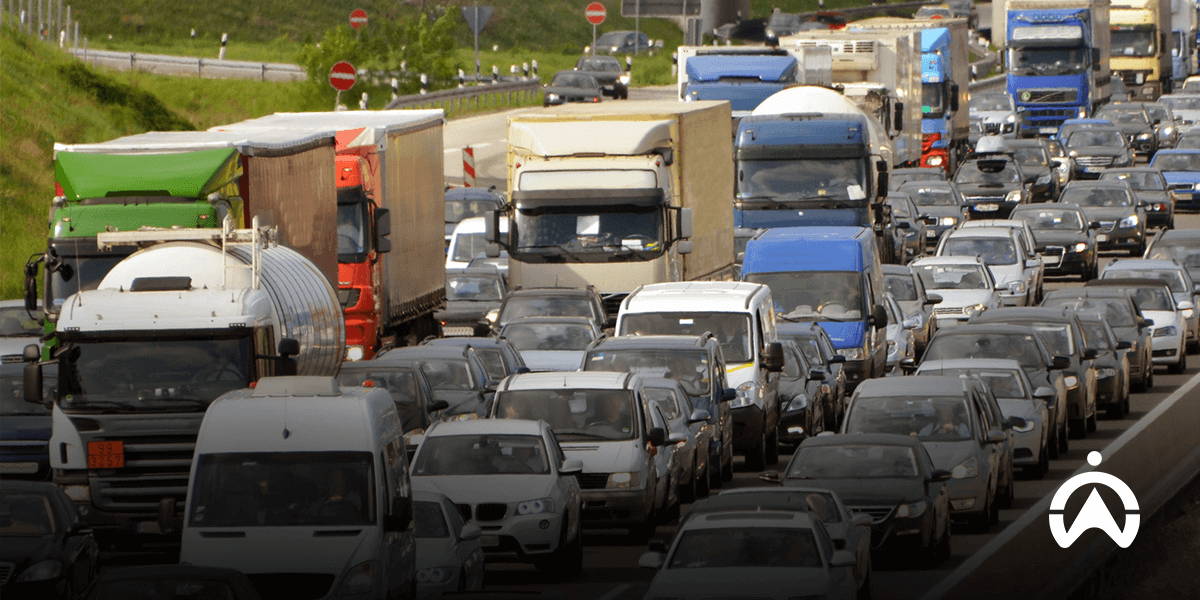
Kemacetan lalu lintas padat di jalan raya dengan mobil dan truk, menggambarkan tantangan harian bagi keselamatan armada dan pengemudi.

7 langkah untuk menghindari  perilaku agresif di jalan raya

Merasa frustrasi di jalan adalah hal yang normal, terutama ketika pengemudi memiliki tujuan yang harus dicapai. Jadi, langkah apa yang bisa diambil untuk membantu menghindari  perilaku agresif di jalan raya? Mari kita cari tahu.

Mengemudi dengan aman:

Memotong jalur pengemudi lain, mengemudi masuk dan keluar jalur, dan memaksa kendaraan menyalip kendaraan lain adalah perilaku mengemudi yang tidak bertanggung jawab dan dapat memicu  perilaku agresif di jalan raya.

Jangan mengekor terlalu dekat:

Mengekor terlalu dekat meningkatkan risiko kecelakaan mobil sebesar 13%-14% dibandingkan dengan mengemudi yang aman, dan membuat pengemudi tampak tidak sabar, yang merupakan pemicu umum  perilaku agresif di jalan raya.

Hindari ngebut:

Melebihi batas kecepatan jalan, terutama selama kondisi cuaca buruk, dapat memprovokasi perasaan marah dan frustrasi pada pengemudi lain, yang dapat memicu  perilaku agresif di jalan raya.

Rencanakan perjalanan:

Merencanakan perjalanan dapat mengurangi stres dan memberikan waktu ekstra untuk menghindari keterlambatan dan membantu pengemudi tetap tenang.

Jangan berinteraksi dengan pengemudi yang marah:

Jangan merespons pengemudi yang marah dengan isyarat jari. Sebaliknya, menjauhlah dari situasi tersebut secepat dan seaman mungkin.

Jangan minum dan mengemudi:

Alkohol membuat pengemudi mudah tersinggung dan cepat marah, sehingga lebih mungkin berperilaku agresif di belakang kemudi dan meningkatkan risiko  perilaku agresif di jalan raya.

Perhatikan “L”:

Bersabarlah dengan pengemudi pemula yang tidak ingin mengemudi cepat, karena mereka sudah cemas di jalan, dan ketidaksabaran dapat menyebabkan  perilaku agresif di jalan raya.

Meskipun ini mungkin tidak sepenuhnya melindungi kita dari  perilaku agresif di jalan raya, tetapi ini dapat mengurangi kemungkinan pertikaian di jalan raya.

What is a fleet management system?

Sistem manajemen armada adalah alat serbaguna Anda mengelola banyak kendaraan. Alat ini membantu melacak semua aktivitas pengemudi, mulai dari lokasi mereka secara real-time hingga apakah mereka mempraktikkan cara mengemudi yang aman. Anggaplah ini sebagai mata dan telinga pebisnis, di mana saja, kapan saja, dengan sentuhan layar. Tetapi apa peran yang dimainkannya dalam mencegah perilaku agresif di jalan raya?

‍Manajemen armada bisa menjadi solusi untuk  perilaku agresif di jalan raya

Kekuatan sistem manajemen armada terletak pada kemampuannya untuk mempromosikan praktik mengemudi yang lebih aman. Mari kita lihat bagaimana teknologi tingkat lanjut ini melakukannya:

Driver behaviour monitoring:

Akar dari perilaku agresif di jalan raya adalah perilaku mengemudi yang berbahaya. Jika manajer mengelola atau bertanggung jawab atas banyak kendaraan, manajer tidak bisa berada di kursi penumpang setiap saat untuk memantau perilaku pengemudi. Di sinilah sistem manajemen armada berperan, memberi solusi yang membantu mendeteksi dan mencegah perilaku pengemudi yang kasar.

Rekaman video:

Perilaku agresif di jalan raya dapat menyebabkan kecelakaan, dan jika hal ini terjadi, dan pengemudi tidak bersalah, pemilik armada dapat menggunakan rekaman untuk membuktikan ketidakbersalahan mereka. Memiliki akses ke rekaman yang tepat membantu kita membela pengemudi dari klaim palsu untuk mendukung pembebasan.

Analitik real-time:

Perilaku agresif di jalan raya dapat dengan cepat berubah menjadi kecelakaan yang berpotensi berbahaya. Jika ini terjadi, dan pengemudi tidak bertanggung jawab, sistem manajemen armada dapat membantu melihat di mana pengemudi berada dan bagaimana mereka mengemudi. Ini melindungi pengemudi dari klaim palsu dan biaya hukum yang mungkin dikeluarkan akibat kecelakaan jalan raya.

Route Optimisation:

Seperti yang kita lihat sebelumnya, kemacetan lalu lintas adalah salah satu penyebab utama perilaku agresif di jalan raya. Ketika pengemudi kekurangan waktu dan pengiriman hampir terlambat, ketegangan mulai meningkat, yang dapat menyebabkan mereka mengemudi dengan berbahaya untuk tidak melewatkan tenggat waktu pengiriman mereka. Fitur optimalisasi rute dapat melihat semua tugas yang perlu diselesaikan oleh pengemudi, dan menemukan urutan terbaik untuk menyelesaikannya dengan cara yang paling efisien dan menghemat waktu. Dengan alat seperti ini, pengemudi cenderung tidak terjebak dalam situasi yang dapat menyebabkan perilaku agresif di jalan raya dan mengemudi berbahaya.

Advanced Driver Assistance Systems:

Kita telah menetapkan bahwa mengekor terlalu dekat adalah penyebab utama lain dari perilaku agresif di jalan raya, dan alat manajemen armada dapat membantu menghilangkan ini juga. Sistem ini menggunakan teknologi cerdas untuk memberi tahu pengemudi tentang setiap rintangan atau kendaraan yang mereka ikuti terlalu dekat.

Pengemudi mobil merasa stres akibat perilaku agresif di jalan raya.

Hindari kecelakaan yang menguras keuntungan dan jaga armada di jalanan dengan Cartrack

Mari kita lihat fitur-fitur apa yang membuat Cartrack bisa menjadi pilihan terbaik untuk armada:

AI Live Vision Camera:

Ucapkan selamat tinggal pada mengemudi yang terganggu dan berbahaya dengan kamera AI Live Vision dari Cartrack. Didukung oleh kecerdasan buatan (AI), solusi manajemen yang terhubung ke cloud ini menggunakan kamera di dalam kabin untuk memantau perilaku pengemudi secara terus menerus. Ini memungkinkan deteksi berbagai bentuk cara mengemudi yang terganggu, termasuk:

Kamera AI Cartrack lebih dari sekadar memantau perilaku, tetapi juga memicu peringatan suara di dalam kabin, yang segera memberi tahu pengemudi dan memungkinkan mereka untuk mengoreksi perilaku mereka secara real-time.

ADAS:

Jaga pengemudi tetap sadar akan lingkungan sekitar mereka dengan Advanced Driver Assistance Systems (ADAS) Cartrack. Didukung oleh sensor berbasis kamera, algoritma cerdas, dan AI, ADAS mengambil pendekatan pencegahan terhadap keselamatan pengemudi. Salah satu cara kerjanya adalah dengan memantau jarak antara kendaraan untuk membantu pengemudi menjaga jarak aman. Dengan memberikan peringatan real-time kepada pengemudi pengemudi akan sadar ketika terlalu dekat dengan kendaraan lain, sistem ini dapat membantu mencegah mengekor terlalu dekat, yang merupakan faktor utama penyebab perilaku agresif di jalan raya.

Kartu skor pengemudi:

Pantau perilaku pengemudi individu dengan kartu skor pengemudi kami. Ini menawarkan cara komprehensif untuk mengevaluasi kinerja pengemudi secara mendetail dan menilai setiap pengemudi berdasarkan seberapa aman mereka mengemudi. Dengan memantau perilaku berisiko tinggi yang dapat menyebabkan perilaku agresif di jalan raya, manajer armada dapat memberikan pelatihan khusus untuk meningkatkan perilaku pengemudi, yang pada akhirnya mengurangi risiko perilaku agresif di jalan raya. Perilaku ini termasuk:

  • Ngebut berlebihan

  • Pengereman dan menikung keras

  • Rough acceleration

Optimalisasi rute melalui Delivery:

Sederhanakan opsi pengiriman dengan rute paling efisien yang disediakan oleh Delivery Cartrack. Jika menjalankan bisnis pengiriman barang, maka perlu untuk memahami dampak keterlambatan pengiriman terhadap reputasi dan produktivitas armada.

Keterlambatan dapat menyebabkan pengemudi berperilaku tidak bertanggung jawab dalam mencoba memenuhi tenggat waktu pengiriman mereka, seperti ngebut, menikung keras, dan melanggar lampu merah. Perilaku ini dapat memicu perilaku agresif di jalan raya pada pengemudi lain. Dengan aplikasi Delivery Cartrack, pebisnis dapat membantu menghentikan ini dan membantu mengidentifikasi urutan tugas pengiriman paling efisien. Ini membantu operasi pengiriman berjalan tepat waktu dengan sedikit hingga tidak ada keterlambatan.

Solusi-solusi ini dapat membantu kita memberikan perlindungan maksimal terhadap perilaku agresif di jalan raya dengan membantu menciptakan budaya keselamatan dan mengemudi yang bertanggung jawab.

Lindungi armada dan pengemudi dari perilaku agresif di jalan raya dengan solusi dari Cartrack

Cartrack adalah jawaban yang tepat untuk kebutuhan keselamatan armada. Hubungi Cartrack hari ini dengan click the following link!

How to Overcome Heavy-Duty Truck Challenges with a Fleet Management System

What Is a Large Cargo Truck Fleet?

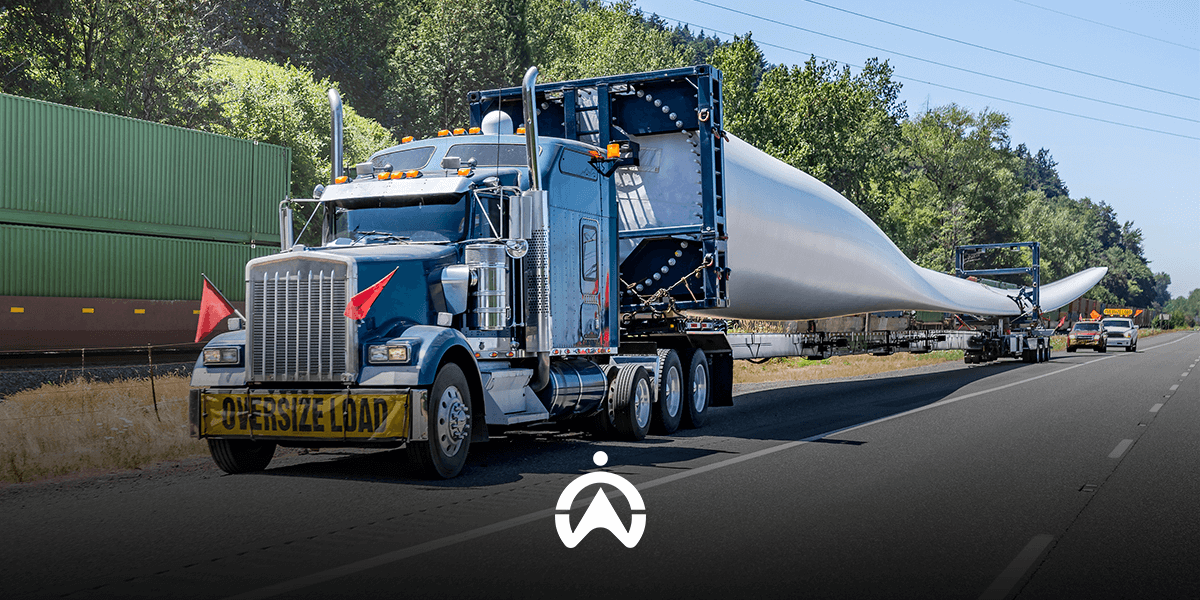
Truk armada muatan besar adalah kendaraan khusus yang dirancang untuk mengangkut mesin, peralatan industri, dan muatan yang berukuran besar atau berat melebihi batas legal standar, baik dalam hal lebar, panjang, tinggi, atau berat. Truk-truk ini penting dalam industri transportasi, karena mereka memastikan pengiriman kargo berat secara aman.

The Role of Heavy-Duty Transportation or Large Trucks in Indonesia

  1. Construction Industry

Heavy-duty transportation is a vital part of a successful construction industry. Abnormal load transportation is essential for moving components such as mobile cranes, earthmoving equipment, and heavy machinery from one location to another.

  1. Mining industry

Facilitates the delivery of equipment such as drilling rigs, underground loaders and belt systems.

  1. Power plants

Assisting with the delivery of turbines, generators and transformers.

  1. Manufacturing industry

Accelerate delivery of industrial storage racks and boilers.

Learning the Hidden Challenges of Heavy Duty Transportation

Rising operational costs

Dengan jumlah bahan bakar yang dibakar truk muatan besar atau kelas berat, bahkan kenaikan terkecil pun dapat secara signifikan meningkatkan biaya operasional. Truk muatan besar atau kelas berat membutuhkan mesin yang kuat untuk mempertahankan momentum, dan trailer khusus untuk menciptakan resistensi angin yang signifikan. Dua faktor ini menghasilkan konsumsi bahan bakar yang lebih tinggi dibandingkan dengan truk biasa. Jadi, jika konsumsi bahan bakar tidak dipantau dengan ketat, peningkatan konsumsi pasti akan semakin besar.

Fleet compliance

Compliance is a major challenge facing large-cargo fleet managers. Heavy-duty trucks carry loads so large and heavy that they can exceed legal weight limits. Therefore, transporting abnormal loads requires special permits that specify approved routes and safety conditions, depending on the size and nature of the load.

Driver management

‍Managing a heavily loaded vehicle is challenging, so drivers need proper training to ensure they drive safely and efficiently. Businesses need to monitor drivers at all times to determine how they behave behind the wheel.

Route planning

Oversized truck routes need to be planned in advance, as they cannot follow the same routes as regular vehicles or trucks. Many roads are not designed to handle large and heavy loads, especially in urban areas where roads are too narrow, have sharp curves, or low bridges. Route planning ensures that oversized loads are delivered on time with minimal or no delays while avoiding areas with a high risk of theft or hijacking.

Traffic flow on toll roads, addressing the challenges of large-load trucks with an efficient fleet management system.

Vehicle maintenance

Vehicle maintenance is a major challenge for fleet managers of heavy-duty vehicles. The increased weight and size of cargo carried by heavy trucks place additional strain on many vehicle components such as the engine, brakes, suspension, and tyres, accelerating wear and tear. With poor road conditions, vehicle components can experience premature damage, which results in more frequent maintenance.

Large-duty trucks face a variety of challenges; if these are not addressed, the fleet will become overburdened. If businesses are looking for a solution that simplifies and addresses these challenges, they need a fleet management system.

Heavy-Duty Fleets Are More Efficient With Fleet Management Systems

Imagine being able to monitor every heavy-duty truck at all times. This is the benefit of a fleet management system, a combination of tools and technology that simplifies the fleet manager's job. It increases fleet productivity, improves efficiency and safety, and simplifies real-time monitoring of various aspects of the fleet. It's a versatile tool for understanding what's happening in every aspect of the fleet, whether it's fuel consumption, driver behaviour, or maintenance issues.

Sistem manajemen armada bukanlah kemewahan; justru penting untuk menjalankan armada secara efisien, dan tanpanya, dampaknya bisa merugikan. Mari kita lihat konsekuensi tidak memprioritaskan manajemen armada dalam konteks kendaraan armada muatan besar.

How does poor fleet management affect large cargo fleets?

Effective fleet management is essential for transporting both normal and large loads. Let's examine the risks of not prioritising fleet management for your fleet:

Financial loss

Fleet management is rooted in constant monitoring of various aspects of a fleet, and without it, fleets can suffer significant financial losses. Fuel waste due to inefficient routes, poor vehicle maintenance, and dangerous driving behaviour can increase operational costs, reducing fleet profitability.

Reputational damage

Fleet management is essential for streamlining fleet processes and avoiding delays that could damage their reputation and customer service. One of the great things about fleet management is the in-depth insights it provides businesses into their entire fleet operations, such as driver behaviour, real-time vehicle location, and route planning.

Unplanned downtime and unexpected breakdowns

Fleet management provides deep insight into the factors that can lead to unplanned downtime and unexpected breakdowns. It's all about real-time monitoring that can take the guesswork out of running a fleet.

These challenges sound daunting? That's why business owners need a fleet management system. Now that we've covered the impact of poor fleet management, let's explore how a fleet management system can help take a large fleet to the next level.

How Can a Fleet Management System Help Streamline Large Cargo Fleets?

A fleet management system is a necessary secret weapon in a fleet's arsenal for a variety of reasons. Let's examine each one in turn:

Efficient route planning

As we discussed above, large-load trucks cannot use all roads due to their size. By using real-time GPS tracking and AI software, fleet management systems can detect congested roads, low-obstacle conditions, bridge load capacities, and other important factors to help identify the safest and most convenient routes. Fleet managers can ensure their deliveries are delivered on time by following routes that don't require deviations due to congestion or rules and regulations.

Enhanced driver safety

Driver safety is crucial, especially when driving heavy-duty trucks. Fleet management systems allow fleet managers to view drivers in real-time and help them understand exactly what's happening behind the wheel. This allows businesses to detect behaviour that puts drivers and cargo at risk. This allows business owners to implement specialised driver training to ensure their fleets remain as safe, effective, and productive as possible.

Optimising vehicle safety

We live in a country where cars are always at risk of theft, which is a costly risk for trucks with abnormal loads and the cargo they carry. Fleet management systems help fleet managers unlock new levels of vehicle security, thanks to real-time GPS tracking. This helps them always know where their vehicles are. So, if a driver alerts the manager that a vehicle has been stolen, they can quickly pinpoint its location with the touch of a button.

Preventive maintenance

Preventive vehicle maintenance is more than just fixing broken parts; it's about detecting problems before they become more serious and costly. Fleet management systems can monitor the health of various vehicle components, from the engine to the brake pads. By helping fleet managers quickly detect damaged parts, fleet management systems can promptly schedule repairs to avoid unplanned downtime.

Effective fleet cost management

Running a fleet involves many costs, which inevitably increase with large cargo fleets. These costs need to be managed and monitored, but with a fleet management system, businesses can know exactly how much money is needed to run a fleet effectively. This system can help detect wasteful expenses within the fleet, implement cost-saving strategies, and ensure business owners never miss payment deadlines.

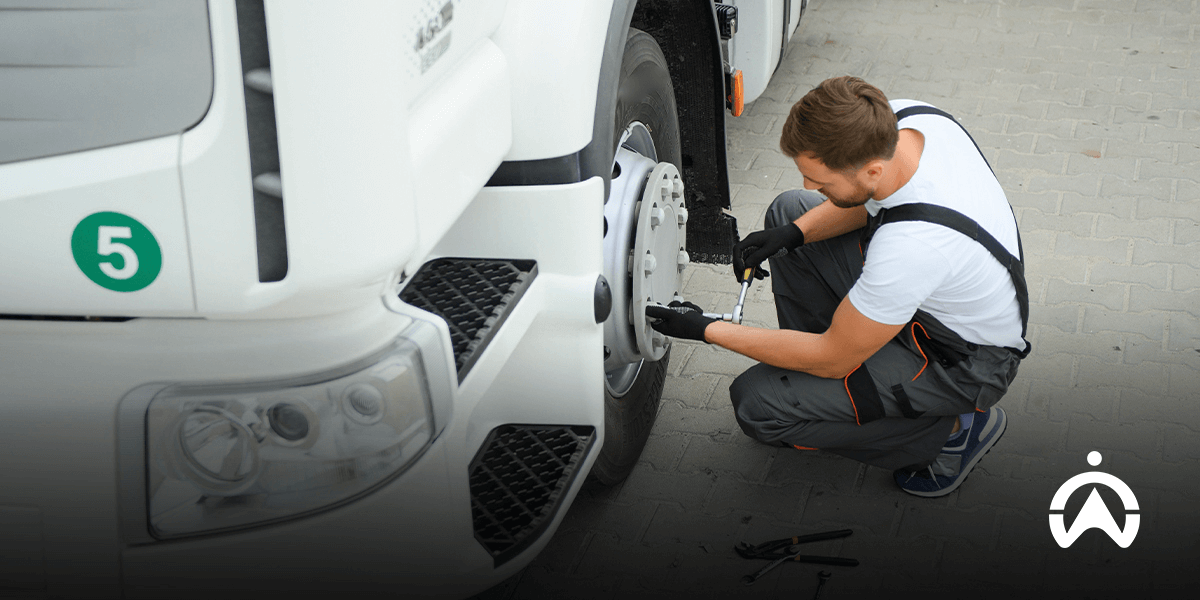
Mechanics tighten the wheels of large cargo trucks to maintain vehicle safety in the fleet management system.

Equip your large cargo fleet with Cartrack's fleet management solution

Cartrack offers a range of fleet management solutions that can simplify the operation of large-scale fleets. Let's explore some of Cartrack's benefits:

Driver behaviour monitoring

Track the behaviour of heavy-duty drivers with Cartrack's AI Live Vision cameras. This AI-powered live streaming technology gives us 24/7 visual access to our fleet, making monitoring each driver a breeze. Leveraging AI analytics, our cameras can detect various forms of dangerous or distracted driving, including:

  • Fatigue

  • Speeding

  • Smoking

  • Mobile phone usage

An audible in-cab alert is triggered when these behaviours are detected, allowing drivers to correct their behaviour in real time. This proactive approach to driving helps drivers avoid potentially fatal accidents. As fleet managers, we can also receive these real-time alerts and monitor drivers directly to ensure driver behaviour.

Driver scores

‍Know exactly where your drivers need improvement with Cartrack's driver score. Knowing that some drivers are driving recklessly is one thing, but being able to identify which drivers are behaving this way is another. Our score tracks high-risk behaviours, including:

  • Sudden braking

  • Speed ​​exceeding the limit

  • Sudden acceleration

  • Sharp turn

This detailed report helps businesses determine the times, locations, and drivers engaging in these abusive driving practices, helping us to identify which drivers require specialised training to improve the overall safety of our abnormal load fleet.

ADAS

‍Ensure drivers are fully aware of their surroundings with Cartrack's Advanced Driver Assistance Systems (ADAS). This proactive technology uses features like forward collision warning to alert drivers to potential threats in real-time, helping to improve vehicle safety and prevent potentially dangerous road accidents.

Driver's ID tag

Ensure only authorised drivers can drive heavy-duty trucks with Cartrack's Driver ID Tag. As mentioned, heavy-duty truck drivers require a special license to operate these large vehicles, so businesses don't want to give unqualified or inexperienced drivers access behind the wheel. By providing drivers with a special tag that must be tapped on a sensor inside the vehicle to start, businesses can achieve controlled driver-vehicle assignment and use, unlocking a new level of safety.

MiFleet

Calculate every fuel cost your fleet consumes with Cartrack's MiFleet software. Cartrack's cost management system, MiFleet, gives you complete insight into every expense your fleet incurs, from vehicle permit fees for heavy-duty trucks to their fuel costs. It reduces admin time and helps fleets stay cost-effective, compliant, and profitable.

Cartrack delivery

Step up your large-cargo fleet delivery game with Cartrack Delivery. Making deliveries is already tedious and can be a hassle for large fleets. However, thanks to Cartrack Delivery, businesses can streamline and optimise all delivery options by providing complete insight into driver locations and journeys. This helps simplify job assignments, as it's based on job completion times and driver availability. But that's not all, as the system also helps find the best delivery routes for drivers. Using real-time traffic conditions, Cartrack's delivery system can help drivers take the most effective, deviation-free routes, reducing delays and improving overall efficiency and customer service.

Fuel monitoring

‍Make the most of every litre of petrol with Cartrack's fuel monitoring system. At Cartrack, we understand that fuel is a significant expense for fleets, especially those carrying unusual loads. That's why we've created a solution that helps businesses take full control of their fleet's fuel consumption. By helping businesses monitor fuel consumption in real-time, businesses can quickly detect fuel leaks and even prevent fuel theft.

Thanks to Cartrack's software's ability to match fuel receipts with vehicle locations and fuel status, businesses can detect fuel fraud, helping reduce cost leakage and improve overall fleet efficiency.

Preventive maintenance

‍Tinggalkan waktu henti yang tidak terencana dan kerusakan yang mahal dengan solusi preventive maintenance Cartrack, yang membantu pebisnis mendeteksi masalah pemeliharaan potensial sebelum menjadi masalah yang mahal dan mempengaruhi umur panjang armada. Dilengkapi dengan analitik canggih, solusi ini memantau kesehatan berbagai komponen kendaraan seperti bantalan rem, menghilangkan dugaan dalam mengetahui bagian mana dari truk yang memerlukan pemeliharaan. Sistem ini juga menciptakan rencana pemeliharaan yang disesuaikan dengan armada, sehingga membantu menghindari penjadwalan pemeliharaan pada waktu yang tidak tepat, mencegah kecelakaan di jalan, dan meningkatkan umur panjang armada.

Real-time GPS tracking

Know where all your heavy-duty trucks are at all times, thanks to Cartrack's real-time GPS tracking technology. Cartrack's advanced IoT devices are equipped with GPS and GSM, giving you complete insight into where vehicles are, their direction of travel, and their speed. All you need to do to access this information is open the Cartrack fleet management platform or mobile app.

Power Your Fleet With Intelligent Fleet Management

The success of a large cargo fleet depends on the business owner or fleet manager's ability to think ahead in their fleet management approach. Cartrack is an industry leader that thrives on innovation and is the perfect choice for large cargo fleet owners.

Achieve efficiency, safety and profitability in business with Cartrack

To take large fleets to the next level, businesses need a trusted partner like Cartrack.

Kami dipercaya oleh lebih dari 1,9 juta pelanggan. Hubungi kami hari ini dengan klik berikut and complete various large cargo fleet challenges.

The Best Motorcycle Tracking Tool from Cartrack

Dengan meningkatnya insiden pencurian motor, tidak heran jika pemilik motor mencari cara yang lebih canggih dan aman untuk memaksimalkan keamanan kendaraan mereka.

If you haven't considered using a tracking device for your bike's safety, this time we'll talk about the benefits this nifty gadget offers in terms of security and visibility.

What is the best motorcycle tracking tool?

Mengambil tindakan pencegahan keamanan, baik saat memarkir motor di rumah atau di area publik, dapat secara signifikan meningkatkan keamanan motor kita. Begitu pula dengan memasang alat pelacakan motor yang kuat.

Motor adalah armada pribadi yang berharga dan paling sering menjadi target pencurian? Mari kita pelajari bagaimana cara mencegah pencurian motor bersama-sama.

Is motorcycle theft as common as car theft?

Vehicles, especially motorcycles, are easy targets for thieves because they are smaller, lighter, and often lack the sophisticated security systems of cars. Fortunately, technology such as advanced tracking devices can help recover stolen motorcycles more quickly.

The difference between motorcycle and car theft

Stealing a car and stealing a motorcycle may seem like the same crime, but there are some key differences that can make motorcycle theft a bigger problem for the owner.

  • Accessibility: Their compact size and lighter weight make them easier to steal than cars. Thieves can push or ride a motorcycle discreetly, which is much more difficult with a car, making them more vulnerable to theft anywhere.
  • Motif: The reasons behind car and motorcycle theft are essentially similar. Both are driven by individuals seeking to make money, and motorcycle theft often involves organised criminal gangs targeting high-value motorcycles for resale.
  • Security Steps: Because motorcycles have fewer built-in security features and are more susceptible to theft, owners need to take extra precautions. Motorcycle owners should consider using steering locks, brake discs, alarms, and even tracking devices. These steps are crucial to preventing future motorcycle theft.

Reasons for motorbike theft

Here are the most common reasons why motorcycle theft often occurs:

  • Financial needs: Stolen cars are often resold intact, dismantled for spare parts, while motorcycles tend not to be dismantled and sold in parts, they are stolen for the same reason: money.
  • Easy to run: Motorcycles are often stolen or hijacked for the same reasons because they are smaller, lighter, and easier to handle.
  • Organised crime syndicates: Many motorcycle models are targeted by specialised criminal syndicates. Motorcycle theft linked to organised crime has different motives behind the theft.

The reasons behind car and motorcycle theft are largely similar, and they involve a mix of financial gain, opportunistic crime, and even organised crime. Understanding these motives can help us choose the ideal security measures, such as tracking devices, to keep motorcycles safe.

The benefits of a powerful motorcycle tracking device for fleets and private motorcycles

For riders and fleet managers, GPS trackers for motorcycles offer a range of powerful benefits beyond just location tracking. Let's explore how this handy device can enhance the riding experience and fleet management:

  • Theft prevention and recovery: Real-time tracking stops thieves and boosts your chances of getting your stolen bike back. Imagine if the thieves knew their actions were being watched live! With the help of the authorities, recovering a stolen bike becomes quicker and more efficient with a much higher chance of success.
  • Emergency aid: GPS trackers can be a lifeline in the event of an accident. In the event of a breakdown or accident, the tracker can quickly send an alert or summon emergency services. Some advanced trackers even detect accidents and automatically summon assistance, providing extra security, especially for drivers.
  • Peace of mind: GPS trackers provide peace of mind because checking the motorcycle's location in real-time lets us relax and enjoy the ride.

Motorcycle GPS trackers can offer a comprehensive solution for all riders, combining enhanced security and other valuable features. Devices like the Cartrack GPS tracker can significantly enhance the travel experience and provide peace of mind on every journey.

The benefits of a powerful motorcycle tracking device for fleets and private motorcycles

4 Most Common Motorcycle Theft Tactics

While these beloved motorcycles offer the freedom of the open road, they also make them a tempting target for criminals. Let's explore some of the most common motorcycle thefts in South Africa and how you can protect your vehicle:

  1. Key and Push Bypass Thieves often target unlocked motorcycles or those with easily bypassed locks. They may work in pairs, with one person pushing the stolen motorcycle to a secluded location while the other acts as an observer. However, by securing a strong chain around the frame and rear wheel, we can prevent this type of theft tactic.
  2. Deep Opportunistic It's also important to remember that even a locked motorcycle can be vulnerable if not properly secured. Thieves might simply push the motorcycle because it's parked in a quiet area, giving them enough time to do so unnoticed. In addition to a chain, a high-quality disc lock, alarm, and immobiliser can deter thieves.
  3. Organised Crime Syndicates often target high-value motorcycles but recently they've also been seen going after fleet bikes, which means no bike is safe. Depending on the situation, these criminals may use brute force to steal the bike, hotwire it, or just push it away. So stay alert in high-risk areas and it's a good idea to invest in advanced security to help keep your bike from being targeted.
  4. Garage Vulnerability Burglars are known to target unlocked garages or parking lots with weak security features. Depending on whether you have an enclosed garage or a gated parking area, you should reinforce your home's parking space with alarms or sensors, strong doors, and secure windows.

These four common theft tactics are the most popular among motorcycle thieves and tend to occur in certain locations.

4 tips to avoid motorbike robbery

  • Watch Your Surroundings: Have you ever considered that one of the most common motorcycle theft locations could be your own driveway? If you suspect you're being followed, don't go inside. Instead, head straight to the nearest police station. If that's not possible, park parallel to the road while waiting for the gate to open to give yourself room to escape if a vehicle tries to follow you in.
  • Beware of Fake Damage: Robbers are becoming increasingly creative. In some cases, they deliberately slam on their brakes on highways or busy roads, forcing you to stop and then approach them. Don't fall for this tactic! Stay alert and maintain a safe distance to avoid any untoward incidents.
  • Stay Focused on the Road: Stuck at a traffic light? Resist the urge to check your phone or fiddle with your mirrors unnecessarily. Keep your eyes peeled for anything suspicious. Make sure you have enough room to maneuver quickly through traffic and get out of harm's way if necessary.
  • Prioritise Safety: If a robbery is in progress, hand over your motorcycle and belongings. Move slowly, keep your hands visible, and avoid looking directly at the robber. If you have a passenger, help them remain calm and follow instructions. Life is more valuable than any possession, and if you have a tracking device installed, there's still a chance your motorcycle can be found and returned.

By following these tips and staying alert, motorcycle owners and fleet managers can enjoy their rides more peacefully. Remember, a little caution can provide significant protection for us and our bikes.

5 Ways to Keep Your Motorcycle Safe

Keeping your motorcycle safe is all about awareness. Here are five top tips to ensure your motorcycle is safe from theft:

  1. Key Correctly: It may seem obvious now, but quality security really does make a big difference. Disc locks, chain locks, and ground anchors are the solution. Locking your motorcycle to a solid object or using a ground anchor makes it much harder to steal. Remember, a properly locked motorcycle is safe and provides peace of mind knowing you've taken precautions.
  2. Parking Smart: When choosing a parking spot, knowing high-risk locations is key to road safety. Park in designated areas with good lighting, CCTV, or parking security. Remain aware of your surroundings at all times.
  3. Cover: While not the primary way to secure a motorcycle, a cover can hide the engine from view while protecting it from scratches. Thieves are less likely to target a covered motorcycle.
  4. Beware of Strangers: Always be wary of strangers, especially if they're hanging around your motorcycle. They might be checking things out, trying to talk you through the security system, or waiting for an opportunity to distract you. Don't give out information about your motorcycle or your daily schedule. A little vigilance can prevent theft.
  5. Track with GPS: Alat pelacak GPS adalah pelindung untuk motor. GPS memungkinkan kita untuk melacak lokasi motor 24/7, jika hal buruk terjadi, kita bisa menemukan motor dengan cepat. Bayangkan kelegaan saat mengetahui dengan tepat di mana motor yang dicuri berada! Beberapa pelacak canggih dan teknologi pelacakan seperti i Cartrack Indonesia dapat mengirimkan peringatan jika motor bergerak tanpa izin, sehingga dapat membantu pemulihan motor kembali dengan lebih cepat.

By following these tips, you should be able to significantly reduce the risk of motorcycle theft.

Reliable motorcycle tracking device from Cartrack Indonesia

If you're still wondering where to find a motorcycle tracking device that meets all your criteria, consider Cartrack Indonesia's GPS. Cartrack's advanced tracking devices offer a variety of features to help enhance motorcycle security and increase productivity as a fleet manager.

Keep full control of your bike's visibility with a GPS tracking device secretly installed by Cartrack Indonesia. Receive instant notifications and vehicle tracking data wherever you are through Cartrack Indonesia's platform or mobile app.

Reliable motorcycle tracking device from Cartrack Indonesia

What are the benefits of GPS fleet tracking?

Berikut beberapa fitur hebat dari alat pelacakan atau GPS:

  1. It improves safety by monitoring driver behaviour, providing maintenance alerts, and providing real-time insights into driving habits.
  2. Pelacakan GPS membantu meminimalkan biaya bahan bakar dengan mengidentifikasi praktik mengemudi yang tidak efisien dan penggunaan kendaraan yang tidak sah serta mengoptimalkan rute untuk efisiensi bahan bakar.
  3. GPS lowers operational costs by providing real-time data for informed decision-making and streamlining processes.
  4. Pelacakan GPS meningkatkan produktivitas dengan memantau waktu yang dihabiskan di lokasi kerja, memastikan perutean yang efisien, dan mendigitalkan alur kerja untuk operasi yang lebih lancar.
  5. GPS tracking assists in theft recovery by enabling real-time location monitoring and alerts for unauthorised use, assisting in asset recovery, and reducing replacement costs.

Which GPS is best for motorcycles?

When looking for the best GPS tracker or fleet tracker for motorcycles, there are many factors to consider based on your needs. For example, if you are looking for a tracker that can help recover stolen motorcycles, you should look for a tracking company that installs devices in a hidden location that cannot be found or removed by thieves. On the other hand, if you want to optimise fleet productivity, a tracker that offers route planning and optimisation features is best for maximising the productivity of each motorcycle during working hours.

Choose the best tracking device from Cartrack Indonesia.

Find out more about GPS Trackers from Cartrack that can help improve motorcycle security and productivity, with click the following link!

Route Optimisation Software for Powerful Fleet Planning

To meet customer demand, route planning and optimization are vital strategies for more efficient travel. Route optimization helps business owners make smart delivery decisions and ensures that products and services reach customers quickly and seamlessly.

Adopting route optimisation and planning is not only a smart move but also a crucial one in today's fast-paced marketplace. Let's see how these powerful tools make your business run!

Challenges in Manual Route Planning

In the past, route planning relied heavily on manual methods, lacking sophisticated tools like GPS tracking and fleet telematics. Fleet managers had to rely on spreadsheets, maps, and forecasts to manage and optimise their operations.

This often leads to inefficient management practices, as business owners must navigate without real-time insight into their fleet's activity.

Here are the four main disadvantages of manual travel planning:

  1. Time-consuming Mapping out routes, accounting for traffic congestion, and factoring in driver rest periods takes a significant amount of time. This time could be better spent focusing on other aspects of the business, such as ensuring cargo security or monitoring fuel consumption per trip.
  2. Error-prone Manual planning is prone to errors—such as overlooking shorter, more fuel-efficient routes or failing to account for travel time—resulting in delays, increased costs, and frustrated customers.
  3. Constant Inefficiency Finding the most efficient route that minimises fuel consumption and maximises deliveries is a complex task when done manually, resulting in inefficiencies in operations.
  4. The Challenge of Dynamic Variables Typically, after mapping out a route, we suddenly need to consider travel duration, weather, and traffic. Manual planning struggles to adapt to these dynamic factors in real-time.

Modern Solutions: Introducing Route Planning and Optimisation Software

After exploring the shortcomings of manual journey planning, many businesses have realised these limitations and are starting to turn to modern solutions for route planning and optimisation.

Let's see how route planning and optimisation offers solutions and improves travel management.

Efficient Mapping with Route Planning

Route planning, in simple terms, is when we try to manually figure out the best way to get from point A to point B. When it comes to deliveries or managing a fleet of vehicles, it's much more than that.

If running a fleet that makes continuous deliveries throughout the day, for example a bakery or pharmacy that makes home deliveries, route planning will involve sequencing visits to all customers and making the most efficient deliveries.

Route planning software can:

  • Consider traffic patterns; avoid traffic congestion in busy areas during the morning, and schedule deliveries for off-peak hours.
  • Try to minimise distance; consider shipping to a closer suburb first before going out of town.
  • Plan a logical route; don't zigzag through town, wasting time and fuel.

Route planning creates the most efficient way to complete a trip with few stops, taking into account various factors to save time and fuel. This planning path differentiates it from traditional trip planning.

Advanced Route Optimisation Solution

Advanced route optimisation takes route planning to the next level. The software can find the most efficient routes that minimise travel time, fuel consumption, and vehicle wear and tear. Advanced route optimisation automatically displays the best order for delivering packages.

This way, the delivery person will cover the shortest distance, avoid traffic jams, and complete all deliveries faster.

Route optimisation takes into account factors such as:

  • Real-time traffic conditions
  • Weather conditions
  • Vehicle capacity
  • Driver availability
  • Delivery priority

Unlike route planning, which may involve manual processes or basic algorithms, route optimisation relies on sophisticated software algorithms that generate optimal routes tailored to the specific needs of each fleet.

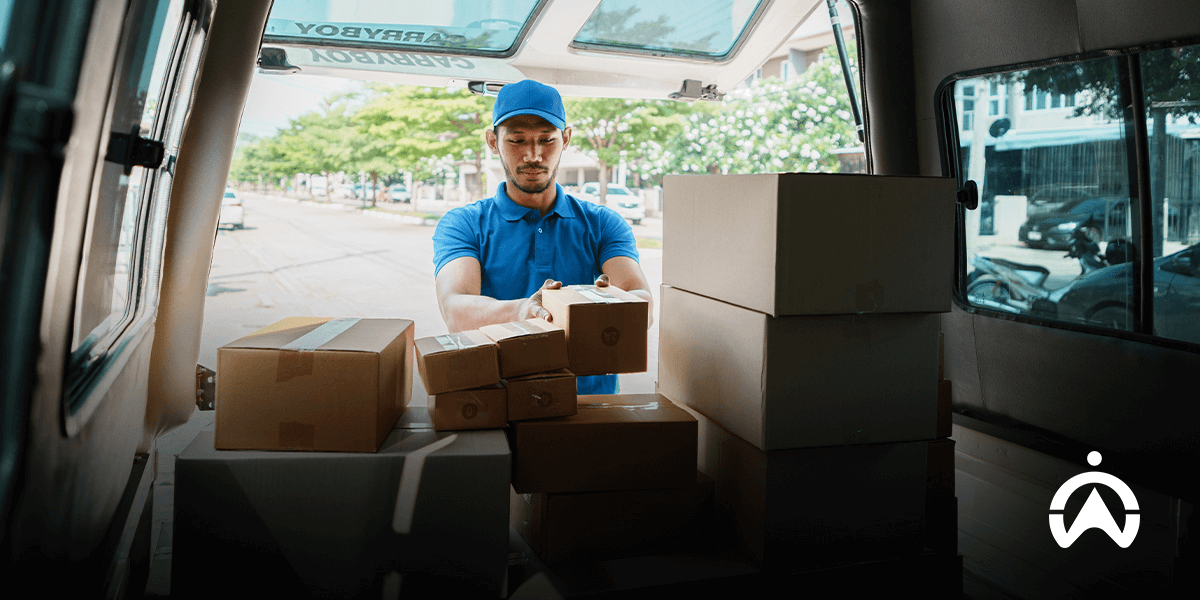
Couriers in blue uniforms arrange packages inside a van with route optimization software for efficient fleet planning.

Route Planning vs. Route Optimisation: What's the Difference?

The difference between route planning and route optimisation can be confusing, so let's learn what the difference is.

Route planning can only show the sequence of stops for a delivery route and manually plan routes. While this is a good starting point, it doesn't optimise efficiency. Route optimisation software improves this process by using advanced algorithms and brings benefits to businesses:

  1. Save Costs: Businesses can save significant money by making routes more efficient and using less fuel. This means reduced spending on fuel, repairs, and general operating costs.
  2. Increase Efficiency: When routes are optimised, vehicles can work faster and accomplish more in less time. As a result, businesses can achieve more with their resources.
  3. Satisfied Customers: On-time delivery is crucial for maintaining customer satisfaction. By consistently delivering on time and providing accurate arrival estimates, businesses can create a positive customer experience, leading to better reviews and more loyal customers.
  4. Eco-Friendly Movement: Route optimisation helps protect the environment by reducing unnecessary travel and fuel use. It's a green approach that demonstrates a commitment to reducing emissions and caring for the planet.
  5. Smarter Use of Resources: Optimised routes mean businesses are utilising their vehicles, drivers, and equipment optimally. This helps them maximise their investment and run their business more efficiently overall.
  6. Stay Flexible: Route optimisation software enables businesses to quickly adapt to changes, whether unexpected traffic or last-minute delivery changes, allowing them to remain agile and maintain smooth operations.
  7. Data-Driven Decisions: Route optimisation software provides valuable data that businesses can use to make informed decisions. By analysing factors such as delivery times and fuel consumption, businesses can identify patterns, pinpoint areas for improvement, and continuously enhance quality over time.

How Route Optimisation Technology Makes Business Run Smoothly

Let's use a pharmacy business as an example. Let's say the business owner plans a delivery with multiple stops for drivers spread across the city, and the business owner has just entered this information into the system. What happens next?

Here's how to eliminate clutter from your delivery schedule:

Step 1: Entering Information

Enter all delivery addresses into the software; businesses can even specify delivery windows for specific customers who need their packages at specific times. The software calculates the distance between each stop, providing a basic idea of ​​travel time.

Step 2: Analysis

Route optimisation software carefully analyses collected data, taking into account factors such as delivery location, time constraints, vehicle capacity, and real-time conditions such as traffic patterns and road closures.

Step 3: Optimisation

This is where the magic happens. Using sophisticated algorithms, route optimisation software calculates the most efficient routes for vehicles. These routes are designed to minimise travel time, fuel consumption, and vehicle wear and tear while ensuring all deliveries are delivered on time. This allows businesses to account for driver rest periods.

The route optimisation software will display the following information:

  • A clear map shows the most efficient sequence for completing all deliveries.
  • Drivers receive optimised routes on their phones, complete with turn-by-turn navigation and dispatch information for each stop.
  • Business owners can track the progress and status of shipments in real-time, providing peace of mind and allowing for last-minute changes to delivery locations.

Step 4: Real-time Adjustment

As the week progresses, the software continuously monitors real-time conditions and adjusts routes as needed. Whether it's an unexpected traffic jam or a last-minute change in delivery schedules, the software ensures our vehicles stay on the most efficient route.

Step 5: Feedback

When a delivery is completed, the software collects data on actual performance, including delivery time and fuel consumption. This data is then used to refine and improve future route planning, ensuring we always optimise our deliveries as efficiently as possible.

And in just one week, the busy week passed without a hitch. Route optimisation software takes the guesswork and frustration out of delivery planning.

It's only one week. Imagine what we could achieve with route optimisation software running for an entire financial year. Business owners can focus on running their business while deliveries continue to run smoothly.

Must-Have Features List for a Powerful Route Planning Software

What makes this technology capable of all the things that simplify delivery management? Check out the features below!

  1. Multi-Stop Planning: This core function is the foundation of effective route optimisation. The software must seamlessly handle high-volume delivery stops and generate the most efficient route sequence, minimising travel time and maximising productivity. Imagine a sophisticated mapping application that intelligently determines the optimal order for visiting all your destinations.
  2. Real-Time Traffic Integration: Unexpected traffic congestion can disrupt carefully planned routes. Look for software that integrates live traffic data feeds. This enables dynamic route adjustments, ensuring deliveries stay on schedule despite unforeseen obstacles. View routes as adaptable entities that continuously adjust to real-time traffic conditions.
  3. Driver Limitations and Preferences: A happy and well-rested workforce is crucial for efficient deliveries. Choose software that allows businesses to input driver preferences and limitations, including driver rest periods, specific skills required for certain deliveries, or vehicle types (such as refrigerated vehicles for goods requiring specific temperatures).
  4. Advanced Route Optimisation Algorithm: Beyond distance calculations, advanced route optimisation requires sophisticated algorithms. These algorithms must consider numerous factors, including one-way streets, traffic light patterns, and historical traffic data, to create the most efficient routes. This ensures fuel costs are minimised and delivery times are optimised.
  5. Mobile App Functions for Drivers: The software should provide a user-friendly mobile app for drivers. This app should display optimised routes with turn-by-turn navigation and clear instructions for each stop. This empowers drivers to navigate efficiently and reduces the risk of confusion or delays.
  6. Powerful Reporting and Analytics: Data is a valuable asset for continuous improvement. Effective route optimisation software should generate comprehensive reports on key performance indicators (KPIs) such as on-time delivery rates, fuel consumption, and driver performance.

By analyzing these reports, we can identify areas for improvement, further refine routes, and make data-driven decisions for fleet management strategies..

Two people in a car compare a physical map with route optimization software on a tablet for fleet planning.

Why Do Business Owners Need Route Optimisation Solutions?

Here are some indicators that it's time to consider a fleet management system, route optimization software, and accompanying tools:

  • Late Deliveries: Inconsistent delivery times and frustrated customers are sure signs that your current route planning method isn't working.
  • High Fuel Costs: Inefficient routing can result in excessive travel times and distances, which can significantly increase fuel costs.
  • Inefficient Routes: Drivers spend time stuck in traffic jams and have to return to the same route.
  • Unhappy and Fatigued Drivers: Drivers face long driving hours and inefficient routes, which can lead to driver fatigue, stress, and potentially risky driving habits.
  • Lack of Visibility: Without the right route planning tools, it's difficult to track delivery performance, identify areas for improvement, make informed decisions, and even follow up on tasks.

Route Optimisation Made Easy with Cartrack Indonesia's Fleet Management Solutions

Cartrack Indonesia is a provider of smart fleet management solutions designed to help CEOs, business owners, and managers improve and optimiSe daily fleet routes.

In terms of delivery, Cartrack Indonesia’s solutions have been proven to enhance fleet operations, reduce fuel consumption, and lower fleet costs, thereby giving managers more time to focus on improving their fleets and operations.

Here are some of Cartrack Indonesia's features that make it all possible:

  • Cartrack Delivery: Cartrack's Dispatch tool simplifies task assignment and real-time tracking from dispatch to delivery. Automating the process provides full visibility into task progress and allows for easy work allocation to drivers. Through route optimisation, Dispatch provides faster route options, reducing travel time, fuel consumption, and turnaround time.
  • GPS Tracking: Cartrack GPS Tracking provides real-time location data and other vehicle insights to help managers improve operational efficiency. Cartrack helps reduce costs per job while enhancing fleet visibility and overall vehicle safety.
  • Geofencing: Cartrack’s geofencing feature allows users to set virtual boundaries around specific locations. Managers can monitor vehicles as they enter or exit these zones—such as warehouses or delivery drop-off points—providing greater visibility into vehicle activity and ensuring that drivers remain on schedule with their assigned tasks.

Start Saving on Travel Costs and Increase Fleet Efficiency with Cartrack Indonesia

With a proven track record of delivering reliable solutions, business owners can trust Cartrack Indonesia to enhance delivery strategies and drive efficiency across fleet operations.

Contact Cartrack by clicking the following link to receive a free quote and discover how our proven solutions can enhance your trip planning and delivery operations!

Fleet Management: How to Successfully Manage a Large Company Fleet!

A large fleet can generate significant profits, but it can also bring significant challenges. From fuel costs to driver safety, keeping everything running smoothly can be overwhelming.

This is a successful approach to fleet management for efficiency, safety, and full control of a company's large fleet.

Let's learn together what makes fleet management the key to the success of a large fleet.

What is a corporate fleet?

A fleet is a group of vehicles typically owned by a single business. These vehicles can range from trucks to taxis to pickup trucks used for transportation, logistics, or operations. Fleets exist in all industries, coming in all shapes and sizes, but what makes a corporate fleet stand out is its size. While corporate fleet sizes can vary, a typical company owns at least 15 vehicles. But what are the key differences between a small fleet and a corporate fleet? Let's learn more.

Whether consisting of 5 or 500 vehicles, fleets exist across all industries, shapes, and sizes. One thing that fleets—large or small—have in common is the set of key components required for successful fleet management.

The key to successful corporate fleet management

While no two fleets are exactly alike, there are key tools every fleet should utilise to ensure their success.

Let's see:

  1. Proactive, not reactive management: Proactive management is a crucial part of running a successful fleet, as it allows us to address issues before they escalate into more serious problems. We should adopt a proactive management style rather than a reactive one, which can negatively impact fleet efficiency, profitability, and productivity.
  2. Data-based decision making:

    Relying on intuition and guesswork when running a fleet does more harm than good. This is where data-driven decision-making comes in, the process of using information gathered from various sources to make informed choices about fleet operations.

    Data-driven decision making is built on the following concepts:

    – Data collection: Serving as the foundation for data-driven decision-making, data collection entails gathering information from various sources—such as vehicle telematics, maintenance records, and shipping details—with the collected data acting as raw material for generating insights.

    – Data analysis: Analysing the collected data to identify trends and patterns within the fleet.

    – Wawasan yang dapat ditindaklanjuti: Transform collected data into actionable actions to improve fleet efficiency through data-driven decision making.

  3. Adaptability:Adaptability is essential for running a successful fleet in the ever-changing world of fleet management. This means being flexible and creative when facing unexpected situations or evolving needs. Customer demands and industry trends can shift rapidly, requiring fleets to adjust their services or offerings accordingly. It is also important to remember that fleet size determines which solutions should be prioritised; size influences the challenges faced, so solutions must be tailored to the specific needs of the fleet.

Barisan truk di area bongkar muat gudang sebagai bagian dari strategi manajemen armada untuk mengatur armada besar perusahaan secara efisien

What challenges do large fleets face?

Large fleets differ from smaller ones not only in size but also in the challenges they face. As we discuss these challenges with some contextual statistics and facts below, things will get interesting.

  • Fuel management: Research shows that most fleets spend about 24% of their budget on fuel, so even a small price increase automatically translates into a significant increase in fuel costs. Manually tracking how much fuel all fleet vehicles are consuming can be challenging and time-consuming.
  • Vehicle maintenance: Keeping a large number of vehicles operational requires constant attention. This is crucial because the failure of a single vehicle can impact the efficiency of the entire fleet. Furthermore, accurately predicting maintenance needs for each vehicle in a large fleet can be challenging.
  • Driver safety: Managing driver behaviour and safety can also be a challenge whether you have five or fifty drivers. Large fleets struggle to ensure that all their drivers are properly trained and driving safely, as this means their behaviour must be continuously monitored.

While this is important for identifying dangerous behaviour and knowing where drivers need further training, it can be challenging for large fleets with hundreds of drivers.

Cargo security: Securing cargo and preventing damage during transportation is critical for large fleets. Ensuring cargo reaches its destination safely and securely requires dedicated planning, implementing driver training programs, and real-time vehicle monitoring and tracking throughout the transportation journey.

Driver retention: Attracting and retaining qualified, skilled drivers is an ongoing challenge. If left unaddressed, these challenges can hinder a fleet's success. However, there is a way to simplify the process: by implementing corporate fleet management.

Read Also: Understanding Vehicle Fleets and Effective Ways to Manage Them

The secret to big fleet success: Uncovering corporate fleet management

Corporate fleet management oversees the operations of large fleets, typically with 20 or more vehicles. This process goes beyond simply tracking vehicle locations and encompasses a variety of strategies to optimise efficiency, safety, and cost-effectiveness. These strategies are known as fleet management strategies.

Empowering fleets with fleet management strategies

A fleet management strategy is a set of practices and tools designed to optimise fleet operations. This process encompasses planning, organising, and directing everything related to the fleet as a guide to successful fleet operations, guiding decision-making and actions to achieve fleet efficiency, safety, cost-effectiveness, and compliance. These strategies can be overwhelming, and the best way to implement them effectively is through a fleet management system.

What is a fleet management system?

A fleet management system is software and technology that helps fleet managers monitor and optimise various aspects of their fleet, whether it's a single truck or a number of delivery vans. These systems are crucial for ensuring that fleets remain profitable, efficient, and safe.

Read Also: Fleet Management: How to Successfully Manage a Large Corporate Fleet!

Exploring the benefits of a fleet management system for large fleets

A fleet management system is a fleet's secret weapon for success and standing out from the crowd. Let's take a look at the benefits this system can provide for large fleets:

  • Cost savings: Managing a large fleet comes with significant expenses. By tracking fuel consumption and scheduling timely maintenance, fleet managers can prevent costly breakdowns, reduce expensive fuel consumption by optimising travel routes, and eliminate fuel-wasting driver behaviour.
  • Efficiency improvements: Managing a large fleet involves complex logistics, which are automated by fleet management systems. Managers can ensure smooth operations by automating tasks such as report generation, streamlining delivery processes, and optimising routes based on real-time traffic data.
  • Enhanced safety: Safety is a top priority for large fleets. Fleet management systems help automate the monitoring of driver behaviour, enabling managers to identify risky habits such as speeding or harsh braking. This allows targeted driver training and coaching programmes to be implemented, promoting safe driving practices across the entire fleet.
  • Data-Driven Decision-Making: Large Fleets Generate Significant Amounts of Data That Can Be Collected And Analysed by a Fleet Management System. Using Data From GPS Tracking, Engine Diagnostics, And Driver Activity, Managers Gain Valuable Insights That Help Them Make Informed Decisions on Everything From Maintenance Schedules To Resource Allocation.
  • Reduce downtime: Unplanned downtime due to breakdowns can negatively impact fleet operations. A fleet management system can predict maintenance issues by monitoring vehicle components in real time. This way, maintenance issues are addressed before they become costly.

Pengemudi melakukan pencatatan operasional di dalam kabin truk sebagai bagian dari prosedur manajemen armada untuk mengatur armada besar perusahaan

The best fleet management for large fleets from Cartrack Indonesia

Cartrack is an all-in-one solution that enhances convenience, efficiency, and simplicity in fleet management. Let’s explore the components that power Cartrack’s solution:

  • GPS Vehicle Tracking:Always know where your fleet vehicles are with live GPS tracking from Cartrack Indonesia. By identifying inefficiencies to monitor and improve company productivity, our real-time tracking helps enhance operations, improve vehicle safety, and enable proactive monitoring and route optimisation for all vehicles.
  • Preventive maintenance:Overcome the challenges of maintaining a large vehicle network with preventative vehicle maintenance from Cartrack Indonesia. Powered by AI and analytics, Cartrack's software helps identify potential maintenance issues before they develop into serious repair problems. By providing alerts about issues such as worn brake pads, service interval reminders, and low oil levels, businesses can avoid damage to vehicle components that can lead to accidents and breakdowns on the road.
  • Fuel monitoring system: Make the most of every liter of fuel with Cartrack Indonesia’s fuel monitoring system. Cartrack’s fuel cost monitoring software tracks all fuel transactions and reconciles receipts with advanced vehicle telemetry. When connected to in-tank fuel sensors, businesses can monitor fuel consumption in real-time, gaining full visibility into the fleet's overall fuel economy. This system is crucial for identifying fuel theft, reducing fuel waste, and improving fuel efficiency.
  • Driver behavior monitoring: Enhance safety and driver behavior with Cartrack Indonesia’s fleet driver monitoring system. The system offers access to a range of high-end hardware and software solutions designed to streamline driver behavior monitoring.– Cartrack’s Advanced Driver Assistance System (ADAS) improves fleet safety by providing drivers with real-time alerts regarding potential road hazards. This proactive technology utilises forward-collision warnings to notify drivers when their vehicle is approaching another too quickly, helping them prevent accidents and foster a safer driving environment.– Cartrack’s LiveVision AI cameras provide immediate audio alerts to drivers regarding distracting or dangerous behaviors—such as smoking, excessive speeding, or yawning—enabling them to quickly correct their driving habits. This tool helps cultivate a safety-first culture and reduces accident risks.– Driver scoring provides a detailed record of individual driver behavior. These comprehensive reports not only identify instances of harsh driving but also pinpoint the time and the specific driver involved in each incident. This data empowers fleet managers to implement targeted training programs focused on promoting safe driving practices.
  • Cost Management System: Turn Estimates Into Accuracy With MiFleet Cartrack Software. This cost management solution helps track all fleet expenses, from taxes and fuel costs to vehicle permits. These Detailed Insights Help Maximise Fuel Savings While Reducing Administrative Time And Costs.
  • Geofencing: Know where vehicles or equipment are operating with Cartrack's geofencing feature. Gain real-time insights into fleet activity by setting virtual boundaries around specific areas to monitor the movement of drivers, vehicles, and equipment. Once a geofence is set up, users will receive immediate notifications when a vehicle enters or exits that specific area, providing full visibility into fleet operations.

Manage your company fleet conveniently with advanced solutions from Cartrack

Running a large fleet is no easy task, but it can be made easy with effective enterprise fleet management solutions from Cartrack.

Contact us today by clicking the following link!

Also Read: What is Fleet Management Software and What Are Its Functions?

Fuel Management System to Maximise Mining Industry

If your mining company still relies on manual fuel monitoring, then you need to familiarise yourself with a fuel management system for mining.

Not keeping a close and accurate watch on fuel use in the mining industry leads to higher fuel costs and consumption, and slimmer profit margins due to fuel inefficiency.

Let’s explore a fuel management system that can reduce fuel consumption and boost profits for mining companies!

What is a fuel management system?

A fuel management system is a comprehensive fuel monitoring solution that electronically tracks fuel levels, fuel consumption, and fuel expenditure. In the transportation and logistics industries, fuel management systems have helped businesses save on fuel costs and prevent fuel theft.

In the mining industry, fuel management systems use hardware and software to help businesses:

  • Manage their fuel resources effectively by monitoring fuel tanks
  • Track fuel consumption of heavy mining machinery and vehicles on site
  • Eliminates manual processes such as using a logbook to track fuel consumption.
  • Get reliable and accurate reports to make data-driven decisions for productivity.
  • Increasing the environmental impact of their mining operations

Read Also: How to Reduce Fuel Consumption for Business Vehicles?

How does the fuel management system work?

A fuel management system is a system of hardware and software technologies that typically uses a series of fuel sensors, tags, and other telemetry devices to maintain fuel, prevent losses from theft and waste, and automatically capture consumption data. Fuel management systems are used to monitor, control, and optimize fuel consumption in industries such as transportation, construction, and the energy industry.

In vehicles, a fuel management system can help ensure fuel is used efficiently by monitoring consumption, engine performance, and fuel costs. There are three key components of a fuel management system:

  1. Fuel sensor:Installed in the vehicle, the fuel sensor monitors fuel levels to provide accurate insight into consumption.
  2. Fuel card: Used to capture fuel card transactions and verify them with other information for expense management.
  3. Telemetry device: Wirelessly collects and transmits fuel data, eliminating the need for manual checks and data entry.

These components work together to provide a basic fuel management system. However, due to the various processes involved in mining, such a basic system is ineffective in maximising productivity and safety.

How does the fuel management system work?

Cartrack Indonesia's innovative fuel management solution goes beyond monitoring fuel levels.

Cartrack Indonesia's fuel monitoring system protects resources at mining sites like petrol stations, fleet vehicles, and heavy mining machinery.

Benefits of fuel management systems for mining

Following are the benefits of integrating a fuel management system for mining:

  1. Reducing downtime and maximizing productivity. Fuel usage tracking & theft prevention: Monitoring engine and vehicle operations via telematics and fuel management systems helps identify potential issues, such as inefficient operation that could lead to delays. After-hours detection: Identifying and stopping unauthorized use of vehicles and machinery outside of designated working hours helps prevent misuse and ensures assets remain in good condition. This can reduce the frequency of repairs, servicing, and breakdowns across the fleet. Ensuring fuel availability: Monitoring fuel levels helps estimate refueling needs and prevents downtime caused by empty tanks.
  2. Reduce fuel expenditure Consumption analysis: Monitoring fuel consumption allows for accurate analysis of fuel usage against operating hours, making it possible to identify inefficiencies and address excess fuel expenditure. Data-driven decisions: Leverage insights from the system to make data-driven decisions about fuel allocation and purchasing strategies.
  3. Detecting fuel theft– Mengidentifikasi ketidaknormalan:Perangkat lunak Cartrack Indonesia membandingkan data konsumsi bahan bakar dengan data penggunaan kendaraan dan mesin, menyoroti ketidaksesuaian yang dapat menunjukkan potensi pencurian.
    – Pemantauan yang akurat: Monitor fuel levels regularly   and receive alerts for unusual drops or sudden drops, allowing us to take swift action against fuel theft attempts.- Enhanced security: Combined sensor power, telematics, and software create a robust security system for fuel reserves.

Green Mining: Using Fuel Management Systems for the Future of Mining

The key to addressing climate change lies in understanding how energy-intensive industries, such as mining, can transition to cleaner energy sources. Many mining companies have now set “Environmental, Social, and Governance” (ESG) goals for the next few years, aiming to minimize the industry’s environmental impact.

Fuel consumption is a significant contributor to the mining industry's carbon footprint. Traditional methods of monitoring fuel consumption using logbooks lack the data insights to accurately track fuel usage. This is an inefficient practice that wastes resources. Today, advanced fuel monitoring systems like Cartrack's collect data on vehicles and equipment, including location, performance, and fuel consumption. This new insight can help improve mining operations and adopt greener mining practices.

For example, Cartrack's fuel monitoring system helps managers monitor their fuel efficiency. Fuel efficiency reports accessed through Fleet Pages can help businesses make data-driven decisions about their fuel consumption. Additionally, managers can monitor their fleet's carbon footprint to improve sustainability with reports like the TOE/CO2 report.

Combating fuel waste is a crucial step toward a greener future for the mining industry. By optimizing fuel consumption, promoting environmentally conscious practices, and preventing fuel theft, fuel management systems empower mining companies to significantly reduce their carbon footprint.

Using Fuel Management Systems for the Future of Mining

Cartrack Indonesia's Fuel Monitoring Solution for the Mining Industry

Here is how Cartrack Indonesia protects resources and ensures mining operations can maximise production and minimise costs:

  • Cartrack CANBus Integration: Advanced CANBus technology goes beyond fuel-level monitoring by utilising vehicle wiring to extract a wide range of data, such as engine performance and fuel-related information. Once connected to a Cartrack Indonesia telematics device, this vehicle and fuel data is automatically stored on the Cartrack Indonesia "Fleet Pages" platform—accessible in just a few clicks.
  • Cartrack Fleet Pages Platform: This is a user-friendly platform that allows users to view collected and analysed vehicle and fuel information and helps turn it into insights. Managers can access various reports and charts on their fleet’s fuel consumption in remote locations without needing access to fleet vehicles or installed tracking devices.
  • Cartrack MiFleet: Cartrack’s administrative and vehicle cost validation tool helps managers monitor fleet operational expenses and validate fuel claims. Managers can set up fuel-monitoring alerts that detect discrepancies between actual fuel consumption and submitted fuel cost claims.

Overall, Cartrack’s fuel monitoring tools provide a comprehensive solution for every stage of mining operations. Let’s explore how Cartrack’s fuel monitoring solutions are applied to help improve the efficiency of mining operations:

Use of Vehicles and Equipment

Cartrack's fuel management system monitors the fuel consumption of heavy mining vehicles and equipment while operating on-site. This system allows managers to understand the fueling process occurring at any time in their plants.

Cartrack's fleet management software uses fuel monitoring tools, MiFleet and Fleet Pages to help managers remotely validate fueling at their mines. This helps managers:

  • Fuel theft detection: It is easy to detect whether theft has occurred at a mining facility.
  • Remotely validate fuel claims:Remotely verify on-site refilling activity via Cartrack Fleet Pages
  • Increase productivity: Avoid downtime for fuel efficiency in mining facilities.

Ultimately, managers get a picture of their entire operation's fuel consumption and can determine the proper fuel usage per vehicle.

Fleet visibility

In addition to fuel management, Cartrack’s fleet tracking software provides visibility into fleets at mining projects as they transport materials around the site. Cartrack’s fleet tracking system helps monitor haul trucks, excavators, and support vehicles in real-time.

Managers can monitor the location, status, and route progress of their fleet via GPS, telematics, and Cartrack Indonesia’s software. Cartrack’s software helps ensure that processed materials and minerals are transported safely. Depending on the type of transport required, specialised sensors and Cartrack’s AI cameras can also be installed to enhance security. This helps managers:

  • Trust your valuable cargo with advanced tracking and monitoring from Cartrack
  • Optimising logistics: Minimising fuel wastage by improving efficiency and optimising routes for on-time deliveries.
  • Improved security: Special sensors and AI cameras will prevent users from theft attempts and monitor the fleet during the trip.

Cartrack's integrated fleet management with fuel monitoring can track valuable cargo and prevent theft attempts, video evidence can be used in the event of an untoward incident in the mining operation area.

Cartrack Indonesia's fuel management system helps achieve excellence, productivity and safety in mining.

By implementing Cartrack Indonesia's fuel management system, mining companies can gain a powerful tool to simplify operations, maximise productivity, significantly reduce fuel consumption and expenses, and ultimately improve company profitability and sustainability.

Get in touch with us by clicking the following link to receive a live demo of a Cartrack Indonesia account!

Fuel Probes: The Latest Tool You Need to Monitor Fuel and More for Multi-Industries

Apakah kalian tahu bahwa probe bahan bakar bisa memiliki lebih dari satu fungsi?

Although its primary function is to monitor fuel levels, this advanced sensor is versatile for a wide range of industries.

Read on to find out why a fuel monitoring system is what your business needs, no matter what industry it's in.

What is a fuel probe?

Let's discuss the fuel probe, how it works, and its main purpose:

Probe bahan bakar adalah perangkat pengukur bahan bakar yang menggunakan sistem pelampung mirip dengan pelampung tangki toilet.

As the fuel level rises and falls, the float moves up and down along a vertical rod inside the tank.

The float's movement is connected to a variable resistor. For example, as the fuel level decreases, the float drops, causing the resistor's value to increase.

The fuel probe continuously monitors the resistance of the variable resistor, and variations in this resistance are translated into changes in the electrical signal sent from the probe.

Sinyal yang berubah berfungsi sebagai indikator level bahan bakar, dan data tersebut dikirim secara nirkabel ke fleet management system for remote monitoring of fuel levels in real-time.

Fuel pump nozzle with oil drop, illustrating a sophisticated tool for easily monitoring fuel in all industries.

What else can a fuel probe be used for?

While the primary function of a fuel probe is to monitor fuel levels, its versatility extends beyond traditional gas tanks. Its ability to accurately measure fluid levels makes it a valuable tool in a variety of industries. Let's take a look at some of the uses of probes in other industries:

  1. Construction and Engineering Industry: The construction and engineering industry encompasses the planning, design, and construction of physical infrastructure, from roads and bridges to buildings and dams, all utilising probes. Here are the various uses of probes in the construction and engineering industry:
    – Manajemen fluida hidrolik: Heavy machinery such as excavators and cranes rely on hydraulic systems to operate. Fuel probes adapted for these systems can continuously monitor hydraulic fluid levels, helping prevent equipment downtime due to low fluid levels and potential damage from overheating.
    – Pemantauan coolant: Overheating engines can hamper construction projects. Fuel probes can be adapted to monitor coolant levels in construction vehicles and generators.
    – Manajemen air: From dust suppression techniques to concrete hardening, water plays a crucial role on construction sites. Fuel probes can be used to monitor water levels in storage tanks, ensuring a steady supply for a variety of applications. This prevents delays due to water shortages and optimises water use, reducing waste.
  2. Agriculture and Livestock: The agriculture and livestock industries cultivate land to produce food, fiber, and other agricultural products. Let's see how a fuel probe can be used here:
    – Pemantauan pupuk dan pestisida: Farmers use a wide variety of liquid fertilizers and pesticides. Fuel probes, modified for compatibility with these specific liquids, can track inventory levels in storage tanks, ensuring farmers have sufficient supplies to avoid interruptions during critical application periods.
    – Pemantauan tangki air: Farmers who rely on boreholes face challenges in accessing water during power outages, as their water pumps stop working. Fuel probes can be installed in their boreholes, allowing them to see the available water. This helps them decide whether they need to pump water before the outage window begins.
  3. Mining: The mining industry extracts valuable geological resources from the Earth, such as metals, minerals, and fossil fuels, to provide raw materials for a variety of industries and everyday products. Let's explore the benefits of fuel probes in this industry:
    – Pemantauan tangki bahan bakar internal: Mines typically have fueling stations within their operations for large machines that are too difficult to fill at public stations or because they consume so much fuel that it's cheaper and easier to manage them this way. Fuel probes can be installed at fuel pumps to monitor fuel usage.
    – Pemantauan pelumasan: Regular lubrication is essential to reduce friction and wear in mining equipment. Fuel probes can be adapted to monitor lubricant levels in gearboxes, differentials, and other critical components. Early warning of low lubricant levels prompts corrective action, preventing costly equipment damage and potential safety hazards.
    – Manajemen limbah sisa tambang: The mining process creates tailings, a mixture of water, rock, and waste materials. Fuel probes can be used to monitor tailings levels in holding ponds, helping to ensure proper containment and prevent potential breaches that could lead to environmental contamination.
  4. Oil Companies: The oil industry is a global network of companies involved in the exploration, extraction, refining, transportation, and marketing of petroleum products. Let's find out how fuel probes are used in this industry:
    – Pemantauan fluida di dalam lubang: During well drilling, fuel probes can be adapted for high-pressure environments to monitor fluids in the well. These probes measure the levels of formation fluids, such as water, oil, or gas, encountered during drilling. This real-time data allows for optimization of drilling operations by identifying potential production zones or avoiding unstable formations.
    – Deteksi kebocoran dalam tangki penyimpanan: Fuel probes can be adapted for use in aboveground storage tanks (ASTs) holding crude oil or refined products. By continuously monitoring fluid levels, these probes can help quickly detect potential leaks, enabling rapid intervention and minimizing environmental damage and potential economic losses.

What are the disadvantages of a fuel probe?

Fuel probes have three drawbacks that could impact various industries. Let's explore these drawbacks together:

  1. Accuracy limits: Fuel probes operate in the dynamic and harsh environment of the fuel tank, which can inevitably affect the accuracy of their data assessment. Fuel tanks come in various shapes and sizes, and some contain internal baffles to prevent excessive fuel movement while the vehicle is in motion. While helpful, this can affect the placement and efficiency of the fuel probe, leading to inaccurate readings.
  2. Installation and maintenance: The complexity of installing a fuel probe often results in high costs and downtime. To ensure the most accurate readings, fuel probes require regular maintenance and rechallenge. Cleaning the float and variable resistor can remove buildup that hinders smooth operation.
  3. Applications are limited to certain fluids: Fuel probes that rely on mechanical floats are designed for liquids with a viscosity similar to traditional fuels, meaning thicker or thinner liquids can cause inaccurate readings.

While fuel probes have some drawbacks, their advantages and benefits far outweigh the various industries that utilise fuel probe technology. The best way to get the most out of this technology is to implement a fuel monitoring system.

What is a fuel monitoring system?

A fuel monitoring system is a technological solution designed to track, analyse, and optimise fuel consumption within a fleet of vehicles. More than simply sticking a stick in the tank, a fleet management system is a comprehensive system that provides valuable insights for businesses that rely on vehicles for their operations. Here's a brief overview of the elements required for a fuel monitoring system to function:

  • Fuel level sensor: Installed in each vehicle's fuel tank, this sensor works to continuously measure the fuel level inside.
  • Data transmission: Fuel level data collected from sensors is broadcast wirelessly to a central server or cloud platform.
  • Software Platform: This platform is the core of the fleet management system, allowing us to receive, store, and analyse fuel levels. It provides a user-friendly interface for accessing various features, such as:
    – Real-time fuel level monitoring: Fleet managers can view the current fuel level of every vehicle in the fleet from a central location.
    – Fuel consumption report: The software generates reports on fuel consumption over a specified period, identifying trends and potential areas for improvement.
    – Fuel theft detection: A sudden drop in fuel levels that deviates from normal usage patterns may indicate potential fuel theft and may trigger further investigation.

Why do businesses need a fuel monitoring system?

Here's a quick overview of the 4 main reasons why businesses need this fuel monitoring system:

  1. To quickly detect fuel theft: Unlike traditional methods that rely on time-consuming and inaccurate physical inspections, a fuel monitoring system provides real-time data on fuel levels, enabling businesses to detect theft. Siphoning is one of the most common and damaging fuel theft tactics. With a fuel monitoring system, businesses can know precisely when, where, and how much fuel is being taken from the tank.
  2. Mengurangi pemborosan bahan bakar bisnis: A fuel monitoring system provides insight into how much fuel a vehicle is using. By monitoring fuel consumption, mileage, and liters used, we can identify spikes in fuel consumption and identify the underlying causes, whether it's aggressive driving, fuel theft, or maintenance issues.
  3. Membuka pemantauan real-time: The fuel monitoring system provides detailed reports on fuel levels, consumption, and alerts for refilling or emptying, improving accountability and efficiency. All this information is available with a single click, making monitoring fuel consumption quick and easy.
  4. Penghematan biaya bahan bakar: A fuel monitoring system can help managers identify sources of excessive fuel consumption, making it easier for them to correct issues that increase fuel costs. By identifying these inefficiencies and ensuring vehicles are running properly, businesses can save money by lowering fuel costs.

Someone calculates fuel costs using a calculator, demonstrating a sophisticated tool for easily monitoring fuel for all industries.

Harness the power of advanced fuel monitoring with Cartrack Indonesia's fuel monitoring solutions

Untuk mendapatkan manfaat dari sistem manajemen bahan bakar, tidak perlu mencari lebih jauh dari solusi pemantauan bahan bakar Cartrack Indonesia. Mari kita jelajahi sistem ini, bagaimana cara kerjanya, dan bagaimana dapat menguntungkan bisnis.

How does our fuel sensor system work?

Installed inside a vehicle's tank by a technician, the fuel sensor monitors the fuel level through a connected tube. When refilling the tank, fuel fills the tube and the surrounding space. After three refills, the sensor measures all changes in fuel capacity. This information, along with fuel level in liters, vehicle location, and total tank capacity, is then relayed to Cartrack Indonesia's telematics system. The collected data is transmitted to the Cartrack Indonesia platform, where it can be compiled into detailed reports for business users' convenience.

What does this mean for business?

  • Detailed insights: Eliminate the uncertainty of fuel consumption measurements with our fuel monitoring system. Our fuel monitoring system solutions help you know exactly how much fuel you're consuming, unlocking new levels of accuracy and eliminating avoidable human error.
  • Improved efficiency: With detailed insights, businesses can plan operations more efficiently. For example, knowing exactly how much fuel their fleet needs to function efficiently can help them ensure vehicles have enough fuel to operate throughout the day, eliminating downtime and increasing productivity.
  • Cartrack: The multi-industry tool that businesses need

Are you ready to take the guesswork out of manually tracking fuel consumption? Unlock accuracy and convenience with fuel monitoring solutions from Cartrack Indonesia.

‍Hubungi Cartrack Indonesia hari ini untuk berikan bisnis kalian pemantauan yang lebih canggih dan detail! Klik link berikut ini!