
8 Ways Fleet Systems Help Mobility

What is fleet mobility?

Fleet mobility is a new approach to how companies manage the movement of their fleet staff. In contrast to manajemen armada konvensional, mobilitas armada berfokus pada fleksibilitas dalam pergerakan dan aksesibilitas dengan memanfaatkan teknologi transportasi inovatif untuk memberikan solusi transportasi yang fleksibel dan sesuai permintaan.

What is the future of fleet mobility?

  1. Electric Vehicles: Fleet electrification represents the future of fleet mobility, particularly electric vehicles (EVs), which are seen as the future due to their potential to reduce fleet costs and environmental impact. EVs offer several benefits for fleet mobility, from reduced fuel and maintenance costs to higher driver satisfaction.
  2. Autopilot: The future of fleet mobility involves the progressive evolution of automotive technology through the use of autonomous vehicles. Autonomous vehicles can operate without human intervention, and with specialised sensors, they can sense their surroundings and reach their destinations completely on their own.
  3. (IoT) Sensors: Internet of Things (IoT) sensors give fleet managers access to a wide range of real-time data about their fleets using sensors embedded in vehicles and infrastructure. This means fleet managers can make informed business decisions about factors such as vehicle maintenance, driver training, and vehicle activity. Insights gained from IoT data can help optimise route planning, reduce fuel consumption, and improve fleet efficiency.
  4. Mobility as a Service (MaaS): The future of fleet mobility is embracing shared fleet solutions, through a concept known as mobility as a service. Mobility as a service, also known as MaaS, is a user-centric approach that integrates different modes of transportation into a unified, on-demand mobility solution. In other words, MaaS offers businesses the flexibility to access a fleet of shared vehicles on demand, eliminating the need for individual ownership and maintenance, reducing fleet costs, and providing more customisable transportation solutions. For fleet operators, MaaS presents an opportunity to optimise vehicle utilisation, reduce fleet costs, and improve overall efficiency by carefully managing vehicle usage.
  5. Kecerdasan Buatan: Kecerdasan Buatan (AI) adalah simulasi proses kecerdasan manusia yang dilakukan oleh sistem komputer. Ini menggunakan berbagai teknologi yang memungkinkan mesin melakukan tugas-tugas yang biasanya membutuhkan kecerdasan manusia. Dalam konteks mobilitas armada, AI dapat dengan cepat menganalisis jumlah data besar, dengan informasi tentang kinerja kendaraan, pola lalu lintas, dan perilaku pengemudi. Data ini sangat penting untuk analisis prediktif yang memungkinkan manajer armada mengidentifikasi masalah yang eskalatif menjadi kerusakan yang tidak terduga dan mahal. Ini mendorong perawatan tepat waktu, meningkatkan efisiensi bahan bakar, dan meminimalkan penundaan waktu tidak terduga, serta meningkatkan produktivitas.
  6. V2V and V2E Communication: Komunikasi kendaraan-ke-kendaraan dan kendaraan-ke-semuanya adalah teknologi nirkabel yang memungkinkan pertukaran data antara kendaraan dan lingkungannya. V2V memungkinkan kendaraan untuk bertukar data tentang kecepatan, lokasi, dan arah baik secara nirkabel maupun real-time. Ini memungkinkan kendaraan untuk mendeteksi potensi tabrakan, mengkoordinasikan gerakan, dan menjaga jarak aman satu sama lain, yang meningkatkan kesadaran situasional dan membantu mencegah kecelakaan.V2E menggunakan sensor, kamera, dan konektivitas nirkabel untuk membuat sistem komunikasi end-to-end yang memungkinkan kendaraan untuk berbagi informasi tentang pengemudi dan lingkungan mereka. Teknologi V2E berguna untuk meningkatkan keselamatan armada, efisiensi lalu lintas, dan penghematan energi.
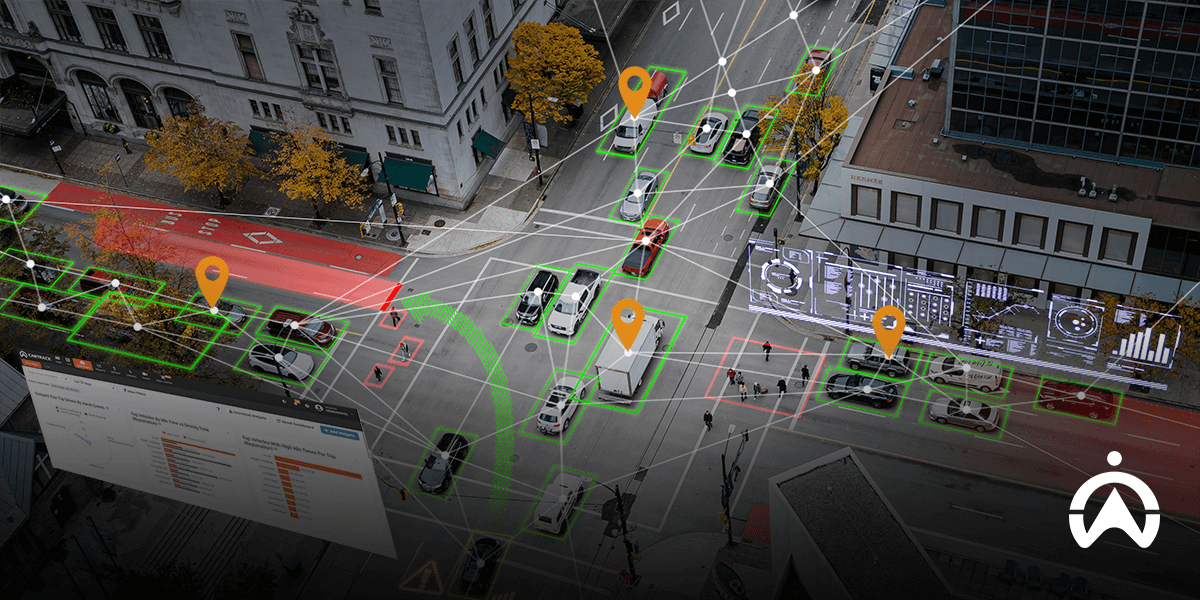
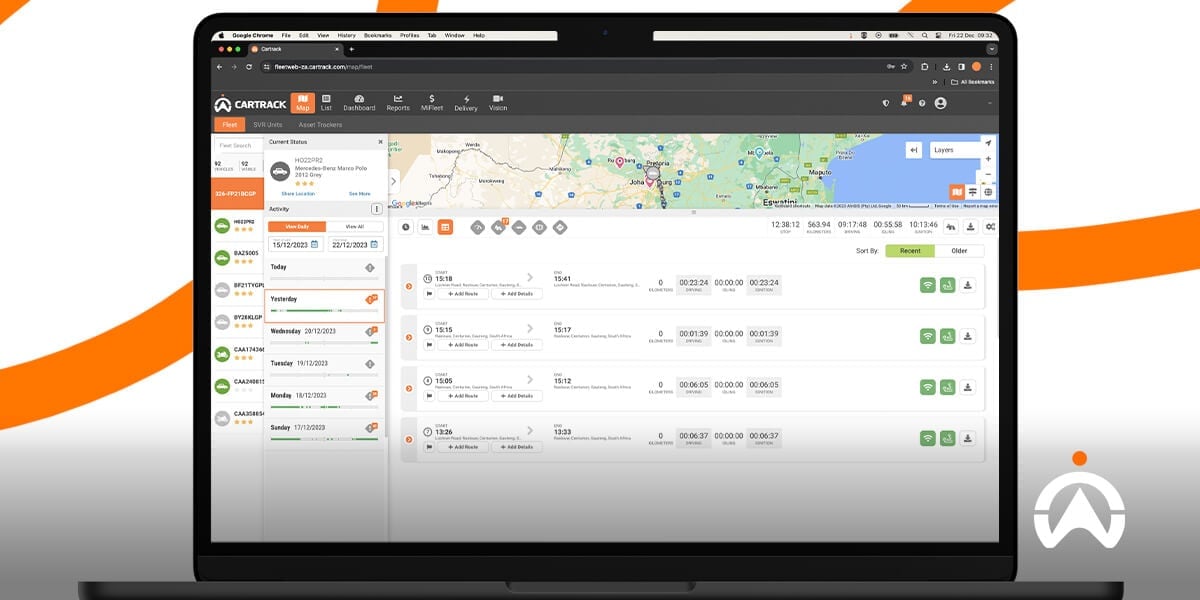
Vehicles connect to each other at city intersections, showing 8 ways fleet systems help mobility with smart technology.

What are the challenges faced with the advancement of fleet mobility?

Despite the extraordinary progress of fleet mobility, there are a number of challenges that must be faced, namely:

  • Adequate charging stations: The adoption of electric vehicles offers both opportunities and challenges for fleet efficiency. One major challenge is the lack of charging stations. While electric vehicles are lauded for their ability to reduce emissions and operating costs, the limited availability of charging stations can negatively impact fleet mobility and productivity. This leads to downtime and schedule disruptions, as drivers must travel longer distances to find charging stations.
  • Unexpected technology: Autonomous vehicles are still in development, delaying widespread adoption. Ensuring the safety and reliability of autonomous vehicles requires increased attention. Autonomous vehicles are susceptible to unexpected technical issues, which can disrupt fleet operations and compromise efficiency. Furthermore, transitioning to autonomous vehicles requires driver retraining and adapting to new operational procedures, which is costly and time-consuming.
  • Integration of new technologies: Evolusi cepat teknologi mobilitas, seperti kendaraan otonom dan telematika canggih, membutuhkan manajer armada untuk beradaptasi dan mengintegrasikan teknologi ini ke dalam operasi mereka secara efektif tanpa mengganggu fungsi armada.
  • Skilled personnel and training: Adopting new technologies means the fleet workforce needs to have the skills to operate and maintain these systems effectively. Fleet managers need to invest in training and development to ensure their teams can effectively utilise these advancements and reap the benefits.
  • Data management and decision making: Although advanced telematics provides access to a wide range of real-time data, managing and interpreting this data can be challenging. Fleet managers need software that helps them make sense of fleet data, thereby facilitating informed decision-making and operational optimisation.

What Is Fleet Management?

Fleet management is the process of overseeing a group of vehicles owned or operated by a company. Fleet management involves various fleet tasks and ensuring that the fleet operates efficiently and effectively.

What is a fleet management system?

Fleet management systems aim to provide fleet managers with real-time data and visibility into their fleet. A fleet management system is a set of tools and processes designed to help fleets measure their effectiveness. Using software and hardware, a fleet management system can provide fleet managers with unparalleled visibility into the real-time location of their vehicles around the clock, monitor the fleet's total fuel consumption, optimise routes, and ensure drivers are not exhibiting any signs of dangerous driving.

Key components of a fleet management system

An effective fleet management system needs to have the following key components:

  • Fuel management and cost control: Fuel monitoring is a key component of a fleet management system because it enables accurate tracking of a fleet's fuel consumption to optimise cost control and fleet productivity. This component is crucial because it helps fleet managers quickly identify excessive or unusual fuel consumption, promptly address the cause, and take action to minimise theft or waste.
  • Driver management and safety: Driver management is another crucial component of a fleet management system, encompassing various aspects of monitoring and optimizing driver behaviour, safety, and performance. Fleets can identify and address dangerous or distracted driving behaviour that negatively impacts fleet productivity, ultimately contributing to a safer and more efficient fleet.
  • Maintenance and diagnostic plans: Maintenance planning and diagnostics play a crucial role in helping fleet managers keep vehicles in good condition, thereby reducing unplanned downtime and optimising fleet productivity. Diagnostics involves using onboard sensors and telematics to monitor vehicle health and detect potential issues before they become serious. This data can then be used to proactively schedule maintenance and repairs, helping fleet managers keep their vehicles in good condition and maximise their productivity.
  • GPS tracking and telematics: GPS tracking uses satellite and cellular technology to monitor vehicle location and activity in real-time. By providing accurate, real-time data on vehicle movement and utilisation levels, fleet managers can ensure compliance and make informed decisions about delivery routes and job assignments. By leveraging GPS tracking, fleet managers can monitor routes, identify potential delays, and make informed decisions about route optimisation.

8 Benefits of Fleet Management System for Fleet Mobility?

What are the benefits of a fleet management system? Let's explore them:

1. Data-driven decision making

Fleet management systems can collect and analyse data on driver behaviour, vehicle performance, and fuel consumption. This data is crucial for data-driven decision-making and can be used to:

  • Optimising routes: By identifying traffic and weather conditions in real-time, fleet managers can plan more efficient routes, reduce fuel consumption, and improve delivery times.
  • Prioritise predictive maintenance: By identifying potential maintenance issues early, fleet managers can minimise unplanned downtime and avoid unexpected repair costs.
  • Improving driver behaviour: By monitoring driver behaviour in real time, fleet managers can provide personalised training and coaching to drivers. This encourages safe and fuel-efficient driving practices, even reducing the risk of accidents.

2. Adopt sustainable solutions

Fleet management systems can set a new standard for adopting environmentally friendly vehicles. This is achieved through:

  • Integrasi kendaraan listrik (EV): This system helps manage charging schedules, monitor battery health, and optimise routes, ensuring that the vehicle never runs out of battery, thus reducing the carbon footprint.
  • Improve fuel efficiency: By providing real-time insights into fuel consumption and identifying inefficient driving patterns, fleet managers can encourage environmentally conscious and fuel-efficient driver behaviour.
  • Minimising travel distance through route optimisation: Planning the most fuel-efficient routes can result in reduced total mileage and emissions, making for a greener fleet.

3. Enhanced customer experience

Customer service is crucial for fleets, and a fleet management system is what's needed to ensure the best possible customer experience. This is accomplished by:

  • Makes real-time vehicle tracking easy: By knowing where the vehicle containing the goods is located, fleet managers can provide accurate arrival time estimates to customers, thereby building trust in the business.
  • Memberikan bukti pengiriman (POD): By helping to store electronic signatures or images after goods have been shipped, fleet managers can increase customer satisfaction.
  • Optimising delivery routes: By helping find the fastest and safest delivery routes, fleet managers can deliver goods faster and more efficiently, even exceeding customer expectations.

4. Proactive risk management

Fleet management systems enable fleet managers to reduce risk and ensure regulatory compliance by:

  • Monitoring driver safety: By identifying and addressing dangerous behaviours such as hard braking, sharp turns, and high speeds, fleet managers can create a safer work environment.
  • Monitoring vehicle health: By receiving real-time alerts for potential breakdowns, fleet managers can prevent unnecessary downtime and ensure vehicle safety.
  • Simplifying compliance management: Dengan otomatisasi dokumentasi dan pelaporan untuk regulasi, manajer armada dapat meminimalkan risiko dan denda armada.

5. Ability to adapt to new mobility solutions

Fleet management systems help fleet managers stay prepared for the latest advancements in fleet mobility, including shared mobility options and autonomous vehicles. Here's how:

  • Managing autonomous vehicles: By integrating EVs with these systems, fleet managers can optimise autonomous fleet operations.

6. Longer fleet life

Fleet management helps maintain fleet health over longer periods, by providing access to:

  • Preventive maintenance: By knowing exactly when a vehicle fault is detected, fleet managers can repair damage before it becomes more severe and renders the vehicle unusable.
  • Driver Monitoring: By paying attention to driver behaviour, fleet managers can identify behaviours that can lead to vehicle damage and the need for repairs more quickly.

7. Enhanced driver safety

Fleet management systems help improve driver safety while they are behind the wheel, through:

  • Driver behaviour monitoring: By providing full insight into how drivers act, fleet managers can monitor and address aggressive and dangerous driving behaviour, which can be used to create driver safety training programs.

8. Increased fleet mileage

Fleet management systems help increase the total mileage of fleet vehicles over a given period, by providing access to:

  • GPS vehicle tracking: By monitoring and analysing vehicle metrics such as fuel consumption, idle time, and route efficiency, fleet managers can gain insight into fuel usage and know exactly when and why vehicles are traveling further than usual.
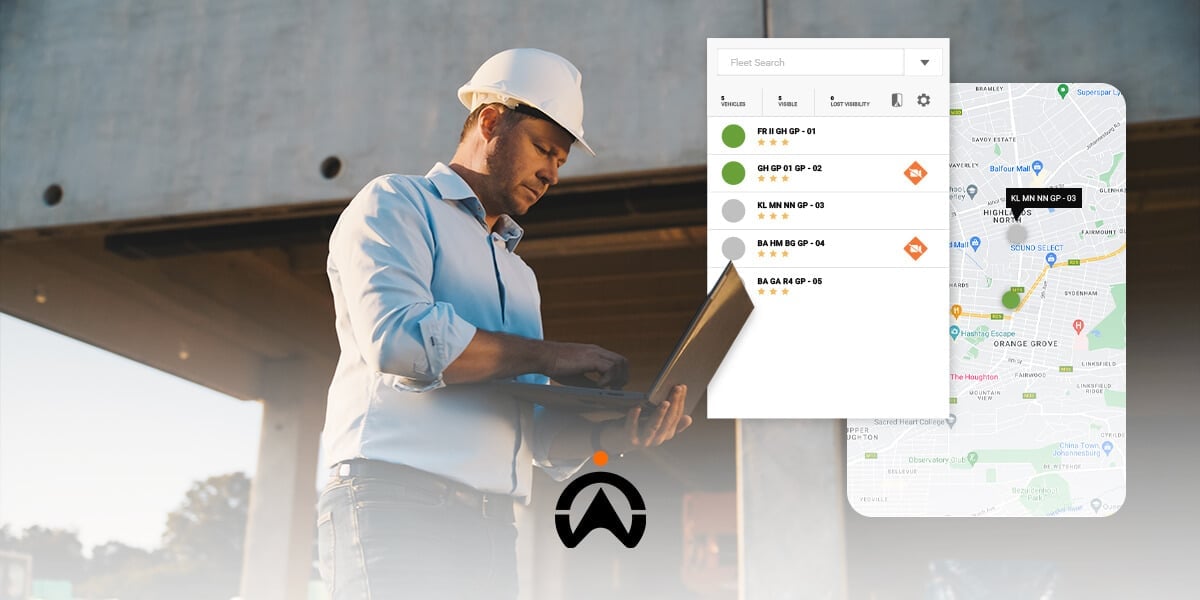
Fleet managers analyze digital maps, showing 8 ways fleet systems help make mobility more efficient.

Improve fleet mobility with Cartrack Indonesia's fleet management solutions

Cartrack Indonesia has a sophisticated fleet management system designed to improve fleet mobility through a variety of solutions, including:

  • Real-time GPS tracking: Know exactly where your fleet vehicles are at all times with Cartrack Indonesia's live GPS tracking. With immediate visibility into your fleet's location and movement, you can provide accurate delivery arrival time estimates to customers, resulting in increased customer satisfaction.
  • Route optimisation: Ensure drivers use the fastest and safest routes with Cartrack Indonesia's route optimisation. Available through the Delivery app, real-time delay alerts can help improve customer service and provide faster delivery turnaround times.
  • LiveVision AI Camera: Give drivers access to real-time warnings about driving hazards with Cartrack's LiveVision AI cameras. This cloud-connected video management software integrates AI analytics and in-cabin cameras to detect dangerous behaviours such as smoking, mobile phone use, high speeds, and yawning. When these behaviors are detected, an audible cabin alert activates, notifying the driver in real time, allowing them to correct the situation and prevent collisions.
  • Fuel monitoring: Make the most of every liter of fuel with Cartrack Indonesia's fuel monitoring system. Cartrack Indonesia's fuel cost monitoring software can review every fuel transaction and match receipts with advanced vehicle telemetry. This provides real-time visibility into fuel usage, and when integrated with fuel sensors installed in vehicle tanks, users can monitor fuel consumption in real-time. This makes it easier to identify fuel theft, reduce fuel waste, and improve fleet fuel efficiency.
  • Preventive maintenance: Ensure your fleet vehicles are operating at optimal levels with preventative vehicle maintenance from Cartrack Indonesia. Our AI-powered software and advanced analytics provide alerts on maintenance issues such as worn brake pads, low fluid levels, and service interval reminders. Using historical data and machine learning algorithms, our system can predict when batteries need to be replaced. This helps create effective maintenance plans, helping avoid costly vehicle component damage, road accidents, and breakdowns that can hinder productivity.
  • MiFleet: Know exactly how much it costs to run your fleet efficiently with MiFleet Cartrack software. MiFleet's cost management solution helps you track all your fleet costs, whether it's fuel, taxes, or vehicle permits. MiFleet's in-depth insights help you unlock the greatest fuel savings, ultimately reducing administrative time and overall costs.

Fleet success requires a variety of interventions and strategies, and without an effective fleet management system, it's impossible to achieve. If you need a solution, Cartrack Indonesia is the answer to achieving optimal fleet mobility.

Klik link berikut ini to find out more!
How to Become the Best Fleet Manager?

What is a fleet manager?

Every fleet has its own unique set of tasks and challenges, which is why fleet managers exist. A fleet manager is the individual responsible for managing a company's fleet and all its aspects. Their primary goal is to ensure the fleet remains safe, reliable, and efficient, and they accomplish this through a variety of responsibilities.

Also Read: What are the Benefits of Task Management Tools for Dispatch Controllers in a Company?

What are the responsibilities of a fleet manager?

A fleet manager is responsible for the overall management of a fleet. This may sound trivial, but when you dive deeper into the responsibilities, you'll discover a wide range of tasks:

  1. Vehicle Acquisition: Vehicle acquisition is a critical responsibility of a fleet manager. It involves the process of acquiring, managing, and maintaining a fleet of vehicles. This responsibility encompasses several stages, including vehicle selection, procurement, and oversight of vehicles essential to company operations. Fleet managers must create a clear and well-planned acquisition plan to ensure the fleet saves time, money, and potential frustration. This crucial process also involves considering factors such as financing options and the total cost of ownership. The benefits of fleet vehicle acquisition include:
    – Penghematan biaya
    – Keberlanjutan lingkungan
    – Peningkatan reputasi merek
    – Produktivitas yang ditingkatka
  2. Monitor fuel consumption and costs: Fuel is one of the most significant costs in fleet management, with most fleets spending approximately 24% of their budget on fuel. Fleet managers need to manage fuel effectively and identify effective ways to reduce fuel costs. They must constantly monitor fuel consumption and look for ways to reduce fuel costs. This means closely monitoring the fuel consumption of each of their vehicles. The benefits of monitoring fuel consumption and costs include:
    – Pengurangan konsumsi bahan bakar
    – Efisiensi armada yang ditingkatkan
    – Profitabilitas yang meningkat
  3. Managing fleet maintenance schedules: Managing a fleet maintenance schedule involves developing a maintenance plan that determines when each vehicle requires maintenance. This is based on several factors, including vehicle age, mileage, and usage patterns. This means fleet managers need to carefully and frequently evaluate fleet vehicles to determine their individual maintenance needs, identify the maintenance tasks required by each vehicle, and develop a maintenance schedule that clearly outlines when each of these maintenance activities should be performed. The benefits of managing a fleet maintenance schedule include: Longer fleet and vehicle lifespan.
    – Keselamatan kendaraan yang ditingkatkan
    – Pemeliharaan pengemudi yang ditingkatkan
    – Waktu henti minim
    – Biaya operasional yang berkurang
    – Produktivitas yang meningkat
  4. Tracking fleet: Tracking an entire fleet of vehicles is no easy task. Vehicle tracking, which is essential for fleet visibility, uses advanced technologies such as telematics and GPS to provide real-time monitoring and data collection on vehicle location and performance.

    The benefits of fleet tracking include:

    – Visibilitas armada yang penuh dan akurat
    – Perencanaan rute yang ditingkatkan
    – Penggunaan kendaraan yang ditingkatkan
    – Keselamatan pengemudi yang ditingkatkan
    – Efisiensi operasional yang ditingkatkan

  5. Comparing fleet performance: Fleet managers should regularly compare their fleet performance against industry benchmarks to help identify areas for improvement, from fuel efficiency, maintenance costs and safety records, to driver productivity and uptime.

    The benefits of comparing fleet performance include:
    – Mengidentifikasi area untuk perbaikan
    – Penetapan tujuan yang ditingkatkan
    – Pelacakan progres kemajuan
    – Tetap kompetitif

  6. Network with other fleet managers: Fleet managers must be able to share best practices, learn from others' experiences, and stay up-to-date on industry trends by networking with other fleet professionals. This can be done through industry associations, online forums, trade shows, and networking events.

    Benefits of networking with other fleet managers:
    – Belajar dari keberhasilan dan kegagalan orang lain
    – Tetap terkini tentang tren industri
    – Menemukan solusi baru untuk masalah yang ada
    – Membangun hubungan dengan mitra potensial

  7. Collaborate with industry experts: As a fleet manager, partnering with consultants and technology providers who can offer specialised expertise and support can be extremely helpful in implementing new technologies, increasing efficiency, reducing costs, and adding levels of safety.

    Benefits of partnering with industry experts:
    – Mendapatkan akses ke bentuk-bentuk khusus
    – Biaya armada yang lebih rendah
    – Efisiensi armada yang lebih baik

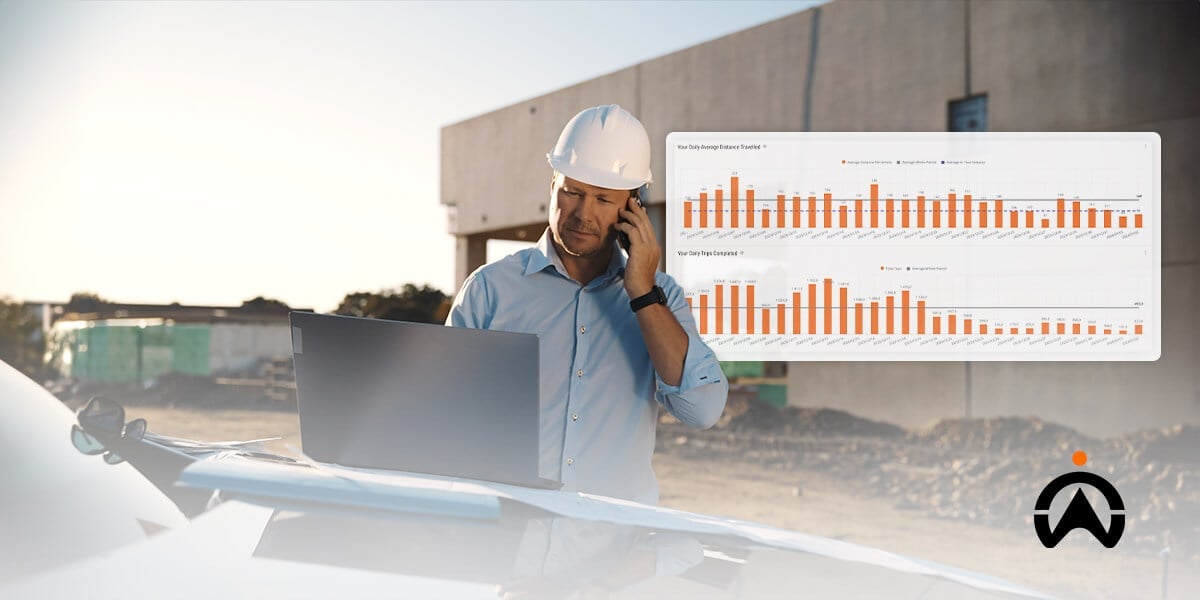
A fleet manager is monitoring the system using a laptop outdoors at sunset.

What makes a fleet manager so effective?

Now that we've covered the responsibilities, what really sets a fleet manager apart from the rest? The answer is their effectiveness, and this is achieved by doing the following:

  1.  They embrace technological advances: As a fleet manager, it's important to understand that the purpose of technological advancements is to simplify and optimise processes. Embracing technological advancements equates to increased fleet manager effectiveness. By leveraging advanced technologies such as telematics, GPS technology, and fleet management software, fleet managers can gain real-time insights into their fleet's performance, gain a competitive advantage, improve overall fleet performance, and drive business success.
  2. They focus on fleet safety: Prioritising the safety and well-being of drivers, passengers, and other road users can foster a culture of safety and responsibility within an organisation. This can be achieved by implementing a comprehensive fleet safety program, encompassing various elements, including vehicle maintenance, fleet monitoring systems, and driver training programs designed to improve driver safety and efficiency. When these measures are integrated with technology, fleet managers can gain data-driven insights, helping them integrate safety into every aspect of their fleet operations. By placing a strong emphasis on fleet safety, fleet managers can minimise accidents and protect drivers. According to the National Safety Council, trained drivers can reduce accidents by up to 50%.
  3. They simplify vehicle maintenance: Streamlining vehicle maintenance is a hallmark of effective fleet management, as it leads to improved operational efficiency, cost savings, and enhanced safety. This process encompasses several key aspects that help fleet managers ensure their fleets operate at peak performance. By leveraging technology solutions such as cloud-based fleet management software, fleet managers can simplify the entire vehicle maintenance process, making it more efficient. This, in turn, improves fleet fuel economy, reduces downtime, and extends vehicle lifespan. Consequently, fleet managers can focus on strategic planning and vehicle optimisation rather than constantly dealing with vehicle issues.
  4. They work to improve and simplify communication: Kita semua pernah mendengar bahwa “komunikasi adalah kunci”, dan pernyataan ini berlaku juga untuk industri armada. Komunikasi yang jelas tidak hanya memastikan bahwa anggota tim memahami peran, tanggung jawab, dan tujuan mereka, tetapi juga membantu dalam menangani masalah dengan cepat, baik itu jadwal pemeliharaan, atau mengirimkan kendaraan kedua untuk memastikan pengiriman tidak terlambat. Dengan menjaga jalur komunikasi terbuka dan nyaman, manajer armada dapat dengan cepat mengatasi tantangan, memberikan dukungan, dan mengumpulkan umpan balik berharga untuk membuat keputusan yang berdasarkan informasi dan mendorong perbaikan berkelanjutan. Tidak hanya itu, tetapi komunikasi yang efektif dalam sebuah armada memastikan bahwa armada dapat dengan mudah beradaptasi dengan teknologi baru. Hasil dari komunikasi yang efektif adalah operasi yang tersentralisasi, pengurangan biaya, dan keberlanjutan armada.
  5. They focus on data and insights: A focus on data and insights empowers fleet managers to make informed decisions about vehicle utilisation, maintenance, and optimisation, improve operational efficiency, and prioritize safety. By analysing data on a variety of fleet metrics, including fuel consumption, miles driven, and driver behaviour, fleet managers can quickly identify inefficiencies and implement strategies to improve overall fleet performance. Insights derived from this data enable proactive decision-making, such as implementing predictive maintenance strategies that can help reduce unplanned downtime and prevent costly breakdowns.

Also Read: Field Service Management: Definition, Functions, and Benefits

What are the benefits of investing in a fleet?

These responsibilities may sound like a lot for a fleet manager to handle, but if taken seriously, they can have a huge and direct impact on the fleet's success, here are some of the rewards to be had:

  1. Fleet cost reduction: Reduce fuel consumption and maintenance costs by investing in technology that optimises vehicle usage (such as telematics and route optimisation software) and reduces overall fleet costs. Training drivers in safe driving techniques can reduce the risk of car accidents. It can also eliminate fuel-wasting driving behaviours, reducing the amount of money fleets have to spend on fuel. Drivers trained in fuel-efficient driving techniques have been found to save up to 20% on their company's fuel costs.
  2. Increased productivity: Improve fleet productivity by investing in technology that helps reduce downtime, improve dispatching, optimise routes, and increase deliveries. This increased productivity leads to improved response times, better customer service, and increased profitability. Leveraging data from this technology allows for informed decision-making, positively impacting fleet productivity.
  3. Reducing employee turnover: Investing in a fleet through the implementation of fleet management solutions can significantly reduce driver stress levels and increase job satisfaction. When employees see that their managers are invested in their safety, productivity, and mental well-being, loyalty to the company is fostered, leading to driver retention.

Two fleet managers are analyzing metrics data on laptops to optimize performance.

Cartrack: The investment of choice for fleets

Cartrack offers a range of solutions designed to simplify fleet management. Let's explore the benefits of these solutions and how they can help us become better fleet managers:

  1. Cost Management System (MiFleet): Know exactly how much it costs to operate your fleet with MiFleet software from Cartrack. This vehicle cost management software helps fleet managers track all fleet-related expenses, including financial outlays, fuel costs, and taxes. This allows you to eliminate manual paperwork, detect cost leakages, and minimise human error.
  2. Fuel monitoring: Accurately track your fleet's fuel consumption with a fuel monitoring system from Cartrack Indonesia. Using fuel sensors installed in vehicle tanks, we can closely monitor vehicle fuel consumption. However, our fuel monitoring system goes beyond real-time visibility into fuel usage; it also reconciles fuel transactions, which is crucial in helping detect potential fuel theft.
  3. AI Camera Software: Keep an eye on driver behaviour with Cartrack Indonesia's AI Live Vision cameras. We provide cloud-connected video management software that provides real-time access to driver behaviour using in-cabin cameras and artificial intelligence analysis. This advanced technology can identify dangerous driving behaviours such as mobile phone use, yawning, excessive speeding, and smoking. When these behaviours are detected, an in-cabin audible alert immediately notifies the driver, allowing them to correct their behaviour in real time.
  4. GPS vehicle tracking: Know exactly where your entire fleet is at all times with Cartrack Indonesia's live GPS tracking. By providing real-time location updates, our solution gives you complete control over your fleet, allowing you to know exactly when, where, and how vehicles are being used. It also provides key performance metrics such as total downtime and distance traveled, providing complete insight into your fleet's journeys. This helps you improve fleet efficiency, promote driver safety, and optimise vehicle performance.
  5. Vehicle maintenance warning: Say goodbye to unplanned downtime and costly breakdowns with Cartrack Indonesia's vehicle maintenance alerts. Our maintenance alert software uses a combination of artificial intelligence and advanced analytics to detect potential vehicle maintenance issues before they become costly and dangerous. By analysing vehicle performance, our software can send alerts about maintenance-related issues, such as low water and oil levels, engine faults, and worn brakes. This helps avoid costly repairs later, keeps vehicles healthy longer, and saves you money.
  6. Delivery application: Improve the efficiency of your fleet's delivery tasks with Delivery Cartrack Indonesia. This feature-rich solution is designed to optimise and simplify delivery operations for both managers and drivers. The app provides access to a variety of fleet benefits, including delivery route optimisation, real-time views of all deliveries, and the elimination of excess administrative work. This results in faster task and delivery completion, increased productivity, and happier customers.

Above, we've explained how to become a successful fleet manager, along with the Cartrack software that can help you achieve that. Take advantage of Cartrack Indonesia's advanced fleet management system and become a top-tier fleet manager today! Click the link below to learn more!

How to Calculate Engine Hours and Why It's Important for Fleet Businesses

What are engine hours?

Engine hour mengacu pada seberapa lama mesin telah beroperasi selama umurnya atau selama operasi tertentu. Ini adalah metrik penting yang digunakan berbagai industri yang mengandalkan mesin dan peralatan berat. Metrik ini penting untuk membantu menentukan penggunaan kendaraan atau peralatan secara akurat.

How to calculate machine hours?

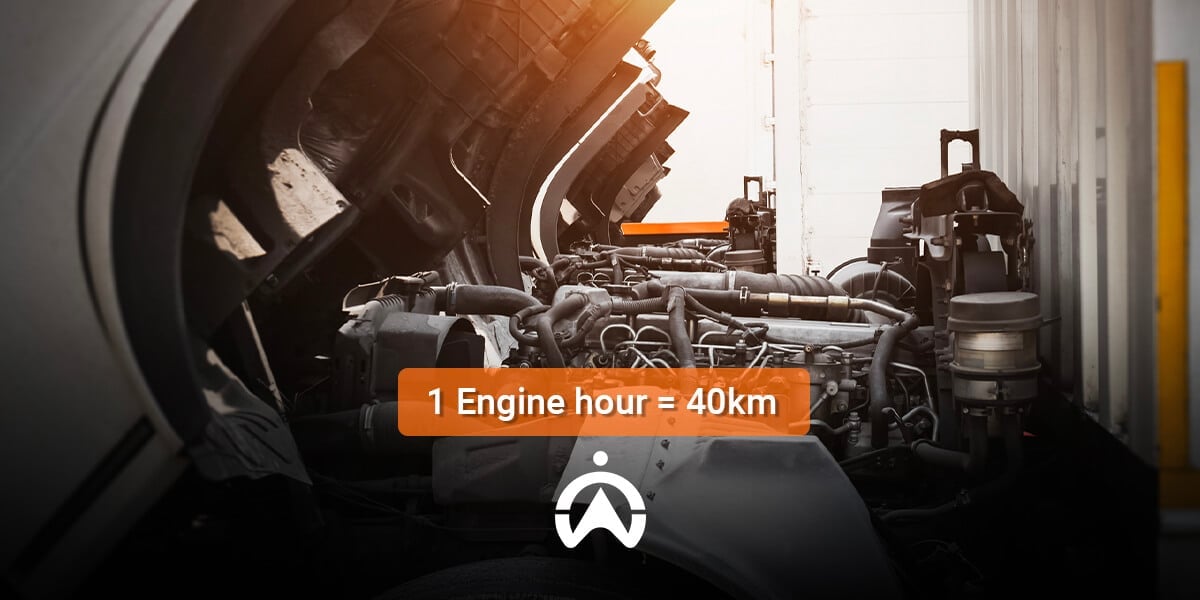
Engine hours are calculated based on the number of hours the engine has been running, regardless of whether the vehicle is moving or not. This usage time is typically measured using an engine hour meter. This meter is connected to the engine's ignition system and begins counting the hours as soon as the driver starts the engine.

However, it's important to note that when talking about engine hours, one hour isn't always equal to 60 minutes. An engine hour is determined by the number of revolutions of the engine's crankshaft, known as tach time. This means that depending on the engine's RPM (revolutions per minute), an engine hour can last longer or shorter than an hour on a real clock.

Let's see how total engine hours are calculated with an hour meter:

  1. Record the initial reading: Record the hour meter reading at the beginning of the vehicle's most recent operating period. For example, if the initial reading is 3,421 hours, this is the number used as the initial engine hours at the beginning of the monitoring period.
  2. Note the final reading: Record the hour meter reading at the end of the vehicle's operating period. For example, if the reading at the end of the trip is 3,524 hours, this is the number used as the number of engine hours at the end of the monitoring period.
  3. Calculate engine hours for the last trip: Gunakan data yang dicatat dari bacaan awal dan akhir untuk menghitung total jam mesin untuk perjalanan atau periode tertentu tersebut. Dengan contoh di atas, perhitungannya akan menjadi 3.524 jam – 3.421 jam = 103 jam untuk periode tersebut.

Also Read: 10 Hypermiling Techniques to Save on Fuel Consumption Costs

Are engine hours similar or related to idle hours?

Both engine hours and idle hours may seem a bit similar, and while both metrics are crucial for understanding vehicle usage, they have crucial differences.

Engine hours are used to indicate how long a vehicle's engine has been running, regardless of whether the vehicle itself is moving or not. This means that engine hours are a measure of the overall running time of the engine, while idle hours only account for the number of hours the vehicle's engine has been running while the vehicle itself is stationary.

It is important to note that depending on how the driver operates the vehicle, along with road conditions, the vehicle's idle hours will typically be higher than engine hours.

Delivery truck with a clock icon, illustrating how to calculate engine hours for more efficient fleet business management.

Why is measuring engine hours so important?

Monitoring engine hours isn't just another administrative task to add to the fleet management responsibilities. This measurement plays a crucial role in the following:

  • Maintenance planning: Vehicles with higher engine hours are more susceptible to unexpected failures due to decreased efficiency. This makes measuring engine hours crucial for vehicle maintenance planning, as it provides valuable insight into actual engine usage and condition. Unlike traditional time-based maintenance schedules, which may not account for varying levels of stress on the engine, tracking engine hours allows for a more accurate assessment of vehicle wear and tear. By measuring engine hours, we can be more proactive in planning vehicle maintenance, thereby extending the vehicle's lifespan.
  • Cost savings: Pemeliharaan kendaraan adalah pengeluaran armada yang besar, jadi ketika pemeliharaan kendaraan diprioritaskan, kerusakan mahal dihindari dan waktu henti yang tidak terencana dihilangkan. Ini berarti kendaraan armada dapat berfungsi pada tingkat optimal mereka untuk periode yang lebih lama, sehingga berujung pada penghematan biaya. Bersama dengan ini, memantau engine hour membantu dalam menilai pola konsumsi bahan bakar. Semakin sering mesin digunakan, semakin banyak bahan bakar yang dikonsumsi, yang mengakibatkan efisiensi bahan bakar lebih rendah. Bahan bakar adalah pengeluaran terbesar armada, yang menyumbang sekitar 60% dari total anggaran operasional armada, jadi kita harus cepat mengidentifikasi sumber pemborosan bahan bakar apa pun. Dengan membantu armada tidak menghabiskan terlalu banyak uang untuk bahan bakar, memantau engine hour memainkan peran utama dalam penghematan biaya, yang mengarah pada peningkatan efisiensi dan profitabilitas dalam operasi.
  • Optimising vehicle usage: Measuring engine hours provides accurate insight into how long a vehicle is being used. This helps determine which vehicles are being used more than others. Excessive fleet vehicle use can lead to accelerated wear and tear, reducing efficiency, safety, and reliability. This means we risk missing customer appointments, making late deliveries, and experiencing unplanned vehicle downtime. By tracking which vehicles are used most frequently, fleet managers can optimize vehicle deployment, ensuring that none of their vehicles are at risk of overuse.
  • Make informed fleet renewal decisions: Ketika kamu memantau bagaimana mesin digunakan, kamu tidak perlu lagi bingung kapan harus melakukan pembaharuan kendaraan. Pemantauan engine hour membantu kamu mengetahui kapan waktunya kendaraan perlu diperbaharui dibandingkan hanya menjalani pemeliharaan. Dengan mengetahui engine hour yang tepat dari sebuah kendaraan, manajer armada dapat memiliki pemahaman yang lebih baik tentang kondisi sebenarnya, membuat penemuan potensi masalah lebih mudah. Ini membantu kita membuat keputusan tentang penggantian kendaraan armada yang sudah tua berdasarkan data jadi lebih cepat, sehingga mengarah pada peningkatan keselamatan, keandalan, dan profitabilitas.
  • Provides accurate machine records: Engine logs are essential for measuring engine hours because they accurately reflect engine operating time. Inaccurate engine logs can lead to incorrect maintenance schedules, which can increase maintenance costs and reduce vehicle lifespan. For example, if a vehicle's engine hours are not accurately recorded, it may not undergo timely maintenance, resulting in increased wear and tear, as well as unexpected breakdowns. By maintaining accurate engine logs, fleet managers can provide accurate records of fleet vehicle usage, which is important for warranty claims and resale value.
  • Resale value: Melacak engine hour dapat membantu meningkatkan nilai jual kembali armada dengan mengindikasikan kondisi sebenarnya dari sebuah kendaraan dan kerusakan yang dialaminya. Dengan melacak engine hour, manajer armada dapat menyiapkan pemeliharaan pencegahan, mengoptimalkan pengiriman kendaraan, dan melacak waktu menganggur, yang semuanya berperan penting dalam mempertahankan kondisi kendaraan. Ini berarti ketika waktunya untuk menjual kendaraan armada, manajer armada tidak perlu menetapkan harga di bawah pasaran karena kendaraan tersebut masih beroperasi pada tingkat optimal.

Four different types of engine hour meters

There are several ways to calculate engine hours. Here are the four most commonly used engine hour meters:

  • GPS Management: GPS management can be used as an engine hour meter by integrating a GPS tracking system with a vehicle's engine to provide accurate engine hour information and location data. This integration gives fleet managers access to automatic tracking of operating hours and operating modes, thus providing accurate vehicle usage measurements.
  • Engine hour meter: The engine hour meter displays the amount of time the engine has been running and requires us to record it both before and at the end of the trip, as this data is important for calculating our final engine hour result.
  • Electronic logging devices: An electronic logging device, also known as an ELD, is used to record a driver's hours of service and duty status. It can also be used to record a vehicle's engine hours, along with its movement.
  • Odometer: As the least common method due to its inaccuracy, the odometer is used to measure the distance traveled by a vehicle, but only provides a rough estimate of engine usage to determine the equivalent distance traveled by the vehicle.

Read Also: How to Easily Calculate Fleet Fuel Consumption

What affects engine hours?

There are a number of factors that can affect a vehicle's engine hours, including:

  • Machine usage: The more frequently an engine is used, the more engine hours it accumulates. It's important to remember that both driving and idling time can generate RPM, which contributes to engine operating time. The higher the number of revolutions per minute and engine hours a vehicle has, the more wear it is likely to experience.
  • Cargo load: Berat kargo yang dibawa dapat mempengaruhi cara kerja mesin. Berat kargo di dalam sebuah kendaraan mempengaruhi seberapa keras sebuah mesin bekerja, seberapa cepat poros engkol berputar, dan seberapa cepat engine hour dapat terakumulasi. Beban yang lebih berat membutuhkan lebih banyak daya dari mesin, yang berkontribusi pada peningkatan engine hour. Selain itu, efisiensi bahan bakar juga dapat memengaruhi engine hour.
  • Maintenance: Regular maintenance and inspections are one of the best ways to keep your engine operating at its optimal level, maintaining consistent RPM and engine hours. Failing to have your vehicle serviced at the required times can result in increased wear and tear.
  • Machine age: Like anything else, engines wear out and become less efficient over time. As engines age, they need to work harder to perform the same tasks, leading to increased engine hours. These older engines are also more susceptible to breakdowns, leading to more frequent maintenance.
  • Environment: Extreme temperatures, dust, and other factors can affect how hard an engine works and how quickly engine hours accumulate. For example, an engine may accumulate more engine hours in extremely dusty areas because of the increased workload required to operate under those conditions.
  • Vehicle type: It's important to note that the type of vehicle used can significantly impact the lifespan of its engine. For example, heavy truck engines may not last as long as smaller cars due to the stress and workload they experience.

How long should an engine last?

The average lifespan of a vehicle engine has increased in recent years due to improved technology, better design, and improved maintenance practices. However, the following insights provide a general overview of vehicle engine longevity:

In the past, the average lifespan of a car engine was about eight years, or approximately 241,401 km. However, with improved maintenance standards, the average lifespan has increased to approximately 10 years, or 321,868 km. On average, a well-maintained gasoline truck engine can last about 10-15 years, and travel between 321,868.8 km and 482,803.2 km.

Things to consider about engine hours

When trying to calculate a vehicle's engine hours, it is important to consider the following two factors:

  • Mileage: Engine hours and mileage are interconnected, and each of these metrics provides valuable insights into vehicle wear, maintenance needs, and overall efficiency. Vehicle mileage refers to the distance traveled by a vehicle and is typically measured in kilometers. By providing insight into how a vehicle is used in terms of distance, mileage measurement is essential for assessing vehicle efficiency, which helps fleet managers prioritize maintenance and achieve cost savings.

  • Idle time: Memperhitungkan waktu menganggur Accounting for idle time when viewing engine hours is important for several reasons. First, idling consumes fuel without contributing to mileage, leading to increased fuel costs. Second, excessive idling can contribute to increased engine wear and maintenance costs. The engine accumulates hours and wear during idle time, which can lead to more frequent maintenance and repairs.

The solution to getting accurate engine hour records for our fleet is a fleet management system.

What is a fleet management system?

Fleet management is a general term for all the tasks that are crucial to the smooth operation of a fleet. These activities include maintaining vehicle maintenance, monitoring drivers and vehicles at all times, and tracking fleet costs. Sounds like a lot of administrative tasks, right? But that's where fleet management systems come in. They're designed to simplify all these processes, making fleet management as easy as typing on your laptop keyboard.

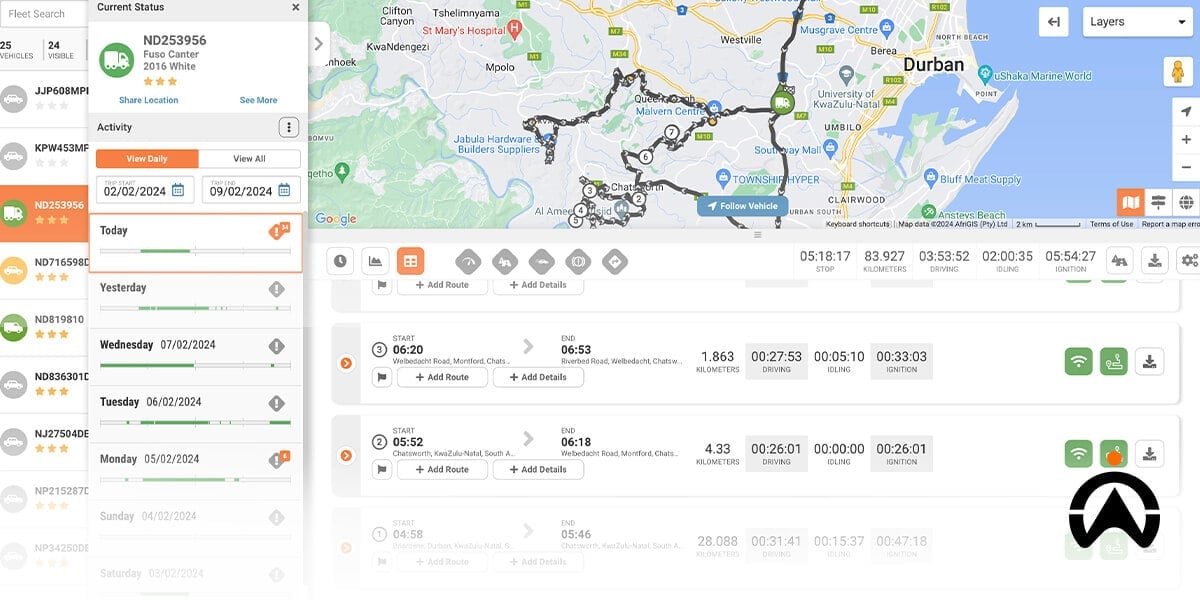
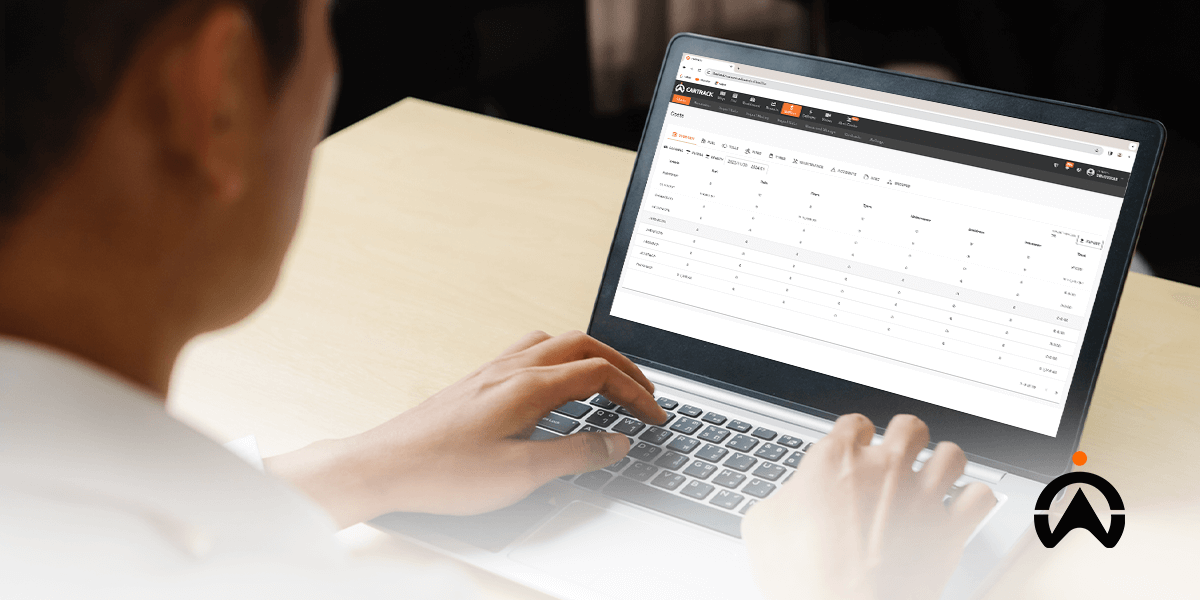
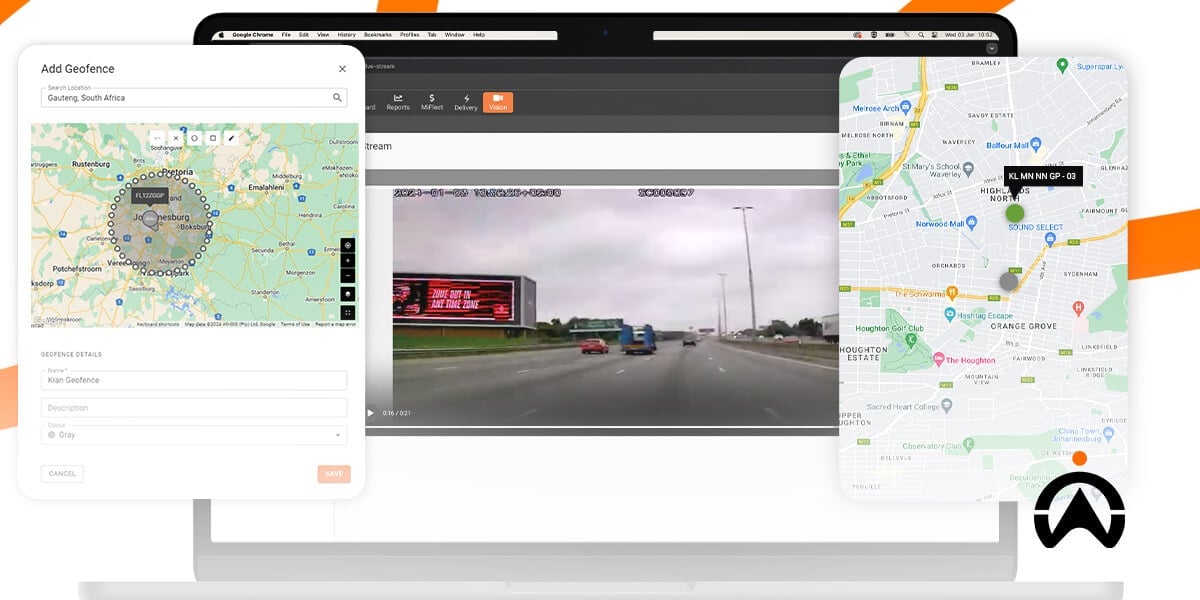
The fleet management dashboard displays engine hours, routes, and operating times to optimize fleet business.

Benefits of fleet management systems

Some of the benefits of a fleet management system include:

Extending vehicle health: Vehicle health is crucial to the success and longevity of your fleet, whether you have one or 100 vehicles. A fleet management system helps us monitor the health of all vehicles and helps us identify when they need maintenance before unexpected breakdowns occur.

Reduce operational costs: By providing real-time data and analysis, fleet management systems enable efficient cost analysis, and enable data-driven decision making.

Increased profitability: A fleet management system helps ensure that your fleet is running on well-maintained machinery. This directly impacts net profit.

Better service delivery: Fleet management systems ensure that the fleet delivers orders and services on time, providing a positive experience to customers which leaves a positive impact on the business.

Peningkatan keselamatan pengemudi: Sistem manajemen armada memungkinkan kita memantau perilaku pengemudi. Dengan memberi tahu setiap pengemudi yang berbahaya atau terganggu, kemungkinan terjadinya kecelakaan dapat dikurangi, dan perilaku pengemudi dapat ditingkatkan secara signifikan.

Fuel consumption monitoring: Fleet management systems allow us to closely monitor how much fuel is being used by vehicles, which helps spot potential fuel theft and fuel wastage in real-time.

Also Read: Fuel Management System to Maximize Mining Industry

Get accurate insights into your fleet's engine hours with solutions from Cartrack Indonesia.

Cartrack Indonesia is a leader in the fleet management industry, and its solutions are the key to unlocking full engine hour insights. Cartrack equips businesses with:

  • GPS vehicle tracking: Know exactly how your vehicles are being utilized with Cartrack Indonesia GPS tracking. Real-time GPS tracking can help monitor vehicle usage by providing minute-to-minute location updates. Our solution provides real-time visibility and total control over your fleet, allowing you to know exactly how long your vehicles are being used and how effectively they're being used. Cartrack GPS tracking also provides key performance metrics such as kilometers traveled and idle time. By knowing how much time your vehicles spend idling, you can accurately determine engine hours.
  • Preventive maintenance: Track vehicle engine hours with Cartrack Indonesia's preventative maintenance. Our platform automates vehicle maintenance schedules by utilizing vehicle usage hours, engine hours, and the last service date. Receive real-time alerts on all engine faults, helping predict when a vehicle needs service. This means we can track engine hours and use these accurate measurements to establish preventative maintenance schedules, helping extend the lifespan of your fleet and keep it running optimally.
  • Fuel monitoring: Monitor your vehicle's fuel consumption with Cartrack Indonesia's fuel monitoring software. Hard-working engines have been shown to use more fuel. A fuel monitoring system can help identify sudden spikes in fuel consumption. Hard-working engines can have several impacts on fuel efficiency, including increased fuel consumption, reduced mileage, and unnecessary fuel waste. Our system provides real-time fuel consumption data, allowing for close monitoring of fuel usage and identifying inefficiencies. Cartrack's fuel monitoring system also provides contextualized metrics on fuel consumption per kilometer traveled and per job completed, helping to correct any inefficiencies.
  • Driver ID tag: Ensure drivers operate safely using the Cartrack Indonesia driver score. Studies have shown that harsh driving behavior not only wastes fuel but also increases wear and tear on engine components. Some examples of driver behaviors that negatively impact engine performance include harsh acceleration and cornering, sudden braking, excessive speeding, and prolonged idling. These behaviors place premature loads on the engine, causing it to wear out more quickly than expected. With the Cartrack driver score, we can determine how safely a driver drives. This is done by monitoring high-risk behaviors such as excessive idling, high speeding, and harsh braking and acceleration.

Get full control over your fleet's engine hours, using Cartrack's fleet management system!

Find out more by clicking the following link!

Best Apps for Fleet Management in Field Service

What is involved in field service management?

Manajemen layanan lapangan (FSM) adalah pengelolaan lengkap sumber daya perusahaan untuk memastikan pemenuhan layanan pelanggan yang baik. Ini melibatkan koordinasi aktivitas kerja karyawan, serta peralatan perusahaan dan armada/kendaraan dan komunikasi yang tepat dengan pelanggan.

For example, a field service manager at an internet service provider might need to dispatch skilled technicians to install or repair fiber optic internet cables or other types of internet connections. They must also ensure that the right technicians are assigned to the task and that they are equipped with everything they need.

For businesses with a company fleet, field service managers must also ensure vehicles are available for high-speed work. Keep in mind that technicians must perform a variety of tasks, at different times, and in different locations. The FSM must coordinate every part of this process smoothly and efficiently.

Let's discuss more about field service management:

  • Penjadwalan layanan lapangan – yang merupakan pengaturan jadwal karyawan, mencocokkan janji layanan dengan teknisi yang tersedia, dan membuat jadwal penyelesaian pesanan kerja dengan realistis.
  • Manajemen penugasan layanan lapangan – ini menyangkut koordinasi dan pemantauan spesialis layanan lapangan ketika diberangkatkan dalam penugasan kerja.
  • Manajemen pesanan kerja – ini merujuk pada proses pelacakan pesanan kerja layanan dari pembuatan hingga penyelesaian dan penagihan pelanggan.
  • Manajemen inventaris dan peralatan – ini melibatkan pelacakan pasokan, suku cadang, produk, dll. untuk semua tugas layanan yang akan diselesaikan.

Let's discuss more about field service management

4 key challenges for field service management

Field service companies, such as plumbing installation companies, courier services, repair and maintenance services, telecommunications services, and electrical services, face unique challenges specific to their industries. To be successful, these businesses must address four key challenges:

  1. Poor customer service: Customer service is the lifeblood of any service business, so ensuring high levels of customer satisfaction is the best way for businesses to stay ahead of their industry competitors. Any mistakes in field service management can directly impact the customer experience.
  2. Tedious paper-based processes: Jika bisnis kalian belum beralih ke digital, maka bisnis tersebut beberapa langkah di belakang pesaing industri. Sudah waktunya untuk mendigitalisasi proses, tetapi banyak bisnis menganggap ini sebagai tantangan. Hal ini karena beberapa alat FSM tidak secara mulus terintegrasi dengan proses bisnis lainnya.Beralih ke digital dan mengurangi pekerjaan kertas, adalah salah satu cara paling cerdas bagi bisnis untuk menjaga agar pekerjaan tetap teratur dari pembuatan hingga penyelesaian dan tetap menginformasikan progres ke pelanggan setiap saat.
  3. Inefficient routing: Poor scheduling and routing can be devastating to an entire business, directly impacting sales, profitability, and customer retention. Most service businesses face challenges in employee, inventory, and fleet management because these are complex processes. When workers call in sick or need time off, the rescheduling process can be stressful. Similarly, issues with product unavailability or vehicles being serviced or repaired can be stressful. Each of these issues can be overwhelming for a manager trying to oversee all these elements.
  4. Poor driver and fleet management: Field service managers often struggle with the ongoing fleet analysis required to ensure order fulfillment. Utilising fleet management software allows FSMs to track relevant data about specific fleet vehicles, making it easier for those on the road and those in the office to maintain constant communication.

These challenges may seem daunting to any field service business or management team, but did you know that a fleet management solution can help businesses simplify these processes and easily overcome each challenge?

Fleet management solutions help businesses overcome field service management challenges.

Fleet management solutions can be easily integrated with FSM systems, for delivery services, asset management, and healthcare/medical and other service providers to ensure excellent customer service delivery.

For example, if a business requires a task to be completed at point A only, this can be effectively accomplished using a sophisticated fleet management software platform.

Here's how it works:

  • Job scheduling: The right integrated technology can help businesses schedule technicians, couriers, and other service providers for their daily work tasks. This can aid in effective task management, ensuring drivers complete work within their shift times and start and end their routes at designated locations. Regarding equipment, managers can dispatch
  • Live Tracking: Fleet management can be used to optimise routes and assignments, as managers can monitor planned routes with live tracking. Real-time visibility from Cartrack's services ensures timely task completion. Fleet managers have full visibility into drivers' locations and can assign tasks to them while on the road. Customers can also be informed about the progress of their deliveries.
  • Mobile Apps for Employees: Dengan aplikasi seluler untuk karyawan, bisnis dapat memastikan mereka memiliki komunikasi yang berkelanjutan dengan karyawan mereka di jalan, sehingga dapat dengan mudah menugaskan pekerjaan saat mereka sedang dalam perjalanan, dan memastikan tidak ada kesalahpahaman. Karyawan juga merasa lebih berdaya dengan aplikasi karena mereka dapat dengan mudah menyelesaikan tugas dengan lebih sedikit frustrasi ketika ada perubahan pada rute mereka atau pembatalan.
  • Notification to Customers: Customers can receive information about the expected delivery date of their product or service. They can also receive notifications about when the service provider or delivery person is on their way and when the item has been successfully delivered. This is a major benefit for businesses because it can maintain customer satisfaction and maintain strong customer relationships, thus contributing to overall business growth and sustainability.
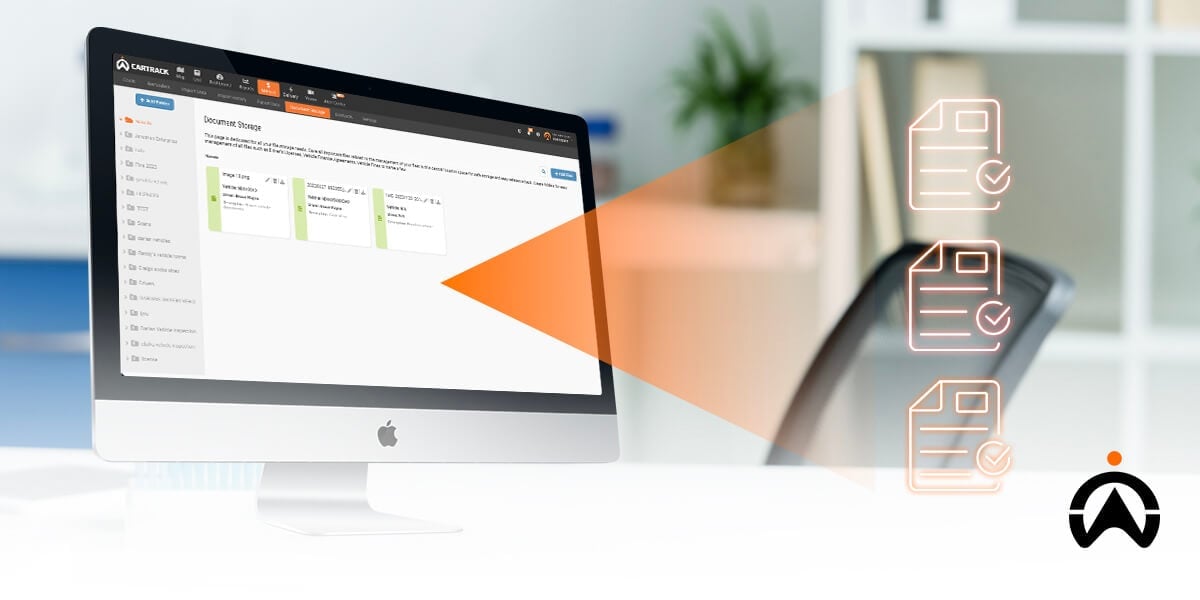
  • Data and Software Management: There are several types of field service management software on the market, but the best fleet management solutions can be tailored to meet the needs of a business's service delivery needs. The best fleet management software can do all of the above, and manage and store advanced data for managers to generate reports on successful and unsuccessful deliveries, employee hours, and other challenges encountered while completing deliveries or services.

Fleet management solutions help businesses overcome field service management challenges

Benefits of Using Fleet Management Solutions for Field Service Businesses

Solusi manajemen armada adalah salah satu cara paling cerdas dan efektif bagi bisnis untuk membuat karyawan mereka lebih bahagia, memastikan pelanggan puas dan bisnis berkembang.

  • Peningkatan produktivitas dan output tim mobile – Mobile teams can get more work done each day, and experience less frustration due to scheduling issues, etc. This ultimately results in more productivity and output.
  • Lebih banyak tugas diselesaikan dengan mudah – Managers can easily eliminate assignment errors, and ensure the right technician arrives on time, every time for every task.
  • Komunikasi yang lebih baik di antara tim – Eliminating communication issues between in-office and mobile teams. This has been one of the biggest challenges for fleet and field service managers, this kind of integration significantly improves communication between each team.
  • Mengurangi biaya bisnis – Managers can track inventory and fleet, and effectively reduce business costs such as fuel, hardware, & resources through efficient resource management.
  • Pengalaman pelanggan yang lebih baik – Increased customer satisfaction often leads to more referrals and repeat business. With fleet management solutions, field service businesses can deliver on their promises to their customers, ensuring they retain more customers.

Cartrack Delivery – salah satu solusi manajemen armada layanan lapangan terbaik

Cartrack Delivery adalah solusi untuk bisnis layanan lapangan. Perangkat lunak pintar ini tidak bergantung pada perangkat pelacakan untuk fungsinya. Ini adalah berita bagus bagi bisnis karena berarti kita tidak perlu khawatir tentang instalasi perangkat pelacakan atau integrasi unit dengan kendaraan. Ini berarti tidak ada waktu henti, hanya plug and play – semuanya berjalan dengan lancar.

Here's how it works:

‍Cartrack Delivery web feature for easier and faster task management

Accessed through a web-based platform. This tool helps us manage tasks, jobs, deliveries, and drivers, ensuring that everything we need is in one place.

Pengguna Cartrack Delivery Service dapat dengan mudah menyiapkan pengemudi baru menggunakan “Pengaturan pengemudi lanjutan” pada aplikasi. Inilah tempat semua informasi relevan tentang pengemudi/pekerja mobile diunggah dan dikelola untuk memastikan bahwa pekerja mobile dilengkapi dan tersedia untuk penugasan.

Here are some of the Cartrack features that field service managers enjoy:

  1. The Right Person for the Job
    The Job List allows users to select the type of task a driver/mobile worker needs to complete. At the same time, the job selection/validation option ensures that users select the specific equipment or vehicle required for the job. The system automatically notifies users if the selected driver is not licensed for the specific job.
  2. Faster Job Completion

    Users can set priorities for each job and define time windows within which workers can complete services based on their priorities and time windows. Customisable options allow users to change the priority order of jobs and communicate this directly to drivers. Additionally, users can schedule new jobs and schedule them for drivers, or choose automatic schedules for recurring deliveries, pickups, or routine services using the auto-plan job option.

    Dengan Optimasi Rute – sistem dapat merancang rencana rute terbaik untuk pengemudi sehingga setiap kali manajer menugaskan tugas kepada mereka, mereka mendapatkan opsi rute yang paling efisien dari segi waktu dan biaya.

How Cartrack's all-in-one Delivery app empowers workers and customers

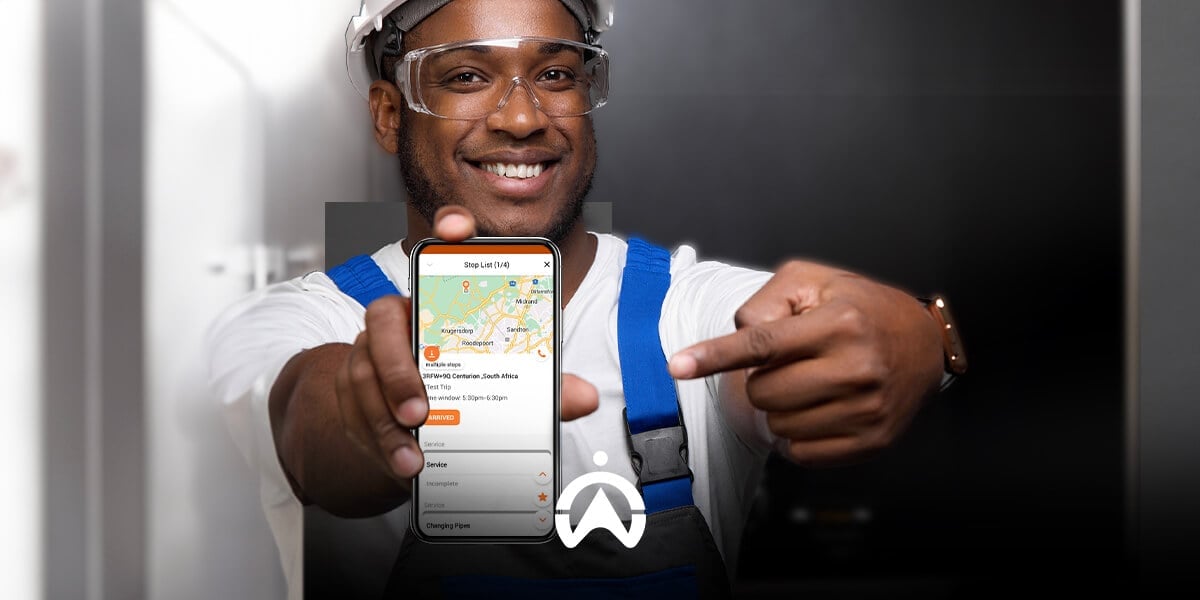
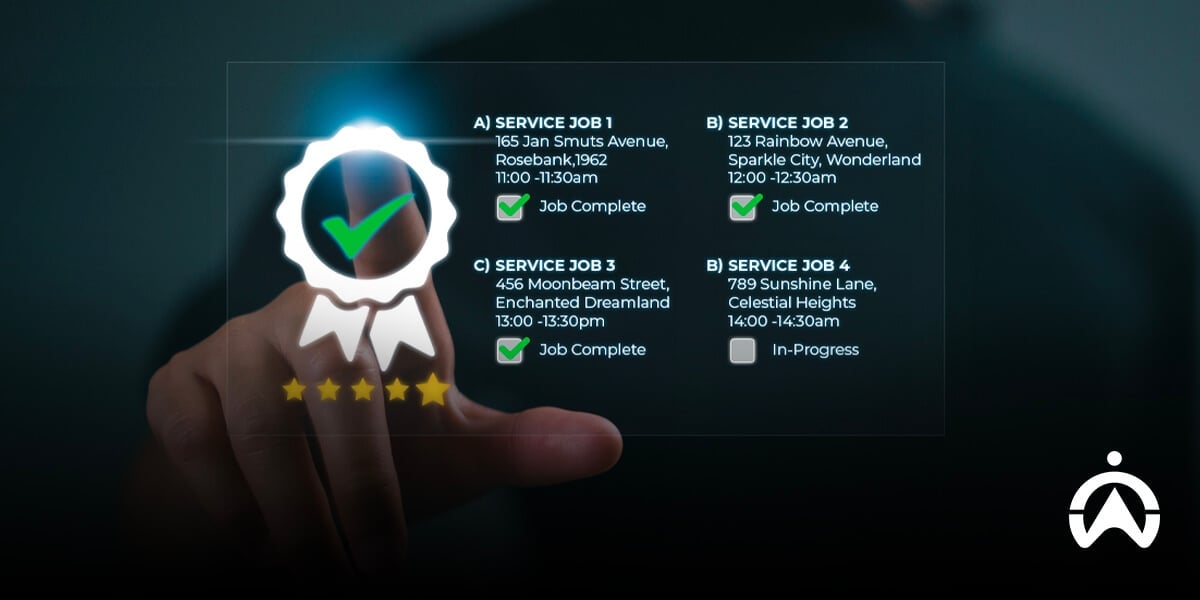
Drivers, service providers, and technicians are all empowered thanks to Cartrack's all-in-one Delivery app. They can view the jobs assigned to them and tick items off their to-do lists. This automates the entire process and provides full visibility into all task progress, allowing for faster completion.

  1. Empowered field workers

    Mobile drivers/workers can log in using their username, mobile number, or email address and a unique password. The app is data-efficient, as drivers can switch to low-data mode whenever needed. Furthermore, in areas where they may not have network access, they can switch to offline mode. Whenever they take a break, they can switch their mobile driver to rest mode.

    Dengan mendapatkan pembaruan instan pada penjadwalan pekerjaan dan informasi pengemudi, manajer dapat melihat semua pekerjaan yang ditugaskan kepada mereka. Pengemudi akan mendapatkan pesan instan tentang detail pekerjaan segera setelah manajer tugas membuat pembaruan, seperti pembatalan, atau perubahan prioritas. Dengan fitur daftar tugas di aplikasi, pengemudi dapat menandai tugas yang selesai, memindai formulir, dan menambahkan lampiran atau mengonfirmasi bukti penyelesaian dengan tanda tangan digital pelanggan melalui aplikasi. Ini mendigitalisasi seluruh proses manual pengemudi agar lebih efisien dan menghindari kehilangan dokumen.

    Pengemudi juga dapat melakukan pemeriksaan pra-pengecekan kendaraan/pengemudi sebelum memulai pekerjaan untuk mengonfirmasi peralatan apa yang diperlukan. Ini membantu untuk memastikan keselamatan mereka dan memastikan bahwa mereka tidak membuang waktu dengan muncul di lokasi dengan peralatan yang salah.

  2. Enhanced Communication with Customers

    Customers can receive automatic email/SMS notifications about scheduled service appointments. They can also confirm service completion with a digital signature through the app and complete a feedback form to help improve customer service.

    Because drivers can also communicate directly with customers, they can confirm service times, locations, and availability. They can notify customers if there are any delays due to traffic or other reasons.

    Communication with customers or clients is key. So, keeping them informed about delays, changes, and more is one way to win their trust.

There you have it—a fast and seamless integration into service management via web and mobile apps for field service workers. This simple yet powerful technology is perfect for increasing business productivity and helping businesses achieve customer service excellence.

‍Perform any field service task quickly with Cartrack. Cartrack's Delivery App is proven to help businesses reduce fuel costs and other stressors associated with managing a field service team.

Let's plan a strategy together with Cartrack to empower our teams and ensure our customer loyalty!

Contact us for a demonstration today, click the following link!

5 Reasons Your Vehicle Needs This Vehicle Management System Now!

“Seberapa efektif pengemudi armada?”

A simple question, but one that many businesses can't answer. Understanding driver efficiency is crucial, as it can hinder a fleet from optimal performance and maximise profits. This is why every fleet needs an efficient vehicle management solution.

What Is Fleet Management?

Simply put, fleet management refers to all the activities essential to running a fleet efficiently, while maintaining low costs and high profitability. Fleet management involves overseeing everything related to the fleet, including managing vehicles, drivers, fuel consumption, vehicle tracking, and diagnostics.

Whatever the type of vehicle, be it a car, truck, or bus, one or a thousand, if it is used for business operations, fleet management is a solution that helps organise and optimise its course and the tasks to be performed.

What is a vehicle fleet management system?

A fleet management system is a collection of processes and tools used by fleet managers to monitor and optimise the performance of their vehicle fleet. A fleet management system is a sophisticated software platform designed to simplify and improve the comprehensive management of a vehicle fleet.

This system encompasses a variety of functions designed to simplify and optimise vehicle fleet management. Fleet management software operates through a multifaceted system that utilizes various technologies to manage and optimise vehicle fleet performance.

A fleet's success depends heavily on how effectively its operations are managed, particularly given the impact those operations have on driver efficiency.

Let's take a look at what driver efficiency is, and the role of fleet management systems in it.

A person is managing contracts through a vehicle management system on a laptop screen for fleet data efficiency.

What is driver efficiency?

Driver efficiency in a fleet refers to the ability of drivers to operate vehicles in a manner that maximises fuel efficiency, reduces maintenance costs, improves safety, enhances driver performance, and improves customer service.

In short, driver efficiency is about how well fleet drivers can complete assigned tasks quickly and effectively, while still adhering to safety regulations and company policies.

Driver efficiency is a critical component of fleet management, playing a significant role in fleet productivity, reducing fleet costs, and increasing customer satisfaction. When drivers operate efficiently, they can complete jobs on time, which saves the company money, makes service more reliable, and improves customer satisfaction.

The key to an effective fleet management system

Fleet management systems are quite complex and meet a variety of fleet needs in one simple solution. However, there are several key requirements for a successful system.   to be effective for fleet operations, including:

  • Vehicle maintenance: Vehicle maintenance is a crucial aspect of fleet management, encompassing various elements to ensure operational efficiency, safety, and fleet longevity. Vehicle maintenance involves keeping vehicles in good working condition to ensure they remain safe and roadworthy. By implementing regular maintenance and inspection routines, fleets can prevent breakdowns, minimise downtime, and reduce overall fleet operating costs.
  • Vehicle tracking: Vehicle tracking is key to an effective fleet management system, as it provides fleet managers with real-time visibility into the location and activity of their fleet vehicles. Real-time visibility allows fleet managers to optimise routes and reduce travel time and unnecessary trips, which inevitably leads to cost savings. Real-time vehicle tracking is supported by GPS tracking, which plays a crucial role in preventing vehicle theft and enabling rapid recovery when a vehicle is stolen.
  • Driver management: Driver management plays a crucial role in an effective fleet management system by focusing on driver performance. Driver management helps ensure compliance, safety, and productivity by monitoring driver behaviour. A good driver management system provides access to real-time driver alerts and notifications to help quickly identify areas for improvement and reward drivers for their performance. This is crucial for maintaining a safe, compliant, and fuel-efficient fleet.
  • Fuel monitoring: Fuel monitoring is a crucial part of an effective fleet management system. This technology helps fleet managers optimise their fleet's fuel usage, reduce fuel costs, and quickly detect fuel theft. This information can then be used not only to reduce fuel waste but also to prevent fuel theft.
  • Fleet cost monitoring: Fleet cost monitoring is a key element of an effective fleet management system, as it allows fleet managers to track all fleet costs in real time. Fleet cost monitoring allows fleet managers to keep organised records of their expenses, helping them make informed decisions that can impact every aspect of their fleet management.

5 reasons why vehicles need a fleet management system

Let's learn 5 reasons why vehicles need an efficient fleet management system:

  1. Contribute to fleet cost reduction: By identifying areas of inefficiency and implementing cost-saving measures, fleet management systems provide real-time data on expenses, fuel usage, and other key metrics, enabling fleet managers to make decisions that optimise fleet operations and lead to significant cost savings. By cutting maintenance costs, reducing fuel consumption, and simplifying administrative processes, vehicle management systems contribute significantly to lowering fleet costs.
  2. Helping to increase fleet productivity: By providing real-time data on vehicle location, fuel usage, and driver behaviour, vehicle management systems can help fleet managers make decisions to optimize their fleet operations, directly improving fleet efficiency and productivity. Managers can quickly identify areas of inefficiency and implement measures that improve their fleet's productivity.
  3. Improving fleet safety: Vehicle management systems are equipped with features that monitor and analyse driver behaviour, such as harsh braking and aggressive driving. This information enables fleet managers to address unsafe driving habits through training and coaching, thereby reducing accidents. By leveraging real-time data on vehicle location and the vehicle management system, managers have greater visibility into their vehicles. This helps protect them from vehicle theft and facilitates rapid recovery if a vehicle is stolen.
  4. Simplifying fleet maintenance: Fleet management systems are equipped with features that simplify vehicle maintenance by electronically monitoring fleet maintenance. This is essential for automating maintenance schedules, tracking vehicle health in real time, and providing alerts when maintenance is required. Fleet management systems eliminate the worry of vehicle maintenance and help ensure unplanned downtime is reduced.
  5. Improve fuel efficiency: Fuel costs can account for nearly half of a fleet's total operating budget. Vehicle management systems play a crucial role in improving the fuel efficiency of each fleet vehicle, helping managers reduce the total cost of fuel. By providing real-time fuel consumption data, fleet managers can monitor fuel consumption in real-time, which can help them identify and eliminate fuel-wasting behavior.

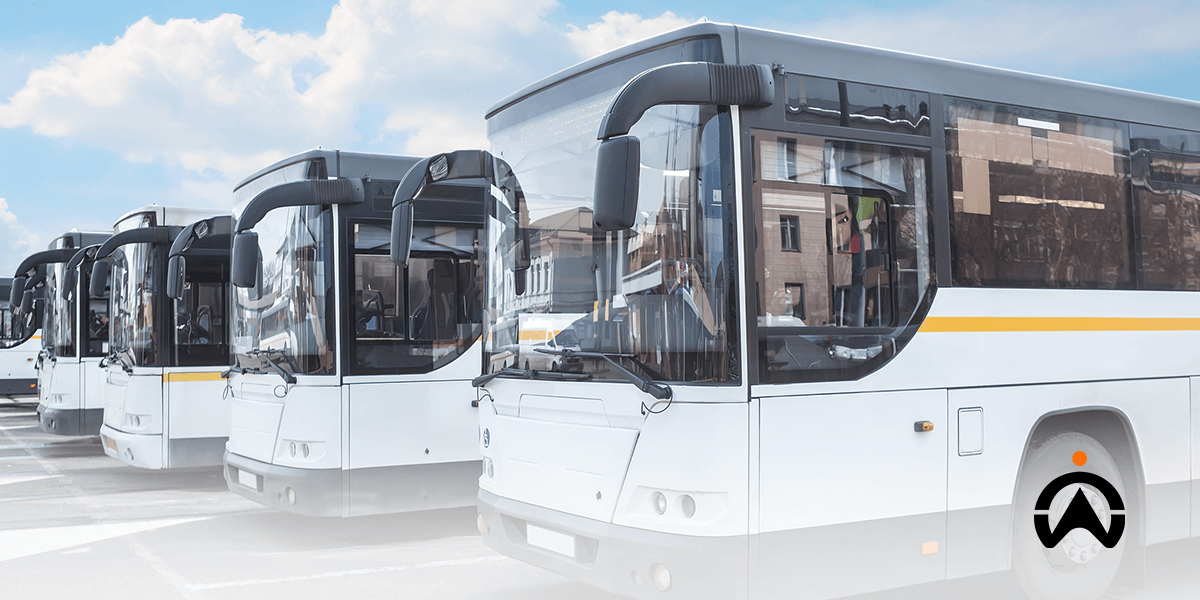
A row of white city buses in a parking area using a vehicle management system for fleet efficiency.

Improve fleet safety, cost savings and productivity with Cartrack solutions.

Are you ready to improve fleet efficiency, reduce fuel consumption, gain unparalleled insight into driver behaviour, and lower fuel costs? Cartrack is designed to help improve driver efficiency through a robust vehicle monitoring system.

Cartrack's fleet management system solutions include:

  • MiFleet: Take control of vehicle maintenance, scheduling, and issues with MiFleet. This web-based software application combines fleet management data on operational costs (including fuel, maintenance, and tolls) into a single, user-friendly database, providing users with insights into fleet operating costs and cost-saving measures. MiFleet provides a dashboard for management to effectively communicate with drivers, access data analytics, and send updates on the go.
  • Delivery Cartrack: Simplify your business's delivery process with the Delivery Cartrack app, designed to empower fleet managers and drivers. This tool provides an intuitive and easy-to-use platform for managing deliveries, from scheduling to tracking and payment. Delivery Cartrack provides access to route optimisation, a feature that helps avoid delays and saves fuel, reducing fuel costs and increasing efficiency. This feature helps optimise driver routes by analysing factors such as real-time traffic and road conditions, as well as route history.
  • AI camera for driver monitoring: Get 24/7, on-demand visual access to your fleet vehicles with Cartrack's AI Vision cameras. This AI-powered live streaming technology helps monitor driver behaviour in real-time, providing access to real-time audio alerts when various forms of distracted or dangerous driving are detected (such as high speed, smoking, fatigue, and mobile phone use). Pair this cloud-connected video management solution with Cartrack's Advanced Driver Assistance Systems (ADAS), technology designed to improve fleet safety by alerting drivers to potential road hazards and detecting and responding to obstacles.
  • Fuel management: Optimise your fleet's fuel consumption with Cartrack's fuel monitoring system. This software gives fleet managers access to real-time data on fuel consumption per kilometer and per job across daily, weekly, and monthly timeframes. Utilising advanced sensors installed inside fuel tanks, it allows for direct monitoring of diesel consumption, allowing you to quickly spot sudden spikes in fuel consumption and determine the cause, whether it's theft or driver wasting fuel. Fuel monitoring provides detailed fuel metrics on fuel consumption per kilometer traveled and per job completed for each driver and vehicle, providing an accurate picture of how much diesel your fleet is consuming.
  • Preventive maintenance: Ensure vehicles are performing at optimal levels with Cartrack preventative maintenance. Avoid unplanned downtime and reduce maintenance costs. The system sends real-time diagnostic alerts for mechanical faults, including engine failures and worn brake pads, helping you instantly identify vehicles that need servicing, preventing costly repairs or collisions. The fleet management system tracks each vehicle's hours of use and its last service date to automatically schedule maintenance, helping streamline the maintenance process and prevent unplanned vehicle downtime, while also helping to increase fleet longevity.

If you're tired of having an inefficient fleet with high fuel consumption, costly unplanned breakdowns, and distracted drivers, then Cartrack is the answer! Cartrack can help improve driver efficiency and ensure your fleet remains operating at optimal levels.

Contact us today, and take your fleet to the next level.

How PTO (Power Take-Off) Works and Its Benefits for Fleets

Power Take-Off (PTO) Basics

Pengambilan daya atau PTO (Power Take-Off) adalah bagian mendasar dari operasi banyak kendaraan armada, terutama yang memiliki fungsi tambahan seperti mengangkat bak truk, derek, atau fungsi lain yang tanpa langsung menggunakan energi dari mesin kendaraan.

What is the principle of power take-off (PTO)?

Think of a PTO as a portable power generator that transfers energy from the vehicle's engine to auxiliary components like winches or hydraulic pumps. Essentially, a PTO helps transfer energy to other parts of the vehicle without using the main power source. A PTO has many benefits, including ensuring even and consistent power distribution that meets the vehicle's specific requirements.

What vehicles and equipment have a power take-off (PTO)?

With the potential to power a wide range of equipment, Power Take-Off is commonly used in fleet, construction, and other industrial vehicles with the following equipment types:

  1. Additional Equipment: These devices use engine power to perform specific functions such as pulling heavy loads or operating hydraulic systems on commercial trucks or other industrial vehicles.
  2. Commercial Vehicle Attachments: Accessories such as towing arms and compressors use a PTO powered by the vehicle's engine to function optimally.
  3. Construction Equipment: Lampiran tambahan seperti mixer semen, derek, atau pompa beton bekerja secara efisien menggunakan daya mesin kendaraan berkat pengambilan daya.

Types of power consumption and how to use them

When looking at the different types of equipment that can be supported by Power Take-Off, it is also important to establish whether there is more than one type of power take and identify their advantages and disadvantages.

When considering how a PTO is operated, there may be slight differences in its application. For example, a mechanical type known as a live-power take-off is connected to the engine by a belt or shaft. While its constant power supply makes it a powerful tool, a live PTO can be expensive to repair due to its susceptibility to wear and tear over time.

Another type of mechanical power pickup is called an auxiliary or independent PTO. Here, the PTO speed is completely independent of the vehicle's ground speed and can be engaged or disengaged while the vehicle is moving.

A hydraulic PTO is the third type. This PTO uses hydraulic fluid to transmit power from the engine to external components that require power. A hydraulic PTO is a good choice due to its higher efficiency, but it is also more expensive than direct power and independent PTOs.

Overall, hydraulic PTOs are more widely used due to their higher efficiency.

How does PTO monitoring work?

Not only is a power grabber a valuable tool that provides additional power for a variety of fleet, construction, and agricultural vehicles, but monitoring a fleet's PTO also has several other benefits in its performance.

PTO is monitored using a special sensor. By monitoring PTO activity, you can track fleet vehicle productivity. Let's take a closer look at how this sensor works and how it measures Power Take-Off activity.

How the power draw sensor works

Sensor PTO adalah perangkat kecil yang dirancang untuk mengambil dan memantau aktivitas tambahan atau pendukung yang didukung oleh mesin kendaraan, membuat sensor ini berubah menjadi penentu keberhasilan untuk memeriksa penggunaan kendaraan untuk jam kerja dan produktivitas.

The primary mechanism within the PTO sensor detects when the vehicle's on/off indicator is activated, which then creates an event that can be recorded on the connected telematics system. The PTO sensor can detect a wide range of support activities, making it highly versatile in fleet environments across a variety of work settings.

A PTO draws power from the vehicle's engine and must be activated before it can begin transferring power. Because there is more than one type of PTO, there is more than one method of engagement; for example, it can be via air pressure or hydraulic pressure. Once the PTO is activated, its output shaft transfers power to an auxiliary element, thereby activating the vehicle's connected functions or components.

The excavator is digging the ground using a PTO system to move the heavy equipment arm efficiently.

Common types of PTO monitoring data

PTO sensors detect specific activity depending on the vehicle type and its function. For example, a crane PTO sensor will detect the movement of the crane arm, while a dump truck PTO sensor will detect the lifting of the truck bed.

Let's take a look at some of the most common types of data captured by PTO sensors.

  1. Fuel used on the trip
  2. Oil temperature
  3. PTO is engaged, which means the vehicle is functioning as it should.
  4. PTO idle (idle produktif vs. idle tidak produktif)

These are all examples of important information that fleet managers need to determine their fleet's productivity levels and whether they are performing better or not.

The relationship between power draw monitoring and effective fleet management

Power harvesting enables ordinary vehicles to perform extraordinary feats across a wide range of industries, simplifying construction, agriculture, waste disposal, and more. PTO monitoring also offers significant benefits for fleet managers and can transform a fleet's daily performance by supporting increased productivity during designated work hours. Here are some key reasons why you should consider PTO sensors for your fleet.

Why do you need a PTO sensor for your business?

Ada berbagai cara untuk melacak aktivitas armada dengan telematika, tetapi pemantauan PTO eksternal menambahkan informasi relevan dengan potensi nilai yang besar untuk manajemen armada. Pertimbangkan alasan berikut tentang bagaimana memiliki sensor PTO di semua kendaraan armada dapat membangun kinerja keseluruhan armada.

  1. Improved fuel cost and usage management: An active PTO means the vehicle is busy performing additional tasks, resulting in increased fuel consumption. Tracking PTO engagement patterns can help develop important fuel and cost-saving strategies.
  2. Enhanced safety and compliance: Some industries require reporting or tracking to ensure regulatory compliance, and PTO monitoring can add value here by providing valuable data. From unauthorised use to misuse of fleet vehicles and equipment, PTO sensors help promote workplace safety and compliance.
  3. Accurate diagnostics and troubleshooting: Identify the source of the problem with data, such as a discrepancy. Knowing about discrepancies helps you track and address the underlying cause or problem, not just the symptoms.
  4. Optimised maintenance planning: Kendaraan armada memiliki jam aktif yang panjang, sehingga menyebabkan kendaraan aus dan robek yang tidak dapat dihindari dan meningkatkan kebutuhan untuk layanan dan pemeliharaan. Data PTO dapat membantu memberikan konteks pada waktu operasi dan frekuensi keterlibatan, membantu memperkirakan waktu layanan preventif yang cerdas.
  5. Operational proficiency: Pemantauan PTO dapat memberikan wawasan penting tidak hanya kapan tetapi juga bagaimana PTO kendaraan armada digunakan. Manajer armada dapat menggunakan informasi ini untuk meningkatkan efisiensi operasional keseluruhan dan mencegah penggunaan tidak sah kendaraan perusahaan, yang dapat memiliki efek positif pada anggaran dan ROI tahunan perusahaan.

Cartrack Indonesia's advanced sensors can help optimise your fleet's productivity.

Besides being a critical component in the operation of many construction, agricultural, and other commercial vehicles, PTO monitoring has the potential to revolutionise fleet management. Understanding the power of Power Take-Off monitoring is key to maintaining full control and maintaining fleet performance.

Contact Cartrack Indonesia today and find out how we can help improve workplace productivity and advance your fleet operations! Klik link berikut ini!

What's the Best Fleet Management System for Small and Medium Businesses?

Are you a small business owner looking for the best way to manage your fleet? You may feel that everything is already under control and that there is no need to look for solutions to current fleet management challenges. However, one thing small business owners should always remember is—to always think big.

What is a small business?

A small business is typically a privately held corporation, partnership, or sole proprietorship with a small number of employees and lower revenues than a regular-sized business. Small businesses can come in many forms and operate in a variety of industries, including restaurants, bakeries, plumbing services, construction, online retail, or boutiques.

What Is Fleet Management?

Fleet management is a general term for all the activities and processes that are essential to running a fleet efficiently.

A fleet can consist of buses, trucks, or other commercial vehicles used for business purposes. The primary goal of fleet management is not only to simplify the driver's work but also to simplify the responsibilities of a fleet manager.

What are the responsibilities of a fleet manager in a small business?

Fleet managers have several fleet responsibilities on their shoulders, including:

  • Driver management: Fleet managers are responsible for supervising drivers' behaviour and operations, as well as providing them with necessary training.
  • Documentation and record keeping: The fleet manager is responsible for maintaining accurate fleet records and documentation, including maintenance and inspection documents.
  • Fuel management: Fleet managers are responsible for ensuring their fleet remains fuel efficient by monitoring fuel consumption and identifying fuel waste.
  • Maintenance and repair: Fleet managers are responsible for keeping vehicles in good condition by scheduling regular vehicle inspections and maintenance.
  • Cost management: Fleet managers are responsible for monitoring and optimising all fleet-related costs, from fuel consumption to vehicle usage, to increase their return on investment.

As a fleet manager, this can be a lot of work, especially when dealing with the fleet challenges faced by small businesses. Let's take a look at these challenges.

What are some of the fleet challenges that small businesses typically face?

Because of their size, small businesses face a unique set of challenges that can significantly impact their growth and success. The most common include:

  1. Limited resources: Because small businesses don't have large fleets of vehicles, completing all their tasks effectively, especially when demand is high, can be quite challenging. This increases the likelihood of equipment wear and tear due to overuse, leading to increased maintenance costs.
  2. Unexpected repair and maintenance costs: Due to limited financial resources, small businesses cannot afford unexpected repair and maintenance costs, which strain their financial resources. These unforeseen, unbudgeted costs can also cause vehicles to stop operating.
  3. Unplanned vehicle downtime: Unplanned vehicle downtime is a problem for any business, but it's especially detrimental for small businesses. Small businesses typically don't have large fleets of vehicles, so unplanned vehicle downtime can significantly impact their productivity, revenue, and customer reputation.
  4. Track and manage vehicles and drivers effectively: Small businesses may not have the same time, expertise, and resources as larger businesses, making it difficult for fleet managers to stay on top of where their drivers and vehicles are and how they are being operated.
  5. Driver safety concerns: Ensuring drivers operate safely is a primary concern for all businesses, but because smaller businesses typically lack the resources to invest in robust driver monitoring systems, this can pose a greater challenge to the overall safety of their fleets and drivers. It also increases risks and impacts their fleet's fuel efficiency.
  6. Fuel costs: Fuel costs can be a significant expense for small businesses, especially when not carefully monitored. Consistently high fuel consumption can negatively impact a small business's bottom line and profitability.
  7. High driver turnover rate: Because small businesses don't have large budgets, they may struggle to compete with the competitive packages offered by larger businesses. This means managers need to find ways to keep drivers happy and loyal, which can be quite a challenge.

These challenges may seem daunting, but there may be a simple, accessible, and affordable solution that can help address them all: a fleet management system.

What are the benefits of using fleet management software?

Essentially, fleet management plays a crucial role in running a fleet successfully and efficiently. Fleet management software simplifies all tasks involved in fleet management, providing the following benefits:

  1. Improve route planning: Route planning is crucial for successful fleet operations because it has a significant impact on operational efficiency, cost savings, and customer satisfaction. Fleet management software can help fleet managers create efficient and economical routes by taking into account factors such as the shortest possible route, traffic conditions, and vehicle capabilities. Efficient route planning reduces fuel consumption and vehicle wear and tear, leading to lower operating costs. Poorly defined routes mean unnecessary miles traveled for even the simplest tasks, which increases fuel consumption and vehicle wear and tear. By optimising routes, reducing mileage, and cutting costs, businesses can save time and money.
  2. Helps reduce fleet costs: One of the key benefits of fleet management software is the unparalleled fleet visibility it helps unlock. With greater visibility into drivers, vehicle conditions, fuel consumption, and cargo safety, fleet managers can gain better control over their fleet costs. By providing features like fuel monitoring, route optimisation, and preventative maintenance, fleet management software is crucial in helping fleets reduce their operating costs.
  3. Improve customer satisfaction: Customer satisfaction is crucial to success, especially for small businesses. By providing real-time tracking and visibility into their fleet, fleet managers can inform their customers about the progress of their deliveries with accurate estimated times of arrival (ETAs). Drivers are a crucial aspect of a fleet, so by improving safety and compliance through driver behaviour monitoring, managers can not only ensure their drivers are not engaging in activities that could jeopardise the fleet's success but also ensure that goods are delivered without damage. With maintenance schedules, they can ensure that their goods or services are delivered with minimal or no delays.
  4. Improve and extend vehicle health: Vehicle health and longevity are critical to success, especially for small businesses with limited vehicles and the ability to replace them frequently. Fleet management software provides access to preventative maintenance, which helps detect vehicle failures quickly before they worsen and impact fleet efficiency and driver safety. This helps fleets prevent unplanned vehicle downtime, which can cause costly delays and lower customer satisfaction. Asset utilisation helps fleet managers identify which vehicles or equipment are overutilised, helping them distribute the workload equitably and avoid placing unnecessary stress on certain vehicles/equipment.
  5. Driving data-driven decision making: Managers need to ensure that all fleet decisions are driven by data. Fleet management software provides access to insights for action through data analysis and analytics, helping to make more informed decisions for the fleet.
  6. Simplifying remote management: Small businesses need to make the most of their limited resources. By gaining efficient visibility into vehicles and drivers from anywhere and at any time, remote management helps fleet managers stay connected with their drivers and provides support through 24/7 driver and job analytics, which can improve operational efficiency and overall safety.

Delivery driver standing in front of truck with tracking icon, showing best fleet management system for small to medium businesses.

How can fleet management software help address the challenges faced by small businesses?

The goal of fleet management software is to simplify the various tasks essential for effective fleet management. Here are four ways this software can make this possible:

  1. GPS vehicle tracking: Real-time vehicle tracking in fleet management involves the use of GPS and telematics technology to monitor vehicle location, movement, and behaviour in real time. GPS trackers enable fleet managers to improve operational efficiency, ensure driver safety, optimise vehicle performance, and reduce operating costs. By implementing real-time fleet tracking, fleet managers can make data-driven decisions. This technology offers the following benefits:
    – Real-time vehicle visibility: By providing continuous live updates, GPS tracking makes it easy for fleet managers to know exactly where each vehicle in their fleet is at any given time.
    – Prevent unauthorised use of vehicles: By providing insight into how vehicles are operated, fleet managers can quickly see whether their drivers are using fleet vehicles for personal use rather than assigned tasks.
  2. Maintenance scheduling and notification: Fleet maintenance scheduling and notifications involve using technology to track and manage all maintenance-related activities for vehicles and equipment. By utilising real-time notifications and reminders, fleet managers adopt a proactive approach to maintenance scheduling, allowing fleet vehicle maintenance to remain under control. The benefits include:
    – Lower repair costs: By sending notifications immediately when a problem is detected, maintenance notification technology helps prevent maintenance issues before they become more severe and expensive to fix.
    – Extending the life of fleet vehicles: By automating the scheduling of routine vehicle inspections and servicing, this technology helps extend the life of a fleet by keeping vehicles operating at their best and preventing costly repairs and replacements.
    – Maintaining fleet compliance: By tracking maintenance records and ensuring all issues are addressed promptly, maintenance scheduling technology helps ensure that fleet vehicles consistently meet legal and regulatory standards while in operation.
  3. Fuel management: Fuel management in the context of fleets refers to the process of monitoring and controlling a fleet's fuel consumption. A fuel management system uses telematics to measure fleet vehicle usage, and by offering automated software for monitoring, controlling, and optimising fuel usage, it automates previously time-consuming fuel tracking. A fuel management system is important because it helps fleets:
    – Prevent fuel theft: By providing fleet managers with real-time fuel capacity monitoring, fuel management systems help managers quickly spot potential fuel theft, from fuel card siphoning and fraud to fuel card cloning.
    – Reducing human error: By automating fuel monitoring, errors caused by human input are eliminated, ensuring accurate vehicle and driver data. As a fleet manager, you can now say goodbye to manual data entry, which often leads to inaccuracies that harm overall fleet efficiency.
    – Improving driver behaviour: By identifying and eliminating fuel-wasting driver behaviours, fleet managers can ensure their fleets remain fuel-efficient.
  4. Driver Monitoring: Driver behaviour monitoring works to continuously assess and analyse driver behaviour and actions while they're behind the wheel. This is accomplished by utilising a combination of cameras, sensors, and GPS vehicle tracking. The system uses a baseline of normal driver behaviour and can provide real-time alerts when deviations from this behaviour are detected. Whether it's drowsiness, signs of fatigue, or distracted driving, this technology helps drivers correct these behaviours in real time, resulting in the following benefits:

    – Reducing distracted driving: By detecting signs of distracted driving, such as frequently looking away from the road, the software alerts drivers to focus, ultimately reducing the chances of accidents caused by distracted driving.

    – Reduce fatigue: By detecting signs of driver fatigue, such as frequent yawning, the software alerts drivers that it may be time for them to take a break, ultimately reducing the chances of road accidents caused by tired drivers.

Fleet management system dashboards on laptops help small to medium businesses monitor vehicles and trips live.

Improve efficiency in your business, whether small or large, with advanced fleet management software from Cartrack.

Cartrack's fleet management system provides access to a variety of software tools to meet every fleet need and help overcome potential challenges. Here are nine ways Cartrack helps small businesses improve:

  1. AI Live Vision Camera: Unlock real-time alerts about dangerous or distracted driving behavior with Cartrack's AI Live Vision camera. Our software uses an in-cabin camera and artificial intelligence analysis to provide real-time driver behaviour alerts. When dangerous driving behaviours like excessive speeding, yawning, mobile phone use, and smoking are detected, an in-cabin voice alert immediately alerts the driver so they can correct their behaviour in real time. You can also receive real-time alerts and access recordings via a livestream feed.
  2. GPS vehicle tracking: Accurately track the location of your fleet vehicles in real-time with live GPS tracking from Cartrack. As a small business, you can use the data collected from GPS tracking to monitor and improve overall fleet performance. Real-time GPS tracking also provides access to enhanced security and safety.
  3. Geofencing: Monitor where your vehicles or equipment are operating with Cartrack's geofencing feature. This software allows us to set up virtual boundaries around specific areas to monitor the movement of drivers, vehicles, and equipment. Once a geofence is set up, we can receive alerts immediately when a vehicle enters or exits a specified area, providing real-time visibility into fleet activity.
  4. Cargo Monitoring: Keep your fleet's cargo safe with Cartrack's cargo monitoring solution. Working as part of our AI-powered SmartCabin system, our cargo cameras provide unparalleled visibility into the cargo being transported. The software allows for easy cargo monitoring from four cameras live streaming, and the footage can also be downloaded instantly. Cartrack's cargo door sensors also provide real-time alerts as soon as the cargo door is opened.
  5. Vehicle Maintenance: Keep your fleet vehicles running optimally with preventative vehicle maintenance from Cartrack. Powered by artificial intelligence and advanced analytics, our preventative maintenance software analyses vehicle performance and detects potential maintenance issues before they become dangerous and costly. Receive alerts about issues like faulty brakes, low water and oil levels, service interval reminders, and more to anticipate and avoid costly breakdowns, road accidents, and further damage to your vehicles, and create effective maintenance plans.
  6. Fuel Monitoring: Keep track of every litre of fuel with Cartrack's fuel monitoring system. Our fuel cost monitoring software reviews fuel transactions, matches fuel receipts with advanced vehicle telemetry, and provides real-time visibility into fuel usage. Using fuel sensors installed in vehicle tanks, you can closely monitor how much fuel your vehicle is consuming. This system is essential for reducing fuel waste, identifying fuel theft, and improving fleet fuel efficiency.
  7. Route Optimisation: Determine the fastest and safest routes for fleet drivers with Cartrack's route optimisation feature. Accessible through our Deliveries app, this feature provides real-time alerts on route deviations and delays, helping ensure fast delivery turnaround times and improving customer service. You can also easily view driver status, allowing you to quickly assign tasks to the nearest available driver.
  8. MiFleet: Know your fleet's exact operating costs with Cartrack's MiFleet software. Whether you have one vehicle or hundreds of vehicles, you need to effectively manage your fleet's finances. MiFleet is a vehicle cost management software that helps fleet managers track their fleet expenses, from taxes and vehicle permits to finance and fuel costs. By providing in-depth insights into your fleet's expenses, you can unlock potential savings on fuel and larger costs, such as administrative costs.

Interested in using a fleet management system for your business? Contact Cartrack by clicking the link below!

Fleet Management Best Practices: Unlock The Roadmap To Revenue

What Is Fleet Management?

Fleet management is the supervision of operations involving various types of vehicles such as buses, cars, trucks, and other assets used for business purposes. It is not only about managing fuel and maintenance, but also about building a system that ensures efficiency, safety, and cost-effectiveness.

What are fleet management priorities?

Fleet management priorities can vary depending on the specific industry, company size, and fleet objectives. However, some key priorities generally apply, such as the following:

  • Security and compliance
  • Efficiency and cost management
  • Driver management and engagement
  • Sustainability and environmental awareness
  • Technology integration

The above are common issues that fleet managers deal with on a daily basis. By developing a comprehensive and effective fleet management strategy, fleet managers can improve the safety of vehicles and drivers, maximise efficiency, and increase cost savings.

Also Read: How Does Data-Driven Decision Making Work in Fleet Management?

General fleet management practices

  • Vehicle procurement: Vehicle procurement is a critical process in adding new vehicles to a fleet. Vehicle procurement is more than just purchasing a car; it's about strategically selecting the right vehicles, at the right time, and in a cost-effective manner, to deliver the best results for the business.
  • Vehicle tracking: Vehicle tracking is the backbone of modern fleet management, providing real-time information on the location, movement, and performance of company vehicles. Vehicle tracking works by constantly monitoring your entire fleet, providing data-driven insights.
  • Route management and dispatch: Fleet managers are responsible for fleet planning and coordination which involves assigning tasks, and planning the best routes for drivers based on real-time data, customer needs, and driver availability.
  • Fuel management: Fuel management in fleet management is about optimising fuel consumption and saving costs. It's more than just about filling the tank; it's a strategic approach to monitoring, analysing, and controlling fuel usage across a fleet.
  • Monitoring driver behaviour and safety: Maintaining driver safety and responsible behaviour is crucial in fleet management. Maintaining driver safety involves monitoring and improving their actions on the road. Fleet managers prioritise driver safety to reduce accident rates and lower maintenance costs.
  • Fleet maintenance scheduling: Keeping a fleet in top condition is crucial for reliable operations, driver safety, and cost control. Fleet managers work to schedule maintenance accurately and efficiently to ensure vehicles are serviced at the right time, preventing breakdowns and maximising their service life.
  • Vehicle rotation: Vehicle rotation involves swapping or reassigning vehicles within a fleet to optimise their use and lifespan. Vehicle rotation isn't just about swapping keys; it's about maximising efficiency, minimising wear and tear, and ensuring the right vehicles are in the right hands.
  • Fleet economy: Fleet economics explores the financial aspects of managing a fleet of vehicles. Fleet economics understands the costs involved, optimises resource allocation, and makes informed decisions to maximise profitability and minimise costs.
  • Safety and compliance management: Safety and compliance are the cornerstones of successful fleet management. Safety management isn't just about avoiding accidents and fines; it's about creating a safety culture and ensuring every element of the operation complies with regulations.

Fleet management solutions with AI, fuel monitoring, and vehicle tracking to maximize business revenue.

Fleet management objectives

Fleet management is the smartest way for businesses with mobile assets to improve operations, from productivity and security to compliance and safety to lower costs. Fleet management offers numerous benefits that ensure smooth fleet operations.

Following are the main benefits of fleet management:

  • Improving driver and road safety
  • Optimising fleet operations (on-time delivery, optimal routes, fast delivery, etc.)
  • Helps reduce fleet costs while increasing profits
  • Increase visibility of overall fleet activities
  • Generating critical compliance data
  • Increase vehicle service life
  • Improve fleet security by reducing theft, fraud and vandalism.
  • Helps reduce fleet emissions and fuel consumption
  • Improving work experience for fleet crews
  • Improve customer satisfaction

How to increase revenue with 5 best fleet management practices

Fleet management isn't just about acquiring more vehicles or drivers. Every link in the chain should generate higher revenue for the company. This can only be achieved by implementing best practices for fleet management.

Here are some best fleet management practices that can help increase revenue:

  1. Use fleet data management software: Fleet data management refers to the process of using the power of GPS, artificial intelligence, and other technologies to collect, organize, consolidate, analyze, and report on fleet operations within a business. It is a strategic way to create a fleet diagnostic system that helps businesses identify areas for improvement, optimize performance, and prevent problems. There are several strategies that businesses can use to ensure they are on the right track:- Using data on vehicles to make better decisions
    – Memanfaatkan log pengemudi
    – Memperbaharui sistem pengiriman
    – Memberikan prioritas pada pemeliharaan
  2. Use fuel management solutions: Introducing a fuel monitoring strategy and fuel cost management solution is one of the smartest decisions a fleet manager can make. Businesses face the challenge of rising fuel costs, as well as other pain points like fuel theft and fuel waste caused by poor route planning. Here are the best fuel management practices that can help businesses increase their revenue:
    – Memantau tren bahan bakar armada
    – Meningkatkan perilaku pengemudi
    – Menghentikan penipuan kartu bahan bakar dan pencurian bahan bakar menggunakan sistem otomatis
    – Mendeteksi dampak peningkatan bahan bakar pada manajemen bahan bakar armada
  3. Improve driver administration: Driver administration in fleet management involves managing the workforce that drives your fleet. Driver administration ensures drivers are qualified, understand safe driving practices, are productive, and ultimately drive the fleet successfully. Here are the best ways to recruit and manage drivers to help businesses increase their revenue:
    – Pilih pengemudi yang berkualifikasi dan berlisensi
    – Kenalkan pelatihan tentang keselamatan dan praktik berkendara yang baik
    – Menerapkan manajemen kinerja
    – Melatih pengemudi tentang praktik berkendara hemat bahan bakar
  4. Develop a fleet maintenance strategy: The best way to maintain fleet performance is to establish a fleet maintenance strategy. Fleet managers can ensure vehicles stay on the road longer and reduce maintenance costs by implementing a fleet maintenance strategy. Here are the best fleet maintenance strategies for businesses:
    – Hindari pemeliharaan armada yang reaktif.
    – Pilih strategi pemeliharaan preventif atau rencana pemeliharaan prediktif
    – Gunakan sistem digital untuk menyederhanakan proses dan menyimpan catatan yang akurat tentang kesehatan kendaraan
  5. Be customer oriented: Customer satisfaction is a top priority for businesses to ensure and increase revenue. Focusing on customers leads to increased sales and higher customer loyalty, which in turn helps acquire new customers. By running efficient operations, fleet managers and business owners maximise their potential. Here are some ways to improve customer satisfaction:
    – Perencanaan rute pengiriman guna memastikan bahwa barang, peralatan, dan layanan disampaikan tepat waktu kepada pelanggan.
    – Meningkatkan komunikasi dengan pelanggan, jika ada keterlambatan atau perubahan dalam tanggal pengiriman, lebih baik untuk mengkomunikasikan ini dengan pelanggan.
    – Mengurangi frekuensi kerusakan, melalui rencana perawatan dan manajemen bahan bakar yang tepat.

The logistics growth chart shows how best fleet management helps maximize business revenue.

Guide: How to build a fleet management plan to address business challenges

A fleet management plan is invaluable to companies across a wide range of industries, including construction, oil and gas, cold chain, engineering, logistics, and even financial services or security.

Here is a quick guide on how to build a fleet management plan across 3 types of industries to address various business challenges.

Construction

Construction companies face unique challenges in managing their fleets. Beyond the usual concerns about cost, efficiency, and safety, specific factors in the construction environment add an additional layer of complexity. Here are some of the key challenges that a fleet management plan for construction businesses can address.

Common Fleet Challenges

  • Heavy use of specialised equipment
  • Project-based operations
  • The invention of construction equipment
  • Driver management and safety

Retail

From trucking companies to ride-sharing platforms, all transportation businesses face a unique set of challenges in managing their fleets. Here are some of the more common challenges in the industry that can be addressed with a fleet management plan.

Common Fleet Challenges

  • Increased fuel and maintenance costs
  • Minimise vehicle downtime
  • Adapting to new legislation
  • Vehicle utilisation

Food industry

Transporting temperature- or time-sensitive goods is a challenging task for fleet management, but in the food industry, it's a no-brainer. The biggest challenge for these businesses is that they are highly customer/partner-oriented, and they share similar concerns.

Common Fleet Challenges

  • Poor customer service
  • Driver shortage
  • Delay/failure of delivery
  • Reduce product theft or damage

With each of these challenges affecting different industries, introducing a general fleet management plan won't automatically improve all business operations. Fleet management plans must be strategic and incorporate best practices for efficiency and ensuring revenue.

Also Read: What is Fleet Management in Logistics?

4 ways Cartrack maximizes revenue with the best fleet management system

When you're ready to transform your fleet management practices, from average to best, then Cartrack Indonesia's advanced software is the solution!

Here are four ways Cartrack Indonesia Fleet Management Software can help businesses increase revenue.

  1. Data accuracy and reliability

    As a fleet manager, you may often face challenges in maintaining accurate and up-to-date information about the location of fleet vehicles, assets, or cargo.

    By installing Cartrack Indonesia telematics in fleet vehicles, trailers, and assets, fleet managers can ensure data reliability and monitor vehicle and equipment activity. Fleet managers gain a comprehensive view of their fleet's performance and operations by accessing the Cartrack Indonesia Fleet Page. Fleet managers can optimise their fleet routes, monitor vehicle usage, and access vehicle and driver reports. With the addition of sensors, fleet managers can also ensure the safe transportation of their cargo.

    Our advanced Internet of Things (IoT) technology goes beyond vehicle tracking and provides accurate fleet data that can be used to improve the efficiency and overall performance of business operations.

  2. Fuel monitoring and management

    Fuel is one of the biggest expenses in a fleet business, and with fuel costs so volatile, managers need to conserve and monitor every drop of fuel in their fleet.

    With Cartrack Indonesia's fuel sensors, you can accurately measure the amount of fuel in your vehicle's tank. These sensors are installed in vehicles such as trucks, buses, or private cars, as well as boats and other equipment like generators. With these sensors, fleet managers can detect increases or decreases in fuel levels and accurately monitor refills, fuel wastage, and fuel losses. By integrating additional software like MiFleet, fleet managers can also create automated systems that review all fuel transactions, match fuel receipts with vehicle telemetry data, and receive alerts about any abnormal fuel costs. This helps them detect fuel theft or fraud. Our fuel monitoring and management software is one of the most advanced ways to monitor a fleet's overall fuel consumption and generate reports on fuel expenses, levies, and taxes.

  3. Fleet maintenance solutions

    Vehicle and equipment breakdowns often impact business revenue. If a fleet is down or equipment is malfunctioning, businesses lose money due to downtime.

    One of the most effective ways to avoid vehicle downtime is through fleet maintenance. Businesses can avoid reactive maintenance on their fleets by implementing proactive or preventive fleet maintenance solutions. This helps businesses stay ahead of any vehicle breakdowns.

    The Cartrack fleet management system is a quick and easy way to schedule maintenance for your fleet. This all-in-one platform allows fleet managers to receive notifications about their vehicles' condition. For example, they can receive information about engine failures and receive various reminders about when to change oil or tires based on vehicle mileage. This makes it easy for fleet managers to schedule vehicle maintenance and set other reminders/notifications for vehicle service and repairs.

  4. Driver performance monitoring

    Whether it's negligence, carelessness, or apathy, driver behaviour on the road can cost businesses more than they imagine.

    Cartrack's safety camera and SmartCabin technology helps managers monitor driver performance using a variety of built-in software. SmartCabin utilises live streaming and AI cameras to provide real-time alerts to record and prevent dangerous activity while drivers are on the road. These cameras can detect events such as distracted driving/fatigue and phone use while driving. It also provides forward collision warnings to help drivers immediately change their actions and prevent accidents.

By monitoring driver performance behind the wheel, fleet managers can eliminate inefficient practices that are detrimental to business revenue. With Cartrack Indonesia's IoT solutions, managers can also access driver reports to prevent bad driving habits. Installing AI-based telematics and smart camera solutions can help fleet managers identify poor driving practices, high-risk driving behaviours, and various safety violations. Fleet managers can use this information to be proactive in driver, cargo, and fleet safety, thereby creating a safer driving culture.

With Cartrack Indonesia's fleet management solutions, you can unlock sustainable revenue growth as a fleet manager.

Contact us today by clicking the following link!

What is Fleet Visibility and Fleet Management System?

What is fleet visibility?

Visibilitas armada tidak hanya tentang mengetahui di mana lokasi truk. Visibilitas armada adalah tentang bagaimana kita tetap mengetahui segala hal tentang armada secara real time. Visibilitas armada memungkinkan kita untuk melacak dan memahami setiap gerakan yang dilakukan armada – mulai dari di mana mereka berada, rute yang mereka ambil, seberapa banyak bahan bakar yang mereka gunakan, bahkan memantau kebutuhan perawatan. Tidak hanya tentang menentukan posisi pengemudi dan kendaraan; visibilitas armada juga melacak kemajuan tugas selama pengiriman atau layanan di lokasi.

The key element of fleet visibility is providing valuable insights for decision-makers such as fleet managers and dispatchers. Fleet visibility helps them streamline operations, ensure vehicles are used efficiently, and allocate time effectively for all tasks.

Core components of fleet visibility

Fleet visibility can significantly impact operational efficiency, fleet costs, customer satisfaction, and even ensure the overall health and productivity of a fleet. Here are the key technologies needed to achieve optimal fleet visibility:

  • Vehicle tracking: The GPS device in the vehicle transmits location data, so it can map the vehicle's movement on a map in real time.
  • Telematics: Sensors track engine health, fuel usage, driver behaviour, and other important metrics, providing insight into vehicle performance and driver habits.
  • Fleet management software: The fleet management platform collects all data, displays it on a visual dashboard, generates reports, and enables direct communication with drivers.
  • Mobile app: Pengemudi dapat mengakses informasi penting seperti rute, jadwal, dan pembaruan pekerjaan melalui aplikasi seluler khusus, sehingga meningkatkan komunikasi dan efisiensi.

How to improve fleet visibility and measure fleet performance?

  • Fleet assets: To improve fleet visibility, proactive monitoring and real-time tracking can be used as solutions. By adopting advanced technology tools, companies can quickly improve their fleet visibility, making overall operations smoother than ever.
  • Task visibility: Mengawasi armada bukan hanya tentang mengetahui di mana mereka berada; namun tentang memahami apa yang mereka lakukan. Untuk mengukur kinerja armada secara akurat, kamu dapat beralih ke Indikator Kinerja Utama (KPI) yang akan memberi tahu seberapa efektif strategi manajemen armada yang sedang dipakai.

Workers monitor fleet data on laptops, showing real-time fleet visibility and fleet management systems.

Here are some of the most important KPIs for measuring fleet performance:

  • Increase efficiency: This KPI highlights overall efficiency, including fuel usage, maintenance costs, and vehicle utilisation rate.
  • Increase productivity: Measure how productive the fleet is by measuring how much work is completed, when the delivery time is, and the success rate of task completion.
  • Controlling costs: Monitor base costs by tracking fuel costs, maintenance costs, and total costs per asset.
  • Driver behaviour and performance: Memantau kinerja pengemudi, mulai dari apakah pengemudi mematuhi jadwal hingga kebiasaan hemat bahan bakar and driver safety skills.

To effectively monitor these metrics, fleet managers use fleet management software to collect and analyse data. This allows fleet managers to identify areas for improvement, set goals, and make informed decisions to accelerate their fleet's operations.

Fleet signs require a management system to improve visibility

Imagine managing a team using the same methods consistently since the start of a business. At first, everything will seem fine, until one day, a series of unfortunate events inevitably occurs.

Business owners receive calls from drivers stuck in traffic, receive reports of vehicle issues, and, even worse, miss delivery deadlines, leaving valued clients disappointed. As businesses face these challenges, they begin to realise: their fleets need modern fleet management to improve fleet visibility.

Here are other signs that a fleet needs a fleet management system to improve visibility:

  • Poor utilisation of resources

    Challenge: When companies lack visibility, fleets can become inefficient. Resources are either underutilised or overburdened, leading to lower productivity and higher operational costs.

    Solution: Fleet visibility gained from a fleet management system shows how vehicles are being used, driver availability, and workload distribution. This information and data helps manage resources effectively and improves overall efficiency.

  • Rising operational costs

    Challenge: Inadequate visibility results in increased operating costs. Fuel costs and uncontrolled vehicle usage can impact profitability.

    Solution: Solusi visibilitas armada pada sistem manajemen armada dengan analitik tingkat lanjut dapat menunjukkan titik-titik yang perlu diperbaiki, mengarah pada penghematan biaya dalam konsumsi bahan bakar hingga perawatan kendaraan. Sehingga sistem ini dapat membantu mengendalikan biaya operasional dan meningkatkan profitabilitas.

  • Communication failure

    Challenge: Without real-time visibility from a fleet management system, communication between dispatchers and drivers can be disrupted, leading to misunderstandings, errors, and delays in task execution.

    Solution: Alat visibilitas armada pada sistem manajemen sering dilengkapi dengan fitur komunikasi sehingga memfasilitasi komunikasi yang lancar dan instan antara pengirim dan pengemudi.

  • Inaccurate tracking

    Challenge: The absence of accurate real-time tracking hampers driver monitoring and response, thus hindering rapid adaptation to changes or unexpected events that occur along the journey.

    Solution: GPS-based tracking systems provide accurate and real-time location data for all vehicles, enabling accurate monitoring and timely decision-making.

Vehicle tracking and geofencing interfaces enhance fleet visibility through real-time fleet management systems.

How can fleet management improve team visibility?

While basic tracking and monitoring is important, advanced fleet visibility solutions take it to the next level by providing a comprehensive, real-time understanding of fleet operations.

By using a fleet management system, fleet managers can now see changes directly from the information layer that can improve overall operational efficiency and generate savings.

Some must-have features of a fleet management system to improve visibility:

  • Maintenance prediction: Gunakan analisis data untuk memprediksi potensi masalah kendaraan, mencegah kerusakan, dan memastikan operasi yang lancar. Melalui pemantauan proaktif dan pelacakan real time, perusahaan dapat meningkatkan visibilitas armada dan efisiensi operasional secara keseluruhan dengan efisien.
  • Geofencing and notifications: Create virtual boundaries in specific areas where drivers should or should not operate. Unauthorised entry or exit from these areas will trigger an alert from the fleet management system, which will be sent directly to the fleet manager.
  • Route optimisation: Real-time traffic updates and continuous analysis of historical data can adjust routes to be more efficient and optimal, saving time and fuel.
  • Integration: Connect your fleet management system to business platforms, such as accounting or warehouse management systems. This system integration will provide a comprehensive view of fleet operations, ensuring a comprehensive approach to management.

Switch to Cartrack Indonesia for the most comprehensive real-time fleet visibility

As a global leader in fleet management systems across various business sectors, Cartrack Indonesia excels in seamless integration with any fleet system, providing instant access to fleet data without unnecessary complexity.

Cartrack Indonesia's Fleet Management Software stands out for providing complete visibility into vehicles, drivers, and cargo. Here are some industry-leading features that will help track every fleet movement:

  • Driver ID tag untuk kontrol penggunaan aset yang ditingkatkan: Ensure safe and controlled vehicle use with Cartrack Indonesia ID tags. Equip each driver with a unique tag, which requires a sensor to be tapped on the vehicle to operate. This ID tag ensures that only authorised drivers can use designated vehicles, enhancing fleet visibility and safety.
  • Geofencing for fleet location monitoring: Cartrack Indonesia’s geofencing feature enables fleet managers to set virtual boundaries around specific areas, such as project sites, company premises, and more. Managers receive notifications via SMS or email when a vehicle enters or exits these boundaries, thereby contributing to enhanced location monitoring and fleet visibility.
  • Cartrack Delivery System for live task updates: Cartrack Indonesia's Delivery System streamlines the delivery process, offering full visibility into task progress and tracking vehicle locations during delivery. This feature allows for efficient work allocation to drivers and optimises routes based on distance for faster and more accurate delivery times.

Sistem Delivery dari Cartrack Indonesia dapat melacak lokasi langsung kendaraan dan menetapkan persyaratan bagi pengemudi untuk mengirimkan foto atau tanda tangan elektronik secara digital sebagai bukti pengiriman, meningkatkan akuntabilitas pengemudi dan memberi pelanggan pembaruan seluruh proses pengiriman dengan mengirimkan email dan SMS otomatis.

Get complete visibility into every part of your business with Cartrack Indonesia! Use Cartrack Indonesia's advanced fleet management software to understand every fleet movement and identify every opportunity for improvement.

Contact us and get advanced visibility for your fleet! Klik link berikut ini!

The Power and Benefits of Smart Mobility and Connected Cars

What is smart mobility?

Smart mobility focuses on creating efficient, environmentally friendly, and convenient urban transportation systems by integrating various advanced technologies and modes of transport. This revolutionary approach to transportation goes beyond simply moving people and goods from point A to point B; it's about optimising the transportation ecosystem for greater accessibility, safety, and environmental responsibility. It aims to secure a smarter, cleaner, and fairer transportation future for everyone.

What is smart mobility for fleets?

In the fleet context, smart mobility leverages advanced technology to optimise fleet transportation systems and services. This involves the use of connected devices to collect real-time data on vehicle location, condition, and driver behaviour. This data empowers fleet managers with insights that can be useful for action and help them make decisions to optimise fleet operations.

What are the keys to smart mobility for fleets?

Smart mobility in fleet management includes the entire technology ecosystem and approaches aimed at revolutionising the way we travel.

Here are some key aspects of smart mobility:

Telematics

Telematics refers to the integration of telecommunications and information technology designed to collect, transmit, and analyse data. It is a crucial component of smart mobility in the fleet context, as it provides comprehensive solutions for in-depth fleet monitoring. Fleet management systems use telematics systems to track and monitor multiple vehicles, providing valuable data on key fleet metrics such as driver behaviour and vehicle performance.

Internet of Things (IoT)

IoT refers to a network of connected devices and vehicles equipped with sensors, software, and connectivity. The use of these interconnected devices and sensors works to seamlessly collect and transmit data from vehicles, drivers, and other fleet assets. IoT technology in fleet management is crucial for real-time data monitoring. This data can then be analysed and used to optimise fleet operations, improve fleet safety, reduce operational costs, and boost customer satisfaction.

Artificial Intelligence (AI)

AI refers to the use of machine learning algorithms and predictive analytics to analyse the large volumes of data generated by telematics devices and sensors installed in vehicles. By collecting data from connected vehicles, AI technology helps fleet managers spot problem areas before they become issues, create real-time training, optimise maintenance operations, and improve driver safety and accountability.  , mengoptimalkan operasi pemeliharaan, dan meningkatkan keselamatan dan akuntabilitas pengemudi.

Data analytics

Data analytics refers to the collection, processing, and analysis of large and complex datasets to generate insights, patterns, and predictions. This data can help improve various aspects of fleet management in several ways, including route optimisation, preventive maintenance, fuel efficiency, and monitoring driver behaviour. The core goal of smart mobility is to optimise fleet operations by integrating advanced technology and innovative solutions. One of the main keys to achieving this is connected vehicle integration.

What is a connected vehicle?

Connected vehicles, also known as “smart cars,” are vehicles integrated with advanced data and communication technology. This allows them to collect and transmit real-time data about various aspects of their operations. By using this data, along with advanced algorithms and artificial intelligence, fleet managers can optimise and enhance their safety and operational efficiency. Using sensors and communication systems, connected vehicles can communicate with other devices and systems outside the vehicle as well as share data with other vehicles.

Sensor mobilitas pintar pada mobil terkoneksi yang melaju di jalan raya kota.

Why do fleets need connected vehicles?

The goal of connected vehicles is not only to collect and transmit their data to the cloud but also to record data from their environment. By leveraging embedded sensors and communication technologies that enable continuous interaction between vehicles, infrastructure, and fleet management systems, these vehicles can help fleets achieve:

Promoting optimisation and efficiency

By using real-time data, fleet managers can optimise operations on the fly, avoid traffic jams, and pinpoint the most efficient routes for deliveries or services. This real-time data also helps enable predictive maintenance by constantly monitoring vehicle health, allowing for proactive maintenance or repairs before breakdowns occur.

Improve security and compliance

Connected vehicles facilitate better driver management by monitoring driver behaviours such as sudden braking, high speeds, or idling, enabling training interventions to improve overall fleet safety.

Improved customer service

Connected vehicles gain real-time visibility of the location and estimated time of arrival of their goods or services, helping to drive transparency and reliability.

Boosting fleet visibility and control

Fleet managers get up-to-date and comprehensive insight into the activity of their entire fleet. Enhanced visibility allows for precise tracking of their vehicles, real-time monitoring of schedule compliance, and optimised routes to improve efficiency.   terhadap kepatuhan jadwal, dan rute yang dioptimalkan untuk meningkatkan efisiensi.

Is there a relationship between connected vehicles and electric vehicles?

The fleet industry is seeing the rise of electric vehicles, and yes, there is a connection between connected vehicles and electric vehicles. These two technologies are linked and support each other. Connected vehicles are always online, enabling features such as cloud updates, remote operation of vehicle functions, and real-time data sharing.

Connectivity is not only beneficial for conventional vehicles but also plays a crucial role in the advancement of electric vehicles, which are beginning to dominate the fleet industry. For example, connected vehicles can provide EV drivers with critical information such as charging status, allowing them to conveniently check their vehicle's battery level from their mobile phones and schedule charging times that align with their delivery schedules.

Is there a connection between connected vehicles and electric vehicles?

What is the role of smart mobility in connected vehicles?

Smart mobility plays a crucial role in connected vehicles, leveraging advanced connectivity and technology to optimise transportation systems, reduce congestion, improve safety, and create a more sustainable future. Here are some of the roles smart mobility plays in connected vehicles:

Enhancing cooperative driving

V2V (vehicle-to-vehicle) and V2I (vehicle-to-infrastructure) communication are technologies seen in connected vehicles. They allow them to talk to each other using short-range radio waves, helping them swap information about speed, position, and route planning. This communication plays an important role in preventing collisions. As a result, it reduces the risk of crashes and prevents potential accidents by enabling a more aware and responsive driving environment.

Improving fleet safety

With connected vehicles, smart mobility creates a safer environment. Real-time communication between these vehicles significantly reduces the risk of accidents. By using technology, we can prevent accidents through real-time communication and driver assistance tech to cut down on human errors.

Helping in precise route planning

Smart mobility solutions analyse data from various sources, such as GPS, traffic cameras, and weather forecasts. This data-driven approach enables connected vehicles to optimise routes, minimise travel time, reduce fuel consumption, and alleviate traffic congestion, which directly impacts the operational efficiency of connected vehicles.

Seamless Electric Vehicle Integration

The rise of electric vehicles demands a dedicated integration strategy within connected vehicle fleets. Smart mobility platforms can help by conveniently guiding EVs to charging stations and streamlining the charging process by scheduling it into daily fleet operations.

How does smart mobility optimise fleet operations?

Smart mobility has proven itself to be a transformational force that can significantly revolutionise the way operations are optimised and managed. Here's how smart mobility can help optimise fleet operations:

Optimising travel routes based on real-time road conditions

With advanced technology taking into account factors such as traffic, road conditions, and vehicle characteristics to plan efficient routes, smart mobility can perform rapid route planning and optimisation and significantly reduce travel time and fuel consumption.

Monitoring Driver Behaviour

Smart mobility facilitates driver monitoring and training through the integration of telematics systems. These systems track and analyse driver behaviour, examining aspects such as speed, braking patterns, and driver demeanor. Insights from these behaviours help drivers improve their habits, thereby promoting safer practices and reducing the likelihood of accidents.

Giving real-time GPS tracking access  

Dengan memanfaatkan kemampuan pelacakan GPS  , mobilitas pintar memberikan manajer armada visibilitas yang tepat ke lokasi dan pergerakan kendaraan armada mereka setiap saat. Ini memungkinkan pemantauan yang berkelanjutan dan meningkatkan efisiensi operasional armada dengan mengoptimalkan rute, meningkatkan penjadwalan, mempromosikan keselamatan, dan memastikan pengiriman tepat waktu.

Driving data-driven decision making

Smart mobility leverages data analytics to empower fleet managers with insights critical to fleet operations. By analysing vast amounts of data collected from connected vehicles, traffic patterns, and performance metrics, informed decisions can be made regarding maintenance schedules, vehicle utilisation, and resource allocation, leading to optimised fleet operations.

Enhancing overall fleet safety

Smart mobility puts fleet safety first by combining advanced safety features and real-time monitoring. By integrating driver alerts, collision avoidance systems, and automatic emergency braking, smart mobility takes a proactive role in reducing accidents and keeping both drivers and vehicles safe.

Maintaining the health and functionality of fleet vehicles

Smart mobility makes preventive maintenance easier by monitoring vehicle health in real time. Through predictive analytics and real-time monitoring, the system can detect vehicle problems before they become serious. This way, it can minimise vehicle downtime, cut repair costs, and extend the lifespan of fleet assets.

5 Cartrack Indonesia solutions help you achieve smart mobility through connected vehicles

Here's how:

1. Preventive maintenance

As an essential part of the fleet management platform, Cartrack Indonesia's preventive maintenance uses telematics and real-time vehicle diagnostics to enable proactive upkeep. This technology provides real-time alerts for engine faults, worn brakes, and oil and water fluctuations, allowing fleet managers to schedule vehicle maintenance in advance. By automating maintenance schedules and giving instant alerts, the platform helps keep vehicles healthy and minimises unplanned downtime. This proactive approach to maintenance aligns with smart mobility principles, using real-time data and advanced telematics to optimise vehicle health, enhance safety, and prevent disruptions, leading to a more efficient and sustainable fleet.

2. AI-based Camera

Make sure drivers are operating at their best with Cartrack Indonesia's AI Live Vision camera. It's a cloud-connected video management solution that boosts driver safety and provides real-time monitoring and alerts to both drivers and fleet managers. Powered by IoT (Internet of Things), AI-based and live streaming technology gives 24-hour visual access inside and outside the vehicle. Equipped with in-cabin audio alerts, this camera instantly notifies drivers about risky or unsafe driving behaviour (like speeding, phone use, smoking, and frequent yawning). These real-time< alerts help drivers immediately correct their behaviour to prevent accidents.

3. Advanced Driver Assistance System

Make sure drivers are always aware of their surroundings with Cartrack Indonesia's Advanced Driver Assistance System. By using sensors and cameras strategically placed around the vehicle, ADAS can record data about the surroundings, including obstacles and other vehicles. The collected data is processed in real-time and used to identify potential risks or hazards on the road using real-time safety features. This includes a forward collision warning, which alerts drivers when they approach obstacles or other vehicles too quickly, helping them avoid rear-end collisions. Other safety features include adaptive cruise control, which automatically adjusts the vehicle's speed to maintain a safe distance from the vehicle in front; blind spot detection that warns drivers of vehicles in their blind spots and helps reduce the risk of accidents when changing lanes.

4. Live real-time GPS tracking

Get full visibility and control over your fleet with Cartrack Indonesia's real-time GPS tracking. This technology is a key part of smart fleet mobility as it helps track your fleet and unlocks key security for vehicles and assets. Our solution uses GPS (Global Positioning System) technology, which helps you know exactly where your vehicles and drivers are. Using GPS technology is also useful for tracking distance travelled, rest durations, and idle time, which can be used for data-driven decision making.

5. Route optimisation

Prevent travel delays with Cartrack Indonesia's route optimisation feature. Available through the Cartrack Delivery app, route optimisation helps reduce travel delays, reduce fuel consumption, and maximise fleet productivity. By analysing distance, travel time, and real-time traffic and road conditions, this feature helps drivers find the best, deviation-free route so they can complete tasks/deliveries more timely.

Take advantage of smart mobility power with Cartrack! Contact Cartrack Indonesia now by clicking this link!