
5 Ways to Improve On-Time Delivery Rates and Otif

What Is On-Time Delivery Rate and OTIF?

On-time delivery and On-Time in Full (OTIF) rates are metrics frequently used by manufacturers and retailers to measure delivery performance within their supply chains, as well as to evaluate their logistics partners and suppliers.

With increasing consumer demand from e-commerce businesses, online food and grocery delivery services, or transportation and logistics companies, delays in deliveries can no longer be tolerated. The same goes for businesses with in-house fleets that move goods from manufacturers to stores.

Here are some global statistics from Meteor Space that provide a clear picture of changing consumer behavior:

  • 76% of customers confirm that fast delivery positively influences their shopping experience.

  • 88% of consumers are more likely to purchase from a store that offers free delivery.

  • 83% of online shoppers want regular customer support and communication about the status of their orders

  • 95% of online shoppers expect all shipping issues to be resolved during the delivery process.

  • 62% of online customers in the US believe that fast shipping is the most important aspect of the customer experience.

Meeting consumer delivery demands means more businesses in transportation, logistics, and supply chain sectors must adapt and focus on delivery time demands. This is why on-time delivery rates and OTIF are so important; let's explain more about how they work.

On-time delivery rate

On-time delivery rate, above all, measures a business's ability to meet customer expectations regarding delivery times. This metric is used by e-commerce businesses and retailers in shipping to determine how quickly they fulfill customer orders.

38% of online retailers are concerned about meeting their customers' expectations of fast delivery at low shipping costs. Businesses can also use on-time delivery rates to assess and evaluate their transportation and delivery partners when using third-party services.

Delivery On-Time in Full

OTIF generally refers to a supplier's ability to deliver a specified or agreed-upon delivery time. Suppliers and distributors often face challenges that disrupt on-time delivery, such as vehicle breakdowns, traffic congestion, and even demonstrations.

There are no standards in OTIF; therefore, the method for improving the quality of a company's deliveries depends on the steps taken to improve the fleet's delivery performance.

An increasing number of businesses are looking to improve customer satisfaction within their goods delivery processes. This means that customers expect better communication from suppliers and distributors, shipment visibility, and accurate information regarding delivery times.

Focusing on improving OTIF can help maintain customer loyalty and enhance the reputation of your transportation and logistics company.

Unfortunately, improving on-time deliveries and OTIF is no easy task, as it relies on effective collaboration between fleet managers and drivers. Other external factors, such as product unavailability, warehouse and carrier issues, rising fuel prices, and staffing shortages, can all disrupt the process. Ultimately, problems at any stage in the delivery chain can lead to delays.
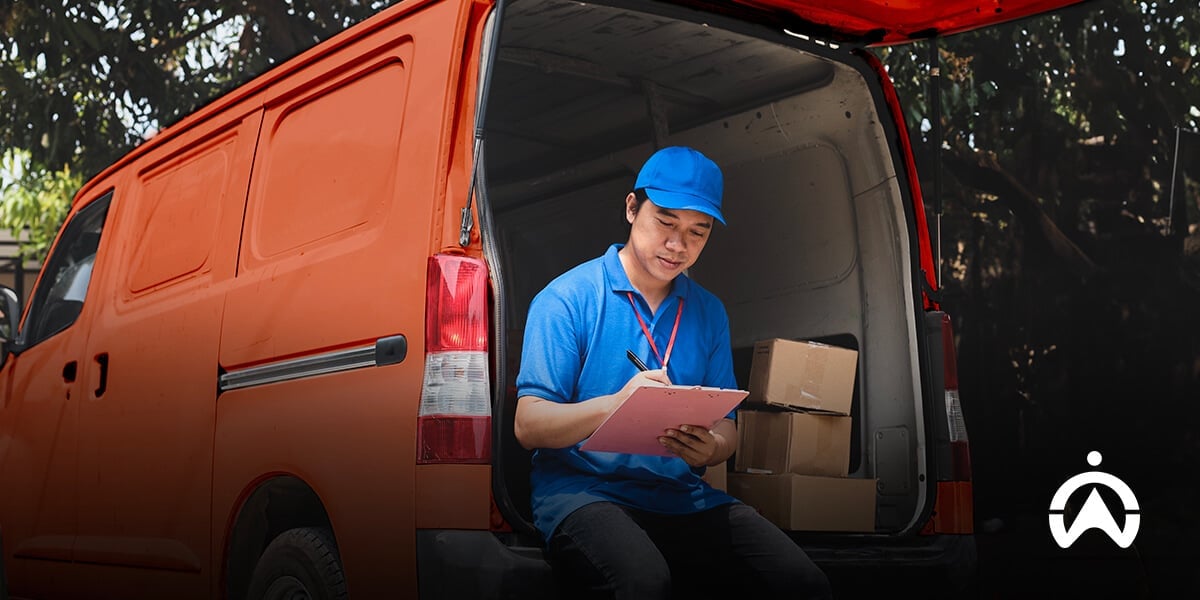
Couriers are recording logistics schedules in the van to improve on-time delivery and OTIF performance.

5 Ways to Improve On-Time Delivery and OTIF

On-Time in Full (OTIF) is a standard all logistics service providers should strive to achieve. Here are some strategic ways to improve fleet delivery performance.

1. Get real-time fleet and driver visibility with GPS tracking

Fleet tracking and driver monitoring are important aspects of fleet delivery performance that can help achieve and improve on-time delivery. When fleet managers lack visibility over their fleet, they struggle to monitor driver productivity, see which drivers are available for delivery tasks, identify the causes of delivery delays, and calculate their on-time delivery rate.

With the ever-growing number of drivers, customers, and vehicles, managing every part of your fleet is a challenge for any courier company. Whether you have a fleet of 20 vehicles or over 2,000, having real-time fleet and driver visibility is one of the best ways to improve deliveries.

Cartrack’s user-friendly fleet management platform provides real-time fleet visibility and driver monitoring, which helps eliminate wasted time and ensures that packages reach customers safely and on schedule.

By addressing a lack of fleet visibility, fleet managers can:

  • Accurately track the location of each vehicle: Get a complete map of all vehicles and drivers to understand their activities.

  • Monitor driver productivity: Improve driver accountability and productivity by monitoring their activities on the road. Minimise route deviations and unnecessary stops.

  • Access vehicle trip history reports and calculate on-time delivery rates: By understanding current delivery performance, you can easily implement strategies to improve delivery rates.

Real-time visibility makes it easy for fleet managers to intervene at any time and proactively prevent delivery delays, ensuring high on-time delivery rates.

2. Improve scheduling with delivery fleet management tools

Driver shortages and limited delivery capacity within a fleet make it difficult to improve on-time delivery rates. Alongside vehicle and driver tracking, planning and scheduling can also add complexity when ensuring delivery deadlines are met.

Without the right delivery tools, fleet managers may face scheduling challenges such as:

  • Assigning delivery loads to unqualified drivers or unsuitable vehicles.

  • Perform manual recording and scheduling of deliveries, including repeat orders.

  • Unclear estimated time of arrival (ETA).

  • Inability to make or communicate delivery changes.

Whether your fleet delivers to retail locations or delivers goods to customers, you need to master scheduling and delivery planning to ensure packages arrive on time. The good news is that Cartrack's Delivery tool can help your company optimise your scheduling.

With this tool, you can:

  • Easily assign tasks: With a complete view of driver and vehicle availability, managers can monitor drivers’ delivery schedule progress, easily assign new jobs, and ensure the right vehicle and driver are allocated to each task.

  • Prioritize and make changes: Managers can quickly track drivers without disrupting their deliveries and tasks. If there are any changes, managers can also immediately adjust delivery schedules.

  • Automate recurring deliveries/tasks: Avoid repeatedly manually uploading customer information or re-entering delivery locations by automating recurring deliveries.

Cartrack’s delivery solution has become an essential part of fleet operations by streamlining task management and helping to ensure customer satisfaction through timely deliveries. The software automatically inputs customer details for recurring orders, helping to reduce manual processes and improve communication between managers and drivers, which results in faster delivery times.

Customers can also receive delivery updates via automated email and SMS.

3. Ensure cargo safety and quality with technology

To secure the “In-Full” component of OTIF, businesses can leverage the latest technologies, such as AI-powered cameras to detect and address cargo theft, as well as sensor technology to ensure that products arrive intact and free from damage.

These cameras track cargo and drivers, monitoring driver behaviour and providing real-time alerts to drivers to quickly address dangerous behaviours like fatigue or cell phone use. This automatic detection and alerting capability helps reduce cargo damage and speeding fines, and supports a stronger brand reputation.

Cargo theft and product damage during transit are significant risks for businesses and can impact their delivery rates, customer retention, and OTIF delivery performance. To prevent these risks, Cartrack's AI camera technology is ideal for enhancing fleet security.

  • Cargo details and specifications: Managers can upload package information along with its specifications, and drivers can scan the barcode of items they load and unload so that every cargo item is recorded, transported safely, and delivered accurately.
  • Cargo monitoring using sensors: With cargo door sensors, managers receive instant alerts for any unauthorised access to cargo. Meanwhile, temperature sensors enable managers to respond to unwanted temperature changes that could damage products.
  • AI cameras for security: Businesses can livestream or download camera footage when they receive alerts about potential cargo tampering and respond proactively.

A parcel courier in a blue uniform gives a thumbs up inside the car indicating successful on-time delivery to a customer.

4. Improve driver productivity and efficiency

Driver inefficiency is a major obstacle for logistics and transport companies, making it difficult for businesses to achieve faster deliveries. Begin empowering drivers with better safety training and improved communication with fleet controllers.

To improve driver productivity and efficiency, fleet managers need to focus on driver management and set standards for evaluating their performance. Good driver management strategies involve the following:

  • Focus on driver safety

  • Improving driver performance with work optimisation tools such as timesheets.

  • Implementing regular vehicle maintenance and inspection routines.

  • Equipping drivers with the right vehicles and tools to complete deliveries.

  • Recruiting and retaining good drivers.

  • Introducing policies to ensure legal compliance.

Training and incentives: Use driver behaviour reports to train drivers on safer driving practices or provide incentives for responsible driving based on driver scores that assess their performance. By using driver behaviour reports or Driver Score Cards, drivers can complete deliveries on time while maintaining their commitment to safety.

Improve communication with drivers: Reduce driver stress with the Delivery Cartrack app, where drivers can access their daily schedules, receive new jobs as they become available, and get instant alerts for new delivery tasks or changes to existing ones.

Route planning or route optimisation: Easily plan drivers’ delivery routes using route planning, and ensure deliveries are completed on time automatically.

Achieving a strong on-time delivery rate can only be done through driver skill. Encourage and retain delivery drivers so they have a more positive attitude toward their work.

5. Reduce transportation costs and time.

Reducing fleet costs is a major goal for most fleet companies. It is not only fleet companies, but also retailers and other businesses looking for logistics and transport providers that want to reduce their transport costs to increase profits.

According to a 2023 survey, profits can nearly double when supply chain expenses decrease from 9% to 4%, which is why most businesses are looking for ways to reduce their spending. To achieve this, most retailers place large orders in a single shipment. This creates an opportunity for fleet operators. If you can ensure that your fleet delivers on time as promised and operates cost-effectively, you can improve on-time delivery satisfaction.

Consolidating loads is a tactical way to reduce fleet costs while improving customer delivery times and efficiency, but it requires effective route planning and scheduling.

Ensure on-time and complete deliveries every time with Cartrack

Our fleet management system equipped with Cartrack Delivery helps fleet companies and businesses with in-house fleets meet growing demand and meet customer expectations every time.

Schedule a live demo with us to see how the Cartrack Delivery App works. Click the following link!


How to Improve Dispatcher and Driver Communication With a Fleet Management System

Communication is a key method for conveying one's needs, actions, and thoughts to others and understanding them. In fleet management, communication is crucial; it plays a vital role in ensuring everyone is on the same page and building trust among team members.

In trucking, there is two-way communication; dispatchers communicate effectively with drivers to ensure they are working on schedule and understand the challenges they face, and drivers provide feedback on the progress of their tasks or any obstacles they encounter, creating a better workflow for the team.

It all depends on clear communication between both parties because with communication, managers can react in a timely manner to any situation their fleet faces, and without communication, the communication channels within the business can break down and prevent managers from carrying out their responsibilities.

What is the relationship between traffic dispatch and drivers?

One of the most critical relationships in trucking is the one between the dispatcher and the driver; however, due to a lack of communication, high driver turnover, and other issues, the dispatcher-driver relationship is often strained.

Dispatchers are not former drivers who have risen through the ranks, most of them are new recruits to the company, with no previous traffic control work history or knowledge of the challenges and obstacles drivers face.

While traffic dispatchers used to be in the field or on the road with drivers, today most traffic controllers are in the office, overseeing their teams only through calls or management tools.

Roles and Responsibilities of Traffic Dispatchers

Without traffic control, fleets often wander without a plan or direction. Dispatchers bring organization and direction to drivers and technicians in the field by overseeing deliveries, pickups, and field service teams, managing asset utilization, and ensuring everything runs smoothly and on time.

All dispatcher responsibilities can be divided into two categories: logistics management and people management.

Here is the explanation:

Logistics Management

This is where dispatchers manage the supply chain, workflow, and task progress. Coordinating people, vehicles, and even equipment, dispatchers lead all these elements to accomplish their goals, whether it's completing tasks, deliveries, or service requests.

Dispatcher responsibilities in logistics management:

  • Schedule deliveries, pickups, and other appointments such as scheduling vehicle tracking unit installations for technicians and clients.

  • Ensuring the fleet complies with regulations in terms of driving hours, driving behaviour, number of breaks taken, etc.

  • Incident management

  • Oversee work orders, fuel management, and fleet maintenance needs.

  • Planning routes for workflow efficiency

People Management

This is the side of their responsibilities where clear and concise communication is essential. Dispatchers supervise and assist workers such as drivers and technicians in achieving their goals.

Dispatcher responsibilities in people management:

  • Onboarding new drivers and technicians

  • Helping workers with challenges that affect their work

  • Communicate with managers when workers are not following guidelines, need additional training, or are experiencing difficulties.

  • Offering customer support, including managing customer expectations regarding delivery

Depending on the business and industry they operate in, these responsibilities can vary. With all the people dispatchers have to guide in a business, can you see why communication is so crucial to their role?

Field workers in safety vests use HT at the depot, illustrating the importance of dispatcher and driver communication.

5 Signs That Your Business Needs to Improve Communication with Dispatchers

When both parties fail to exchange information effectively when they need it, it often leads to decreased productivity, missed project deadlines, and failed sales.

Here are some of the impacts of poor communication in a team:

  1. Frequent Miscommunication
    If you start to see signs of communication gaps between dispatchers and drivers, such as unclear delivery information or drivers failing to inform their managers about changes in plans or events that impact their ability to complete tasks, then there may be a communication problem. All critical information should be communicated in advance to ensure smooth operations for both parties.
  2. Lack of real-time updates
    If dispatchers struggle to oversee their drivers’ tasks or activities on a daily basis, this can be a clear sign of poor communication. Real-time updates regarding assessments, delivery status, or other important information should be communicated to help track performance, monitor vehicle usage, and manage customer expectations regarding delivery schedules.
    Without this information, dispatchers may be unable to explain scheduling delays or inform customers about the whereabouts of their cargo, which can negatively impact customer satisfaction.
  3. Decreased driver safety
    Maintaining safety is a top priority that is regularly enforced, monitored, and reported through incident management methods. Without communication or following established actions for specific incidents within the fleet, safety standards can decline and safety procedures will not be followed, endangering drivers, other road users, and workers on the job.
  4. Decrease in productivity
    Lack of communication leads to inefficiencies in completing tasks. When activities during work hours aren't recorded and followed up on, this creates room for wasted time, human error, or decreased customer satisfaction.
  5. Poor relationships between dispatchers and drivers
    A lack of communication between dispatchers and drivers is often caused by a lack of trust or collaboration between the two parties. Drivers may be reluctant to share their challenges or difficulties with managers they do not know well. This can lead to strained and distant working relationships.

Tips to Improve Communication

To communicate and collaborate effectively, both parties need to listen to each other as well as speak.

Active listening is as important as speaking in communication because in dialogue it is not only about providing answers, but also understanding different points of view and perspectives.

Here are some tips for effective communication between dispatchers and drivers:

  1. Clear and concise communication
    Encourage drivers to communicate any issues they may encounter during a journey or assignment, and dispatchers should do the same by regularly updating their teams on task-related developments that may affect their work. This helps to avoid misunderstandings and delays for both drivers and dispatchers.
  2. Routine check-up
    Communicate feedback, new developments, strategies, or challenges through regular check-ins or meetings. Frequent check-ins can build trust, enhance collaboration, and strengthen teamwork within the fleet.
  3. Real-time updates
    Communicate important information, such as job assignments, route changes, and other updates, as soon as they occur. This helps drivers make informed decisions and manage their time more effectively.
  4. Training and support
    Offer training for traffic controllers and drivers to improve their communication skills and strengthen the relationship between the two.
  5. Leverage technology
    Trying to communicate effectively with every driver in a fleet can be a challenging task, especially if you have a large fleet. This is where fleet technology and Cartrack solutions can quickly facilitate communication. Modern fleet management solutions foster healthy, sustainable manager-driver relationships.

Two call center officers monitor map data on computers for effective dispatcher and driver communication.

How can Cartrack fleet management software positively impact the role of a dispatcher?

Cartrack’s fleet management solution is a trusted method used to enhance fleet efficiency by managing various aspects of the fleet, such as compliance, safety, fuel, fleet costs, and, of course, communication.

Here are some Cartrack features that can reduce misunderstandings between the two parties:

Receive live location updates with vehicle tracking device (GPS)

Manual route planning can be highly time-consuming and prone to human error. Cartrack offers a Route Planning feature to map out the most efficient routes, thereby reducing fuel consumption and travel time. It also includes off-route alerts that notify managers if a driver deviates from the assigned route.

Reduce confusion with route optimisation

Manual route planning can be highly time-consuming and prone to human error. Cartrack offers a Route Planning feature to map out the most efficient routes, thereby reducing fuel consumption and travel time. It also includes off-route alerts that notify managers if a driver deviates from the assigned route.

Improve driver safety with automatic alerts, reports and updates.

Most fleet management software offers real-time communication via instant messaging features. Cartrack offers a smart camera solution featuring two-way in-cab audio communication and a Delivery feature. The Delivery feature is a smart task management tool that allows dispatchers to update driver tasks in real-time, and vice versa.

Improve two-way communication

Most fleet management software offers real-time communication via instant messaging features. Cartrack offers a smart camera solution featuring two-way in-cab audio communication and a Delivery feature. The Delivery feature is a smart task management tool that allows dispatchers to update driver tasks in real-time, and vice versa.

With these two features, dispatchers can use Delivery to update routes and provide instructions and use Smart Camera to alert drivers to risky driving behaviour so they can correct it immediately.

Case study: How Diag uses the Delivery feature to achieve efficient team communication.

Diag is a medical laboratory in Vietnam that required assistance in tracking its vehicles and providing fast deliveries of human blood test packages, samples, and healthcare kits to customers.

Because the materials being transported are time-sensitive, Diag uses Cartrack Delivery for intelligent traffic management and simplified task allocation to ensure prompt delivery while the materials are still in prime condition.

By utilizing Cartrack's best features, dispatchers can maintain effective and efficient communication with drivers, ensuring smooth and safe fleet operations.

Contact Cartrack by clicking the following link for pricing and installation information!

Uncover the Benefits of GPS Tracking Devices for Vehicles

What is GPS and how is it related to GNSS?

Global Navigation Satellite Systems (GNSS) are a global network of satellites that transmit radio signals. There are several constellations that provide this service, such as GLONASS (operated by the Russian Federation), Galileo (operated by the European Union), and BeiDou (operated by China).

The GNSS satellite navigation system that we are most familiar with is called Global Positioning System or GPS, which was developed and is operated by the United States.

GPS is a constellation of 31 satellites orbiting Earth. Each satellite transmits a signal that allows a receiver, through a combination of signals from at least four satellites, to determine time and location.

3 main parts of a satellite

Let's discuss the three main segments of satellites to better understand how this technology works and how it helps us achieve real-time location tracking.

  1. Space segment: This segment includes all the satellites in the GPS constellation. They transmit signals to users based on geographical position and time and are positioned so that four satellites are above the horizon from every point on Earth. Three satellites are required by the receiver to determine the position, while the fourth is used to improve the measurements and provide the ability to calculate the vertical height of a point above sea level.

  2. Control segment: Also known as ground control, this segment consists of monitoring stations that detect errors that may occur due to interference from radiation, electrical problems, or wear and tear. From time to time, the satellite requires instructions to correct these errors.

  3. User segment: These are the GPS receivers and transmitters that we use in our daily lives, such as smartphones, cars, cameras, and airplanes.

Here's how GPS tracking works on cars.

GPS satellites, signals, and tracking devices are the three components of a global tracking system commonly used today.

GPS trackers use a process called trilateration to determine latitude, longitude, altitude, and time. Trilateration is a measurement of distance. Three satellites are used to calculate your distance from each satellite. With these three distances, trilateration can determine your exact location. Tracking devices are typically powered by the onboard diagnostic (OB-II) port, such as an accessory socket or internal battery, which collects information and sends it to the software, allowing us to analyse the data.

Another interesting thing about GPS trackers is that there are two different types: active and passive. Active trackers provide users with a real-time view of their global position. This type of GPS tracking is the best option for individuals or businesses that want a real-time view of their vehicles.

On the other hand, passive trackers only store GPS data for later viewing. This is ideal for business fleet managers who are primarily interested in monitoring past activity.

Drone view of bridge with cars in digital circle

The main benefits of a GPS tracking device

The use of GPS technology has become the norm for many people, you probably already know the benefits, but to refresh your memory, here are some of them:

  • Know the location of your vehicle at all times: A GPS tracker makes it easy to monitor your vehicle's location and see if the driver is following the planned route. It's also an excellent option for recovering a stolen vehicle.
  • Identifying risky driving behaviour: With event-based tracking, telemetry and input data are sent periodically or when an event is detected. An event can be anything from opening a car door to making a sharp turn, hard acceleration, or speeding. Fleet managers can receive alerts about poor driving habits that can lead to accidents, vehicle wear and tear, and high repair costs.
  • Reduce fuel expenditure: By comparing several routes using GPS tracking and historical reports, fleet managers can optimise fuel usage and reduce unnecessary costs. Fleet managers can easily compare several routes using historical reports and choose the most fuel-efficient route. GPS trackers can also help reduce idling time and speeding, which provide additional fuel-saving benefits.
  • Improving customer service: GPS tracking improves shipping and routing, reducing the time it takes to deliver orders. This will result in positive reviews for your business, as customers can be confident that their orders will arrive on time.

The hidden benefits of GPS tracking systems

Here are some often overlooked and lesser-known benefits of GPS tracking systems:

  • Emergency assistance for drivers: Fleet telematics combined with GPS tracking provides instant access to the location of fleet vehicles, which can be life-saving. In the event of an accident, emergency services will be able to reach the driver faster than usual.
  • Accurate costing and billing: With a GPS tracking system, you can see in more detail the areas that are draining your budget and reducing costs, as well as a better estimate of how much it will take to keep your business running each day.
  • Simplifying tax compliance: Due to the accuracy in vehicle movements, drivers no longer need to manually record their mileage, thus helping you file your taxes without any hassle.

What about everyday drivers?

  • Review past trips and identify the best route: There are many ways to get to work, your partner's house, or your children's school. These daily trips can be expensive if you don't know which routes are the most fuel-efficient. A good GPS tracking system can save you this trouble.
  • Reduce insurance premiums: Most insurance companies consider vehicle tracking to determine premiums and those without tracking devices are considered high risk.
  • Monitoring the safety of teenagers: You will know where your children are at all times, including when they are on the road, and you can monitor their driving habits so you can ensure they are safe at all times.

illustration of the benefits of GPS tracking devices for vehicle connectivity.

Find the best GPS tracking device for your family and business.

Whether for personal or business use, Cartrack has a GPS tracking unit to meet all your vehicle needs. Cartrack specialises in telematics that will surely make your life easier.

Cartrack GPS tracking features for fleets and drivers

Real-time vehicle tracking

With Cartrack's live GPS tracking system, you can always know the real-time location of your fleet, whether parked or on the road. You can also access the real-time location of your personal vehicle at any time by downloading the Cartrack mobile app.

Fleet deliveries
Whatever business you have, whether it is an e-commerce business or the pharmaceutical industry, Cartrack's delivery fleet management software provides the fastest and most organised way to make deliveries through route and job optimisation.

With these full features:

  • The process is paperless, therefore, it takes less time.
  • You can easily manage jobs by route or change job priority.
  • Drivers stay connected by gaining access to easy-to-use apps that help them complete tasks faster.
  • Drivers get instant notifications when there are cancellations or new jobs assigned to them.
  • Customers receive instant notifications about any changes and delivery progress through the app.

Route replay
Get a full view of your fleet's vehicle travel history, replay their trips, and know the distance and duration of each trip.

Driver behaviour monitoring
Gain access to driver scorecards that provide detailed reports on driving behaviour, such as speeding, idling, harsh cornering, and harsh braking. These reports will help you identify areas where drivers still need to improve and determine what training needs to be provided.

Geofencing
Create a virtual boundary around a desired area where vehicles should operate. Receive notifications when a vehicle enters or leaves that area. This geofencing feature is not only applicable to fleet management but also to personal vehicles. You can set the same virtual boundary around other selected areas, such as your home or places that your child should not visit. The Geofence feature works in the same way, as you can receive notifications whenever your vehicle enters or leaves that area.

Fuel monitoring
Cartrack's GPS tracking system is connected to a fleet management platform that will help you detect fuel card fraud by calculating the distance travelled versus the litres of fuel used. We have the Mifleet platform that can help you manage fleet costs based on the reports provided.

Enable safety and fuel savings with Cartrack solutions

Contact Cartrack today and get a comprehensive tracking solution that can improve vehicle security and save fuel! Click the link below!

How to Prevent and Stop Fuel Contamination

Why do we need to worry about dirty diesel?

Dirty diesel, more commonly known as fuel contamination, refers to impurities in fuel that reduce its quality and grade. These impurities can come from various contaminants, such as water and microbial degradation (bacteria and fungi), which occur during fuel storage and handling.

Below is a more detailed explanation of fuel contamination.

Types of fuel contamination

Since there is more than one type of fuel contamination, it's a good idea to learn about them to keep the risk of contamination to your fleet to a minimum.

  • Water contamination
    Fuel is easily contaminated by water when stored in tanks through condensation, leaks in the storage unit, or poor handling during diesel fuel transfer. This results in microbial growth, rust, and the separation of water and oil in the fuel. A small amount of water in the fuel may seem harmless, especially if the water accidentally enters the fuel system, but water and oil are not supposed to mix. The water content in fuel must be below the saturation point, so any excess water entering a vehicle's fuel system can lead to bacterial growth, corrosion, and ultimately engine damage.
  • Fuel impurities
    There are two types of fuel contamination: organic degradation and inorganic degradation. Organic degradation occurs when fuel is stored in the tank for too long, eventually reaching its expiration date. Gas stations and fuel suppliers often add stabilisers and other additives to prevent this type of contamination. Vehicle owners and fleet owners are advised to inspect their fuel tanks before using any additives. Inorganic contamination occurs during the fuel handling process, meaning the fuel may have been improperly handled as it moves from the tank, truck, or drum to the fleet's tank. During this process, the fuel may come into contact with sand, dirt, rust, and other debris, ultimately leading to fuel contamination.
  • Intentional diesel blending
    Unscrupulous gas stations may also intentionally reduce the purity of their fuel by adding synthetic fuels like paraffin. These stations deceive customers by selling contaminated fuel. Besides the financial impact on individual and business owners, dirty diesel can also cause serious vehicle problems, which is why vehicle owners and fleet businesses should be concerned.

The sad reality about dirty fuel is that the buildup of debris and contaminated fuel in the system can have detrimental effects on the car and engine in the long run, ultimately affecting their lifespan.

But how can you detect whether your fleet is running on dirty fuel? Here are some signs to look for in your fleet:

  • Poor engine performance

  • Inefficient fuel consumption

  • Corrosion on the fuel tank

  • Difficulty in accelerating the vehicle or when climbing hills

  • Engine light flashing

  • Clogged fuel filter

  • The machine broke down

Alternatively, you might consider having your vehicle inspected for fuel contamination in its tank. You can no longer ignore or underestimate the quality of your fleet's fuel, as it could cost you money in the future.

Types of fuel contamination

The negative impact of dirty fuel on the fleet

Businesses that regularly transport goods or work with fuel-dependent machinery suffer when their fuel is dirty, because it damages their vehicles and machines. Dirty fuel can cause:

  • Serious engine damage
    Debris and other contaminants in the fuel can cause significant damage to a vehicle's fuel injectors, pumps, and other engine components.
  • Higher maintenance costs
    Assessing and addressing damage caused by dirty diesel, or even pumping fuel out of your vehicle, can result in higher maintenance or service costs.
  • Increasing fleet inefficiencies
    Dirty diesel burns faster, causing increased fuel consumption, forcing the engine to work harder, and reducing the performance of your vehicle or engine.

Prevent and stop fuel contamination in the fleet

Whether your fleet has accidentally been filled with dirty fuel and you've fallen victim to a rogue gas station, or perhaps you've simply neglected fuel quality for your vehicles and equipment, there are just three proven ways to prevent and stop fuel contamination in your fleet.

Here are three of the best ways to prevent fleet fuel contamination:

  1. Last but not least, your fleet's fuel consumption, spending, and patterns can show whether vehicles and machines are running on dirty fuel. Fuel monitoring is about analysing your fleet's fuel consumption in real time, tracking fuel spending and transactions, monitoring fuel tank levels, and identifying problems affecting your fleet's fuel. Using a range of fuel data can help fleet managers detect and deal with fuel problems such as contamination. Sometimes fuel contamination is caused by drivers or fleet staff trying to get cheaper fuel so they can inflate fuel costs and pocket the difference on refills. This kind of fuel theft can be addressed with fuel card integration, which restricts refuelling to authorised stations. Fuel cards can also be used to track fuel purchases by location, cost, and volume, helping managers identify suspicious activity. Our fuel monitoring system comes with a GPS tracker and fuel sensors, and can be integrated with Cartrack MiFleet for cost administration. The system provides an all-in-one option for tackling fuel problems and other fuel management challenges. Using our system, fleet managers can customise and automate their fuel consumption reports in Cartrack FleetWeb as needed and deal with fuel problems. Alternatively, if you notice that one or more vehicles or machines seem to run out of fuel faster or break down often, you can investigate fuel usage or fuel fraud in your fleet.
  2. Train fleet staff on fuel contamination issues
    Naturally, drivers often know more about their vehicles and their performance than anyone else. They are behind the wheel daily, ensuring deliveries and tasks are completed on schedule. This means they can alert you to vehicle issues, allowing you to address them more quickly. By training drivers and other fleet staff on fuel contamination and the warning signs to look for, you can help prevent and stop contamination within your fleet. Even simple measures, such as routine checks of vehicle oil and filters, can make a significant difference. Cartrack’s GPS tracking and telematics solutions are invaluable when drivers are unsure why a vehicle is underperforming. Our telematics provide vehicle insights, notifying you of engine faults and battery health status, which enables you to resolve vehicle issues faster.
  3. Monitor fleet fuel patterns 
    Terakhir namun tak kalah penting, konsumsi bahan bakar, pengeluaran, dan pola armada dapat menunjukkan apakah kendaraan dan mesin berjalan dengan bahan bakar kotor. Pemantauan bahan bakar berkaitan dengan menganalisis konsumsi bahan bakar armada secara real-time, melacak pengeluaran dan transaksi bahan bakar, memantau level tangki bahan bakar, serta mengidentifikasi masalah yang mempengaruhi bahan bakar armada.Menggunakan berbagai data bahan bakar dapat membantu manajer armada mendeteksi dan menangani masalah bahan bakar seperti kontaminasi. Terkadang kontaminasi bahan bakar disebabkan oleh pengemudi atau staf armada yang mencoba mendapatkan bahan bakar yang lebih murah sehingga mereka dapat menaikkan biaya bahan bakar dan mengantongi selisih dari pengisiannya bahan bakar. Pencurian bahan bakar semacam ini dapat diatasi dengan integrasi kartu bahan bakar yang membatasi pengisian bahan bakar ke stasiun yang berwenang. Kartu bahan bakar juga dapat digunakan untuk melacak pembelian bahan bakar berdasarkan lokasi, biaya, dan volume guna membantu manajer mengidentifikasi aktivitas yang mencurigakan.Sistem pemantauan bahan bakar kami dilengkapi dengan pelacak GPS dan sensor bahan bakar, serta dapat diintegrasikan dengan MiFleet Cartrack untuk administrasi biaya. Sistem ini menyediakan opsi all-in-one untuk mengatasi masalah bahan bakar dan tantangan manajemen bahan bakar lainnya. Dengan menggunakan sistem kami, manajer armada dapat menyesuaikan dan mengotomatiskan laporan konsumsi bahan bakar mereka di Cartrack FleetWeb sesuai kebutuhan dan menangani masalah bahan bakar.Sebagai alternatif, jika kamu menyadari bahwa satu atau lebih kendaraan atau mesin tampak lebih cepat kehabisan bahan bakar atau sering mogok, maka kamu dapat menyelidiki pemakaian bahan bakar atau penipuan bahan bakar di armada.

chedule regular maintenance and vehicle checks

‍Fuel contamination: Debunking common myths

News reports about fuel contamination don't lie, but some of the misconceptions we hold about fuel quality can slow a fleet down, resulting in vehicle and equipment downtime and expensive maintenance costs.

Let's bust some common myths about fuel contamination.

Myth #1: There is no way to test fleet fuel 

Fleet managers can arrange for various fuel testing and sample checks with their fuel suppliers or request them for their vehicles. Fuel testing is the only accurate way to determine if a vehicle is carrying dirty diesel. A mechanical inspection, the condition of the fuel tank, and the appearance of the fuel can all indicate contaminated fuel.

Myth #2: Engines last longer, so incorrect fueling is okay.

An engine can't run properly without the right fuel, and sometimes, it won't run at all if you use the wrong fuel. While engines are durable, incorrect fueling can damage your vehicle and cost you money.

Myth #3: Using dirty fuel helps save fuel

Saving on fuel should never come at the expense of your fleet vehicles; dirty diesel damages vehicles and shortens their service life. With Cartrack's fuel monitoring solutions, you can reduce your fleet's overall fuel costs and put strategies in place to improve your fleet's fuel efficiency.‍

Protect your fleet from contamination with Cartrack's fuel monitoring solutions

Fuel contamination can damage your fleet, causing costly repairs and unnecessary downtime. Protect dirty fuel vehicles and keep your fleet running smoothly.

Contact Cartrack today for a free demo! Click this link!

Criminals Disguised as Police Officers: Avoid Them with Tracking Devices

Extortion through impersonation of a police officer

Extortion is the practice of obtaining something, such as money, by using force or threats. It's not uncommon for criminals to impersonate police officers to deceive and extort people. This extortion can be carried out in two different ways: first, the criminal poses as a fake police officer, pretending to issue a ticket and extorting money in exchange for the vehicle's release. Alternatively, the fake police officer sets up a fake checkpoint. They pretend to be a police officer and attempt to seize the vehicle.

Defeating Criminal Tricks: How Someone Can Lose a Vehicle and Get It Back Again

If you are wondering what victims of police impersonation and extortion experience, here is an example.

An ordinary day for Budi began with a visit to the shopping centre to run a few errands and buy his wife a coffee. However, on that day, he noticed a suspicious vehicle following him after he left the shopping centre car park. Not long after leaving the shopping centre, the criminals made their move and took his vehicle. As soon as his car was stolen, Budi went to the nearest police station.

After reporting the vehicle theft case at the police station, Budi received a phone call from another fake police officer claiming that his vehicle had been found, and that Budi needed to meet the officer to pay for the release of the car. Budi began to grow suspicious, then used his Cartrack GPS tracking system to locate his vehicle, and he successfully recovered his car.

Silver handcuffs and keys on a wooden table as a symbol of vigilance against criminals disguised as police who can be tracked with tracking devices.

Advanced GPS Tracking from Cartrack to the Rescue

The situation experienced by Budi is an example of the smart steps taken with the help of Cartrack. The GPS tracking device installed by Budi was the key hero in locating his vehicle and avoiding extortion by fake police officers. The use of a GPS system allows Cartrack to track vehicles via satellites that calculate where the vehicle has travelled and where it has stopped. This can save you from having to pay criminals pretending to be police officers in order to extort money. Contact Cartrack to install a GPS tracking device in your vehicle and stop criminals before they extort you.

Cartrack: Security for Your Vehicle and Your Wallet

Cartrack’s advanced vehicle tracking features are designed to help combat theft. Cars can be stolen, hijacked, or taken away by fake police officers, but Cartrack has tracking tools to improve vehicle security. In addition to tracking devices and GPS, Cartrack also offers other features that can help protect your vehicle. Let’s take a closer look together!

  • Vehicle Tracking
    Tracking stolen vehicles is one of Cartrack's specialties. Cartrack's GPS tracking system allows you to track your vehicle even when it's in another city or island. Cartrack tracking devices can be installed discreetly to ensure thieves and hijackers can't find it.
  • Geofence
    The geofence feature uses GPS to trigger an alert when a vehicle leaves a geographic boundary created to track vehicle movement. For example, if you want to take extra security measures to monitor your vehicle's movements, you can use geofencing to create specific zones and receive alerts when vehicles enter or exit those areas. Cartrack's GPS tracking devices work by helping you receive alerts about vehicle movement, thus enhancing our control room's proactive response to suspicious activity.

Cartrack is a champion when it comes to vehicle tracking and recovery. Cartrack's GPS tracking devices, combined with Geofence, can help you recover your vehicle when it's in danger of being stolen by fake police.

Give your vehicle the best security, install a Cartrack tracking device now by click the following link!

Easy Ways to Maintain Vehicle Batteries with Cartrack

The Importance of Vehicle Health

One component often overlooked when discussing the health and maintenance of electric vehicles is the battery. The battery and the engine are the two components that make a vehicle function and move, yet attention is often focused solely on the engine.

Let's change that, shall we?

The battery supplies power to the vehicle's engine and lights, enabling us to shift gears and continue the journey. When the engine is turned off, the battery also powers other electrical components in the vehicle, such as the radio or air conditioning.

A well-maintained battery can offer a long lifespan, deliver reliable performance, and prevent unexpected and costly breakdowns. Achieving this requires excellent maintenance.

Different Vehicle Service Stages

Before we focus solely on our vehicle's battery, let's look at the bigger picture of the vehicle as a whole. What good is a healthy, functioning battery if its components aren't working properly?

To keep your vehicle in good health, it is advisable to have it serviced every few months; this ensures that minor issues are checked and repaired before they escalate into costly problems if left unaddressed. Vehicle inspections are determined by the make, model, and mileage. Depending on these three factors, various vehicle maintenance plans may be recommended to ensure that every component—from tires and oil to the battery and engine—operates in optimal condition:

  • Interim Car Service
    This is a small but important basic vehicle inspection, recommended every 15,000-22,000 km (15,000-22,000 km). This service includes an oil change, installation of a new oil filter, a light inspection, and a check for leaks. This type of service is recommended at least once a year, even if the vehicle has not yet reached a specific mileage target.
  • Complete Car Service
    This service is recommended around 20,000 km of vehicle mileage and includes all the basic checks of a minor service. It also includes checking several important components, including brakes, lights, steering, tyres, windshield, vehicle fluids such as hydraulic fluid, and testing components such as the starter, alternator, and battery.
  • Major Car Service
    This service is recommended every 30,000 km-45,000 km and includes maintenance on all vehicle parts mentioned in the minor and complete service, as well as other parts that may cause the car to break down, such as replacing the air filter, spark plugs, and brake fluid if neglected.

For major service, you can also include the following to ensure the vehicle remains in top condition:

  • Wheel alignment

  • Suspension inspection

  • Tyre tread test

  • Checking brake pads and brake discs

If your car is still under warranty, you must have it serviced according to the established intervals. Once the warranty has expired, there is greater flexibility regarding timing and the services performed; however, to ensure the vehicle's health and a decent resale value, it is best to stick to the schedule as much as possible.

Get to Know and Learn the Types of Vehicle Batteries

To ensure the longevity of all your vehicle batteries, you need to know your vehicle's battery type and use proper maintenance techniques. Here are the battery types you should know about:

  • Lead Acid Battery
    This is the most popular, more traditional, and most cost-effective type of battery found in most cars on the road. It operates on lead and a mixture of sulfuric acid and water. Due to the nature of this battery, it tends to evaporate over time, causing its power to decrease over time. The only maintenance required for this battery is to add distilled water every few weeks.
  • Lithium-ion Batteries
    These batteries are most popular in electric vehicles and plug-in hybrid electric vehicles. They feature a high power-to-weight ratio and low energy consumption, and are fully recyclable, making them suitable for eco-friendly electric fleets. Their downsides include high costs, susceptibility to overheating, and difficulty in finding replacements on the market.
  • Sodium-ion Batteries
    These batteries were created as a solution to the problems posed by lithium-ion batteries. Sodium is abundant, easier to extract, more sustainable to use, and more affordable than lithium-ion. Because they are a new solution, more research is needed before they will be widely available and become the industry standard.

Factors Affecting Battery Life

Vehicle batteries rarely cause problems for drivers, and for this reason, most drivers don't check their batteries during routine inspections. Often, they don't notice battery problems until it's too late.

Here are some battery care tips to make your battery last longer:

  • Avoid short trips: Instead of taking short trips throughout the day, combine them into one trip to reduce the load on the battery. The battery uses power to start the vehicle each time it travels, so with multiple short trips, the battery uses more power without being recharged by the alternator. Longer trips allow the alternator to charge the battery during the trip.
  • Keep the vehicle movingThe longer you leave your vehicle unused, the faster the battery will drain because it's not receiving regular charging from the alternator. A quick solution to this is to drive the car every few days to ensure the battery is getting a charge.
  • Avoid extreme temperatures: Batteries last longer when kept at a neutral temperature. This may be difficult for drivers living in warm climates, but batteries perform better when the temperature is neutral or cool. Try parking your vehicle in a shaded area or garage to limit exposure to extreme temperatures.
  • Clean the battery: Don't be afraid to open the hood and start cleaning. Corrosion (white or blue-green powder) and dirt often build up around screws or bolts, resulting in poor connectivity. Simply sweep away the dust, remove any accumulated dirt, and wipe away any debris stuck to the battery.
  • Vehicle service: Car servicing is crucial for maintaining your vehicle's health. Leave it to a professional to ensure the battery is working properly and remains securely in the vehicle, preventing vibrations.

Do you need to maintain or replace your vehicle battery?

Unfortunately for many drivers, batteries aren't a one-time purchase. The estimated lifespan of a vehicle battery is about three to five years. Over time, they will deplete and eventually need to be replaced.

The following are signs that a battery is starting to fail:

  • Slow cranking: If the battery takes a minute or two to start the car, this could be a sign that the battery is starting to weaken and needs to be replaced.
  • Battery warning light: If the battery warning light on the dashboard comes on, it means the vehicle has detected a problem with the battery or charging system and needs to be replaced.
  • Battery corrosion: Excessive corrosion or damage is a sign of an unhealthy battery. If the corrosion is too severe, it can no longer be cleaned and a new battery will be required.

If you see these signs along with a cracked battery casing, fluid leaks, or a bulging battery casing, it's unfortunately too late to save the battery and it should be replaced immediately.

A man is checking the tires of a large truck as part of vehicle maintenance with Cartrack to ensure optimal fleet performance.

Vehicle Battery Maintenance Checklist
Often, battery health is overlooked because many drivers assume all a battery needs is a jumpstart if it ever experiences a problem. However, battery maintenance is relatively simple. Here are the things to check when performing vehicle battery maintenance:

☑ Check the battery: Before you begin, take a moment to inspect the battery and check for signs of damage, such as cracks, bulging in the casing, or fluid leaks. These are sure signs of battery failure and indicate the car needs a new battery.

☑ Battery voltage test: To determine if your vehicle's battery is indeed losing power, you can use a battery tester to measure the battery voltage. A fully charged battery should have a voltage of around 12V. If the voltage is too low, it may need to be recharged or replaced.

☑ Keep battery terminals clean: Corroded terminals slow the flow of electricity from the battery to the car's electrical system. To fix this, simply use a wire brush or a cloth to remove any corrosion that has accumulated around the battery. If the corrosion is difficult to remove, disconnect the battery cables and use a mixture of baking soda and water to gently clean the area around the terminals.

☑ Recharge the battery regularly: Have you noticed recently that the battery doesn't hold much charge after the vehicle has been parked for a few days? Vehicles that are rarely driven do not have enough time to recharge, resulting in low power output and a shorter battery lifespan. Use a battery charger or maintainer to keep the battery charged even when the vehicle is not in use.

☑ Check battery life: Car batteries typically last between three and five years. If you're experiencing frequent battery problems, check to see if the battery's age is the cause. Even if your battery is still working just as well but is approaching five years old, consider replacing it before problems start to arise.

☑ Ensure the battery is not stored loosely: The battery must not move or vibrate while you are driving. This can loosen the battery and cause internal damage as well as short circuits.

Caring for Electric Vehicle Batteries

When it comes to electric vehicle (EV) batteries, regular charging is the best way to maintain them. Unlike conventional vehicles that rely on gasoline to get from one place to another, electric vehicles depend on their batteries and the amount of power they hold to make a trip.

To ensure your vehicle battery remains in prime condition, you can try these techniques:

  1. Check the charging status regularly

  2. Temperature monitoring

  3. Monitoring battery voltage and cell health

These techniques ensure drivers get the most out of their batteries by quickly identifying battery problems before it's too late.

Protect Your Vehicle Battery and Extend Its Life with Cartrack Solutions

Cartrack, a trusted industry leader in vehicle safety and fleet management, not only tracks vehicle locations in real-time but can also monitor vehicle health and battery status, while providing features that help optimise vehicle maintenance.

Cartrack Key Features That Can Help With Battery Maintenance

  • Power Event Notification: Stay informed about tampering or battery theft attempts with our real-time PEN feature. Receive immediate alerts when your vehicle's battery is disconnected and act quickly to minimize the risk of battery theft.
  • GPS Vehicle Tracking: With a tracking unit installed, you can see the vehicle's location directly. This allows us to efficiently track and monitor every vehicle movement in real time.

So, are you ready to say goodbye to vehicle security and battery issues? Contact Cartrack by clicking the following link for the most trusted vehicle security solution.

What is the Impact of Vehicle Tracking Devices on Insurance?

Understanding the Basics of Vehicle Insurance

You never know when your vehicle will be stolen, involved in an accident, or damaged by weather changes. None of these events are within your control, but they can impact the safety of your vehicle and your wallet.

Vehicle insurance is designed to meet your needs. For example, what type of protection does your vehicle require, and which package can you choose?

There are two types of car insurance on the market: TLO insurance and all risk/comprehensive insurance.

  1. TLO Insurance: An affordable insurance option that covers up to 75% of accident repair costs. This insurance also covers vehicle losses for more than 60 days. 
  2. All-risk/comprehensive insurance: This type of insurance is designed for those who wish to protect their vehicle against a wide range of risks. Coverage extends to everything from scratches and dents to total loss (theft), all of which are covered by all-risk insurance. Premiums for this type of insurance are typically higher than those for TLO (Total Loss Only) insurance.

To better understand insurance premiums, let's first look at the factors that can influence them. 

Car_theft

Factors Affecting Vehicle Insurance Premium Rates 

Everything from crime to potholes can affect your car insurance premiums. Let's take a look at the factors that influence your car insurance premiums. 

1. Inflation

A country's inflation rate affects more than just monthly spending budgets. It also impacts how much you pay for vehicle insurance. Inflation is considered one of the biggest contributors to rising premium rates because it affects the number of vehicle repairs and replacement part costs, resulting in increased claim payments. To address this, insurance companies need to raise monthly premiums. 

2. Reinsurance

Reinsurance was originally intended to reduce risk liability and provide protection against large or multiple losses. However, frequent claims due to accidents, higher payouts due to inflation, and high-risk events such as riots, power outages, and natural disasters have all contributed to rising premiums. 

3. Repair and replacement costs

A shortage of vehicle parts increases demand, leading to higher prices and higher insurance premiums. If the global supply chain is disrupted, the resulting price of parts, labor, and equipment will rise, leading to higher insurance rates. 

4. Road conditions

As drivers, I'm sure we've seen the many potholes scattered across the roads. Lack of road maintenance impacts vehicle health, from damaging tires to leaving scratches or even cutting vital wiring. This leads drivers to seek additional vehicle coverage for rims or tires because poor road conditions lead to increased insurance claims. 

5. Car theft

The more vehicles stolen or damaged in hijacking attempts, the more motorists will file claims for their lost or damaged vehicles, resulting in higher insurance premiums. 

The Relationship Between Vehicle Trackers and Insurance Rates

In some countries, the use of GPS trackers or vehicle telematics can directly reduce insurance premiums. However, in Indonesia, this is not yet common practice due to the lack of regulations governing the use of GPS trackers. 

However, using a GPS tracker can simplify the insurance claim process. This is because you can access information such as real-time location, driving behavior, odometer readings, maintenance issues, and even fuel consumption. Consequently, in the event of theft or an accident, investigations can be conducted using accurate data.

How Do Vehicle Tracking Devices Affect Insurance Premiums? 

Although not applicable in Indonesia, insurance premium reductions for the use of tracking devices are quite reasonable. Insurance companies believe tracking devices reduce the likelihood of vehicle theft and increase the chance of vehicle recovery if stolen. This reduces the risk borne by the insurance company, making it safer to lower premiums. 

Cartrack_provides_a_two_in_one_solution_for_motorists

Cartrack Provides a 1-Device Solution for Drivers

Cartrack is a trusted partner in fleet management, vehicle tracking, and insurance. Cartrack's trusted vehicle security solutions include all the essential features every driver needs to protect their vehicle:

  • real-time vehicle tracking

  •  Geofencing

  • Security

  • 24/7 customer service support

The above is a list of Cartrack's key features. Cartrack, the industry-leading vehicle tracking solution, also provides drivers with comprehensive features tailored to their needs.

Interested in Cartrack products? Click the following link for more information!

How Aggressive Driving Can Affect Fuel Efficiency

What is fuel efficiency?

Fuel efficiency refers to the distance a vehicle can travel with a given volume of fuel and is measured in liters per 100 km. The higher the litres per km travelled, the better the vehicle's fuel efficiency. Some of the most important factors to consider when it comes to fuel consumption and efficiency are driver behaviour and the vehicle's well-maintained condition.

How can someone be categorised as an aggressive driver?

Any driving behaviour will naturally affect the longevity of a vehicle and incur costs, but what sets aggressive drivers apart is the amount of fuel they waste and the increased damage they can cause in a shorter period of time. To avoid aggressive driving, you first need to know the signs of such behaviour, so let's take a look:

Sudden or hard braking: Hard braking can cause a vehicle to use up to 30% more fuel. Why? Because the vehicle's transmission, when shifting to a lower gear to regain lost momentum, requires more fuel.

Idling the engine for too long: Leaving the engine running while the vehicle is stationary for even a minute can consume more fuel, especially in heavy goods vehicles; this is according to research conducted by the Transport Research Laboratory. Idling the engine when it is not needed can also cause greater wear and tear over time.

Rapid acceleration: Accelerating a vehicle from low speed to high speed in a short time requires more energy than steady acceleration, this causes rapid fuel consumption rather than economical fuel use.

Warming up the engine: Drivers tend to warm up their cars in cold weather by warming up the engine. Since the vehicle isn't moving toward its destination, fuel used to warm up the engine is wasted and can significantly increase fuel costs.

Mengemudi dengan beban beratDriving with a heavy load: Sometimes, we tend to overload our vehicles to limit travel time, whether it's cargo for delivery or luggage on the way to vacation. Overloaded vehicles not only consume significant fuel but also increase road safety risks, as drivers struggle to brake suddenly, and cargo is more prone to tipping over during travel.

Additionally, overloading a vehicle reduces tyre pressure, causing it to overheat. This leads to higher fuel costs, as under-inflated tyres can reduce fuel efficiency.

Ignoring maintenance signs: Ignoring important dashboard signs, such as the oil level, will cause the engine to work harder due to lack of lubrication. This will result in higher fuel consumption, which in turn will cost more.

Read Also: 8 Reasons Why Fuel Management Systems Fail

How can aggressive driving damage vehicles and shorten their lifespan?

As we know, the greatest value of a fleet lies in the longevity of its vehicles. Aggressive driving can increase wear and tear on critical vehicle components such as the engine, transmission, brakes, and suspension. Routine maintenance alone is not enough to keep a vehicle running smoothly. Vehicles will require more replacements if aggressive driving persists.

Why does someone drive aggressively?

We need to remember that fleet drivers are human. Every job has its own set of pressures, and drivers face the pressure of making deliveries on time while navigating traffic. This is why fleet managers must plan routes that minimise time-consuming tasks to ensure delivery deadlines are met.

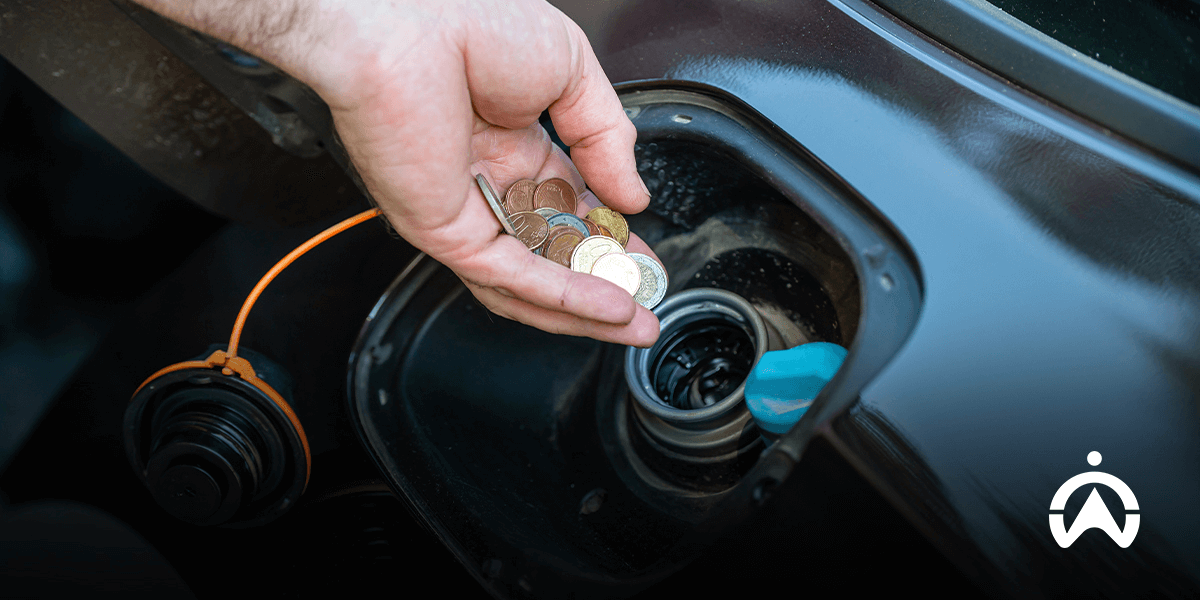
Tangan memasukkan koin ke tangki bensin mobil, menggambarkan dampak pengemudi agresif terhadap efisiensi bahan bakar.

The impact of aggressive drivers on the environment

I'm sure you've noticed that our weather hasn't been like this before. According to the International Energy Agency (IEA), road transport accounts for 15% of global carbon emissions. Burning fossil fuels like petrol and diesel releases carbon dioxide into the atmosphere. Carbon dioxide (CO2) and other greenhouse gases, like methane, cause the Earth's atmosphere to warm, leading to the climate change we're already seeing.

Net Zero Emissions

Net zero means balancing the amount of greenhouse gases we emit with the amount we remove. According to the United Nations Climate Action, the Earth is currently 1.1°C warmer than it was in the 1800s, and we need to keep it to no more than 1.5°C. To achieve this goal, global net CO2 emissions need to reach net zero by 2050, while emissions need to be reduced by 45% by 2030.

As we now know, aggressive driving burns fuel faster and is a major contributor to harmful emissions. Bad driving habits not only waste fuel but also have a detrimental effect on our climate.

Mengemudi sehat untuk efisiensi bahan bakar yang lebih baik

Seperti yang sering dikatakan, “kebiasaan lama sulit diubah,” tetapi akan menjadi lebih mudah setelah kamu memahami manfaat perubahan ini bagi efisiensi bahan bakar armada. Berikut adalah beberapa perubahan sederhana yang dapat diterapkan dalam perjalanan sehari-hari:

Keep a safe distance in traffic

Maintaining a safe distance during traffic jams helps avoid sudden braking and acceleration. You'll also become more aware of traffic flow and improve your anticipation of hazards.

Routine vehicle maintenance

Dengan rencana perawatan kendaraan yang terperinci, manajer armada dapat menghindari kemungkinan kerusakan dalam jangka panjang dan menghemat bahan bakar. Misalnya, menggunakan jenis oli motor yang direkomendasikan oleh pabrikan dapat meningkatkan jarak tempuh hingga 1% – 2%.

Choose the most efficient route

A well-planned trip means a smoother journey. Smoother trips mean less traffic, less idling, and less time on the road. Many fleet managers use fleet software to avoid unnecessary mileage, which also helps prevent road rage incidents that lead to aggressive driving.

Maintain a steady pace

Driving above the legal speed limit can cause accidents, wear out tyres, and waste fuel. Drivers should accelerate slowly and maintain a constant speed to help minimise fuel consumption.

Avoid excessive revving

After starting the vehicle, move immediately rather than revving to warm up the engine. Even while driving, unnecessary revving wastes a lot of fuel and increases wear on bearings and the engine, meaning more costs in the long run.

Check tyre pressure

Tekanan ban rendah Low tyre pressure causes the tyre to contact the ground too much, causing friction and increasing rolling resistance, making the engine work harder. Drivers should keep their tyres properly inflated and maintain the correct tyre pressure. Remember that nothing lasts forever, so you need to know when to replace your tyres.

Read also: How to Protect Your Fleet from Fuel Theft

Pengemudi manual – gunakan gigi dengan bijak

Drivers should remain in the highest possible gear for most of the journey. Changing gears too quickly results in more fuel wastage. Also, when descending a hill, it's always recommended to shift to the lowest gear.

Get a fleet management system to help monitor driver behaviour and fuel consumption.

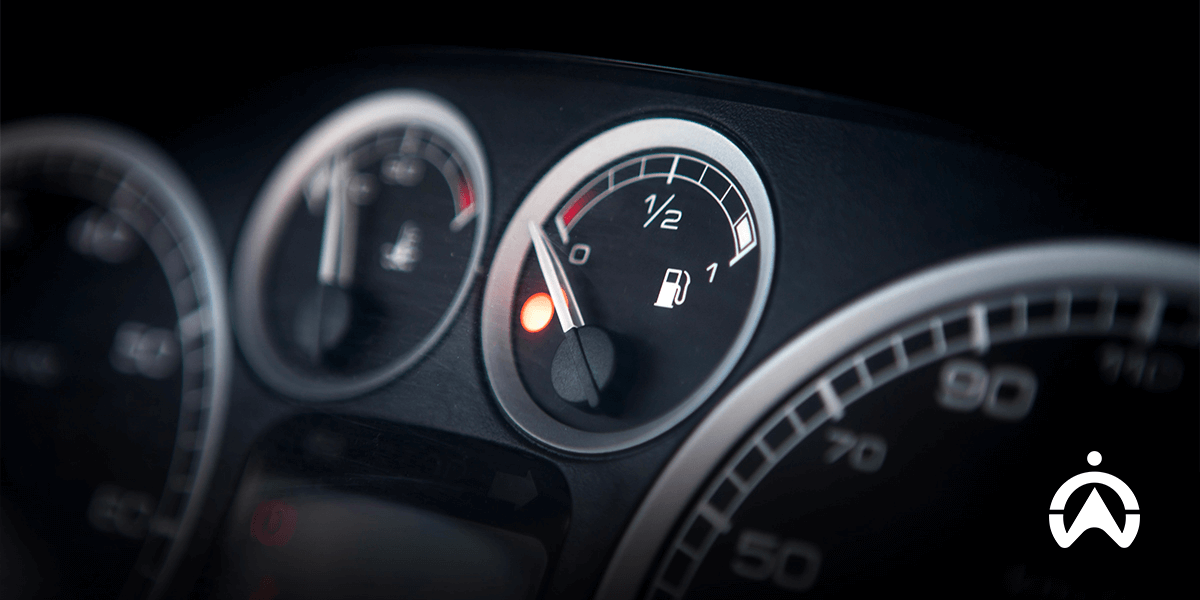
Lampu indikator bensin tiris menyala pada dasbor mobil akibat gaya pengemudi agresif yang boros efisiensi bahan bakar.

Terakhir namun tidak kalah pentingnya, dapatkan sistem manajemen armada yang akan membantu merencanakan semua rute, melihat segala sesuatu yang dilakukan pengemudi, memantau transaksi pada kartu bahan bakar, dan membantu menjadwalkan kendaraan untuk perawatan. Sistem manajemen armada yang baik akan memberikan wawasan tentang segala hal yang terkait dengan armada sehingga kalian dapat membuat keputusan yang lebih terinformasi dan melatih pengemudi jika perlu.

The best fleet management platform for fuel efficiency – Cartrack

Here's how Cartrack can help you save fuel, money, and the planet. We have a fleet management system with features that allow you to track fuel costs and driver behaviour.

Advanced Driver Assistance Systems (ADAS)

Using camera-based sensors, intelligent algorithms, and artificial intelligence (AI), ADAS helps drivers maintain a safe following distance by monitoring the distance between vehicles. This is especially useful when the goal is to avoid sudden braking and accidents.

Fuel Monitoring System

With Cartrack's fuel monitoring tool, you can monitor your fleet's fuel levels and identify any sudden changes in fuel usage. Combining fuel monitoring with MiFleet fuel validation, a fuel theft/fraud detection system, and driver scorecards, you'll be able to determine whether the cause is rough driving, fuel theft, or fraud.

AI Vision

With Cartrack's AI Vision cameras, you'll have 24/7 access to your fleet. Drivers will also receive real-time voice alerts whenever they detect mobile phone use or fatigue. The cameras will also detect excessive speed, sharp turns, and sudden braking.

Driver Scorecard

Get an overview of each driver's behaviour with Cartrack's driver reports and scorecards. This will help identify specific areas for improvement and offer coaching to enhance their skills and develop safer, more fuel-efficient driving habits.

Introduce a good and correct driving culture with solutions from Cartrack

Cartrack's innovative solutions help you save costs on maintaining and optimising fleet operations according to your needs.

Contact Cartrack now with click the following link and eliminate aggressive driving habits from your fleet!

How to Implement Green Fleet Management with Electric Trucks

What is an Electric Truck and What Makes It Different?

An electric truck is a battery-powered, rechargeable vehicle used to transport goods. Electric trucks are similar to diesel trucks but are designed for heavier loads and longer distances. Here's what sets them apart:

  • Electricity usage: All-electric trucks use lithium-ion batteries to provide electricity instead of fossil fuels. By relying on electricity, these trucks help reduce air pollution and carbon emissions.
  • Torque: The use of an electric motor instead of a combustion engine produces instant torque, allowing the truck to accelerate faster and reach full speed in less time.
  • Battery usage: Lithium-ion batteries have a high power-to-weight ratio, making them efficient and have good temperature performance. This makes them lighter than diesel trucks and less congested on the road than diesel and gasoline trucks.
  • Technology: Electric trucks have varying ranges depending on battery capacity, vehicle weight, driving conditions, and load. Advances in battery technology are extending the range of electric trucks, making them suitable for long-distance transportation.
  • Reduced Maintenance: Electric trucks have fewer moving parts, such as exhaust systems, fuel injectors, and fuel tanks. This reduces the need for routine maintenance and the financial impact of frequent fleet inspections.
  • Environmental Impact: By not using fuel, electric trucks are less likely to cause air pollution, thus saving the environment. Electric trucks offer a cleaner, quieter, and more cost-effective alternative to traditional diesel and gasoline trucks, especially as battery technology continues to advance and charging infrastructure expands.
  • Charging: Like conventional gasoline or diesel trucks, electric trucks have their own challenges. The main challenge isn't cost, but the scarcity of charging points and locations. It's possible to find available charging points that aren't compatible with your fleet.

    You'll need to know if your truck uses Level 1, 2, or 3 charging points. Levels 1 and 2 are AC (alternating current) chargers, which are alternating currents that can be generated from renewable sources using rotating generators. Level 3 charging points are DC (direct current) that travel in a straight line and can be powered by solar panels, making charging fast. The most common charging point available for electric vehicles is a Level 2 electric vehicle plug, and these are the most common electric vehicle charging points. However, most electric trucks require a ChadeMo DC charging point.

The Benefits of Fleet Decarbonisation Through Electric Trucks

Fleet decarbonisation is a crucial part of running a sustainable business. Decarbonisation is the process of reducing greenhouse gas emissions. There are many benefits to fleet decarbonisation, including some of them:

  • Reduce fleet maintenance

  • Lower costs

  • Manage and achieve fleet goals

  • A more humane corporate image

Reduced fleet maintenance: Electric trucks are said to be robust because electric motors place less stress on the engine due to minimal fuel consumption. Electric trucks require less maintenance due to regenerative braking, which allows energy to be extracted and reused. Brake wear is significantly reduced because the truck reuses energy, helping extend brake life and reduce maintenance costs.

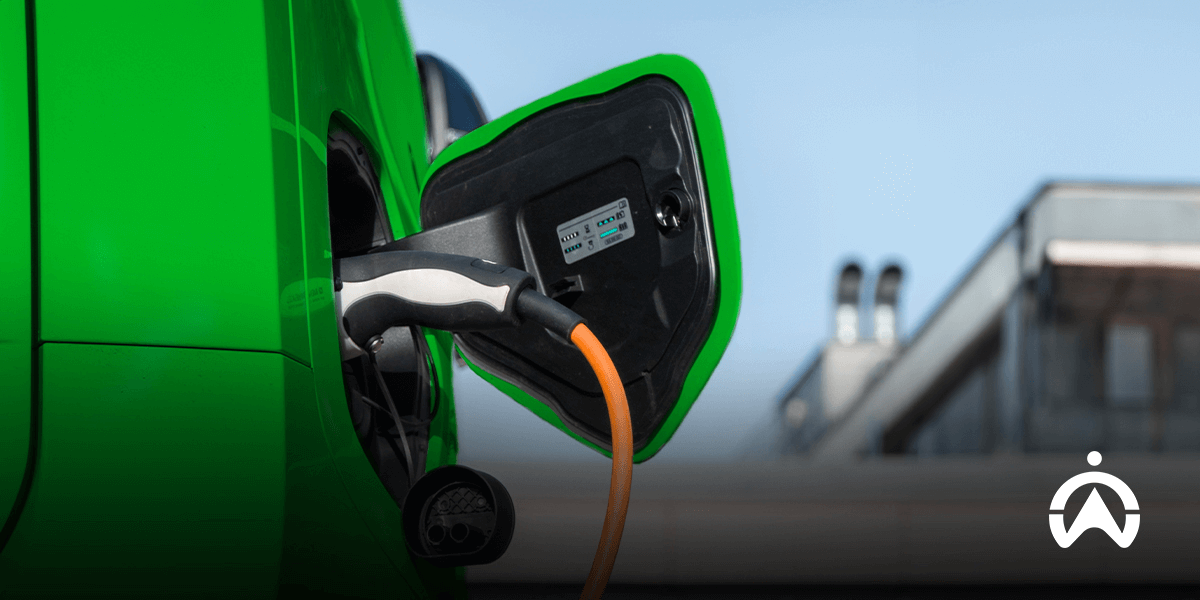
An electric truck for green fleet management is charging its battery with an orange cable in an urban area.

Lower costs: With fuel costs steadily rising since early 2024, electric trucks are an attractive alternative. Fuel consumption during decarbonisation is minimised, resulting in significant cost savings.

Managing fleet goals: If the entire fleet up-to-date With maintenance, operations can run smoothly. This allows businesses to focus on other operational goals, such as on-time deliveries and fleet efficiency.

A more human corporate image: Striving for sustainability helps improve public perception of a brand. A more humanised corporate image can help generate more sales and engagement.

Implementing Green Fleet Management

Jangan khawatir, “manajemen armada hijau” tidak jauh berbeda dengan armada biasa. Hal utama yang perlu diingat adalah seberapa banyak hal ini dapat menguntungkan perusahaan dibandingkan dengan menggunakan bensin dan diesel. Pastikan bahwa tujuan perusahaan terpenuhi baik untuk menghemat biaya atau ramah lingkungan, sehingga memungkinkan kamu untuk memiliki lebih banyak waktu dan fokus pada peningkatan keuntungan dan produktivitas. Untuk memulai, pertimbangkan untuk mengadopsi sistem telematika yang andal yang dapat melacak dan mengintegrasikan budaya hijau ke armada.

Tracking the financial benefits of going green

Switching to an eco-friendly fleet has proven profitable due to its tendency to generate higher consumer demand. So what other potential benefits might there be? There are several financial advantages to going green, including:

  • Less waste: This means recycling and reusing so that less money is spent on producing more products and less money is spent on maintenance. For example, a company that produces plastic toys finds broken toys to recycle instead of making plastic from crude oil, natural gas, and coal.
  • Government incentives: Some governments provide incentives to environmentally friendly companies to support the transition to low carbon emissions to encourage the realisation of environmentally friendly countries.
  • Innovative revenue streams: Switching to environmentally friendly vehicles can ultimately open up new business ventures, this can happen through investigating how businesses can be environmentally charged into exploring new materials and money saving techniques.

The rapid growth of electric trucks in the world

Penerapan truk listrik tanpa karbon dalam armada berkembang pesat di seluruh dunia, dan ini terlihat dari tingginya kesadaran akan armada ramah lingkungan dalam bisnis. Pemerintah memberikan insentif kepada bisnis dan merancang perubahan infrastruktur untuk mendorong pertumbuhan armada bertenaga EV dan penggunaan truk listrik untuk transportasi komersial.

As more and more vehicle manufacturers move into electric truck manufacturing, growth and supply are also increasing.

Increasing adoption of electric vehicles in logistics

Many logistics companies around the world are turning to electric trucks to contribute to securing our future. Countries like China, Germany, and the United States are leading the way in electric truck adoption. China dominates electric truck sales and production, with nearly 66,000 trucks sold in 2022. Meanwhile, Germany recorded 20,000 electric trucks by 2023.

The decline in shipping costs in logistics can be attributed to the increasing use of electric trucks as they help reduce costs thanks to high torque, less mechanical maintenance, and zero fuel usage.

The driver smiles at the window of the green truck, ready to implement green fleet management with electric trucks.

Reducing fleet carbon emissions with Cartrack

Implementing EV trucks into your fleet will help you achieve and set higher financial and profit goals while protecting the future of our planet. However, this process can be time-consuming. Therefore, Cartrack has a solution to help increase profits while ensuring your fleet stays clean and reduces emissions.

  • Proactive maintenance: Baik mengelola armada truk diesel atau EV, pemeliharaan rutin meningkatkan umur panjang armada, yang akhirnya dapat membantu menjaga nilai jual armada setinggi mungkin. Dengan Cartrack, kamu bisa menjaga nilai dari kendaraan armada dengan menerima pemberitahuan diagnostik kendaraan secara  You can detect worn brake pads, irregular water or oil fluctuations, engine failure, and other issues; make sure you know when your vehicle needs servicing to avoid unwanted downtime.
  • Remove paper: By automating fleet administration, you can save time and money while leveraging advanced technology for accurate record-keeping, reporting, cost analysis, and reminders. It's the ideal tool for reducing administrative costs while doubling your productivity. ROI business.
  • Smart driver insights: Monitor drivers using Cartrack's AI-powered Live Vision cameras. With cloud connectivity and AI smart detection technology, drivers can receive real-time alerts, giving fleet managers access to in-cab visuals with audio. The AI ​​technology sends voice alerts to correct driver behaviour as soon as it is detected, helping to promote safe driving practices that help reduce fuel waste and harmful emissions. Contact Cartrack and find out how you can start transforming your fleet into a sustainable fleet.

How to Make Your Conventional Vehicle Greener

Not every company can afford a 100% vehicle transition all at once. But you can start by "greening" your existing fleet. Here are four ways to green your existing fleet:

  • Routine maintenance: Monitoring fleet maintenance allows you to track damage to your fleet, such as an oil filler cap that needs replacing. This is a great way to start making a difference.
  • Plan the route: To avoid driving too long and producing more carbon, route planning allows you to arrive at your destination faster, drive less, and produce fewer emissions.
  • Avoid revving: Hard driving releases more emissions. Opt for smooth driving and reduced revving, as this can help you control the road and has a better chance of reducing wear and tear on your fleet's engines, which can lead to higher costs.
  • Reduce idling: Cold winters may tempt you to warm up your car, but leaving your fleet idling causes further environmental damage. Reduce the amount of time you spend idling.

If you're ready to start operating sustainably, now is the time to reduce your fleet's carbon emissions and start switching to electric trucks.

Cartrack can help create a fleet with a lower carbon footprint.

Click the following link, to find out more!

How Fleet Management Systems Optimise Agribusiness

Let's define agribusiness

Agribusiness encompasses all activities undertaken to transform products from raw materials derived from agriculture, forestry, or marine life, into usable end products.

While this sounds promising, it doesn't mean agribusiness is without its challenges. Let's explore what those challenges are.

What are the challenges faced in agribusiness?

Let's take a look at those challenges:

Storage of raw materials

Because agribusiness encompasses the entire production process, including the storage of raw materials used to create the final product, it is crucial to running a successful operation. Unfortunately, this can be a significant challenge, impacting efficiency, productivity, and the quality of the goods supplied.

Keeps temperature-sensitive items fresh

To maintain freshness throughout the production process, cold storage facilities are essential at every stage, including storage and transportation. Even the slightest temperature change can affect the quality and freshness of these ingredients. Failure to maintain the proper temperature for these items during each stage of production can cause them to spoil and increase the risk of contamination.

High production costs:

Because agribusiness is complex, there are many costly steps involved. These include:

  • Storing raw materials: Ensure raw materials are stored according to individual needs to ensure freshness and quality. However, meeting these needs at every stage of the agribusiness can be challenging and expensive.

  • Producing finished goods from raw materials: Manufacturing processes are very complex, so it is important to keep the process efficient, safe, and cost-effective.

  • Packaging goods: Packaging goods can be very expensive, because the process and materials need to be specific to the product.

  • Delivering goods to wholesalers, retailers, and restaurants: The final stage of processing is delivering goods to the locations where they will be sold. This delivery can be complex, as routes need to be optimised, drivers need to be trained, and trailers need to be prepared for temperature-sensitive goods.

Uncovering the relationship between agribusiness and supply chain management

The supply chain management process encompasses the entire flow of goods and services. This process begins with the raw components needed to manufacture goods and continues through the delivery of the final product to the retailer. Let's explore these steps in more detail:

Two workers unload plastic baskets containing agricultural produce from a truck, illustrating the role of fleet management systems in optimizing agribusiness.

Planning:

When it comes to supply chain management, ensuring product availability is crucial. In this step, the supply chain needs to determine customer demand for the products they will supply, as this helps them determine exactly how much of a particular product they need to order.

Let's take Mr. Budi, who runs a frozen fruit business, for example. Before he begins planning how to package his product or where to sell it, he needs to determine the demand for it. With this information, he can budget effectively, maintain a balanced inventory, and ensure customer needs are consistently met.

Sourcing:

Sourcing, also known as procurement, involves finding and purchasing the materials or supplies needed to meet customer demand. In this stage, businesses must find suppliers, ensure purchased products meet company standards, negotiate prices, and obtain the correct quantities of products or materials needed for production.

Let's return to Mr. Budi. In this stage of the supply chain, Mr. Budi needs to order fresh fruit based on customer demand during the planning stage. With this information, he can ensure the correct quantity of fruit is ordered and avoid losing money due to excess stock spoiling.

Production:

In this stage, raw materials are transformed into finished goods using specialised equipment. This stage involves using information about the total quantity of products needed to create a finished product that will meet customer needs.

Mari kita lihat bisnis produk beku milik Pak budi. Dalam tahap rantai pasokan ini, Pak Budi mengambil buah yang dia beli, dan melewati proses pembekuan cepat menggunakan mesin khusus. Keputusan Pak Budi tentang berapa banyak paket yang perlu dia produksi didasarkan pada angka yang dia catat selama tahap “perencanaan”.

Distribution:

Now that the goods have been produced, it's time to move them to where they will be sold. This could include supermarkets, garages, convenience stores, or even customers who want to buy directly from the business.

For Mr. Budi, this step involves cold chain logistics solutions to transport frozen fruit from factories or warehouses to various locations where they will be sold.

Simplifying agribusiness with a fleet management system

Whether it's two or two hundred vehicles, fleet management helps businesses stay safe, profitable, and efficient, making it crucial to the fleet's overall success. A fleet management system simplifies the entire process, allowing business owners to keep their fleet running at optimal levels from the comfort of their laptop, computer, tablet, or mobile phone.

Three main benefits of a fleet management system for agribusiness

The unique thing about fleet management systems is that they can be tailored to the individual needs of each industry. Let's look at three major benefits a fleet management system can provide for agribusinesses:

1. Increased visibility of vehicles and cargo

If you're in the business of supplying raw materials to various businesses or delivering those products to stores, tracking your vehicles is crucial to the efficiency and safety of your agribusiness operations. With access to real-time location updates, businesses can quickly locate goods, determine their ETAs, monitor delays, and improve vehicle and cargo security.

2. Your items stay fresher longer

Whether it's fresh fruit or meat, temperature-sensitive goods need to remain fresh during shipping. Fleet management systems provide access to real-time temperature monitoring, helping businesses detect sudden spikes or drops in temperature. This system ensures that businesses can quickly address fluctuations before stock spoilage occurs.

3. Improve driver behaviour and cargo safety

Everyone behind the wheel of a fleet vehicle must drive responsibly. Fleet management systems simplify driver behaviour monitoring, helping businesses quickly identify areas for improvement that could potentially disrupt business operations and keep drivers safe at all times. In the agribusiness sector, improving driver behaviour helps ensure safer cargo transportation, ensuring goods arrive at their destinations intact.

Trust Cartrack fleet management solutions to improve your agribusiness operations.

Cartrack is an industry leader in fleet management. Let's take a look at some of Cartrack's advanced solutions:

Aerial photo of a white pickup truck parked next to green terraced rice fields, illustrating the role of fleet management systems in optimizing agribusiness.

GPS vehicle tracking:

Get real-time updates on vehicle and equipment locations with Cartrack GPS tracking. Powered by GPS technology, this solution helps business owners pinpoint the exact location of specific vehicles or heavy equipment from within the app.

Geofencing:

Gain detailed insights into vehicle and equipment usage and location with Cartrack's geofencing feature. Create virtual boundaries for vehicles and equipment, and receive instant SMS or email notifications when they enter or exit those boundaries. This helps establish restricted areas for specific vehicles or equipment, preventing them from being used in hazardous areas that could lead to costly and life-threatening accidents.

Driver ID Tag:

Ensure only skilled workers operate vehicles or equipment with Driver ID tags. Each driver will receive a tag linked to their personal information. To start the vehicle or equipment, the tag must be tapped on a sensor inside. If an unauthorised driver operates the vehicle, the business owner will receive an instant alert, and the vehicle will not start, reducing the risk of accidents caused by unskilled workers operating the equipment.

Delivery:

Streamline delivery operations with Cartrack's Delivery feature, which provides comprehensive insight into delivery operations. Simplify driver tasks by leaving notes on each assigned job with specific instructions. This feature also helps keep customers informed; from notifying them once the driver has started a delivery to sending them a link that allows them to track the delivery in real time, these steps improve customer satisfaction and company image.

Temperature monitoring sensor:

Keep temperature-sensitive goods fresh and long-lasting with Cartrack's temperature monitoring sensors. Receive instant notifications when the temperature inside a trailer changes. These alerts allow users to quickly check the temperature, helping them decide whether to send a replacement trailer to complete the delivery and limit profit losses. Monitor and analyse temperature fluctuation trends with automatically generated reports, helping users identify potential larger issues within their cold chain fleet.

Fuel monitoring:

Closely monitor your vehicle's fuel consumption with Cartrack's fuel monitoring system. Agribusinesses require high fuel consumption, and Cartrack understands this, which is why it designed a real-time fuel monitoring system. With detailed insights from this system, you can determine the reasons behind spikes in fuel consumption, identify fuel leaks, and prevent fuel theft.

Preventive care:

Unplanned downtime in agribusinesses can be prevented with Cartrack's preventative maintenance solutions. Cartrack's technology, which utilises advanced analytics, proactively monitors the health of various vehicle components, such as brake pads. It also creates maintenance plans tailored to fleet needs, preventing maintenance scheduling that disrupts daily operations. Preventive maintenance can increase fleet longevity, reduce the risk of road accidents, and keep vehicles in top condition.

Driver behaviour monitoring:

Ensure staff are operating equipment or driving as safely as possible with Cartrack's AI Live Vision Camera. With real-time audible alerts when drivers are in a dangerous or distracted condition, this cloud-connected video management software gives drivers the opportunity to correct their behaviour in real time, helping businesses ensure the safe and efficient transportation of goods.

Keep goods fresh, drivers safe, and processes efficient with Cartrack

Agribusinesses have various responsibilities, but fulfilling these responsibilities must not be at the expense of business productivity and efficiency.

Contact Cartrack today and make your agribusiness the best it can be. Click the link below!