
Transportation Business: Opportunities, Challenges, and How to Get Started

We know that transportation plays a huge role in our lives, from shipping goods and car rentals to tour buses. However, have you ever considered the business opportunities that arise from this close relationship?

In this article, we will discuss the transportation business—covering its various types, the opportunities available in Indonesia, and the steps to get started. Read on for a comprehensive guide if you are interested in launching a business in the transportation sector!

What is the Transportation Business?

The transportation business is a business related to moving goods or people from one place to another using vehicles. This business encompasses various modes of transportation on land, sea, and air.

The following are examples of transportation businesses in Indonesia according to their respective types:

  • Land transportation business → Online transportation, logistics and expeditions, shuttle cars, car/motorcycle rental, taxis, bus rentals, and so on.

  • Maritime transportation business → Shipping companies, ship charters, shipping goods by sea, inter-island tourism, and so on.

  • Air transportation business → Airlines, cargo delivery by air, and so on.
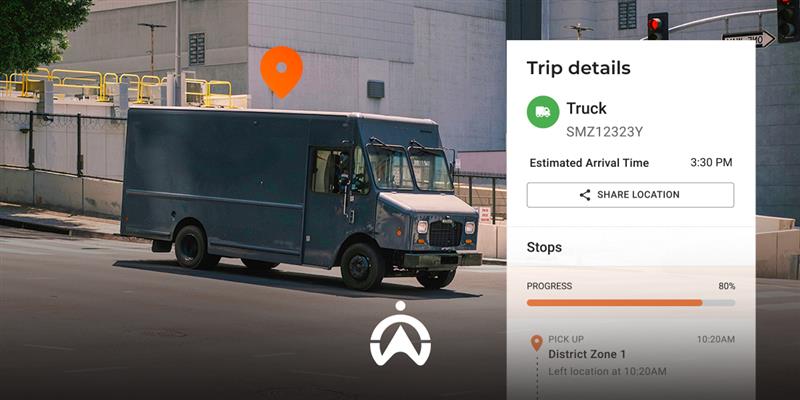
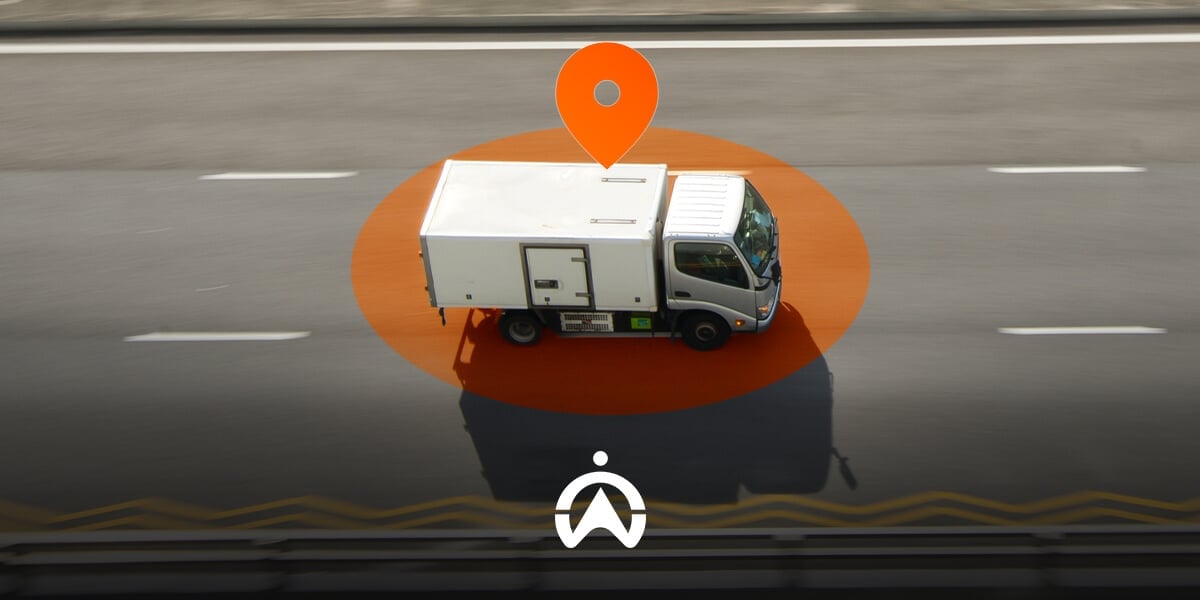
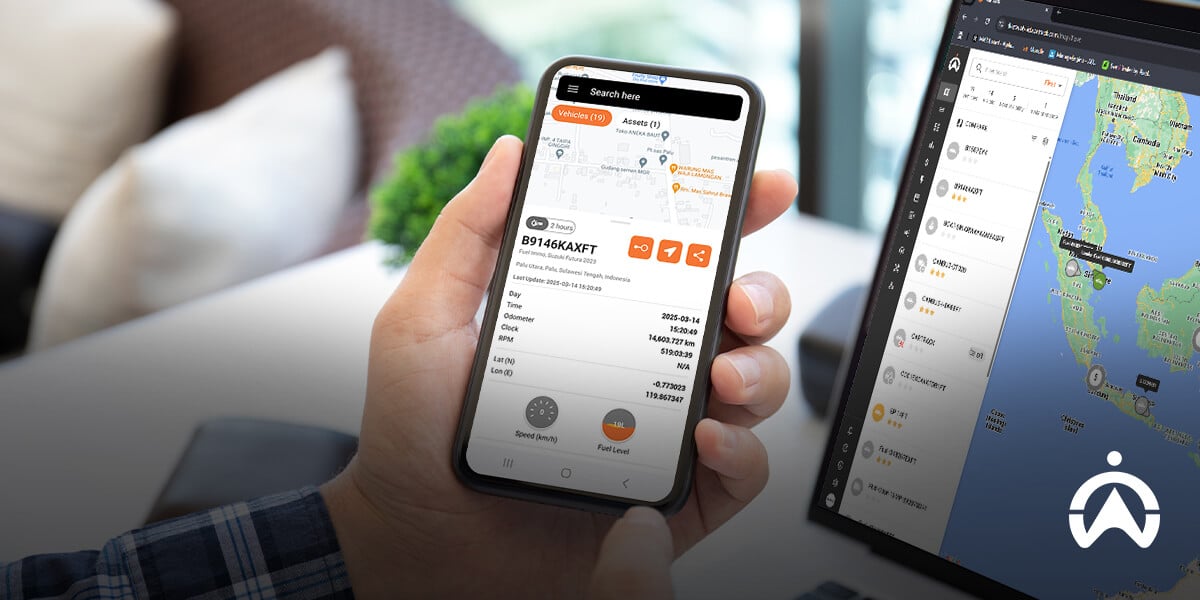
Digital map of city fire locations for route analysis and management of transportation business challenges.

Potential Transportation Business Opportunities in Indonesia

The transportation business and industry in Indonesia offer significant opportunities now and in the future. This is influenced by various factors, such as:

  • Digitalisation and transportation applications

  • E-commerce drives logistics services

  • Local tourism is on the rise post-pandemic

  • Electric vehicles and eco-transportation

There are many types of transportation businesses in Indonesia, from vehicle rentals to online transportation. Some potential transportation businesses in Indonesia include:

1. Rental Mobil/Motor

Vehicle rental businesses are very common in Indonesia, especially in urban areas and around tourist destinations. These businesses can range from small-scale fleets with just a few vehicles to large-scale fleets with tens or even hundreds of vehicles.

2. Shuttle Travel

Another business is the shuttle travel business, whether airport transfers or intercity transfers. This service is highly sought after because it often implements a drop-off and pick-up system, making it more convenient and easier for customers.

3. Instant Delivery

The delivery business still offers significant potential, especially with the rise of e-commerce and online shopping habits. Instant delivery services, which allow customers to receive their orders within hours, are also in high demand.

4. Bus Company

Bus transportation companies generally serve passengers traveling between cities, for tours, or for rentals for other purposes. This business also offers significant potential in Indonesia, especially since land transportation remains a popular option.

5. Online Transportation

With its convenient and user-friendly services, online transportation is one of the fastest-growing transportation businesses in Indonesia. Despite the presence of major players like Grab and Gojek, this business still has ample opportunities for competition.

Read Also: The 5 Best Business Insights for Your Fleet!

First Steps to Starting a Transportation Business

For those of you who have plans to start a business in the transportation services sector or a transportation company, apply the following 7 steps:

1. Determine the Type and Target Market

The first thing you need to determine is the type of business and its target market. Whether it's a car rental, a shuttle service, or another business with larger capital requirements, such as a bus company or logistics company.

When deciding on a business type, you should also consider the opportunities and who the target market will be. Also, find out whether market demand for that sector is large enough for your business to have the potential to grow.

2. Financial Research and Planning

Once you've determined your business type and target market, the next step is to conduct competitor research or study. Identify and record key operational aspects, such as the type of fleet they use, their scope of business, and so on.

By observing your competitors, you can usually roughly calculate the budget required for operations. From there, you can create a financial plan that, of course, fits your available budget.

3. Fleet Preparation

Next, you'll enter the most crucial and potentially capital-intensive part: establishing a fleet. You can decide whether to use an existing private fleet, rent one, or purchase one.

Ensure that the fleet you choose truly aligns with your business needs and won't burden operations. Aim for a fleet that's fuel-efficient and capable of operating effectively in a variety of terrains.

4. Take care of legal matters

With your fleet in place, it's time to take care of the legalities, both regarding your fleet and its business permits. Ensure all your vehicles are equipped with the necessary documents, such as vehicle registration certificates (STNK), vehicle ownership certificates (BPKB), and have passed the vehicle inspection (KIR).

If you're buying a used vehicle, make sure the documents are officially transferred to your name and are officially yours. Furthermore, if your business involves providing passenger transportation, you'll also need to apply for a special yellow license plate.

5. Recruit HR and Prepare SOPs

As you move into operational preparation, you can begin recruiting human resources, including drivers and other staff if needed. You can also begin developing standard operating procedures (SOPs) to provide clear rules and directions for operations.

It is highly recommended that you create SOPs that comply with government regulations. This is to avoid operational disruptions due to perceived violations of applicable laws and regulations.

6. Take Advantage of Technology

Using fleet management technology will make it easier for you to manage your fleet and improve road safety. This includes GPS Trackers, which allow you to track your vehicles and monitor their driving behaviour.

Tidak hanya itu, Fleet Management System yang terintegrasi seperti Cartrack juga menyediakan berbagai fitur tambahan. Mulai dari kamera armada, sensor bahan bakar, hingga start prevent untuk mencegah pencurian.

7. Marketing and promotion

Before starting operations, ensure you've initiated a massive promotional campaign, both digitally and non-digitally. Choose the most effective marketing and promotional media that can reach the widest possible target market.

Additionally, take advantage of collaborations with various platforms that can support your business's promotion and visibility. For example, if you own a car rental business, you can register your business with an online booking service.

Read Also: Benefits of a Fleet Management System for Fleet Rental Businesses

Challenges and How to Overcome Them

As a business that involves vehicles in its operations, the transportation business faces several challenges that you should be aware of from the outset. These challenges include:

1. High Operating Costs

The transportation business inevitably involves expenses such as fuel consumption, vehicle taxes, and repair costs in the event of damage. Regarding fuel, for instance, one potential challenge is driving behaviour—such as a habit of speeding, which leads to excessive fuel consumption.

Meanwhile, poorly maintained vehicle health can also lead to serious damage, which can incur significant expenses. If not managed properly, these issues can seriously disrupt business finances.

2. Market Competition

The next challenge is market competition and the large number of players in the same or similar business sectors. It's crucial for you to have a unique selling point that will attract customers to your services.

You also need to maximise operational efficiency so that your budget can be allocated to promotions and marketing. In addition to implementing effective marketing and promotions, ensure you consistently provide the best possible service to retain customers.

3. Risk of Fleet Loss & Misuse

One common situation involves drivers using business vehicles for personal needs or even taking on part-time work. This can be detrimental to the company, as the vehicle is being used for non-business purposes.

Furthermore, fleets are highly vulnerable to theft and theft by unauthorised parties, especially if your business involves renting or leasing vehicles with a keyless system.
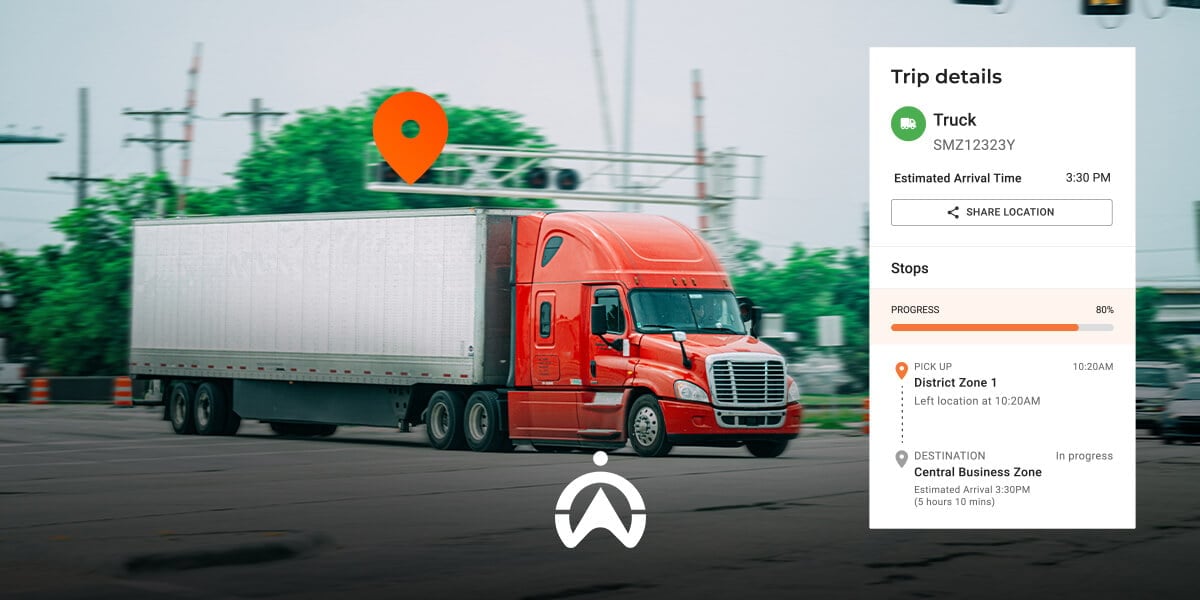
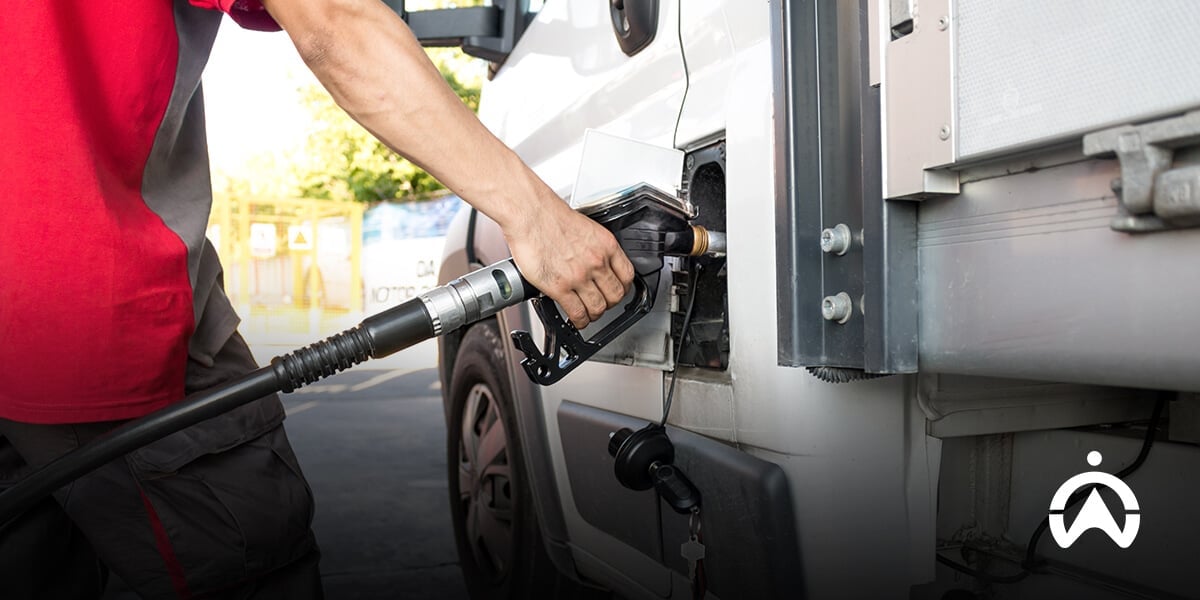
Logistics trucks in transportation business operations are driving on the road with visible fuel indicators.

Cartrack's Fleet Management Solution for Transport Businesses

To minimise potential losses and maximise efficiency, you can use Cartrack's fleet management solution to monitor your fleet and drivers. Here are some features that can help you manage your transportation business.

GPS Tracker

A GPS tracker allows you to monitor your fleet's location in real-time and view the daily trips of each vehicle. You can also access data regarding driving behaviour, such as speeding and sudden braking.

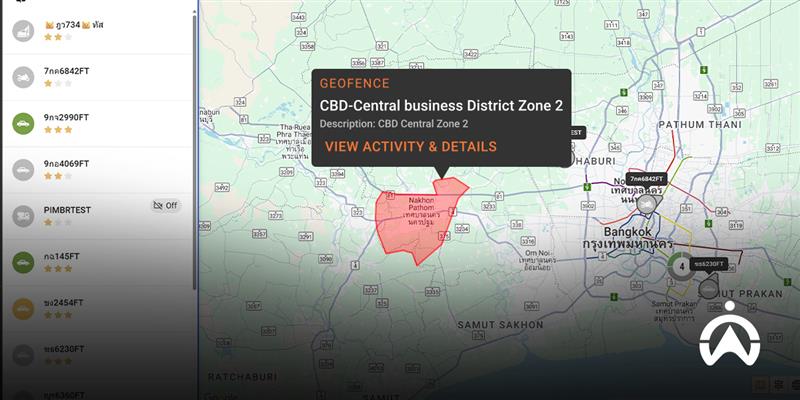
Geofence dan Point of Interest

You can set geofences and points of interest to delimit work areas or restricted areas. You can also set notifications if your fleet enters or exits these designated areas.

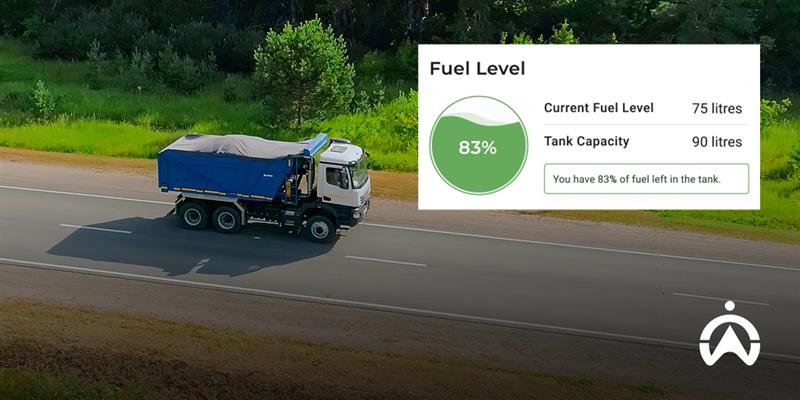
Fuel Monitoring

Discover how to monitor your fleet's fuel consumption using three types of sensors, tailored to your specific vehicle models. These sensors make it easier for you to detect fuel fraud or theft.

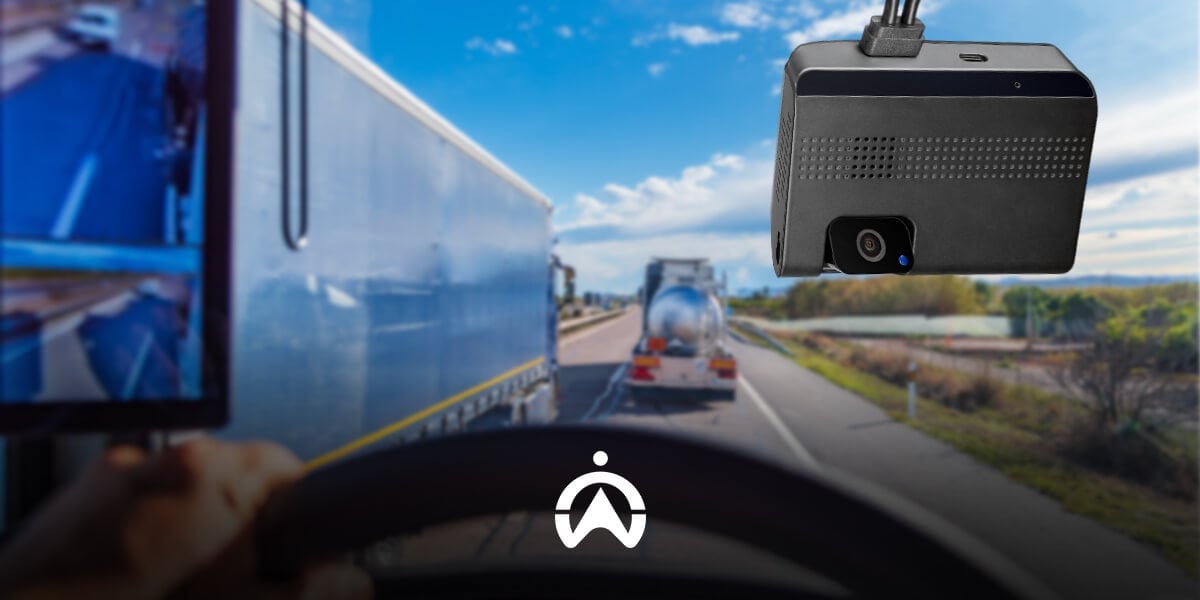
AI Vision

A visibility solution that allows you to monitor risky driving behaviors such as cell phone use, smoking, or drowsiness. The system will automatically alert you if the AI ​​camera detects any risky behavior.

Start Prevent

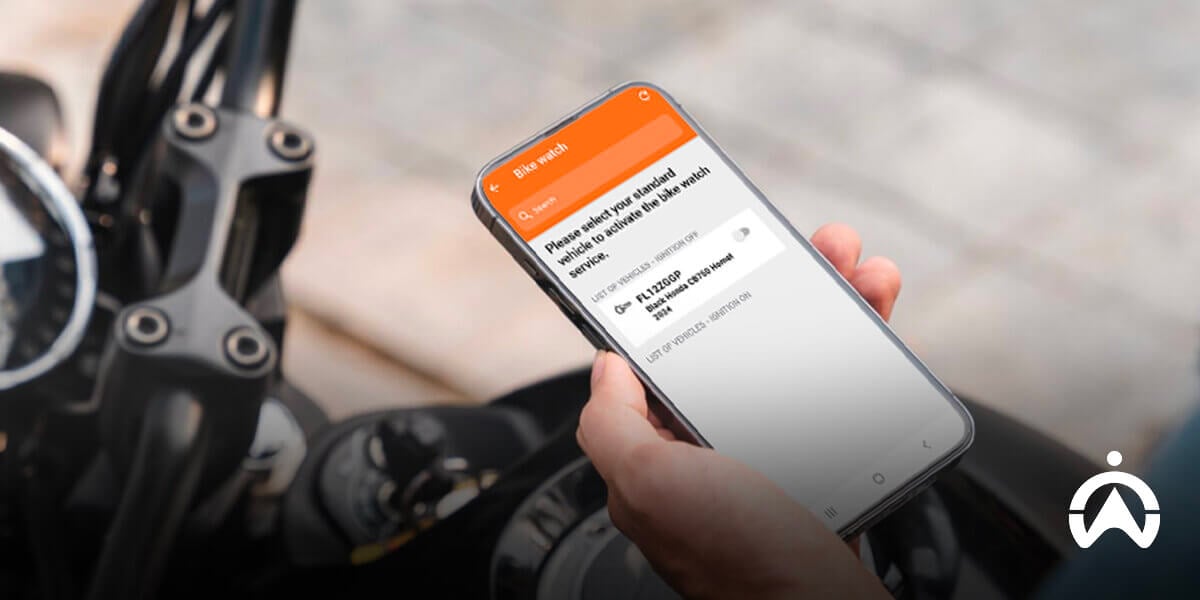
This feature allows you to remotely disable the vehicle's starter if there is a suspicion or possibility that the vehicle has been stolen. Once the vehicle is shut down, it cannot be started again.

 Delivery

Cartrack’s Delivery Management System makes it easy for you to manage deliveries for your logistics or last-mile delivery business. You can schedule deliveries, optimise routes, and track delivery status with ease.

With its close ties to economic activity and tourism, the transportation industry has significant potential for continued growth. The technology supporting this industry is also constantly evolving, one example being Fleet Management Systems.

Cartrack’s fleet management solutions can support your transport business with a range of features, from GPS trackers to "Start Prevent" (ignition prevention). Streamline your business operations with Cartrack—click the link below and provide your details to get in touch with our team.
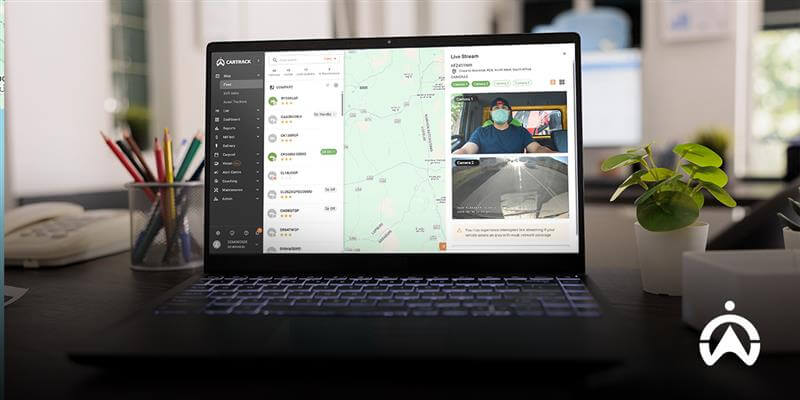
What Is a Dashcam: A Camera Solution for Vehicle Security and Surveillance

Imagine if a minor accident happened on the highway and you were accused of hitting the car in front of you, what would you do?

The incident may have happened so quickly that you don't remember much of the details, but you're convinced you're innocent. The problem is, you have no evidence, and the accuser is determined to sue you.

This problem might have been solved sooner if you had installed a dashcam from the start. Let's learn more about dashcams and how they can help you in road disputes.

What is a Dashcam?

Dashboard camera atau yang sering disingkat menjadi dashcam adalah kamera yang biasanya terletak di bagian dashboard kendaraan. Kamera ini berguna untuk tambahan alat keamanan yang bisa merekam situasi di sekitar kendaraan selama perjalanan maupun saat parkir.

The recordings stored on this device can prove who was at fault in an accident or traffic violation. If your vehicle is damaged in an accident caused by someone else, you have evidence for an insurance claim.

So, how does a dashcam work?

The dashcam works automatically, so you don't need to press any buttons to start recording. The camera, which points at the front or rear windshield, activates immediately when the vehicle is started, powered by the battery.

Captured footage will be saved to a memory card (SD card) or directly to cloud storage. Some dashcams have a loop recording feature that allows the device to automatically overwrite older footage if the memory is full.

The steps to install and use a dashcam are:

  1. Install it in the right position, namely facing the top of the car's windshield.

  2. Connect to power source.

  3. Turn on the car engine, the device will automatically turn on if it is directly connected to the battery.

  4. Make sure the memory card is installed correctly.

  5. Make adjustments as needed, for example activating certain features.

The laptop displays a digital route map as part of a dashcam-based vehicle surveillance solution.

Types of Dashcams Based on Their Featured Features

Dashcams on the market today typically come equipped with a variety of additional features that make them more than just a dashcam. Some types of dashcams you might encounter include:

1. Dashcam Single Channel

Dashboard cameras that can only record the front of a vehicle are called single-channel devices. This type is functional enough for use in private vehicles because it only needs to record road conditions during the journey.

2. Dashcam Dual Channel

Biasanya digunakan oleh armada operasional, perangkat ini dapat merekam dua arah yaitu arah jalan raya dan juga kabin tempat pengemudi. Selain untuk merekam perjalanan, kamera kendaraan jenis ini juga berfungsi untuk memantau aktivitas pengemudi selama berkendara.

3. Dashcam with Cloud or Wi-Fi connection

The next type is a dashcam that connects directly to the cloud or Wi-Fi. This device is a more advanced version of the standard type, which uses an SD card and cellular network for connectivity.

4. Dashcam with GPS and G-Sensor

Many dashcams today are equipped with motion sensors or impact sensors (G-sensors). This allows recordings to be instantly locked and not deleted in the event of sudden vibrations, such as a collision.

5. Dashcam GPS

Beberapa dashcam jenis terbaru tidak hanya memungkinkan konektivitas dengan Wi-Fi dan Cloud, tetapi juga dilengkapi dengan pelacak GPS. Hal ini memungkinkan Anda untuk merekam perjalanan sekaligus melacak lokasi kendaraan.

6. AI-Powered Dashcam

Teknologi Artificial Intelligence (AI) juga sudah diterapkan pada kamera ini, salah satunya adalah AI Vision dari Cartrack. Jika ada potensi tabrakan di depan atau perilaku berisiko seperti menggunakan ponsel, AI akan mendeteksinya dan memberikan peringatan langsung.

7. Dashcam 360°

This camera can record 360°, allowing you to monitor the vehicle from the front, sides, and even the rear. This device is typically used for luxury cars or special operational vehicles that require comprehensive surveillance.

8. Fleet Dashcam

Kamera dasbor untuk kendaraan operasional bisnis ini memiliki teknologi yang terhubung dengan Fleet Management SystemThis technology allows fleet dashcams to be monitored live (live-view).

How to Care for a Dashcam

Now that you know how to use a dashcam and the different types available, let's move on to how to care for it. Here are some things you should do to ensure your camera lasts and lasts:

1. Clean the lenses regularly

The lens is the most important part of any camera, including dashcams. Therefore, you need to ensure your device's lens is clean so it can capture light and display the recorded image.

2. Check the condition of the cable and the position of the camera.

Connectivity issues with the power source are a common problem with this device. To ensure the camera is properly connected, be sure to check the device's cables every time you start your car.

3. Replace the SD card if it starts to error.

SD card storage often experiences issues such as recordings not being saved or file corruption. If this happens frequently, be sure to replace the SD card immediately.

4. Update Firmware

Perform regular software or firmware updates for smoother operation. This will also prevent potential recording errors, lost storage, or other issues caused by outdated firmware.

5. Avoid extreme temperatures

When using a camera in your vehicle, avoid parking it in hot conditions for extended periods. Excessive heat can damage dashcam components, cause recordings to be corrupted, and cause the device to shut down or restart.

Dashcam Use in the Eyes of Indonesian Law

To date, there is no specific law specifically addressing the use of dashcams in Indonesia. However, several laws exist concerning the use of their recordings, which are considered electronic documents.

1. Personal Data Protection Law No. 27 of 2022

If the dashcam recording contains a person's identity, then it is personal data protected by the Personal Data Protection Law (PDP Law) No. 27 of 2022. Therefore, disseminating the recording is a form of violation of privacy and the PDP Law.

2. Electronic Information and Transactions Law (ITE Law) No. 1 of 2024

Information recorded by a dashcam is considered an electronic document that can be used as legal evidence. Therefore, you can use the recording as evidence in the event of an accident or crime on the road.

3. Government Regulation Number 55 of 2012 concerning Vehicles

While not specifically addressing dashcams, the regulations repeatedly mention the use of accessories that must not obstruct the driver's view. Furthermore, the devices must not obstruct the operation of the vehicle.

Based on the above law, ensure you only use dashcam footage for personal use to avoid violating anyone's privacy. You can also use this footage as electronic evidence in the event of an accident or incident on the road.

What are the regulations regarding dashcams in other countries?

In some countries, such as South Korea, dashcams are a mandatory accessory when purchasing a new car. However, in most countries, the use of these devices is recommended, but with terms and conditions.

Distributing and misusing dashcam footage can be severely punished in many countries. Therefore, its use is strictly limited to personal use or as evidence in the event of a legal violation.

A small camera on the car's side mirror as a security camera solution and vehicle surveillance while driving.

Tips for Choosing the Right Dashcam

If you're considering purchasing this device for the first time, there are several things you need to consider. Here's a guide to choosing a dashcam.

1. Prioritise camera resolution

The most commonly used camera resolution is Full HD (1080p). This resolution produces images clear enough for documentation and evidence in the event of an accident or incident on the road.

2. Ensure storage capacity

If you need this device for standard use, 32GB of storage will be sufficient. If you need to record for longer periods, 64GB of storage might be more suitable.

3. Consider additional features

Many dashcams today come equipped with various additional features, such as night vision, parking mode, loop recording, and cloud storage. Choose a fleet camera with features that suit your fleet's needs.

4. Trusted dashcam recommendations

One of the most trusted dashcam recommendations is the Non-AI Vision and AI Vision from Cartrack. These cameras are available in single-channel and dual-channel versions, allowing you to choose the one that best suits your needs.

5. Adjust to your needs

Using a dashcam for business vehicles requires a more complex system than for personal use. You can use a fleet dashcam from Cartrack, which is connected to a Fleet Management System.

Dashcam and AI Camera Recommendations for Fleets

More than just a dashcam, Cartrack offers two camera monitoring solutions for your operational fleet: AI Vision and Non-AI Vision. Both are fleet cameras that connect directly to Cartrack's Fleet Management System.

AI Vision

A driver monitoring solution where the system will provide immediate alerts if the AI ​​camera detects risky driving behavior. Some behaviors that trigger an audible alert from this system are:

  • The distance between the vehicle and the vehicle in front is too close

  • Use of mobile phones while driving

  • Driver who is not focused and tired

  • Passengers who enter when the engine is running

  • Camera cover by driver

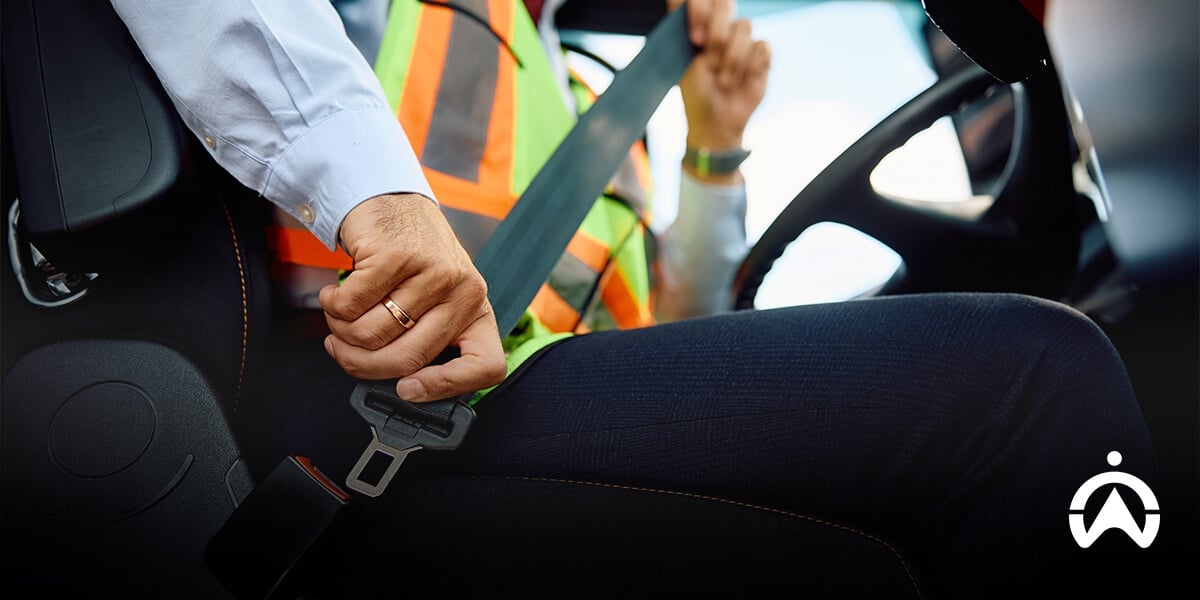
  • Seat belt not fastened.

Non-AI Vision

This camera allows you to comprehensively monitor drivers, roads, and vehicles. Recordings from this device can also serve as evidence for incident investigations, insurance claims, and even for protecting your business fleet.

Even without an AI camera, you can still live-stream vehicle and road conditions during your trip. You can also request remote recording of specific events for various purposes.

Penggunaan dashcam perlu Anda pertimbangkan sebagai pemilik atau pengelola armada kendaraan operasional bisnis. Lengkapi formulir berikut untuk informasi lebih lengkap tentang solusi kamera AI & Non-AI Vision dari Cartrack!

Understanding Vehicle Fleets and How to Manage Them Effectively

You're probably familiar with the term "fleet," which refers to a company's collection of operational vehicles. For example, the trucks owned by a logistics and shipping company and the sedans owned by a taxi company.

However, do you know what exactly is meant by a vehicle fleet and how to manage it efficiently?

In this article, we will take a comprehensive look at vehicle fleets—covering everything from their definition and tips for selection to maintenance and fleet management technology.

Definition and Types of Vehicle Fleets

In general, a vehicle fleet is a collection of units owned or leased by a business or organization to support its operational activities. Examples include rental cars/motorcycles, tourist buses, taxis, and logistics trucks.

Based on their function, vehicle fleets are generally divided into two categories:

  • Freight transport → Used to transport goods from one location to another. For example, logistics trucks are used to deliver goods from factories to warehouses, and box trucks are used to transport goods from warehouses to retailers.

  • Passenger transport → Used for transporting people, whether for short distances (within a city) or long distances (between cities, islands, or countries). Examples include urban taxi companies and intercity bus operators (AKAP).

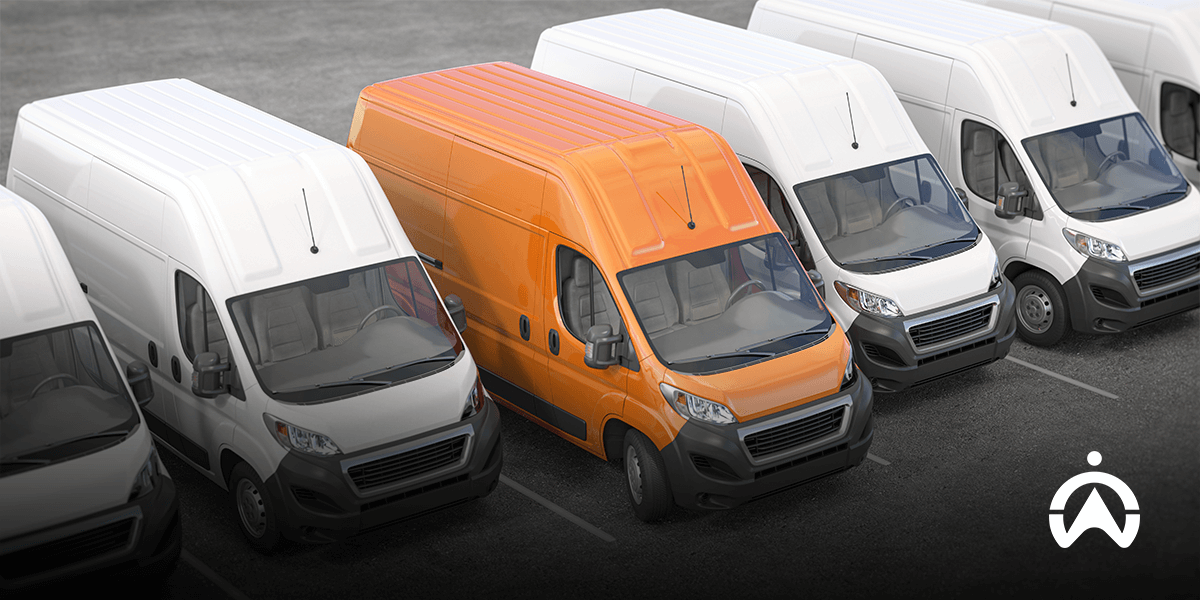
A row of white and orange vans in the large parking area as part of the company's operational vehicle fleet.

How to Choose the Right Fleet for Your Business

If you are planning to start a transportation or delivery business, here are some important things you need to consider when choosing a vehicle:

1. Adjust to the type of business

First, choose a vehicle that suits your business, as each transportation business requires a specific type of vehicle. For example, choose a truck for a logistics business, and an MPV (Multi-Purpose Vehicle) for a car rental.

2. Calculate operational needs

Next, you'll also need to consider operational requirements, such as the number of units needed, their capacity, and other technical specifications. This will also depend on the scale of your business.

3. Consider fuel efficiency and maintenance costs

You also need to consider fuel efficiency and maintenance costs for your fleet. Ensure that you choose fuel-efficient units that do not require intensive maintenance, so that your fleet operations remain efficient.

4. Check after-sales service support

The availability of service centers and spare parts is another important consideration. Choose a brand with a network of authorised repair shops to facilitate servicing and purchasing spare parts when needed.

5. Consider the options of buying vs leasing a fleet

In addition to purchasing, you might also consider leasing business vehicles through a long-term rental arrangement. This option offers flexibility, lower upfront costs, and savings on maintenance expenses.

Also Read: Best Fleet Management: How to Maximise Revenue

Vehicle Fleet Management and Its Challenges

Once an operational unit is in place, the next focus is how to manage it efficiently. Typically, businesses implement fleet management, which is handled by a fleet manager.

In general, fleet management refers to the efforts made to oversee company operations in order to improve efficiency, security, and driving safety. Managing a vehicle fleet presents its own unique challenges, such as:

1. High operational costs

In operation, a fleet of vehicles requires fuel, servicing costs, driver salaries, and so on. All of these require significant costs, so you naturally want to improve efficiency.

Unfortunately, what often happens in the field is actual wastage—or even fuel theft, which leads to financial losses. If left unmonitored and unaddressed, this issue has the potential to become a long-term operational loss for the company.

2. Risk of damage or loss of vehicle

Poor driving behaviour often leaves your fleet vulnerable to damage. Idling, frequent speeding and sudden braking, and overloading will accelerate damage.

Furthermore, the risk of theft is also very likely, especially since you entrust the keys directly to the driver. The risk of loss increases even further if the driver doesn't prioritise security, for example when parking.

3. Coordination with the driver

Another challenge in managing a company fleet is coordinating with drivers. Without GPS, you can only track deliveries through direct chat or phone communication, which can be dangerous while driving.

Meanwhile, drivers are very likely to engage in unsupervised, unprompted actions, such as choosing inefficient routes. This will directly impact delivery times and fuel waste.

Effective Fleet Management Tips for Smooth Operations

So, how do you overcome these challenges? Here are some effective tips you can apply.

1. Preventive maintenance

Perform regular preventative maintenance, including regular inspections, oil and brake fluid changes, and routine cleaning. This helps prevent sudden breakdowns due to undetected conditions.

2. Operational schedule management

Schedule your vehicle's operations so that it's not too busy, ensuring optimal vehicle condition. Busy operating hours can leave your vehicle vulnerable to engine problems and sudden breakdowns.

3. Monitoring fuel consumption

Fuel is one of the largest operational expenses if you have a transportation-related business. Without close monitoring, waste and costly fraud are highly likely.

4. Driver training and evaluation

Driving behavior not only impacts fuel consumption but also the durability of the vehicle. Therefore, you need to provide training when hiring drivers and conduct regular performance evaluations.

5. Use of technology

To make it easier to manage your operational fleet, using a Fleet Management System is highly recommended. From GPS trackers to various IoT sensors, you'll be able to monitor your fleet comprehensively.

Also Read: What is the Impact of IoT on Fleet Management Systems?

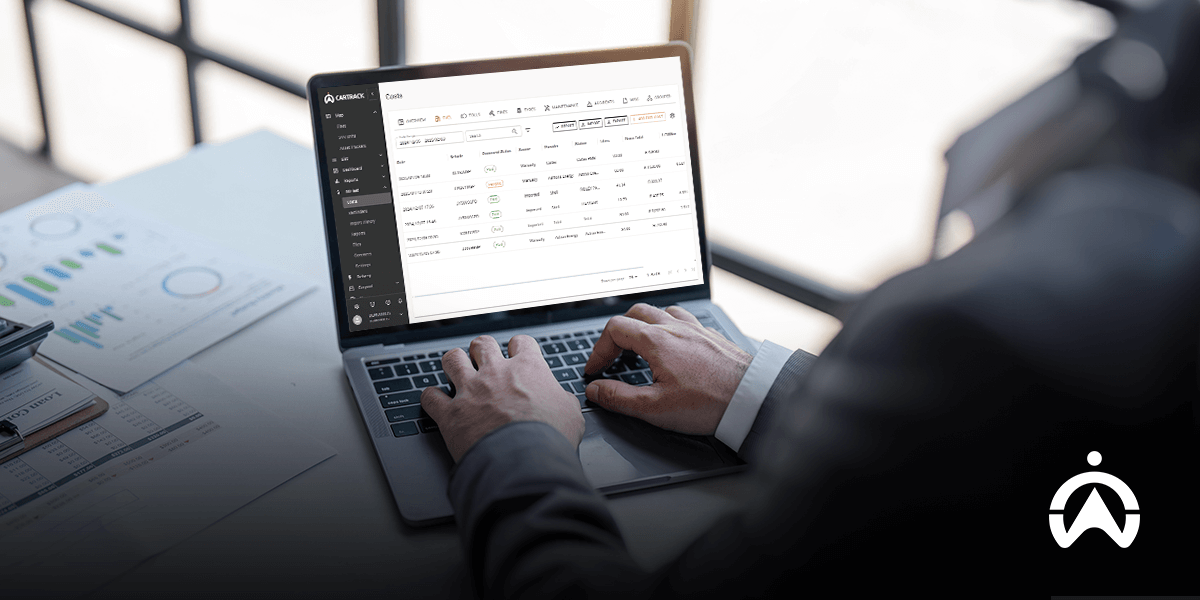
Business owners use laptops to manage work schedules as an effective way to manage their fleet of vehicles.

Fleet Management System Solution from Cartrack

To address the various challenges in fleet management, Cartrack presents an integrated fleet management solution that saves time, costs and effort.

Cartrack's Fleet Management System technology utilises telematics such as GPS, sensors, software, and Artificial Intelligence (AI) to facilitate monitoring and improve operational efficiency.

Here are the superior features that can help your business:

1. GPS Tracker

A real-time tracking solution that allows you to track your vehicle's location in real time, complete with driving data. You'll know the vehicle's speed, as well as whether the driver is speeding, braking hard, or idling.

2. Fuel Monitoring

Accurately monitor your fuel usage with three sensor options tailored to your vehicle's make and model. Fuel sensors make it easy to detect fuel theft.

3. AI Vision

Dashcams and cameras with Artificial Intelligence (AI) can detect risky driving behaviors, such as cell phone use, smoking, or drowsiness, which can compromise road safety.

4. Start Prevent

If GPS monitoring indicates your vehicle is in an inappropriate location, it could indicate theft. You can disable the remote start so the vehicle won't start again after the thief has turned it off.

5. Delivery

Cartrack's Delivery Management System makes it easier to manage your deliveries. You can schedule deliveries, optimise routes automatically, and even track the courier or driver's movements live.

6. Mi-Fleet

Mi-Fleet validates data related to fuel filling and usage. This feature will help you identify waste points, as well as indications of fuel theft and misuse.

A fleet is a collection of vehicles used by a business/company to maintain operational continuity. Fleet management, including Fleet Management System technology, is used to manage them.

With a comprehensive solution from Cartrack, you can monitor, manage, and optimize your company’s fleet—all on a single platform. Discuss your requirements today and secure the best solution for your business by clicking this link!

Improving Road Safety with Fleet Management Technology

Road safety refers to efforts made to reduce the risk of accidents and injuries on the road. These efforts encompass an understanding of traffic regulations, awareness of vehicle condition, and driving skills.

These efforts are not solely the responsibility of individual drivers, as they concern the safety of many people on the road. As a business owner or manager overseeing a vehicle fleet, your role is also crucial in ensuring the safety of your business operations.

This time, we will delve deeper into road safety—covering everything from the causes of accidents to how technology can assist you. Read on to find out more!

road safety

Common Factors Causing Accidents

In general, road accidents are caused by three factors: the human element, the vehicle, and the environment.

Human Factors

The human factor is the most frequent contributor to road accidents—ranging from car and motorcycle riders who speed, drive while intoxicated or drowsy, to those who smoke or use mobile phones while driving.

As a business owner, such risky driving behaviour often goes unnoticed due to the lack of in-cab monitoring. It only comes to light after an accident has occurred and an investigation reveals that the aforementioned factors were the cause.

Vehicle Factor

Another cause of accidents is vehicle-related factors—specifically, the condition and roadworthiness of the vehicle itself. If your vehicle is not regularly maintained, the risk of encountering problems on the road and causing an accident increases significantly.

These range from visible issues—such as bald tires and non-functional lights—to other defects that absolutely require inspection. Another common cause of both single-vehicle accidents and collisions is brake failure.

Environmental Factors

The final factor contributing to accidents is the environmental factor. Although this factor is beyond human control, how one deals with it often plays an additional role in causing accidents.

Common situations include adverse weather causing slippery roads, flooding, damaged roads, and poor lighting. In such conditions, your caution and driving skills will be crucial to the safety of the journey.

How to Improve Road Safety

Road safety is the responsibility of every road user, whether driving a personal or company vehicle. Business owners and companies alike also need to adopt a proactive approach to ensuring driving safety.

For Motorists

As a driver, here are some things you can do to improve driving safety:

  1. Always wear a seatbelt or helmet when driving or riding.

  2. Observe speed limits when driving on certain roads, such as toll roads.

  3. Keep a safe distance from other vehicles to minimize the potential for collisions.

  4. Avoid microsleep while driving by taking a break as soon as you feel tired or drowsy.

  5. Pull over and stop if you have to take a call.

For Companies

For business operational fleets, company regulations and policies regarding driving practices and vehicle maintenance significantly impact safety. Here are some things you can do as a business manager to promote safe driving.

  1. Implement driving safety training for all drivers.

  2. Carry out regular vehicle inspections and maintenance to ensure vehicles are always in the best possible condition.

  3. Gunakan Fleet Management System untuk mengelola armada sekaligus meningkatkan keselamatan dan keamanan.

  4. Build a safety culture in every SOP and daily briefing so that staff are always careful and prioritize safety.

  5. Set safe working hours so that no staff gets tired due to long working hours and lack of rest.

road safety

The Role of Technology in Improving Safety

In addition to human oversight, the use of technology can also significantly improve safety. Some fleet management technologies you can use include:

1. GPS Tracker

Using a GPS tracker makes it easier for you to track delivery processes or fleet movements in real-time. Additionally, GPS trackers are typically equipped with comprehensive telematics capabilities that provide information on factors such as aggressive driving behaviour.

You'll be alerted if the driver is speeding, braking hard, making sharp turns, and so on. With an integrated system like Cartrack, you may also receive notifications of these incidents and be reprimanded.

2. AI Camera & Dashcam

Artificial Intelligence (AI) technology in fleet cameras can help you detect and provide real-time alerts regarding risky driving behaviours—such as when a driver is drowsy, smoking, or using a mobile phone while driving.

Furthermore, using a dashcam can provide visual evidence in the event of accidents or road disputes. You can also use dashcam footage as case study material to train drivers on how to handle specific situations.

3. Integrated Fleet Management System (FMS)

An integrated Fleet Management System not only simplifies vehicle monitoring but also provides comprehensive reports. With these reports, you can conduct evaluations and formulate policies regarding operational efficiency.

In addition, there are other useful features, such as automated scheduling for regular maintenance. For example, Cartrack’s Maintenance feature allows you to receive notifications for maintenance and regulatory requirements such as vehicle roadworthiness inspections.

Road safety is an effort to minimise the risk of accidents, and it is the responsibility of all road users to ensure everyone's safety. For business owners, this is also a crucial concern, as operational safety significantly impacts their company's revenue and reputation.

Cartrack offers integrated fleet management that supports driving safety, from comprehensive telematics and fleet cameras to automated repair scheduling. Complete the form below, and our team will contact you with an offer tailored to your needs.

Getting to Know the Internet of Things (Iot), How It Works, and Examples of Its Use

Imagine waking up to find the lights automatically on and the room temperature just right for starting the day. It may sound like something out of a science fiction movie, but it's now a reality thanks to the Internet of Things (IoT).

IoT developments not only make everyday life more convenient, but they also play a significant role in streamlining business operations. They increase efficiency, optimise savings, and even facilitate rapid decision-making.

What exactly is IoT technology and how does it work? Learn more about IoT—from its definition, how it functions, and its benefits, to its applications across various fields—in the following article.

What is IoT (Internet of Things)?

The Internet of Things is a technology that allows various devices to connect and "communicate" with each other over the internet. This connectivity allows these devices to provide automatic responses to specific situations/circumstances.

The word "things" in the Internet of Things refers to any device, from smartphones and TVs to washing machines and cars to medical devices. Connecting these devices will undoubtedly simplify various tasks and increase efficiency and convenience.

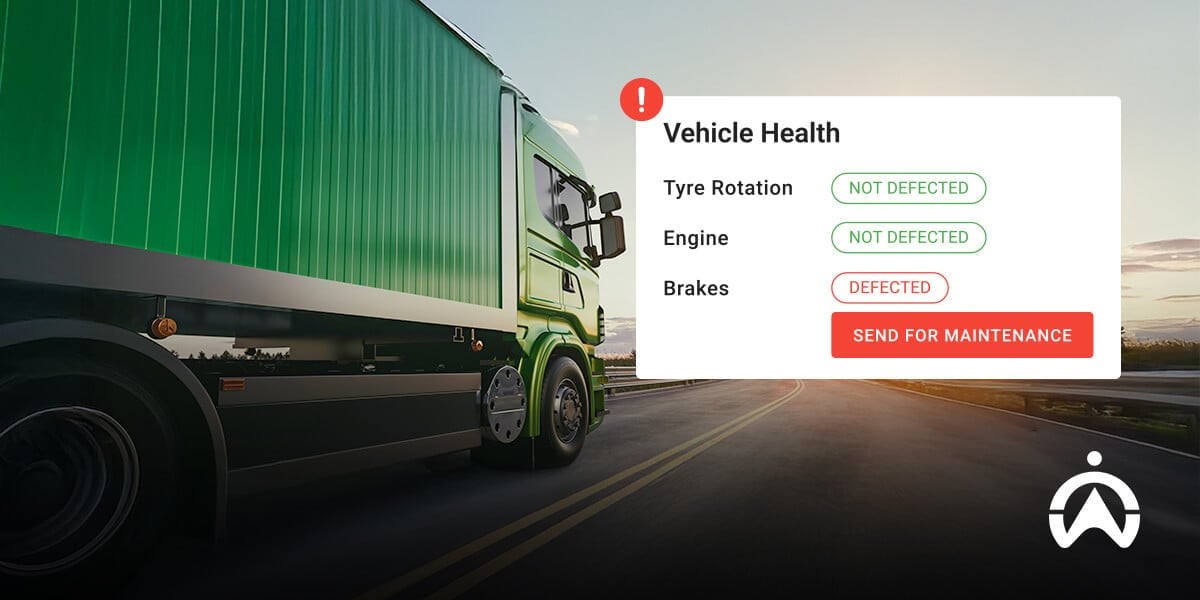
A green cargo truck on the highway with brake failure notification as an example of the use of Internet of Things (IoT) technology in vehicles.

What are the components of IoT?

The IoT has several key components whose presence is crucial for the IoT system to function. These key components include:

1. Sensors and devices

Sensors and smart devices are key components of IoT systems. This is because sensors are the components that interact directly with the environment to collect various data for processing and triggering automated actions.

IoT sensors are often integrated with smart devices, such as lights equipped with motion sensors. Some commonly used IoT sensors include temperature sensors, pressure sensors, humidity sensors, motion sensors, light detectors, and so on.

2. Connectivity

As the name suggests, IoT systems rely heavily on internet connectivity. For all smart devices to connect and automation to occur, a sufficient internet connection is essential.

However, the internet isn't the only form of connectivity used; it can also be combined with other forms of connectivity. For example, Bluetooth, Z-wave, and Radio-Frequency Identification (RFID) are used.

3. Cloud Storage

With so many sensors, you'll need a lot of storage space. Therefore, IoT typically uses the cloud to store and process data 24/7.

In an IoT system, the cloud is like the brain, not only storing but also continuously processing information. However, for efficiency, it sometimes requires the assistance of edge devices that can process data locally, eliminating the need for forwarding it to the cloud.

4. User Interface

Next, there's the user interface, or UI, which is the part of the system you interact with directly. This UI can take the form of a web-based dashboard, a smartphone app, or a voice interface (e.g., Alexa). Within this user interface, we can do things like:

  • View and read device data

  • Setting up the device

  • Get notifications

  • Setting up automation

See Also: How IoT Temperature Sensors Work to Monitor Storage Fleet Temperatures

How Does IoT Work?

Now that we know the components, let's move on to how IoT works. The steps are as follows:

  1. Data collected: Sensors and devices collect data on environmental conditions, such as air temperature, GPS position, or movement.

Example: The temperature sensor on the AC detects that the room temperature is 30°C.

  1. Data sent via connectivity: Data from sensors is sent to the Cloud via a Wi-Fi network for further processing.

Example: The temperature sensor sends data that the room temperature is 30°C to the Cloud.

  1. Data is processed in the Cloud or Edge Device: Simple data is processed directly on the Edge Device. More complex data is sent to the Cloud for further processing.

Example: The system checks the setting that temperature 28°C = AC is on

  1. Taking action: The system determines what action to take based on the received data. This action could be, “turn on the AC,” “turn off the engine,” “send a notification,” and so on.

Example: The automatic system turns on the AC.

  1. Users get info: You can view data in real-time, make manual settings, and get notifications.

Example: You get a notification that the AC has turned on automatically.

What are the benefits of using IoT?

The use of IoT has various benefits, particularly in simplifying work and increasing convenience. Some of these benefits include:

1. Manage remote devices

IoT allows us to control and operate devices remotely using internet connectivity. Your life would certainly be easier if a robot vacuum cleaned your house while you were away at work.

You also don't need to worry if you leave electronic devices on or forget to turn them off. This is because you have the control to turn them off via your smartphone.

2. Automation and efficiency

Interconnected devices make it easier to set up automation and increase efficiency. Automation also reduces human involvement, saving time and effort on various tasks.

This applies to both increased comfort at home and practicality in business and work. In business, automation also allows you to employ fewer workers, which also contributes to cost savings.

3. Data-based decision making

Sensors and smart devices are key components of IoT systems. With data from various sensors, the system can process situations and respond quickly based on that data.

For example, a factory machine experiences a problem where the temperature rises above normal while it's operating. Using data from sensors, an IoT system can immediately issue a warning or even shut down the machine if it reaches a certain temperature.

4. Increase security

IoT systems are also extremely useful for improving security, whether monitoring homes, offices, or vehicles. In fact, you can monitor all of them simultaneously within the same system.

You can utilise smart cameras, use automatic locks, and even activate notifications for suspicious situations. This way, if a theft or other crime occurs, you can immediately address it.

5. Save energy and costs

Nowadays, we are inseparable from various electronic devices that require electricity. One environmental concern is how to use these devices wisely and support energy conservation.

The good news is, IoT allows you to save energy by automatically limiting consumption. For example, by setting devices to turn on and off automatically according to need.

See Also: 4 Benefits of Cargo Door Sensors for Fleet Management Companies in Indonesia

Examples of IoT Applications in Various Fields

So, how is IoT being applied and used in various areas of everyday life? Consider the following examples.

1. Smart Home (automatic lights, smart AC)

The most relevant example of IoT implementation in our daily lives is the concept of the smart home. With a smart home, you can live more comfortably and safely thanks to the automation of various electronic devices.

From automatically turning on lights and air conditioning to enhancing security with CCTV cameras and smart locks, you can have full access and control of your electronic devices from your smartphone or smart speaker like Alexa.

2. Health (wearables)

Smartwatches are now very common. These devices allow you to track health data, including heart rate, oxygen levels, sleep data, and physical activity.

IoT also allows you to be treated at home with Remote Patient Monitoring technology. Using data from various health-related sensors, doctors can stay informed about your condition without requiring hospitalisation.

3. Transportation (GPS, autonomous vehicles)

Another use of IoT is for fleet management, as offered by Cartrack. You can use GPS and various sensors to gain comprehensive monitoring and improve the safety of your fleet.

Furthermore, IoT is also used in autonomous vehicles or self-driving vehicles, such as those from Tesla. Using various sensors, AI, and IoT, these vehicles can operate autonomously without the need for human intervention.

4. Industry (factory automation)

IoT also plays a role in factory automation, where machines in every production process are automatically connected to each other. Besides increasing time efficiency, this automation also minimises human involvement, allowing companies to be more efficient in their workforce.

Furthermore, IoT systems can also enhance security by detecting issues and damage. This way, companies can avoid more serious damage that could disrupt operations.

What are the challenges and risks of using IoT?

IoT certainly simplifies various tasks, increases efficiency, and makes life more convenient. However, its use also comes with various challenges and risks, such as:

1. Data security & privacy

With interconnected systems, IoT systems are highly vulnerable to hacking, which could potentially damage and disable all functions. Furthermore, data security and privacy are also at risk because they are automatically stored online.

However, currently developed IoT systems generally incorporate cybersecurity components. This way, extortion and personal data theft can be minimised.

2. Technology dependence

While using IoT makes life incredibly convenient and efficient, this can also indirectly lead to an unhealthy dependence on technology, making it difficult for us to function normally without its assistance.

3. Initial costs

IoT requires a variety of smart devices that not everyone has. If you want a fully integrated system, you'll need to invest in the infrastructure, which requires significant capital.

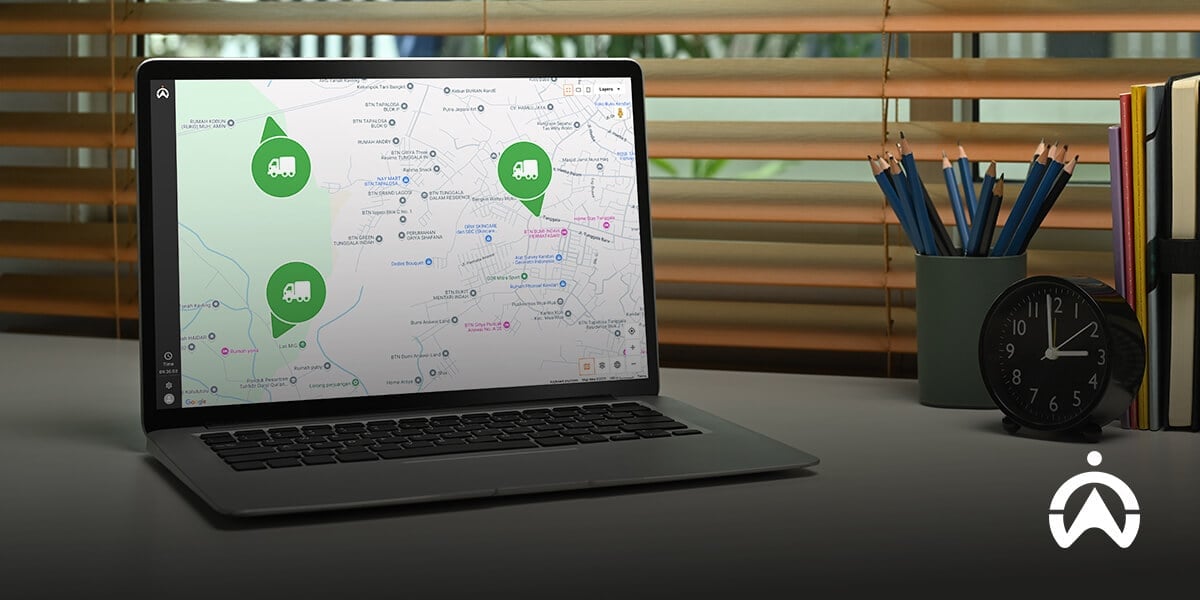
A laptop on a desk displays a map of delivery routes as an example of the use of the Internet of Things (IoT) in the logistics sector.

IoT-Based Fleet Management from Cartrack

One application of IoT in the transportation sector is IoT-based fleet management, such as that offered by Cartrack. Cartrack's entire system is internet-based and cloud-based, allowing access anytime, anywhere.

  • GPS Tracker → Allows you to track vehicles in real-time and access this information via a web dashboard or a smartphone app.

  • IoT sensors → Cartrack also offers sensor technology, ranging from fuel sensors, temperature sensors, and so on that can enrich your vehicle fleet data.

  • AI Cameras → Camera and dashcam solutions from Cartrack can detect driver behavior and potential accidents, with all the information readily accessible to you.

  • Prevent Theft → Stop theft by automatically disabling the vehicle's starter if it moves outside of its designated zone.

  • MiFleet → A cost management system software that simplifies administration and fleet financial management.

Read Also: The Best Panic Button for Your Vehicle!

That concludes our discussion of the Internet of Things (IoT), from its definition to the challenges and risks of using it. IoT enables numerous automations, increasing efficiency in time, effort, and costs.

One use of IoT in the transportation sector is in fleet management, as offered by Cartrack. These include GPS trackers, various IoT sensors, and security systems to prevent theft.

If you manage a business in the transportation and logistics sector, you can entrust the security of your fleet to Cartrack’s fleet management solutions. Provide your details in the form below to receive a special offer from Cartrack, tailored specifically for your business!

Understanding Transportation Management Systems and Their Benefits for Business

Managing a large-scale logistics company is certainly different from managing last-mile deliveries or courier services. Having previously discussed the Delivery Management System (DMS), this time we will explore the Transportation Management System (TMS).

What is a TMS and how is it different from a Delivery Management System? Find out more in this article.

What is TMS?

A Transportation Management System (TMS) is a system that enables business owners to manage and optimise the shipment of goods. At first glance, a TMS might sound similar to a Delivery Management System (DMS), wouldn't you say?

In fact, although they both focus on shipping goods, their scopes differ. TMS focuses on large-scale deliveries as part of the supply chain, while DMS focuses on customer delivery (last-mile).

A DMS can also be integrated into a TMS, allowing the system to be integrated right down to last-mile delivery. However, many DMSs are also offered as separate systems from a TMS.

Besides being similar to a DMS, you might also think of a TMS as a Fleet Management System. The difference is that an FMS focuses on vehicle management and driver behaviour rather than the dispatch process itself.

Officers refuel the fleet of operational business vehicles managed using a transportation management system.

To be clearer, you can find the differences between TMS, DMS, and FMS in the following table.

Aspect

TMS (Transportation Management System)

DMS (Delivery Management System)

FMS (Fleet Management System)

Main Focus

Manajemen pengiriman barang dalam rantai pasok (supply chain).

Last-mile delivery management.

Vehicle and driver management in fleet operations.

Used by

Logistics companies, distributors, manufacturers and businesses with large shipping volumes.

Expedition services, e-commerce, restaurants, or businesses that frequently send goods directly to customers.

Companies that have many operational vehicles (logistics, ride-hailing, public transportation, etc.).

Key Features

  • Delivery route optimisation

  • Multi-carrier management

  • Tracking shipments (goods)

  • Integration with Warehouse Management System (WMS) & Enterprise Resource Planning (ERP)

  • Tracking real-time kurir/delivery driver.

  • Proof of delivery (Proof of Delivery/POD)

  • Automatic notifications to customers.

  • Last-mile route optimisations

  • Vehicle tracking (GPS, fuel, route).

  • Monitoring driver behaviour (speed, sudden braking, etc.).

  • Vehicle service schedule management.

Coverage

From factory → warehouse → distributor in the supply chain.

From warehouse/store → to end customer.

From a vehicle & driver perspective for fleet efficiency.

Tracking Focus

Shipment/goods, not the vehicle.

Last-mile delivery (courier or driver).

Vehicle & driver, not the goods.

TMS Key Features

Transportation Management Systems typically consist of features that can simplify logistics processes and increase efficiency, such as:

  • Transportation planning: This system makes it easier for you to consider land, sea and air transportation options by providing comparisons.

  • Transportation management: Allows you to manage transportation costs, manage orders, and billing and payments.

  • Delivery monitoring: You can track your delivery in real-time and get notifications if your delivery is delayed or delayed.

  • Document management and compliance: TMS also helps you automate shipping documents and ensure compliance with transportation, tax, and customs regulations.

  • Cost analysis: Can measure the performance and efficiency of costs incurred for delivery and provide data-based reports.

Read Also: Best Fleet Management: How to Maximise Revenue

Benefits of Using TMS for Logistics Businesses

If you currently manage a business that operates in the business and supply chain sectors, using a TMS will be extremely beneficial. Some of the benefits include:

1. Reduce Shipping Costs

Route optimisation is one of TMS's flagship features, allowing you to choose the best route to save fuel. With TMS, you can also get the best advice when choosing the mode of transportation that best suits your needs.

This way, you can determine the best mode of transportation and the budget for each. This allows you to save on shipping costs in the long run without sacrificing delivery quality.

2. Improve Operational Efficiency

By optimizing routes, you can save fuel, which in the long run can also improve operational cost efficiency. However, efficiency in the logistics business is certainly not limited to costs and expenses.

A TMS allows you to simplify long and complex processes. Not only does it save operational costs, it also speeds up and simplifies administrative tasks that are prone to human error.

3. Conduct Real-time Monitoring

Real-time tracking is crucial for monitoring the overall logistics process. It allows you to provide more accurate delivery time estimates to recipients.

Not only that, you can also receive notifications if there are any delivery issues that might cause delays. This eliminates the need to contact and be contacted by the driver directly for regular delivery updates.

4. Simplify Document Management

Every shipment is accompanied by various documents, both related to the shipment itself and to regulatory compliance. Before automation, drivers may have had to carry printed documents that were susceptible to loss or damage.

Using a TMS allows you to digitise shipping documents such as Bills of Lading, Invoices, and Proof of Delivery. This eliminates the need for drivers to carry reams of documents, and makes it easier for you to verify them.

5. Helps data-based decision making

You'll certainly agree that every operational policy adopted must have a clear basis and rationale. Using a TMS allows you to generate reports based on shipping data, which is undoubtedly very useful.

These reports can help you with data-driven efficiency analysis. This way, you might be able to implement new rules that will hopefully improve efficiency.

Read Also: What Is Fleet Management in Logistics?

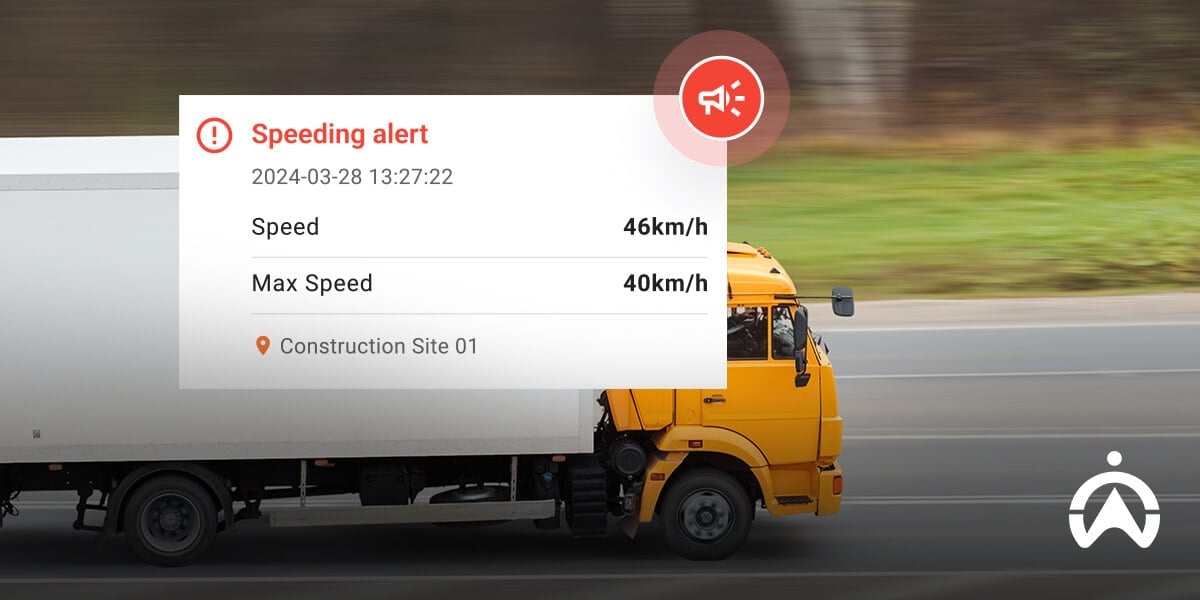
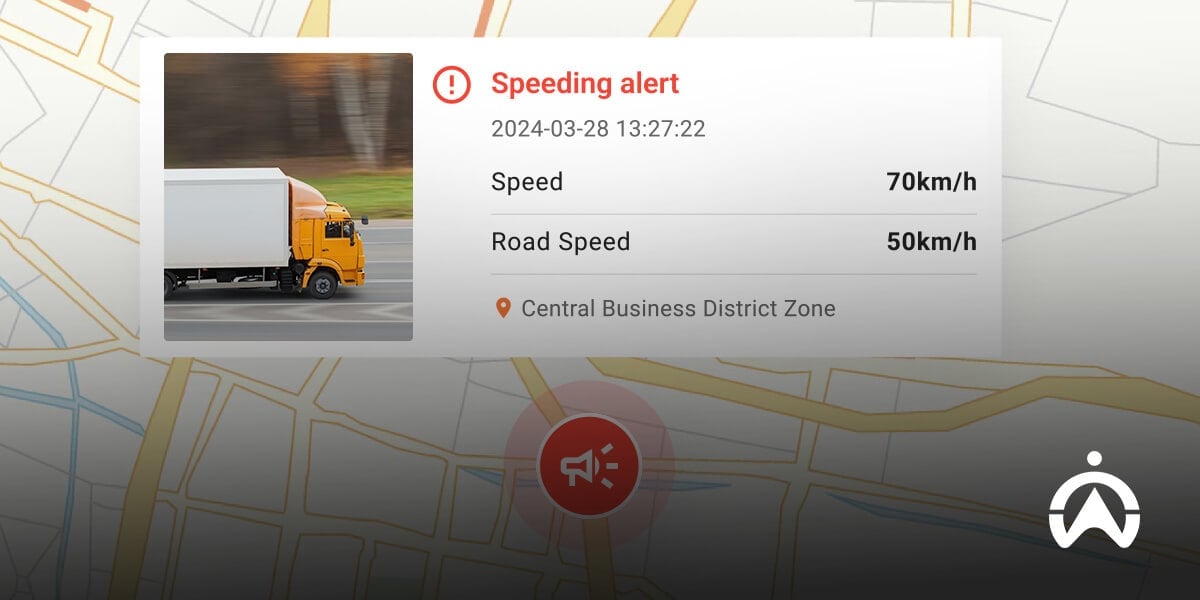
Illustration of detecting trucks violating speed limits on a digital map system as part of the Transportation Management System feature.

Manage your fleet more efficiently with Cartrack's Fleet Management System.

If your business focuses more on fleet utilisation than deliveries, a Fleet Management System is the right solution for you. Cartrack offers an FMS solution that makes it easy to manage your fleet, with features like:

You can also add other features as needed such as Start Inhibit Relay, Cargo Door Sensor, PTO Sensor, and so on.

That concludes our discussion of Transportation Management Systems (TMS) and their differences from Delivery Management Systems and Fleet Management Systems. Make sure you use the right system for your business needs.

For those of you focused on vehicle management—such as in the car rental business—Cartrack’s Fleet Management solution may be the right fit for you. Please provide your details in the form below to receive a quote from Cartrack and a live demo!

Familiar with FTL and LTL methods in large-scale Freight Forwarding

When shipping large quantities of goods, will you rent one truck for your goods only or share it with other shippers?

If you choose a shipping method that dedicates one truck to your goods, your shipment is FTL. If you choose to share space and costs with other shippers, your shipping method is LTL.

So, what are FTL and LTL? Let’s explore their definitions, the differences between them, and the factors to consider for shipping efficiency. Furthermore, we will also discuss how fleet management technology can serve as a security solution for your shipments.

Understanding FTL and LTL

Large-scale cargo shipments are categorized into two methods: FTL (Full Truckload) and LTL (Less-than Truckload).

What is FTL?

FTL stands for Full Truckload, which refers to shipping large quantities of cargo that fill the entire truck's carrying capacity. FTL typically involves only one shipper with a single destination, for example, from a factory to a warehouse.

However, in modern logistics, full FTL shipping can also mean you pay the full shipping cost even if you don't fill the truck to capacity. Furthermore, as long as the shipper is the same, you can specify multiple drop-offs.

Advantages of FTL

  • More flexible schedule

  • Items arrive faster

  • Safer because it is not mixed with other items

  • Suitable for sensitive items and those requiring special treatment.

FTL disadvantages

  • The cost is more expensive because you rent a truck yourself.

  • Still pay in full even if you don't fill the truck to the brim.

What is LTL?

LTL stands for Less-than Truckload, which refers to a shipment that utilizes only a portion of a truck's capacity. This method allows you to share space and shipping costs with other shippers who are using the same service.

In an LTL (Less-Than-Truckload) shipment, the full capacity of a truck is shared among multiple shippers with various destinations. This method is commonly used by small-scale businesses, such as SMEs.

Advantages of LTL

  • The cost is cheaper because it is calculated based on the weight of the load.

  • Suitable for MSME businesses

  • More environmentally friendly because the truck load is maximised.

Disadvantages of LTL

  • It takes longer because there are many transits.

  • Delivery time is not flexible because it has to wait for other loads.

  • The risk of damaged goods is higher because they are loaded together with other goods.

  • Not suitable for cargo requiring special treatment

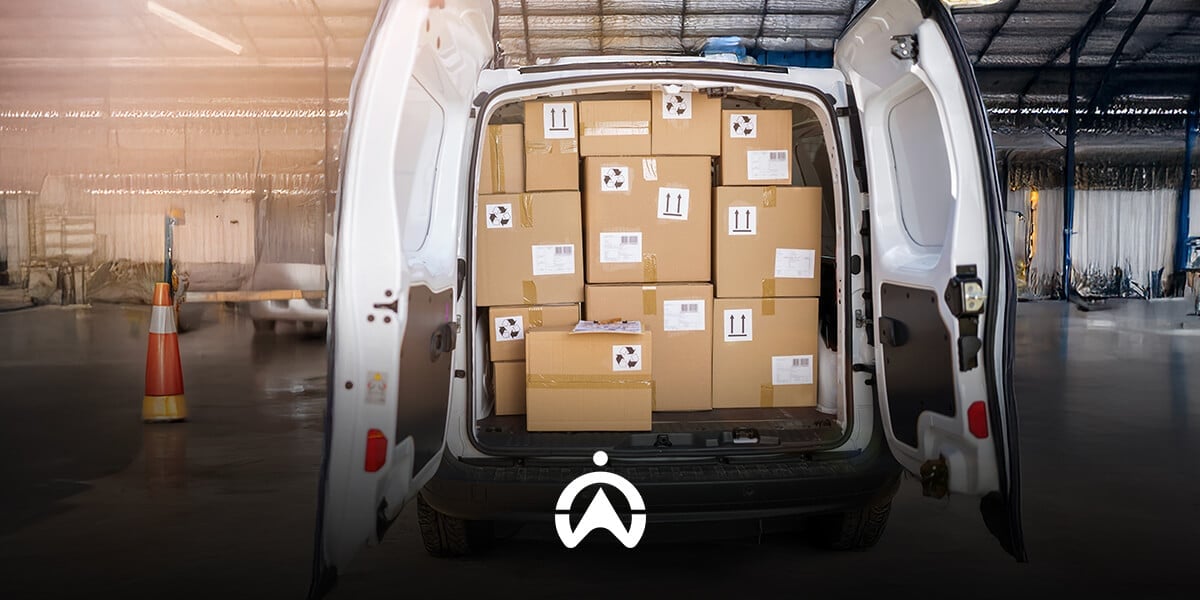
Empty wooden truck trailer interior with stacks of white cardboard boxes for large scale freight shipments using FTL or LTL methods.

Differences between FTL and LTL in Shipping Operations

After understanding the meaning, advantages and disadvantages of each FTL and LTL method, this time we will compare the differences between the two.

Factor

FTL (Full Truckload)

LTL (Less Than Truckload)

Truck Capacity Usage

One shipper rents one truck (full or not full)

One truck carries goods from several shippers

Number of Senders & Recipients

1 sender, 1 or more recipients (can be multiple drop-offs)

Many senders, many recipients

Delivery Speed

Faster, because it goes straight to the destination

It takes longer, because you have to transit several times.

Cost

More expensive, because it is charged for one truck

More economical, because costs are based on the volume of goods

Goods Security

Safer, because it is not mixed with other items

More risky, because the shipment is mixed with other goods

Suitable Types of Goods

Large volume, fragile items, and fast delivery

Small volume, not too sensitive items

When to Use FTL or LTL?

When planning a freight shipment, you need to understand the ideal situations for selecting FTL or LTL. Things to consider include:

1. Cargo weight

The amount of cargo to be shipped depends on the type of fleet used. For example, a tronton truck has a capacity of 18 tons. If your cargo weighs close to 18 tons, you can choose the FTL method.

Conversely, if your cargo weight exceeds the truck's capacity, you can choose the LTL method. You can also contact your logistics provider directly for recommendations based on your needs.

2. Urgency of delivery

The next thing you should consider is the urgency of the shipment. If you need fast delivery, you should use the FTL method, which will deliver the goods directly to their final destination.

However, if delivery times are more flexible, choosing LTL won't be a problem. LTL shipments will take longer because they'll transit through a warehouse or distribution point before being delivered to their destination.

3. Type of goods

The type of goods you're shipping will also be a crucial consideration when choosing a shipping method. If the items you're shipping don't require special attention, LTL won't be a problem.

However, if you're shipping sensitive, fragile, or high-value items, you'll want to use FTL. This reduces the risk of items coming into contact with other items, which could cause damage.

4. Budget

Another consideration that is no less important is budget considerations for shipping. If your budget is limited, choosing LTL is the best, especially if your cargo is not too large and does not require special attention.

If budget isn't your priority for fast and safe shipping, FTL is the perfect solution. Using FTL will improve time and operational efficiency.

Cargo Capacity for FTL & LTL Shipping

Apart from the four things above, the next thing you can consider is the load capacity of the logistics fleet you will choose.

Please note that each shipping company has its own standards and requirements for the load capacity of its fleet. However, as an estimate, you can refer to the following table.

Truck Type

Dimensions (P x L x T) (m)

Load Capacity (kg)

Engkel Box (CDE)

3 x 1.6 x 1.6

±2.000 kg (2 ton)

CDD Box

4.2 x 1.9 x 1.8

±4.000 kg (4 ton)

Fuso Light

5.5 x 2.1 x 2.0

±8.000 kg (8 ton)

Heavy Fuso

6.5 x 2.2 x 2.2

±12.000 kg (12 ton)

Tronton Box

9.5 x 2.3 x 2.3

±18.000 kg (18 ton)

Wingbox / Trailer 20ft

6 x 2.4 x 2.2

±20.000 kg (20 ton)

Wingbox / Trailer 40ft

12 x 2.4 x 2.4

±30.000 kg (30 ton)

If the weight of your shipment reaches 80% of your fleet capacity, you can choose the FTL method. If it's less than 80%, LTL is a more cost-effective option.

Besides measuring weight, truck loads can also be calculated using pallets. The number of pallets a truck can carry also varies depending on the truck type and the shipping service's policies.

Common pallet sizes used in Indonesia are 1100 mm x 1100 mm (Indonesian standard) and 1200 x 800 mm (European standard). Shipping companies typically also limit the height of each pallet to ensure cargo is secure during transit.

Palletized shipping is common in industries that ship uniform, uniformly shaped cargo. Therefore, it's often used for factory-to-warehouse shipments using the FTL method.

Example of FTL and LTL Usage Scenarios

To help you better understand the differences, here are some examples of scenarios where FTL and LTL methods are used.

One example of the use of the FTL method is shipping from a factory to a distributor's warehouse. For example, an electronics factory in Karawang might ship 1,000 refrigerators to a distributor's warehouse in Jakarta.

Another example is when a factory or warehouse ships products on a large scale. For example, a cement factory in Gresik might send a truckload of 18 tons of cement to a construction project in Tegal.

Meanwhile, examples of LTL methods include smaller-scale shipments. For example, a shipment of 500 prayer robes weighing approximately 500 kg from a local tailor in Bogor to a clothing store in Tanah Abang Market.

Another example is when a warehouse of an electronics distributor for brand A ships 100 laptops to an authorised reseller. The LTL method used is LTL because 100 laptops only take up about 20% of the truck's capacity.

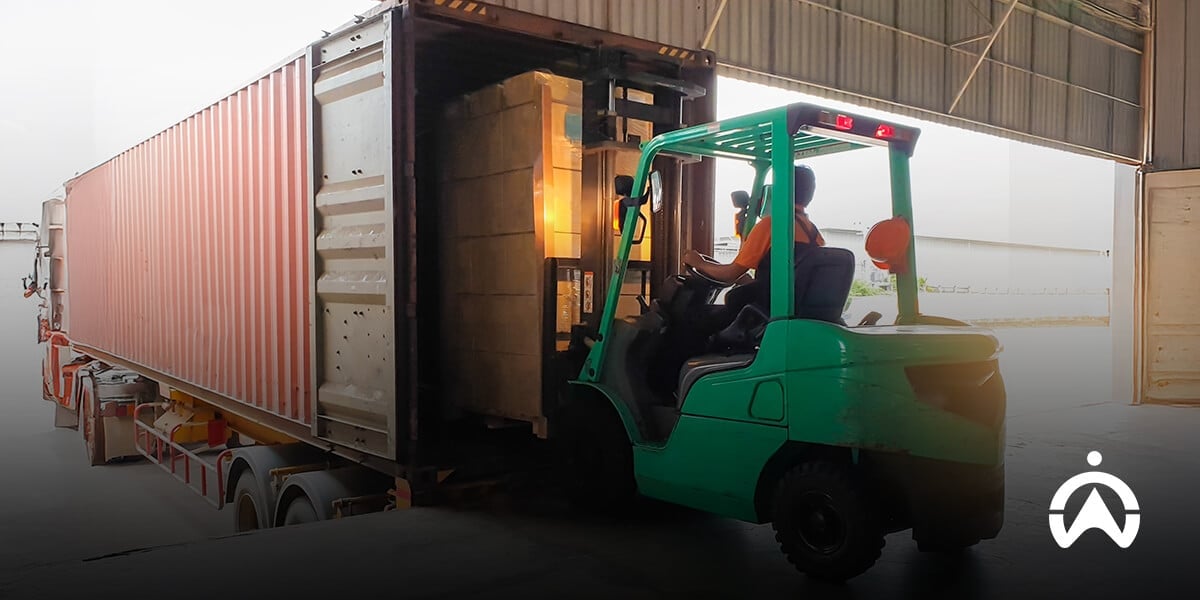
A green forklift operator is loading large cardboard boxes into a container for large-scale shipping.

Optimise Shipping Security with Cartrack

For those of you in the logistics business, optimising shipping security is a priority. Whether shipping via FTL or LTL, you can utilise a fleet management system like Cartrack to:

  • GPS Tracker: Cartrack provides real-time GPS tracking that allows you to monitor your logistics fleet. Ensure every FTL and LTL shipment is always monitored and follows the designated route.

  • Cartrack Delivery: Cartrack's Delivery Management System will help you manage deliveries, delegate drivers, and optimise routes. This will greatly assist you in managing your fleet and deliveries.

  • LiveVision and SmartCabin: Cartrack’s visibility solutions offer dashcams as well as AI-powered fleet cameras. Beyond monitoring drivers, these cameras can be installed both inside and outside the vehicle to enhance safety.

  • Fuel Monitoring: Fuel sensors will help you monitor fuel usage across your fleet. This will alert you to any fuel theft, which can be detrimental to operations.

  • Cargo Door Sensor: To prevent shipments from being compromised by the inclusion of unauthorised items that could disrupt operations, you can also install a cargo door sensor. This allows you to know if the cargo door is opened before reaching the destination.

For those of you in the logistics and shipping business, Cartrack’s fleet management solutions will make managing your deliveries easier. From GPS trackers to cargo door sensors, Cartrack can help enhance the security of your business and your fleet.

Are you the owner or manager of a logistics and shipping business? Provide your details via the following link to receive a consultation and a special offer from Cartrack!

Recognising the Impact and Preventing Microsleep While Driving

Have you ever lost focus while driving and unconsciously closed your eyes for a few seconds? This is a symptom of driver fatigue, known as microsleep.

According to the Chairman of the National Transportation Safety Committee (KNKT), approximately 60% of traffic accidents in 2024 were caused by driver fatigue. According to him, this is also closely related to the long working hours of drivers.

The phenomenon of microsleeps while driving is a critical issue to be aware of, especially if you operate within the transport and logistics industry. In this article, we will explore *microsleep*—covering its causes, its consequences, and solutions to prevent it.

What is Microsleep?

Microsleep is a very brief period of sleep, lasting around 15 seconds or less, characterized by closed eyes or a nodding head. It's so brief that sometimes a person doesn't even realize they've fallen asleep.

The phenomenon of microsleep is closely related to sleep deprivation and fatigue, but it can also occur due to prolonged monotonous activity, such as driving on a toll road for long distances.

Logistics officers monitor the camera security system on laptops to help prevent microsleep while driving for operational fleets.

Causes of Microsleep While Driving

Despite its brief duration, microsleep while driving carries a significant risk of accidents. Fatigue and microsleep are even suspected to be among the leading causes of road accidents, including in Indonesia.

So, what exactly causes microsleep?

1. Lack of sleep

Lack of sleep has a significant impact and is closely linked to microsleep. Those who work shifts are particularly susceptible to microsleep.

Furthermore, this phenomenon is more common in those with sleep disorders such as insomnia and sleep apnea. This is due to poor quality sleep, which leads to fatigue and drowsiness.

2. Fatigue

Freight and passenger transport drivers who drive long hours are particularly susceptible to fatigue, especially if their work requires them to travel from one city to another in short intervals.

Furthermore, drivers who drive alone are also highly susceptible to fatigue because there's no one else to take turns driving. This fatigue can also make drivers drowsy and experience microsleep at times.

3. Health conditions and consumption of certain medications

People with certain health conditions are also more likely to experience microsleep, such as diabetes, anemia, and mental health conditions like depression and anxiety disorders.

Additionally, taking medications that cause drowsiness can also trigger microsleep. Some medications that cause drowsiness include antihistamines, pain relievers, and antidepressants.

4. Driving on the toll road

Microsleep doesn't just occur in those who are sleep-deprived, exhausted, or taking certain medications. In fact, even those who get enough sleep can experience microsleep when performing monotonous activities for extended periods.

One common occurrence is driving on a toll road when it's quiet and the road is completely clear. In such circumstances, the brain can easily go into autopilot mode, increasing the risk. microsleep also increased.

See Also: Car KIR: Definition, Requirements and Costs 2025

The Impact of Microsleep on Drivers and Businesses

Microsleep sebenarnya tidak berbahaya, tetapi apa yang terjadi karena microsleep lah yang sangat berisiko untuk merugikan. Beberapa dampak yang ditimbulkan oleh microsleep adalah:

1. Risk of fatal accidents

For both private vehicles and company vehicles, microsleep poses a risk of accidents and collisions. Single-vehicle accidents such as hitting a road divider, skidding, and rolling over are also very likely.

Furthermore, fatal accidents can also occur if the toll road is congested or busy. Besides potentially hitting other vehicles, you're also very likely to cause a chain reaction accident that could result in injuries or even fatalities.

2. Operational losses

If microsleep leads to an accident, operational losses are unavoidable. These include damaged goods, delayed deliveries, and even damage to the delivery fleet, all of which can be substantial.

These losses do not include damage to vehicles or other parties caused by the accident. Your company must of course compensate for vehicle damage, material losses, and so on.

3. Legal impact and company reputation

Accidents caused by microsleep can be categorized as negligent driving. If the accident causes harm to other road users, the company may be subject to criminal and civil penalties.

Not only that, your company or business's reputation will also be damaged because the accident will be publicized. This could potentially damage existing relationships and even influence the decisions of potential clients.

Read Also: Improve Road Safety with Fleet Management Technology

How to Prevent Microsleep While Driving

Avoiding the dangers of microsleep can be done by preventing and avoiding its causes. You can start with the following:

1. Set a schedule for adequate rest and sleep.

Before driving, ensure the driver in charge gets enough rest and sleep. If working a shift, advise the driver to take breaks when not on duty.

2. Avoid driving alone

Driving alone can be boring, especially on open roads like toll roads. Make sure you assign drivers in pairs, so they can chat and take turns driving.

3. Use an effective shift system

An effective shift system is one that fairly divides work and rest time among drivers. This ensures no driver works long hours, which can lead to fatigue.

4. Consumption of food and drink

Consuming food and drinks while driving can help drivers stay awake. Caffeinated beverages like coffee and tea are especially effective in alleviating drowsiness, as long as they're not consumed in excess.

5. Use technology to detect fatigue

In addition to avoiding the causes of *microsleep*, you can also leverage technology to detect driver fatigue. One such solution is the use of AI-powered cameras capable of detecting signs of fatigue while driving—for example, AI Vision from Cartrack.

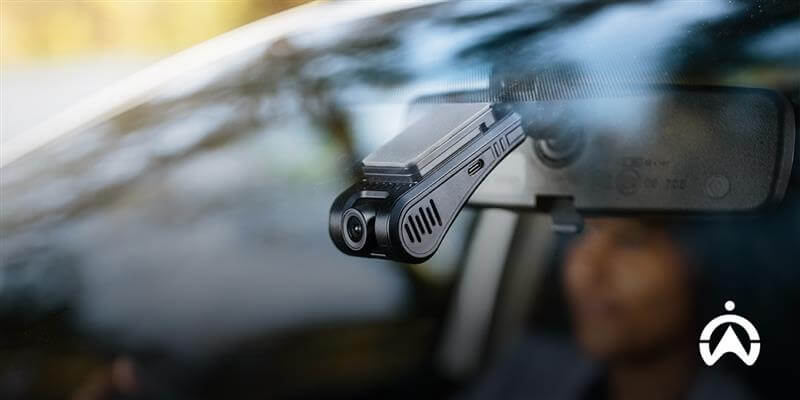
The car dashcam camera is mounted behind the rearview mirror to monitor the journey and prevent microsleep while driving.

Cartrack's AI Camera Solution Detects Fatigue and Drowsiness

Cartrack’s camera solution is equipped with Artificial Intelligence (AI) capable of detecting driver behavior. Real-time alerts are issued to the driver if signs of fatigue, drowsiness, smoking, or mobile phone use are detected.

Furthermore, AI can detect potential forward collisions and alert the driver. If a driver attempts to cover the camera, the fleet manager will be notified so that the driver can be issued a warning.

Cartrack's AI Vision is available to suit your various needs with variations:

  • AI Dual Vision: AI cameras face the cabin and the road ahead
  • AI Multi Vision: AI camera for monitoring up to 4 cameras
  • AI Multi Vision Pro: AI camera for monitoring up to 8 cameras

Also Read: The Dangers of Overloading in Freight Transport & How to Avoid It

Microsleep is a very short period of sleep that can contribute to road accidents. As a business owner in the transportation and logistics sector, you need to know how to address microsleep in drivers.

One way to do this is by using technology like AI-powered cameras that can detect fatigue. You can find this solution with Cartrack's AI SmartCabin and Driver Monitor Cameras.

Get a special offer and a demo from Cartrack by filling in your details on the following digital form!

Fleet Management Software Subscription Prices: Cheap or Expensive?

You've probably heard about fleet management, but you're still unsure about the price range of the equipment. So, is using a fleet management system worth the cost? Let's find out more in the following article.

Factors Affecting Fleet Management Software Prices

When purchasing fleet management software, you're getting more than just the software, but also the hardware. Like any other product or service, fleet management software prices vary widely depending on many factors.

Some factors that influence it include:

  • Hardware quality → The higher the quality (shock, heat and dust resistant), the more expensive it will be.

  • Additional features available → Adding some features such as fuel monitor and fleet camera may incur additional charges.

  • Types of software used → Software data storage can be cloud-based (via the internet) or on-premise (installed on a company server). The prices for both will vary significantly.

  • Business scale/number of units → The price of the software and services offered will usually be adjusted to the scale of the business and the number of vehicle units.

  • Payment scheme → The outright purchase system will require a large initial cost. compared to a subscription system.

A person monitors vehicle tracking data via smartphone and laptop using fleet management software.

Is the Investment in Fleet Management Worth the Price?

Here are some things to consider if you're still unsure about using fleet management services. Once you understand these factors, you'll be able to determine whether the investment is worth the potential benefits.

1. Reduce operational costs significantly

The fleet management system allows you to save fuel with automatic route optimisation. It also lets you identify fuel-guzzling driving behaviours like frequent speeding and sudden braking.

Some service providers also allow you to schedule automatic service to minimise downtime due to unexpected breakdowns. This way, you can avoid costly major repairs due to unexpected breakdowns.

Also Read: Best Personal and Fleet Car Dashcams 2025

2. Fleet Security is More Guaranteed

Many company vehicles are used outside of operational needs and remain undetected. Furthermore, vehicles without GPS tracking are also at high risk of theft without being traceable.

With GPS from fleet management software, you can track your company vehicle movements 24/7. You can set limits on the areas that vehicles can pass through and set notifications if the vehicle leaves that area.

Fleet management software providers like Cartrack also have a feature to disable the car's ignition if there's any indication of theft. A stolen vehicle will be unable to start or move from its last location, allowing you to quickly rescue it.

3. Increase Efficiency and Productivity

Are you still using manual data collection to generate trip and vehicle usage reports? Fleet management can also simplify this process, with automated reports you can download as needed.

Some service providers also integrate their offerings with accounting systems, making your financial management much easier. As a result, you don’t have to spend a significant amount of time handling administrative and financial tasks.

4. Reduce the risk of accidents

Imagine, for example, you're accused of hitting a car in front of you and you have no evidence to prove your innocence. Alternatively, your driver could be engaging in risky behaviours like falling asleep, smoking, or using a cell phone.

Both of these risks can be mitigated by using a system integrated with dashcam and AI camera solutions. Drowsy drivers can be alerted, and you'll also have evidence in the event of a road traffic collision.

Affordable Fleet Management Software from Cartrack

Cartrack offers a fleet management solution for IDR 1,122,000–IDR 2,958,000 per year with a subscription scheme and cloud-based software. The price offered is of course adjusted to the number of vehicle units, type of package taken, and contract period.

With this competitive price, you can enhance your vehicle's security. From real-time vehicle tracking, viewing trip history, to downloading automatic reports, you'll also receive:

  • Free shipping

  • Free SIM card and Data

  • Lifetime device warranty

  • Professional installation services

  • 24/7 customer service

  • Instant tracking from Control Room

  • Accident and rollover detection

A man stands in front of a row of logistics trucks using the company's fleet management software.

For those of you who want more security, Cartrack also provides additional features such as:

  • Fuel Monitor (fuel sensor)

  • Live Vision (dashboard and AI camera)

  • Mi-Fleet (cost management)

  • Driver Identification

  • Panic Button (panic button)

  • Start Inhibit Relay (prevents theft by disabling the vehicle's starter)

Also Read: Anti-Theft GPS Tracker for Motorcycles

Fleet management software is more than just tracking software; it integrates with other features like fuel monitoring, cameras, and more. Prices vary greatly depending on the quality of the hardware, the features provided, and the payment scheme.

Cartrack offers fleet management solutions in the form of GPS trackers that can be integrated with various additional features such as fuel monitoring and cameras. Take full control of your fleet now! Complete the form below for a quote and demo from Cartrack!

Anti-Theft GPS Tracker for Motorcycles

Two-wheeled motor vehicle theft (curanmor R-2) cases in Indonesia reached 18,904 throughout 2024. This high number of thefts means that your two-wheeled vehicle remains at constant risk of theft.

One of the factors why motorbike theft continues to occur is that motorbike security systems are not as sophisticated as other modes of transport. Therefore, using technology such as GPS Tracker to improve security can be the best choice for you.

Route navigation on a cellphone mounted on the motorbike handlebars, functions as an anti-theft GPS tracker for motorbikes.

Why Should Your Motorcycle Use a GPS Tracker?

Have you ever left your motorcycle in a parking lot and wondered if it would be safe? Installing a GPS will give you a sense of security with the following benefits.

1. Prevent Theft

The first benefit of using a GPS device is to prevent theft through real-time tracking. You will be able to initiate tracking immediately if a theft occurs, without having to wait helplessly for the police.

2. Reducing Anxiety When Parking

Stopping and parking in certain locations can often be nerve-wracking. Installing a GPS can give you peace of mind, allowing you to monitor your vehicle even when you're away.

3. Receive Notifications When Vehicle is Activated

In addition to tracking, you can also set up notifications if the unit is suddenly activated without your knowledge. This way, you can immediately report suspected theft to security.

4. Simplify Fleet Monitoring

If your business uses a two-wheeled fleet for delivery, using GPS navigation will make things easier, especially when it comes to monitoring courier activity and viewing their daily travel history.

Read Also: Not Just Tracking Location, It Turns Out Car GPS Trackers Have Other Complete Features!

The Advantages of Cartrack Motorcycle GPS for Individuals and Businesses

Cartrack provides GPS tracking solutions for personal use and motorcycle fleets for businesses and enterprises. This tracking solution allows you to:

1. Track Motorcycles in Real-time

With real-time tracking, you can see the vehicle's current location via Fleet Web and the Cartrack mobile app. If your needs are for business, this feature allows you to monitor courier/driver activity in real time.

If you're a private user who frequently lends your vehicle to family members or friends, you can also use this feature to ensure your vehicle is safe with them and not taken to risky locations.

Read Also: GPS Tracker for Buses: An Easy Solution for Monitoring and Security

2. Set Up Geofences and Points of Interest (POIs)

You can create a virtual fence (geofence) on a specific area or point as an operational boundary. You can also set up notifications if an operational unit enters or exits that area.

This feature is particularly beneficial for businesses involved in delivery services or motorcycle rental operations. If a vehicle leaves the designated area, you can immediately contact the rider or the police if the activity appears suspicious.

3. Receive Alerts/Notifications

You can set alerts and notifications for various events, such as when the vehicle is turned on or off. By receiving notifications when the unit is active, you can immediately track its last location and contact security if there's any indication of theft.

In addition to helping prevent theft, the notification feature is also highly beneficial for business owners. You can set up alerts for events such as speeding, harsh braking, and other driving behaviours, providing valuable data for performance evaluation and improvement.

4. Access Various Reports

Trip reports and risk management insights are highly valuable for business operational analysis. Trackers from Cartrack allow you to access a wide range of reports to support your business and company requirements.

Risk management reports can alert you to risky vehicle usage. This information can also serve as a basis for establishing policies related to road speed limits, operating hours, and other fleet management practices.

A person holds a smartphone displaying a tracking app near the handlebars for the motorcycle's anti-theft GPS tracker function.

Get a motorcycle GPS tracker from Cartrack now!

Investing in a motorcycle GPS tracker is far more affordable compared to the losses caused by vehicle theft, which can reach tens of millions. This technology can help you reduce the risk of loss and increase the chances of recovering your vehicle.

GPS trackers for two-wheeled vehicles from Cartrack are available at a price of Rp120,000–140,000 per month. This price will of course also be adjusted based on the number of fleet units, additional features, and the subscription contract period.

In addition to real-time tracking, Cartrack's Fleet Management solution allows you to add additional features such as:

  • Fuel Monitor (fuel sensor)

  • Mi-Fleet (cost management)

  • Start Prevent (cegah pencurian dengan menonaktifkan starter)

Suitable for personal use, MSMEs, delivery companies, and rental businesses, discuss your motorcycle GPS needs with Cartrack. Click the following link and complete your details to receive a special offer!